Skip to content
Creating a collectible plush series goes far beyond designing cute characters—it requires strategic planning, thoughtful material selection, manufacturing consistency, and long-term brand worldbuilding. A collectible plush line must feel purposeful, cohesive, and valuable in the eyes of consumers, whether it’s aimed at superfans, IP followers, fashion buyers, toy collectors, or gift-based markets. When executed correctly, a collectible plush range can become a signature asset for your brand, fueling repeat purchases, limited-edition excitement, and long-term customer loyalty.
This guide walks you through the core creative, technical, and strategic decisions that brands must consider when building a collectible plush line that stands out in global markets.
What Core Design Principles Define a Successful Collectible Plush Series?
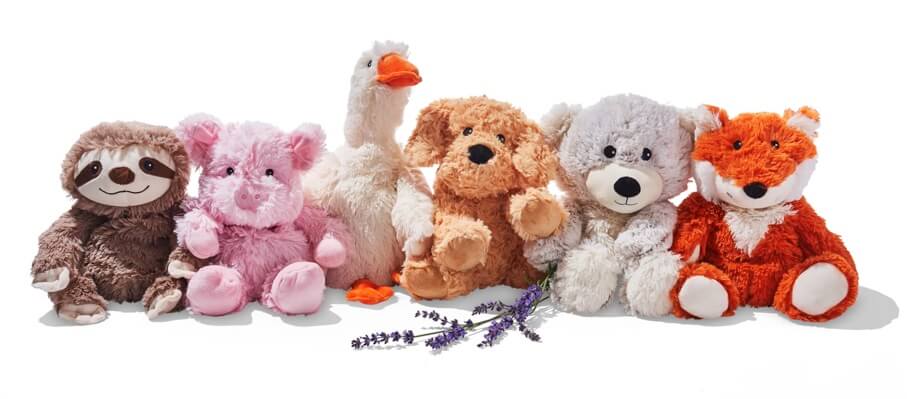
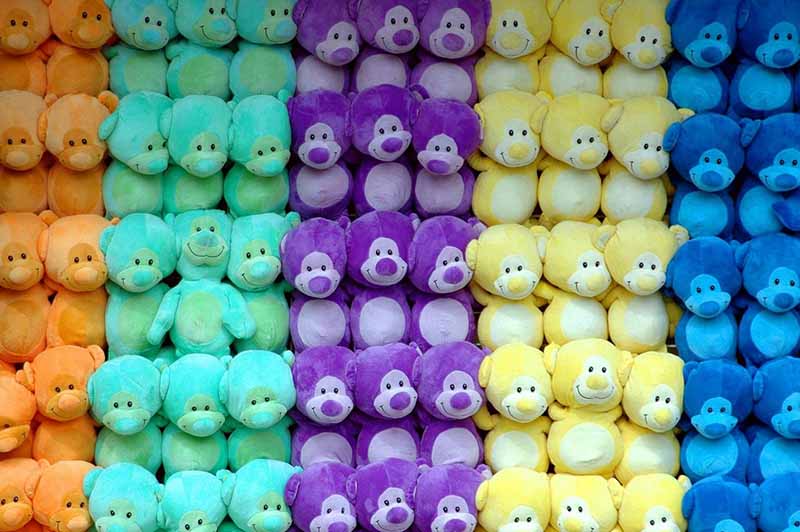
A collectible plush line succeeds when every character feels unique but still belongs to a cohesive world. This requires intentional design decisions from the earliest concept stage. A strong collectible series typically follows a unified proportion system (e.g., oversized heads, short bodies, chibi style), a harmonious color palette, and consistent stylistic cues so collectors feel compelled to “complete the set.” Brands should begin with clear aesthetic rules—such as signature eyes, repeated facial shapes, or iconic silhouettes—that help define the identity of the collection.
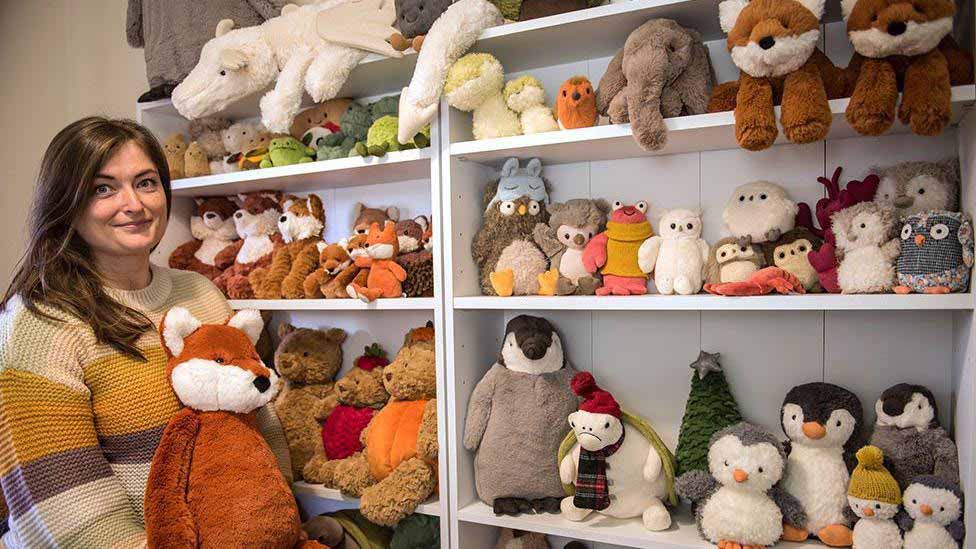
Beyond visual cohesion, scalability is essential. Designs should be planned in a modular way so new characters can be introduced without breaking the established style. Collectors are more likely to buy multiple characters when they look balanced and complementary when displayed together. The line should also include recognizable emotional themes such as humor, nostalgia, fantasy, or minimalism to help the series resonate with specific consumer communities.
| Design Principle | Impact on Collectibility | Practical Notes |
|---|---|---|
| Cohesive style system | Makes full-set collecting appealing | Use recurring shapes & proportions |
| Strong silhouette | Improves shelf presence | Helps characters stand out in photos |
| Harmonized colors | Creates brand identity | Use a master palette across the line |
| Display-friendly sizing | Encourages multi-item purchases | Keep size consistent across series |
| Modular character system | Allows future expansion | Avoid overly complex shapes |
How Can Material Choices and Craftsmanship Elevate Perceived Collectible Value?
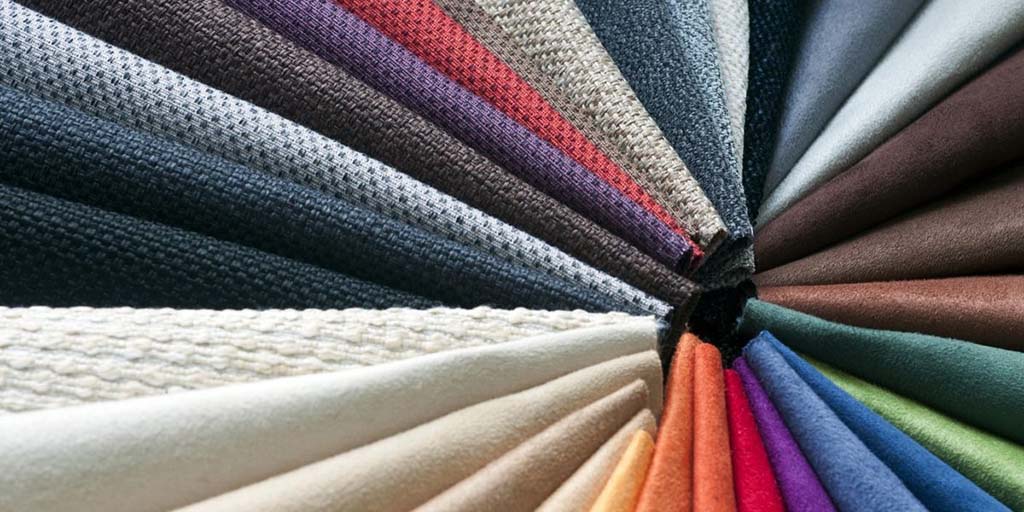
Collectible plush products must go beyond standard retail quality and deliver craftsmanship that feels premium, intentional, and “display-worthy.” Material choices heavily influence perceived value: ultra-soft minky, high-density velboa, faux cashmere, chenille, and novelty fabrics can transform a simple design into a premium collectible. Texture variation—such as combining smooth fabrics with fluffy accents—adds depth and personality to each character.
High-end craftsmanship also matters. Small aesthetic decisions such as clean seam alignment, 3D-structured patterning, embroidered details, and internal support systems can elevate the sense of quality. Collectors pay attention to symmetry, eye placement, stuffing distribution, and how well each plush holds its shape over time. Even hidden elements, such as reinforced stitching or upgraded internal lining, help ensure the toy lasts for years without sagging.
For limited or premium editions, brands can incorporate specialty materials such as metallic embroidery thread, holographic fabrics, or weighted pellets for added tactile appeal.
| Material Choice | Value Impact | Use Cases |
|---|---|---|
| Premium minky | Luxurious softness | Core body fabric |
| High-density velboa | Clean details, durability | Small characters & features |
| Metallic / specialty trims | Premium look | Limited editions |
| Weighted pellets | Higher perceived quality | Adult collector items |
What Limited Edition Strategies Enhance Scarcity and Consumer Demand?
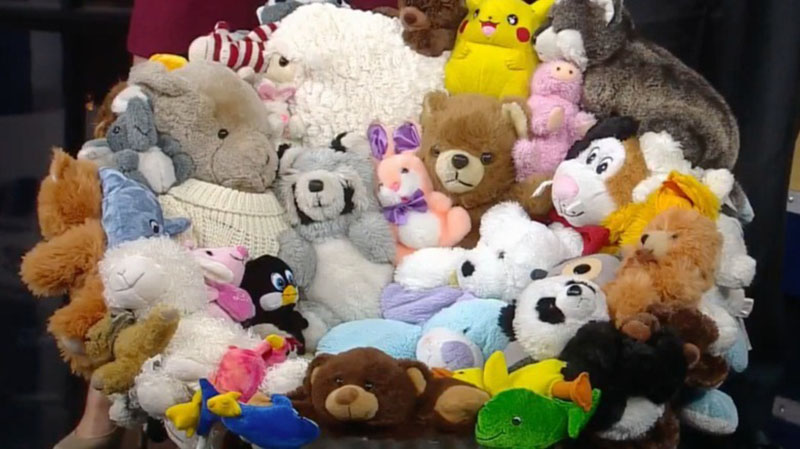
Scarcity is a major driver of collectible behavior. Limited-edition strategies can transform a regular plush line into a sought-after collector’s item. Brands often issue “seasonal drops” or limited production runs with fixed quantities such as 1,000 pcs worldwide. Numbered editions, exclusive variants, and once-per-year character releases also add urgency and encourage repeat purchases.
Colorway variations—such as “winter edition,” “galaxy edition,” or “festival edition”—help expand the collection without redesigning from scratch. Mystery-box and blind-box strategies, highly popular in Asia and increasingly in the West, create excitement through surprise elements and encourage collectors to trade or complete full sets.
Partnerships with influencers, game studios, or fashion brands can also create exclusive releases with heightened perceived value. The key is transparency—make quantity limits known and maintain strict control to protect the integrity of scarcity.
| Limited Edition Strategy | Collector Effect | Examples |
|---|---|---|
| Fixed production runs | Increases urgency | “Only 500 made worldwide” |
| Seasonal variants | Drives repeat purchases | Holiday colors, special outfits |
| Blind-box releases | Boosts excitement | Random characters in boxes |
| Cross-brand collabs | Expands audience | Game / anime tie-ins |
| Timed drops | Builds hype | 24-hour release windows |
How Do Packaging, Certificates, and Numbering Strengthen Collectibility?
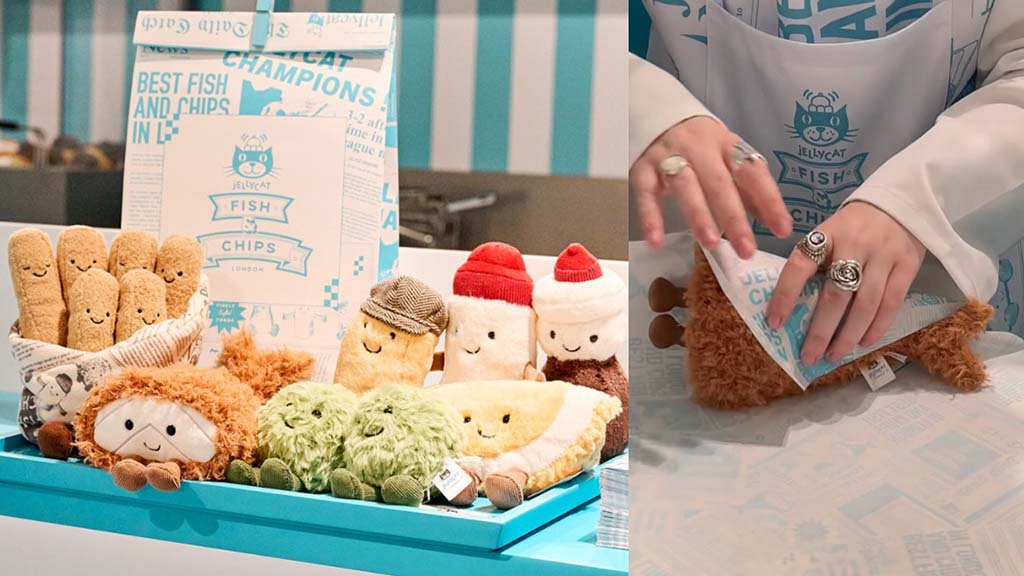
For collectible plush products, packaging is more than protection—it is part of the experience. Premium packaging communicates value, authenticity, and brand story. Sturdy boxes with magnetic closures, foil-stamped logos, character cards, or themed backdrops elevate the perceived worth of each plush.
Certificates of Authenticity (COA) provide an official record of the item’s collectible status. These often include serial numbers, production year, unique artwork, or creator signatures. Numbering systems—either printed on packaging, embroidered tags, or included in certificates—help verify exclusivity.
Display-focused packaging such as window boxes enhances visual appeal for collectors who prefer to keep items unopened. Meanwhile, eco-conscious brands can use premium recycled materials to balance sustainability and luxury.
| Collectible Packaging Feature | Purpose | Collector Benefit |
|---|---|---|
| COA (Certificate of Authenticity) | Confirms rarity | Increases resale value |
| Numbered editions | Enhances uniqueness | “Item 242 of 1,000” |
| Premium display boxes | Adds perceived value | Ideal for gifting & display |
| Themed inserts | Strengthens storytelling | Creates immersive unboxing |
| Recycled premium materials | Eco-friendly | Appeals to conscious consumers |
What Production and Quality Controls Ensure Consistency Across the Collection?
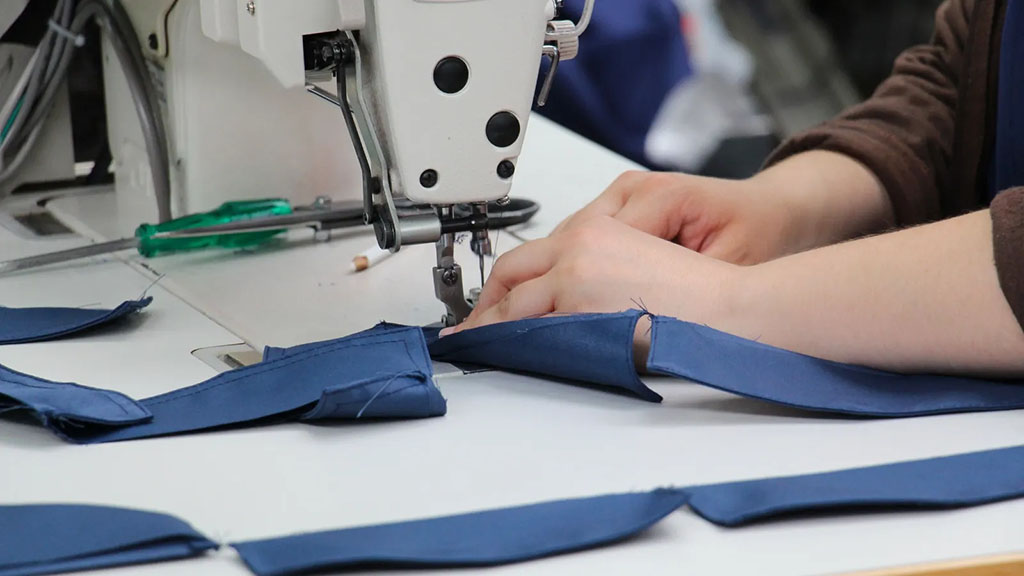
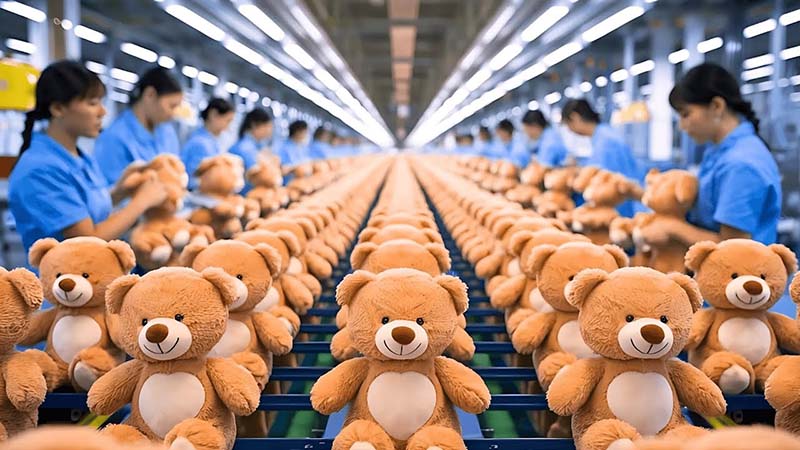
A collectible series must remain consistent across every character and every batch—one defective plush can damage brand trust. High-quality manufacturers use standardized pattern templates, controlled fabric lots, structured stuffing guidelines, and strict QC checkpoints to guarantee uniformity.
For collectible lines, factories often create a “Master Specification Document” that includes stitching density, eye placement rules, fabric sources, Pantone colors, and stuffing weight. The Golden Sample (PPS) becomes the blueprint for all future production. QC teams compare every batch against this reference to ensure no deviations in facial expression, symmetry, or softness.
Consistency is especially critical for numbered series; collectors expect every item to match the official design precisely. Brands should also require material traceability and safety testing even if the product is intended for collectors rather than children. High-end QC prevents returns, protects resale value, and upholds brand prestige.
| QC Element | Purpose | Outcome |
|---|---|---|
| Golden Sample (PPS) | Defines exact standards | Ensures consistency |
| Batch material testing | Confirms fabric uniformity | Prevents texture variation |
| Pattern verification | Ensures shape accuracy | Avoids disproportioned items |
| Eye & embroidery alignment | Maintains character identity | Prevents “off-model” faces |
| Stuffing weight checks | Controls softness & structure | Ensures premium feel |
How Can Storytelling, Character Lore, and Branding Build a Long-Term Collectible Line?
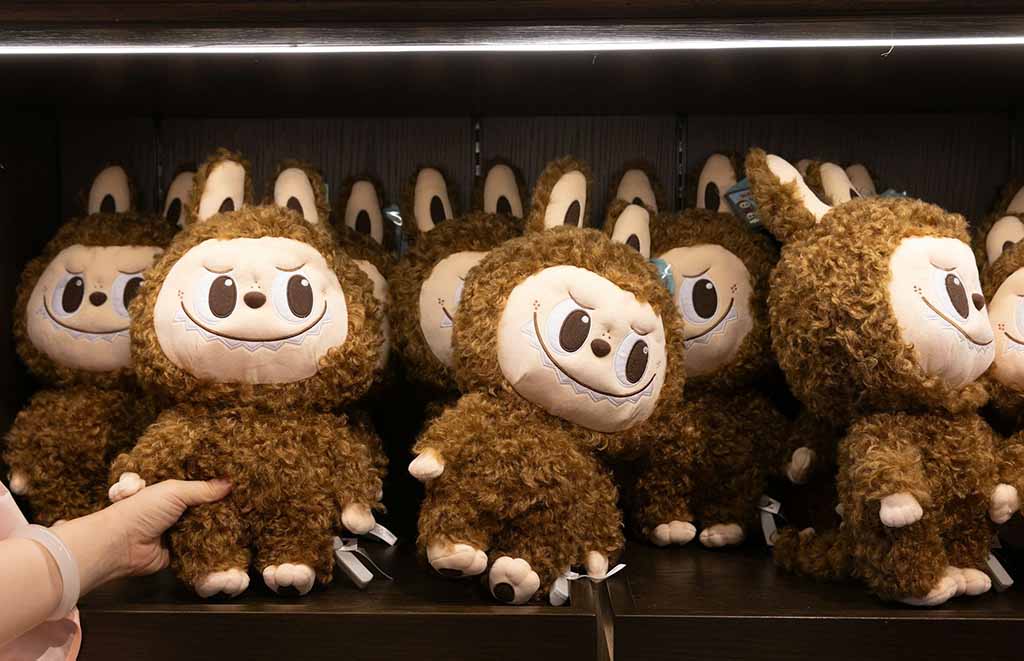
A collectible plush line becomes iconic when every character feels part of something bigger—a universe, a story, a meaningful theme. Worldbuilding is one of the strongest tools brands can use to deepen consumer engagement and encourage long-term collecting. Each plush can represent a personality, mission, season, or symbolic role that helps it connect emotionally with fans.
Brand storytelling may include origin stories, character profiles, trading cards, animated shorts, or monthly chapter releases. Giving each plush a narrative—funny traits, hidden powers, friendships with other characters—adds depth to the collection.
Strong branding elements such as a signature label, recognizable color palette, or thematic series names (“Dream Guardians,” “Forest Friends,” “Cosmic Pals”) help unify the line. A well-structured lore universe also allows seamless expansion with future characters, crossovers, and limited editions.
| Storytelling Component | Brand Impact |
|---|---|
| Character backstories | Builds emotional attachment |
| Worldbuilding themes | Makes the series memorable |
| Personality tags/cards | Enhances collectibility |
| Animated or digital content | Expands engagement |
| Named series & categories | Helps organize collections |
Conclusion
A successful collectible plush line blends design strategy, material excellence, scarcity-driven marketing, and emotional storytelling. When executed with precision, it becomes more than a product—it becomes a universe that fans want to join. By partnering with an experienced plush manufacturer like Kinwin, brands can ensure high-level craftsmanship, production consistency, and technical guidance to bring collectible characters to life with authenticity and premium quality.
📧 Contact: [email protected]
🌐 Visit: https://kinwintoys.com