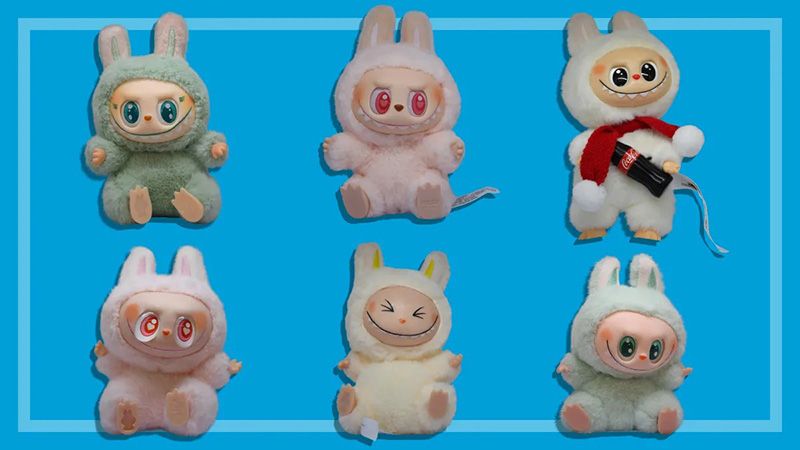
Soft toys look simple from the outside. But behind every teddy bear, bunny, or mascot there is a complete manufacturing process: materials, design, pattern work, cutting, sewing, stuffing, finishing, and strict safety checks.
When you understand how soft toys are made step by step, you can control quality, manage costs, and speak the same language as your factory. This is how you move from “cute idea” to a stable product line that retailers trust and customers love to keep.
In this guide, I’ll walk you through how we make soft toys in a professional factory setting, using clear, simple language so you can use this knowledge in your own projects.
What materials and components are essential in soft toy manufacturing?
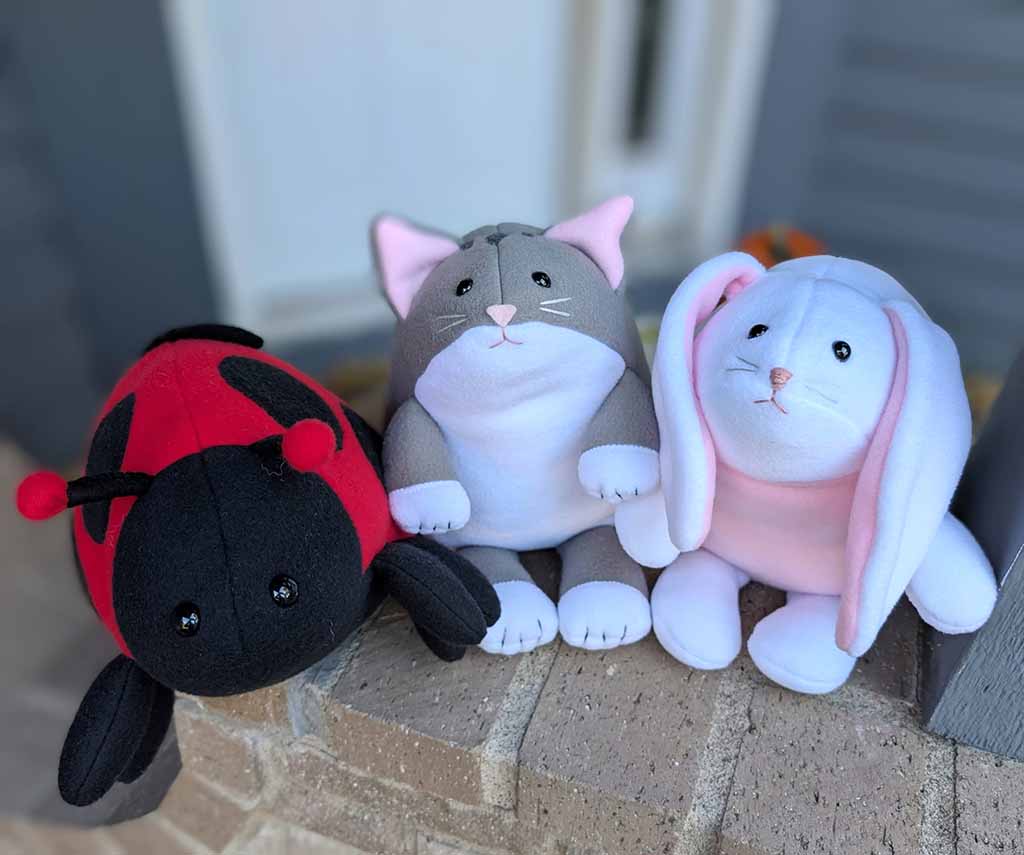
Every soft toy begins as a list of materials and components. If this list is clear and correct, production is smoother, quality is higher, and testing is easier. If it is vague or low-quality, problems will show later in seams, softness, or safety reports.
For most modern soft toys, we use three big groups of materials: outer fabrics, inner fillings, and structural or decorative components. Choosing them well is the foundation for long-term success with your plush line.
Here is a simple overview of what usually goes into a professional soft toy:
| Material / Component Group | Common Examples | Role in Soft Toy Manufacturing |
|---|---|---|
| Outer fabrics | Minky, velboa, fleece, short / long plush | Defines softness, texture, and overall appearance |
| Inner fillings | Polyester fiberfill, cluster fiber, pellets | Gives body volume, softness, weight, and stability |
| Structural textiles | Lining fabric, inner bags, reinforcement cloth | Supports shape, holds pellets, strengthens weak areas |
| Threads | Polyester sewing thread, embroidery thread | Builds seams and facial details |
| Plastic components | Safety eyes, noses, internal sound boxes | Adds character and interactive features |
| Labels & tags | Woven labels, care labels, hangtags | Branding and legal information |
| Accessories & trims | Clothes, ribbons, bows, Velcro, zippers | Adds style, outfits, and play value |
From a buyer’s view, you do not need to operate machines yourself. But you should understand which materials your factory is using, and why. This helps you compare quotes, avoid hidden cost cuts, and protect your brand reputation.
How do design, pattern drafting, and prototyping shape final toy structure?
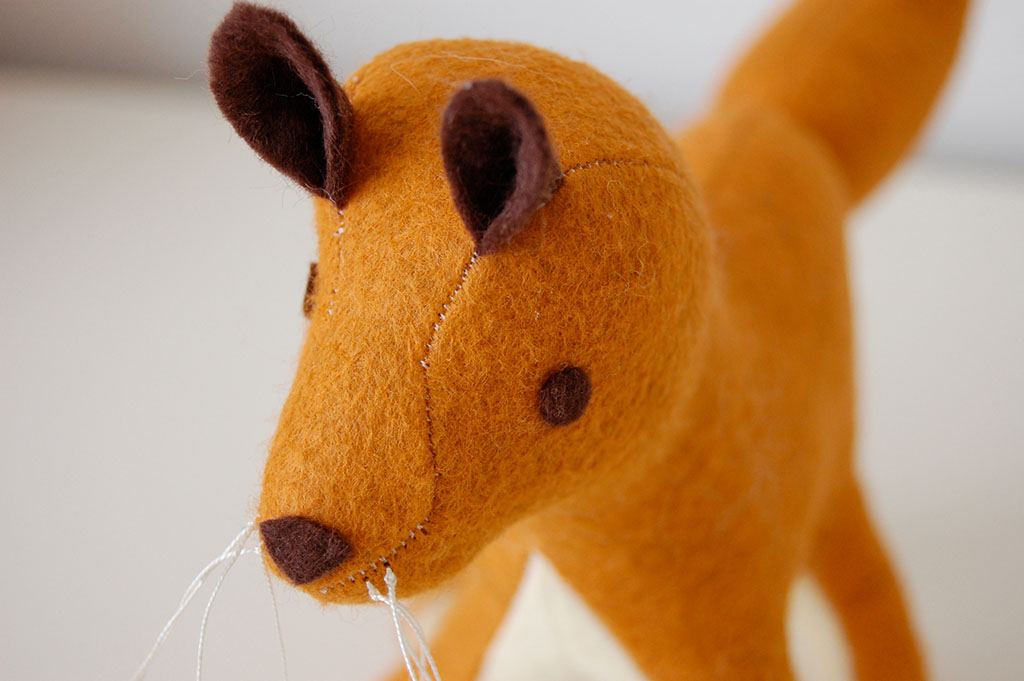
Soft toys start as an idea, but they become real through design, pattern drafting, and prototyping. This is where we decide how the toy looks, how it stands or sits, and how complex production will be.
A good design process turns your moodboard or sketch into clear pattern pieces with seam allowances, stitch lines, and positions for eyes, noses, and trims. A weak process leads to toys that look strange, fall over, or cannot pass safety checks.
You can think of this stage as the “engineering of cuteness”:
| Step in Design Flow | What Happens | Impact on Final Soft Toy |
|---|---|---|
| Concept & references | Collect photos, sketches, market examples | Defines style, size, and target customer |
| Rough drawing | Front, side, and sometimes back views | Sets proportions and overall silhouette |
| Pattern drafting | Convert drawings into flat pattern pieces | Controls shape, curves, and seam positions |
| Digital refinement | Optional CAD work for accuracy | Helps scale sizes and keep consistency |
| First prototype | Sew and stuff using chosen materials | Reveals real-world shape and balance |
| Revision rounds | Adjust pattern, face, and stuffing zones | Moves design from “nice idea” to strong product |
Why pattern and prototype work matter so much
- Proportions decide if the toy feels cute, realistic, or odd.
- Seam lines decide where we can hide joins and where we must accept visible stitching.
- Pattern simplicity affects production cost and stability. Too many panels make sewing slow and inconsistent.
In our factory, we always treat the first prototype as a test, not the final answer. We change head size, limb thickness, and stuffing distribution until the toy looks and feels right from all angles. When you see your toy for the first time in real 3D, you often discover adjustments you would never see on a screen.
What cutting, sewing, and assembly processes form high-quality soft toys?
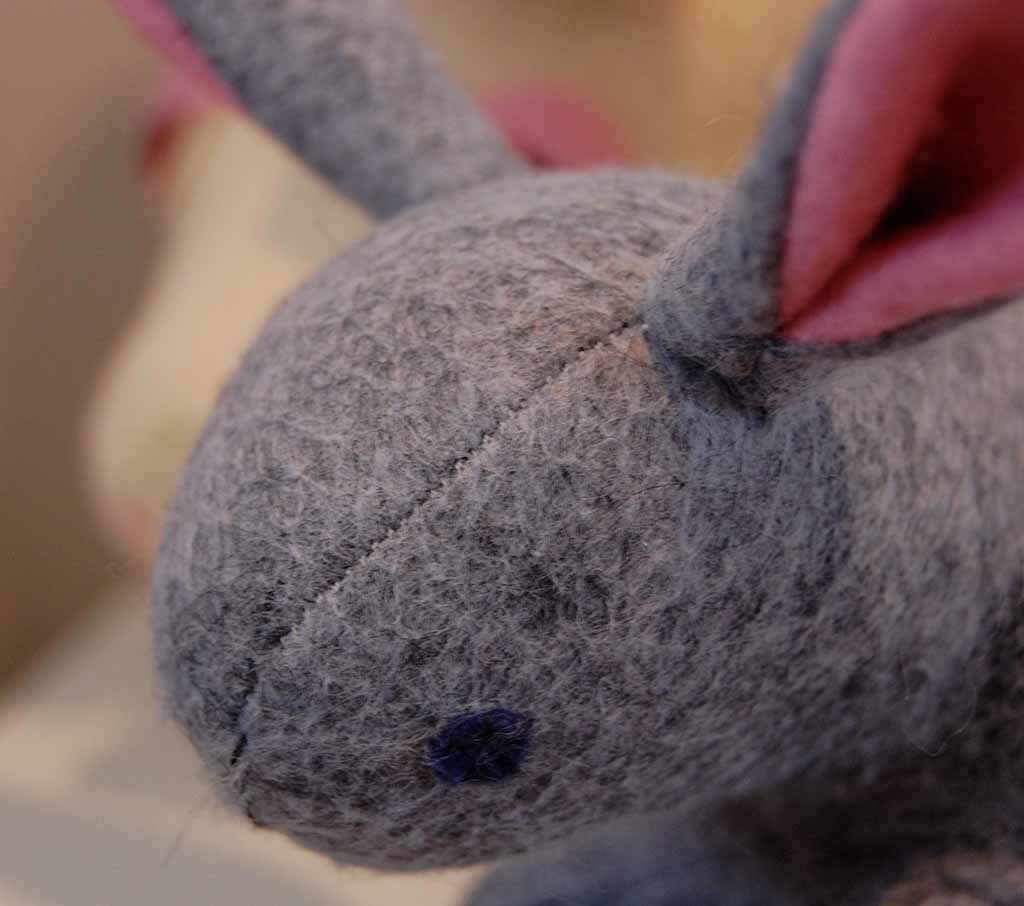
Once the design and pattern are set, we move into cutting, sewing, and assembly. This is where fabric becomes real toys on a production line. The steps may look simple, but the order, tools, and quality standards decide how clean and consistent your toys will be.
High-quality soft toys come from accurate cutting, stable sewing processes, and smart assembly routes. If we control these three areas, we avoid many common defects: twisted arms, uneven faces, open seams, or misaligned parts.
Here is how we usually structure this part of production:
| Process Stage | Key Actions | Why It Matters for Quality |
|---|---|---|
| Fabric preparation | Inspect, relax, and lay fabric in layers | Reduces shrink issues and cutting errors |
| Cutting | Use dies, cutting machines, or manual cutting | Controls shape accuracy and seam allowance |
| Marking | Mark notches, eye positions, and match points | Helps workers align pieces correctly |
| Component prep | Pre-make ears, tails, small parts, clothes | Speeds up final assembly and improves consistency |
| Sewing main panels | Sew head, body, limbs with standard seams | Builds core structure of the toy |
| Assembly sequencing | Join head and body, attach limbs and tail | A clear route keeps toys consistent across batches |
| Opening placement | Leave controlled opening for stuffing | Supports neat final closing and clean silhouette |
Key sewing and assembly practices in a good factory
- Use consistent stitch length: too short can cut fabric; too long can open easily.
- Add reinforcement stitches at necks, underarms, and tail bases.
- Follow a documented sewing route so every worker assembles toys in the same order.
When you visit a factory, watching this flow tells you a lot. If cutting is messy and sewing steps are unclear, finished toys will not match your sample—even if the materials are good.
How is stuffing managed to achieve consistent softness and stability?
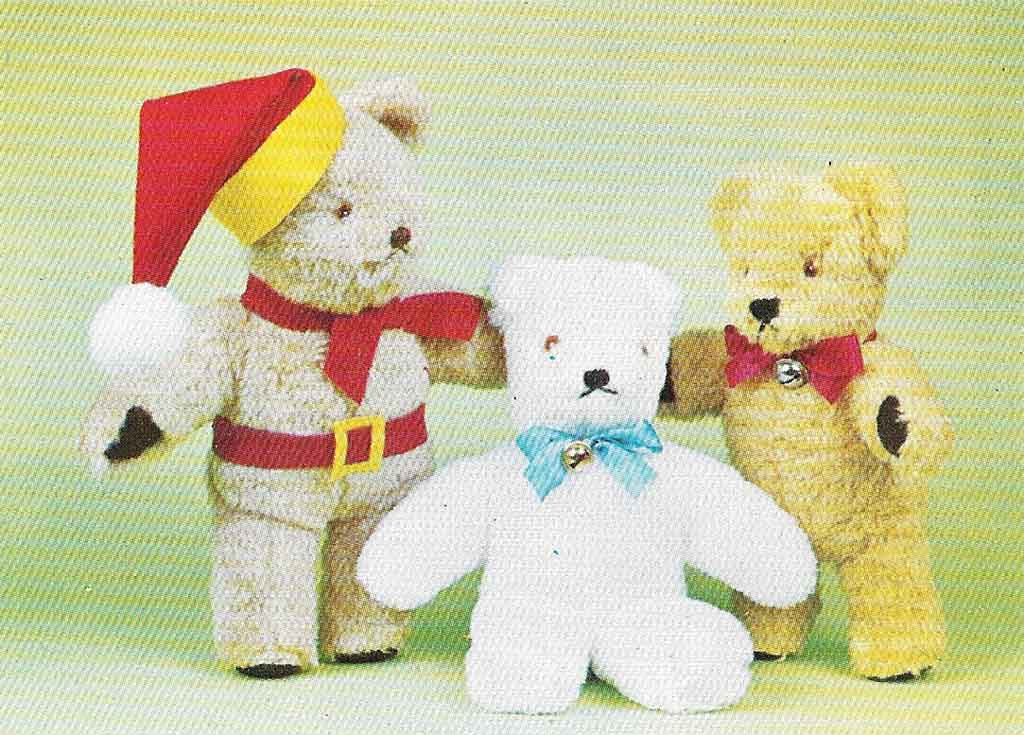
Stuffing is what brings a soft toy to life. The same pattern can look cheap or premium depending on how we manage filling. Overstuffing makes toys stiff and distorted; understuffing makes them flat and tired.
In a professional line, stuffing is planned and controlled, not simply “fill until it looks okay.” We think in body zones: head, belly, limbs, and base. Each zone can have its own target density so the toy feels balanced and behaves as intended (sitting, standing, or lying).
This table shows how we usually plan stuffing:
| Body Zone | Typical Goal | Stuffing Approach in Production |
|---|---|---|
| Head | Full, smooth, expressive | Slightly higher density, focus on cheeks |
| Face / muzzle | Shaped but not rock hard | Small pieces of fiberfill, placed evenly |
| Belly / torso | Soft but stable, no big hollows | Medium density, checked by squeeze test |
| Limbs | Enough firmness for shape | More filling near joints, less near tips |
| Base / bottom | Stable sitting or standing | Denser filling, sometimes with pellet bags |
Tools and methods for consistent stuffing
- Stuffing machines: control volume and speed, important for large orders.
- Manual shaping: workers use hands and palm-rolling to smooth surfaces and adjust form.
- Pellet bags: used when extra weight or stability is needed (for example, in sitting toys or weighted plush). Pellets are placed in inner fabric bags to keep them safe and stable.
Quality checks at this stage include:
- Squeezing toys in random spots to look for hard lumps or empty areas.
- Standing or sitting toys on a flat table to check balance.
- Comparing softness across units from the same batch.
When stuffing is consistent, your toys feel like a family: same handfeel, same posture, same comfort level, even after many production runs.
How are facial details, trims, and accessories securely added?
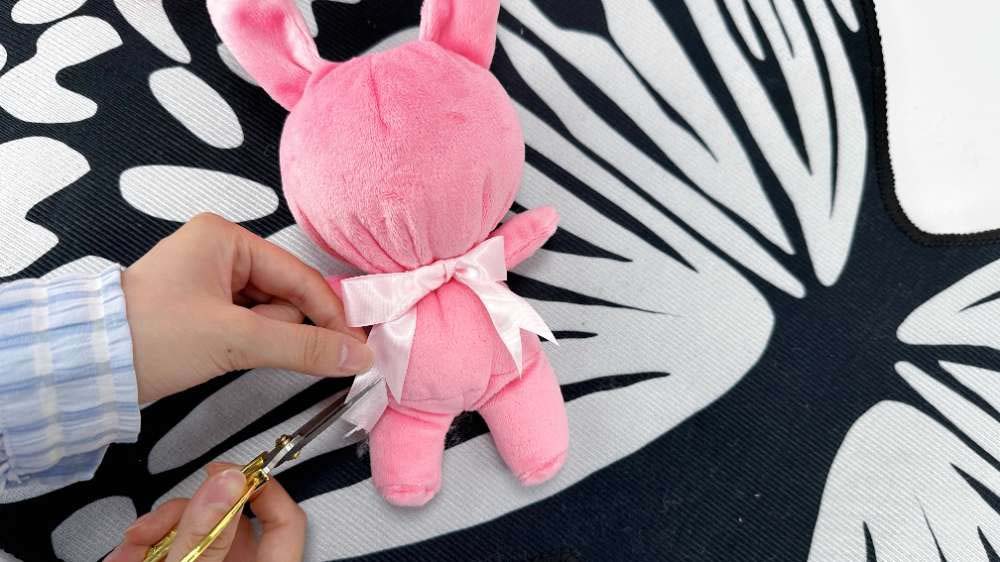
The face sells the toy. Eyes, nose, mouth, and small trims often decide if a customer feels an instant “yes” or walks away. At the same time, all these details can create safety risks if not designed and attached in the right way.
In a factory setting, we plan facial details and trims as part of the technical design, not as decoration added at the end. For younger age groups, we prefer embroidered faces with no hard parts. For older children or collectors, we may use plastic safety eyes, plastic noses, or more complex trims and outfits.
Here is how we usually think about these elements:
| Detail / Trim Type | Typical Techniques | Best For |
|---|---|---|
| Eyes (soft) | Embroidery, felt appliqué | Babies and toddlers, very high safety |
| Eyes (plastic) | Safety eyes with locking washers | Older kids, teens, and collectors |
| Nose & mouth | Embroidery, small fabric pieces | Most general plush lines |
| Logos & markings | Embroidery, woven badges, heat-transfer prints | Mascot plush, brand characters |
| Clothes & accessories | Sewn-on scarves, hats, dresses, bags | Themed plush, seasonal products |
| Fastenings | Velcro, snaps, zippers (carefully used) | Removable outfits, pockets, special features |
How we keep faces and trims secure
- Place embroidery and prints on flat fabric panels before full assembly. This gives cleaner results than decorating on stuffed toys.
- Use safety eyes and noses that lock from the inside, and check them during testing for pull strength.
- Anchor clothes and accessories in multiple stitching points if toys are for small children, so items cannot be easily torn off.
- Avoid small, hard parts for under-3 age groups, especially loose buttons and beads.
For you as a brand owner, it helps to define early: which toys are play plush for kids, and which are display plush for older users. This helps your factory choose the right techniques and pass the correct safety tests.
What quality control and safety compliance steps complete production?
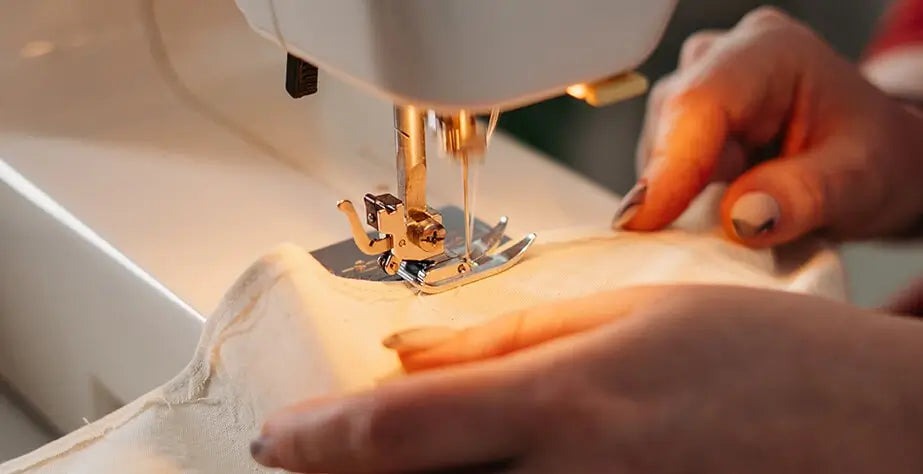
The last stage of soft toy manufacturing is not packing—it is quality control and safety compliance. Even the cutest toy must pass safety rules in its target market, and must meet your own brand standard for workmanship.
A professional factory will run checks at every stage, but there is always a final QC step plus compliance testing with third-party labs when needed. This is where we confirm that the toy is safe, well-made, and ready for retail.
Here is a simple overview of the final control steps:
| Control Area | Example Checks | Why It Matters |
|---|---|---|
| Visual quality | Symmetry, correct colors, neat seams | Protects brand image and reduces returns |
| Structural strength | Pull test on limbs, ears, tail, and trims | Ensures toys survive normal use |
| Stuffing & shape | Squeeze and posture test | Keeps softness and appearance consistent |
| Component security | Eye and nose pull tests, trim attachment | Reduces choking and injury risks |
| Metal detection | Needle detection machines for stray needles | Critical safety step in plush production |
| Label & packaging | Check fiber content, tracking labels, barcodes | Ensures legal compliance and logistics flow |
Safety and compliance standards for soft toys
Depending on where you sell, toys must meet standards such as:
- EN71 and related rules in Europe
- ASTM F963 and CPSIA requirements in the USA
- Local standards in Japan, the Middle East, and other regions
These rules cover:
- Mechanical and physical safety (no dangerous small parts, strong seams)
- Flammability (how easily toys catch fire and burn)
- Chemical limits (heavy metals, certain plasticizers, and other substances)
- Labeling (age grade, warnings, care instructions, tracking labels where needed)
As a factory, we design toys with these standards in mind from day one, then send pre-production samples to certified labs before full production. As a buyer, you should always ask for test reports that match your markets, and you should keep them on file for platforms and retailers.
Conclusion
A high-quality soft toy is the result of careful material choice, smart design, precise sewing, controlled stuffing, secure details, and strict safety checks—not just a cute drawing. At Kinwin, we help global buyers turn soft toy ideas into stable, compliant products that feel good in the hand and perform well in demanding markets. Contact us at [email protected] or visit kinwintoys.com to discuss your next soft toy project and see how our factory team can support your long-term growth.