Skip to content
I’m Amanda from Kinwin in China. I work with founders, brand owners, and retailers who are building plush lines from scratch. The most common question I hear is: “How much money do I need to start?” The honest answer depends on your scope, channel, and risk tolerance—but you can plan it with simple numbers. In this guide, I break down every major cost: design, sampling, tooling, first production, compliance testing, logistics, marketing, and working capital. I’ll keep the language simple and give practical ranges so you can build a realistic budget and timeline.
What core startup costs—design, sampling, tooling, and initial production—define entry barriers in the plush business?
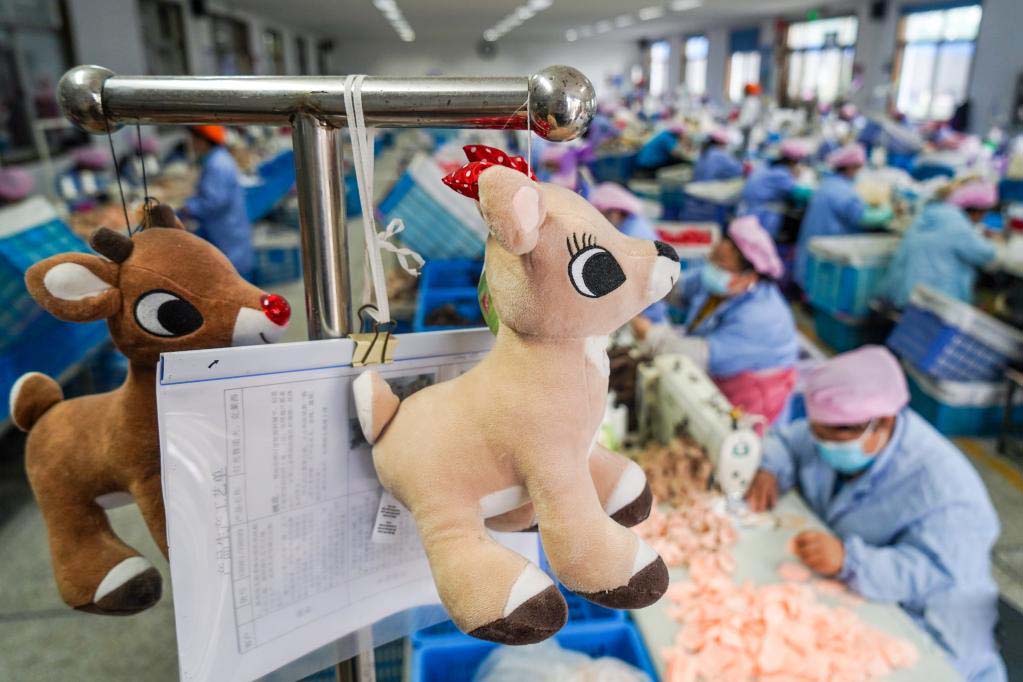
Before you sell, you must turn an idea into a manufacturable product. That needs design work, technical documents, sampling, and a first PO (purchase order). Your exact spend depends on how many SKUs, what sizes, and how complex the fabrics and faces are.
- Design & tech pack: If you provide clean orthographic sketches and a face mask, cost is low. If you need full concepting plus pattern assistance, cost is higher.
- Sampling: A professional flow runs S1 (silhouette) then S2 (materials + face). Plan at least two rounds.
- Tooling: Plush has no metal tooling like injection molding, but you may pay for custom labels, packaging dies, print plates, and sometimes embroidery digitizing.
- Initial production: Your largest outlay. It is driven by MOQ, unit cost, and freight.
Table 1 — Core Startup Costs (Typical Ranges, USD)
| Item | Lean DTC (1–2 SKUs) | Growing Brand (3–6 SKUs) | Notes |
|---|---|---|---|
| Concept sketch & tech pack | $200–$800 | $800–$2,500 | Lower if you provide clean files |
| Embroidery digitizing | $30–$120 per face | $30–$120 per face | Per design; one-time |
| Sampling (S1 + S2) | $150–$400 per sample | $150–$400 per sample | 2–3 samples/SKU is normal |
| PPS (golden sample) | $80–$200 each | $80–$200 each | Includes labels/pack |
| Labels & packaging setup | $200–$800 | $600–$2,000 | Hangtags, belly bands, boxes |
| First production deposit | $3,000–$15,000 | $15,000–$60,000 | Depends on MOQ × unit cost |
| Contingency (10–15%) | $500–$2,000 | $2,000–$8,000 | Protects against changes |
Tip: Keep the first drop small and focused. One silhouette in two sizes and two colorways often beats six unproven shapes.
How do MOQs, material sourcing, and factory partnerships influence upfront investment and cash flow planning?
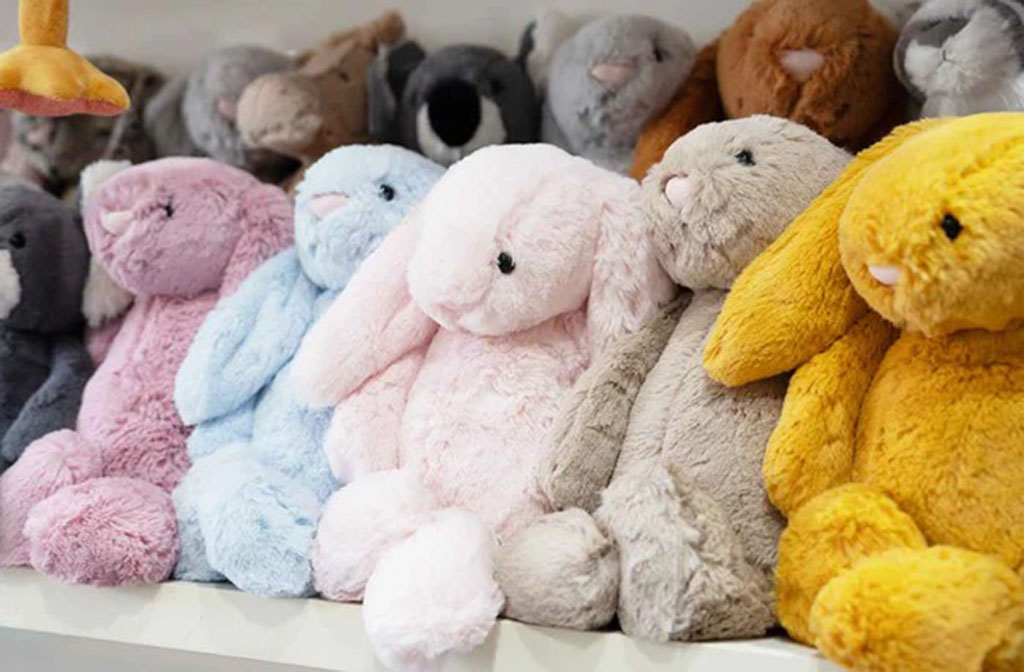
MOQs (minimum order quantities) come from fabric dyeing, embroidery thread colors, printed packaging, and pellet procurement (if weighted). A partner factory that stocks core minky/velboa palettes and common trims can lower your MOQ and speed lead time.
Cash flow is all about deposit timing and production batches. Most factories work on 30% deposit / 70% before shipment. If you launch in capsules (smaller seasonal batches), you protect cash while you learn what sells.
Table 2 — MOQ & Cash Flow Levers
| Lever | What it changes | Practical move |
|---|---|---|
| Shared fabrics | Lower dye MOQs | Use factory’s standard velboa/minky shades |
| Variant logic | More SKUs from one BOM | One body → 2 sizes × 2 colors |
| Simpler trims | Lower unit minutes | Embroidery-only faces for 0+ |
| Packaging mix | Lower setup costs | Polybag + insert for core; box only for hero |
| Payment terms | Cash timing | 30/70 is standard; plan currency buffer |
| Capsule launches | Risk & inventory | Pilot drop → reorder winners |
Working capital rule: budget 1.3× your first PO value to cover testing, freight, duties, and early marketing.
What are the typical costs for safety testing, certifications (EN71/ASTM/CPSIA), and compliance documentation?

If you sell to children, testing is not optional. Budget both product tests and documentation. Tie tests to the same lots you produce.
- EU/UK: EN71-1 (mechanical), EN71-2 (flammability), EN71-3 (chemistry), CE/UKCA + DoC
- U.S.: ASTM F963, CPSIA, CPC, tracking label
- Weighted SKUs: leakage and stuffing integrity checks
- If scented: align with IFRA and disclose ingredients
Table 3 — Compliance Budget (Per Style or Lot, USD)
| Scope | Lean case | Typical | Notes |
|---|---|---|---|
| EN71-1/2/3 (EU/UK) | $400–$800 | $800–$1,500 | Bundle if variants share materials |
| ASTM F963 + CPSIA (U.S.) | $400–$900 | $900–$1,600 | Includes tracking label review |
| Document support (CPC/DoC files) | $0–$300 | $300–$600 | Some labs include templates |
| Re-tests (dye/trim change) | $200–$600 | $600–$1,200 | Scope-dependent |
| Social audit (BSCI/SEDEX) | n/a | $900–$2,000 | Often at factory level |
Cost saver: Keep materials constant across SKUs in the first drop to share test reports legally and safely.
How do logistics factors—freight, tariffs, warehousing, and fulfillment—affect total landed cost and margin?
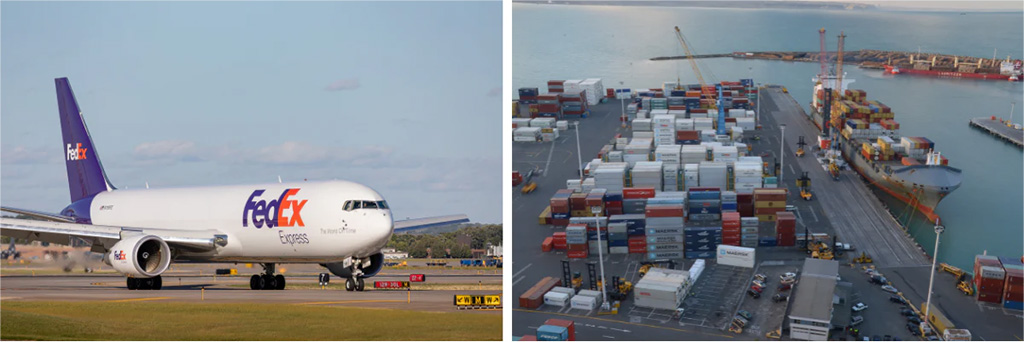
Plush is volumetric; you pay to ship “air.” Landed cost swings with cartonization, compression, mode, and terms.
- Ocean freight is cheapest per unit but slow. Plan FCL when volumes justify; LCL for small runs.
- Air freight is fast and costly; reserve for drops or urgent restocks.
- Compression is safe for short-pile shells with recovery tests. Avoid compression for long-pile faux fur and sculpted faces.
- Incoterms: FOB gives control to experienced teams; DDP simplifies for small teams but can hide fees.
Table 4 — Logistics Cost Drivers (Indicative)
| Item | Lean DTC (small drop) | Growing Brand (bulk) | Notes |
|---|---|---|---|
| Ocean freight | $0.25–$0.80/unit | $0.10–$0.40/unit | Depends on CBM/unit & lane |
| Air freight | $1.50–$4.00/unit | $1.00–$2.50/unit | Peak season surcharges apply |
| Duties (HS 9503)* | 0–10% | 0–10% | Country-specific |
| 3PL inbound + storage | $0.15–$0.40/unit + $15–$30/CBM/mo | Lower per unit at scale | Negotiate min charges |
| Pick/pack + shipping out | $3–$7/order | $2–$5/order | Depends on carrier mix |
*Check your destination tariff table for exact duty rates.
Margin tip: Reduce carton sizes and improve packing density. Even small gains cut freight by cents that stack into dollars.
What marketing and branding expenses (website, packaging, photography, ads) are required for launch and growth?
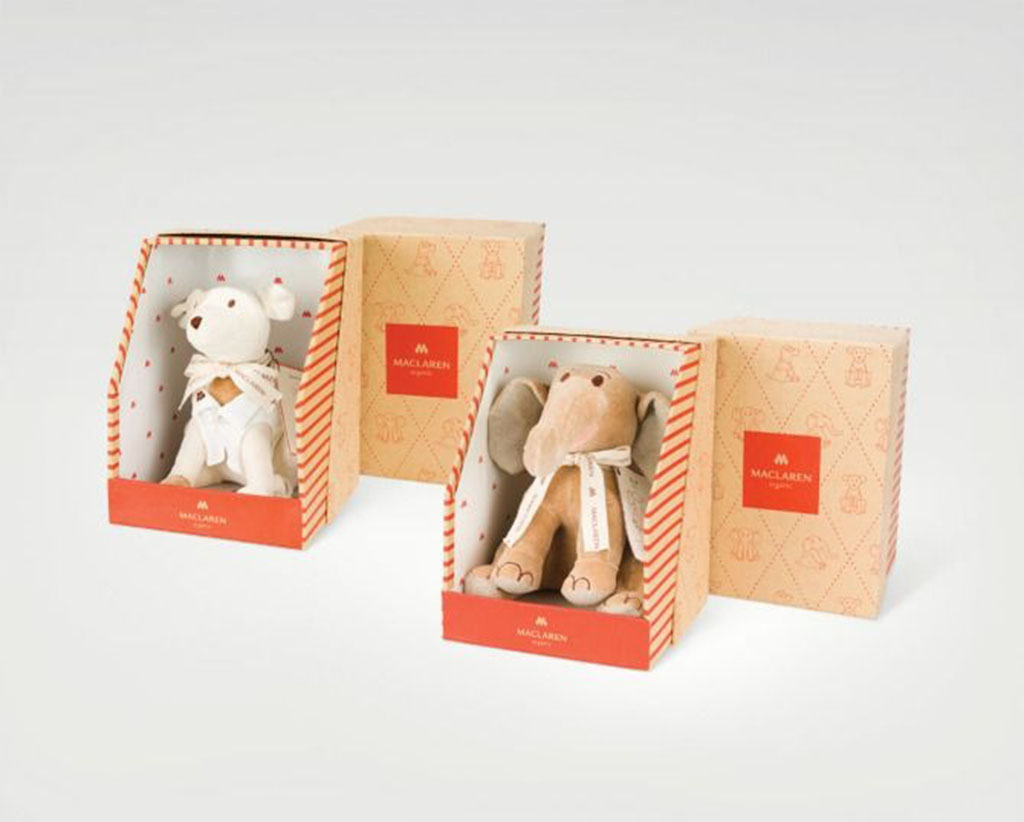
You need visibility and trust. Budget for brand assets, product pages, and first traffic. In the early stage, clear photos and honest copy reduce returns more than heavy ad spend.
Table 5 — Marketing & Branding Budget (USD)
| Item | Lean launch | Quality launch | Why it matters |
|---|---|---|---|
| Logo & style basics | $200–$600 | $800–$2,000 | Consistent look, faster content |
| Product photography | $300–$900 | $1,000–$3,000 | Macro textures, scale-in-hand, squeeze clip |
| Website (Shopify) | $29–$79/mo + theme | $1,500–$5,000 setup | Conversion beats traffic |
| Packaging design | $150–$600 | $600–$1,500 | Boxes only for hero SKUs |
| Launch ads (PPC/social) | $500–$2,500 | $2,500–$10,000 | Start small; test creatives |
| Creator seeding | $200–$1,000 | $1,000–$3,000 | UGC drives trust and clicks |
Do this first: publish care icons, age grade, and testing badges on every PDP. Verified compliance sells.
How can founders estimate breakeven points and optimize ROI through lean inventory and phased scaling?
Breakeven tells you how many units you must sell to cover fixed costs.
Definitions
- Unit COGS = ex-factory price + testing allocation + freight + duty + packaging + inbound
- Unit Contribution = Selling Price − Unit COGS − Channel Fees (e.g., marketplace % or payment fees)
- Breakeven Units = Fixed Costs ÷ Unit Contribution
Example (DTC):
- Selling price = $29
- Ex-factory = $6.50
- Testing allocation = $0.40
- Freight + duty + inbound = $1.20
- Packaging = $0.50
- Payment fees = $1.00
- Unit COGS = 6.50 + 0.40 + 1.20 + 0.50 = $8.60
- Unit Contribution = 29 − 8.60 − 1.00 = $19.40
- Fixed costs (design, sampling, site, photos, base ads) = $6,000
- Breakeven Units = 6,000 ÷ 19.40 ≈ 309 units
If your first PO is 1,000 units, you need ~31% sell-through to breakeven on fixed costs. After that, contribution turns into cash for the next drop.
Table 6 — ROI Levers for Founders
| Lever | What to do | Why it improves ROI |
|---|---|---|
| Narrow first drop | 1 body, 2 sizes, 2 colors | Faster sell-through; shared tests |
| Two-pass sampling | S1 silhouette → S2 materials | Fewer resamples; cleaner PPS |
| Freight plan | Ocean for core; air only for drops | Landed cost control |
| Honest PDPs | Macro + scale-in-hand + squeeze | Lower returns; higher margin |
| A/B price tests | Test $27 vs $29 vs $32 | Find peak revenue point |
| Reorder rule | Reorder at 40–50% sell-through | Avoid overstock; protect cash |
Conclusion
Starting a plush business is very doable when you plan costs by category, keep materials consistent, and launch in focused capsules. Budget for sampling, testing, and freight first, then scale with proof—clean PDPs, small pilot drops, and disciplined reorders. If you want a factory team to turn your brief into sealed PPS, lot-tied compliance, and on-time mass with camera-ready texture, email [email protected] or visit kinwintoys.com. At Kinwin, my team will help you invest smart, move fast, and build a plush line that is soft in hand and strong in margin.