When people ask “How much are Jellycat stuffed animals?”, they usually mean: What is a normal price, what is expensive, and when is it too much?
In most cases, standard Jellycat plush in regular sizes retail roughly between US$20–60, while rare, retired, or very limited pieces can resell for hundreds of dollars or pounds on collector platforms.泰晤士報+4Jellycat+4eu.jellycat.com+4
In this guide, I’ll walk you through how Jellycat pricing works from a buyer’s point of view—so you can recognise fair prices, spot red flags, and understand why some pieces stay affordable while others explode in value.
What factors influence the pricing of Jellycat stuffed animals across markets?
From a distance, Jellycat looks like “just a soft toy brand.” Up close, the price of each piece is shaped by size, design complexity, fabric choice, branding, rarity, and local market conditions.
If you understand these factors, you can look at any Jellycat and quickly decide whether the price you see makes sense—or whether a seller is simply using hype or shortage to push margins.
Main drivers behind Jellycat pricing
| Pricing Factor | How It Shows Up in Jellycat Plush | What It Means for You |
|---|---|---|
| Brand positioning | Premium British soft-toy brand with strong reputation | Higher baseline price than generic plush |
| Size & format | Tiny, small, medium, large, huge, giant, bag charms, etc. | Bigger pieces and special formats cost more |
| Materials & texture | Very soft plush, special faux fur, unique textures | Nicer fabrics = higher price, especially in Luxe ranges |
| Design complexity | Detailed animals, long limbs, outfits, accessories | More pattern pieces and sewing time = higher cost |
| Edition status | Current standard line vs seasonal vs retired | Retired and limited items can skyrocket on resale |
| Region & channel | Official site vs boutiques vs resellers | Prices shift with currency, taxes, and local mark-up |
Jellycat’s brand story—London-born, ultra-soft, and slightly quirky—allows them to hold firm prices in premium toy stores, department stores, and lifestyle boutiques.Jellycat+1
From a buyer’s angle, the key is to separate brand premium (normal) from speculation premium (sometimes reasonable, sometimes not).
How do size, materials, and design complexity affect Jellycat retail prices?

Within the official Jellycat range, the easiest way to predict price is to look at size and fabric type. A medium Bashful Bunny in basic plush is positioned as an everyday premium toy. A huge, textured, or Luxe bunny lands in a very different price band.
On the UK official site, for example:
- A Bashful Beige Bunny (medium) is listed around £25.Jellycat
- The same character in the EU region sits around €30–36, depending on personalisation and style.eu.jellycat.com+2eu.jellycat.com+2
- Luxe or special fabric bunnies (Hopscone, Bashful Luxe, etc.) can reach £33–40 in the UK.Jellycat
Add size jumps (large, huge, giant) and prices climb further. Boutique sites and department stores like Selfridges often show medium Bashful animals at about £25, confirming this as a typical “core” price point.selfridges.com
How product features map to retail bands
| Feature Group | Typical Examples | Relative Price Level at Retail |
|---|---|---|
| Small / tiny basics | Small Bashful bunnies, tiny animals, bag charms | Low–mid (entry price, usually under £25/US$30) |
| Medium classics | Medium Bashful bunnies, common animals | Mid (around £25–£33 / ~US$30–40) |
| Large / huge sizes | Large or Huge bunnies, big Amuseables | Mid–high (often £40–£70+ / ~US$50–90) |
| Luxe & textured ranges | Bashful Luxe, Hopscone, special faux-fur animals | High within size band (premium materials) |
| Complex novelty | Amuseables (food, objects), dragons, dinosaurs | Mid–high, depending on size and construction |
Design complexity also matters. A simple bunny with smooth ears is cheaper to produce than a multi-panel dragon with wings, spikes, and a long tail. That is why dragons, dinosaurs, and detailed Amuseables often sit slightly above the price of a similar-sized classic bunny or bear.
When you compare Jellycat prices, always compare like with like: same size band, same fabric complexity, and similar region. Otherwise it is easy to misjudge what is “expensive.”
How do Jellycat prices vary between official stores, boutiques, and online sellers?
In theory, Jellycat’s manufacturer suggested retail price (MSRP) keeps things fairly consistent. In practice, you will see differences between:
- Jellycat’s own online stores (UK, EU, US)
- Official stockists (department stores, gift shops, baby boutiques)
- Online marketplaces and third-party sellers
The official sites give you the clearest view of base pricing. For example, the UK store lists Bashful Beige Bunny from £18 for smaller sizes up to higher prices for large and giant versions.Jellycat+1
Boutiques like Selfridges match that £25 price for a medium Bashful Bunny or Unicorn.selfridges.com On Amazon and some other marketplaces, the same bunny can appear at £39.99 or more, especially when a colourway is in short supply.亞馬遜
Community posts and blogs also show that in North America and Asia, medium Jellycats often land in the US$25–40 band, while large or speciality pieces go higher.Lemon8+1
Channel-based pricing differences
| Channel Type | Typical Pros | Typical Pricing Pattern |
|---|---|---|
| Official Jellycat site | Authentic, full range, clear MSRP | Baseline price; sometimes sells out fastest |
| Official stockists | Department stores, design shops, baby stores | Usually close to MSRP; occasional promotions |
| Specialty boutiques | High-end gift or concept stores | May add a small premium for curation/location |
| Online marketplaces | Amazon, eBay, regional platforms | Wide range: from under MSRP to much higher |
| Resellers & flippers | Individuals or small shops selling hot pieces | Often significantly above MSRP, especially for rare or retired models |
Sometimes you will also see currency oddities. Collectors have noticed that certain models are priced at, for example, US$70 in the US and £70 in the UK, even though the exchange rate would suggest a gap.Reddit This is a reminder that Jellycat is not doing pure currency parity; local positioning and costs matter.
So if you want a fair deal, it pays to:
- Check the official Jellycat price for that exact size and character.
- Compare with at least one or two authorised retailers.
- Treat any huge mark-up from third parties with caution unless the toy is genuinely rare or retired.
How do limited editions and discontinued Jellycat models impact resale value?
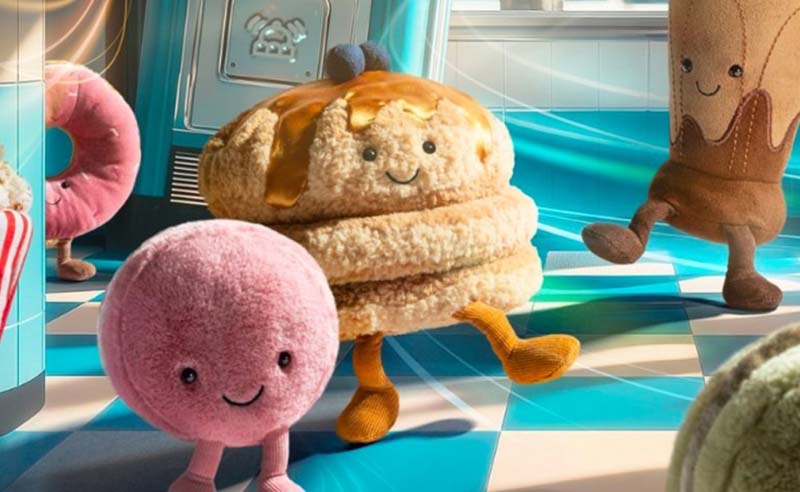
Here is where prices can jump far beyond normal retail. Jellycat retires designs regularly, and some limited or region-specific pieces are produced in smaller quantities. Once they disappear from official channels, collectors often push prices up on resale sites.
News stories and collector guides show:
- Some retired Bashful bunnies and rare colourways selling for £100+ on specialist sites and marketplaces.泰晤士報+1
- A small, retired Bashful Bunny Silver Birch reportedly sold for around £420 after a bidding war. Other rare bunnies have listings approaching £959.泰晤士報
- Blogs and resale guides note that retired Jellycats in good condition often sell in the US$40–100 range, with rare examples going higher depending on demand.Kirsty said shop+2eBay UK+2
What pushes Jellycat resale value up or down?
| Value Factor | How It Shows Up in Jellycat Collecting | Effect on Resale Price |
|---|---|---|
| Retired status | No longer produced or available from official channels | Usually higher than original retail |
| Rarity | Short production run, regional exclusive, limited collab | Can multiply value, especially if demand is strong |
| Condition | With tags, clean fur, no damage vs worn or stained | Mint with tags often sells for 2–5× more |
| Character popularity | Bunnies, dragons, seasonal characters with strong fan love | Popular animals usually sell faster and higher |
| Social media hype | Viral videos, “most wanted” lists, collector buzz | Short-term price spikes and bidding wars |
Because the secondary market has become so active, Jellycat plush have even become targets for organised theft and flipping. News reports from the UK describe Jellycats being stolen in large quantities and resold online for high mark-ups, with some pieces reaching over US$2,000 on resale sites.The Washington Post+1
For a normal buyer, the key is to decide:
- Are you paying for emotional value and nostalgia (which is fine)?
- Or are you paying a speculative price that may not hold over time?
Checking sold listings on platforms like eBay rather than just asking prices can give a more realistic view of actual market value.泰晤士報+2eBay UK+2
What red flags indicate overpriced or counterfeit Jellycat products?
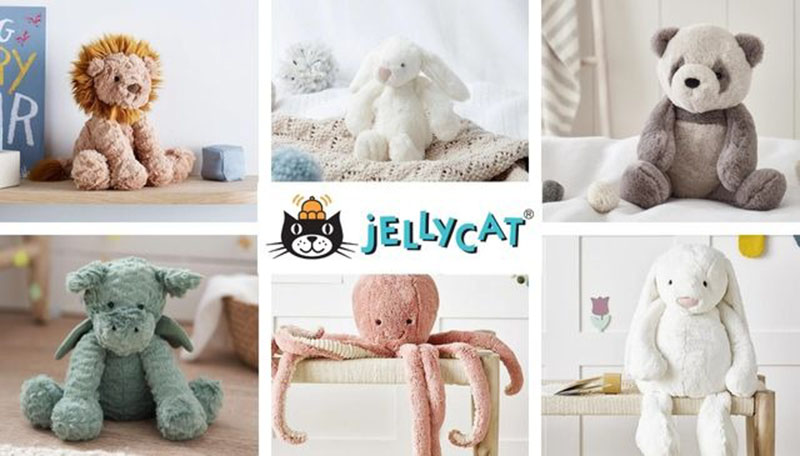
With higher prices and news about “Jellycat gangs,” counterfeits and scams are rising. Some fake Jellycats are obvious knockoffs; others try very hard to copy tags and shapes.泰晤士報+2衛報+2
Jellycat’s own brand-protection statement is clear: the company can only guarantee safety and quality for toys bought from authorised stockists, and they encourage buyers to report suspected fakes.eu.jellycat.com Independent authenticity guides and blogs also share practical checkpoints, such as tag printing quality, logo accuracy, stitching, and overall shape.legitapp.com+3Arlows Closet+3legitapp.com+3
Common red flags for fake or overpriced Jellycats
| Red Flag Type | What You Might See | What It Could Mean |
|---|---|---|
| Suspicious pricing | Price far below normal retail for a popular, current toy or 5–10× retail without clear rarity | Fake, stolen, or speculative overpricing |
| Poor tag printing | Blurry logo, odd fonts, spelling mistakes, wrong colours | Often indicates counterfeit product |
| Wrong label layout | Wash labels that differ from known authentic examples | Another strong counterfeit indicator |
| Off proportions | Longer necks, strange heads, wrong ear length or fur texture | Common issue in knockoffs |
| Weak stitching | Uneven seams, loose threads, wings or limbs easy to pull | Poor-quality copy, possible safety risk |
| No proof of source | Seller refuses to say where it came from or avoids real photos | Higher risk of fake or misrepresented item |
| Unauthorised sites | “Luxury discount” sites, social media shops with no clear credentials | High chance of scams and non-delivery |
Because scams have become more sophisticated, some UK media even report fake websites, fake listings, and threatening behaviour around Jellycat resales.泰晤士報+1
To protect yourself:
- Prefer official Jellycat, well-known department stores, and clearly listed authorised stockists whenever possible.eu.jellycat.com+1
- On resale platforms, ask for clear close-up photos of tags, faces, and labels.
- Compare those photos with known authentic examples (official site, trusted guides, or dedicated Jellycat communities).
If a deal looks far too good—or far too extreme—compared with typical prices, pause and research before paying.
How do regional availability, shipping, and taxes affect total purchase cost?
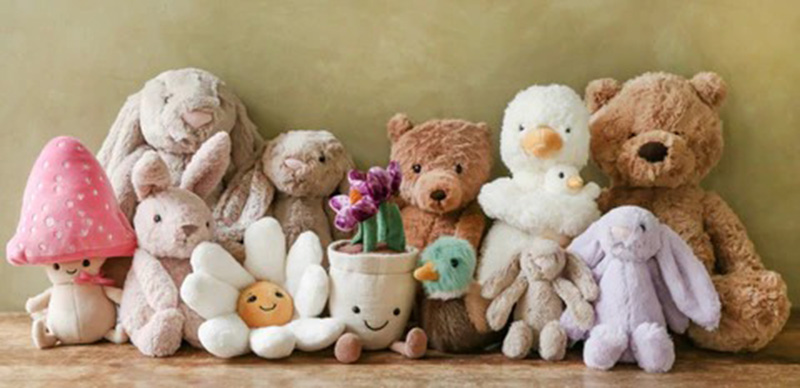
Even if you know the “correct” price from the UK or EU site, your final cost can change a lot depending on where you live and how you buy. Currency conversion, local mark-up, shipping, and taxes all play a role.
Collectors have shared many examples of regional price differences. One post describes two sisters buying Jellycat bunnies in different Asian cities and paying around SGD60–62 each, while similar models in Europe retail around €30–36 or £25–33.selfridges.com+3Lemon8+3eu.jellycat.com+3 Another discussion highlights a new release priced at US$70 in the US and £70 in the UK, showing that Jellycat does not always simply convert currency.Reddit
For buyers outside core markets, importing Jellycats can add:
- International shipping fees
- VAT or import duties over certain thresholds
- Marketplace and payment fees
Regional and logistics costs at a glance
| Cost Element | How It Affects Jellycat Purchases | Tips to Manage the Impact |
|---|---|---|
| Local price level | Base price set for your country or region | Check official local stockists when possible |
| Currency differences | Nominal £ / € / US$ may not reflect pure exchange rates | Compare across sites before deciding where to buy |
| Shipping fees | Domestic vs international, tracked vs untracked | Combine orders or use free-shipping thresholds |
| Duties & taxes | VAT and import fees above certain values | Learn your local thresholds to avoid surprises |
| Platform mark-ups | Some marketplaces add fees into the listed price | Compare with independent and official retailers |
| Security & insurance | Better packing and insured shipping for rare pieces | Worth paying when buying high-value or retired items |
On top of that, the recent spike in Jellycat thefts and resale activity in some regions has made trusted local retailers more careful—moving stock behind counters or locking cabinets.The Washington Post+1 This can make official stock harder to find in-store, pushing more buyers online where shipping and risk both increase.
If you simply want a couple of Jellycats for family or gifts, the most cost-effective path is usually:
- Buy from official websites that ship to your country, or
- Use recognised local stockists (for example, John Lewis, Selfridges, official gift/baby shops).selfridges.com+2John Lewis & Partners+2
For serious collectors chasing specific retired pieces, careful planning around combined shipping, customs limits, and trustworthy sellers makes a big difference to long-term cost.
Conclusion
Jellycat stuffed animals normally sit in a premium but still reachable price band, with most standard pieces in the US$20–60 range and larger or more complex designs costing more. Real price shocks come from the secondary market, where retired, rare, or heavily hyped models can jump into the hundreds—and where fakes and scams have become a serious problem.
When you understand how size, materials, edition status, region, and authenticity all influence Jellycat pricing, you can make calmer decisions: paying fair money for the pieces you love, avoiding risky listings, and focusing your budget where it brings the most joy. At Kinwin, we follow the same logic in our own plush manufacturing: clear specifications, honest pricing, and a long-term view of brand value instead of short-term hype. If you ever want help planning a plush line that feels premium yet sustainable for your buyers, you’re welcome to contact me at [email protected] or visit kinwintoys.com.