I’m Amanda from Kinwin in China. I help brands design plush that stays soft and beautiful after real-life cleaning. At home, the rules are simple: know your materials, test small, go gentle, dry right. In this guide, I’ll show you how to pick the safest method for your plushie, when to surface clean vs. wash, the exact machine and hand-wash settings that protect shape and color, and how to dry, brush, and store for long-term freshness.
What factors determine the safest cleaning method for different plushie fabrics and fillings?
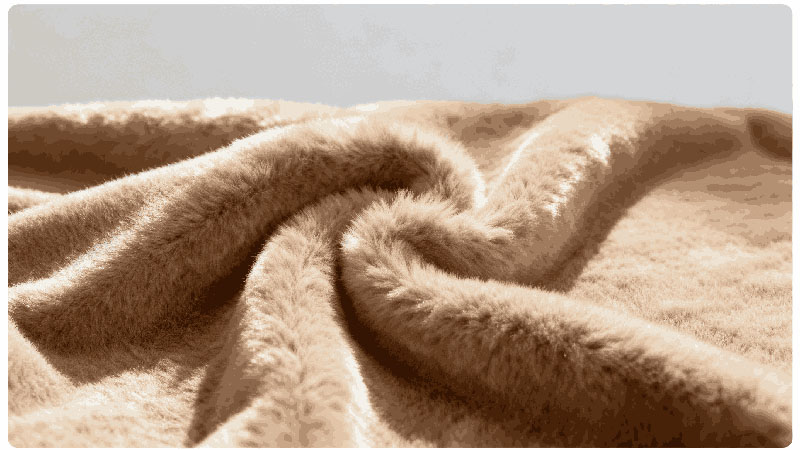
Every plushie is a system: shell fabric + backing + stitches + filling + trims. The safest method depends on these parts. Short-pile fabrics (minky, velboa) usually handle gentle machine cycles well. Long pile (faux fur) prefers surface or delicate hand-wash with a brush-after-dry step. For fillings, standard polyfiber is easy; weighted pellets, microbeads, electronics, or metal parts need extra caution. If the plush has a sound box, wire armature, or magnets, skip the machine and do surface clean only.
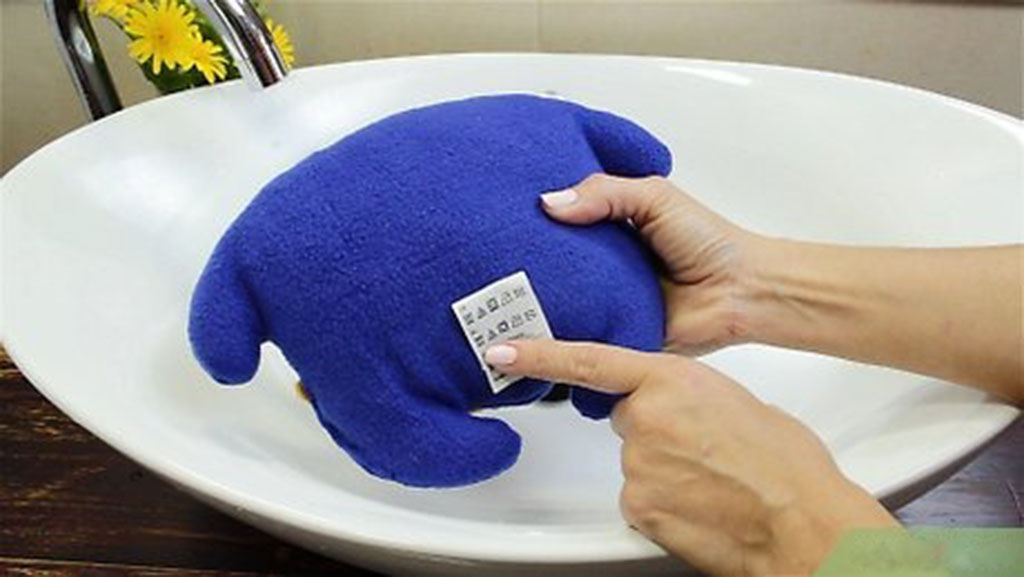
Always read the care label first. If there’s no label, test in an inconspicuous spot with a damp white cloth and a little mild detergent. Check for color transfer and pile distortion. When in doubt, surface clean and air dry. Keep zippers closed, remove removable accessories, and protect embroidery/eyes with a laundry bag if you machine wash.
Table 1 — Choose Your Cleaning Method (Quick Triage)
| Feature on your plushie | Best method | Why |
|---|---|---|
| Short-pile minky/velboa, polyfiber fill | Gentle machine or hand-wash | Stable face, easy rinse |
| Long-pile faux fur | Surface clean or hand-wash | Avoid matting; brush after |
| Weighted pellets (double-pouched) | Hand-wash; brief gentle machine only if label allows | Prevent pellet migration |
| Microbeads (EPS/PP) | Surface clean | Beads can shift/leak |
| Electronics, magnets, wire armature | Surface clean only | Protect components |
| Unknown dye/old vintage | Hand-wash test; surface clean | Reduce color bleed risk |
How can surface cleaning with mild detergent or wipes remove dirt without damaging texture or color?
Surface cleaning is the safest first step. Mix lukewarm water with a few drops of mild liquid detergent (baby shampoo or delicate-wash liquid). Dip a soft microfiber cloth or sponge, wring until barely damp, then dab and lift soil—don’t scrub. For sticky spots, lay the damp cloth for 20–30 seconds to soften residue, then wipe. For seams and nose areas, use a cotton swab so you don’t flood stitches. Finish with a clean damp cloth to remove detergent film, then press with a dry towel to pull out moisture.
For quick refresh, alcohol-free baby wipes or dedicated fabric-safe wipes can help—test first. Avoid bleach, high-solvent cleaners, and colored sponges that may transfer dye. Keep water out of pellet pouches and electronics. After surface cleaning, let the plush air dry on a rack. When fully dry, lightly brush (for faux fur) with a pet slicker brush or soft clothes brush.
Table 2 — Surface Clean Recipe (Copy-Ready)
| Step | What to do | Detail |
|---|---|---|
| Mix | 500 ml lukewarm water + 2–3 drops mild detergent | No bleach, no fabric softener |
| Test | Dab an inner seam | Check colorfastness |
| Clean | Dab–lift motion with microfiber | Work from clean to dirty areas |
| Rinse pass | Wipe with damp clean cloth | Remove soap residue |
| Blot | Press with dry towel | Don’t twist or wring |
| Dry | Air dry on rack | Keep out of direct sun |
| Finish | Brush if needed | Only after fully dry |
When is machine washing safe, and what settings (bag type, temperature, spin speed) prevent deformation?
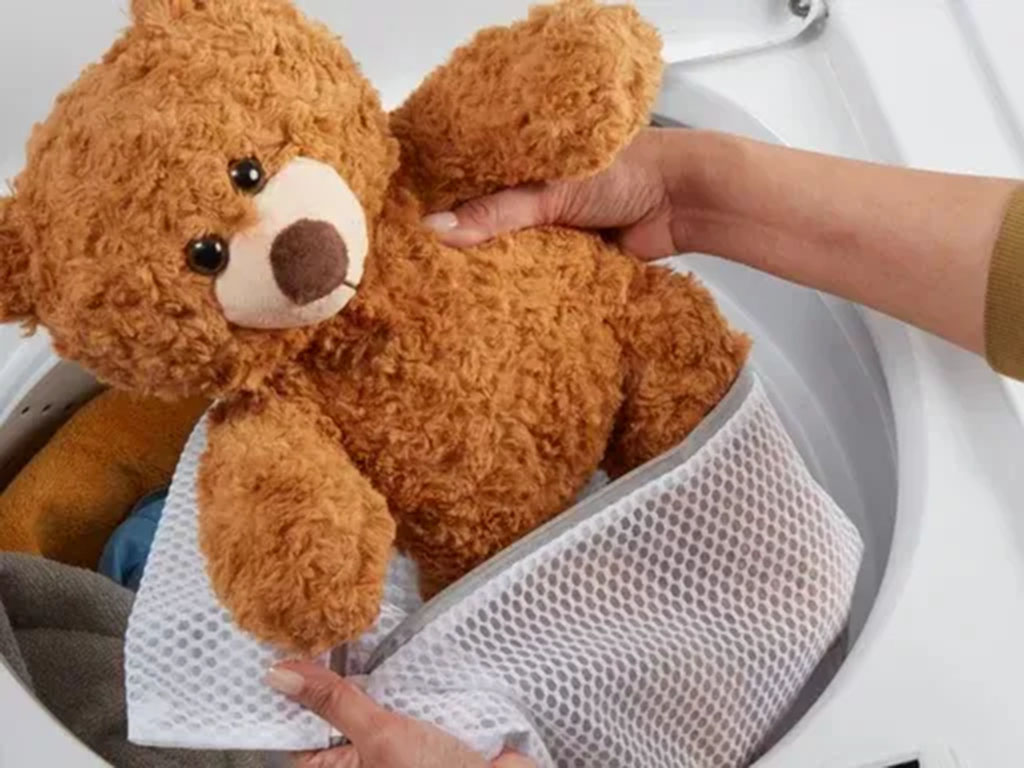
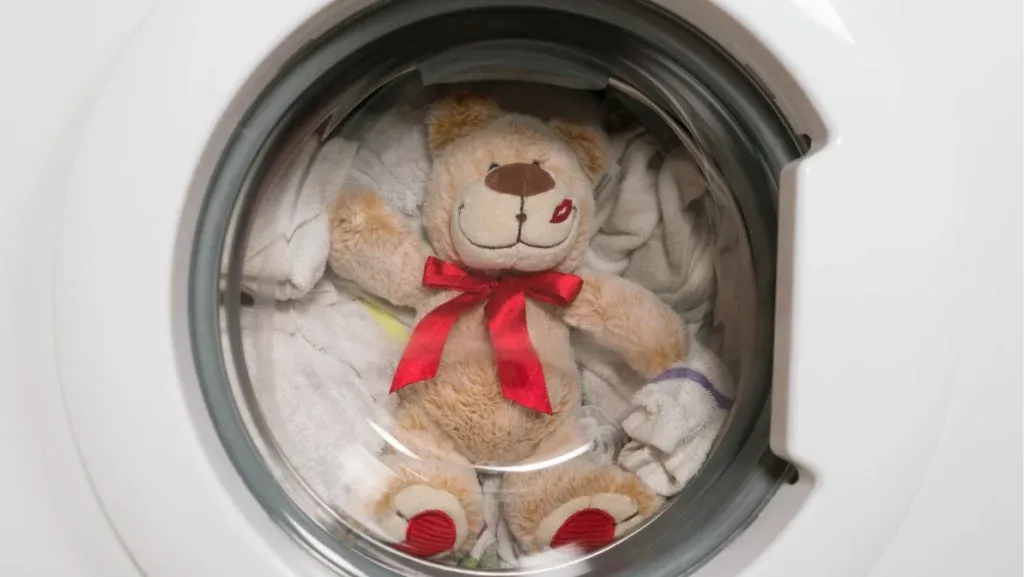
Machine washing works for most short-pile plushies with standard polyfiber filling and no electronics—if you set the machine correctly. Use a mesh laundry bag (fine mesh) with the plushie sitting in a natural shape. Add just a small amount of mild liquid detergent. Choose cold or 30 °C (86 °F), delicate cycle, and low spin. High spin and hot water risk pile flattening, seam stress, and color bleed. Avoid fabric softener; it can leave residue on pile.
If the plush has weighted pellets (even double-pouched), machine wash only when the label allows and still prefer hand-wash. If allowed, use extra-gentle + low spin and towel-press right after to redistribute fill. For keychains or small accessories, place them in a second small bag or remove them entirely.
Table 3 — Safe Machine-Wash Settings
| Setting | Recommendation | Notes |
|---|---|---|
| Bag | Fine-mesh laundry bag | Keeps shape, protects trims |
| Detergent | Mild, liquid, small dose | No bleach; no softener |
| Temperature | Cold / 30 °C (86 °F) | Prevents color bleed |
| Cycle | Delicate / hand-wash mode | Gentle agitation |
| Spin | Low (400–600 rpm) | Less seam stress |
| Load | Light, with towels | Towels cushion impacts |
| Post-wash | Towel press + air dry | Reshape ears, muzzle, limbs |
How do hand-washing and spot-treating methods differ for delicate or weighted plushies?
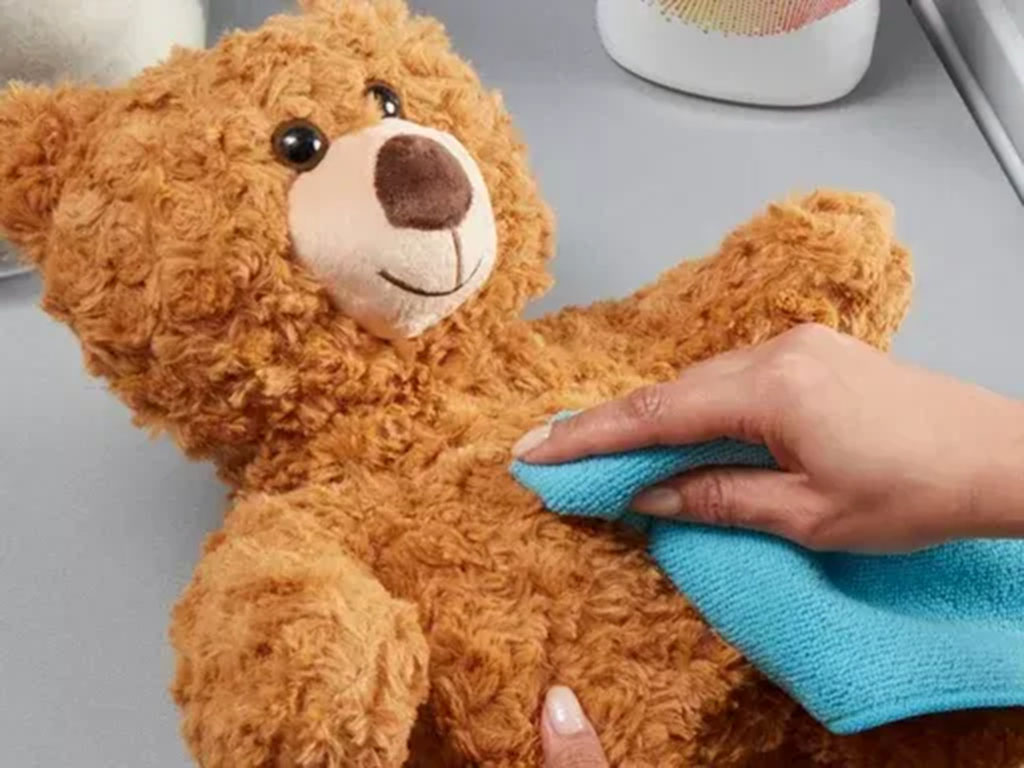
For delicate fabrics, vintage items, weighted plush, or anything with microbeads, hand-wash or spot-cleaning offers more control. Fill a basin with cool to lukewarm water and a small amount of mild detergent. Submerge only if the label allows; otherwise spot-treat. Gently squeeze water through the plush instead of scrubbing. Keep pellet zones out of deep soak if possible; water adds weight that strains seams. Rinse with cool water until the run-off is clear. Support the plush with your hands to prevent stretching.
For stains: pre-treat with a drop of detergent on a cotton swab and dab; wait 5 minutes; rinse by blotting with clean water. Oil stains respond to a tiny bit of dish liquid; dye transfer is hard—limit to surface lifts to avoid spreading. After washing, press between towels. Do not wring. Reshape muzzles, ears, and paws while damp. For faux fur, let dry, then brush back to life.
Table 4 — Hand-Wash & Spot-Treat Checklist
| Scenario | Do this | Avoid |
|---|---|---|
| Weighted plush | Partial soak; keep pellet pouches shallow | Full soak + wringing |
| Vintage/delicate | Cool water, minimal agitation | Hot water; strong rubbing |
| Local stain | Dab with detergent swab; wait; blot rinse | Flooding the area |
| Rinse | Gentle squeeze, multiple passes | Twisting limbs/ears |
| Aftercare | Towel press; reshape; air dry | Dryer heat; direct sun |
What drying techniques—air drying, towel pressing, or low-heat tumble—maintain plush softness and shape?
Air drying is safest. After washing or surface cleaning, towel press to remove excess water—place the plush between two clean towels and press with hands or step on the bundle gently. Lay flat on a drying rack with airflow on all sides. Avoid direct sun (can fade colors) and heaters (can harden trims). Rotate every few hours, redistributing fill with light pats. For short-pile, a fan speeds things up. For faux fur, once fully dry, brush in direction of the pile.
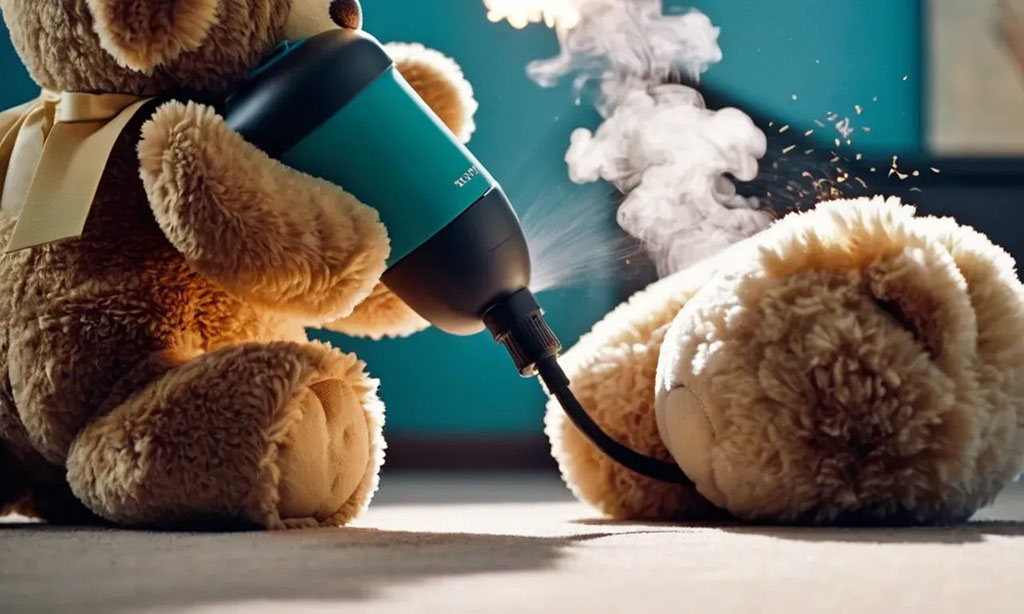
Low-heat tumble can work for short-pile, label-approved plush only. Use no-heat or low-heat air fluff with a couple of clean towels in the drum for 10–15 minutes, then finish air dry. Never tumble weighted, microbead, electronic, or vintage plushies. If the face looks matted after drying, a quick steam pass from distance (not touching fabric) can relax fibers; let cool, then brush.
Table 5 — Drying Methods Side-by-Side
| Method | Use for | Steps | Caution |
|---|---|---|---|
| Towel press + air dry | All plush types | Press, reshape, rack dry | Keep out of sun/heat |
| Fan assist | Short/long pile | Gentle airflow; rotate plush | Avoid hot air |
| Low-heat tumble (air fluff) | Label-approved short pile | 10–15 min with towels; then air dry | Never for weighted/electronic |
| Brush after dry | Faux fur/long pile | Slicker or soft brush, light strokes | Only when fully dry |
How can long-term care practices (brushing, deodorizing, storage) preserve appearance and hygiene over time?
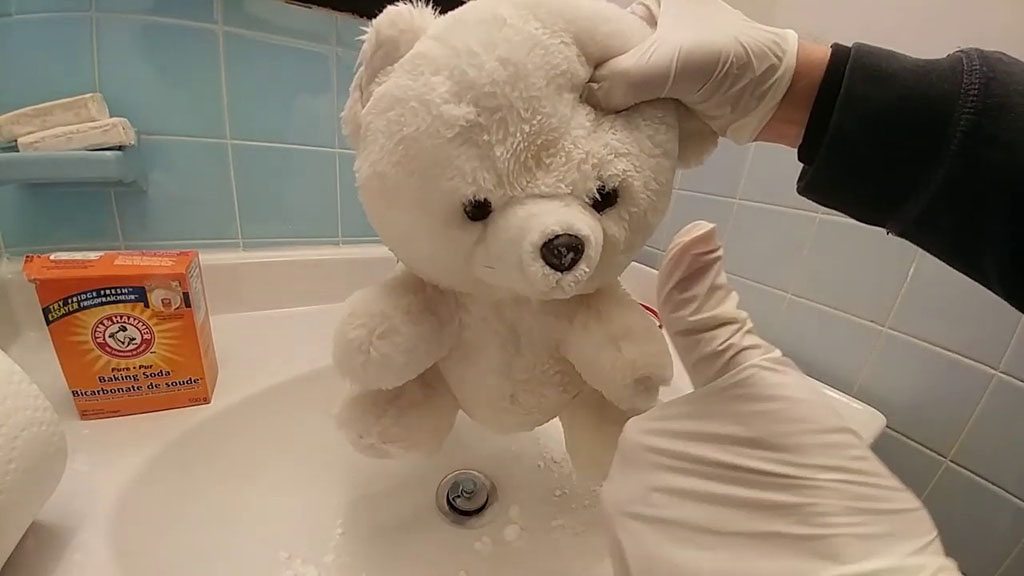
A little routine keeps plushies looking new. For long pile, light brushing after complete drying prevents matting. For deodorizing, use baking soda: sprinkle lightly, wait 30–60 minutes, then vacuum with a handheld on low using a fabric tool (or shake out outdoors). Avoid heavy perfumes; if you use a scent, keep it removable (sachet) and labeled. For dust control, give plush a gentle vacuum monthly (low suction) or a lint roller pass for velboa.
Store plush clean and dry in ventilated containers; avoid sealed plastic in humid rooms. If you must box them, add silica gel packs and open periodically. Keep away from rough hooks or sharp accessories that can snag pile. For display plush, rotate positions to prevent permanent creases and UV fading. If a plush is loved daily, plan a gentle machine wash (short-pile) or surface refresh (faux fur) every few weeks, depending on use.
Table 6 — Plush Care Calendar (Simple Plan)
| Frequency | Action | Notes |
|---|---|---|
| Weekly | Quick lint roll / dust brush | Especially for velboa and display pieces |
| Monthly | Gentle vacuum or baking-soda refresh | Low suction; fabric tool |
| As needed | Surface clean spots | Dab–lift; towel press |
| Every 1–3 months | Wash (label-approved short pile) | Delicate cycle; low spin; air dry |
| Seasonally | Deep brush for faux fur; storage check | Swap silica packs; inspect seams |
Implementation cheat-sheet (printable)
- Check label → test a hidden spot.
- Short-pile, no electronics? Gentle machine: bag, cold/30 °C, delicate, low spin.
- Long-pile/weighted/vintage? Surface clean or hand-wash; no wringing.
- Always towel press → air dry → reshape.
- Brush long pile only when fully dry.
- Store clean, dry, ventilated; refresh with baking soda if needed.
Conclusion
Clean plushies stay soft when you match method to materials, use gentle cleaners, and dry with patience. Short-pile shells love delicate machine cycles; long pile prefers surface care and a post-dry brush. Weighted or delicate pieces need hand-care and careful reshaping. Follow these simple rules and your plushie keeps its comfort, color, and shape for years. If you want a factory-level care card or compliant labels for your brand’s plush line, email [email protected] or visit kinwintoys.com—my team at Kinwin can help you ship products that clean up beautifully.