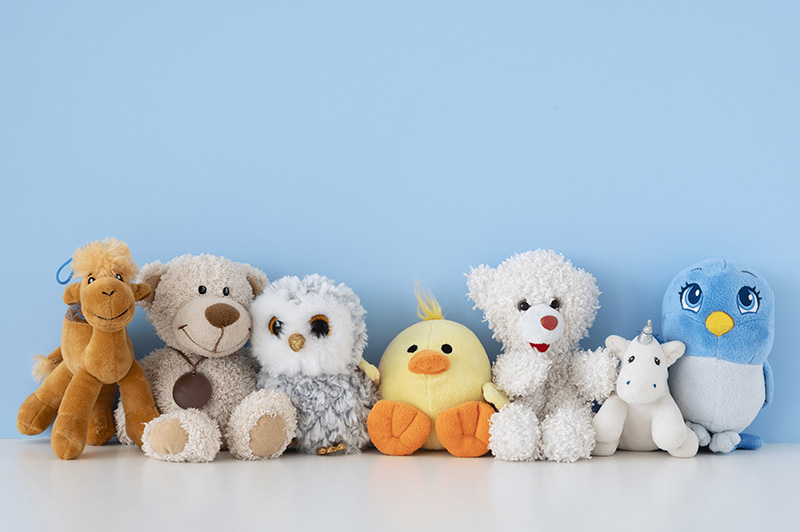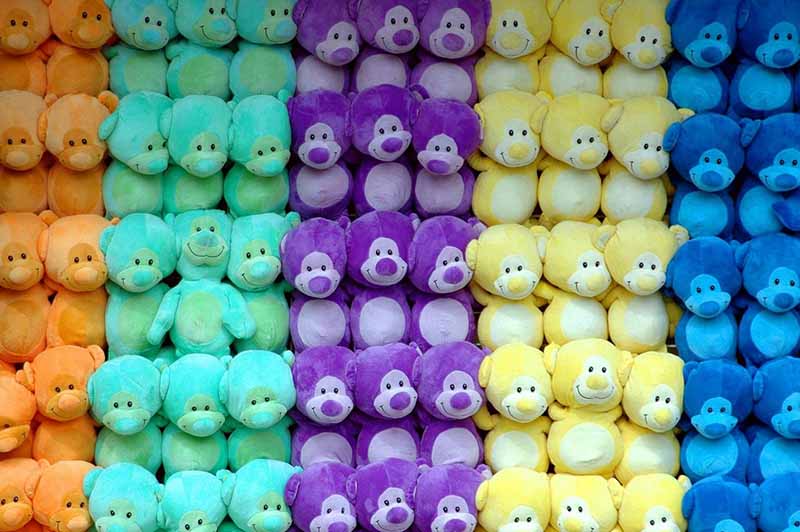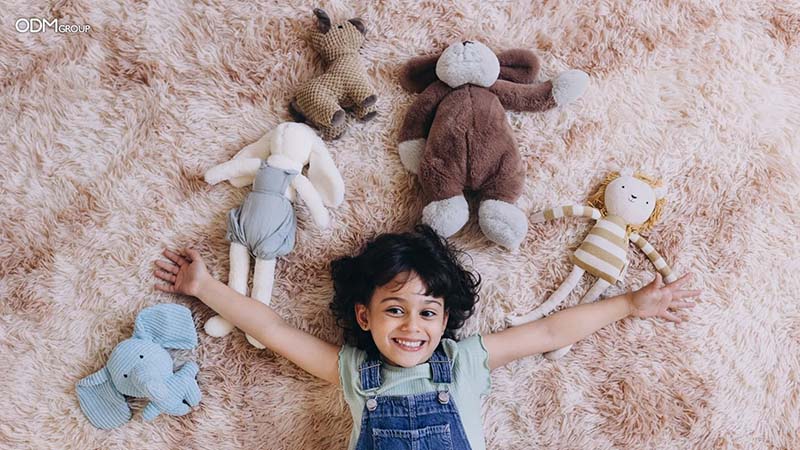
Soft toys look simple on the outside, but behind each cute face there is a full manufacturing process. From fabric choice to safety testing, every step shapes how the toy feels, how long it lasts, and whether it is safe for your market.
In this guide, I walk you through how soft toys are made in a professional factory setting. When you understand the full process, you can discuss your projects with manufacturers more clearly, avoid common risks, and build product lines that feel good in customers’ hands and perform well in global markets.
What materials and components form the basis of soft toy manufacturing?
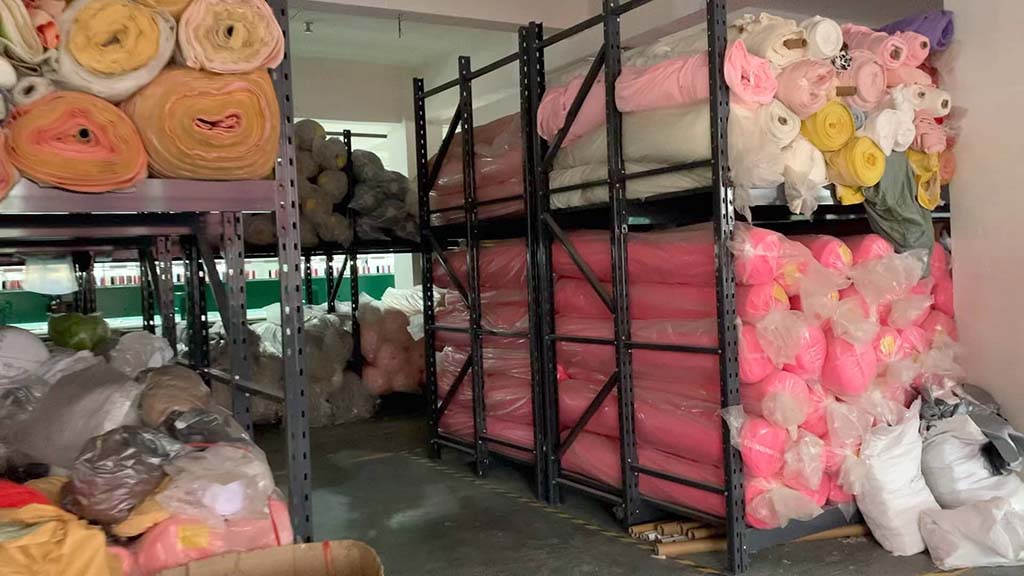
Every soft toy starts with a combination of fabric, stuffing, thread, and internal components. These choices decide the first touch, long-term durability, and the toy’s ability to pass safety tests. When these basics are right, the whole project becomes easier to control.
Soft toy manufacturing usually uses plush fabrics such as minky, velboa, fleece, and faux fur on the outside, polyester fiberfill or similar stuffing on the inside, and strong polyester thread for seams. Depending on design and market, you may also use plastic pellets, internal frames, sound modules, or wires—but all components must be chosen with age group, safety rules, and brand positioning in mind.
Here is a simple overview of the most common materials and components:
| Category | Examples | Main Function | Notes for brands |
|---|---|---|---|
| Outer fabrics | Minky, velboa, fleece, faux fur | Skin of the soft toy | Choose pile length by age and style |
| Inner stuffing | Polyester fiberfill, foam pieces | Soft volume and resilience | Certified PP cotton is standard |
| Weighting materials | Plastic pellets, glass beads | Add weight, sitting stability | Use inner pouches for safety |
| Structural parts | Wire, plastic frames, foam sheet | Poseability, shape support | Avoid sharp edges, cover fully |
| Threads | Polyester sewing thread, embroidery thread | Seams and surface details | High strength and colorfast |
| Other components | Safety eyes, noses, sound boxes | Expression, interactivity | Must meet safety standards |
Why fabric and stuffing choices matter so much
Fabric decides how the toy feels in the first second. Short plush and minky are soft and safe for children, while longer faux fur gives a more “luxury pet” effect. Stuffing decides how the toy feels after many months—good fiberfill keeps shape, cheap filling gets flat and lumpy.
When you plan a line of soft toys, it helps to think in combinations:
- Soft fabric + medium-density stuffing for cuddle toys
- Short plush + firm stuffing for display or mascot plush
- Faux fur + strong patterning for realistic animals
Supporting your brand story with material choices
Materials also support your brand values. For example, recycled fabrics or recycled polyester stuffing can help if you want a sustainability angle. Premium fabrics and dense filling support higher price points.
In our factory, we often prepare several fabric-and-stuffing combinations for the same design, so buyers can feel the difference and choose what best fits their market and margins.
How do design development and pattern drafting shape final toy structure?
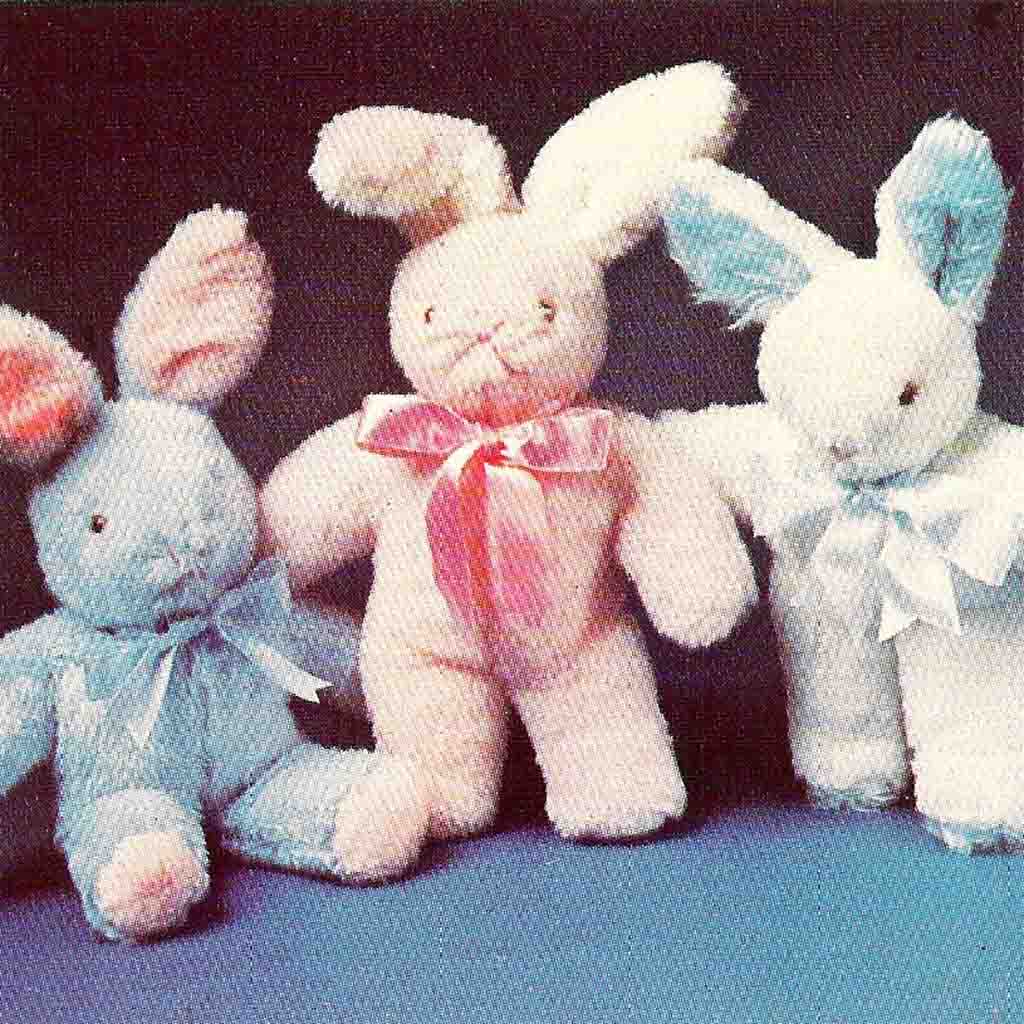
A soft toy’s “soul” starts in the design phase. But turning a cute sketch into a real product requires technical design development and pattern drafting. Pattern quality decides whether the toy looks like the drawing—and whether it can be manufactured consistently at scale.
Design development starts with concept sketches and 2D views, then moves into pattern making, where the 3D shape is broken down into flat panels. Each panel is drawn with seam allowance, notches, and join marks. After that, sample prototypes are made and adjusted until the toy stands, sits, or lies exactly as planned.
Here is how different stages connect to final structure:
| Stage | Main Output | Influence on final toy | Typical tools |
|---|---|---|---|
| Concept & sketch | Character idea, front/side views | Overall style, proportions, expression | Hand drawing, digital illustration |
| Technical design | Turn sketch into manufacturable spec | Clarifies seams, colors, materials | Design sheets, spec sheets |
| Pattern drafting | Flat panels for all parts | Controls 3D shape, balance | Manual pattern, CAD pattern software |
| Sample prototyping | First 3D sample (mock-up) | Tests shape, feel, stability | Trial sewing in real or test fabric |
| Revisions & approval | Final approved pattern set | Becomes base for bulk production | Comments, revised patterns, size grading |
From idea to manufacturable design
A cute sketch is only the start. In design development, we discuss target age, price, fabric, and size with the buyer. This tells us how complex the pattern can be. For example, a low-cost promo toy may need fewer panels, while a premium collectible can use more parts for detailed shaping.
Pattern makers then break the toy into logical pieces: head panels, body, arms, legs, ears, tail, and any clothing. They consider how stuffing will move and where seams will be less visible.
Why sampling and revisions are essential
The first sample is almost never the last. It is normal to adjust:
- Head size versus body for “cute ratio”
- Leg length for better sitting or standing
- Neck and belly shape for better balance
For our OEM and ODM projects at Kinwin, we often create two or three rounds of samples. Once you approve a final sample, that pattern becomes the “golden sample” used to control future bulk production.
What cutting, sewing, and assembly methods produce durable soft toys?
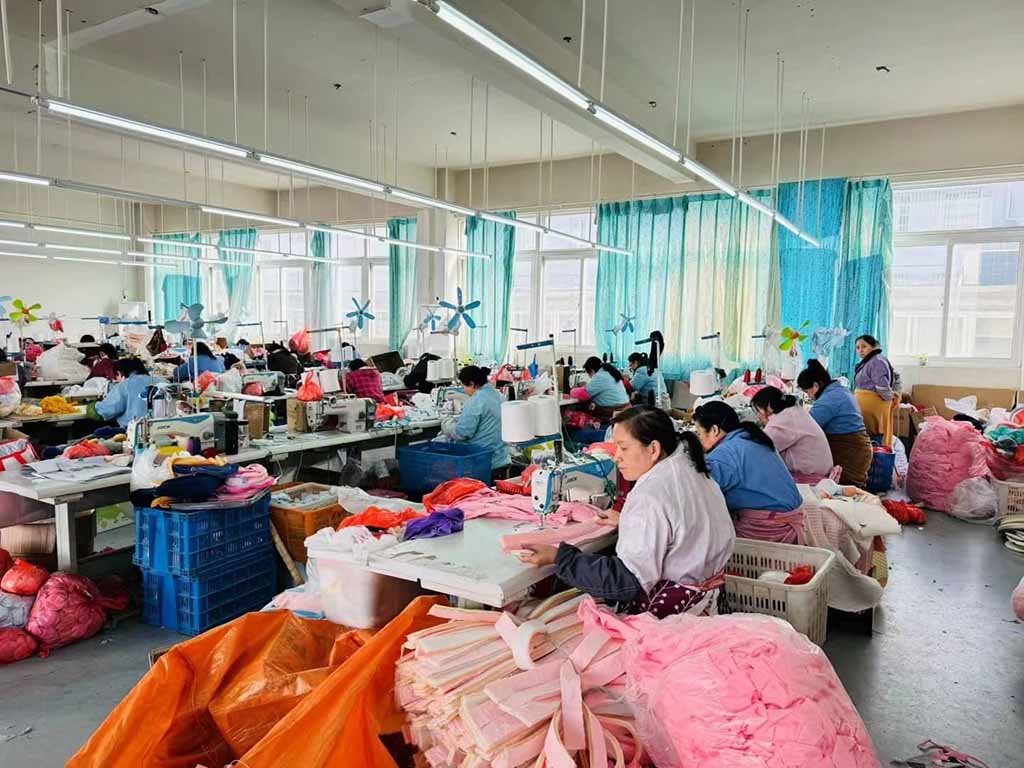
Once patterns are ready, production moves into cutting, sewing, and assembly. These steps turn flat fabric into real soft toys. The methods used here strongly affect how clean the toy looks and how long it lasts under rough handling by children.
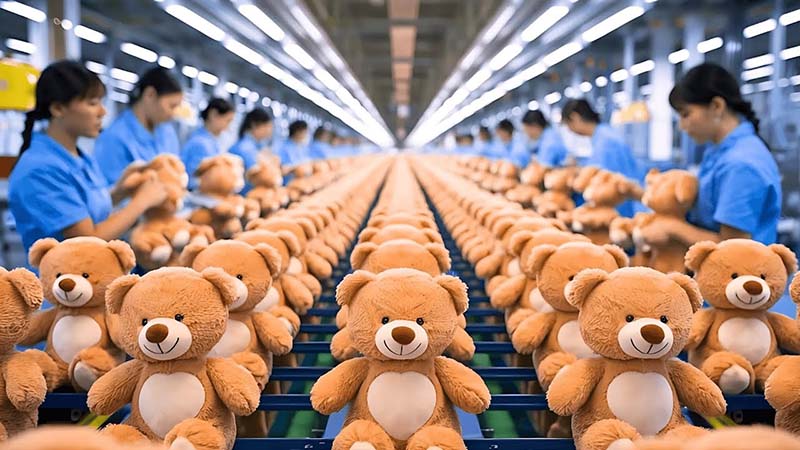
In factories, fabrics are usually spread in layers and cut with manual or automatic cutting systems. Pieces are bundled by style and size, then move to sewing lines, where operators follow a standard operation procedure (SOP). Small parts like ears and tails are sewn first, the main body after, and final assembly brings all parts together before stuffing and closing.
You can see these steps in a simple way:
| Process Step | Key Actions | Impact on quality | Typical Equipment |
|---|---|---|---|
| Fabric spreading | Lay fabric in multiple layers | Consistent size and shape | Spreading table, sometimes auto-spreader |
| Cutting | Cut pattern shapes from layers | Clean edges, size accuracy | Manual cutting, band knife, CNC cutter |
| Sewing small parts | Make ears, tails, arms, clothing | Detail quality and shape | Industrial sewing machines |
| Main body sewing | Assemble head, body, limbs | Seam strength and overall structure | Lockstitch, overlock, zigzag machines |
| Assembly joining | Attach limbs, head, trims | Balanced posture, durability | Manual + machine processes |
Clean cutting for clean sewing
If cutting is not accurate, sewing will be difficult and seams will twist. This is why good cutting control is so important, especially for complex shapes or long-pile fabrics. Proper cutting also reduces material waste and cost.
Sewing for strength and appearance
Sewing teams follow set stitch lengths, seam allowances, and reinforcement rules. They know which areas—like underarms, necks, or bottoms—need double stitching. This is critical for toys that will be hugged, dragged, and slept with.
In mass production, assembly lines divide tasks so each worker focuses on specific seams or parts. This keeps the look consistent from one toy to another and supports stable quality for your brand.
How is stuffing applied to achieve consistent softness and stable form?
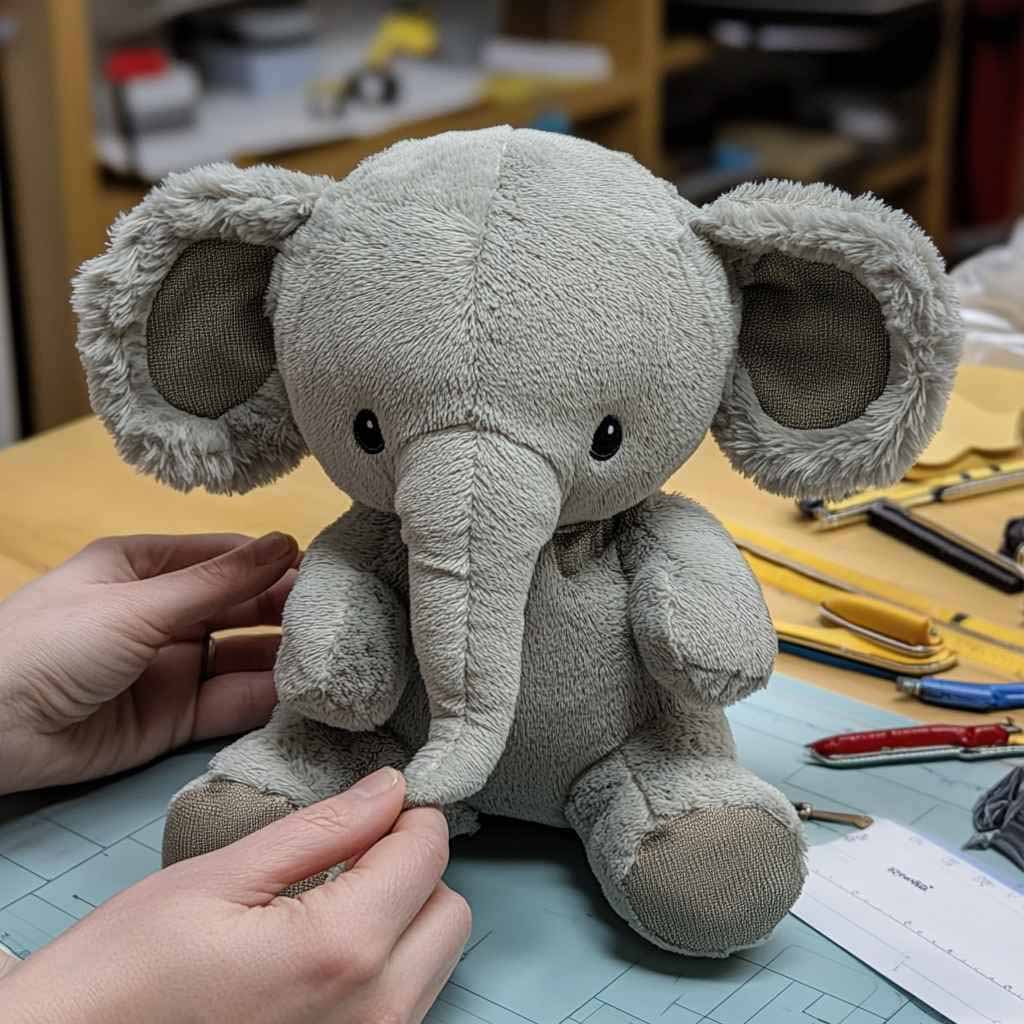
Stuffing is where the toy gains its volume and personality. Even with perfect patterns and seams, poor stuffing can make a soft toy look flat, uneven, or unstable. Good factories treat stuffing as its own controlled process, not just the last step.
Stuffing is normally done with polyester fiberfill blown or pushed into the toy with machines and hand tools. Workers control stuffing amount and distribution to match standard weights and feel. For some toys, pellets or foam are used in parts of the body to add weight or structure, always inside inner pouches for safety.
Here is a typical stuffing plan across different zones:
| Toy Zone | Typical Stuffing Level | Purpose | Notes |
|---|---|---|---|
| Head | Medium to firm | Keep face shape and expression | Avoid overstuffed, “stretched” faces |
| Body | Medium | Comfortable hugging, stable volume | Slightly softer than head |
| Arms and legs | Low to medium | Flexible movement, easy posing | Do not overstuff narrow parts |
| Ears and tail | Low | Light character detail | Small amount prevents drooping too much |
| Base / bottom area | Medium to firm (if sitting) | Help toy sit steadily | Pellets in pouch can add extra stability |
Balancing comfort and structure
For cuddle toys, we aim for soft-but-full. That means the toy returns to shape after hugging but does not feel hard. For mascot or display plush, we may use slightly firmer stuffing to hold shape in photos and on shelves.
Our team usually sets target filling weights and test squeezes during sampling. These become reference points in production, so every toy in a batch feels the same.
Special stuffing solutions
Some designs require special solutions:
- Weighted toys: pellets or beads in inner bags at the base
- Very large toys: separate compartments to keep stuffing from shifting
- Pillows and cushions: flatter stuffing profile for comfort
When your manufacturer understands your target market—sleeping buddies, decor, therapy-weighted toys—they can choose stuffing methods that match your product promise.
How are facial features, trims, and accessories safely attached?
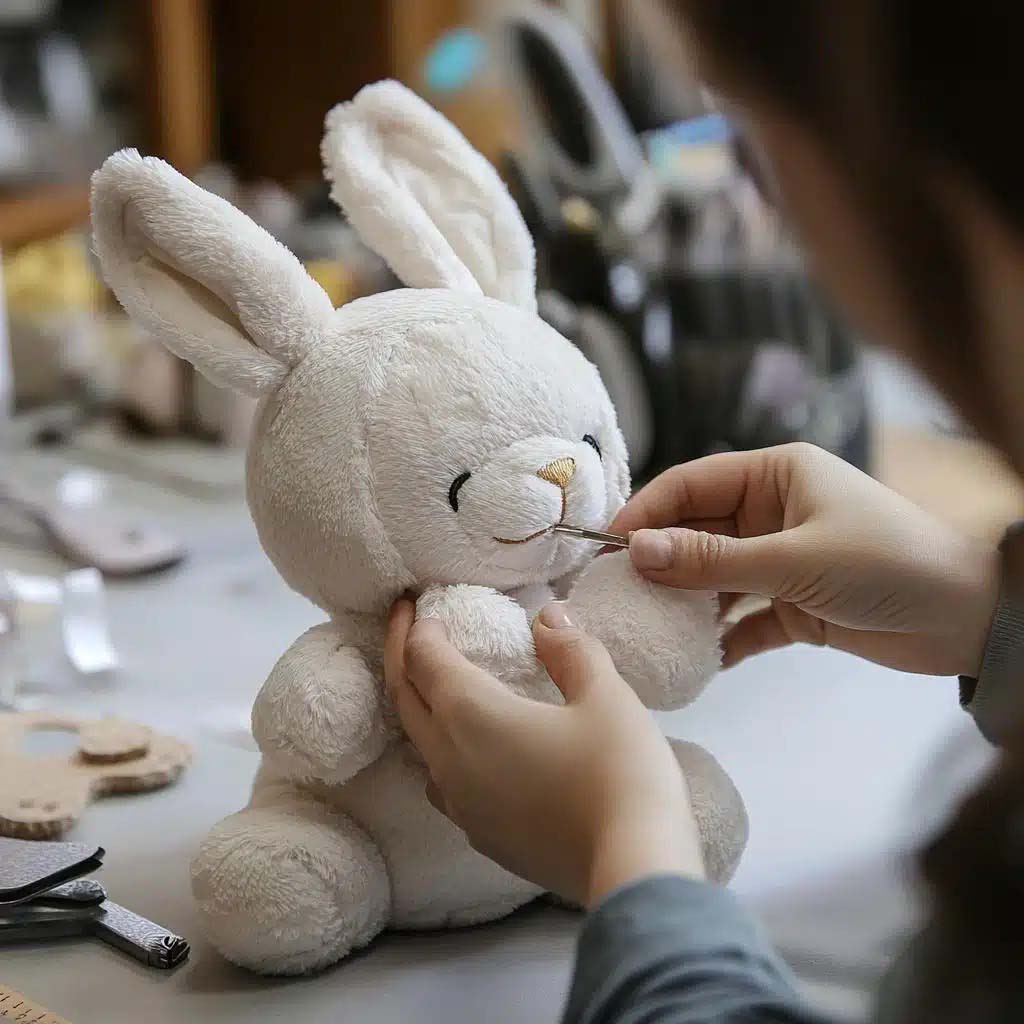
Faces, trims, and accessories are what turn a simple shape into a character your customer falls in love with. But these elements must be attached with safety in mind, especially for young children.
Facial details can be embroidered, printed, applied with felt, or created with safety eyes and noses. Accessories like scarves, hats, clothing, and bags add value and help tell your brand story. The key is to choose attachment methods that are strong enough to handle pulling, chewing, and washing, depending on the age group.
Here is a comparison of common facial and trim methods:
| Method / Element | Look and Feel | Safety Level (for young kids) | Typical Use Cases |
|---|---|---|---|
| Embroidered features | Flat, premium, long-lasting | Very high | Baby toys, toddler toys, premium brands |
| Printed faces | Smooth, detailed graphics | High (with safe inks) | Stylized characters, licensed designs |
| Felt appliqué | Soft, slightly raised | Medium–high (if well sewn) | Extra cheeks, patches, simple accents |
| Safety eyes / noses | 3D shine with locking backs | Medium–high | Older children, collectors |
| Loose accessories | Scarves, small bags, removable clothes | Medium–low (for small kids) | Older kids, teens, adult gifts |
Safety considerations for different ages
For babies and toddlers, we usually avoid hard plastic parts and removable accessories. Embroidered faces and sewn-on trims are the safest options. For older children and adults, safety eyes and small accessories are acceptable when tested and well attached.
Factories install safety eyes with special washers from inside the toy before stuffing. Once locked, they are very hard to remove, which protects end users and helps pass safety tests.
Using trims and accessories to increase value
Accessories can make simple designs feel more special:
- Matching scarves or hats for “winter friends” themes
- Graduation caps for celebration plush
- Heart-shaped cushions for “best friend” or Valentine toys
When we develop projects for buyers, we often propose a base toy plus variations with different accessories. This creates more SKUs from one core design without needing a new pattern from scratch.
What quality control and compliance steps ensure safe, market-ready soft toys?
A soft toy is only ready for export when it passes quality control and compliance checks. Without these steps, you risk returns, platform problems, or even legal issues. Good factories build quality and safety into every stage and then confirm it at the end.
Quality control covers visual checks, seam and attachment strength, stuffing consistency, and final finishing. Compliance covers meeting standards such as EN71 or ASTM, chemical limits, flammability rules, and correct labeling. Together, they protect your brand and your end customers.
Here is a simple view of key checks and tests:
| Check / Test Type | What is Checked | Why It Matters |
|---|---|---|
| Incoming material check | Fabric, stuffing, components quality | Avoids defects before production |
| In-line inspection | Work during sewing and stuffing | Catches issues early, reduces rework |
| Final visual check | Shape, symmetry, cleanliness, threads | Keeps look and feel consistent |
| Mechanical tests | Seam strength, small parts, sharp edges | Prevents breaks and choking hazards |
| Chemical tests | Heavy metals, harmful substances | Meets legal rules like REACH, CPSIA |
| Label and packaging | Age marks, warnings, care instructions | Clear information for consumers |
Factory-level inspections
In Kinwin and similar factories, inspectors check products during sewing and after stuffing, not just at the very end. This reduces the risk of whole batches with the same problem. They also verify that production matches approved samples: same fabric, same colors, same filling, same face expression.
Third-party lab testing
For many markets, you need official reports from accredited labs. These labs test according to standards such as EN71 (Europe) or ASTM F963 (USA), plus chemical regulations like REACH or CPSIA.
A good manufacturing partner helps you:
- Choose materials that are likely to pass
- Prepare correct documentation for labs
- Adjust designs if tests highlight risks
Once a product passes, that test report supports your sales into retailers, platforms, and distributors who require proof of safety.
Conclusion
Soft toys are made through a careful chain of steps: smart material selection, thoughtful design and patterns, controlled cutting and sewing, balanced stuffing, safe detailing, and strict quality checks. When every part of this chain is handled well, your soft toys feel better, last longer, and enter markets more smoothly. At Kinwin, my team helps global buyers turn sketches into export-ready soft toys that meet CE and ASTM standards while matching each brand’s style and price targets.
If you are planning a new soft toy line or want to improve quality, safety, or consistency with your current supplier, we are ready to support you from concept to production. You are welcome to contact me at [email protected] or visit kinwintoys.com to explore how our factory can help your soft toy business grow with less risk and more reliability.