Interactive plush toys are no longer niche products. From my experience working with global retailers and brand clients, they are becoming a strategic retail category that blends emotional comfort with technology-driven engagement.
Retailers are looking beyond traditional plush appeal. They want products that can attract attention in-store, create repeat interaction, and support higher perceived value. Interactive functions—when designed correctly—help plush toys move from passive items on a shelf to active touchpoints in the retail experience.
To understand where this category is heading, the first step is to look at which interactive technologies are shaping the next generation of plush toys, and why retailers are paying close attention to them.
What Interactive Technologies Are Shaping the Next Generation of Plush Toys?
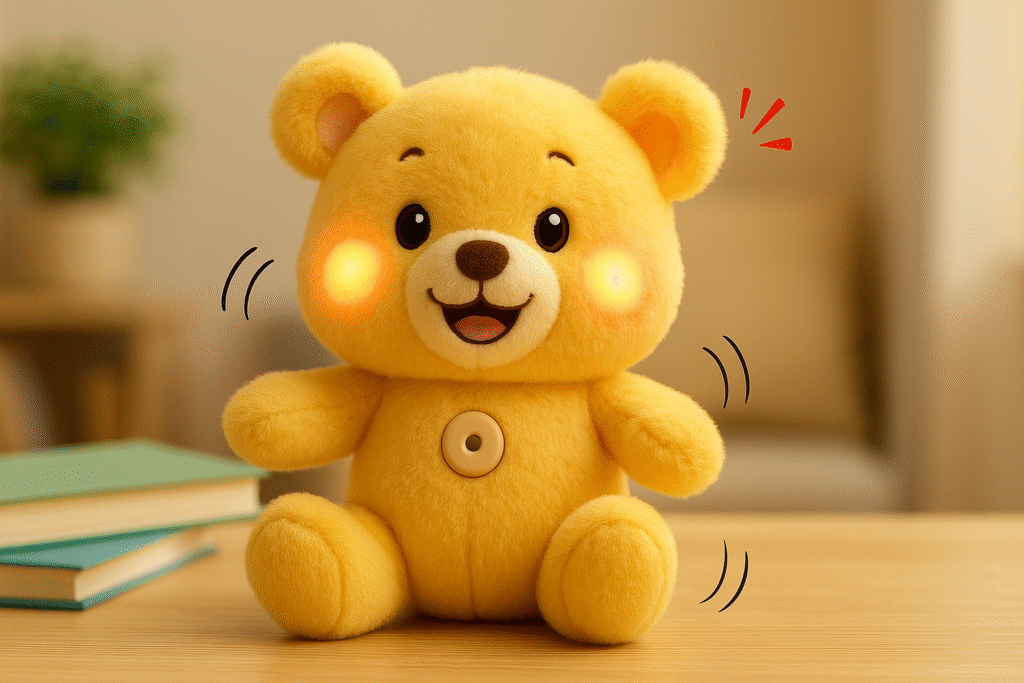
The evolution of interactive plush toys is driven by technologies that enhance engagement without overwhelming the product. From my experience, the most successful retail-focused interactive plush toys use simple, reliable technologies that work instantly and intuitively in-store.
Sound modules remain the most widely adopted technology. Basic voice playback, multi-phrase responses, and motion-triggered sounds allow plush toys to react when squeezed or moved. These features create immediate feedback, which is critical for retail environments where customers interact briefly before making purchase decisions.
Sensor-based interaction is another growing area. Pressure sensors, tilt sensors, and touch zones allow plush toys to respond differently depending on how they are handled. This adds perceived intelligence without requiring screens or complex interfaces.
Some products integrate light or visual feedback, such as soft LEDs synchronized with sound. When used carefully, these elements increase shelf visibility and attract attention from a distance. However, professional designs limit brightness and complexity to maintain safety and battery efficiency.
Connectivity-based features—such as app pairing or NFC triggers—are emerging, but they are still used selectively. In retail, simplicity wins. Technologies that require setup or explanation often underperform compared to instant-response interactions.
The key trend is not high-tech for its own sake, but technology that enhances emotional connection while remaining retail-friendly.
| Interactive Technology | Core Function | Retail Advantage | Design Consideration |
|---|---|---|---|
| Sound modules | Voice & sound response | Instant engagement | Sound clarity & durability |
| Motion sensors | React to movement | Natural interaction | Trigger calibration |
| Pressure sensors | Respond to touch | Hands-on appeal | Placement accuracy |
| Light elements | Visual feedback | Shelf visibility | Battery & safety limits |
| NFC / app features | Extended interaction | Post-purchase value | Setup simplicity |
For retailers, interactive technologies must work immediately, safely, and repeatedly. Brands and manufacturers that focus on reliable, intuitive interaction—rather than complex features—are best positioned to succeed in the next phase of interactive plush retail.
How Do Interactive Plush Toys Change In-Store Engagement and Customer Experience?
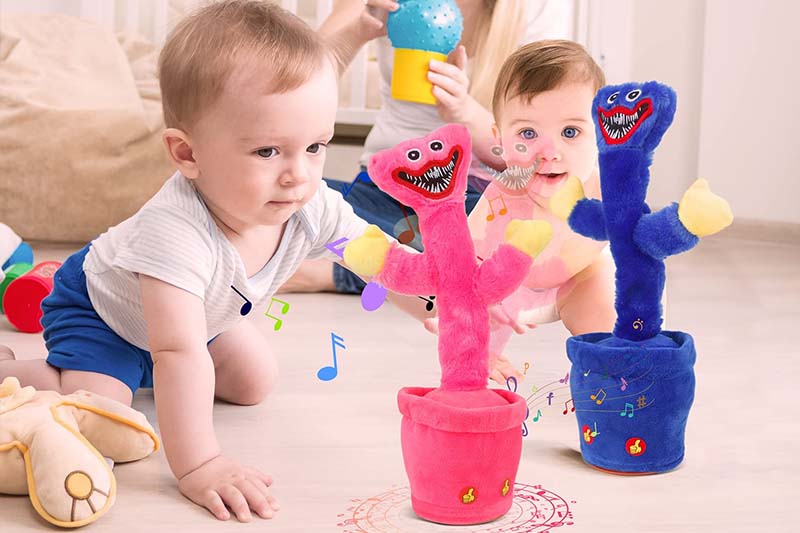
In physical retail, attention is the most limited resource. From my experience, interactive plush toys change in-store engagement by inviting touch, response, and emotion—not just visual interest. This shift turns a short shelf glance into a meaningful interaction.
Traditional plush toys rely on design and softness to attract customers. Interactive plush adds a second layer: immediate feedback. When a customer squeezes a toy and hears a sound or sees a response, curiosity increases and dwell time extends. This extra engagement often leads to stronger emotional attachment, especially for children and gift buyers.
Interactive features also reduce the need for explanation. A toy that reacts naturally communicates its value without signage or staff involvement. This is particularly important in high-traffic retail environments where shoppers make quick decisions.
From a retail strategy perspective, interactive plush toys act as experience anchors. They draw customers into specific display areas, encourage hands-on exploration, and increase the likelihood of impulse purchases. Parents often notice that children return to the same interactive toy repeatedly, which reinforces purchase intent.
Another important change is perception of value. Interactive behavior makes plush toys feel more premium and differentiated, allowing retailers to justify higher price points without additional shelf space.
| In-Store Factor | Traditional Plush | Interactive Plush | Retail Impact |
|---|---|---|---|
| Customer interaction | Visual & tactile only | Touch + response | Longer engagement |
| Dwell time | Short | Extended | Higher conversion |
| Value perception | Comfort-focused | Experience-driven | Premium positioning |
| Staff explanation | Often needed | Minimal | Operational efficiency |
| Repeat attention | Limited | High | Stronger purchase intent |
For retailers, interactive plush toys transform passive browsing into active participation. Brands that design interaction with instant, intuitive response help retailers improve engagement metrics and create memorable in-store experiences.
Why Retailers See Higher Value in Interactive Plush Compared to Traditional Toys

From a retailer’s perspective, value is measured by more than unit cost. It is defined by sell-through speed, margin potential, and repeat customer interest. From my experience, interactive plush toys outperform traditional plush in these areas when designed with retail realities in mind.
The first value driver is differentiation. Traditional plush competes heavily on appearance and price, which often leads to discounting. Interactive plush introduces functionality that is immediately noticeable in-store, helping products stand out without requiring larger displays or additional marketing support.
Interactive plush toys also support higher perceived value. Sound, motion, or light feedback creates a sense of “more than a toy,” allowing retailers to position these items at higher price points. Customers are often willing to pay a premium because the interaction is clear and tangible at the point of sale.
Another key factor is engagement-driven conversion. Interactive plush toys invite hands-on testing, which increases emotional connection before purchase. Retailers see higher conversion rates when customers can experience the product rather than imagine its value.
Inventory efficiency also improves. Interactive plush toys tend to generate word-of-mouth and repeat interest, reducing long shelf time. Faster turnover improves cash flow and reduces the risk of seasonal leftovers.
Finally, interactive plush aligns well with gift-oriented retail. Buyers looking for gifts often seek novelty and memorability—qualities that interactive plush delivers more reliably than static products.
| Retail Value Factor | Traditional Plush | Interactive Plush | Business Outcome |
|---|---|---|---|
| Differentiation | Design-based | Experience-based | Less price pressure |
| Perceived value | Moderate | High | Better margins |
| Conversion rate | Visual decision | Experiential decision | Higher sell-through |
| Shelf performance | Slower rotation | Faster turnover | Inventory efficiency |
| Gift appeal | Familiar | Memorable | Strong seasonal sales |
For retailers, interactive plush toys are not just upgraded products—they are strategic tools that combine emotional appeal with measurable commercial benefits. Brands that understand this value equation can position interactive plush as a growth category rather than a novelty item.
How Data, Connectivity, and Smart Features Influence Retail Plush Strategies
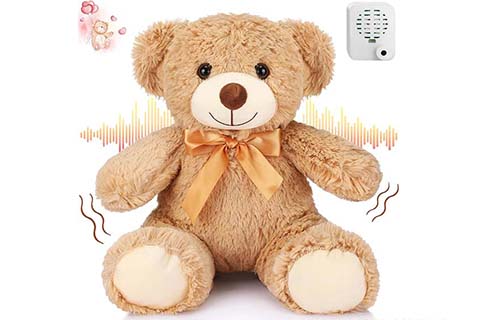
As interactive plush toys evolve, data and connectivity are beginning to influence how retailers plan assortments and measure performance. From my experience, the most effective retail strategies use lightweight, optional smart features—not heavy digital dependence—to enhance insight without disrupting the in-store experience.
At the simplest level, smart features help retailers understand what attracts attention. NFC tags, QR codes, or basic app pairing can connect a plush toy to digital content after purchase, extending engagement beyond the shelf. These tools are most effective when they are optional and frictionless, adding value without requiring setup during in-store interaction.
Some interactive plush programs use connectivity to support content updates. This allows brands to refresh stories, sounds, or educational content without changing the physical product. For retailers, this extends product lifecycle and reduces markdown risk when themes or seasons change.
Data can also inform assortment decisions. When post-purchase engagement is tracked at an aggregate level, brands can identify which characters, sounds, or interactions perform best. Retailers use these insights to refine future orders and allocate shelf space more efficiently.
However, over-connection creates risk. Products that rely too heavily on apps, accounts, or continuous connectivity often see lower in-store conversion. Privacy concerns, setup friction, and battery drain can outweigh perceived benefits. Successful retail strategies keep smart features supportive, not central.
| Smart Feature Area | Retail-Friendly Use | Potential Risk | Strategic Benefit |
|---|---|---|---|
| NFC / QR access | Optional digital content | Low scan adoption | Extended engagement |
| Content updates | Post-purchase refresh | Version confusion | Longer lifecycle |
| Usage data | Aggregated insights | Privacy concerns | Better assortment |
| App connectivity | Value-added experience | Setup friction | Brand ecosystem |
| Smart dependency | Minimal reliance | Tech fatigue | Stable conversion |
For retailers, data and connectivity should support decision-making, not complicate selling. Brands and manufacturers that design smart features with restraint help retailers gain insight while preserving the simplicity that drives in-store success.
What Challenges Do Retailers Face When Scaling Interactive Plush Toy Programs?
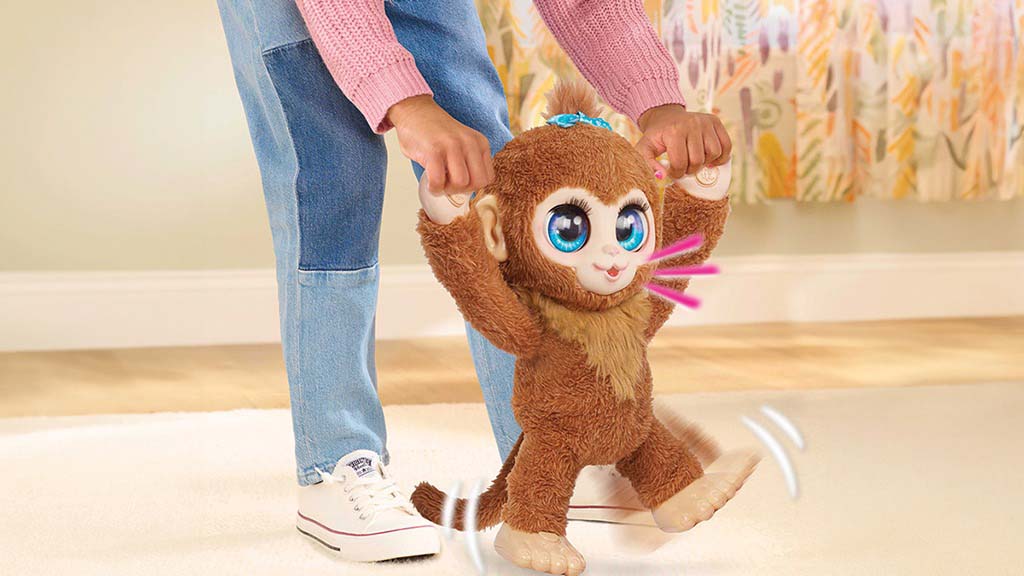
Scaling interactive plush toys is very different from launching a single successful item. From my experience, many retail programs struggle not because demand is low, but because complexity increases faster than systems can support it.
The first challenge is operational consistency. Interactive plush toys involve electronics, batteries, and software logic. When volume increases, even small inconsistencies in sound modules, trigger sensitivity, or battery quality can lead to uneven customer experience across stores and regions.
Cost control becomes more difficult at scale. Interactive components increase BOM complexity, and price fluctuations in electronic parts can impact margins. Retailers often underestimate how component sourcing stability affects long-term pricing and replenishment planning.
Another major challenge is after-sales management. As interactive products scale, return and support inquiries increase. Without clear troubleshooting guidance or standardized module specifications, retailers may face higher return rates that offset initial sales gains.
Compliance and safety risk also scale. More SKUs, more markets, and more batches mean more documentation, testing coordination, and regulatory exposure. A single compliance gap can impact entire retail programs.
Finally, training and in-store handling matter. Interactive plush toys are handled frequently. Without clear display guidelines, battery management rules, and staff awareness, demo units may fail early, reducing shelf appeal.
| Scaling Challenge | Common Issue | Professional Mitigation | Retail Benefit |
|---|---|---|---|
| Product consistency | Variable interaction | Locked specs & QC | Stable experience |
| Cost management | Component price swings | Approved suppliers | Margin protection |
| After-sales support | High return rates | Clear support systems | Lower operational cost |
| Compliance scope | Documentation overload | Centralized compliance | Reduced risk |
| In-store handling | Demo unit failure | Display & training guides | Better presentation |
For retailers, scaling interactive plush requires process maturity, not just popular products. Brands and manufacturers that anticipate these challenges help retailers expand interactive assortments without sacrificing reliability or profitability.
How Can Brands and Manufacturers Prepare for the Retail Demand of Interactive Plush Toys?
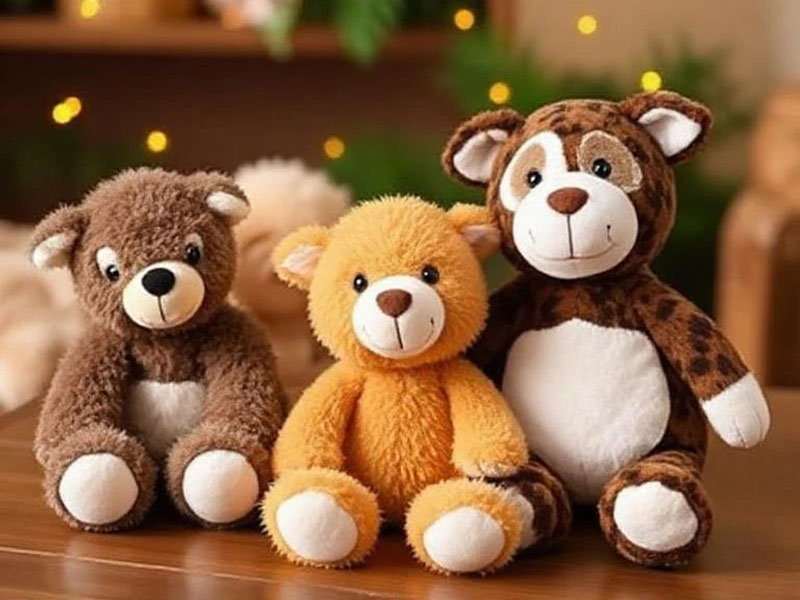
Preparing for retail demand in interactive plush is not about chasing every new technology. From my experience, the brands that succeed long term are those that build interaction into their product strategy, not just into a single SKU.
The first step is designing for retail simplicity. Interactive plush toys must work instantly on the shelf. Brands should prioritize clear interaction logic, durable triggers, and obvious value without instructions. Manufacturers play a key role by guiding design decisions that balance engagement with reliability.
Supply chain readiness is equally important. Interactive plush relies on stable electronic components, consistent firmware or sound logic, and predictable battery sourcing. Brands that lock specifications early and work with factories that manage approved suppliers reduce disruption during replenishment and scale-up.
Another preparation area is compliance planning across markets. As interactive plush expands into more regions, safety testing, labeling, and documentation multiply. Manufacturers that centralize compliance management help brands respond faster to retailer onboarding requirements.
Retail collaboration also matters. Brands that share display guidelines, battery handling instructions, and demo-unit strategies support better in-store performance. This reduces early failures and protects perceived quality at the shelf.
Finally, preparation means thinking beyond launch. Brands should plan version updates, content refreshes, and line extensions early, allowing interactive plush programs to grow without constant redesign.
| Preparation Area | Unprepared Approach | Retail-Ready Approach | Strategic Outcome |
|---|---|---|---|
| Product design | Feature-driven | Interaction-first | Clear shelf value |
| Component sourcing | Short-term buying | Locked specifications | Supply stability |
| Compliance planning | Reactive testing | Multi-market planning | Faster rollout |
| Retail support | Minimal guidance | Display & usage tools | Better presentation |
| Product roadmap | One-off launch | Scalable platform | Long-term growth |
For retailers, confidence comes from predictability. Brands and manufacturers that prepare systems—not just products—are best positioned to meet growing retail demand for interactive plush toys.
Conclusion
Interactive plush toys are shaping the future of retail by combining emotional comfort with engaging technology. Brands that focus on simplicity, reliability, and scalable systems will lead this category as retail expectations continue to evolve.
📧 Contact: [email protected]
🌐 Visit: https://kinwintoys.com