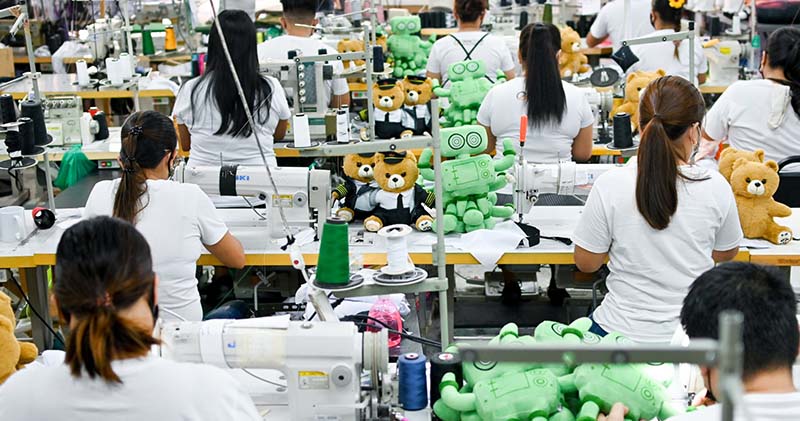
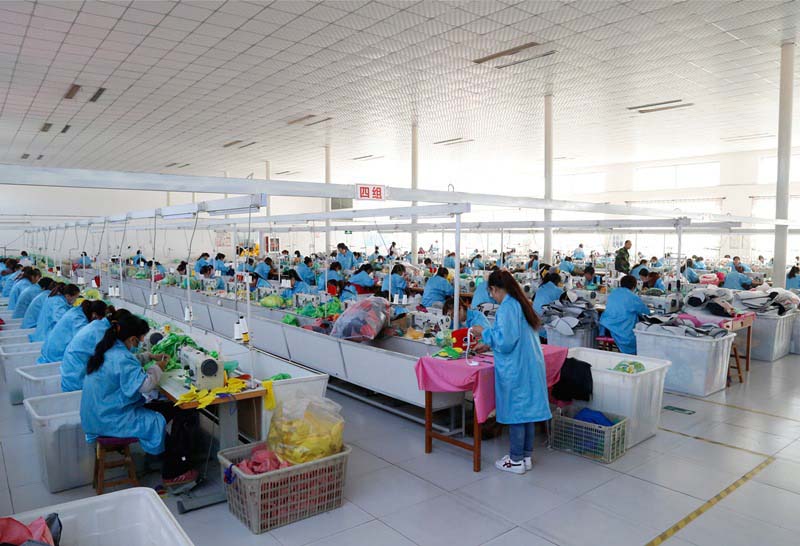
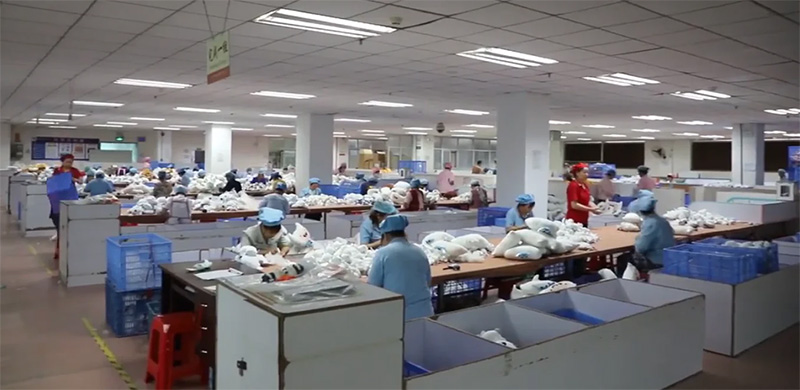
In the plush toy industry, “manufacturing experience” is often reduced to a number of years.
But for buyers, what really matters is what a factory has actually produced, learned, and stabilized over time.
True manufacturing experience shows up in repeatability, problem-solving ability, team stability, and how calmly a factory handles complexity. This guide helps buyers evaluate plush toy manufacturing experience based on real production evidence, not surface-level claims.
What Does “Manufacturing Experience” Mean in the Plush Toy Industry?
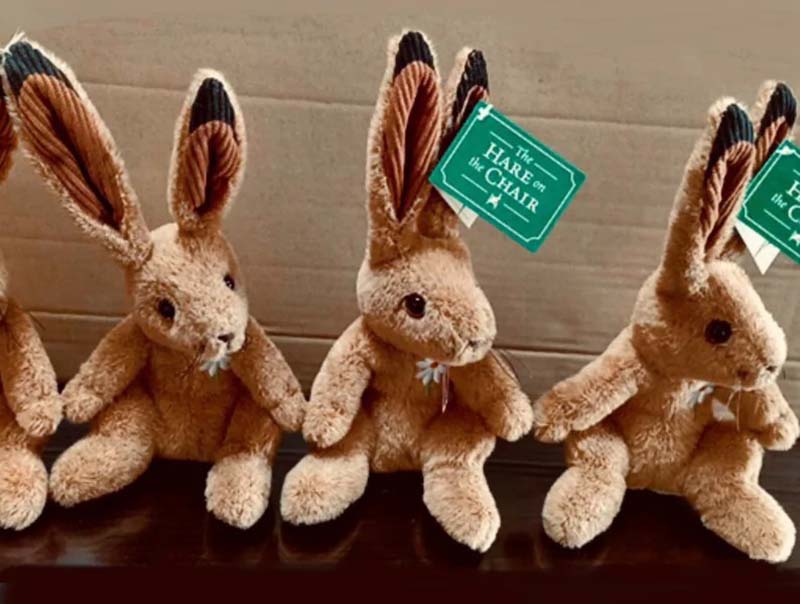
Manufacturing experience in plush toys is not just about longevity—it’s about depth, repetition, and accumulated operational judgment.
Is Manufacturing Experience About Time, or About Production Cycles?
A factory may have existed for many years, but that doesn’t automatically translate into plush manufacturing experience.
Real experience comes from:
- Repeated production of plush toys year after year
- Exposure to different order sizes and project types
- Multiple full production cycles, not just samples
Factories that have gone through many production cycles develop instincts around:
- Where quality issues usually appear
- How processes behave under pressure
- Which problems repeat—and how to prevent them
Time matters, but time spent actually producing plush toys matters more.
Why Problem Exposure Is a Key Part of Experience
Experienced manufacturers have seen things go wrong—and learned from it.
They can usually:
- Identify common failure points early
- Explain why certain processes are risky
- Adjust methods based on past outcomes
In contrast, inexperienced factories often:
- Overpromise smooth execution
- React only after issues appear
- Repeat the same mistakes across projects
Manufacturers with long-term plush production focus—such as Kinwin—tend to describe experience in terms of lessons learned, not just years counted.
Defining Manufacturing Experience Evaluation Table
| Aspect | Real Manufacturing Experience | Superficial Claim |
|---|---|---|
| Experience basis | Repeated plush production | Business age only |
| Production exposure | Multiple full cycles | Sample-level only |
| Problem handling | Anticipates & prevents | Reacts late |
| Process maturity | Stable & refined | Constant adjustment |
| Learning history | Clear lessons over time | No reflection |
How Many Years Has the Factory Focused Specifically on Plush Toys?
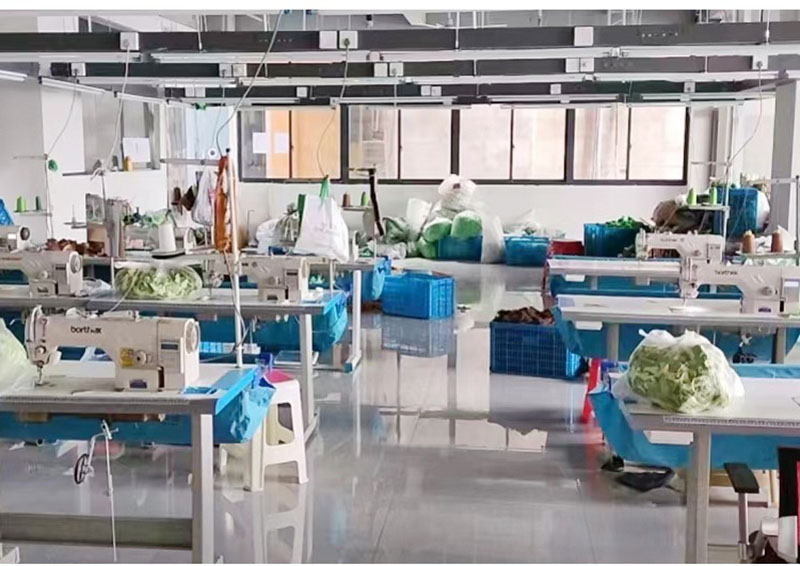
Years matter—but focus matters more. A factory’s true plush manufacturing experience depends on how long plush toys have been a core, continuous product line, not a side business.
Is Plush Toy Production Continuous, or Occasional?
Ask questions that reveal continuity, not just dates:
- How many consecutive years has plush been a main category?
- What share of annual output is plush?
- Were there years when plush production paused or shifted away?
Factories with sustained plush focus usually:
- Speak fluently about seasonal cycles and recurring issues
- Reference multiple generations of similar products
- Show steady improvement in methods over time
If answers are vague (“we do many products”), it often signals intermittent plush work rather than deep specialization.
Can They Describe How Their Plush Manufacturing Evolved Over Time?
Real experience leaves a trail of evolution.
Experienced factories can explain:
- How materials or stuffing methods changed and why
- Which QC steps were added after past issues
- How efficiency improved without sacrificing quality
This ability to narrate process evolution is a strong indicator of hands-on manufacturing maturity.
Manufacturers with long-term plush focus—such as Kinwin—typically describe experience through improvements and refinements, not just a founding year.
Plush-Focused Years Evaluation Table
| What to Check | Strong Indicator | Warning Sign |
|---|---|---|
| Plush as core product | Continuous for years | Occasional projects |
| Output share | Majority plush | Minor percentage |
| Process evolution | Clear improvements | No change history |
| Language used | Plush-specific terms | Generic manufacturing |
| Confidence level | Calm & precise | Overly promotional |
What Types of Plush Products Have They Produced Repeatedly?
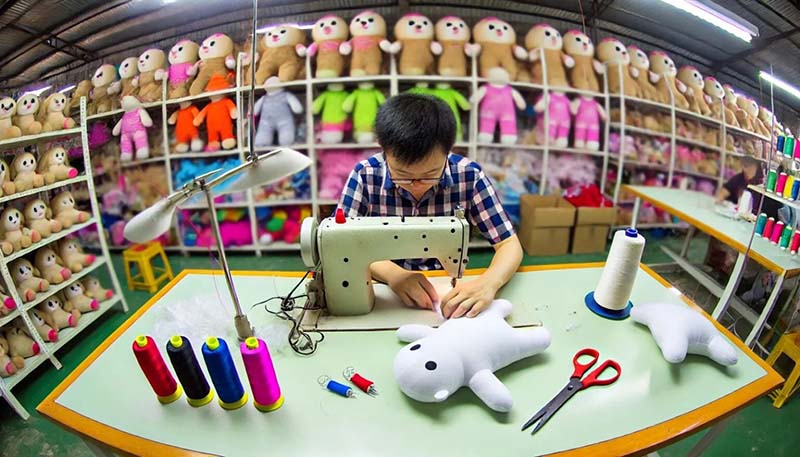
Manufacturing experience becomes reliable only when it’s built through repetition.
Producing a plush toy once is very different from producing the same type again and again—across different orders, quantities, and timelines.
Do They Have Clear, Repeat Product Categories?
Ask the factory which plush categories they produce most often, not just what they can make.
Experienced plush manufacturers usually have clear repeat categories, such as:
- Standard stuffed animals (bears, dogs, cats)
- Character or IP-based plush toys
- Promotional plush items
- Plush keychains or bag charms
Repeated production helps factories refine:
- Pattern accuracy
- Sewing sequences
- Stuffing balance
- QC checkpoints
If a factory lists too many unrelated products without depth, experience may be shallow rather than proven.
Can They Explain Differences Within the Same Plush Category?
True experience shows when a factory can explain subtle differences within similar products.
For example:
- Why a 15 cm plush needs different structure control than a 30 cm plush
- How facial embroidery density changes with fabric type
- Why certain animal shapes need reinforcement in specific areas
Factories that have produced similar items repeatedly can explain these distinctions naturally, without generic language.
Manufacturers with strong repeat-production experience—such as Kinwin—tend to compare projects and lessons learned, not just showcase images.
Repeated Plush Production Evaluation Table
| What to Evaluate | Experienced Factory | Limited Experience |
|---|---|---|
| Product categories | Clear & focused | Overly broad |
| Repetition level | Same types made often | One-off projects |
| Technical explanation | Detailed & specific | Surface-level |
| Process refinement | Evident improvements | Trial-and-error |
| Quality consistency | Stable across batches | Inconsistent |
Which Markets and Compliance Standards Are They Familiar With?
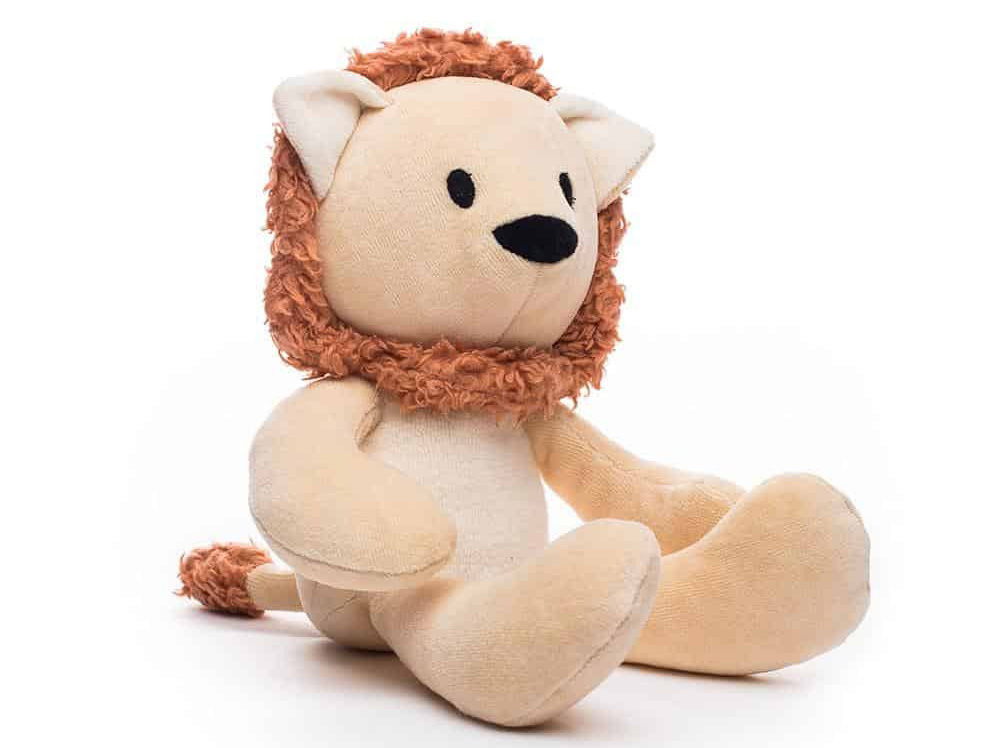
Manufacturing experience only has real value if it aligns with your target market’s rules and expectations.
A factory may produce plush toys well—but if they’re unfamiliar with your market’s compliance requirements, risk increases sharply.
Have They Shipped Plush Toys to Your Target Markets Before?
Ask where the factory regularly exports plush toys, not just where they can ship.
Experienced manufacturers can usually explain:
- Which markets they serve most often (US, EU, UK, Japan, etc.)
- Common buyer expectations in each market
- Typical compliance challenges they’ve encountered
Factories that have shipped repeatedly to the same markets tend to anticipate issues early—rather than discovering them during testing or inspection.
Do They Understand Market-Specific Safety and Compliance Standards?
Plush toy compliance is market-dependent.
A factory with relevant experience should be able to discuss:
- Age grading implications
- Small parts and attachment risks
- Material and chemical safety concerns
- Labeling and documentation requirements
Be cautious if compliance is discussed in vague terms or treated as a last step. That often signals limited hands-on exposure to regulated markets.
Manufacturers with mature market experience—such as Kinwin—typically integrate compliance considerations into design and production planning from the beginning.
Market & Compliance Experience Evaluation Table
| What to Evaluate | Relevant Experience | Risk Signal |
|---|---|---|
| Export markets | Regular, repeated shipments | Occasional or none |
| Standard familiarity | Explains clearly | Generic mentions |
| Risk awareness | Anticipates issues | Reacts late |
| Documentation readiness | Prepared early | Rushed at the end |
| Buyer alignment | Knows expectations | One-size-fits-all |
Can They Explain Past Production Challenges and How They Solved Them?
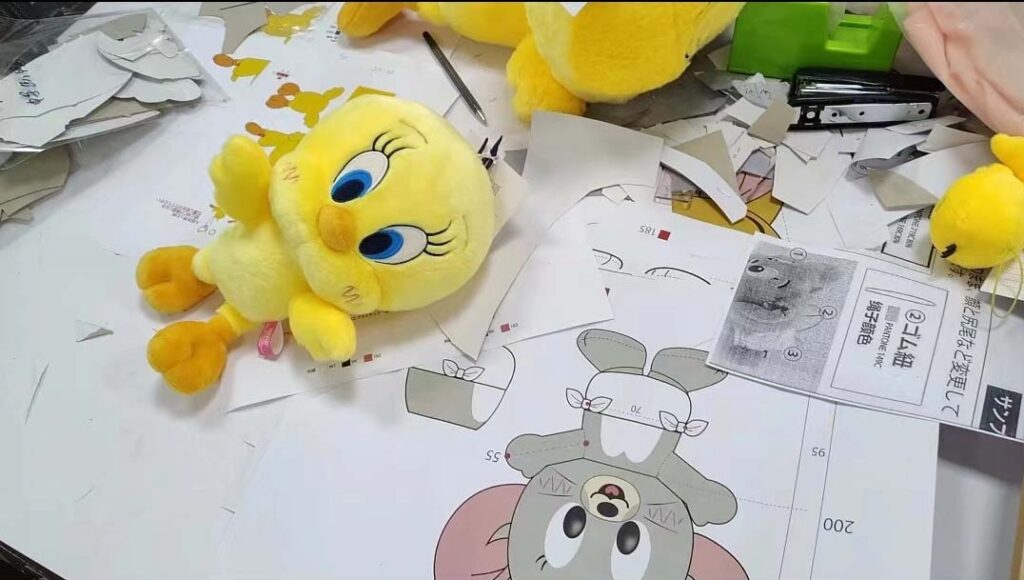
One of the most reliable signs of real manufacturing experience is how openly and clearly a factory talks about problems.
Every experienced plush manufacturer has faced issues—the difference is whether they learned from them.
Do They Talk About Real Problems Instead of Claiming “No Issues”?
Experienced factories don’t claim perfection.
They can usually describe:
- Fabric shrinkage or color inconsistency issues
- Stitching or seam failures during early runs
- Stuffing imbalance or shape distortion
- Compliance or testing failures and corrections
If a factory says they’ve “never had problems,” that’s often a red flag—it suggests limited exposure or unwillingness to be transparent.
Can They Explain the Root Cause and the Fix, Not Just the Result?
What matters is not just what went wrong, but how it was fixed.
Strong manufacturers can explain:
- Why the issue happened
- What process or material change was made
- How they prevented the issue from repeating
This shows systematic thinking rather than one-time patching.
Manufacturers with mature production experience—such as Kinwin—tend to frame challenges as learning points that improved future production.
Production Challenge Handling Evaluation Table
| What to Evaluate | Experienced Factory | Inexperienced Signal |
|---|---|---|
| Problem disclosure | Open & specific | Avoids discussion |
| Root-cause analysis | Clearly explained | Vague explanations |
| Corrective action | Process-level fix | Temporary workaround |
| Prevention method | Documented changes | Same issue repeats |
| Attitude | Calm & factual | Defensive |
How Stable Are Their Production Teams and Key Technicians?
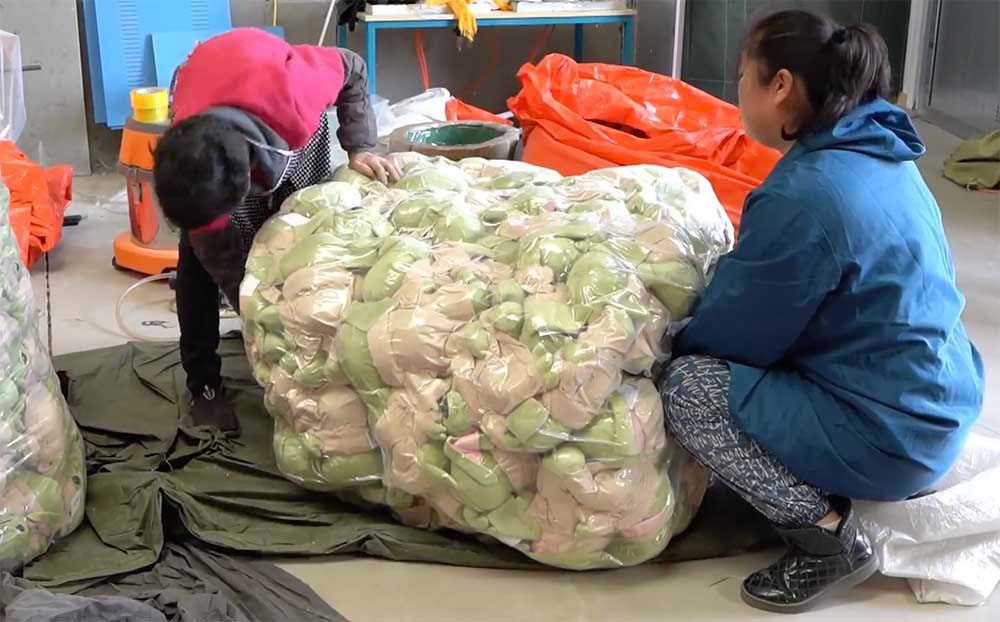
Manufacturing experience doesn’t live in documents—it lives in people.
If teams change constantly, experience resets. Stability is what allows skills, judgment, and process discipline to accumulate over time.
Are Key Roles Long-Tenured or Frequently Changing?
Ask about the stability of roles such as:
- Production supervisors
- Pattern technicians
- Sample room leads
- QC inspectors
Experienced factories usually have:
- Core technicians with many years at the factory
- Low turnover in critical roles
- Clear mentorship between senior and junior staff
Be cautious if:
- Key roles rotate frequently
- Experience seems concentrated in one person
- Answers about staff tenure are vague
High turnover often leads to inconsistent execution—even if the factory has been around for years.
Does Team Stability Translate Into Consistent Output?
Stable teams tend to:
- Maintain consistent workmanship standards
- Communicate smoothly across departments
- Anticipate issues based on shared history
When teams work together over time, small inefficiencies are ironed out, and quality becomes more predictable.
Manufacturers with stable production teams—such as Kinwin—typically deliver more consistent results because knowledge stays within the organization, not with individuals who may leave.
Team Stability Evaluation Table
| What to Evaluate | Strong Stability | Risk Signal |
|---|---|---|
| Technician tenure | Many years | Frequent turnover |
| Role continuity | Same leads across projects | Constant changes |
| Knowledge retention | Shared & documented | Person-dependent |
| Output consistency | Predictable quality | Varies by batch |
| Long-term reliability | High | Uncertain |
Conclusion
Evaluating plush toy manufacturing experience is not about how long a factory has existed—it’s about what they have repeatedly produced, learned, and stabilized over time.
Real manufacturing experience shows up in sustained focus on plush toys, repeated production of similar products, familiarity with target markets and compliance standards, the ability to explain past production challenges clearly, and stable production teams that retain knowledge year after year.
Factories without this depth may perform well on isolated projects, but they often struggle with consistency, scale, and problem prevention as orders grow.
For buyers who value predictable quality, smoother cooperation, and fewer surprises in mass production, evaluating manufacturing experience is a critical step—not a formality.
If you’re looking for a plush manufacturing partner with proven production depth and long-term operational stability, Kinwin welcomes open discussions to help you assess experience fit and move forward with confidence.