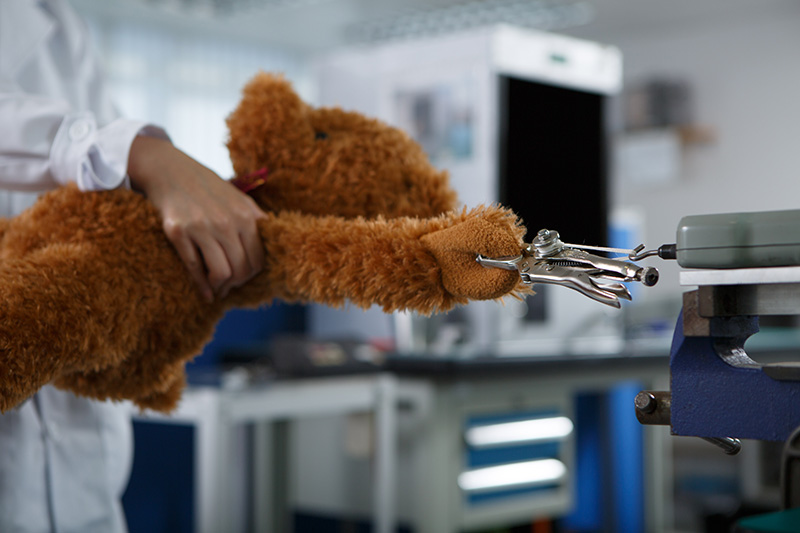
The European Union has some of the strictest toy safety regulations in the world.
If your plush toys are entering the EU market, production quality alone is not enough. You must ensure full compliance with EU toy safety directives, chemical restrictions, and labeling requirements.
Choosing the wrong manufacturer can result in failed testing, customs rejection, or product recalls—damaging both your timeline and your brand.
This guide will help you evaluate whether a plush toy factory is truly prepared for EU market requirements.
What EU Safety Standards Must the Plush Factory Understand?
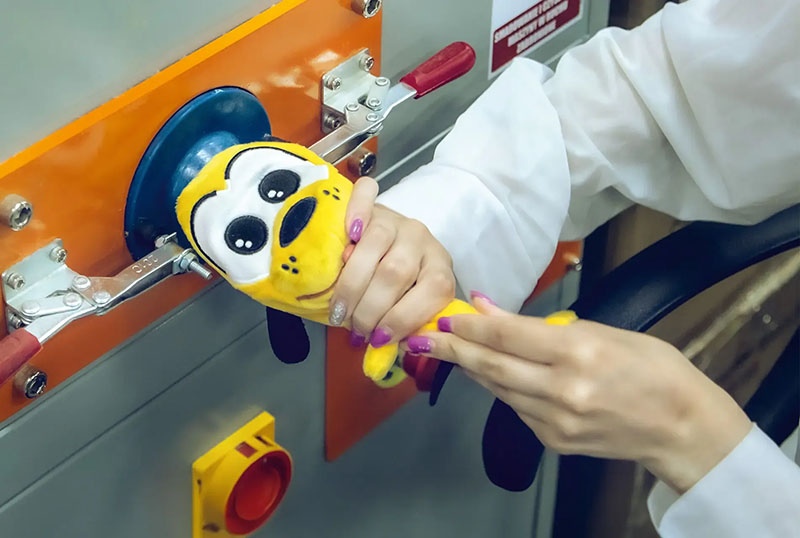
Before discussing production or pricing, the factory should clearly understand the regulatory framework that applies to toys sold in the European Union.
EU compliance is not optional—it is legally required.
Do They Understand the EU Toy Safety Directive (TSD)?
Plush toys sold in the EU must comply with:
- EU Toy Safety Directive 2009/48/EC
- General Product Safety Regulation
- CE marking requirements
A reliable factory should immediately recognize these regulations and explain how they relate to plush toy production.
If they seem unfamiliar with the Toy Safety Directive, this is a major warning sign.
Do They Know the Key EN71 Testing Categories?
For plush toys, EN71 typically includes:
- EN71-1 → Mechanical and physical properties
- EN71-2 → Flammability
- EN71-3 → Migration of certain elements (heavy metals)
Experienced EU-focused manufacturers—such as Kinwin—usually integrate these requirements into design and material planning from the beginning.
EU Safety Standards Evaluation Table
| What to Evaluate | Strong EU Compliance Knowledge | Risk Signal |
|---|---|---|
| Toy Safety Directive awareness | Clearly explained | Unfamiliar |
| EN71 categories knowledge | Specific | Vague |
| CE marking process | Understood | Confused |
| Compliance timing | Planned early | After production |
| Risk discussion | Proactive | Avoided |
Can They Support EN71 Testing and CE Compliance?
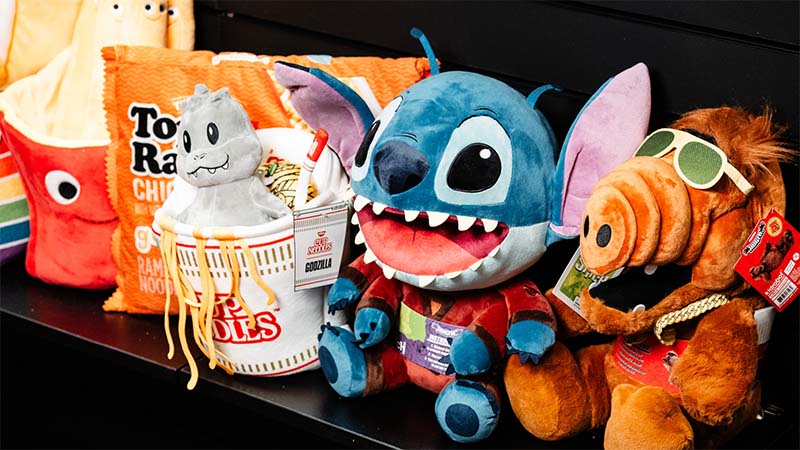
Understanding EU regulations is one thing.
Being able to execute compliance properly is another.
A factory that truly supports the EU market should not only know EN71—but also have structured testing procedures and CE documentation processes in place.
Do They Work With Recognized Third-Party Testing Laboratories?
Reliable EU-oriented plush manufacturers typically:
- Cooperate with accredited third-party labs
- Understand test timelines and sample requirements
- Prepare test-ready samples before bulk production
- Review potential risk points before submitting products for testing
If a factory has never coordinated EN71 testing before, delays and unexpected failures are more likely.
Do They Understand CE Technical Documentation Requirements?
CE marking requires more than passing a test.
A compliant process usually includes:
- Declaration of Conformity (DoC)
- Technical documentation file
- Risk assessment
- Product identification and traceability
Experienced manufacturers—such as Kinwin—typically understand how CE compliance fits into the overall export process rather than treating it as just a label.
EN71 & CE Capability Evaluation Table
| What to Evaluate | Strong Capability | Risk Signal |
|---|---|---|
| Accredited lab cooperation | Established | No experience |
| Test preparation planning | Structured | Reactive |
| CE documentation knowledge | Clear | Limited |
| Technical file awareness | Understood | Unfamiliar |
| Compliance workflow | Integrated | Isolated |
Do They Understand REACH Chemical Requirements?
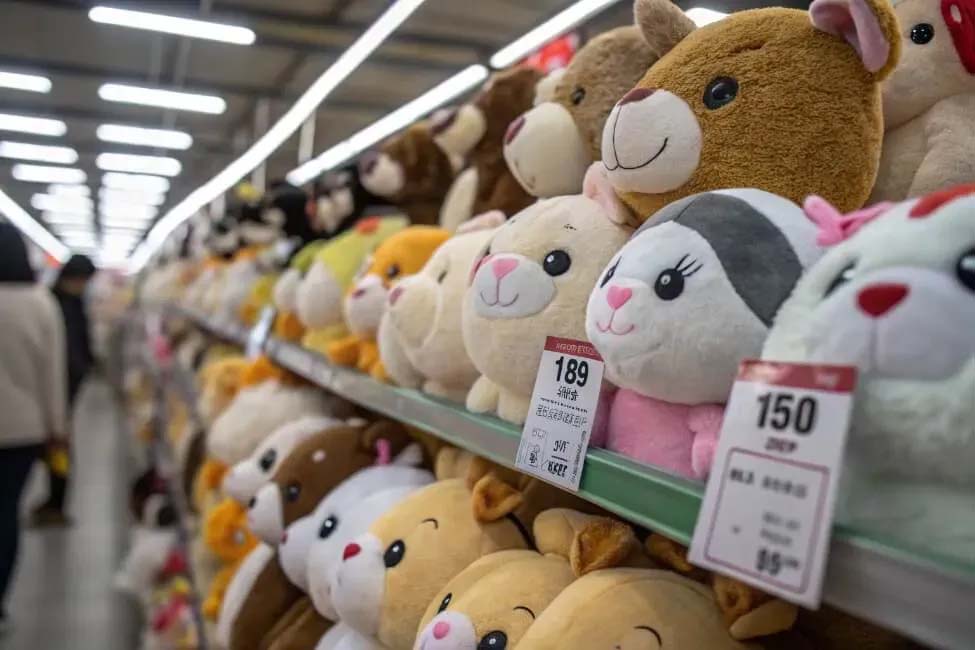
For plush toys entering the EU market, chemical compliance is just as important as mechanical safety.
REACH (Registration, Evaluation, Authorisation and Restriction of Chemicals) regulates the use of certain substances in products sold within the European Union. If a factory does not understand REACH, your plush toy may fail testing—even if it looks perfectly fine.
Do They Know Which Materials May Contain Restricted Substances?
Common risk areas include:
- Fabric dyes
- Plastic accessories
- Printing inks
- Adhesives
- Coatings or decorative finishes
REACH restrictions apply to substances such as:
- Heavy metals
- Phthalates
- Certain azo dyes
- Flame retardants
A knowledgeable factory should understand these risk categories and avoid high-risk materials during sourcing.
Do They Source Materials With Compliance in Mind?
Professional EU-focused manufacturers typically:
- Work with suppliers familiar with REACH standards
- Request compliance declarations from material suppliers
- Keep documentation records for traceability
- Review chemical safety before production begins
Manufacturers experienced in EU export—such as Kinwin—usually integrate REACH awareness into material selection from the sampling stage.
REACH Compliance Evaluation Table
| What to Evaluate | Strong REACH Awareness | Risk Signal |
|---|---|---|
| Chemical risk knowledge | Specific | General |
| Material sourcing | Compliance-focused | Cost-focused only |
| Supplier documentation | Collected | Not requested |
| Restricted substance awareness | Proactive | Unfamiliar |
| Early-stage evaluation | Integrated | After testing |
How Do They Control Small Parts and Mechanical Safety Risks?
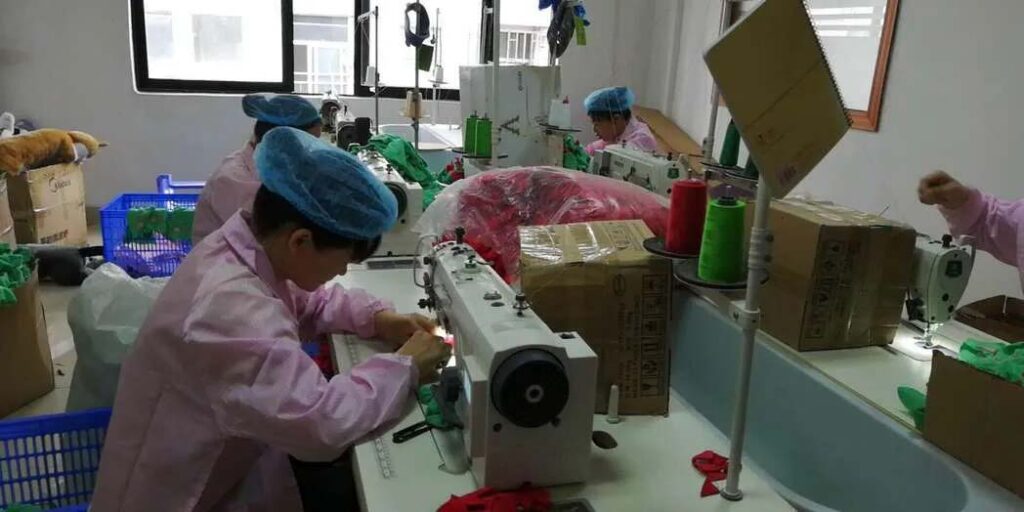
Under EN71-1 (Mechanical and Physical Properties), plush toys must meet strict requirements for attachment strength, seam durability, and small-part safety—especially for products intended for children under 3 years old.
Small components that detach easily can immediately fail testing and block EU market entry.
Do They Conduct Attachment Strength and Pull Tests?
Common mechanical risk areas include:
- Plastic eyes and noses
- Decorative buttons
- Zippers or hard accessories
- Keychains or detachable trims
Reliable EU-oriented factories typically:
- Perform internal pull tests before third-party testing
- Reinforce attachment stitching
- Avoid risky detachable components for under-3 products
- Document age grading clearly
If mechanical safety is only reviewed during final testing, the risk of failure increases significantly.
Do They Evaluate Seam Strength and Structural Durability?
EN71-1 also evaluates:
- Seam strength under tension
- Fabric tear resistance
- Filling accessibility
- Sharp edge or protrusion risk
Experienced EU-focused manufacturers—such as Kinwin—usually integrate mechanical safety review into early sampling, not just before shipment.
Mechanical Safety Evaluation Table
| What to Evaluate | Strong EU Mechanical Control | Risk Signal |
|---|---|---|
| Pull testing | Conducted internally | Not tested |
| Seam reinforcement | Structured | Inconsistent |
| Age grading | Defined early | Decided late |
| Small-part risk review | Proactive | Overlooked |
| Pre-test preparation | Planned | Reactive |
How Do They Control Small Parts and Mechanical Safety Risks?
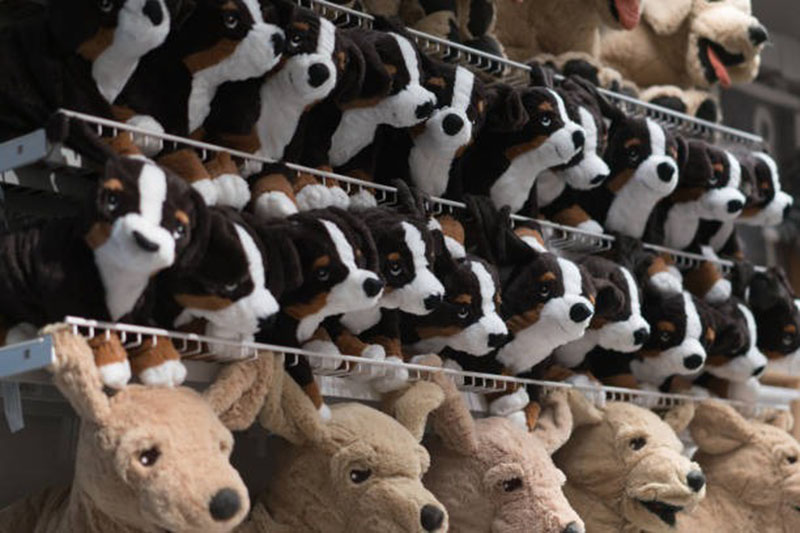
Under EN71-1 (Mechanical and Physical Properties), plush toys must meet strict requirements for attachment strength, seam durability, and small-part safety—especially for products intended for children under 3 years old.
Small components that detach easily can immediately fail testing and block EU market entry.
Do They Conduct Attachment Strength and Pull Tests?
Common mechanical risk areas include:
- Plastic eyes and noses
- Decorative buttons
- Zippers or hard accessories
- Keychains or detachable trims
Reliable EU-oriented factories typically:
- Perform internal pull tests before third-party testing
- Reinforce attachment stitching
- Avoid risky detachable components for under-3 products
- Document age grading clearly
If mechanical safety is only reviewed during final testing, the risk of failure increases significantly.
Do They Evaluate Seam Strength and Structural Durability?
EN71-1 also evaluates:
- Seam strength under tension
- Fabric tear resistance
- Filling accessibility
- Sharp edge or protrusion risk
Experienced EU-focused manufacturers—such as Kinwin—usually integrate mechanical safety review into early sampling, not just before shipment.
Mechanical Safety Evaluation Table
| What to Evaluate | Strong EU Mechanical Control | Risk Signal |
|---|---|---|
| Pull testing | Conducted internally | Not tested |
| Seam reinforcement | Structured | Inconsistent |
| Age grading | Defined early | Decided late |
| Small-part risk review | Proactive | Overlooked |
| Pre-test preparation | Planned | Reactive |
Can They Provide Valid, Recent EU Test Reports?
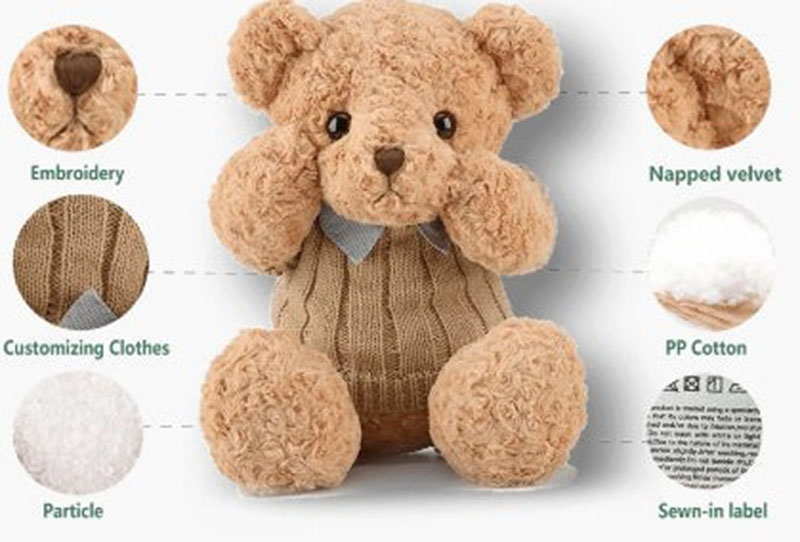
In the EU market, compliance is evidence-based.
It’s not enough for a factory to say “we can pass EN71.” They should be able to demonstrate real testing history with valid documentation.
Are Test Reports Recent and Relevant?
A valid EU test report should be:
- Issued by an accredited laboratory
- Relevant to plush toys (not unrelated product categories)
- Dated within a reasonable timeframe
- Covering EN71-1, EN71-2, EN71-3 at minimum
Outdated or irrelevant reports do not guarantee compliance for your product.
A responsible factory will explain that final testing should be conducted on your specific product, not just rely on generic past reports.
Do They Understand That Each Product May Require Separate Testing?
EU compliance is product-specific.
Factors that may require additional evaluation include:
- Magnets
- Small detachable accessories
- Special coatings or decorative materials
- Unusual stuffing types
Experienced EU-focused manufacturers—such as Kinwin—usually clarify that compliance is tied to the actual finished product configuration.
EU Test Report Evaluation Table
| What to Evaluate | Strong EU Compliance Proof | Risk Signal |
|---|---|---|
| Accredited lab | Recognized | Unknown lab |
| Report relevance | Plush-specific | Generic |
| Report date | Recent | Outdated |
| Product specificity | Configuration-based | Assumed |
| Testing understanding | Detailed | Superficial |
Conclusion
The EU market demands more than good plush design.
It requires:
- Clear understanding of the Toy Safety Directive
- EN71 testing readiness
- REACH chemical awareness
- Mechanical safety control
- Material traceability
- Valid and recent compliance documentation
Choosing a plush manufacturer without structured EU compliance experience can lead to testing failure, customs delays, or costly redesign.
If you are planning to export plush toys into the European Union and want a structured, compliance-focused manufacturing partner, consider working with an EU-experienced factory such as Kinwin.
EU compliance is not a marketing claim.
It is a system.