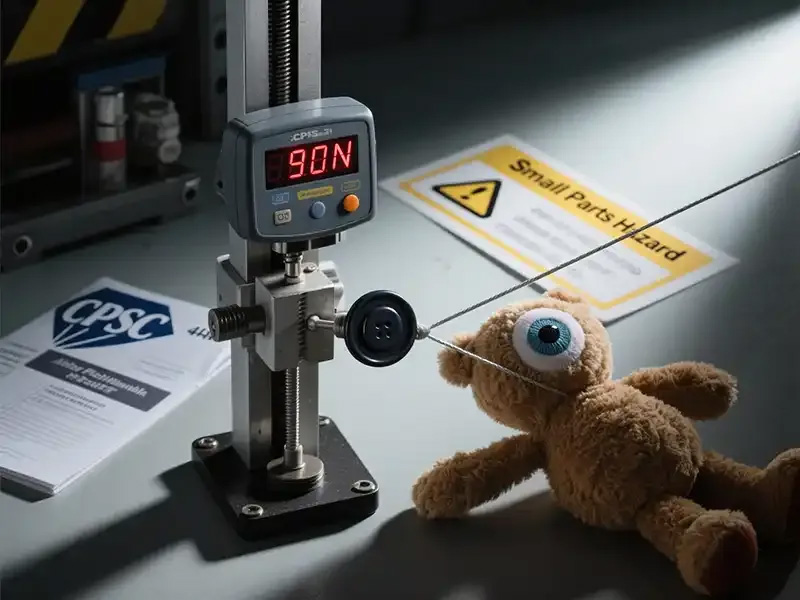
In plush toy sourcing, communication quality often determines success more than price or promises.
Many sourcing problems—missed deadlines, wrong materials, repeated revisions, or quality disputes—can be traced back to poor communication early on, not bad intentions. Suppliers may respond quickly, but that doesn’t always mean they understand your needs or can manage your project properly.
This guide shows you how to evaluate a plush supplier’s communication quality in a structured, practical way—so you can tell the difference between suppliers who talk well and those who work well.
How Fast and Consistent Are Their Response Times?
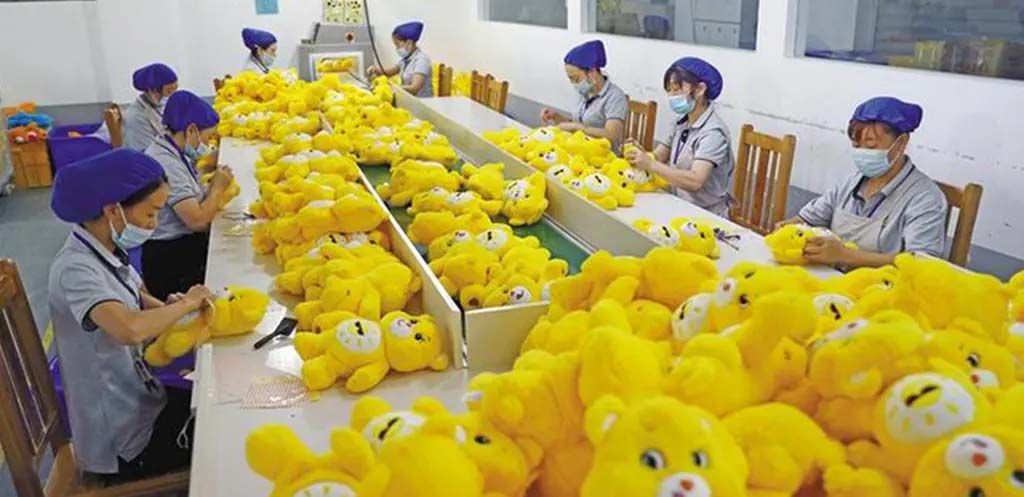
Response speed is usually the first thing buyers notice—but speed alone is not the goal.
What matters more is consistency and reliability over time.
Do They Respond Reliably Across Different Time Periods?
A strong plush supplier doesn’t just reply quickly once—they reply consistently.
Observe whether:
- Replies are timely across multiple days, not just at the beginning
- Follow-up questions are answered without long gaps
- Response speed remains stable after samples or pricing are discussed
Be cautious if:
- Responses are fast at first, then slow dramatically
- Messages are ignored and later “explained away”
- Replies depend heavily on reminders
Consistent response behavior often reflects internal organization and workload control.
Is Their Response Speed Matched With Substance?
Fast replies are meaningless if they lack clarity.
Watch for patterns such as:
- Instant replies that don’t address your actual questions
- “Yes, no problem” answers without details
- Copy-paste responses that ignore context
Professional suppliers balance speed with accuracy. Manufacturers like Kinwin typically prioritize clear, actionable responses over rushed confirmations, especially once technical details are involved.
Response Time & Consistency Evaluation Table
| What to Observe | Strong Communication | Warning Sign |
|---|---|---|
| Initial response | Prompt and professional | Delayed or erratic |
| Ongoing replies | Consistent over time | Slows after interest |
| Follow-up handling | Answers all questions | Skips or ignores |
| Speed vs. quality | Fast and specific | Fast but vague |
| Reliability | Predictable timing | Unstable pattern |
Do They Understand Your Requirements Accurately?

Understanding requirements is where communication quality truly separates reliable suppliers from risky ones.
Many plush suppliers say “yes” quickly—but that doesn’t mean they’ve actually understood what you need.
Do They Clarify and Rephrase Your Requirements in Their Own Words?
One of the clearest signs of real understanding is how a supplier confirms your request.
Strong suppliers often:
- Summarize your requirements before quoting or sampling
- Rephrase key points (size, materials, logo method, quantity)
- Ask follow-up questions to confirm unclear details
This behavior shows they are processing information—not just reacting to it.
Be cautious if a supplier:
- Moves straight to pricing without confirming specs
- Never restates what you asked for
- Misses obvious details you already explained
Misunderstood requirements at this stage almost always lead to sample revisions, delays, or cost disputes later.
Do They Catch Potential Issues or Gaps in Your Request?
Another strong indicator of understanding is whether the supplier can spot what’s missing.
For example, a capable plush supplier may ask about:
- Intended age group
- Target market or compliance needs
- Packaging or labeling requirements
- Cost vs. quality priorities
Suppliers who never question anything may be prioritizing speed over accuracy.
Manufacturers with structured communication systems—such as Kinwin—usually treat requirement confirmation as a critical step before moving forward, not a formality.
Requirement Understanding Evaluation Table
| What to Check | Accurate Understanding | Warning Sign |
|---|---|---|
| Requirement summary | Restates key details | No confirmation |
| Clarifying questions | Asks relevant follow-ups | No questions asked |
| Detail awareness | Notices missing info | Misses obvious gaps |
| Spec confirmation | Confirms before quoting | Quotes immediately |
| Error prevention | Flags risks early | Issues appear later |
Are Their Answers Specific or Overly Generic?

The difference between a reliable plush supplier and a risky one often shows up in how detailed their answers are.
Generic answers may sound friendly and confident, but they usually hide a lack of understanding, preparation, or real production control.
Do Their Answers Refer to Your Exact Project Details?
Strong communication is context-aware.
Look for whether the supplier:
- References your specific size, materials, or logo method
- Responds differently to different questions, not with repeated phrases
- Adjusts explanations based on your product type or market
Generic replies like “no problem,” “we can do all,” or “same as usual” may feel reassuring—but they rarely move a project forward safely.
Suppliers who truly understand your project will naturally include your details in their answers.
Do They Provide Explanations Instead of Just Conclusions?
Another key signal is whether answers explain why, not just what.
For example:
- Instead of saying “this is better,” do they explain why it’s better for your design?
- Instead of “price will increase,” do they explain what cost factor changes?
Professional manufacturers—such as Kinwin—tend to explain trade-offs clearly, because they aim to align expectations, not just close deals.
Answer Quality Evaluation Table
| What to Evaluate | Strong Communication | Warning Sign |
|---|---|---|
| Project relevance | Refers to your specs | Generic phrases |
| Answer depth | Explains reasoning | Only conclusions |
| Consistency | Answers vary by question | Repeated copy-paste |
| Technical clarity | Uses correct terms | Vague wording |
| Actionability | Helps next steps | No clear direction |
How Well Do They Explain Technical and Production Details?

Clear technical communication is a strong indicator of whether a plush supplier truly understands production—or is simply relaying information secondhand.
When suppliers can explain how something is made, it usually means they are close to the factory floor, not just the sales desk.
Can They Break Down Production Steps in Simple, Practical Language?
Strong suppliers don’t overwhelm you with jargon, nor do they stay vague.
They can clearly explain:
- How a sample will be made step by step
- Which processes are done in-house vs. outsourced
- Where potential risks or variations may occur
Explanations should feel logical and connected, not memorized. If a supplier struggles to explain basic steps or gives inconsistent explanations, it often signals limited production involvement.
Factories with hands-on production management—such as Kinwin—typically explain processes in a practical way because they deal with these decisions daily.
Do They Explain Technical Trade-Offs Honestly?
Production always involves trade-offs—between cost, quality, lead time, and complexity.
Reliable suppliers will:
- Explain why certain techniques cost more
- Suggest alternatives and explain the impact
- Be upfront about what is not feasible
Be cautious if a supplier:
- Always agrees without discussion
- Avoids explaining limitations
- Changes explanations when questioned
Honest technical communication helps prevent disputes later and shows respect for your project.
Technical Communication Evaluation Table
| What to Check | Strong Technical Communication | Warning Sign |
|---|---|---|
| Process explanation | Clear and step-by-step | Vague or confusing |
| Production knowledge | Speaks from experience | Sounds scripted |
| Trade-off discussion | Explains pros & cons | Avoids limitations |
| Consistency | Same logic each time | Shifting explanations |
| Decision support | Helps you choose | Pushes agreement only |
Do They Proactively Raise Risks and Limitations?
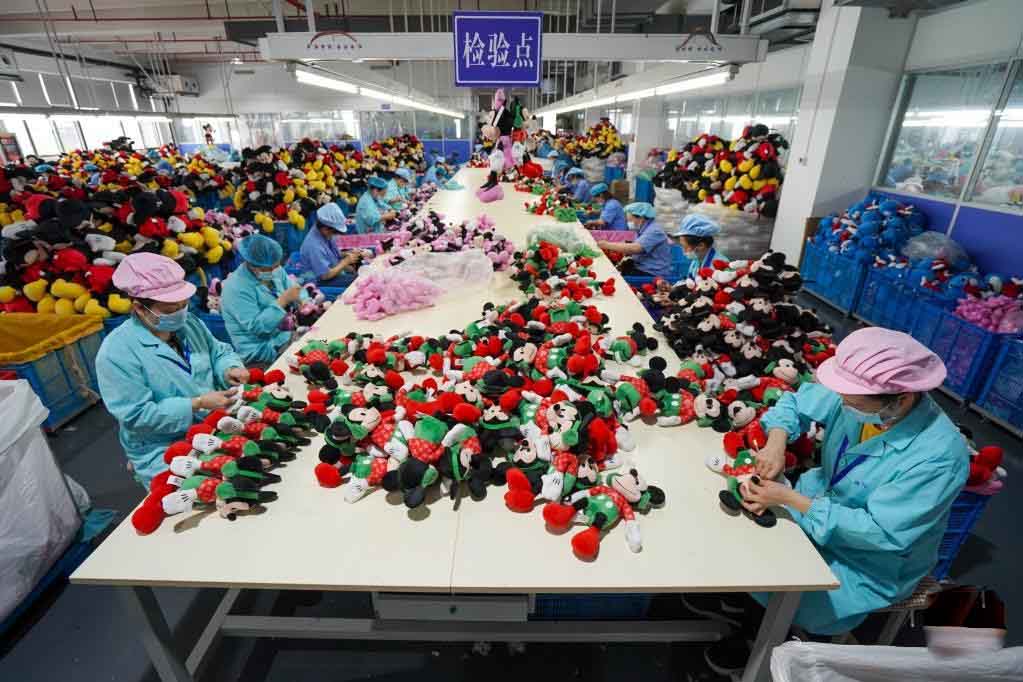
One of the clearest signs of high-quality communication is not how confidently a supplier says “yes,” but how responsibly they say “this may be a problem.”
Suppliers who proactively raise risks are usually thinking beyond the order—and focusing on execution.
Do They Point Out Potential Problems Before They Happen?
Reliable plush suppliers often warn you early about:
- Design elements that are difficult to reproduce
- Materials that may affect safety or durability
- Tight timelines that increase production risk
- Cost targets that may conflict with quality expectations
This doesn’t mean they are negative—it means they are realistic.
Be cautious of suppliers who:
- Never mention any risk
- Promise perfect results without conditions
- Only explain problems after delays or mistakes occur
Early risk communication is a sign that the supplier is actively protecting the project, not just responding to requests.
Do They Offer Solutions Along With Risk Warnings?
Good communication doesn’t stop at identifying problems—it proposes practical alternatives.
Strong suppliers will:
- Explain why a risk exists
- Offer 1–2 feasible solutions
- Explain how each option affects cost, lead time, or quality
This kind of communication shows real project ownership.
Manufacturers with strong internal coordination—such as Kinwin—usually raise risks early because solving them later is more expensive for everyone.
Risk & Limitation Communication Evaluation Table
| What to Observe | Strong Communication | Warning Sign |
|---|---|---|
| Risk awareness | Flags issues early | Never mentions risks |
| Timing | Warns before action | Explains after failure |
| Explanation quality | Explains why risk exists | Vague warnings |
| Solution mindset | Offers alternatives | No suggestions |
| Project ownership | Protects outcome | Focused only on closing |
Is Communication Stable Across Sampling and Mass Production?

Many plush toy projects start smoothly—but problems often appear after the sample is approved.
That’s why communication stability across different stages is one of the strongest indicators of whether a supplier is suitable for long-term cooperation.
Does the Communication Quality Change After Sample Approval?
Pay close attention to what happens after the sample phase.
Warning signs include:
- Slower replies once the deposit is paid
- Different people taking over without proper handover
- Previously agreed details being “re-discussed”
- New explanations that contradict earlier ones
These shifts often indicate internal coordination issues or a lack of structured order management.
Reliable suppliers maintain:
- Similar response speed
- Consistent explanations
- Clear reference to earlier agreements
Stability here shows that communication is system-based, not person-dependent.
Is Information Clearly Transferred Between Teams Internally?
Good external communication usually reflects good internal communication.
Ask yourself:
- Does the production team seem aware of earlier discussions?
- Are sample details clearly referenced during mass production planning?
- Are changes documented and confirmed in writing?
Suppliers who rely heavily on individual salespeople—without structured internal handover—often struggle once projects scale.
Manufacturers with established workflows—such as Kinwin—typically maintain communication continuity from sampling through production because responsibilities are clearly defined internally.
Communication Stability Evaluation Table
| What to Evaluate | Stable Communication | Warning Sign |
|---|---|---|
| Response speed | Consistent across stages | Slows after deposit |
| Information continuity | References past agreements | Repeats old questions |
| Team coordination | Smooth internal handover | Confusion between teams |
| Detail consistency | Same logic throughout | Contradictions appear |
| Long-term reliability | Predictable communication | Unstable patterns |
Conclusion
In plush toy sourcing, communication quality is not a “soft skill”—it’s a core operational capability.
Suppliers who communicate clearly, consistently, and responsibly help prevent misunderstandings, control costs, reduce delays, and protect product quality across sampling and mass production. On the other hand, vague answers, unstable response patterns, and poor technical explanations often lead to rework, disputes, and long-term frustration.
By evaluating response consistency, requirement understanding, answer specificity, technical explanation ability, risk awareness, and communication stability across stages, buyers can make more informed decisions before problems appear.
If you’re comparing plush suppliers and want a partner who values clear, structured, and accountable communication, Kinwin welcomes open discussions to help you evaluate projects accurately and move forward with confidence.