In plush toy manufacturing, transparency builds trust—and trust protects your project.
Many suppliers present themselves professionally online. But real transparency goes beyond polished websites and confident emails. It shows in how openly they share information, explain processes, and disclose limitations.
A transparent factory doesn’t just want your order. They want long-term cooperation built on clarity and accountability.
This guide will help you evaluate factory transparency in practical, measurable ways—so you can reduce uncertainty before production begins.
What Does Factory Transparency Mean in Plush Toy Manufacturing?
Factory transparency is not about sharing everything—it’s about sharing what matters clearly and honestly.
In plush manufacturing, transparency means:
- Clear business identity
- Open communication about production processes
- Honest explanation of pricing
- Realistic disclosure of risks and limitations
Is Transparency About Marketing or About Systems?
Some suppliers appear transparent because they share many photos and promotional materials.
But real transparency includes:
- Structured process explanation
- Clear documentation
- Measurable commitments
- Open risk discussion
If transparency exists only in marketing language, but not in technical or contractual clarity, it’s surface-level.
Does Transparency Reduce Production Risk?
Yes—because unclear information leads to misunderstandings.
When suppliers openly discuss:
- Material choices
- Sampling limitations
- Production capacity
- Compliance risks
…it allows you to plan realistically.
Process-driven manufacturers—such as Kinwin—typically treat transparency as part of their operational system, not just a sales strategy.
Transparency Evaluation Overview Table
| Transparency Area | Strong Transparency | Weak Transparency |
|---|---|---|
| Business identity | Verified & clear | Vague |
| Process explanation | Detailed | General |
| Risk discussion | Proactive | Avoided |
| Documentation | Structured | Informal |
| Communication clarity | Consistent | Inconsistent |
Do They Openly Share Real Factory Information and Production Photos?
In plush sourcing, many suppliers claim to be manufacturers.
But are they willing to prove it?
Real transparency starts with verifiable factory identity.
Can They Provide Real Production Photos or Live Video?
A transparent plush factory should be able to share:
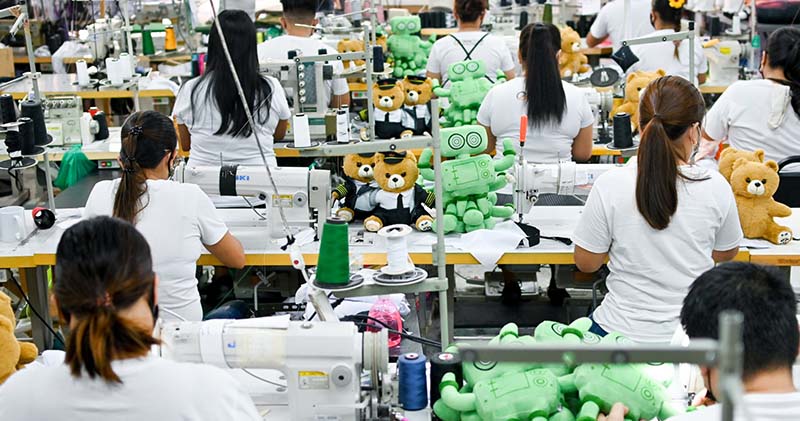
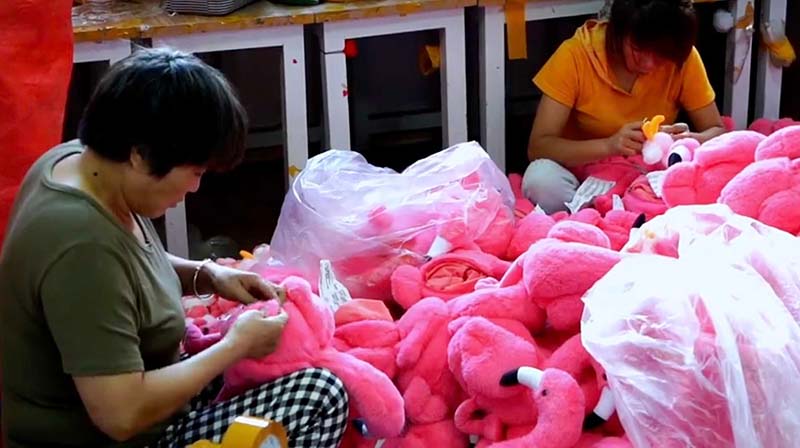
- Real workshop photos (cutting, sewing, stuffing lines)
- Sample room images
- Equipment pictures
- Warehouse areas
- Live video calls showing current production
Stock photos, generic workshop images, or outdated pictures are not enough.
A factory that truly operates its own production lines will usually feel comfortable showing them.
Is the Information Consistent Across Channels?
Check whether:
- The company name on the business license matches the website
- Factory address is consistent
- Photos match the production scale they claim
- Social media and communication materials align
Inconsistent or unclear identity information is a transparency warning sign.
Established manufacturers—such as Kinwin—typically maintain consistent and verifiable factory information across platforms.
Factory Information Transparency Table
| What to Evaluate | Strong Transparency | Risk Signal |
|---|---|---|
| Production photos | Real & current | Stock or unclear |
| Live factory view | Available | Avoided |
| Business name consistency | Matching | Different names |
| Address verification | Clear | Uncertain |
| Workshop scale clarity | Logical | Overstated |
Are Business Licenses and Certifications Provided Without Hesitation?
Legitimate plush manufacturers should have nothing to hide when it comes to legal identity and compliance documentation.
Transparency at this level is foundational. Without it, everything else becomes uncertain.
Do They Provide Business Registration Information Clearly?
A transparent factory should be able to provide:
- Official business license
- Registered company name
- Legal representative information
- Factory address
- Registration number
These details should match invoices, contracts, and bank account information.
If documents are delayed, incomplete, or inconsistent, it may indicate identity ambiguity.
Are Product Certifications and Audit Reports Shared Openly?
Depending on your market, relevant documentation may include:
- EN71 test reports
- ASTM compliance reports
- CPSIA-related documentation
- Factory audit certificates
- Social compliance reports
A transparent supplier will:
- Explain which certifications apply to your project
- Share sample reports for reference
- Clarify validity period and scope
Manufacturers that operate with structured compliance systems—such as Kinwin—typically provide documentation without hesitation when requested for legitimate project review.
License & Certification Transparency Table
| What to Evaluate | Strong Transparency | Risk Signal |
|---|---|---|
| Business license | Provided promptly | Delayed |
| Document consistency | Matching details | Conflicting info |
| Compliance reports | Sample available | Not shared |
| Certification explanation | Clear scope | Vague |
| Audit disclosure | Open | Avoided |
Do They Clearly Explain Pricing Breakdowns and Cost Drivers?

Transparent pricing is not about being the cheapest.
It’s about being understandable.
In plush toy manufacturing, pricing is influenced by multiple variables. If a supplier cannot explain what drives cost, it becomes difficult to predict future changes or control budgets.
Can They Break Down Major Cost Components?
A transparent plush supplier should be able to explain cost factors such as:
- Fabric type and usage
- Embroidery or printing complexity
- Stuffing quantity and material
- Accessories and packaging
- Labor intensity based on structure
You don’t need exact internal cost formulas—but you should understand why a design costs what it costs.
If pricing is presented as a single number without explanation, future surprises become more likely.
Do They Explain How Design Changes Affect Cost?
Professional suppliers will clarify how adjustments impact pricing, for example:
- Increasing embroidery density raises labor time
- Changing to premium fabric increases material cost
- Enlarging size increases stuffing and shipping cost
Transparent manufacturers—such as Kinwin—typically link pricing directly to technical specifications, helping clients make informed decisions.
Pricing Transparency Evaluation Table
| What to Evaluate | Strong Transparency | Risk Signal |
|---|---|---|
| Cost explanation | Logical & clear | One-line quote |
| Design impact clarity | Explained | Not discussed |
| Change management | Documented | Informal |
| Price stability | Predictable | Frequently revised |
| Communication tone | Educational | Defensive |
Are Sampling Stages, Revision Limits, and Timelines Documented?
Sampling is where transparency becomes operational.
Many plush projects fail not because of technical weakness—but because expectations were never clearly documented during the sampling stage.
A transparent factory turns sampling into a structured process, not an informal trial.
Are Sampling Phases Clearly Defined?
Professional plush manufacturers typically define:
- Shape prototype stage (structure & proportion focus)
- Detailed sample stage (fabric, embroidery, finishing)
- Revision rounds and scope
- Approval checkpoints
Without defined stages, sampling can become endless—or rushed without clarity.
Clear documentation protects both sides from misunderstanding.
Are Timelines and Revision Limits Confirmed in Writing?
Transparency means confirming:
- Estimated sampling timeline
- Number of revision rounds included
- Expected client feedback time
- Consequences of late design changes
If everything remains flexible and verbal, delays become difficult to manage.
Structured manufacturers—such as Kinwin—typically outline sampling frameworks before starting development.
Sampling Transparency Evaluation Table
| What to Evaluate | Strong Transparency | Risk Signal |
|---|---|---|
| Sampling stages | Clearly structured | Undefined |
| Revision scope | Agreed in advance | Open-ended |
| Timeline clarity | Written & realistic | Verbal only |
| Approval checkpoints | Defined | Informal |
| Change control | Documented | Flexible & unclear |
Do They Disclose Outsourced Processes or Subcontracting Arrangements?

In plush toy manufacturing, not every process must be done fully in-house.
However, what matters is transparency.
Some factories outsource embroidery, printing, or even sewing to third-party workshops. This is not automatically a problem—but if it is hidden, it becomes a risk.
Are Outsourced Processes Clearly Identified?
A transparent supplier should clarify:
- Which processes are done internally
- Which processes are outsourced
- How subcontractors are selected
- How quality control is maintained
If a factory claims everything is done in-house but cannot show corresponding facilities, that is a warning sign.
Is Quality Control Maintained Across Outsourced Steps?
Outsourcing introduces risks such as:
- Inconsistent stitching standards
- Color mismatch between facilities
- Longer lead time due to coordination
- Reduced accountability
Responsible manufacturers ensure that:
- Outsourced partners follow the same QC standards
- Incoming components are re-inspected
- Communication channels remain centralized
Process-driven companies—such as Kinwin—typically clarify internal versus external processes upfront, reducing confusion later.
Outsourcing Transparency Evaluation Table
| What to Evaluate | Strong Transparency | Risk Signal |
|---|---|---|
| Process disclosure | Clearly stated | Avoided |
| Subcontractor control | Managed & inspected | Unclear |
| Quality consistency | Standardized | Variable |
| Accountability | Centralized | Diffused |
| Communication clarity | Open | Defensive |
Conclusion
Factory transparency is not about showing everything—it’s about hiding nothing important.
Transparent plush manufacturers:
- Share verifiable factory identity
- Provide business licenses and certifications confidently
- Explain pricing logic clearly
- Document sampling stages and revision rules
- Disclose outsourcing arrangements honestly
Transparency reduces uncertainty.
And reduced uncertainty protects your brand, budget, and timeline.
If you’re planning a custom plush project and want clear communication, structured documentation, and open technical discussion, working with a transparent and process-driven manufacturer—such as Kinwin—can significantly improve cooperation stability.
The right factory doesn’t just produce plush toys.
They produce clarity.