When developing a custom plush toy, one of the most common questions buyers ask is: How long will the sampling process take? Sampling is the stage where a design moves from concept to a physical prototype, allowing brands and product developers to evaluate the toy’s appearance, structure, and materials before mass production begins.
Unlike standardized products, plush toys are fully customized. Each project may involve different fabrics, structural adjustments, embroidery techniques, and pattern development. Because of these variables, sampling time can vary from one project to another.
For buyers planning product launches, marketing campaigns, or retail releases, understanding the typical plush toy sampling timeline is extremely important. Knowing what influences sampling time helps brands plan their development schedule more effectively and avoid unexpected delays.
In this guide, we will explain the key factors that influence plush toy sampling time and how professional manufacturers manage the development process to deliver accurate prototypes efficiently.
What factors influence plush toy sampling time?
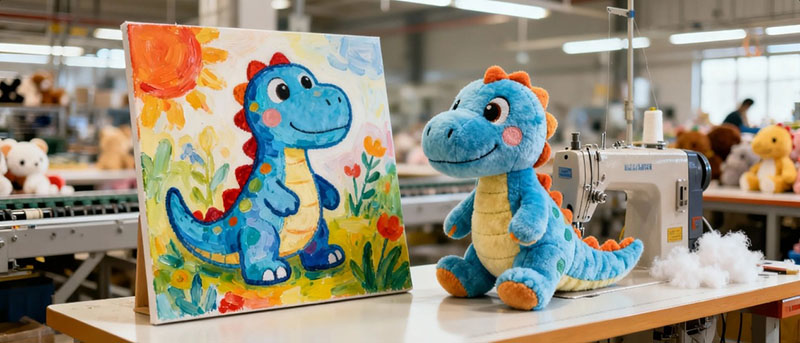
Plush toy sampling is a multi-step process rather than a single production task. Before the first sample is completed, several stages must take place, including design review, pattern making, fabric preparation, embroidery programming, sewing, stuffing, and quality inspection.
Because each plush toy is unique, the time required for sampling can vary depending on the complexity of the design and the availability of materials. Some simple designs can be sampled quickly, while more detailed or technically challenging toys may require additional development time.
Understanding these factors helps buyers anticipate realistic timelines and collaborate more effectively with manufacturers during the sampling process.
Design Clarity and Reference Materials
One of the most important factors influencing sampling time is how clear and complete the design information is at the beginning of the project. When manufacturers receive detailed artwork, size specifications, fabric preferences, and reference images, engineers can start pattern development immediately.
However, if the design lacks important details—such as unclear proportions, missing side views, or unspecified materials—the manufacturer may need additional communication with the buyer before development can begin. This clarification process can extend the timeline.
Providing multi-angle artwork, clear size references, and design specifications greatly speeds up the sampling process.
Material Availability and Preparation
Another key factor affecting sampling time is the availability of fabrics and materials. Plush toys often require specific fabric types, colors, embroidery threads, or accessories that must match the design.
If the required materials are already available in the manufacturer’s inventory, sampling can begin quickly. However, if special fabrics or colors must be sourced from suppliers, additional preparation time may be required.
In some cases, materials may also need to be tested for color matching or texture suitability before the sample is produced. This preparation ensures that the sample accurately represents the intended product.
Key Factors That Affect Plush Toy Sampling Time
| Factor | How It Influences Timeline | Typical Impact |
|---|---|---|
| Design Completeness | Clear artwork allows immediate development | Reduces preparation time |
| Reference Images | Multi-angle views improve pattern accuracy | Speeds up engineering work |
| Material Availability | In-stock fabrics shorten preparation | Faster sampling |
| Custom Material Sourcing | Special fabrics may require supplier lead time | May extend timeline |
| Communication Efficiency | Faster feedback speeds development | Prevents delays |
How long does the first plush toy prototype usually take?
After the design details and materials are confirmed, the manufacturer can begin developing the first plush toy prototype. This stage involves converting the artwork into sewing patterns, preparing materials, assembling the toy, and evaluating the result.
For most custom plush toy projects, the first prototype typically takes about 7 to 15 working days to complete. However, this timeline may vary depending on design complexity, material preparation, and the manufacturer’s development schedule.
Understanding this typical timeframe helps buyers plan product development schedules more realistically.
Standard Sampling Timeline for Most Plush Toys
For relatively straightforward plush toys—such as simple animal characters or mascot designs—the sampling process usually follows a predictable timeline.
The general steps include:
- Design review and pattern development
- Fabric cutting and embroidery preparation
- Sewing and structural assembly
- Stuffing and shaping
- Final inspection and sample preparation
When materials are readily available and the design is clear, these steps can typically be completed within one to two weeks.
Professional plush toy manufacturers often organize sampling teams specifically to handle prototype development efficiently.
Why Some Samples May Take Longer
Certain plush toy projects may require additional time during the sampling stage. Designs that involve complex structures, unusual materials, or detailed accessories may need more development work.
For example, plush toys with clothing, movable parts, or complicated shapes may require additional pattern adjustments before the first prototype can be completed.
Similarly, if special fabrics or custom accessories must be sourced, the manufacturer may need additional time to prepare these materials before starting production.
Although this may extend the sampling timeline slightly, these extra steps help ensure the prototype accurately represents the final product.
Typical Plush Toy Prototype Timeline
| Development Stage | Estimated Time | Purpose |
|---|---|---|
| Design Evaluation | 1–2 days | Confirm technical feasibility |
| Pattern Making | 2–3 days | Convert artwork into sewing templates |
| Material Preparation | 1–2 days | Prepare fabrics and accessories |
| Sewing and Assembly | 2–4 days | Construct plush toy structure |
| Stuffing and Finishing | 1–2 days | Shape and inspect the sample |
Does design complexity affect sampling speed?
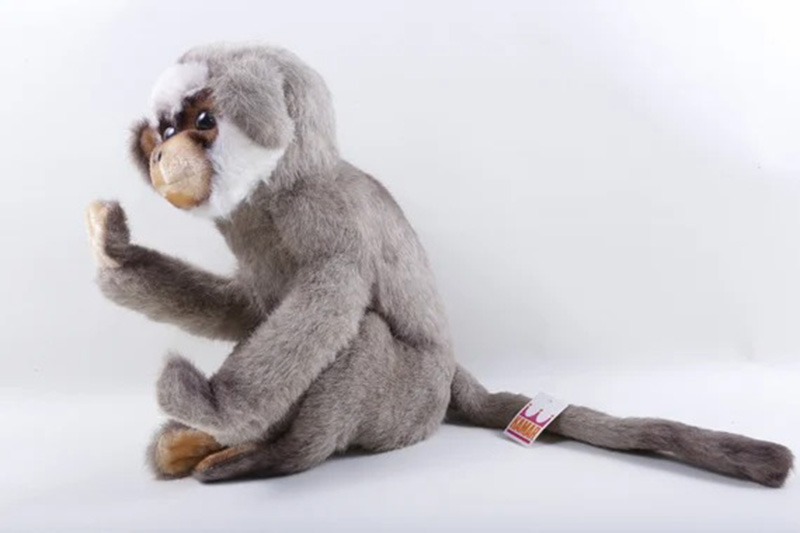
Design complexity is one of the most significant factors affecting how quickly a plush toy sample can be developed. While simple designs can move through the development process relatively quickly, more intricate designs require additional engineering work, pattern adjustments, and construction steps.
Understanding how complexity affects sampling time helps buyers make informed decisions when designing their plush toys.
Simple Designs Are Faster to Prototype
Plush toys with simple shapes, limited colors, and minimal accessories are usually the fastest to sample. These designs require fewer pattern pieces, fewer embroidery steps, and less structural adjustment.
For example, a basic plush mascot with embroidered facial features and a simple body shape can often be developed quickly because the pattern structure is straightforward.
These types of projects are ideal for buyers who need faster development timelines or are testing new product concepts.
Complex Designs Require More Engineering
More complex plush toys may include detailed clothing, layered fabrics, multiple accessories, or unusual shapes. Each of these elements increases the number of pattern pieces and sewing steps required.
Additionally, complex designs may require several adjustments during pattern making to ensure that the toy maintains correct proportions once stuffed.
While this extra development work may increase sampling time, it ultimately improves the accuracy and quality of the final product.
How Design Complexity Influences Sampling Time
| Design Feature | Complexity Level | Impact on Sampling |
|---|---|---|
| Simple Character Shapes | Low | Faster sampling |
| Multiple Fabric Panels | Medium | Requires more pattern pieces |
| Clothing or Accessories | Medium–High | Adds construction steps |
| Detailed Embroidery | Medium | Requires programming and testing |
| Unusual Structures | High | Requires engineering adjustments |
How do fabric sourcing and material preparation impact the timeline?
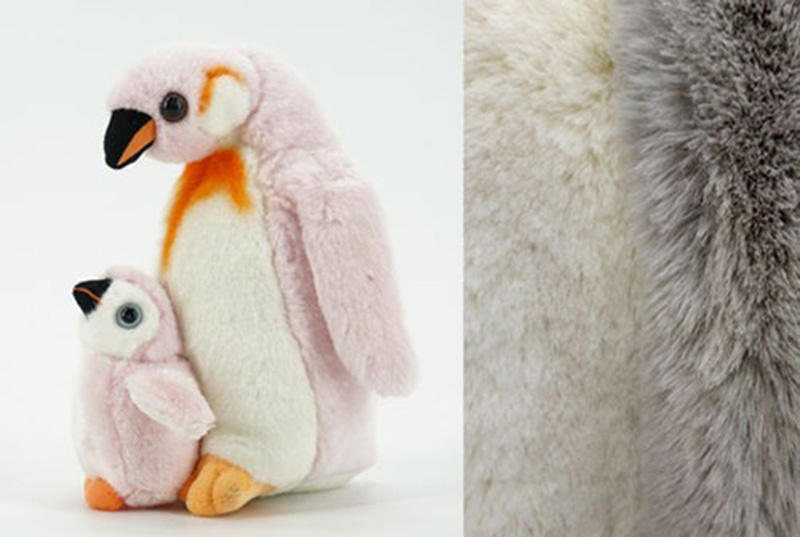
Fabric sourcing and material preparation can significantly influence the overall plush toy sampling timeline. Even when the design and pattern development are ready, the sampling process cannot begin until the correct materials are available.
Plush toys often require specific fabrics, embroidery threads, filling materials, and accessories that match the design specifications. If these materials are already available in the manufacturer’s inventory, sampling can begin quickly. However, if custom materials or uncommon colors are required, additional sourcing time may be necessary.
For this reason, early material confirmation is an important step in keeping the sampling process efficient and predictable.
Standard Materials Are Usually Ready Quickly
Many plush toy manufacturers keep commonly used fabrics in stock. Materials such as short plush, velboa, crystal super soft fabric, and standard embroidery threads are widely used across plush toy production.
When a design uses these standard materials, the development team can start sampling almost immediately. Fabric cutting, embroidery programming, and sewing preparation can begin without waiting for additional supplies.
Using readily available materials is often the fastest way to complete a prototype, especially for projects that require quick development timelines.
Custom Fabrics and Accessories May Require Additional Lead Time
In some projects, the design may require special fabrics, custom-dyed colors, unique textures, or specific accessories. These materials may need to be sourced from specialized suppliers before sampling can begin.
For example, if the design requires a rare fabric color that is not part of the manufacturer’s regular stock, the supplier may need several days to prepare the material. Similarly, accessories such as custom plastic parts, clothing pieces, or decorative elements may also require preparation time.
Although this sourcing stage may add a few days to the sampling timeline, it helps ensure that the prototype accurately reflects the final product.
Material Preparation Factors That Affect Sampling Time
| Material Factor | Timeline Impact | Reason |
|---|---|---|
| Standard Fabric Availability | Faster sampling | Materials already in stock |
| Custom Fabric Colors | Moderate delay | Fabric may require dyeing |
| Special Textures or Materials | Additional sourcing time | Must be ordered from suppliers |
| Custom Accessories | Additional preparation | Parts must be produced or sourced |
| Material Testing | Short delay | Ensures color and texture match design |
How long does pattern making and structural development require?
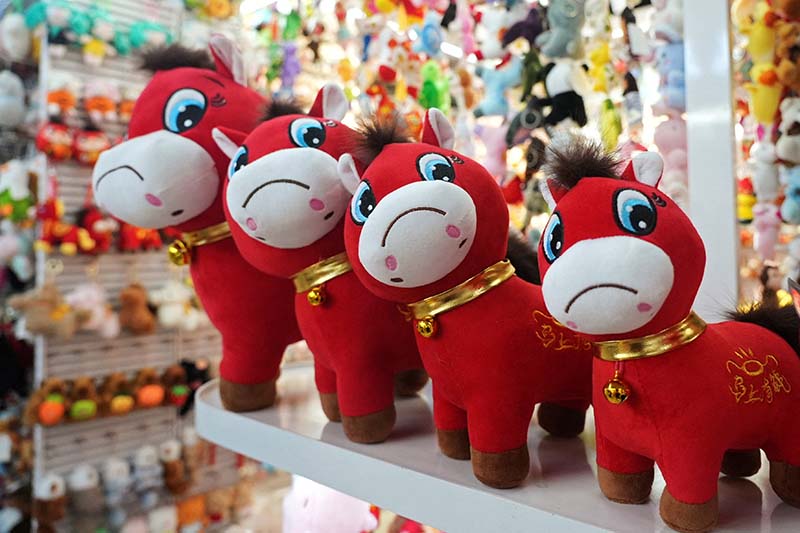
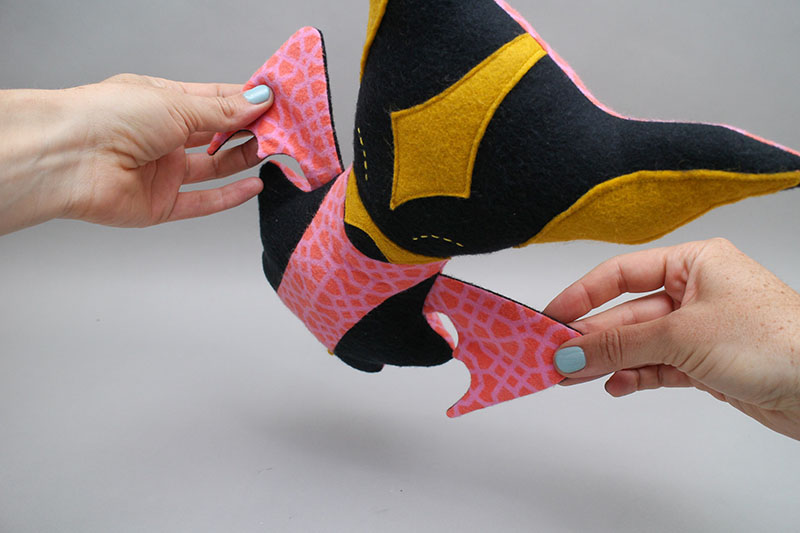
Pattern making is one of the most technical stages of plush toy sampling. During this stage, engineers convert the 2D artwork into multiple sewing templates that will form the three-dimensional plush toy structure.
Unlike rigid products, plush toys must be built from fabric panels that are cut, sewn, and filled with stuffing. Creating these panels requires careful planning and often involves several adjustments to ensure the final toy maintains the intended shape.
Because pattern making determines the structure of the plush toy, it is a crucial step in the development process.
Pattern Development Usually Takes Several Days
For most custom plush toys, the initial pattern-making process typically requires two to three working days. During this time, pattern makers analyze the artwork and determine how the toy will be constructed.
They decide:
- How many fabric panels are required
- Where seams should be placed
- How curves and shapes will be formed
- How stuffing will influence the final structure
Once the patterns are completed, fabric pieces can be cut and prepared for assembly.
This stage requires technical experience, as even small changes in panel shape can significantly affect the final appearance of the toy.
Structural Adjustments May Extend Development Time
Some plush toy designs require additional structural adjustments during pattern development. For example, characters with unusual shapes, large heads, or thin limbs may need reinforcement or proportion adjustments to ensure the toy remains stable.
These adjustments are part of the normal development process and help ensure the toy is both visually accurate and durable during use.
In complex projects, engineers may refine the pattern multiple times before finalizing the structure for sewing.
Pattern Development Timeline Overview
| Development Step | Typical Time | Purpose |
|---|---|---|
| Artwork Analysis | 1 day | Understand structure and proportions |
| Pattern Drafting | 1–2 days | Create sewing templates |
| Structural Adjustments | 1–2 days | Improve stability and shape |
| Fabric Cutting Preparation | 1 day | Prepare materials for assembly |
How many revision rounds are typically needed during sampling?
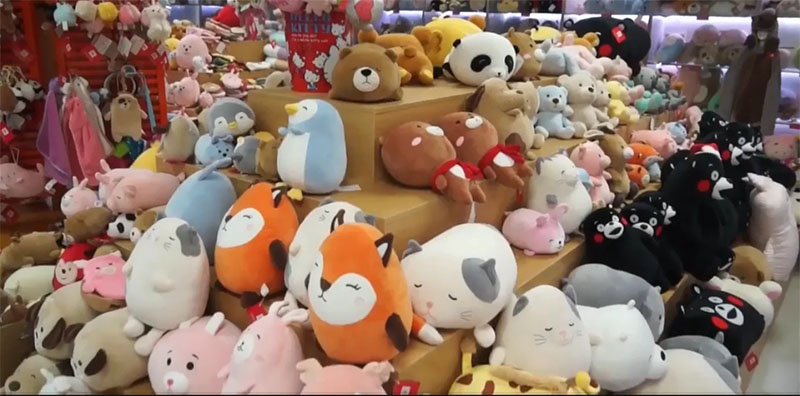
In most plush toy development projects, the first sample is not the final version. Sampling is an iterative process that allows both the buyer and the manufacturer to evaluate the design and make improvements before mass production begins.
It is very common for plush toys to go through one or two revision rounds during sampling. These revisions help refine details such as facial expressions, proportions, fabric choices, and embroidery placement.
Rather than being a problem, these revisions are a normal part of the product development process.
First Prototype Focuses on Structure and Proportions
The first plush toy prototype usually focuses on verifying the basic structure of the design. At this stage, engineers and buyers evaluate whether the proportions, shape, and construction method match the intended concept.
Minor details such as embroidery size, facial expression, or fabric texture may still need adjustment.
The purpose of the first sample is to confirm that the structural foundation of the plush toy is correct.
Second Sample Refines Visual Details
After reviewing the first prototype, buyers often provide feedback on specific design elements. These adjustments may include modifying embroidery placement, adjusting facial expressions, refining colors, or slightly changing proportions.
The second sample typically focuses on these visual refinements and brings the plush toy much closer to the final production version.
Once the buyer approves this refined sample, the design can proceed to mass production.
Typical Plush Toy Sampling Revision Process
| Sampling Stage | Purpose | Typical Outcome |
|---|---|---|
| First Prototype | Confirm structure and proportions | Identify necessary adjustments |
| Feedback Stage | Client review and improvement suggestions | Align expectations |
| Second Prototype | Refine design details | Finalize appearance |
| Final Approval | Confirm production sample | Ready for mass production |
Conclusion
The plush toy sampling process typically takes one to three weeks, depending on design complexity, material availability, and the number of revisions required during development. While simple designs may be completed quickly, more detailed or technically complex projects may require additional engineering and refinement.
Several factors influence the overall timeline, including design clarity, fabric sourcing, pattern development, and feedback cycles. Providing clear artwork, material preferences, and structural specifications early in the project can significantly shorten the sampling process.
Equally important is working with an experienced plush toy manufacturer that understands how to manage each stage of development efficiently.
At KINWIN, our development team supports clients throughout the entire sampling process—from design evaluation and pattern development to material preparation and prototype refinement. Our structured sampling workflow helps ensure that each plush toy accurately reflects the original concept while remaining suitable for stable mass production.
If you are planning to develop a custom plush toy and would like to discuss sampling timelines or design feasibility, our team is always happy to review your project and provide professional guidance.