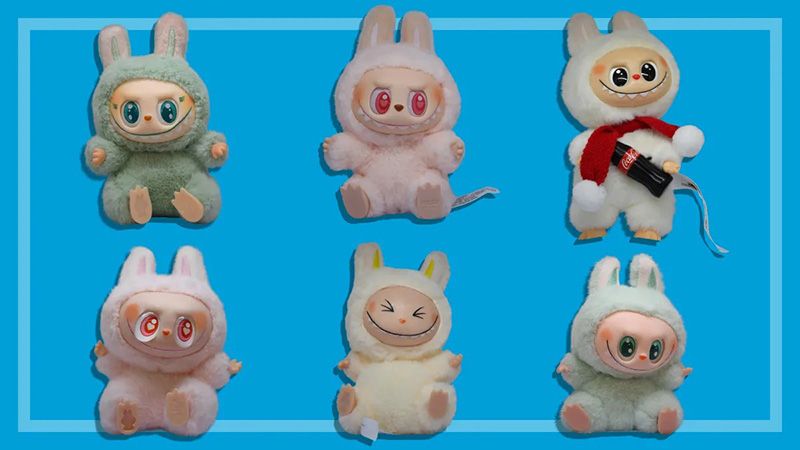
Plush toys are emotional products, but they are also highly regulated consumer goods—especially because they are closely associated with children and infants. For brands, safety compliance is not simply about passing a single test. It is a continuous system that begins with design decisions, extends through material sourcing and production control, and continues into labeling, documentation, and post-market responsibility.
As global regulations become stricter and more interconnected, brands sourcing plush toys internationally must understand how safety standards actually work in real manufacturing environments. This article breaks down the essential plush toy safety standards every brand should know, explains how they affect product design and factory execution, and outlines how brands can work proactively with manufacturers to ensure long-term compliance.
What Global Safety Regulations Govern Plush Toys in Major Markets (US, EU, UK, Japan)?
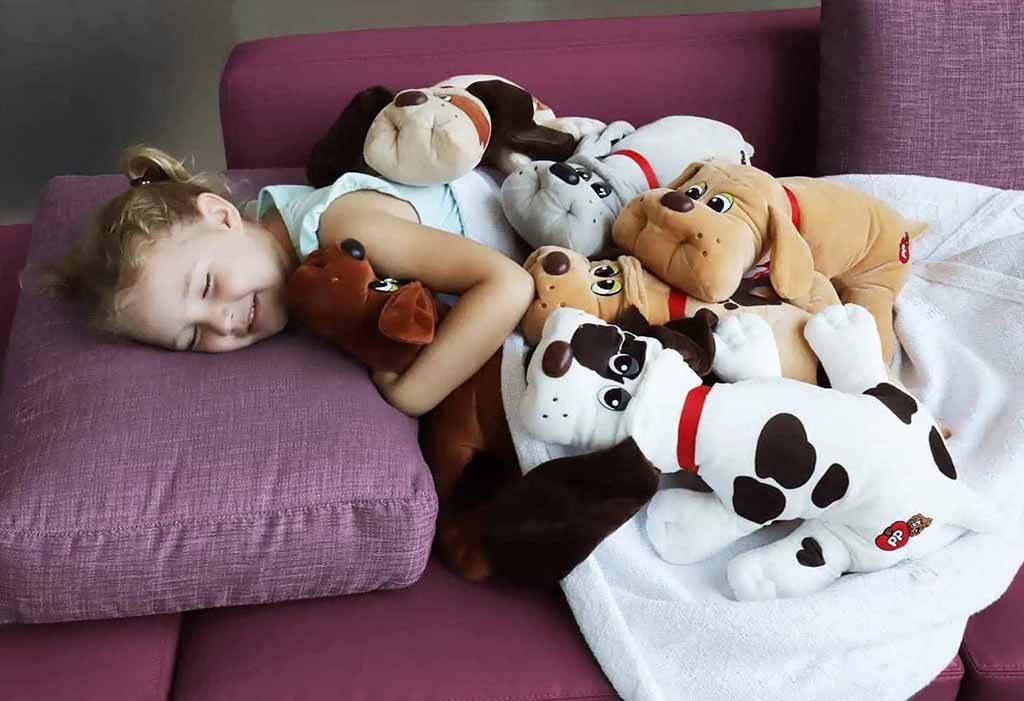
Plush toy safety regulations vary across regions, but they share a common goal: preventing foreseeable physical, chemical, and mechanical risks during normal or abusive use. In the United States, ASTM F963 is the core toy safety standard enforced under the Consumer Product Safety Improvement Act (CPSIA). It covers mechanical integrity, flammability, labeling, tracking labels, and restricted substances. For brands, ASTM compliance is not optional—failure can lead to customs detention, recalls, or civil penalties.
In the European Union, EN71 functions as a multi-part framework. EN71-1 addresses mechanical and physical properties, EN71-2 regulates flammability, and EN71-3 controls chemical migration. After Brexit, the United Kingdom introduced UKCA marking, which mirrors EN71 technically but requires separate conformity documentation. Japan’s ST standards place strong emphasis on durability, repeated stress testing, and age-appropriate construction.
For global brands, the key challenge is harmonization. Products must be designed and tested to satisfy all applicable markets simultaneously, rather than being modified market by market.
| Market | Primary Standard | Core Focus |
|---|---|---|
| United States | ASTM F963 / CPSIA | Mechanical, chemical, labeling |
| European Union | EN71 (Parts 1–3) | Physical, flammability, migration |
| United Kingdom | UKCA / EN71 | Legal conformity |
| Japan | ST Standards | Durability & age safety |
How Do Material Safety Requirements Affect Fabrics, Fillings, and Accessories?
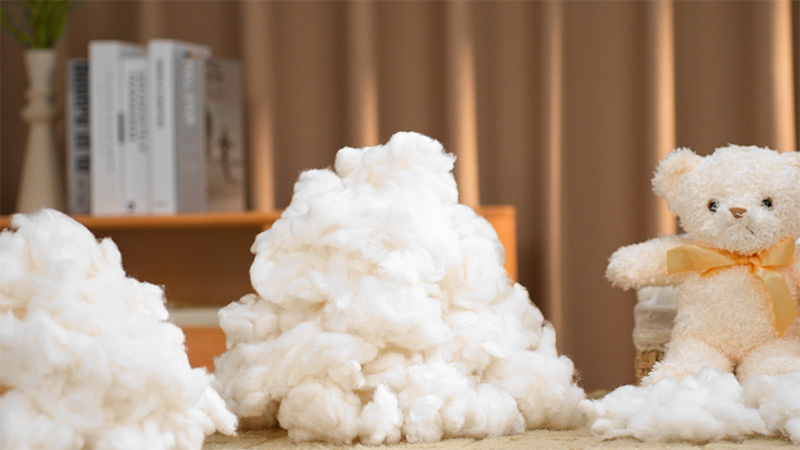
Material safety is the foundation of plush toy compliance. Every fabric, filling, thread, and accessory must meet strict chemical and physical requirements long before testing begins. Plush fabrics must be free from restricted dyes, finishes, and residual processing agents that could migrate through skin contact or mouthing behavior. Even visually “safe” fabrics can fail chemical tests if dye fixation or finishing control is poor.
Fillings such as PP cotton or recycled polyester fiber must be clean, stable, and resistant to breakdown. Low-quality filling can migrate through seams, release fibers, or degrade during washing—creating both safety and quality issues. Accessories represent the highest risk category. Plastic eyes, noses, ribbons, labels, and zippers must not only be non-toxic but also securely attached to withstand pull and torque testing.
Experienced brands control material risk by locking approved material lists and requiring full documentation from factories before sampling begins.
| Component | Safety Requirement | Risk If Ignored |
|---|---|---|
| Outer fabric | Chemical & color safety | Skin irritation |
| Filling | Cleanliness & stability | Fiber exposure |
| Accessories | Secure attachment | Choking hazard |
| Threads & trims | Non-toxic composition | Chemical failure |
What Mechanical and Physical Tests Prevent Choking, Tearing, and Injury Risks?
Mechanical and physical testing simulates how children actually interact with plush toys—pulling, twisting, biting, squeezing, and throwing. These tests are designed to identify failure points under stress, not just confirm visual quality. Seam strength testing ensures stitched areas do not open during repeated use. Pull and torque tests verify that eyes, noses, and labels cannot be detached.
Drop tests assess whether internal components shift dangerously after impact. For products intended for children under three, small-parts testing is critical. Any detachable component that fits into a standardized small-parts cylinder results in automatic failure.
Passing these tests once is not enough. Brands must ensure that mass production precisely matches the tested sample through pattern control, sewing standards, and operator training.
| Test Type | Purpose | Risk Addressed |
|---|---|---|
| Seam strength | Prevent tearing | Filling exposure |
| Pull & torque | Secure components | Choking risk |
| Drop test | Structural integrity | Impact injury |
| Small-parts test | Age suitability | Suffocation |
How Do Chemical Testing Standards Control Restricted Substances and Allergens?
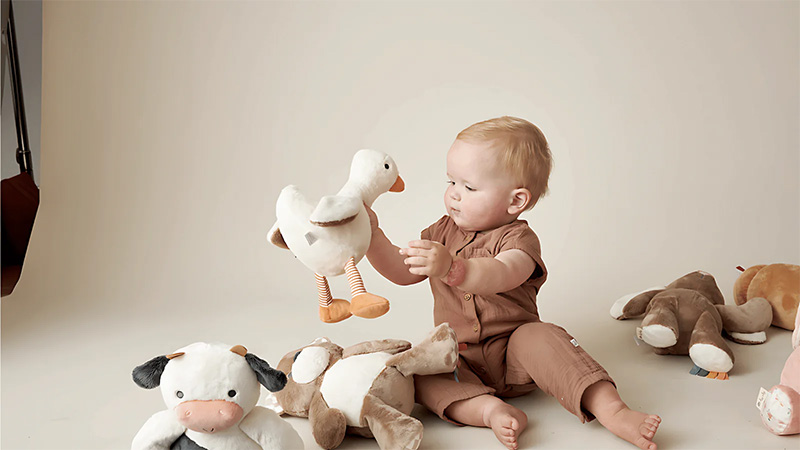
Chemical testing focuses on substances that pose long-term health risks, even at low exposure levels. Standards such as EN71-3 and CPSIA regulate heavy metals, phthalates, formaldehyde, and azo dyes. Plush toys are especially sensitive because of prolonged skin contact and mouthing behavior.
Most chemical failures do not come from intentional misuse, but from weak supply chain control—unverified dyes, inks, coatings, or low-grade plastic accessories. Mature brands mitigate this risk by specifying low-risk material systems, requiring MSDS documentation, and working with factories that maintain stable, traceable material sourcing.
Chemical compliance is not a one-time test; it requires ongoing discipline across material batches and suppliers.
| Chemical Category | Controlled Substance | Potential Risk |
|---|---|---|
| Heavy metals | Lead, cadmium | Toxic exposure |
| Plasticizers | Phthalates | Hormonal disruption |
| Dyes | Azo compounds | Skin allergy |
| Finishes | Formaldehyde | Respiratory irritation |
What Role Do Age Grading, Labeling, and Warnings Play in Compliance?
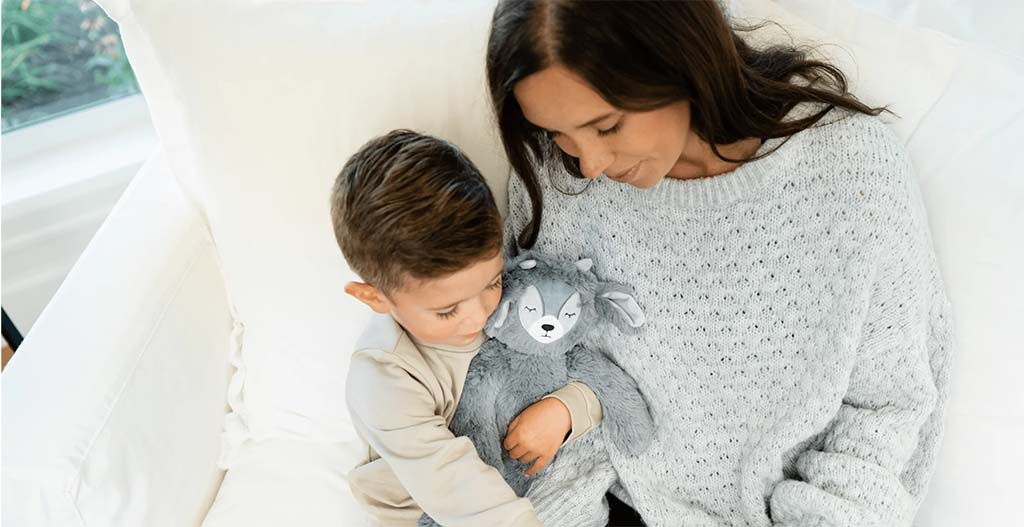
Age grading is a safety classification, not a marketing decision. It determines which standards apply, what tests are required, and how liability is assigned. Plush toys labeled for children under three must meet significantly stricter requirements for small parts, seam strength, and accessory attachment.
Labeling must clearly display age suitability, safety warnings, country of origin, and manufacturer or importer information. Even a fully compliant product can fail regulatory review if labeling is incorrect or incomplete. Brands must treat labeling as part of the safety system, not an afterthought added at the end.
| Label Element | Requirement | Compliance Impact |
|---|---|---|
| Age grading | Accurate age range | Test applicability |
| Warning text | Clear & visible | Legal protection |
| Origin label | Country of manufacture | Import clearance |
| Brand info | Traceability | Recall readiness |
How Can Brands Work with Factories to Ensure Ongoing Safety Compliance in Production?
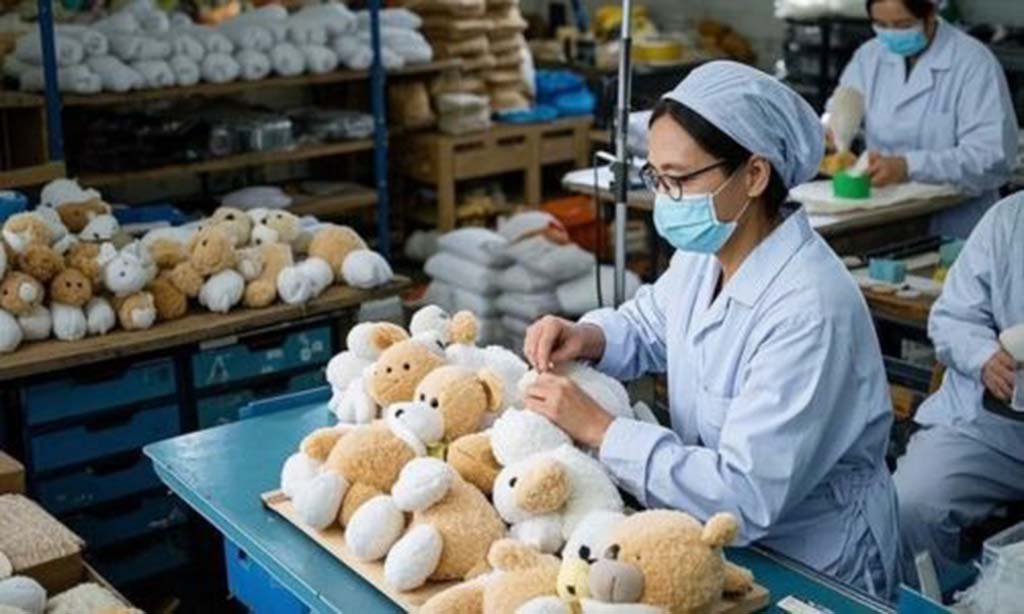
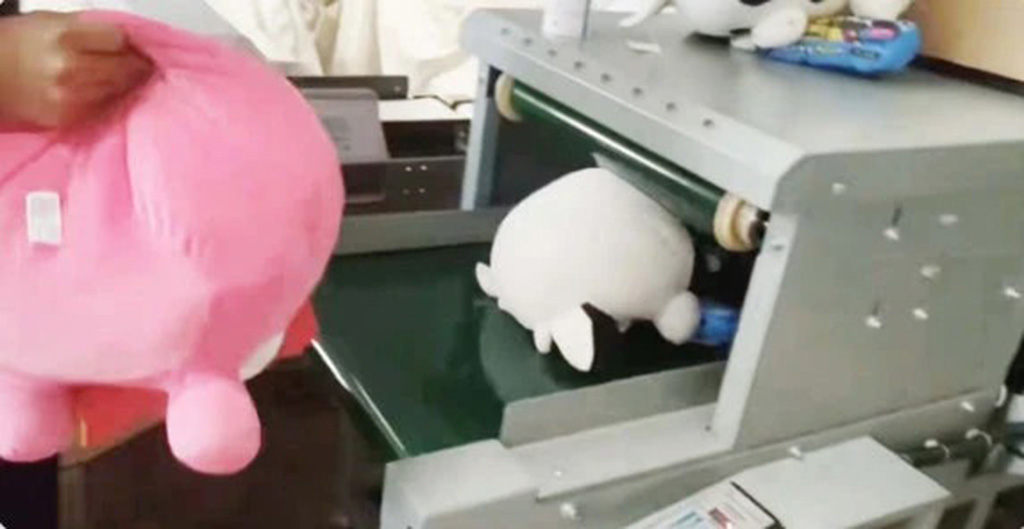
Safety compliance does not end when testing is completed. It must be maintained throughout mass production. Brands should work with factories that implement in-line quality checks, needle detection, batch testing, and strict material control aligned with approved samples.
Effective compliance is built through partnership. Factories with trained QC teams, documented SOPs, and transparent reporting allow brands to scale production while maintaining safety consistency. Regular audits, re-testing, and communication loops are essential to prevent deviation over time.
| Factory Practice | Purpose | Brand Benefit |
|---|---|---|
| In-line QC | Early defect detection | Stable quality |
| Needle detection | Eliminate hazards | Child safety |
| Batch testing | Production consistency | Risk control |
| Documentation | Traceability | Regulatory confidence |
Conclusion
Plush toy safety standards are not isolated requirements—they form an integrated system that protects consumers and brands alike. By understanding global regulations, controlling materials, enforcing mechanical and chemical testing, and working closely with compliant factories, brands can confidently bring safe plush toys to market. Safety is not a single checkpoint; it is an ongoing commitment that builds trust, ensures market access, and supports long-term brand growth.
📧 Contact: [email protected]
🌐 Visit: https://kinwintoys.com