Professional plush toy production is not defined by creativity alone. From my experience working with global buyers and large-scale OEM programs, product quality, safety, and consistency are ultimately determined by the supplies chosen at the very beginning of production.
Many plush toys look similar on the surface, but their feel, durability, and compliance performance vary widely. The difference often lies in whether the factory uses professional-grade materials and standardized supplies, rather than whatever is cheapest or easiest to source.
Before talking about filling, stitching, or finishing, it is essential to start with the foundation of every plush toy: the fabric. Fabric choice affects touch, appearance, sewing behavior, safety testing, and long-term durability. Understanding which fabric types are considered essential helps buyers evaluate whether a factory is producing at a professional level.
What Fabric Types Are Considered Essential for Professional Plush Toy Manufacturing?
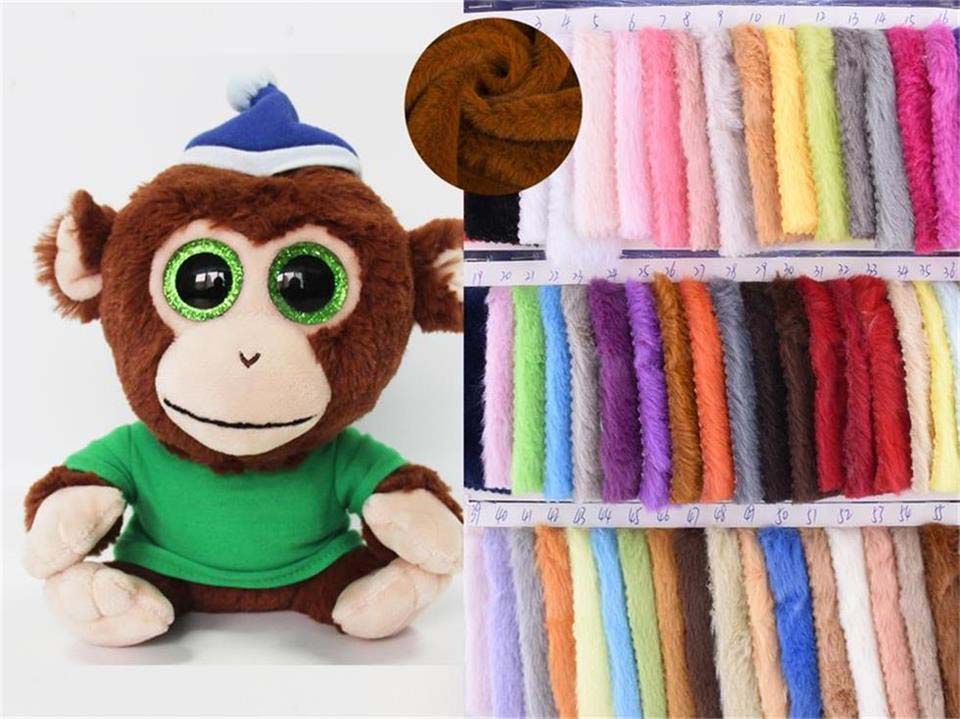
Fabric is the first material buyers touch, and often the first factor consumers judge. In professional plush toy manufacturing, fabric selection is never random. From my experience, reliable factories rely on a small group of proven fabric types that balance softness, durability, safety, and production stability.
One of the most commonly used fabrics is short-pile plush. This fabric offers a smooth surface, clear shape definition, and stable sewing performance. It is widely used for character plush, promotional toys, and branded items where facial details and logo clarity are important.
Velboa is another essential fabric in professional production. It has a denser pile and a softer hand-feel, making it suitable for mid-range and premium plush toys. Velboa maintains shape well and is less prone to shedding when sourced from qualified suppliers.
For products targeting younger children or comfort-focused markets, super-soft plush fabrics are often used. These fabrics emphasize touch and warmth, but they require more controlled cutting and sewing to avoid deformation. Professional factories understand how to balance softness with structural stability.
In some applications, fleece or minky-style fabrics are also used, especially for baby-safe plush or blanket-style products. These fabrics provide comfort but must meet strict safety and colorfastness requirements.
The key difference between professional and non-professional production is not how many fabrics are available, but how consistently the same fabric standards are applied across batches and orders.
| Fabric Type | Key Characteristics | Common Applications | Why Professionals Use It |
|---|---|---|---|
| Short-pile plush | Smooth surface, stable sewing | Character & promo plush | Clear shape & detail |
| Velboa | Dense pile, soft touch | Premium plush toys | Durability & feel |
| Super-soft plush | Very soft, warm | Comfort-focused products | Consumer appeal |
| Fleece / Minky | Flexible, cozy texture | Baby & blanket plush | Safety & softness |
| Specialized plush | Custom texture or finish | Unique designs | Differentiation |
For buyers, fabric choice reveals a factory’s production maturity. Factories that can clearly explain why specific fabrics are used—and how they control consistency—are far more likely to deliver professional-grade plush toys across repeat orders.
What Filling Materials Are Commonly Used to Achieve Comfort, Shape, and Durability?
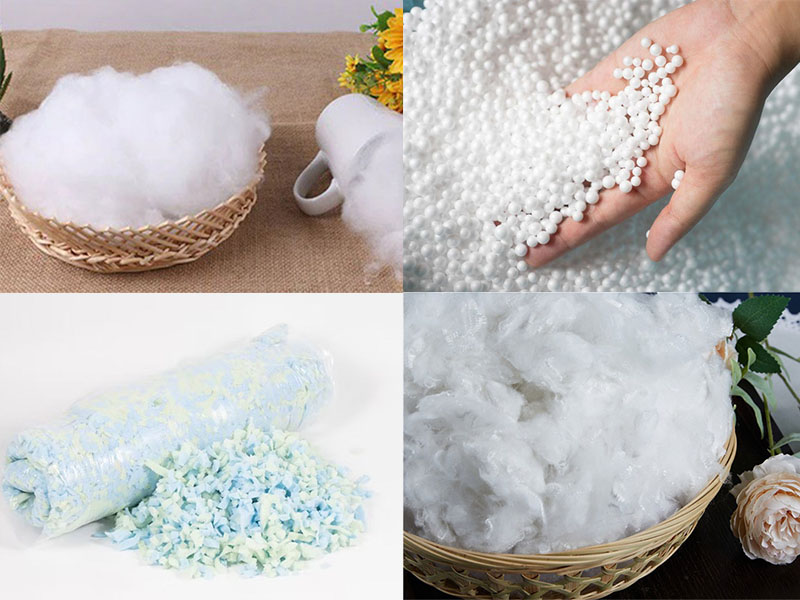
Filling material is what gives a plush toy its body, weight, and long-term performance. From my experience, many quality complaints—such as toys losing shape, feeling uneven, or becoming flat after use—can be traced back to improper filling selection or inconsistent filling control, not sewing issues.
Professional plush toy factories usually rely on a small set of standardized filling materials, each chosen for a specific balance of comfort, resilience, and safety. The most widely used filling is polyester fiber (PP cotton). It offers good elasticity, stable recovery, and consistent performance across large batches. When properly processed, it maintains shape well even after repeated squeezing.
For products that require more structure or cost control, recycled polyester fiber is sometimes used. Professional factories only use certified recycled fillings with controlled fiber length and cleanliness. Without proper control, recycled fillings can lead to uneven texture or odor issues.
In certain designs, especially for decorative or promotional plush, foam-based inserts may be used to support shape. These are not meant to replace full stuffing, but to reinforce specific areas such as heads or bases.
Some products also require weighted fillings, such as plastic pellets or glass beads, to create a calming or seated effect. In professional production, these materials are always enclosed in secure inner bags to prevent leakage and meet safety standards.
The key is not variety, but control. Professional factories define filling weight ranges, placement rules, and consistency checks to ensure every unit feels the same.
| Filling Material | Core Properties | Typical Use Cases | Professional Control Focus |
|---|---|---|---|
| Polyester fiber (PP cotton) | Soft, elastic, resilient | Most plush toys | Weight & recovery consistency |
| Recycled polyester fiber | Cost-efficient, eco-focused | Value or eco lines | Certification & cleanliness |
| Foam inserts | Firm structural support | Shaped or standing plush | Placement accuracy |
| Plastic pellets | Adds weight, stability | Weighted or seated plush | Secure inner containment |
| Glass beads | Dense, smooth weight | Premium weighted plush | Safety & enclosure strength |
For buyers, filling materials are often invisible—but they directly affect customer satisfaction and product lifespan. Factories that clearly explain filling options, control methods, and safety measures are far more likely to deliver plush toys that feel consistent and hold their shape over time.
What Threads, Needles, and Sewing Accessories Support High-Quality Plush Assembly?
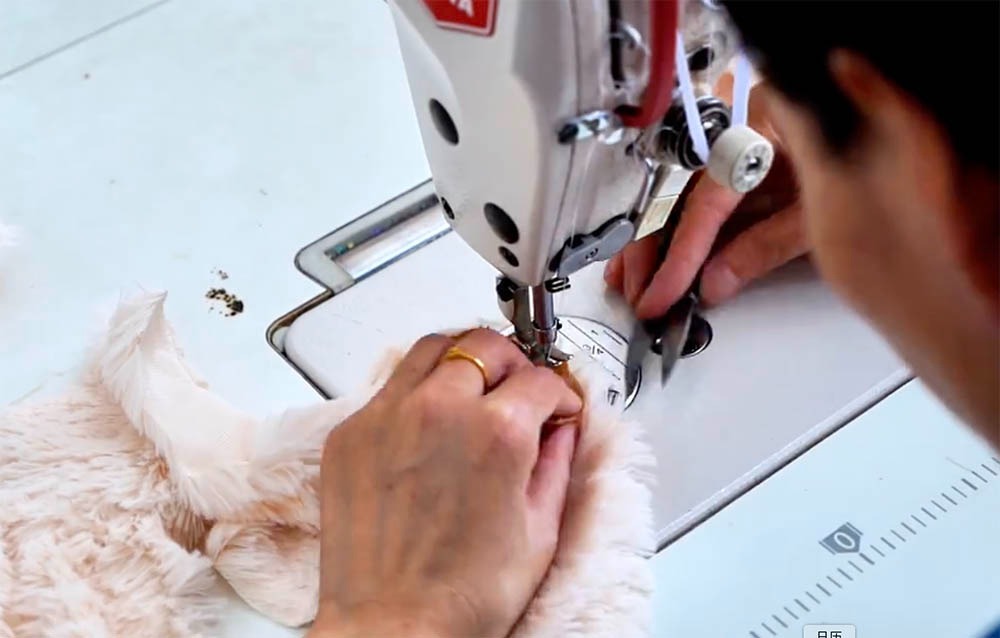
In professional plush toy production, sewing quality depends as much on threads, needles, and accessories as it does on operator skill. From my experience, many durability issues—such as seam breakage, loose parts, or visible stitch lines—are caused by incorrect sewing supplies rather than poor workmanship.
Professional factories standardize sewing supplies based on fabric type, pile length, and product use scenario. Polyester sewing thread is the most commonly used option because it offers balanced strength, flexibility, and color stability. It performs well under tension and maintains seam integrity during washing and repeated handling.
Needle selection is equally important. Plush fabrics vary widely in thickness and density, and using the wrong needle size or type can damage fibers, cause skipped stitches, or weaken seams. Reliable factories match needle specifications to each fabric category and replace needles on a fixed schedule to prevent burr-related defects.
Sewing accessories also play a role in assembly quality. Items such as presser feet, seam guides, and edge binders help maintain stitch alignment and seam allowance consistency. For parts that experience stress—such as limbs, ears, or hanging loops—reinforcement tapes or backstitching methods are often applied to improve durability.
The key difference in professional production is standardization. Factories define which thread, needle, and accessory combinations are approved for each product type, reducing variation between operators and production lines.
| Sewing Supply | Professional Standard | Common Application | Quality Impact |
|---|---|---|---|
| Polyester thread | High-tensile, colorfast | Main body & seams | Seam strength |
| Needle type & size | Fabric-matched specification | Plush & thick fabrics | Fiber protection |
| Needle replacement | Scheduled & controlled | All sewing lines | Consistent stitches |
| Reinforcement tape | Applied to stress points | Limbs & attachments | Durability |
| Sewing guides & feet | Standardized accessories | High-volume assembly | Stitch accuracy |
For buyers, sewing supplies are rarely visible in finished products, but their impact is long-lasting. Factories that control threads, needles, and sewing accessories carefully are far more likely to deliver plush toys that remain intact, safe, and visually clean throughout their lifecycle.
What Pattern Making and Cutting Supplies Ensure Accuracy and Consistency?
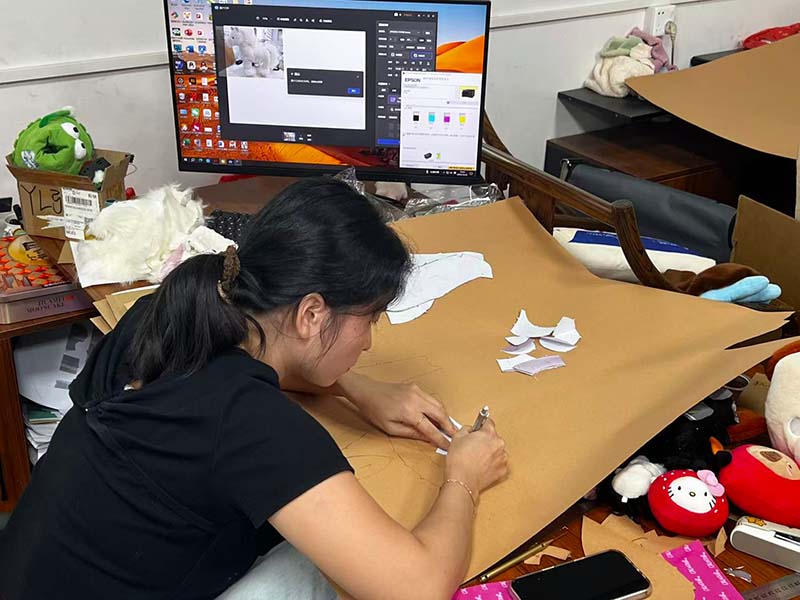
In professional plush toy production, accuracy starts long before sewing begins. From my experience, many shape defects and size inconsistencies are caused not by sewing errors, but by weak pattern making and imprecise cutting control. This is why professional factories invest heavily in pattern and cutting supplies that support repeatability.
Pattern making tools form the technical foundation of every plush design. Professional factories use durable pattern boards, digital pattern systems, and standardized measurement tools to ensure that every piece follows the approved proportions. Accurate patterns allow the factory to reproduce the same shape across samples, trial orders, and mass production without gradual drift.
Cutting supplies are equally critical. High-quality cutting tables, fabric spreading tools, and sharp cutting equipment help maintain clean edges and consistent dimensions. When fabric is not spread evenly or cutting tools are worn, pile direction can shift and size variation increases—issues that become very visible at scale.
For higher-volume programs, many professional factories adopt template-based or digital-assisted cutting systems. These tools reduce human error, improve efficiency, and ensure that multiple cutting teams produce identical components. Even when cutting is done manually, clear cutting guides and inspection checkpoints help maintain consistency.
Professional factories also manage cutting waste carefully. Accurate cutting not only improves product quality but also optimizes fabric utilization, which stabilizes cost across large orders.
| Pattern & Cutting Supply | Professional Use | Purpose | Buyer Benefit |
|---|---|---|---|
| Pattern boards / CAD files | Standardized master patterns | Shape accuracy | Consistent appearance |
| Measurement tools | Fixed size verification | Dimensional control | Repeatable sizing |
| Cutting tables & spreaders | Even fabric alignment | Clean cutting | Reduced variation |
| Cutting tools & blades | Regularly maintained | Edge precision | Better seam quality |
| Templates / digital aids | Error reduction | High-volume consistency | Stable output |
For buyers, strong pattern and cutting control is a clear signal of professional production. Factories that invest in these supplies are far more likely to deliver plush toys that match approved samples—order after order—without unexpected size or shape deviations.
What Components Are Required for Facial Features and Decorative Details?
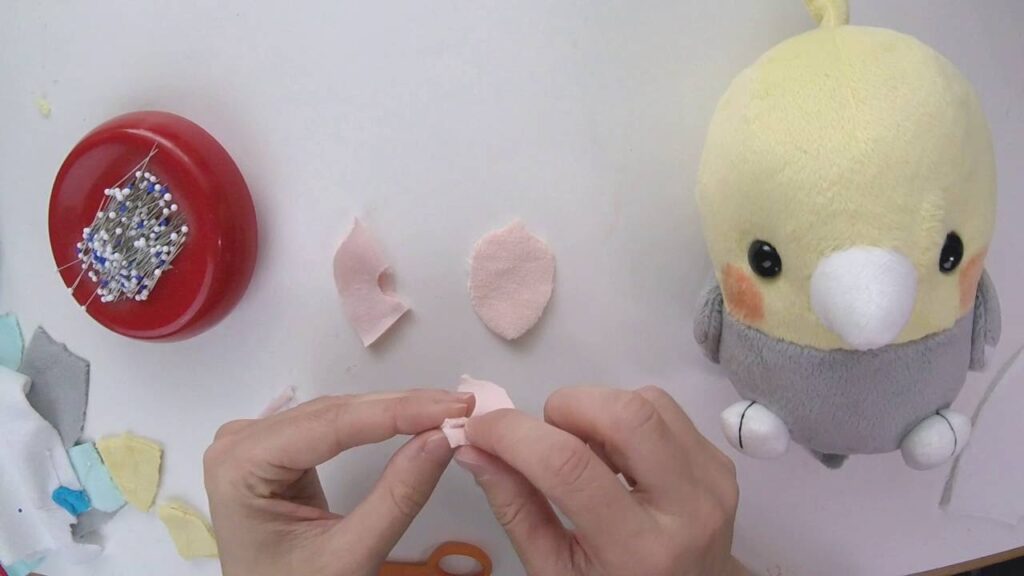
Facial features and decorative details are where plush toys gain personality—and where quality differences become most visible. From my experience, many buyer complaints related to appearance, safety, or perceived value are tied directly to the components used for eyes, noses, embroidery, and surface decoration.
Professional plush toy factories treat these components as critical functional parts, not just visual add-ons. For example, embroidered facial features are widely preferred for products targeting children and regulated markets. High-quality embroidery threads, stable backing materials, and controlled stitch density ensure clean lines and long-term durability without fraying.
When plastic eyes or noses are used, professional production requires safety-certified components with secure locking systems. These parts must be matched correctly to fabric thickness and pile length to prevent loosening during use. Reputable factories source these components from approved suppliers and test attachment strength regularly.
Decorative elements such as appliqués, fabric patches, ribbons, or printed details also require careful control. Materials must be colorfast, soft to the touch, and compatible with washing or surface cleaning. Poor-quality decorative components often fade, peel, or distort, reducing perceived product quality.
The key difference in professional production is integration. Facial and decorative components are selected alongside fabric, filling, and sewing methods—not added later as an afterthought. This integrated approach ensures visual consistency, safety compliance, and long-term durability.
| Component Type | Professional Standard | Typical Application | Quality & Safety Impact |
|---|---|---|---|
| Embroidery thread & backing | Colorfast, dense stitching | Facial expressions | Clean, durable features |
| Safety eyes & noses | Certified locking systems | Character & animal plush | Child safety compliance |
| Appliqué fabrics | Soft, stable, tested | Logos & details | Visual consistency |
| Ribbons & trims | Securely attached, tested | Decorative accents | Reduced detachment risk |
| Printing materials | Non-toxic, wash-resistant | Surface patterns | Color longevity |
For buyers, facial and decorative components define how a plush toy is perceived on the shelf and in use. Factories that control these components carefully are far more likely to deliver products that look professional, meet safety standards, and maintain their appeal over time.
What Quality Control and Finishing Supplies Are Critical Before Shipment?
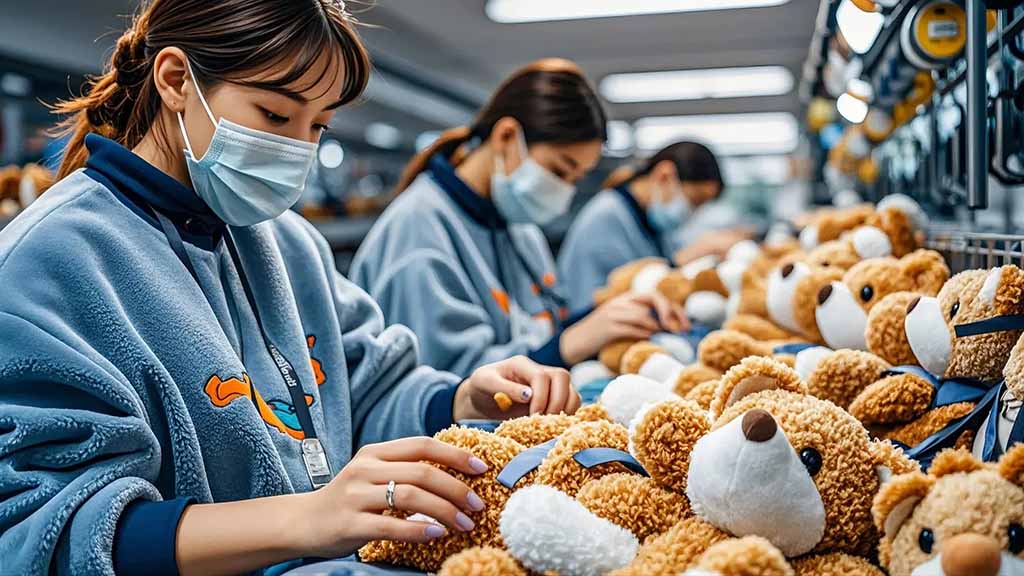
Before a plush toy is packed and shipped, the final impression of quality is shaped by quality control tools and finishing supplies. From my experience, even well-produced plush toys can lose value if finishing and inspection steps are rushed or poorly equipped.
Professional plush toy factories rely on a defined set of QC and finishing supplies to ensure that every unit meets the approved standard before leaving the factory. These supplies support not only visual inspection, but also safety, durability, and consistency checks.
Quality control tools include measurement rulers, weight scales, stitch testers, and reference samples. Inspectors use these tools to verify size tolerance, stuffing consistency, seam integrity, and overall appearance. Without standardized tools, inspections become subjective, leading to inconsistent acceptance decisions.
Finishing supplies are equally important. Brushes, air blowers, lint rollers, and trimming scissors help remove loose fibers, excess threads, and surface debris. These steps improve product appearance and prevent small defects from reaching the buyer or end consumer.
Needle detection equipment is a critical safety requirement in professional production, especially for children’s products. All finished plush toys should pass through needle detectors to eliminate the risk of metal contamination. Factories that treat this step seriously reduce both safety risk and compliance exposure for buyers.
Finally, proper packing supplies—such as protective polybags, moisture control inserts, and carton liners—help maintain product condition during storage and transit. Professional factories select packing materials based on shipping distance, climate, and buyer requirements.
| QC & Finishing Supply | Professional Use | Purpose | Buyer Benefit |
|---|---|---|---|
| Inspection tools | Measurement & weight checks | Objective QC decisions | Consistent acceptance |
| Reference samples | Visual & tactile comparison | Standard alignment | Reduced disputes |
| Finishing tools | Trimming & surface cleaning | Clean appearance | Higher perceived value |
| Needle detection | Metal contamination check | Product safety | Compliance protection |
| Packing materials | Protective shipment prep | Transit stability | Lower damage risk |
For buyers, final inspection and finishing are not cosmetic details. They are the last line of defense that ensures plush toys arrive clean, safe, and consistent—ready for retail, promotion, or distribution without additional rework.
Conclusion
Professional plush toy production depends on disciplined material selection, standardized supplies, and controlled finishing processes. When essential fabrics, fillings, sewing components, pattern tools, decorative elements, and QC supplies work together, factories can deliver plush toys that meet safety standards, maintain consistency, and perform reliably across repeat orders.
📧 Contact: [email protected]
🌐 Visit: https://kinwintoys.com