One of the biggest concerns for plush toy buyers is simple but critical:
“Will the bulk production look exactly like the approved sample?”
You may spend weeks perfecting a sample—adjusting shape, refining embroidery, selecting the right fabric—only to worry that the final production might not match it.
This concern is valid. In plush manufacturing, differences between sample and bulk production can happen if proper controls are not in place. But the good news is: these differences are not random—they are predictable and preventable.
When the right systems are applied—from golden sample approval to material control and production standards—you can ensure that your bulk products closely match your approved sample.
In this guide, we’ll walk through how to make that happen step by step.
What causes differences between plush samples and mass production?
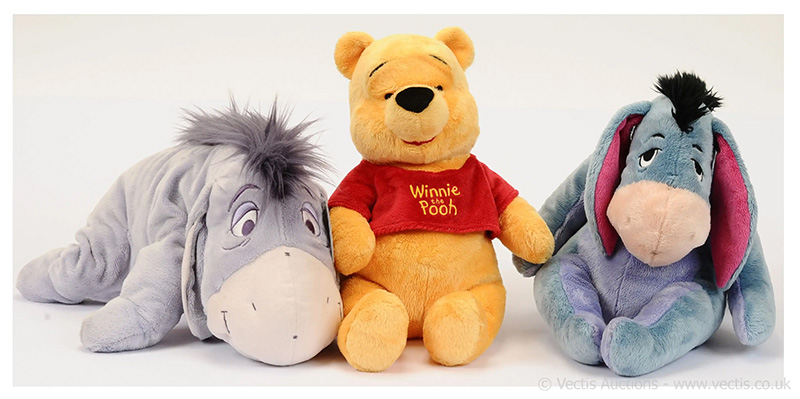
Before solving the problem, it’s important to understand why it happens.
Differences between samples and production are usually not caused by poor manufacturing alone. They often result from gaps in communication, documentation, or process control between the sampling stage and production stage.
Sampling and Production Use Different Working Methods
During sampling, products are often made by highly experienced technicians who focus on precision. In contrast, mass production involves multiple workers working at scale.
This creates natural differences:
- Sampling: slower, more controlled, detail-focused
- Production: faster, efficiency-focused
Without clear standards, these differences can lead to inconsistent results.
Missing or Incomplete Production Standards
Another key issue is the lack of detailed technical documentation. If the approved sample is not translated into clear production instructions, different teams may interpret the design differently.
This can affect:
- Fabric selection
- Sewing methods
- Stuffing levels
- Embroidery placement
When standards are unclear, variation becomes inevitable.
Common Causes of Sample vs Production Differences
| Cause | Description | Impact |
|---|---|---|
| Different Workflows | Sampling vs bulk production methods | Inconsistent results |
| Lack of Documentation | Missing technical details | Misinterpretation |
| Material Variations | Different fabric batches | Visual differences |
| Worker Variability | Different skill levels | Quality variation |
| Weak QC System | No checkpoints | Errors accumulate |
How should a “golden sample” be approved before bulk production begins?
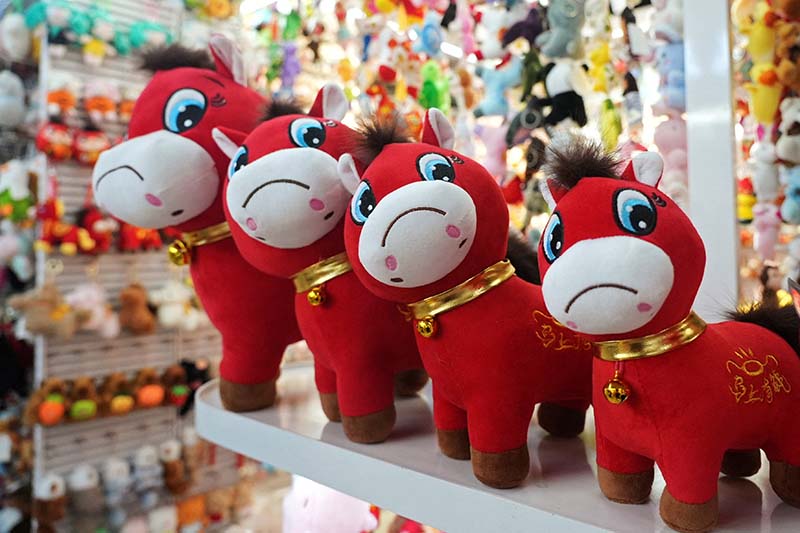
A golden sample is the most important tool for ensuring production consistency. It is the final approved version that defines exactly how the product should look and be made.
However, simply having a sample is not enough—the way it is approved and documented determines its effectiveness.
Confirm All Details Before Approval
Before labeling a sample as “golden,” every detail must be fully confirmed. This includes:
- Shape and proportions
- Fabric and color selection
- Embroidery and printing details
- Construction methods
- Accessories and finishing
There should be no pending changes. Once approved, this sample becomes the production standard.
Use the Golden Sample as a Cross-Team Reference
The golden sample should be shared across all departments involved in production:
- Pattern making team
- Sewing team
- Quality control team
Each team uses it as a reference to ensure alignment throughout production.
Golden Sample Approval Checklist
| Element | What to Confirm | Result |
|---|---|---|
| Design Accuracy | Matches artwork | Correct appearance |
| Materials | Fabric and components confirmed | Consistent quality |
| Construction | Sewing and structure finalized | Stable production |
| Details | Embroidery and accessories correct | Accurate design |
| Approval Status | No open issues | Ready for production |
Why must fabrics, colors, and suppliers be locked early?
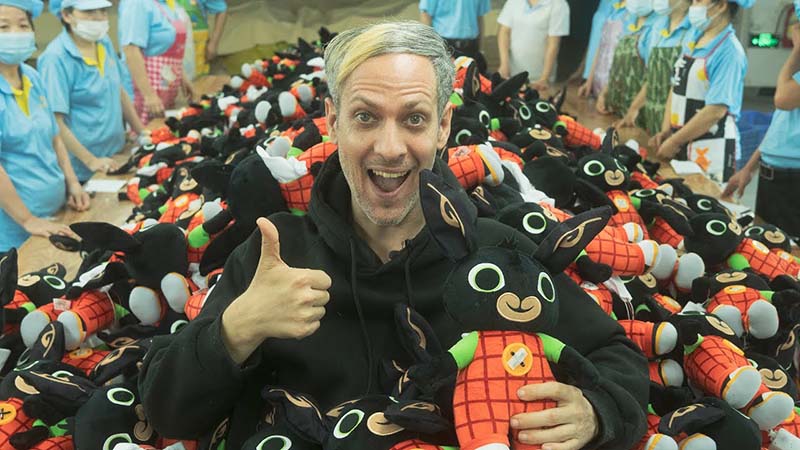
Material consistency is one of the most important factors in ensuring that production matches the sample. Even small variations in fabric or color can make the final product look different.
That’s why materials and suppliers must be locked before production begins.
Fabric Variations Can Change the Final Look
Different fabric batches may vary in:
- Color tone
- Texture
- Thickness
- Softness
Even slight differences can affect how the plush toy looks and feels.
Locking Suppliers Ensures Stability
To maintain consistency, buyers should ensure:
- Approved suppliers are clearly defined
- Material samples are kept as references
- Substitutions require approval
This prevents unexpected changes during production.
Material Control Checklist
| Element | What to Lock | Purpose |
|---|---|---|
| Fabric Type | Exact material specification | Consistent texture |
| Color Reference | Pantone or sample | Accurate color |
| Supplier | Approved vendor | Stable sourcing |
| Material Sample | Physical reference | Quality comparison |
| Substitution Rule | Approval required | Prevent variation |
How can pattern files and technical specification sheets ensure consistency?
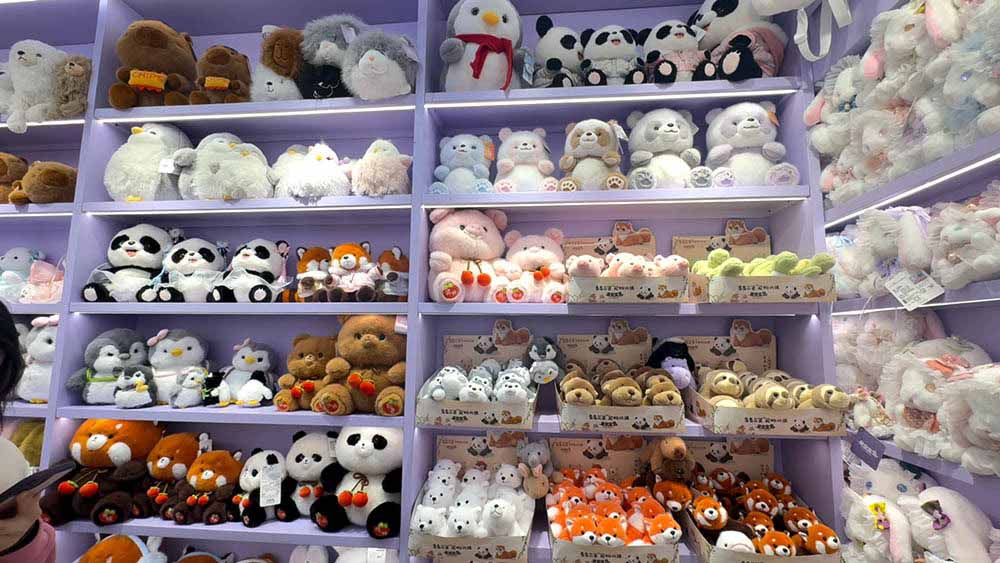
If you want your bulk production to match your approved sample, you need more than just a physical reference—you need clear, standardized technical documentation.
Pattern files and technical specification sheets are what turn a sample into a repeatable production system. Without them, every worker may interpret the product slightly differently, which leads to inconsistency.
Pattern Files Lock the Structure of the Product
Pattern files define how the plush toy is constructed from individual fabric panels. They are the foundation of the product’s shape.
After sampling, the pattern must be finalized based on the approved version, including:
- Exact panel shapes and sizes
- Seam allowances
- Alignment of components
Once locked, all production units must follow the same pattern to maintain consistent proportions and structure.
Technical Sheets Provide Clear Execution Instructions
Technical specification sheets translate the sample into clear instructions for production teams.
They typically include:
- Size and proportion details
- Material specifications
- Embroidery and printing positions
- Construction methods
These documents ensure that every team—from cutting to sewing to finishing—follows the same standards.
Standardization Through Technical Documentation
| Tool | Function | Result |
|---|---|---|
| Pattern Files | Define product structure | Consistent shape |
| Technical Sheets | Provide detailed instructions | Accurate execution |
| BOM | Standardize materials | Uniform sourcing |
| Artwork Files | Define visual details | Correct replication |
| Golden Sample | Physical reference | Quality alignment |
What tolerance ranges should be defined for size, shape, and symmetry?
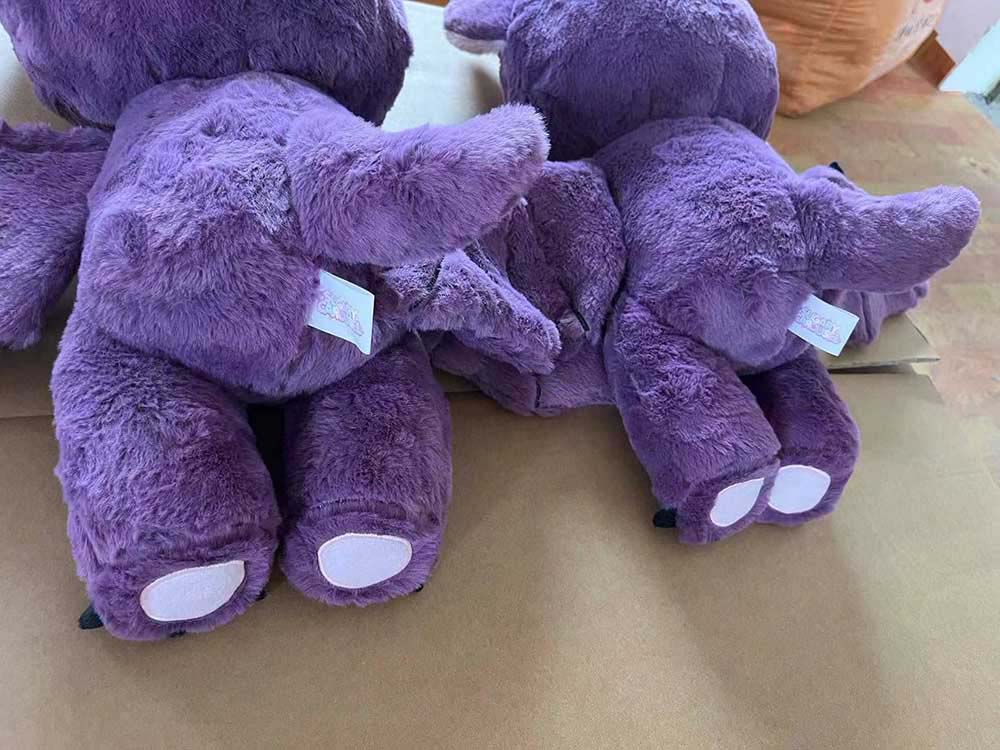
In plush toy manufacturing, slight variation is unavoidable. The goal is not to eliminate variation entirely, but to control it within acceptable limits.
This is done by defining tolerance ranges—clear boundaries that determine whether a product meets the required standard.
Define Measurable Size Tolerances
Buyers should specify acceptable variation ranges for key dimensions.
Typical examples include:
- Overall size: ±0.5–1 cm
- Limb length: ±0.5 cm
- Head width: ±0.5 cm
These tolerances allow for practical production while maintaining consistency.
Control Shape and Symmetry
Shape consistency is just as important as size. Plush toys rely on soft materials, so factors like stuffing and sewing can affect the final form.
Factories should define standards for:
- Head-to-body ratio
- Symmetry of limbs
- Overall silhouette
This ensures that each product maintains the intended design appearance.
Tolerance Control Checklist
| Factor | What to Define | Purpose |
|---|---|---|
| Size Tolerance | Acceptable measurement range | Consistent dimensions |
| Proportion Control | Ratio between parts | Maintain design |
| Shape Consistency | Silhouette standard | Visual accuracy |
| Symmetry | Balance between sides | Product quality |
| Embroidery Position | Placement tolerance | Detail consistency |
How do stuffing standards affect bulk production accuracy?
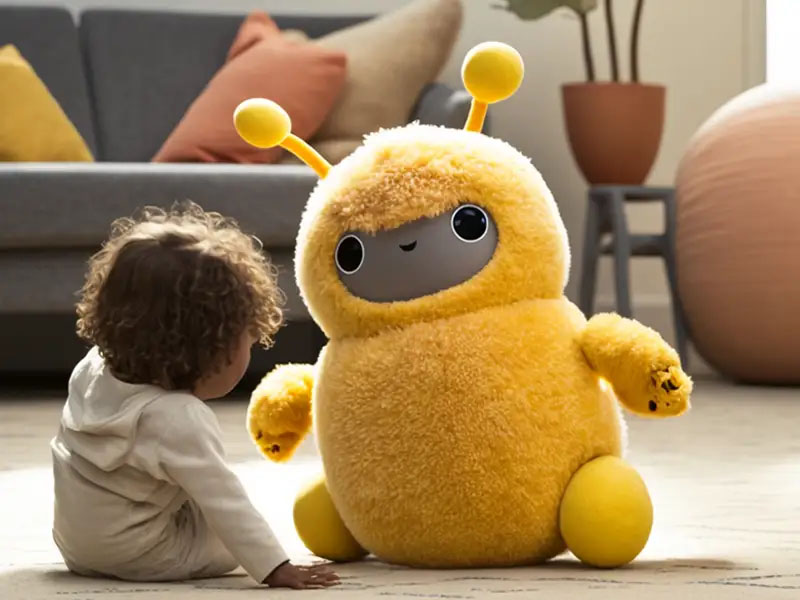
Stuffing is one of the most underestimated factors in plush toy consistency. It directly affects the toy’s shape, softness, and overall appearance.
If stuffing is not controlled, even products made with the same pattern and materials can look and feel different.
Define Filling Weight and Distribution
The amount of stuffing used in each toy should be standardized.
Buyers should confirm:
- Total filling weight (if applicable)
- Distribution across different parts (head, body, limbs)
This ensures that all products maintain consistent proportions and feel.
Set Firmness and Shape Retention Standards
Beyond weight, the firmness of the stuffing must also be defined.
Key factors include:
- Softness vs. firmness level
- Ability to maintain shape after handling
- Stability when placed upright or seated
These standards ensure that the toy looks and feels consistent across all units.
Stuffing Control Checklist
| Factor | What to Define | Result |
|---|---|---|
| Filling Weight | Standard amount | Consistent feel |
| Distribution | Even across parts | Balanced shape |
| Firmness | Softness level | Match design intent |
| Shape Retention | Ability to hold form | Long-term quality |
| Stability | Balance and posture | Functional consistency |
Conclusion
Ensuring that plush samples match mass production is not about luck—it’s about control, clarity, and systems.
By approving a true golden sample, locking materials and suppliers, standardizing pattern files and technical documentation, defining tolerance ranges, and controlling stuffing standards, buyers can significantly reduce production variation.
The key is to treat the sample not just as a prototype, but as the foundation of a complete production system.
At KINWIN, we help our clients build this system from the ground up. From sample development to production standardization and quality control, we ensure that your approved sample is accurately replicated at scale.
If you want your plush toy production to match your sample with confidence and consistency, our team is ready to support your project.