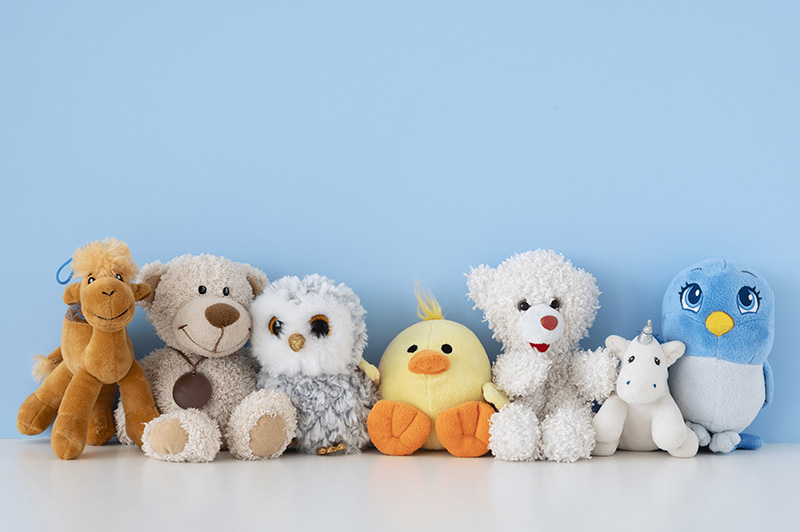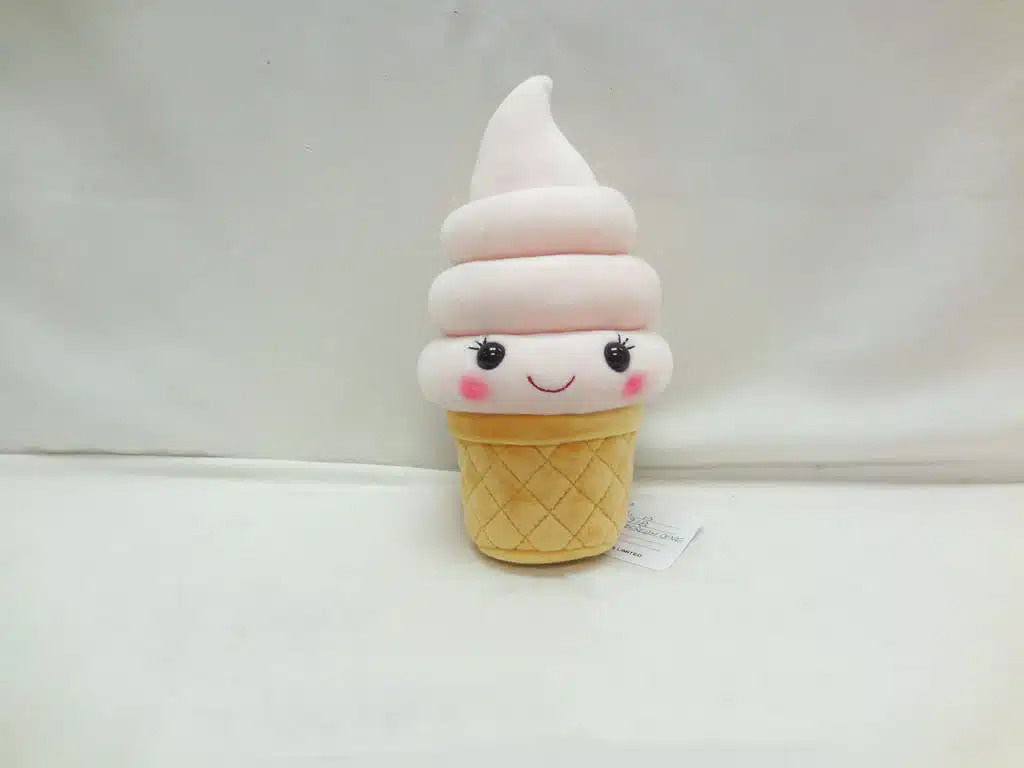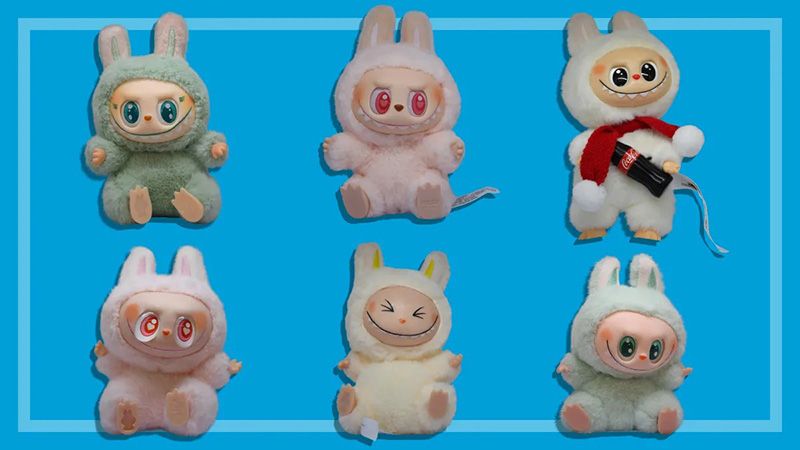
Creating a plush prototype that accurately replicates the original design is one of the most critical stages in plush toy development. A prototype that does not match the intended character can lead to multiple revision rounds, production delays, and inconsistencies during scaling. Ensuring accuracy requires strong design inputs, precise communication, strict material control, and a structured feedback and approval process. This guide explains every step brands must take to make sure their plush prototypes stay true to the original vision.
What Design Assets and Reference Materials Are Essential for Accurate Prototyping?
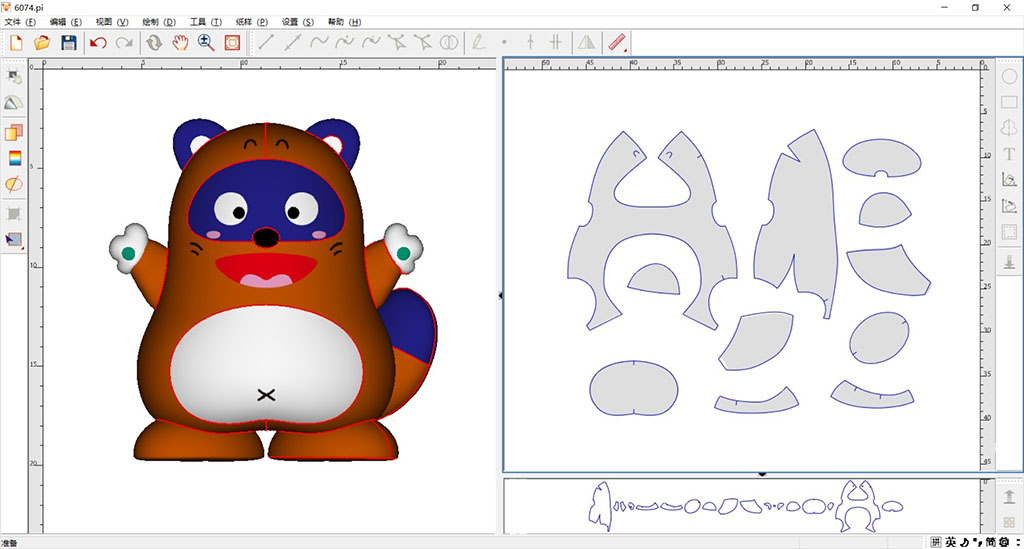
A factory cannot accurately reproduce a plush design unless it receives complete, organized, and detailed reference materials. The quality of the inputs directly determines the accuracy of the output. When design assets are incomplete or unclear, factories are forced to interpret the design themselves—often leading to incorrect shapes, facial misalignment, wrong proportions, or inaccurate colors.
The most essential design assets include:
1. Three-view character drawings (front, side, back)
These define the basic geometry, silhouette, and proportions of the character. They are the foundation of pattern making.
2. High-resolution close-up images
These help the factory replicate facial expressions, embroidery details, paw pads, textures, and small decorative elements.
3. Pantone or physical color references
Factories need exact color standards to avoid mismatched hues, especially when dyeing fabrics or selecting embroidery thread.
4. 3D models (optional but highly useful)
For complex shapes or stylized characters, 3D models reduce misinterpretation and guide the factory in visualizing depth and volume.
5. Accessory references
If the toy includes clothing, props, bags, hats, or removable items, these require separate illustrations and measurements.
| Design Asset | Purpose | Benefit to Factory |
|---|---|---|
| 3-view drawings | Defines body geometry | Accurate pattern making |
| Close-up details | Shows facial & small features | Reduces errors |
| Pantone colors | Ensures color precision | Prevents mismatched tones |
| 3D models | Shows dimensional depth | Helps complex patterns |
| Accessory guides | Clarifies add-ons | Smooth manufacturing |
The more complete your reference package, the fewer revisions you need later.
How Should Proportions, Features, and Character Details Be Communicated to the Factory?
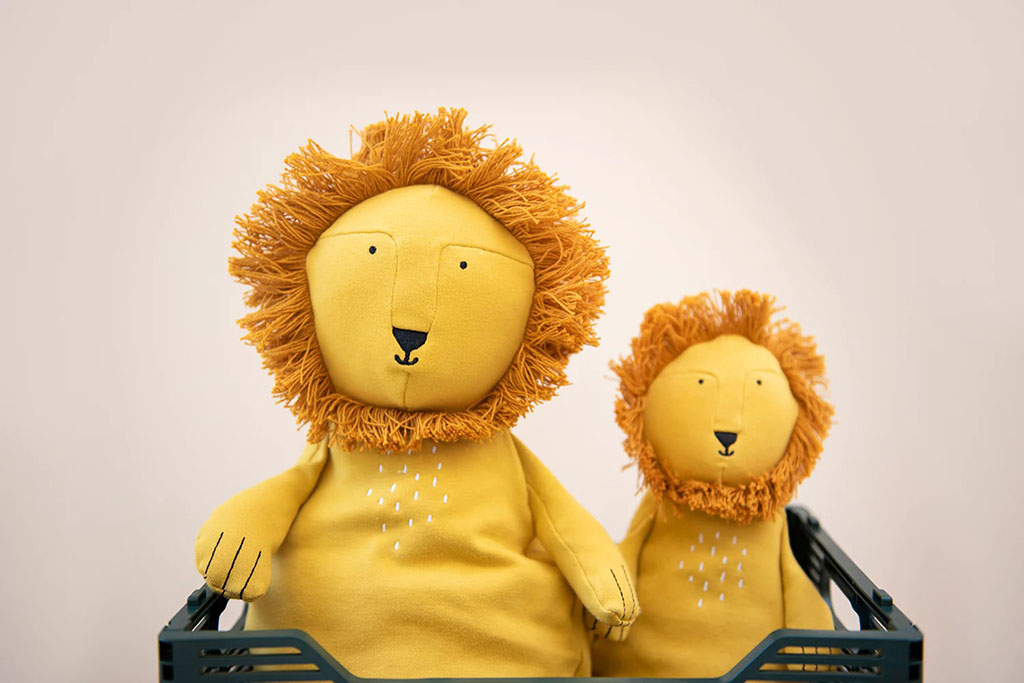
Even with perfect drawings, plush makers need clear proportional guidance to understand how the character should look in 3D. Plush pattern construction can distort proportions if not guided carefully. This is why clear communication about the intended silhouette, face placement, limb thickness, and overall balance is essential.
Key proportion details to communicate:
- Head-to-body ratio (e.g., 1:1 for chibi, 1:2 for realistic animals)
- Eye placement (distance, angle, height from bottom)
- Limb shape and thickness (thin limbs often require reinforcement)
- Body width vs. height (to maintain correct silhouette)
- Facial expression personality (subtle shifts can change the entire character)
It is also important to clarify which details must remain 100% accurate and which ones allow flexibility for manufacturability. Many plush creators mark these as:
- “Strict accuracy required” — for brand identity or licensed IP
- “Flexible for production” — minor elements that can be adjusted
| Proportion Detail | Why It Matters | Issues if Miscommunicated |
|---|---|---|
| Head-body ratio | Defines character style | Toy may look “off-model” |
| Eye placement | Creates expression | Crooked or wrong emotion |
| Limb thickness | Affects durability | Limbs appear floppy or uneven |
| Body shape | Core silhouette | Character loses identity |
Clear communication ensures the prototype respects the character’s intended personality and style.
What Role Do Fabric Selection and Color Standards Play in Visual Consistency?
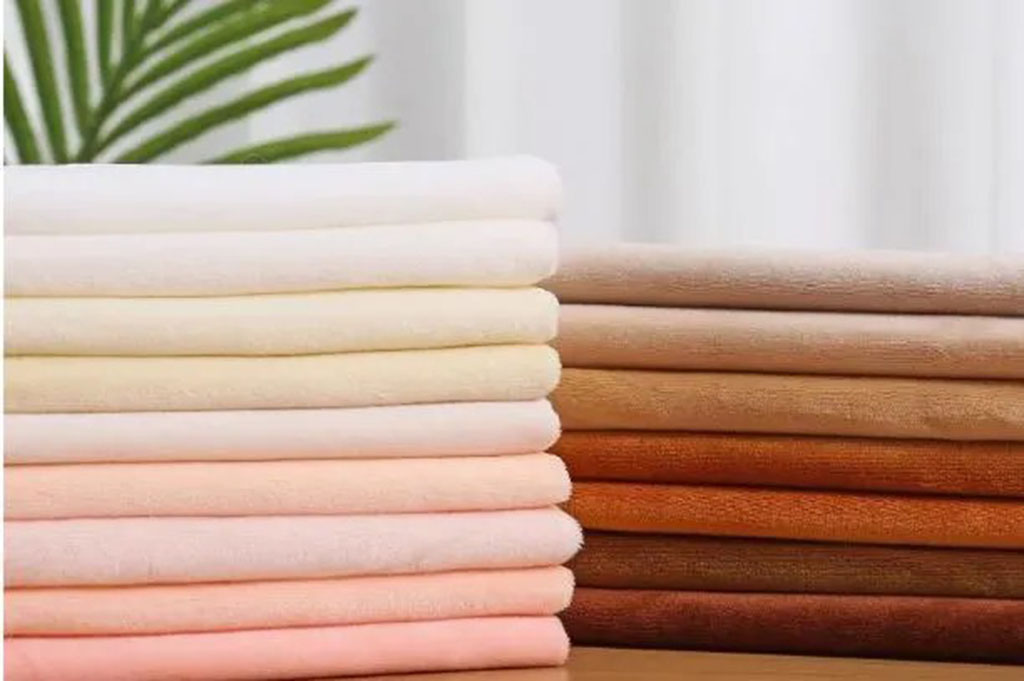
Fabric choices dramatically affect the final appearance of a plush toy. Different fabrics vary in pile height, density, softness, and color absorbency, all of which influence character accuracy. A design that looks clean and sharp on paper may appear different if the wrong fabric is chosen.
Fabric selection affects:
- Shape retention
- Surface texture
- Softness and hand-feel
- Ability to match small details
- Weight and proportions
For example:
- Short-pile velboa is ideal for crisp details and structured shapes.
- Minky offers luxurious softness but can blur small features.
- Long-pile faux fur creates volume but changes silhouette edges.
Color matching is equally critical. Using Pantone references or physical swatches ensures consistent results across multiple samples and final production batches. Factories also need to test dye lots under different lighting conditions to avoid visual inconsistencies.
| Material Factor | Impact on Prototype Accuracy |
|---|---|
| Pile height | Affects clarity of features |
| Density | Controls firmness & shape |
| Stretch level | Influences pattern size |
| Dye absorbency | Determines color consistency |
| Texture | Changes overall aesthetic |
Selecting materials early—and approving them before cutting—prevents major visual differences later.
How Can Stitching, Embroidery, and Structural Engineering Ensure Precise Replication?

Plush manufacturing is a mix of soft materials and structural engineering. Stitching methods, embroidery quality, and internal supports are just as important as artwork and materials.
Stitching
Different stitching techniques affect shape, strength, and refinement.
- Tight, hidden seams create smooth contours.
- Visible seams create stylized or segmented looks.
- Reinforced seams prevent stretching and tearing.
Embroidery
Embroidery defines expressions, logos, paw pads, or delicate features.
The precision of stitch density, thread type, and alignment determines whether the character’s expression is preserved.
Internal structure
Some plush designs require:
- Foam inserts
- Mesh lining
- Weighted pellets
- Bending wires
- Reinforced joints
These elements keep the plush sitting upright, standing, or maintaining stylized proportions.
| Construction Element | Function | Effect on Accuracy |
|---|---|---|
| Embroidery | Facial details | Maintains expression |
| Seam placement | Shape control | Preserves silhouette |
| Reinforced stitching | Durability | Prevents distortion |
| Internal support | Structure | Avoids collapse or sagging |
| Stuffing method | Volume control | Ensures symmetrical form |
Factories with skilled sewing teams and engineers can replicate even complex designs with high precision.
What Review Methods Help You Evaluate and Compare the Prototype to the Original Design?
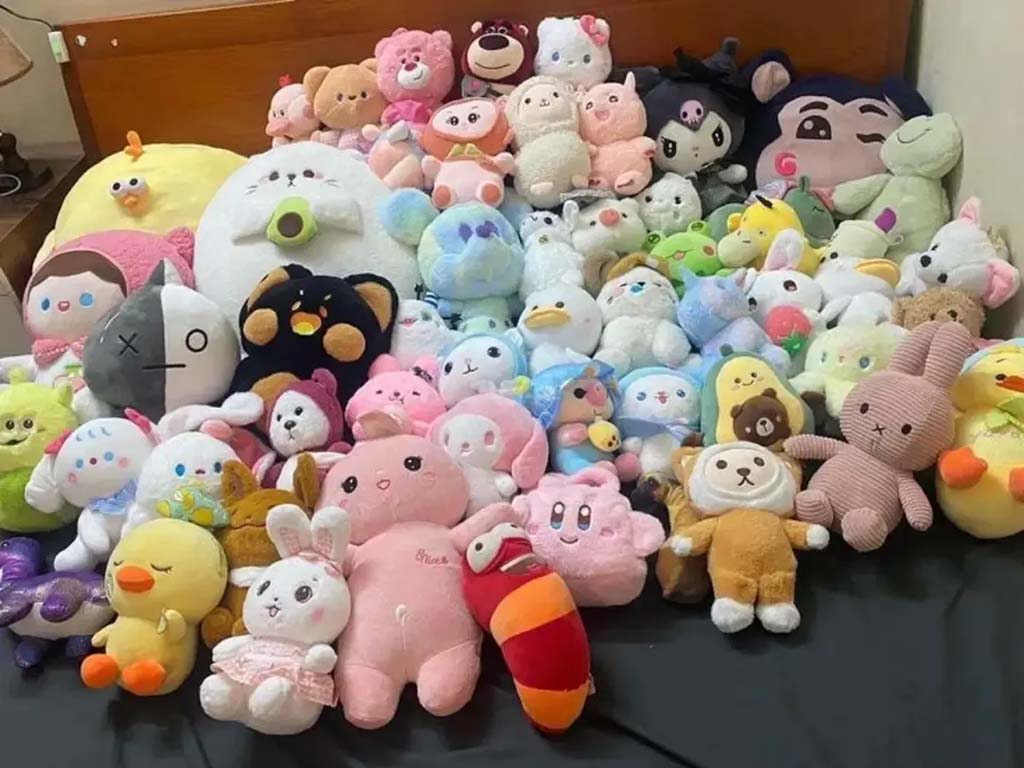
A structured review process ensures every detail in the prototype matches your expectations. Reviewing a prototype casually often leads to missed inconsistencies that reappear in bulk production. A systematic method guarantees accuracy.
Recommended review methods:
1. Side-by-side comparison
Place the prototype next to the artwork or 3D model from multiple angles.
2. Measurement verification
Use a measuring tape to compare height, width, limb lengths, and head size to your specifications.
3. Symmetry check
Evaluate left-right features—ears, limbs, facial placement—to ensure balance.
4. Tactile assessment
Check stuffing density, softness, and seam strength.
5. Color and fabric comparison
Verify against Pantone codes and approved material swatches.
6. Photograph documentation
Take photos under consistent lighting to capture issues invisible to the naked eye.
| Review Method | Purpose |
|---|---|
| Side-by-side check | Confirm visual accuracy |
| Measuring dimensions | Detect size deviations |
| Symmetry review | Ensure proportional balance |
| Stuffing test | Check firmness & durability |
| Color/fabric match | Verify consistency |
| Photo documentation | Record issues clearly |
A disciplined review approach avoids miscommunication in revisions.
How Do Revision Cycles, Feedback Notes, and Pre-Production Approvals Guarantee Accuracy?
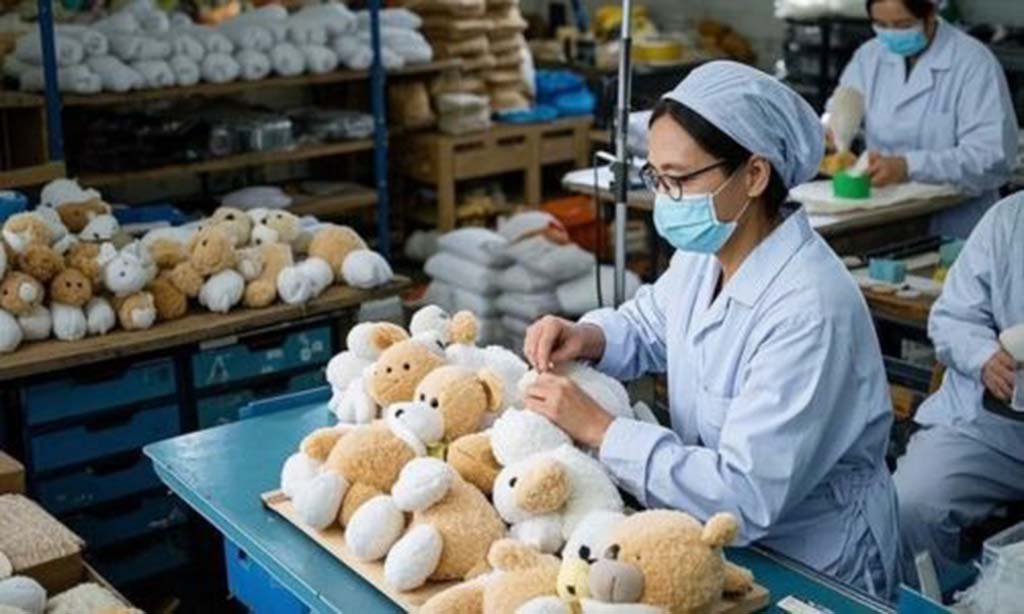
Revisions are a normal, expected part of plush development. A single prototype rarely achieves perfection. The key to success is having clear revision notes, organized feedback cycles, and formal approval checkpoints.
Effective revision cycles include:
- Annotated photos showing exactly what must be corrected
- Clear descriptions of proportion changes
- Updated reference images if needed
- Direct color and material corrections
- Notes about stuffing density or symmetry adjustments
Pre-production approvals (PPS) should include:
- The Golden Sample
- Approved materials and trims
- Confirmed labels, hang tags, and packaging
- Verified measurements
- Safety and compliance requirements
- Final cost and timeline confirmation
Once the Golden Sample is approved, the factory uses it as the master reference for mass production. All future units must match this sample exactly.
| Approval Stage | Purpose | Outcome |
|---|---|---|
| First revision | Correct major issues | Alignment accuracy |
| Second revision | Fine-tune shape & expression | Nearly final version |
| Golden Sample | Final reference | Production approved |
| PPS | Factory-ready | Ensures consistency |
Structured revisions guarantee the final product matches your original design faithfully.
Conclusion
Ensuring your plush prototype matches the original design requires strong inputs, precise communication, material control, disciplined review methods, and a structured revision process. When brands and factories work collaboratively—with clear expectations and professional engineering—the final plush becomes an accurate, high-quality representation of the original concept.
At Kinwin, we specialize in helping global brands achieve precise, production-ready prototypes with expert pattern making, accurate stitching, and transparent communication.
📧 Contact: [email protected]
🌐 Visit: https://kinwintoys.com