When consumers evaluate plush toys, they often focus on appearance, fabric softness, or brand storytelling. However, one of the most critical—and increasingly scrutinized—elements lies inside the product: the filling. Plush toy fillings directly influence comfort, durability, safety compliance, environmental impact, and long-term product performance. As sustainability expectations rise across global markets, eco-friendly fillings have become a strategic material decision rather than a niche add-on.
For brands, retailers, and licensors, choosing sustainable fillings is no longer just about reducing environmental footprint. It also affects regulatory compliance, brand credibility, supply chain resilience, and consumer trust. This article explores the most common eco-friendly plush toy fillings used today, how they compare with traditional polyester fiber, and how brands can integrate sustainable filling choices into scalable, compliant, and market-ready plush toy production.
What Types of Eco-Friendly Fillings Are Commonly Used in Plush Toy Manufacturing?
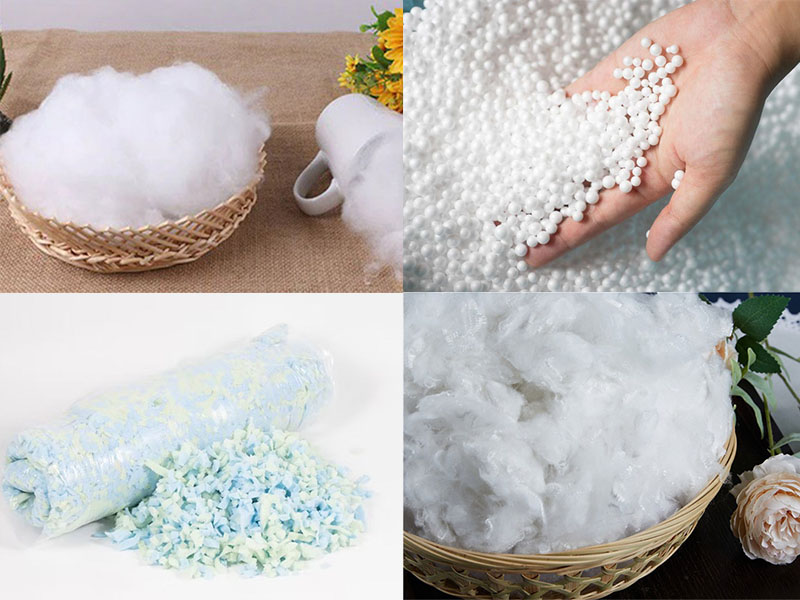
Eco-friendly plush toy fillings are designed to reduce dependence on virgin petrochemical materials while maintaining softness, resilience, and structural integrity. The most widely used option is recycled polyester fiber (rPET), produced from post-consumer plastic bottles. rPET has become the industry standard for sustainable plush fillings due to its consistent quality, reliable supply, and compatibility with existing manufacturing processes.
In addition to rPET, some manufacturers use natural or plant-based fillings such as organic cotton fiber, kapok, bamboo-based blends, or corn-derived fibers. These materials are often chosen for baby products, premium plush lines, or brands emphasizing natural materials. However, they typically require stricter moisture control, denser stuffing techniques, and more careful quality management.
Hybrid fillings—combining recycled polyester with natural fibers—are increasingly adopted to balance sustainability claims with performance consistency and cost control.
| Filling Type | Source Material | Common Use Case |
|---|---|---|
| rPET Fiberfill | Recycled plastic bottles | Mainstream & large-volume plush |
| Organic Cotton Fiber | Certified cotton | Baby & premium plush |
| Plant-Based Fiber | Corn, bamboo blends | Eco-focused collections |
| Hybrid Fillings | Recycled + natural | Balanced performance needs |
How Recycled and Bio-Based Fillings Compare to Traditional Polyester Fiber?
Traditional virgin polyester fiberfill has long been favored for its light weight, elasticity, and low cost. However, it relies entirely on fossil-based raw materials and offers limited sustainability credentials. Recycled and bio-based fillings address these concerns while delivering comparable—or in some cases differentiated—performance characteristics.
rPET fiberfill closely matches virgin polyester in softness, loft, and wash durability, making it a direct replacement in most plush toy designs without requiring major engineering changes. Bio-based and natural fillings tend to feel firmer and heavier, which can enhance perceived quality but may reduce rebound and long-term elasticity if not properly engineered.
Brands must align filling choice with product positioning: mass-market plush toys often benefit from rPET’s performance consistency, while niche or baby-focused products may prioritize natural fibers despite higher cost and tighter handling requirements.
| Performance Aspect | Virgin Polyester | Recycled / Bio-Based |
|---|---|---|
| Softness & Loft | Very high | Medium to high |
| Elastic Recovery | Excellent | Good to moderate |
| Environmental Impact | High | Significantly reduced |
| Certification Support | Limited | Strong (GRS, GOTS, OEKO-TEX) |
How Filling Materials Affect Softness, Shape Retention, and Product Longevity?
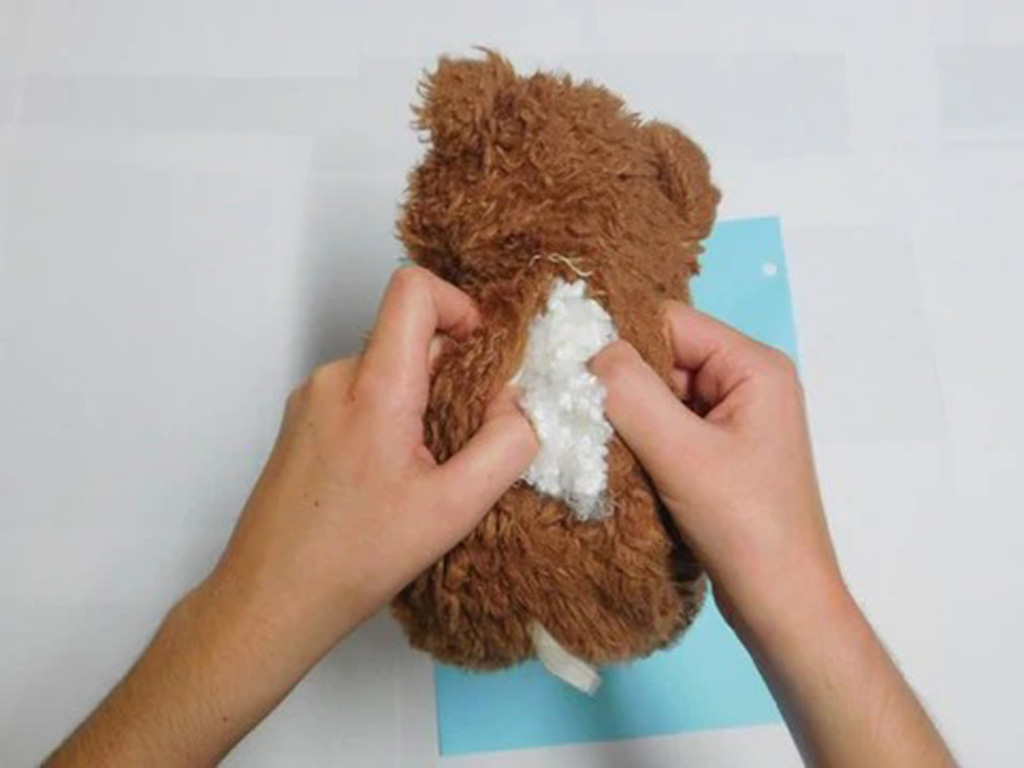
The filling material plays a decisive role in how a plush toy feels in hand, how well it maintains shape, and how it performs over time. High-loft fibers such as rPET allow plush toys to recover quickly after compression, which is essential for products designed for frequent hugging, squeezing, or washing.
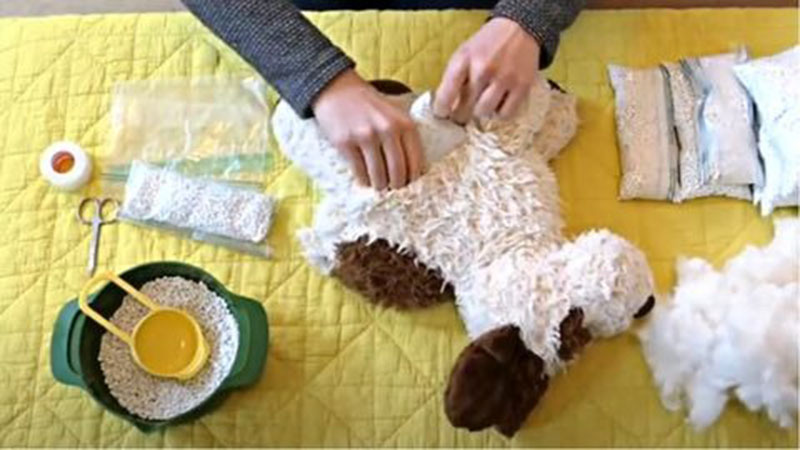
Natural and plant-based fillings often create a denser, more weighted feel. While this can increase perceived substance and premium positioning, it may also increase the risk of clumping or uneven distribution if filling density and stuffing techniques are not carefully controlled. Long-term durability depends not only on fiber choice but also on how evenly the filling is distributed and how internal stress points are managed during construction.
| Performance Factor | Filling Influence | Design Consideration |
|---|---|---|
| Softness | Fiber fineness & loft | Comfort positioning |
| Shape Retention | Elastic recovery | Long-term durability |
| Weight | Natural vs synthetic | Handling & logistics |
| Wash Performance | Fiber resilience | Care instructions |
What Safety, Allergy, and Compliance Standards Apply to Sustainable Fillings?
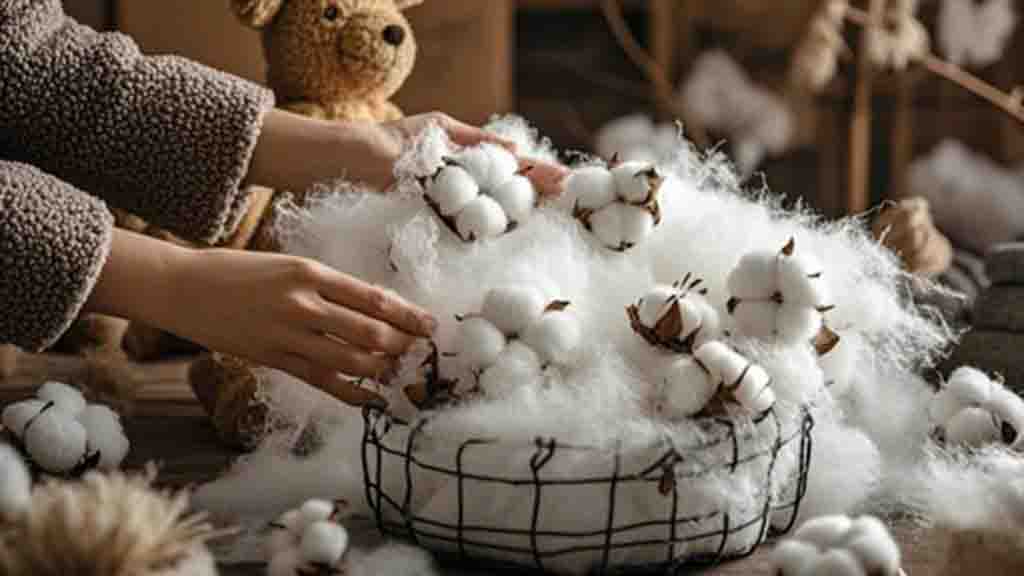
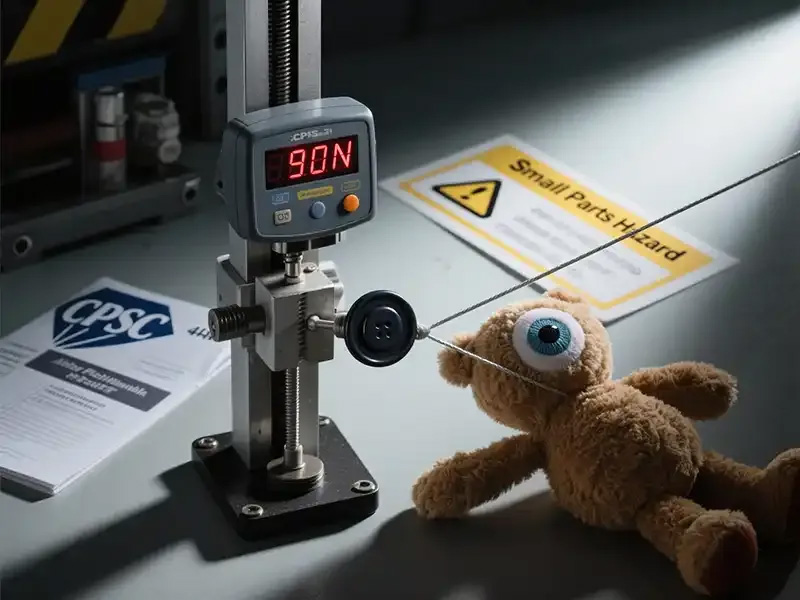
Eco-friendly fillings must meet the same—and often more stringent—safety standards as conventional materials. Plush toys intended for children must comply with regulations such as ASTM F963 (USA), EN71 (EU), CPSIA, REACH, and other regional requirements. These standards cover chemical safety, mechanical performance, flammability, and allergen risks.
Recycled fillings must also demonstrate traceability and cleanliness, ensuring they are free from heavy metals, restricted chemicals, and harmful residues. Certifications such as GRS (Global Recycled Standard), OEKO-TEX, and GOTS provide third-party verification of material origin, processing, and safety compliance.
| Standard / Certification | Region | Relevance to Fillings |
|---|---|---|
| ASTM F963 | USA | Toy material safety |
| EN71 | EU | Mechanical & chemical testing |
| CPSIA | USA | Children’s product compliance |
| GRS | Global | Recycled content verification |
| OEKO-TEX | Global | Chemical safety assurance |
How Eco-Friendly Fillings Impact Production Cost and Scalability?
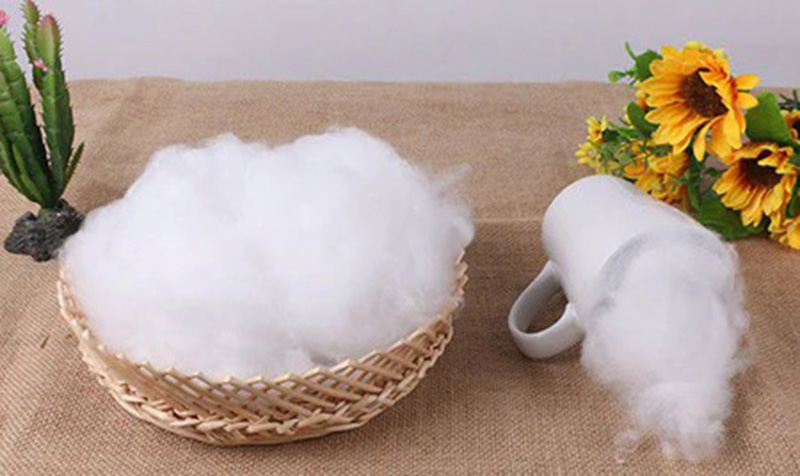
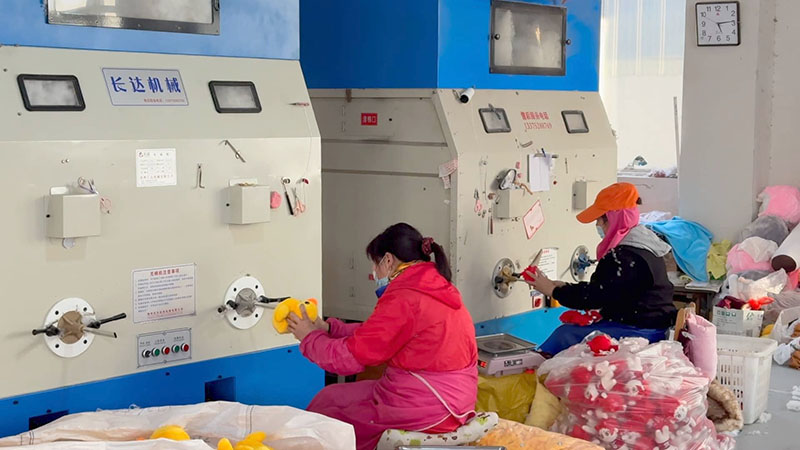
Sustainable fillings generally involve higher raw material costs compared to virgin polyester, particularly for certified or organic options. However, rPET has become increasingly cost-competitive as recycling infrastructure and global demand have matured. For medium- to large-volume production, rPET often represents the most scalable and economically viable eco-friendly filling.
Natural and plant-based fillings can present challenges in terms of supply stability, moisture sensitivity, and processing efficiency. Brands planning large-scale programs must evaluate supplier capacity, lead times, and consistency to avoid disruptions. Many manufacturers adopt hybrid strategies to balance sustainability goals with predictable production output.
| Cost & Supply Factor | Traditional Fiber | Eco-Friendly Filling |
|---|---|---|
| Material Cost | Low | Medium to high |
| Supply Stability | Very stable | Varies by type |
| Scalability | High | Moderate to high (rPET strongest) |
| Processing Complexity | Low | Medium |
How Brands Can Communicate Sustainable Filling Choices to Build Consumer Trust
Consumers increasingly expect transparency about what materials are used inside plush toys, not just on the surface. Clear, honest communication about eco-friendly fillings helps brands build credibility and avoid greenwashing concerns. Simple explanations—such as “filled with recycled plastic bottles” or “stuffed with certified organic cotton”—are often more effective than technical jargon.
Brands can reinforce trust through hang tags, packaging icons, website content, and sustainability pages that reference certifications and measurable benefits. Consistency between marketing claims and verified materials is essential for maintaining long-term consumer confidence and retailer relationships.
| Communication Tool | Purpose | Trust Impact |
|---|---|---|
| Hang Tags | Immediate consumer education | High |
| Certification Logos | Proof of sustainability | Very high |
| Website Content | Detailed explanation | Long-term credibility |
| Packaging Copy | Reinforce values | Brand consistency |
Conclusion
Eco-friendly fillings are a critical component of modern plush toy design, influencing safety, comfort, durability, and environmental impact. By selecting recycled or bio-based fillings that meet performance and compliance requirements, brands can reduce their environmental footprint without compromising product quality. Transparent material choices, supported by credible certifications and clear communication, allow plush toy brands to meet regulatory demands, strengthen consumer trust, and stay competitive in an increasingly sustainability-driven market.
📧 Contact: [email protected]
🌐 Visit: https://kinwintoys.com