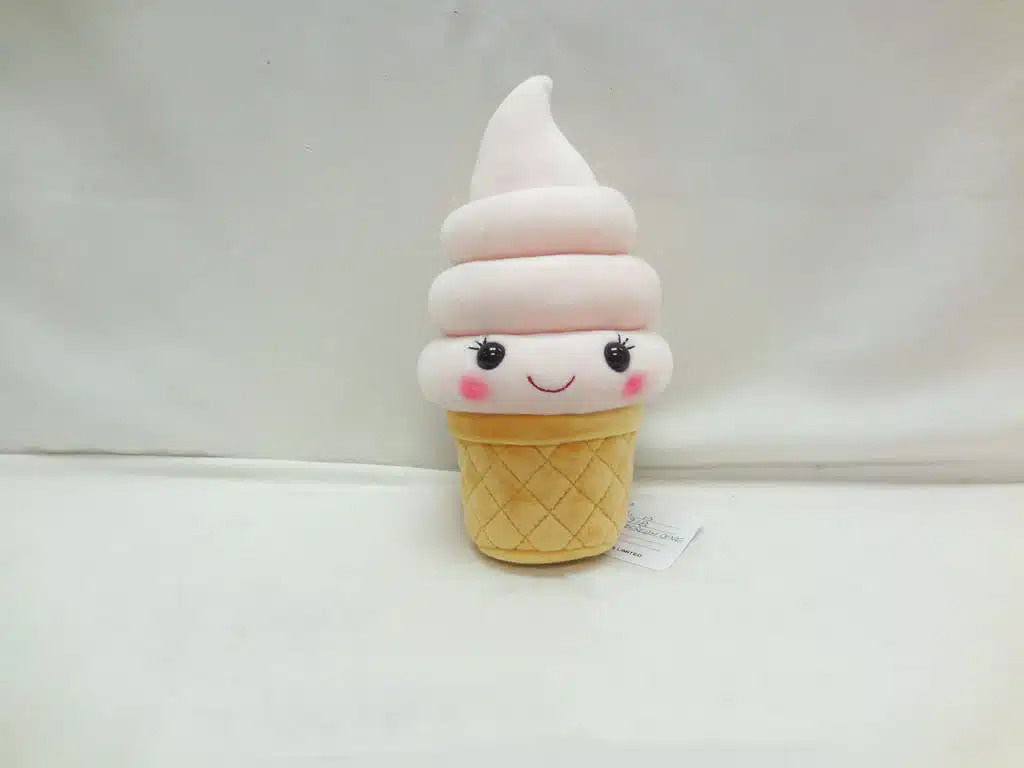
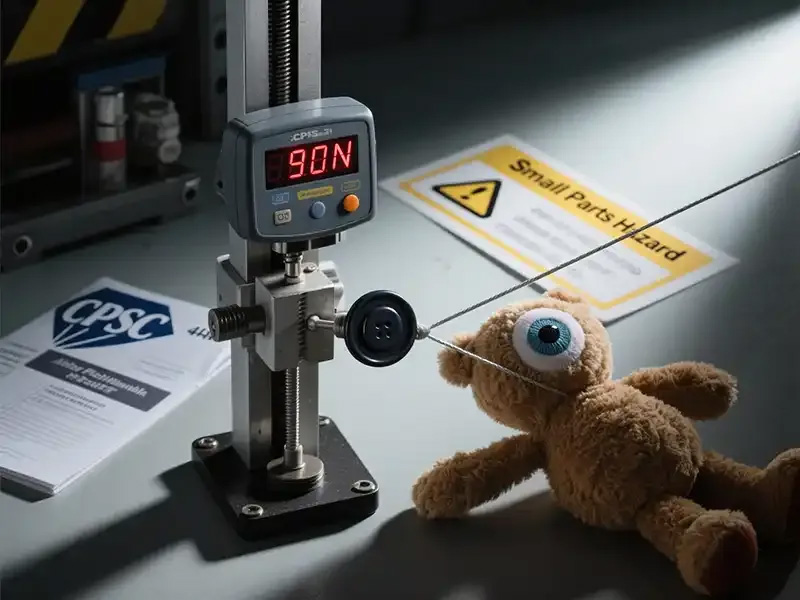
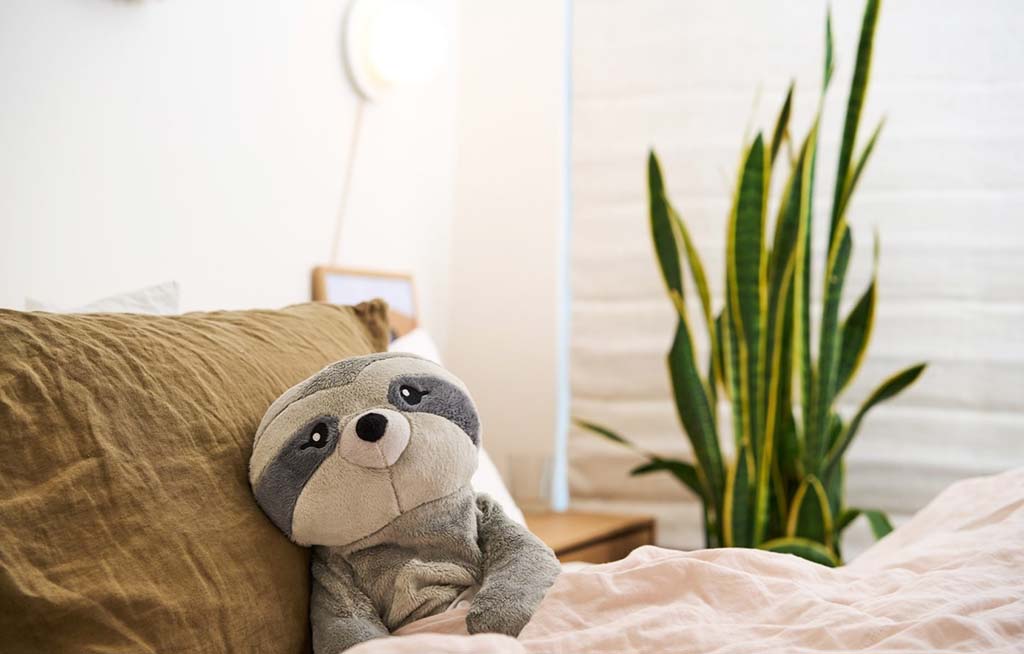
A soft weighted plush resting on a pillow, with a tag showing the total weight and age guidance.
Weighted stuffed animals can feel like a gentle “hug” in your arms. Many people buy them hoping they will fall asleep faster, wake less, and feel calmer at night. As Amanda at Kinwin, I see this category growing fast—but I also see confusion. Some products help some users, but safety and design details decide whether the experience is soothing or risky.
Research on weighted blankets (not exactly plush toys, but similar deep-pressure concept) suggests potential sleep and anxiety benefits for some groups, yet results are mixed and not universal. PMC+2research.aota.org+2 At the same time, safety authorities clearly warn that weighted sleep products are not safe for infants, and the CPSC explicitly says not to use weighted blankets or weighted swaddles for babies. U.S. Consumer Product Safety Commission+2U.S. Consumer Product Safety Commission+2
Below, I’ll explain what science can and cannot support, how deep pressure may influence relaxation, which weight ranges and distributions are commonly considered safer, how suitability changes by age, what compliance and safety rules matter, and how manufacturers can design sleep-optimized weighted plush responsibly.
Do weighted stuffed animals improve sleep quality scientifically?
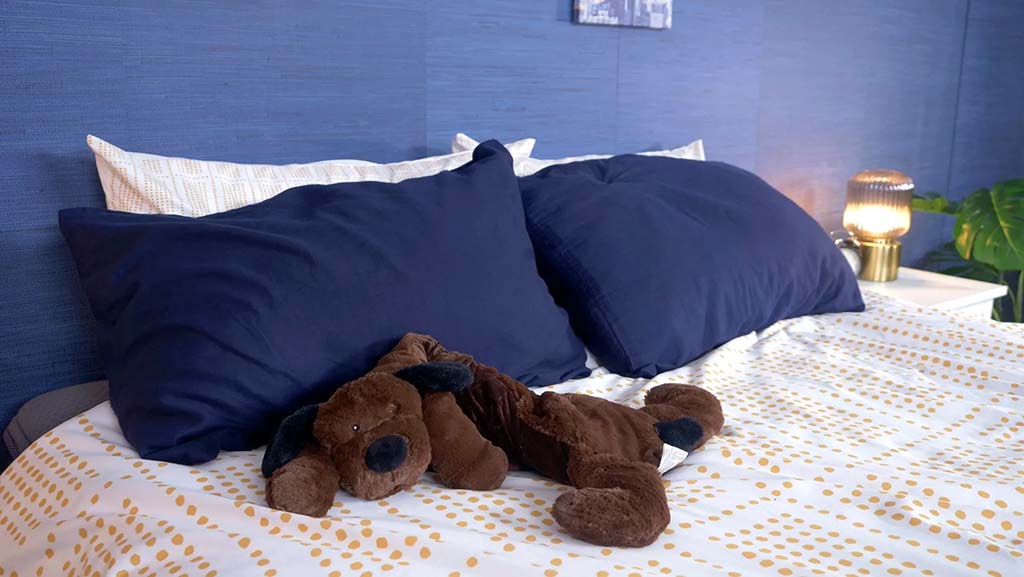
The honest answer: they may help some people, but evidence is not strong enough to promise results for everyone.
Most published research is on weighted blankets, not weighted plush animals. Still, the mechanism is similar: added weight provides steady pressure that may help some users feel calmer and settle into sleep. A 2024 review on weighted blankets summarizes that they might be safe and helpful for insomnia and some sleep disturbances, but the research base is still developing. PMC A 2020 occupational therapy systematic review concluded weighted blankets may reduce anxiety, but found insufficient evidence to say they reliably improve insomnia. research.aota.org Other studies and reviews report improvements in falling asleep and staying asleep in certain populations, but results vary by user and study design. Taylor & Francis Online+1
So what does this mean for a weighted stuffed animal used at bedtime?
- It can support relaxation for some users (especially those who like pressure-based comfort).
- It should be positioned as a comfort aid, not a medical solution.
- The safest claim for brands is about comfort and calming, not guaranteed sleep improvement.
Here is how I recommend brands and buyers interpret the science:
| Scientific Question | What Evidence Suggests (Practical) | What It Does NOT Prove | Best Responsible Product Claim |
|---|---|---|---|
| “Does weight help sleep?” | Some studies show improved sleep outcomes for some users PMC+1 | It works for everyone | “May support relaxation at bedtime.” |
| “Does it reduce anxiety?” | Some evidence supports anxiety reduction research.aota.org+1 | It replaces therapy or medication | “Comforting pressure may feel calming.” |
| “Is it clinically validated?” | Research exists but is mixed and evolving research.aota.org+1 | A guaranteed, measurable sleep cure | “Designed for comfort; results vary.” |
| “Is it safe for all ages?” | Safety depends heavily on age and ability | Safe for infants | Clear age grading and warnings U.S. Consumer Product Safety Commission+1 |
If you are a B2B buyer, this matters because overstated claims can backfire fast: complaints, returns, and even platform listing problems.
How does deep pressure stimulation support relaxation and sleep?
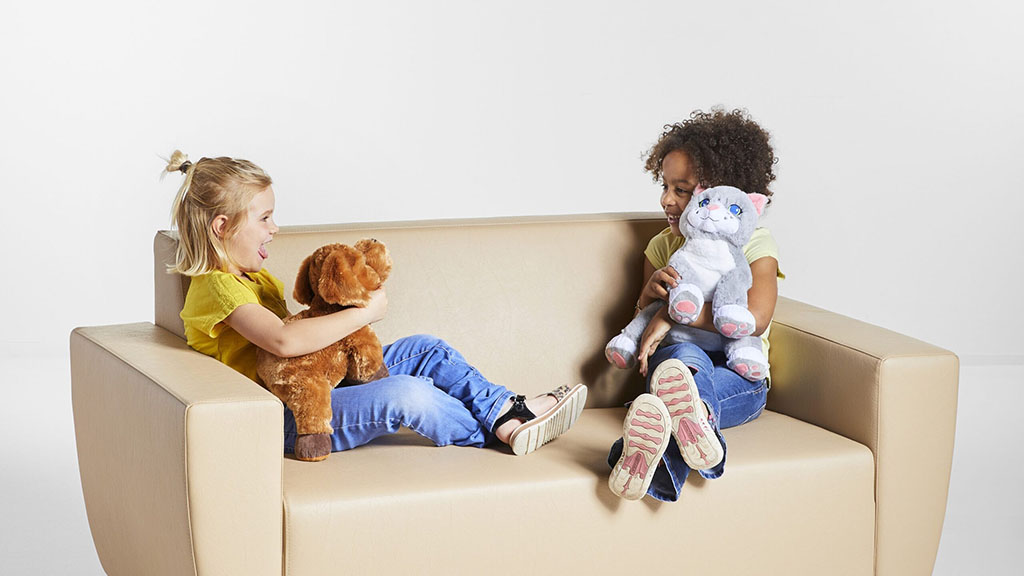
The main theory behind weighted products is deep pressure stimulation (also called deep touch pressure). The idea is simple: steady pressure can signal safety to the nervous system, helping some people feel less restless and more settled.
In real-life use, many users describe:
- less fidgeting
- easier “wind down”
- calmer body feeling
- more comfort during anxiety spikes
Qualitative research on weighted blankets in children describes perceived calming effects and reduced restlessness for some users. PMC+1 Broader reviews also discuss potential effects on relaxation and sleep-related outcomes, though they note limitations in study quality and consistency. Taylor & Francis Online+1
From a product design angle, deep pressure “works” only if the pressure is:
- steady (not shifting beads creating hard spots)
- gentle (not restricting movement)
- predictable (same feel each night)
That’s why weighted stuffed animals can be useful: they offer pressure in a smaller, more targeted way than a blanket. But they can also fail if the weight is poorly distributed or the toy is too heavy for the user.
Here’s how I translate deep pressure into practical design targets:
| Deep Pressure Goal | What the User Feels | What Design Enables It | Common Design Mistake |
|---|---|---|---|
| Gentle “hug” sensation | Calm and grounded | Even weight zones, soft surface | Weight clumps and feels “hard” |
| Reduced fidgeting | Hands stay occupied | Huggable size + stable fill | Plush too small or too stiff |
| Easier wind-down | Settles faster | Quiet materials, no noise parts | Crinkly fabrics or loud add-ons |
| Comfort without restriction | Safe, breathable use | Weight kept moderate | Overweight plush that pins limbs |
| Predictable bedtime routine | “My safe object” | Consistent feel across units | Inconsistent stuffing/weight control |
For sleep products, the best deep-pressure design is not “more weight.” It’s better weight control.
Which weight ranges and distribution are sleep-safe?
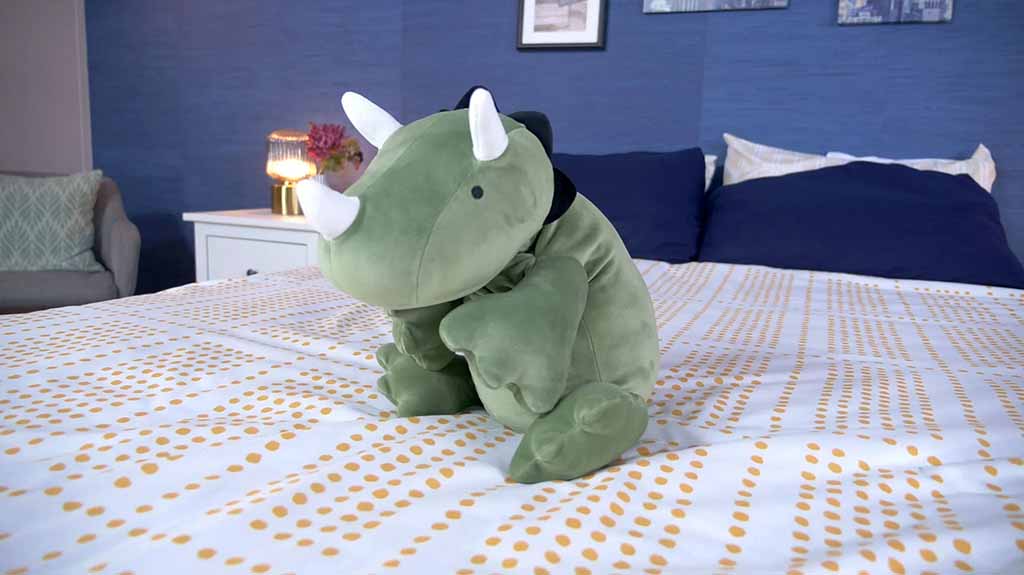
This is the most sensitive part. There is no universal “official” weight rule that covers every weighted plush. Safety depends on the user’s age, body size, mobility, and health. What is “comforting” for one person can be unsafe for another.
Two safety principles matter most:
- The user must be able to move it away independently.
- The plush should not restrict breathing or movement.
This principle becomes critical for infants. The CPSC’s safe sleep guidance is clear: do not use weighted blankets or weighted swaddles for babies. U.S. Consumer Product Safety Commission+1 That tells brands to avoid any “sleep aid” positioning for infants and to keep infant sleep messaging strict.
For toddlers, children, teens, and adults, many brands use a common heuristic such as “around 10% of body weight,” but this is not a single approved standard and should be handled carefully, especially for children. Public guidance from institutions and healthcare sources often warns that weighted products should only be used by people who can remove them, and some safety communications emphasize supervision and consent in child settings. GovDelivery+1
From a manufacturing viewpoint, the distribution design matters as much as total weight:
- Belly-weighted (center mass) feels natural for hugging
- Limb-weighted can feel awkward and may increase pressure on joints
- Multi-pocket weight zones reduce clumping and “hard points”
Here is a practical “sleep-safe design” table I use with buyers:
| Design Factor | Safer Direction | Why It’s Safer | What to Avoid |
|---|---|---|---|
| Total weight | Moderate, user-appropriate | Easier to reposition | Very heavy plush for small users |
| Weight distribution | Center/belly + spread pockets | Reduces pressure spikes | One heavy bag shifting inside |
| Weight material | Smooth pellets/beads in sealed pouches | Less leakage risk | Loose fill without inner containment |
| Surface softness | Smooth, breathable plush | Better face comfort | Scratchy or long-shed fur |
| Movement freedom | Plush should not “pin” body | Reduces restriction risk | Oversized heavy plush on chest |
| Sleep guidance | Clear age + use instructions | Prevents misuse | Marketing to babies (high risk) U.S. Consumer Product Safety Commission+1 |
If you are selling into the USA, I strongly recommend writing safety instructions that reflect the CPSC infant warning clearly and avoid “infant sleep” use cases.
Are weighted plush toys suitable for children and adults?
They can be suitable—but not for everyone, and not for every age.
Infants (0–12 months)
Weighted sleep products are a clear “no.” CPSC safe sleep guidance warns against weighted blankets and swaddles for babies. U.S. Consumer Product Safety Commission+1 AAP leaders have also raised concerns about weighted infant sleep products in public communications. publications.aap.org+1
Toddlers and younger children
Some families use weighted comfort products, but safety must be conservative:
- choose lighter weights
- avoid any product that could trap or restrict
- ensure the child can remove it easily
- consider professional guidance if the child has medical concerns
Teens and adults
This group usually has the best “fit” for weighted comfort products because they can self-regulate use. Research and reviews on weighted blankets often focus on adults and older populations, with some positive outcomes reported for sleep and anxiety. PMC+2ScienceDirect+2
The key point for brands: age grading is not only a label. It should match real design choices.
Here’s a suitability matrix you can use for product planning:
| User Group | Sleep Use Suitability | Main Safety Requirement | Product Design Direction |
|---|---|---|---|
| Infants | Not suitable | Avoid weighted sleep items U.S. Consumer Product Safety Commission+1 | Do not market for infant sleep |
| Toddlers | Cautious / limited | Child can remove; low risk design | Light weight, simple shape |
| Kids (school age) | Possible for some | Supervision if needed | Even distribution + durable pouches |
| Teens | Often suitable | Clear instructions | Multiple weight options by size |
| Adults | Often suitable | Health considerations if any | Premium fabric + stable weight zones |
If you are a retailer brand like Jessica, this table helps you decide what SKUs to carry and how to reduce liability.
What safety guidelines and certifications apply to sleep-use weighted plush?
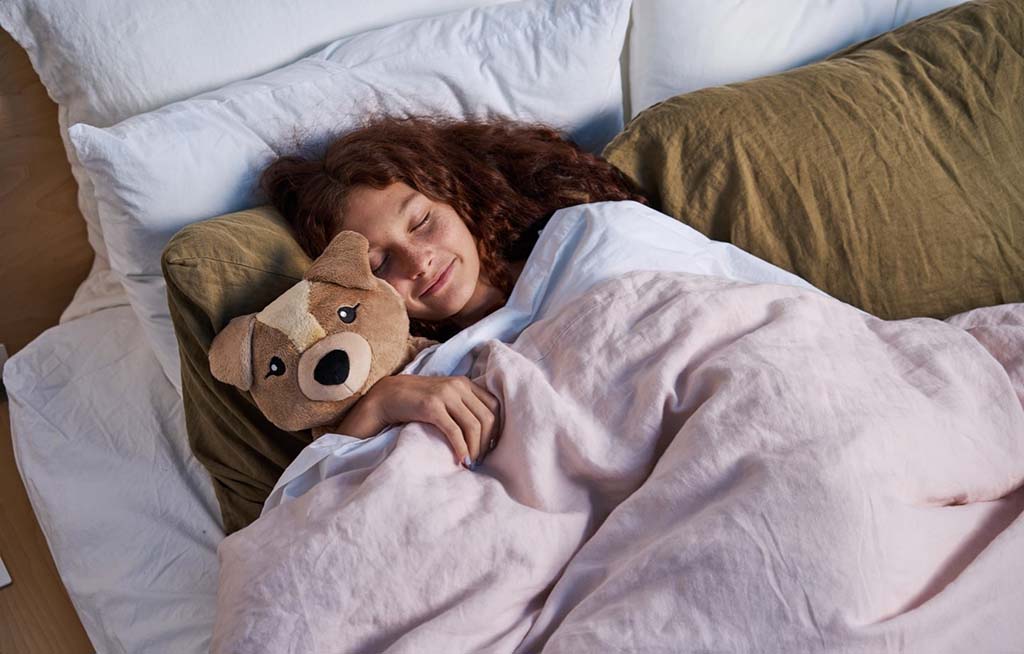
Weighted stuffed animals are still plush toys, so they should follow standard toy safety frameworks, but the weight feature adds additional hazard considerations.
Key safety themes to plan for:
- Seam and pouch integrity (prevent pellet leakage)
- Small parts and choking (especially for young children)
- Labeling and age grading (clear “not for infants” guidance)
- Washability and hygiene (especially if used nightly)
- Packaging warnings (simple and readable)
For infant sleep specifically, the CPSC safe sleep messaging is highly relevant: “Don’t use weighted blankets or weighted swaddles.” U.S. Consumer Product Safety Commission+1 Even though a weighted plush is not a blanket, this guidance signals strong regulator concern around weight in infant sleep contexts. Brands should not try to “work around” this perception.
Also, weighted products for children have had safety incidents in the broader category. For example, the CPSC recall of a children’s weighted blanket cited an asphyxiation hazard involving entrapment. U.S. Consumer Product Safety Commission This does not mean every weighted product is unsafe, but it shows why child-safety design must be serious.
Here is a compliance and safety planning table for buyers:
| Safety/Compliance Area | Why It Matters for Weighted Plush | What to Build Into the Product | What to Build Into Messaging |
|---|---|---|---|
| Pellet containment | Prevent ingestion hazard | Double inner pouches + seam reinforcement | “Stop use if damaged” |
| Seam strength | Weighted stress is higher | Higher stitch density at stress points | Care instructions to reduce damage |
| Age grading | Risk varies by age | Different SKUs by age/size | Clear “not for infants” U.S. Consumer Product Safety Commission+1 |
| Sleep guidance | Prevent unsafe sleep use | Design for lap/hug, not pinning | “Use only if user can remove” |
| Hygiene | Night use needs cleaning | Wash-tested outer + removable insert options | Clear wash steps |
| Market access | Retailers need proof | Lab testing + documentation package | Certifications listed clearly |
For many brands, the safest strategy is to position weighted plush as comfort support (hug/lap use) and keep sleep claims conservative.
How can manufacturers design weighted stuffed animals optimized for sleep?
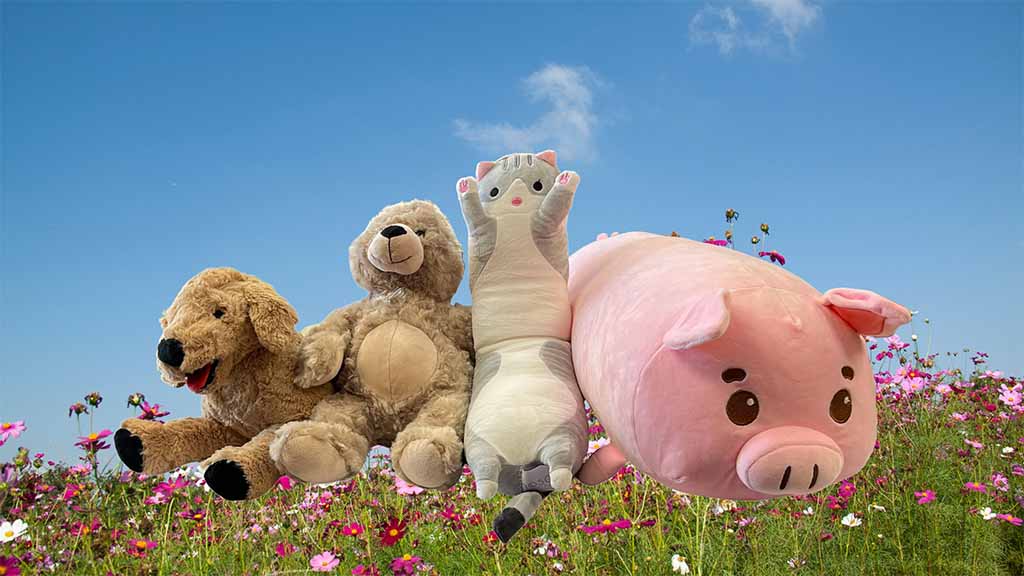
This is where good engineering protects both comfort and safety. A weighted stuffed animal “for sleep” should be optimized for gentle comfort, not heavy pressure.
In our ODM/OEM projects, I focus on six practical design rules:
- Stable weight distribution
Use multiple internal pockets so weight stays even and doesn’t form a hard ball. - Soft, low-irritation surface
Smooth short-pile plush or minky-like fabric often performs best for night contact. - No detachable parts
Use embroidery for facial features, avoid accessories, avoid ribbons. - Controlled total weight options
Offer a size/weight ladder so users choose the right feel without “overweighting.” - Durable internal containment
Double pouches and reinforcement where weight sits (usually belly/hips). - Clear user guidance
Simple warnings and use instructions that reduce misuse risk, especially around children and infants. U.S. Consumer Product Safety Commission+1
Here is an OEM design table that helps brands scale weighted sleep plush successfully:
| Design Goal | How I Build It | Why It Improves Sleep Comfort | Why It Reduces Returns |
|---|---|---|---|
| Gentle, even pressure | Multi-pocket weight zones | No hard spots against skin | Fewer complaints about “lumpy” feel |
| Easy-to-hug proportions | Round belly, soft limbs | Natural hugging posture | Better reviews for comfort |
| Quiet bedtime experience | No crinkle parts, no loud add-ons | Less stimulation | Fewer “annoying noise” reviews |
| Wash-friendly structure | Removable weighted insert or washable shell | Hygiene is easier | Less damage from incorrect washing |
| Strong durability | Reinforced seams + pouch containment | Stays stable after months | Fewer pellet leakage claims |
| Responsible market fit | Age-graded SKUs + clear warnings | Safer use | Lower platform and compliance risk |
If you are building a weighted plush line for sleep, the best business outcome is usually two tiers:
- a light comfort plush (broad audience)
- a heavier sensory plush (older users, clear guidance)
At Kinwin, we can support this with consistent weight control, internal pouch engineering, soft fabric sourcing, and scalable QC steps to keep every unit feeling the same.
Conclusion
Weighted stuffed animals may help some users feel calmer at bedtime, but safe design and responsible age guidance matter most. At Kinwin, we help global buyers develop sleep-comfort plush with stable weight distribution, safe construction, and scalable production quality. Contact me at [email protected] or visit kinwintoys.com to discuss your next project and explore how our factory can support your success.