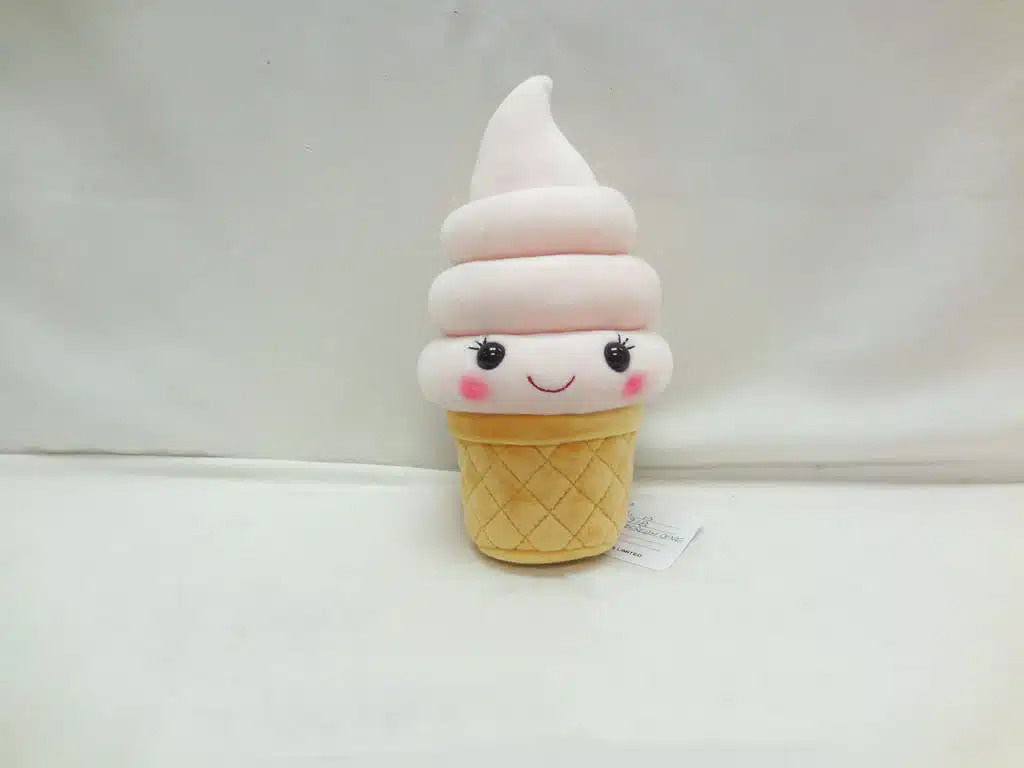
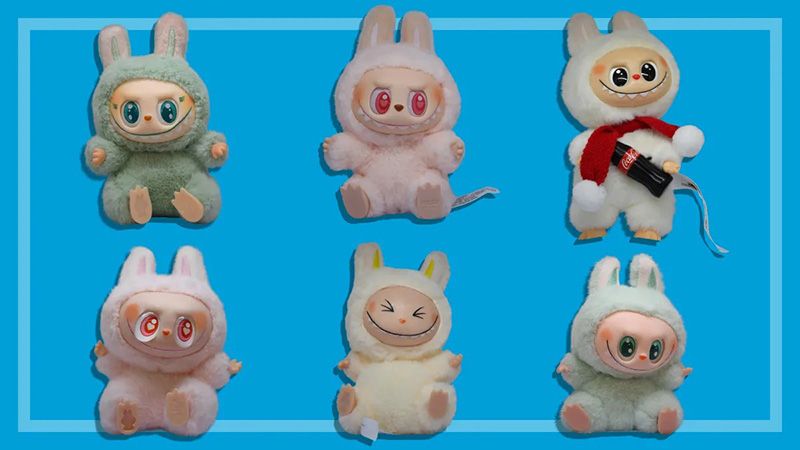
Many cat owners tell me the same story: they buy a cute stuffed toy, the cat sniffs it once, walks away… and goes back to the cardboard box. Other cats drag a plush “prey” around the house, kick it with their back legs, and sleep with it like a pillow. So yes—some cats love stuffed animals, others ignore them, and some only like very specific designs.
I’m Amanda from Kinwin, a plush toy factory in China. I work with brands that design plush for both humans and pets, and I see how much shape, texture, and size matter for cats. In this guide, I’ll explain why cats do or don’t like stuffed animals, what types work best, how to keep toys safe, and how to use enrichment strategies so your cat actually plays with plush instead of just judging it from a distance.
What instincts influence whether cats enjoy stuffed animals?
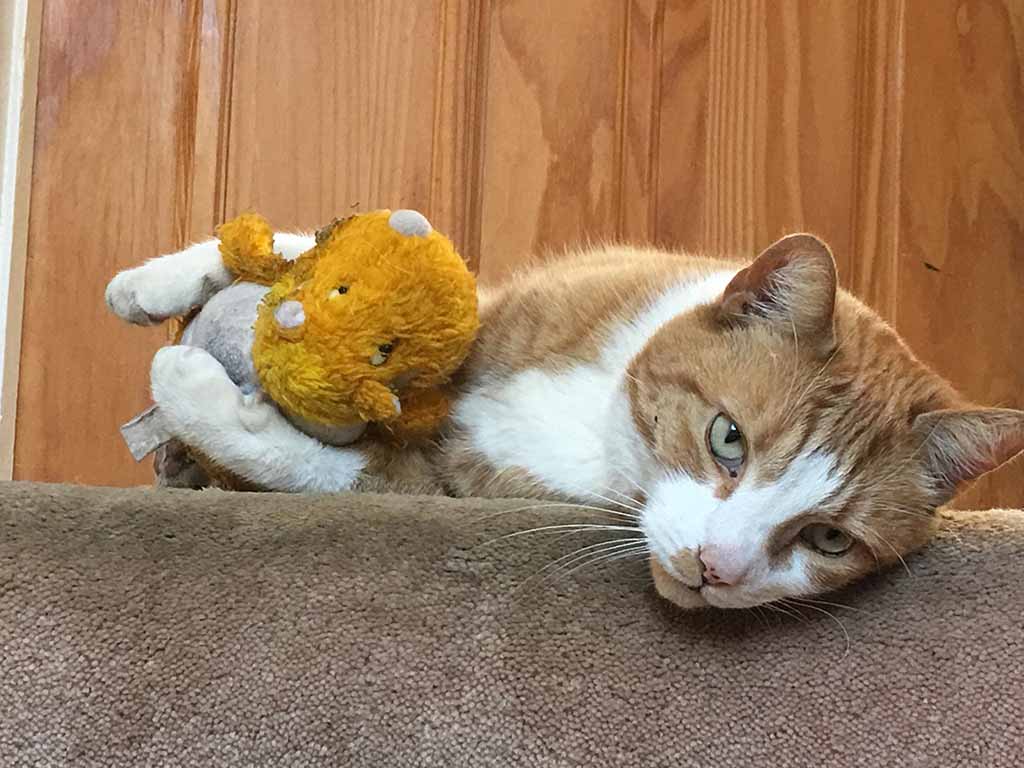
Cats are not small dogs. They don’t play “just because it’s a toy.” Their reaction to stuffed animals comes from deep instincts: hunting, stalking, kicking, and sometimes nurturing. When you understand those instincts, you can choose plush toys that make more sense to your cat.
At a basic level, cats are solitary hunters. They prefer prey that feels “catchable”—the right size, movement, and resistance. Some cats also show mothering or guarding behaviors toward soft objects, especially if they were weaned young or are naturally nurturing.
Key instincts that affect plush interest
| Instinct / Drive | How It Shows Up Around Stuffed Animals | What It Means for Toy Choice |
|---|---|---|
| Prey drive (hunting) | Stalking, pouncing, biting neck, bunny-kicking with back legs | Toys should be prey-sized and easy to “kill” |
| Object play | Batting, tossing, chasing a toy across the floor | Light plush that moves easily and reacts to swats |
| Nurturing / comfort | Carrying toys, meowing while holding them, sleeping beside them | Soft, small plush that are easy to carry in the mouth |
| Territory marking | Rubbing, licking, light nibbling, sleeping on the toy | Toys that hold the cat’s scent feel more “theirs” |
| Curiosity / caution | Sniffing, observing from a distance, slow approach | New toys should smell neutral and not be overwhelming |
Some cats treat stuffed animals as prey. Others treat them as kittens. A few simply see them as “background objects.” The goal is to support the first two positive roles and avoid clutter that the cat finds meaningless.
How do size, texture, and scent affect feline interest in plush toys?
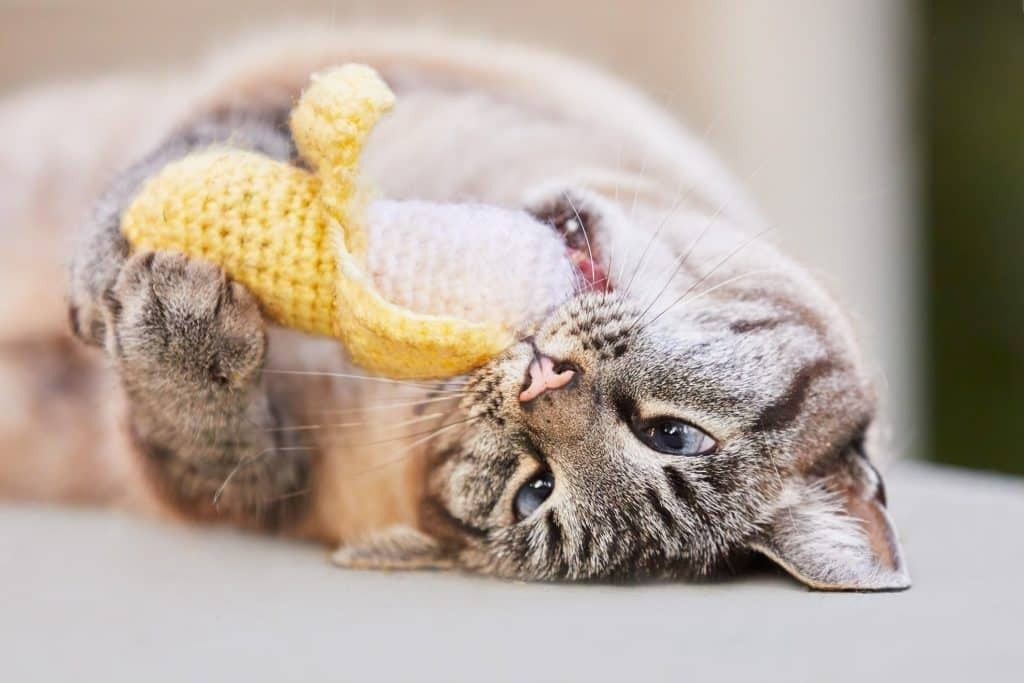
Your cat is very sensitive to detail. What looks like “just another stuffed toy” to you feels very different in your cat’s mouth and paws. Size, texture, and scent can decide whether a toy becomes a favorite or stays ignored in a corner.
For cats, the best stuffed animals usually match small prey size, have a grippable but soft texture, and smell either neutral or pleasantly interesting (for example, catnip added by you). Very large, heavy, or highly perfumed plush toys are often less appealing.
Size and weight
- Many cats prefer toys roughly similar to mice, birds, or small rabbits.
- Toys should be light enough for the cat to pick up, carry, and toss.
- Oversized plush can still work as “wrestle buddies” for kicking, but often for stronger or more active cats.
Texture
- Slightly textured plush, felt, or fabric makes it easier for claws and teeth to grip.
- Very slippery surfaces can be harder to catch and hold.
- Long fur can be fun to grab, but you must watch for shedding fibers and safety.
Scent
- Factory-fresh toys should smell mild and neutral.
- Many cats respond more when owners add catnip, silver vine, or valerian (if appropriate for that cat).
- Strong artificial perfumes can be off-putting and may cause the cat to avoid the toy.
Size, texture, and scent at a glance
| Factor | More Likely to Attract Cats | More Likely to Reduce Interest |
|---|---|---|
| Size | Small to medium, easy to carry in mouth | Very large plush that is hard to grab or drag |
| Weight | Light, responsive when batted or kicked | Heavy toys that barely move when pawed |
| Texture | Textured or soft plush with some grip | Very smooth or stiff fabric with little feedback |
| Scent | Neutral smell, optionally owner-added catnip or similar | Strong perfumes, chemical or dusty smells |
| Sound (if any) | Soft crinkle or gentle sound inside (for some cats) | Loud squeakers meant for dogs (may startle cats) |
If a plush toy looks perfect but your cat ignores it, try rubbing it with a blanket the cat likes or sprinkling a bit of catnip on it. Often scent is what “activates” the toy for a cat.
Which stuffed animal designs best stimulate natural hunting behaviors?
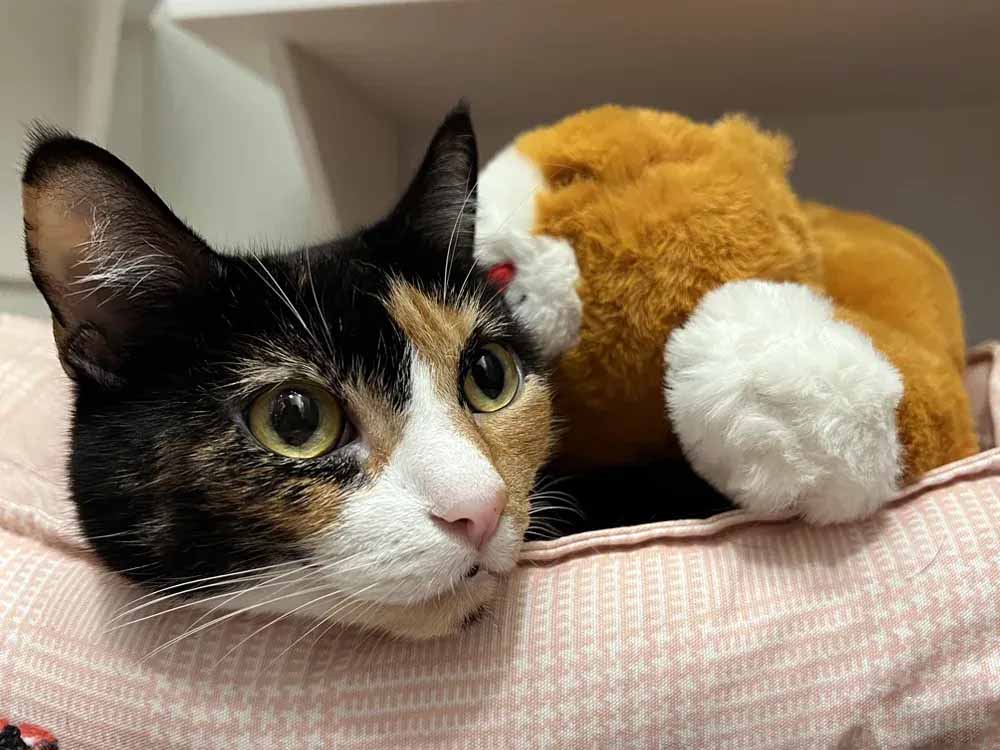
Many cats enjoy stuffed animals most when the toys let them perform the full hunting sequence: stalk, chase, catch, bite, and “kill.” If a toy is too big, too stiff, or too passive, the game feels incomplete.
Good hunting-style plush toys are prey-shaped, easy to move, and sometimes connected to a wand or string so you can simulate fleeing prey. Designs that mimic birds, mice, fish, or small mammals often work best.
Design elements that support hunting play
- Prey-like shapes – mice, small birds, fish, or simplified small animals.
- Moveable parts – tails, ears, or strings that flick when the toy moves.
- Lightweight bodies – easy for the cat to flip into the air.
- Kickable size – long enough for the cat to hug with front paws and kick with back legs.
Standalone vs. interactive plush
- Standalone plush (no strings) – good for solo play, carrying, and wrestling.
- Plush on wands – ideal for interactive play; you control the motion, height, and speed.
- Plush with elastic or string attachments – can simulate prey that bounces or “escapes.”
Hunting-style design comparison
| Design Type | How It Stimulates Hunting Behaviors | Best Use Case |
|---|---|---|
| Small mouse/bug-shaped plush | Fits in mouth, easy to bat and chase | Independent play, stalking around the house |
| Long “kick toy” plush | Encourages front-grab + back-leg bunny kicking | Active cats that like wrestling with prey |
| Feather or tail attachments | Mimic bird or small animal movement | Chasing and pouncing when toy is dragged or tossed |
| Wand toys with plush | Lets you control “prey” behavior (fleeing, hiding) | Interactive play, bonding time with owner |
| Crinkle or soft sound inside | Adds feedback when bitten or pounced | Many cats enjoy extra sensory response |
If you view the stuffed animal as a tool to trigger hunting, you will choose shapes and sizes that feel more “alive” to your cat, not just cute to humans.
How do age, personality, and breed shape a cat’s toy preferences?
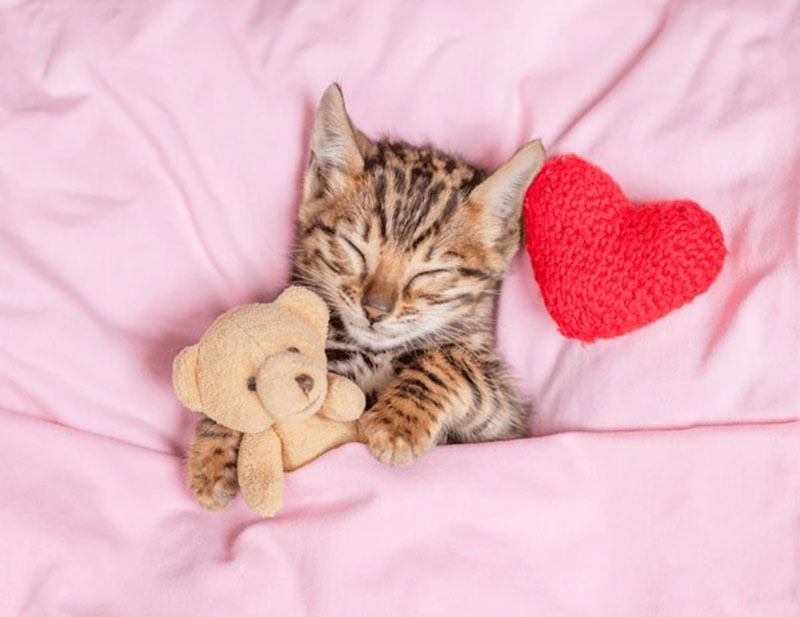
Just like people, cats have different personalities. One cat may stalk anything that moves; another may prefer to nap and only play for a few minutes a day. Age also changes energy levels and joint comfort, which affects interest in stuffed animals.
When you think about your cat, consider life stage + personality + body type. The “best” plush toy for a fearless young Bengal will look very different from the best option for a shy senior cat.
Age and energy level
- Kittens – usually high energy; enjoy chasing and wrestling with many small plush toys.
- Young adults – still active, may like more challenging play and larger “kick” toys.
- Mature adults – prefer predictable games; may focus on a few favorite plush toys.
- Seniors – often lower energy; may use plush more for comfort than intense play.
Personality traits
- High-prey-drive cats – love hunting-style plush, frequent play sessions.
- Shy or cautious cats – may prefer softer, quieter toys and slower movements.
- Social cats – enjoy interactive toys you move for them, plus soft toys to cuddle.
- Independent cats – may prefer toys they can bat around alone, especially at night.
Breed tendencies (general, not strict rules)
- Active breeds (Bengal, Abyssinian, Siamese types) often enjoy dynamic plush play and wand toys.
- Laid-back breeds (Ragdoll, British Shorthair) may prefer soft, cuddly plush and gentle hunting games.
- Oriental and vocal breeds sometimes “chat” to plush toys and carry them around like important prey.
Age, personality, and breed overview
| Factor | Likely Plush Preference | Tips to Match Toy to Cat |
|---|---|---|
| Kittens | Small, light, easy-to-chase plush | Offer variety and rotate toys often |
| Young active cats | Kick toys, wand toys with plush prey | Combine solo toys with interactive sessions |
| Adult relaxed cats | Soft, medium-sized plush for gentle play and cuddling | Use simple games; avoid overstimulation |
| Senior cats | Very soft, light plush; maybe lightly filled with catnip | Keep sessions short; focus on comfort |
| High-prey-drive | Realistic prey shapes, fast-moving toys | Use wand toys to satisfy hunting needs |
| Shy cats | Quiet plush, slow motions, smaller toys | Let them approach toys at their own pace |
Knowing your cat’s style will save you money on toys that stay in the basket and help you pick plush animals that actually fit their natural preferences.
What safety considerations matter when choosing plush toys for cats?
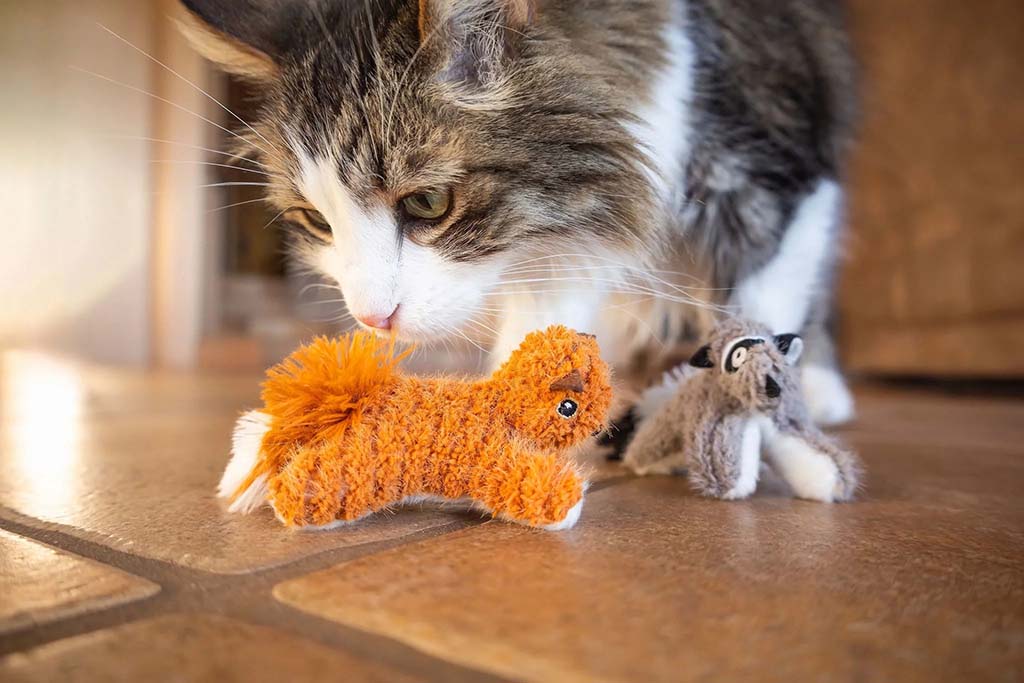
When we talk about stuffed animals for pets, safety is not just about not breaking. It’s also about what happens when the toy does eventually tear. Cats bite and claw; over time, even well-made plush can open up. Good design lowers the risk of dangerous pieces being swallowed.
For cats, safety means: no small parts that can detach, no loose threads that can wrap around body parts, non-toxic materials, and well-contained stuffing. You should also check that the toy size is appropriate—small enough to carry, but not so tiny that it can be swallowed whole.
Key safety points
- Eyes and noses – embroidered or firmly attached; avoid hard glued pieces that can pop off.
- Stuffing – tightly contained; if a seam opens, remove the toy until it’s repaired or replaced.
- Strings and ribbons – limited length; long threads can wrap around tongues or limbs.
- Internal elements – if there is crinkle film, bells, or small components, they must be fully sealed inside tough pockets.
Safe vs risky features for cat plush
| Feature Area | Safer Choice for Cats | Higher-Risk Features to Avoid or Monitor |
|---|---|---|
| Facial features | Embroidered eyes and nose | Plastic buttons, glued-on gems, loose beads |
| Seams | Strong stitching, no obvious gaps | Weak seams that open easily under biting |
| Filling | Soft fiberfill in sturdy shell | Loose beads or pellets that spill if torn |
| Decorations | Minimal, sewn-on, short trims | Long ribbons, string, feathers that detach easily |
| Size | Toy larger than a cat’s mouth but still carry-able | Very tiny plush that can be swallowed whole |
| Materials | Non-toxic fabrics and dyes, no strong chemical smell | Harsh chemical odor, unknown coatings |
If you see your cat chewing aggressively on a plush toy and starting to tear it, treat that toy like a consumable item—remove it once damaged and offer something more durable or designed for heavy chewing.
How do enrichment strategies increase a cat’s engagement with stuffed animals?
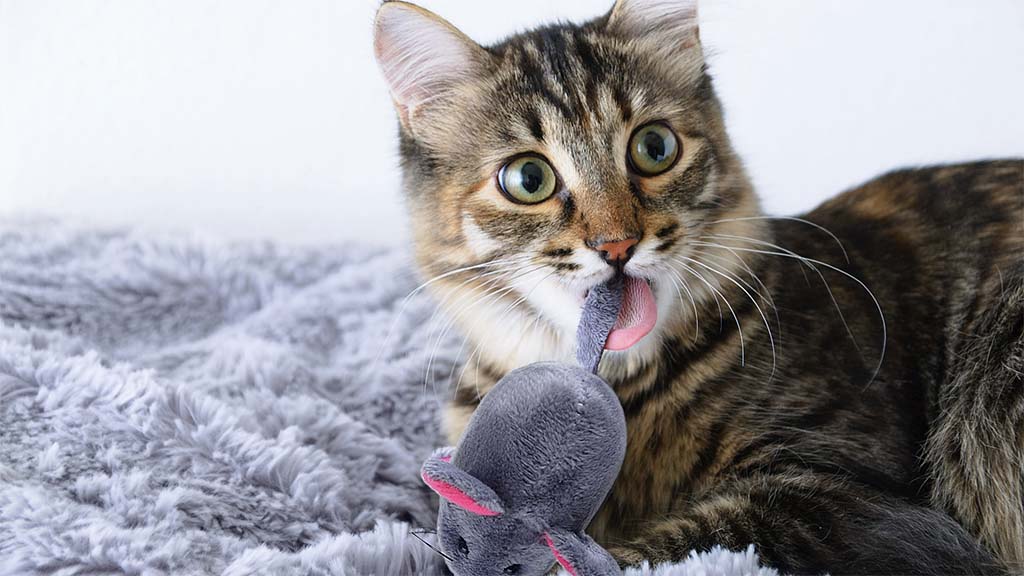
Buying the right stuffed animals is only half of the story. The way you present and use those toys can dramatically change how your cat responds. Cats need variety, movement, and a bit of mystery. A plush toy that just sits in one place for weeks quickly becomes part of the “furniture” in their eyes.
Enrichment is about making your cat’s environment more interesting in a safe way. With plush toys, that means rotating toys, adding scent, mixing independent and interactive games, and using plush as part of daily routines.
Practical enrichment strategies
- Toy rotation
- Keep some toys hidden and only bring them out at certain times.
- Rotate the selection every few days so each plush feels “new” again.
- Scent boosting
- Store plush toys in a container with dried catnip or silver vine (if your cat reacts well).
- Rub toys lightly with a blanket or bed your cat already loves.
- Interactive sessions
- Attach small plush toys to wand rods or safe strings for joint play.
- Move the toy like a real prey—fast, slow, hide, then “escape” again.
- Hunting games
- Hide plush toys around the room or in paper bags for your cat to discover.
- Reward “captures” with a treat or extra affection.
- Comfort use
- For more anxious cats, keep a favorite plush near resting spots.
- Avoid forcing interaction; let them use the toy as a pillow or “friend” if they wish.
Enrichment ideas at a glance
| Strategy Type | How You Use Stuffed Animals | Benefit for Your Cat |
|---|---|---|
| Rotation | Change available plush toys regularly | Prevents boredom and keeps interest high |
| Scent enrichment | Add catnip scent or owner scent to plush | Makes toys more inviting and familiar |
| Interactive play | Use plush on wands or strings in short daily sessions | Satisfies hunting instincts, builds bond |
| Hiding & seeking | Hide plush as “prey” in safe spots | Encourages exploring and mental stimulation |
| Comfort support | Place soft plush near safe resting areas | Offers extra security for shy or anxious cats |
With a little creativity, stuffed animals can become a flexible part of your cat’s daily enrichment plan, not just decorative objects.
Conclusion
Some cats love stuffed animals, some ignore them, and some choose one special plush “prey” or “baby” they carry for years. When you think like a cat—about instincts, size, texture, scent, safety, and enrichment—you can choose and use plush toys in a way that supports real hunting play, comfort, and mental stimulation instead of random clutter.
As a plush manufacturer, my team at Kinwin helps brands design stuffed animals that are not only cute for humans but also functional for real animal behavior—from prey-shaped mini plush to softer comfort toys for more sensitive pets. If you’re planning a cat-focused plush line or a mixed pet collection and want to turn behavioral insights into better product design, you’re very welcome to contact me at [email protected] or visit kinwintoys.com to explore how our factory can support your next project.