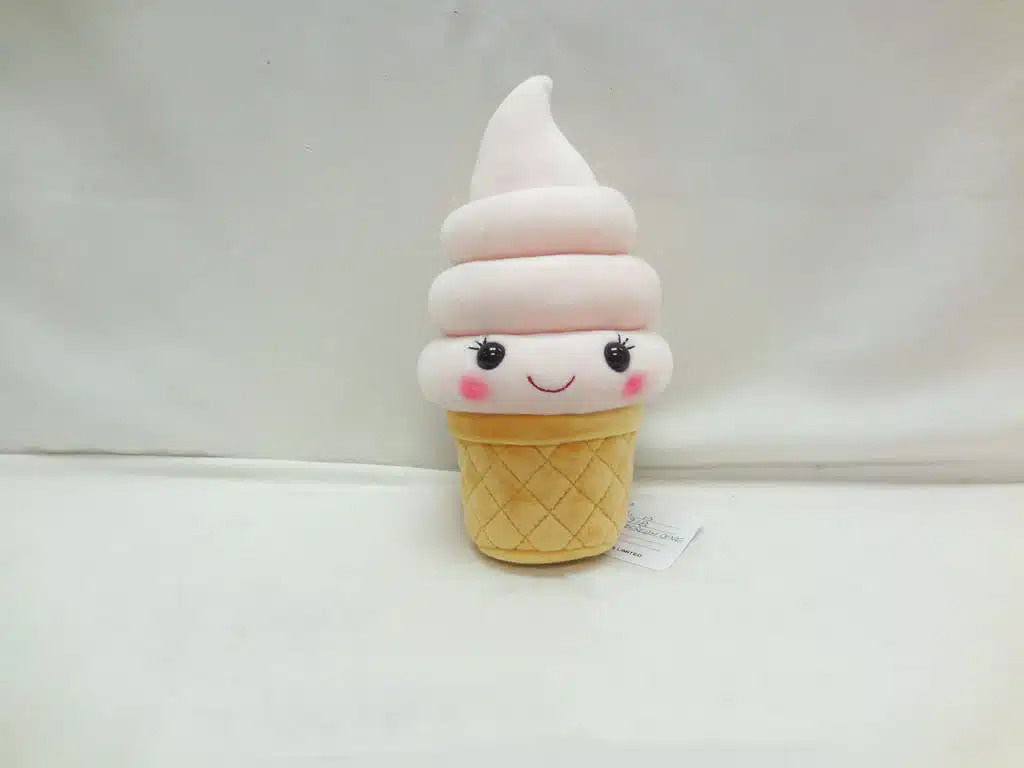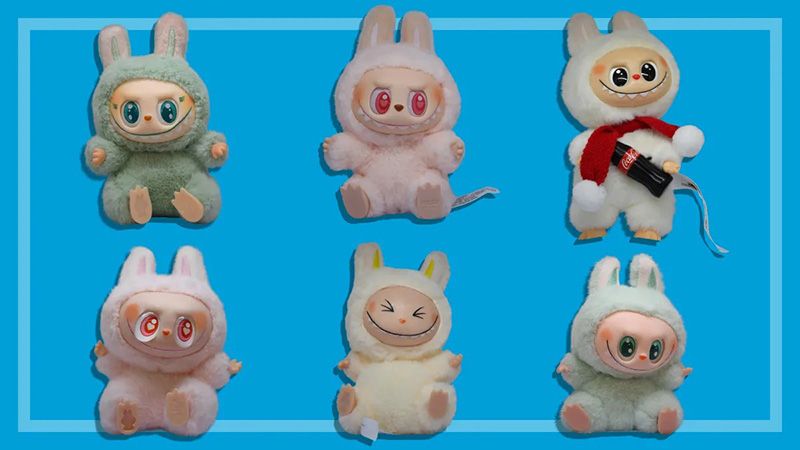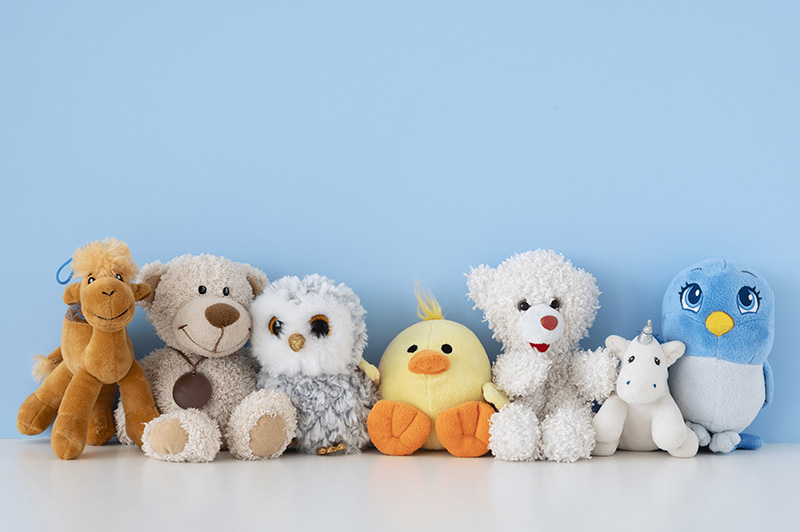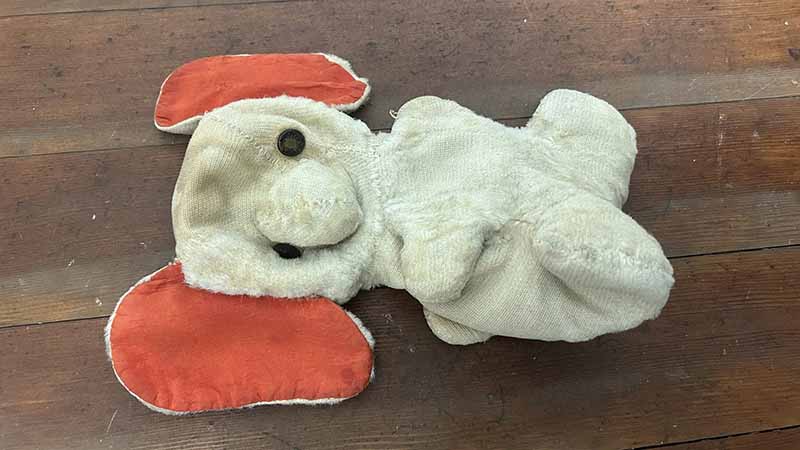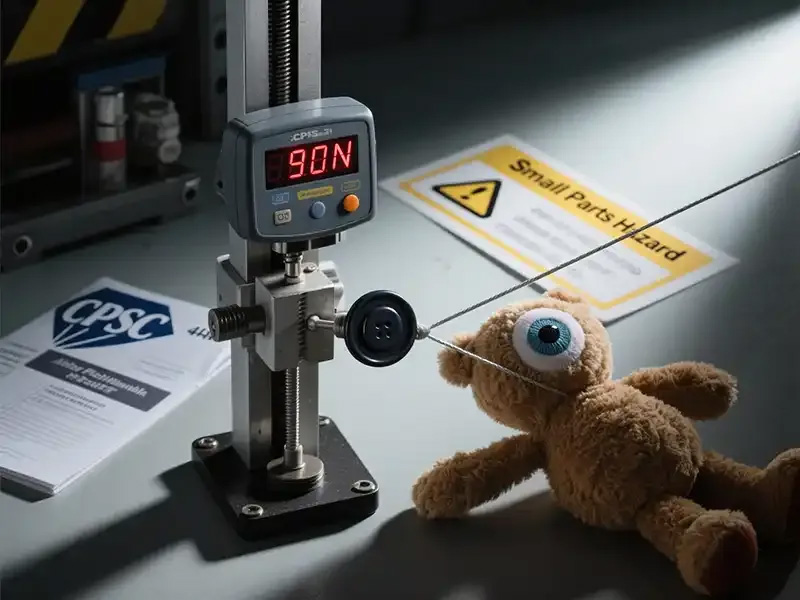
Many rabbit owners ask this because bunnies can look surprisingly gentle with a plush—nuzzling it, grooming it, or lying beside it. I’m Amanda from Kinwin, and I’ll explain what rabbits typically do with stuffed animals, when it can help enrichment, and when it becomes a chewing and blockage risk.
In most homes, rabbits can interact with stuffed animals, but they don’t “need” them the way humans imagine. The toy can be comforting for some rabbits, especially if it supports natural behaviors like nudging, digging, carrying, or resting. The big warning is chewing: fabric, threads, and stuffing can be swallowed and may cause gut obstruction, so plush toys should be chosen carefully and supervised—especially for heavy chewers. RSPCA+2RSPCA Knowledgebase+2
Do rabbits naturally interact with stuffed animals in domestic environments?
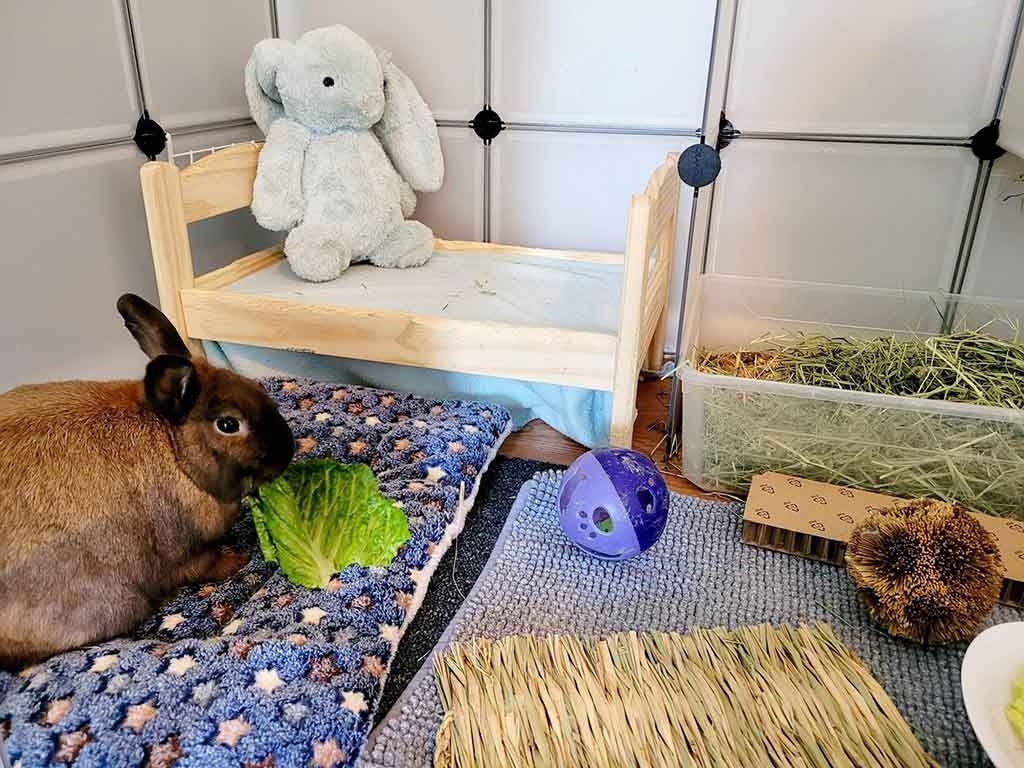
Rabbits are curious and social animals. In a domestic setting, many rabbits investigate soft objects by sniffing, nudging, chin-rubbing (scent marking), and sometimes grooming or “cuddling” beside the item. That said, a rabbit’s interest depends on personality, social needs, and how enriched the home is.
Some rabbits treat a plush like a comfort object—especially if they are anxious, newly adopted, or adjusting to a new space. Others ignore plush toys completely and prefer tunnels, cardboard, or chew items that better match their natural behaviors. Enrichment in general is important for rabbit welfare and can help reduce boredom and stress-related behaviors. Vets Now+2Vetafarm+2
What I suggest owners watch for is the rabbit’s “interaction style”:
- Nuzzle/groom/rest: often low risk if the plush is sturdy and the rabbit isn’t chewing it.
- Dig/throw/carry: still possible, but you must check seams and loose parts frequently.
- Chew/tear/eat fibers: higher risk—plush may not be appropriate.
| Bunny behavior with plush | What it usually means | Risk level | What to do next | Best alternative if chewing starts |
|---|---|---|---|---|
| Sniffing + chin rub | Normal exploration and scent marking | Low | Let them explore briefly | Cardboard tubes and boxes PetMD |
| Nuzzling + resting beside | Comfort or “buddy” behavior | Low–Medium | Use only sturdy, simple plush | Soft fleece comfort item (supervised) RSPCA+1 |
| Grooming the plush | Social behavior transfer | Medium | Check for loose fibers daily | Woven grass mats / safe chew toys Rabbit.org Foundation |
| Digging/throwing | Play and energy release | Medium | Choose reinforced seams, no parts | Tunnels and paper-based enrichment RSPCA+1 |
| Chewing seams or fabric | Natural chewing + boredom/stress | High | Remove plush, switch toys | Hardwood/cardboard/willow chews Rabbit.org Foundation+1 |
What plush materials and textures are safe for rabbits to chew and nuzzle?
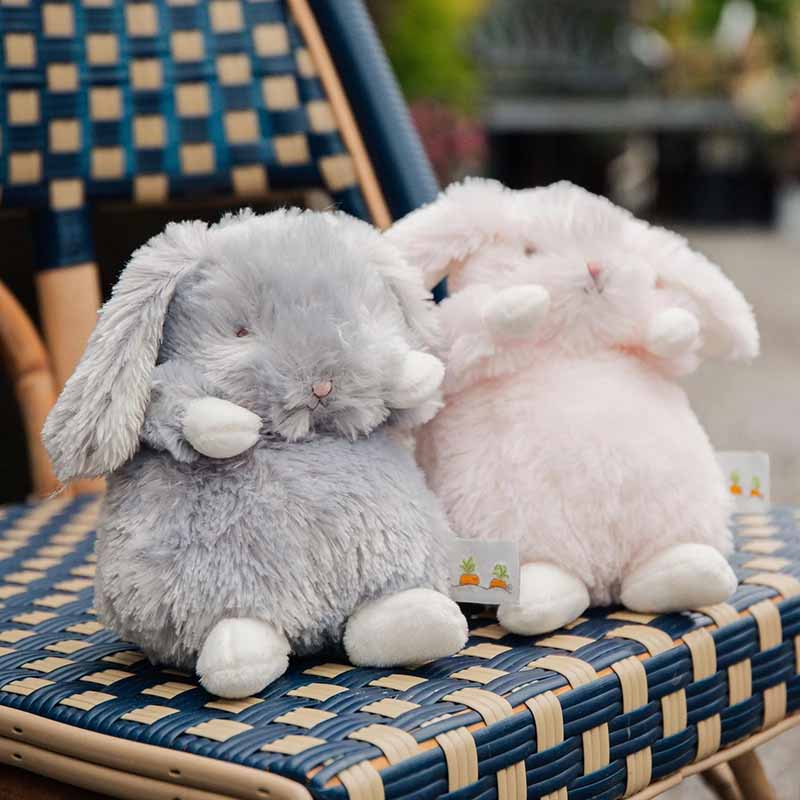
Here’s the hard truth: no plush fabric is truly “safe to eat.” Rabbits are not meant to ingest synthetic fibers, and even natural fibers can cause serious problems if swallowed in strands. That’s why many animal welfare sources warn owners to be careful with fabrics and supervise use, because eating fabric can harm rabbits. RSPCA+1
So the practical goal is not “safe to chew,” but lower-risk for nuzzling and lower-shedding if a rabbit nibbles. Many rabbit organizations and guidance pages emphasize selecting safe chew materials like untreated wood, cardboard, paper, and certain natural woven items—because rabbits will chew, and these are generally safer than textiles if small amounts are ingested. Rabbit.org Foundation+1
If an owner still wants a plush-style comfort item, choose:
- Short-pile surfaces that shed less
- Strong seam construction
- No long threads, tassels, or loose trims
- No foam pieces or bead filling accessible through seams
Some rabbit groups note fleece is often used as a safer bedding choice because it tends to shed short fibers, but supervision still matters if the rabbit is actively eating fabric. 芝加哥兔子之家+1
| Material/texture | Best use with rabbits | Why owners choose it | Main risk | My recommendation |
|---|---|---|---|---|
| Short-pile plush (smooth) | Nuzzling/resting | Lower shedding, easy to inspect | Still chewable | Use only for non-chewers; supervise |
| Fleece-like surface | Bedding/comfort | Often used in rabbit care; soft | Some rabbits eat it | Offer with supervision; remove if eaten RSPCA+1 |
| Chenille/long fuzzy yarn | Comfort feel | Very soft touch | Higher fiber shedding | Not ideal for rabbits that nibble |
| Loose boucle/loop textures | Sensory texture | “Teddy” look | Loops can pull and be swallowed | Avoid for active chewers |
| Natural chew materials (wood/cardboard/paper) | Chewing and enrichment | Matches natural behavior | Must be non-toxic/untreated | Better “chew-first” option Rabbit.org Foundation+1 |
How do size, weight, and shape affect bunny engagement and comfort?
For rabbits, the best toy shape supports natural actions: nudging, pushing, carrying (for some), and resting beside. If the plush is too large, it becomes background clutter. If it’s too small, it can be tossed around—and if it has loose edges, it may trigger chewing.
From a product design view, rabbits engage more when the plush has:
- A low center of gravity (doesn’t topple strangely)
- A stable “resting posture” (so the rabbit can lean on it)
- Smooth contours (less seam exposure at corners)
Weight is tricky. A slightly weighted base can make a toy feel stable, but weight inserts must be rabbit-safe and fully sealed. For most rabbit comfort toys, soft stability is better than hard weight.
| Design parameter | What usually works best | Why it helps rabbits | What to avoid | Safer design approach |
|---|---|---|---|---|
| Size | Small-to-medium, easy to nudge | Encourages interaction | Oversized clutter | Offer two sizes: “rest buddy” + “push toy” |
| Shape | Rounded, simple silhouette | Fewer chew points | Spiky ears/long tails | Shorter appendages, reinforced seams |
| Weight | Light, stable | Easy movement without frustration | Hard weighted pellets accessible | If stability needed, use safe internal structure + double seam |
| Surface area | Smooth panels | Easier to inspect | Too many patches | One signature patch max |
| Symmetry | Balanced left/right | Looks calm; sits evenly | Twisted limbs | Pattern control so it “rests” naturally |
Are stuffed animals beneficial for rabbit enrichment and stress reduction?
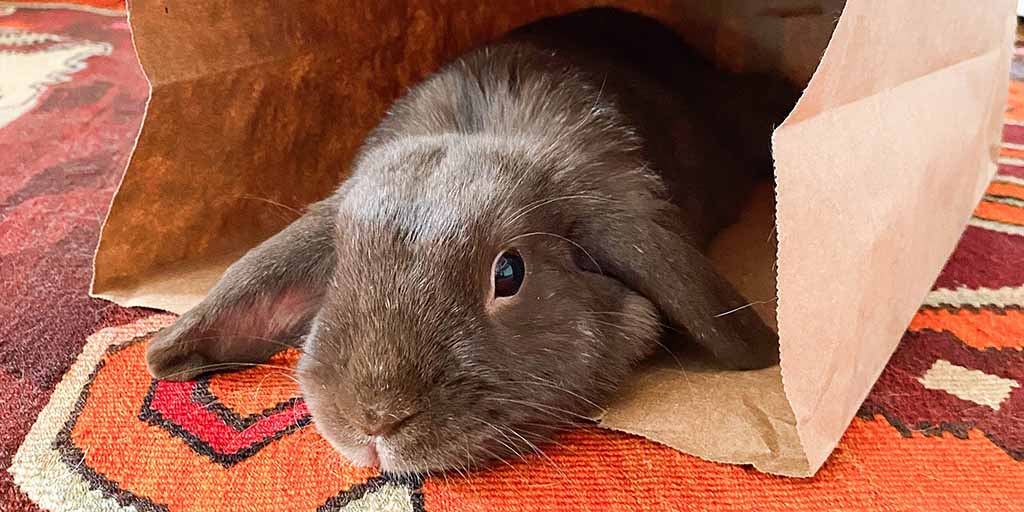
They can be, but only in the right situation. Enrichment matters because rabbits need opportunities to explore, forage, chew, and move. Without enrichment, rabbits may become bored or show unwanted behaviors. Vetafarm+2RSPCA+2
A stuffed animal may help with:
- Comfort: a soft object to rest beside
- Security: something familiar in a new space (some owners use familiar items during travel or emergencies) House Rabbit Society
- Gentle interaction: nudging, grooming, or resting
But a plush toy is rarely the best “main enrichment.” Many rabbit care sources recommend chew-safe and behavior-based toys like cardboard, paper, untreated wood, and woven natural materials, because chewing is a natural need. Rabbit.org Foundation+1
So I position plush as an optional comfort item, not a substitute for proper rabbit enrichment.
| Potential benefit | When it’s real | What owners might observe | When it’s not helpful | Better enrichment pairing |
|---|---|---|---|---|
| Comfort buddy | Calm rabbits, non-chewers | Resting beside it | Rabbit ignores it | Add hideouts/tunnels RSPCA |
| Stress easing during change | New home, post-move | Less pacing, more resting | Rabbit becomes destructive | Add routine-based enrichment Vets Now |
| Gentle play | Curious rabbits | Nudging, chin rub | Rabbit chews seams | Switch to chew-safe toys Rabbit.org Foundation+1 |
| Social substitute | Single rabbits (varies) | Grooming behavior | Over-attachment or aggression | Increase interaction + enrichment variety Vets Now |
| Photo/gifting value | Owner-driven | “Cute” presentation | Not for rabbit’s needs | Focus on rabbit welfare first |
What risks should owners consider when introducing plush toys to bunnies?
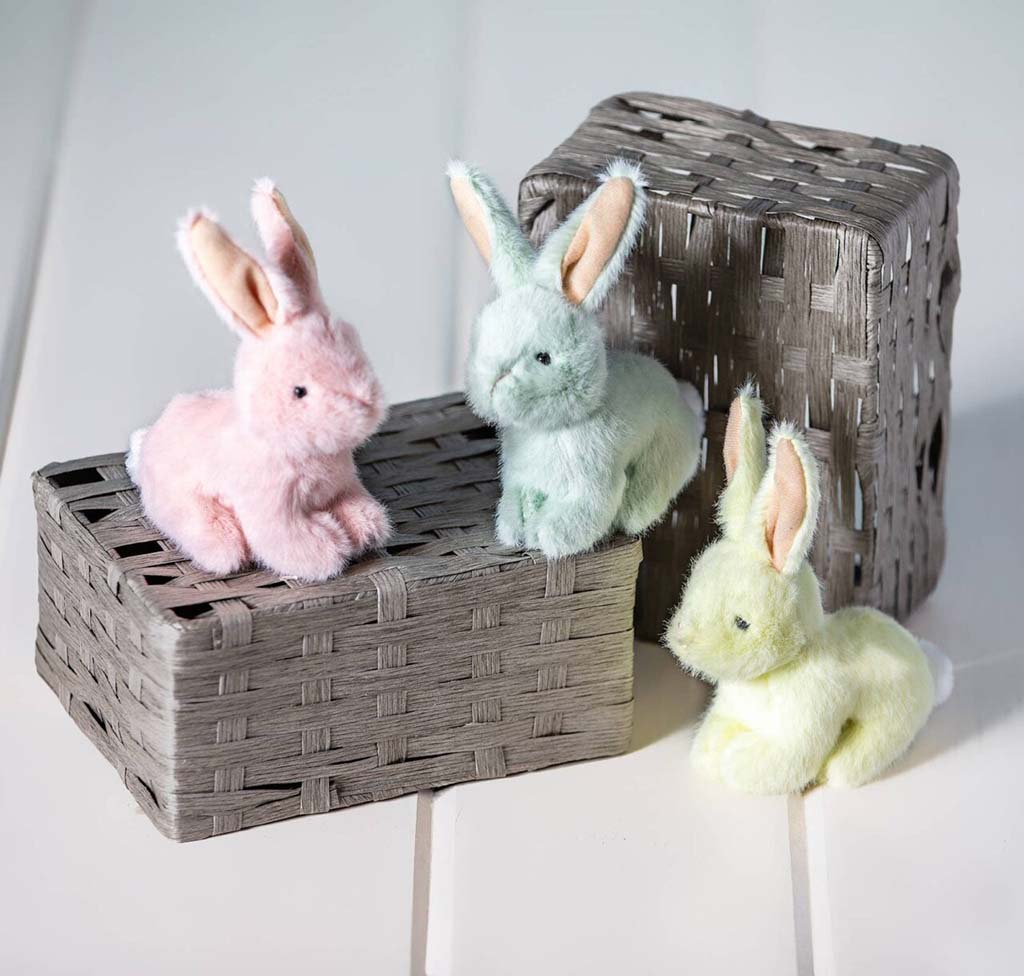
The biggest risk is ingestion. Rabbits that chew fabric can swallow fibers or stuffing, and gut obstruction is a serious concern. That’s why multiple welfare sources warn about fabric items being harmful if eaten, and recommend caution and supervision. RSPCA+1
Other common risks:
- Loose parts: plastic eyes, ribbons, buttons can be swallowed (also a general toy safety rule for rabbits) RSPCA
- Thread hazards: long threads can wrap or be swallowed
- Hidden stuffing access: once a seam opens, rabbits can pull out fill quickly
- Dyes/finishes: unknown chemical finishes are not ideal for animals that mouth objects
A simple “first introduction” protocol helps:
- Offer plush for short supervised sessions.
- Watch chewing style for 5–10 minutes.
- If the rabbit targets seams, remove the plush immediately.
- Rotate safer toys to meet chewing needs. Rabbit.org Foundation+1
| Risk | Why it matters | Early warning sign | Immediate action | Prevention rule |
|---|---|---|---|---|
| Fiber ingestion | Blockage risk | Rabbit pulls threads | Remove plush | Use plush only for non-chewers RSPCA+1 |
| Loose small parts | Swallowing hazard | Biting eyes/tag ends | Remove and inspect | No hard eyes, no buttons RSPCA |
| Seam failure | Quick access to fill | Picking at seams | Remove, repair, discard | Reinforced seams + QC checks |
| Dye transfer | Mouth/skin exposure | Wet chewing marks | Remove, wash, reassess | Use controlled, tested dyes |
| Overstimulation | Territorial behavior | Grunting/guarding | Remove, reintroduce later | Introduce slowly; rotate items RSPCA Knowledgebase |
How can manufacturers design rabbit-safe plush toys for the pet market?
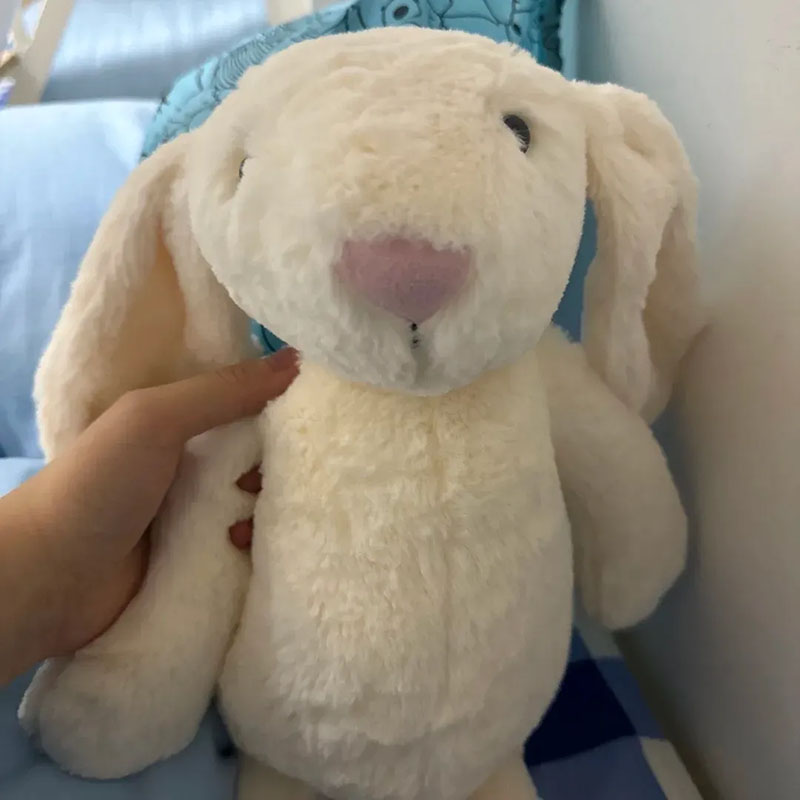
For the pet market, the design target changes. You’re not building a child’s cuddle toy. You’re building a supervised comfort item with extra durability and fewer failure points. I also recommend brands avoid absolute claims like “chew-proof” for plush, because rabbits can chew through many materials when motivated. Oxbow Animal Health
If I design a rabbit-focused plush concept, I prioritize:
- No hard plastic parts (embroidered face only)
- Minimal trims (no ribbons, tassels, hanging loops)
- Short-pile surface to reduce loose fiber
- Reinforced seams and stress-point stitching
- Safer internal build (no foam chunks, no exposed pellets)
- Clear usage guidance: “supervised comfort toy,” plus a warning for chewers
At Kinwin, we would standardize the spec so B2B buyers can scale:
- One approved fabric and thread set
- Defined seam strength rules
- Incoming material checks (odor, shedding, seam performance)
- Packaging that includes a simple safety insert and usage notes aligned with welfare advice (supervise fabrics; prioritize chew-safe alternatives if the rabbit eats textiles). RSPCA+2Rabbit.org Foundation+2
| Design element | Rabbit-safe direction | Why it reduces risk | QC focus | Retail benefit |
|---|---|---|---|---|
| Face details | Embroidery only | No swallowable parts | Stitch density check | “Safe-look” trust RSPCA |
| Surface | Short pile, low-shed | Less loose fiber | Rub/shedding test | Cleaner appearance |
| Seams | Reinforced + tighter stitch | Slower seam failure | Pull and stress check | Fewer complaints |
| Trims | Minimal or none | Fewer snag points | Trim audit | Simpler, stronger SKU |
| Filling | Stable, non-crumb | Less messy if damaged | Seam containment check | Better home experience |
| Labeling | Clear supervised-use guidance | Sets expectations | Insert accuracy | Lower refund disputes |
Conclusion
Some bunnies do enjoy stuffed animals as comfort items, but safety depends on chewing behavior, supervision, and strong low-shed construction. At Kinwin, we help pet brands develop rabbit-focused plush designs with safer materials, reinforced seams, and clear consumer guidance. Contact me at [email protected] or visit kinwintoys.com to discuss a pet plush project and how our factory can support your success.