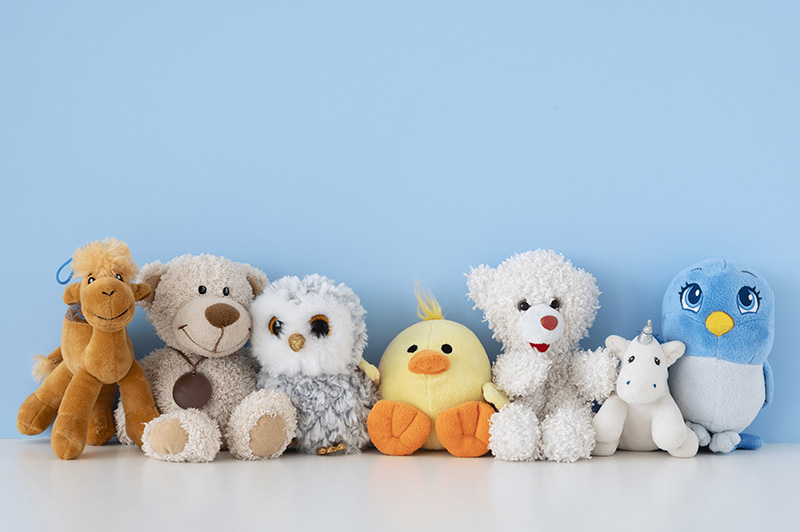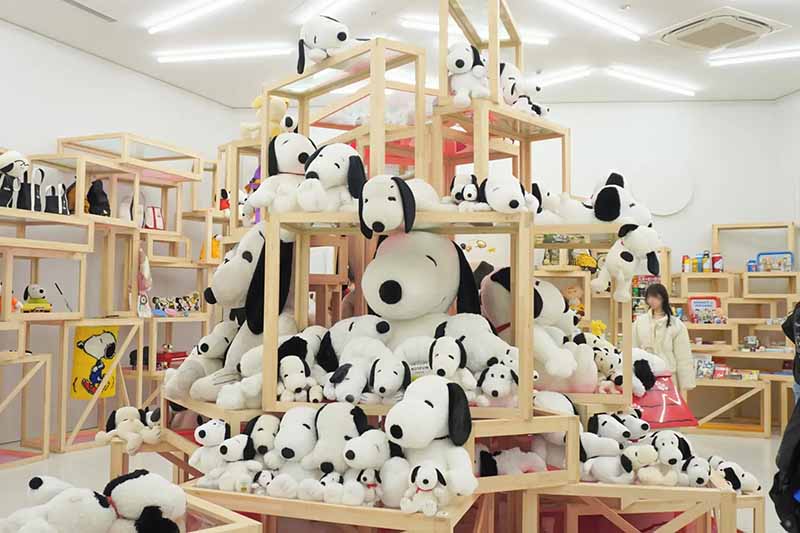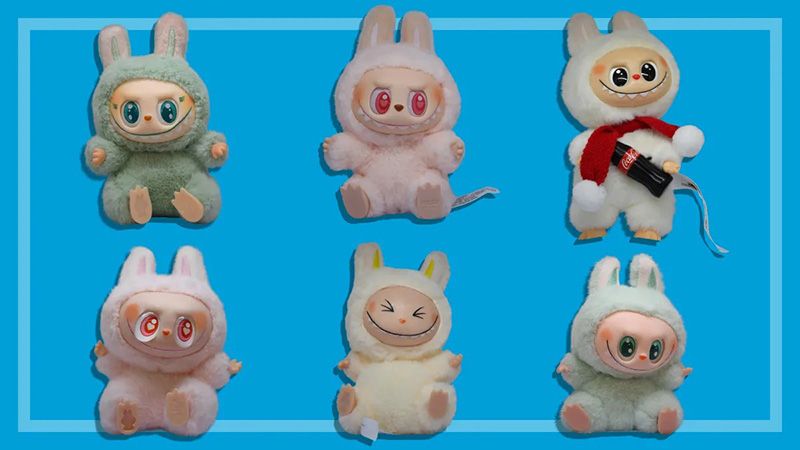
Plush mascots play a unique role in sports events and tournaments. They are not just merchandise or decoration—they are emotional amplifiers that connect teams, fans, sponsors, and audiences in a physical, memorable way. From my experience working with sports brands, clubs, and event organizers, a successful plush mascot must balance brand accuracy, durability, safety, and crowd appeal under intense usage conditions.
Unlike retail plush toys, sports mascots are exposed to repeated handling, squeezing, throwing, waving, and even on-field interaction. Design decisions made at the concept stage directly affect how well a mascot performs during live events. This article explains how to design plush mascots that work both visually and practically in sports environments.
What Core Brand and Team Elements Should Be Reflected in a Sports Plush Mascot?
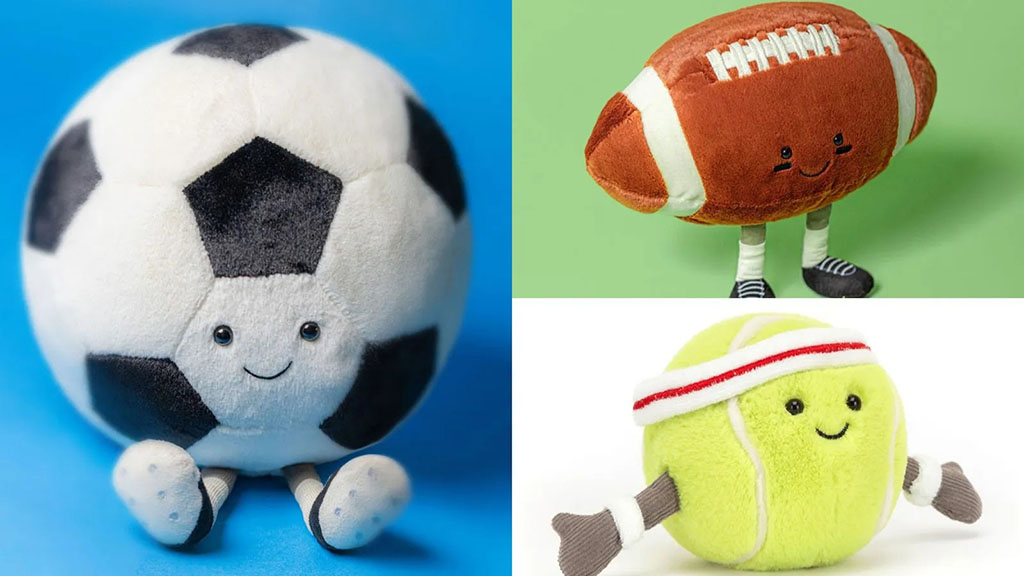
A sports plush mascot must immediately communicate team identity. Fans should recognize the team, club, or event within seconds, even from a distance. This means brand translation must be simplified but precise.
Key brand elements include team colors, logo shapes, uniform cues, and mascot personality. Overloading the plush with too many details often reduces clarity. Instead, the focus should be on one or two signature elements that define the brand visually.
From a manufacturing perspective, simplifying shapes improves consistency across large production runs while reducing error rates.
| Brand Element | Design Priority | Best Practice |
|---|---|---|
| Team colors | Instant recognition | Primary color dominance |
| Logo elements | Brand linkage | Simplified logo shapes |
| Uniform cues | Sports context | Jersey-style details |
| Mascot personality | Emotional bond | Friendly expressions |
| Sponsor visibility | Controlled | Secondary placement |
How Do Size, Shape, and Proportions Affect Visibility and Crowd Appeal at Events?
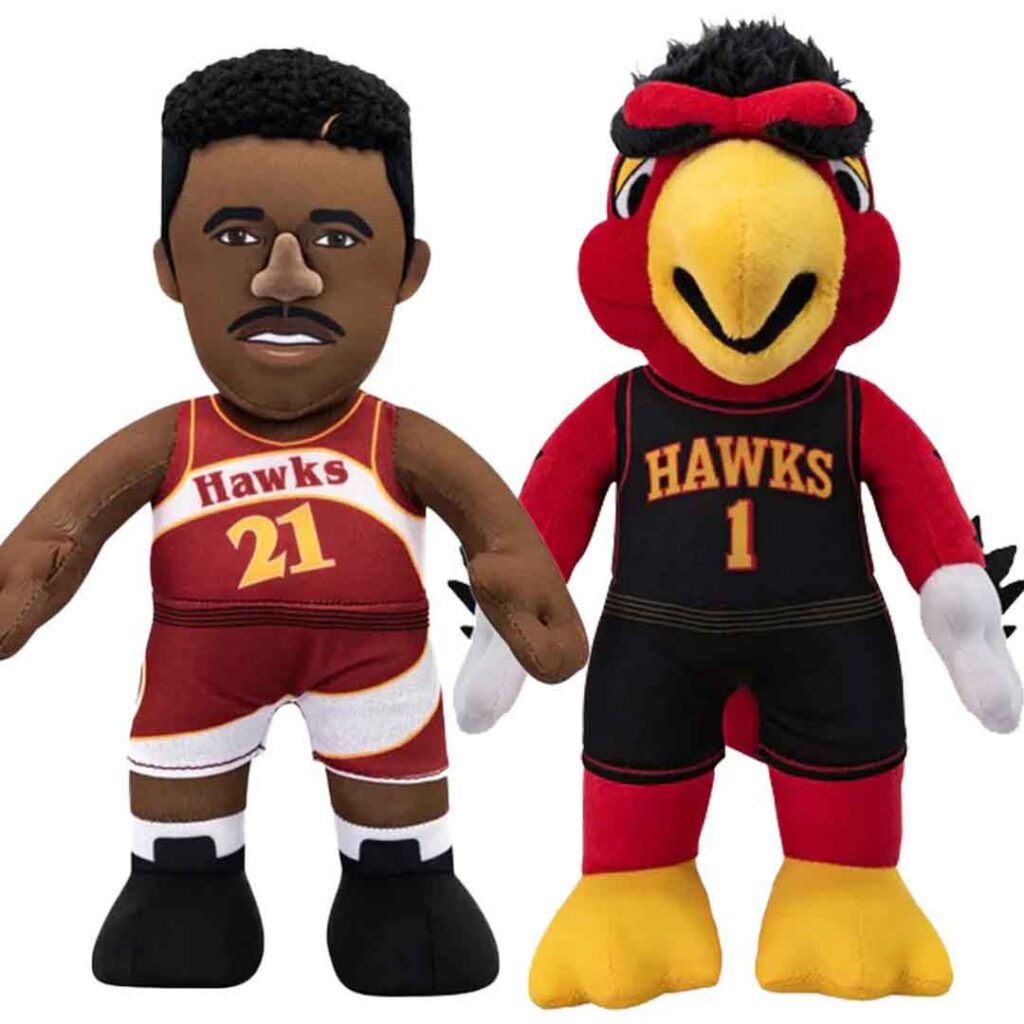
At sports events, visibility matters more than fine detail. Plush mascots must be seen clearly from stands, screens, and crowd shots. Size and proportion directly influence this impact.
Oversized heads, bold silhouettes, and simplified limbs enhance recognition. Slender or overly realistic proportions may look good up close but disappear visually in large venues. Weight must also be considered—too heavy, and interaction becomes difficult.
Designers should always consider how the plush looks in motion, not just as a static product.
| Design Factor | Event Impact | Practical Guideline |
|---|---|---|
| Overall size | Visibility | Medium to large formats |
| Head-to-body ratio | Recognition | Slightly oversized head |
| Limb thickness | Durability | Reinforced proportions |
| Weight | Handling comfort | Balanced internal fill |
| Silhouette | Camera clarity | Simple outer shape |
What Materials and Construction Methods Ensure Durability During High-Activity Use?
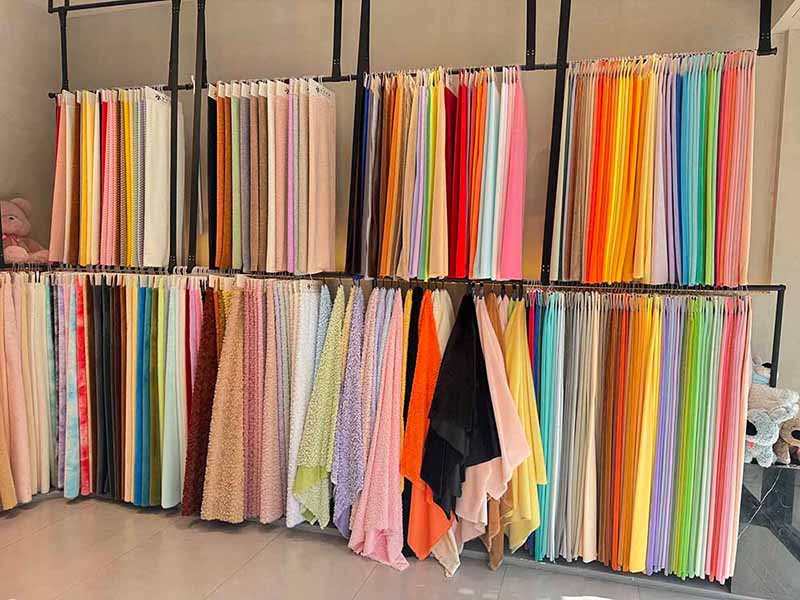
Sports plush mascots face harsher use than retail plush toys. They are often squeezed, tossed, waved, or hugged repeatedly during a single event. Material choice and construction quality are therefore critical.
Short-pile plush, velboa, or reinforced polyester fabrics offer better abrasion resistance than delicate long-pile materials. Seams must be double-stitched, especially at stress points like arms, legs, and ears. Internal filling density should support shape recovery after compression.
Durability decisions should be made early, as changing materials later often affects color and appearance.
| Component | Risk Area | Recommended Solution |
|---|---|---|
| Outer fabric | Wear & tear | Durable short-pile plush |
| Seams | Tension stress | Double stitching |
| Limbs & ears | Pulling | Reinforced attachment |
| Filling | Shape loss | High-resilience fiber |
| Internal structure | Deformation | Even distribution |
How Can Color Accuracy, Logos, and Uniform Details Be Executed Consistently?
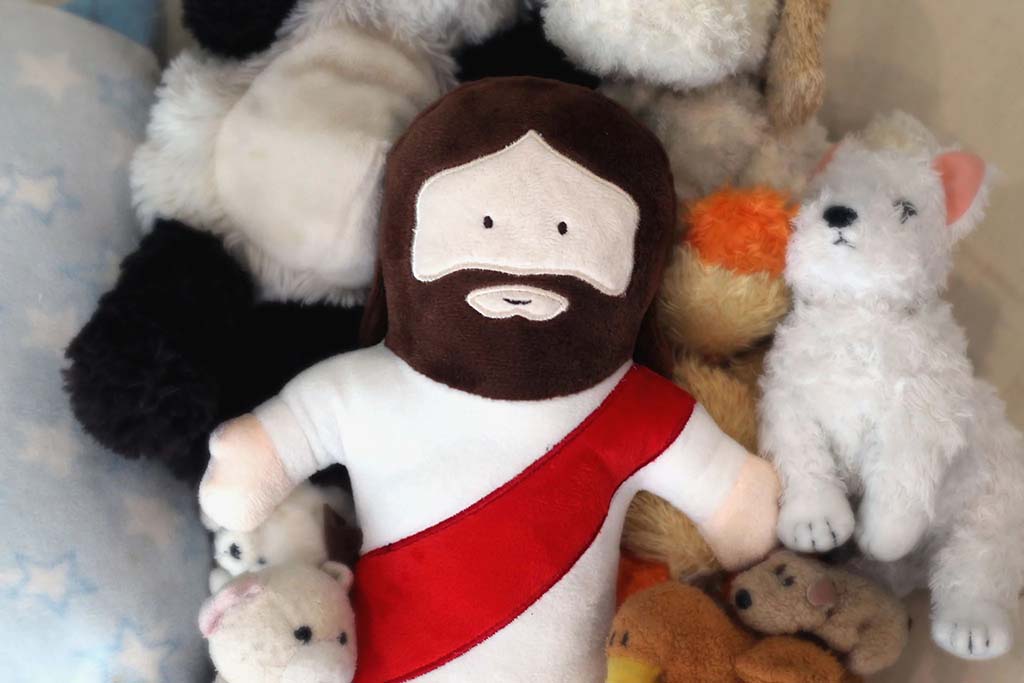
Color accuracy is non-negotiable in sports branding. Even small color deviations can be noticed by fans and sponsors. Plush production must follow approved color references, not visual guesses.
Logos and uniform details should be adapted for plush execution. Embroidery is often preferred for durability and clarity, while printed elements require wash and abrasion testing. Consistency across batches is achieved through lab dips, strike-offs, and pre-production approvals.
Buyers should always approve physical samples, not just digital renderings.
| Brand Detail | Execution Method | Quality Control |
|---|---|---|
| Team colors | Dyed fabric | Lab dip approval |
| Logos | Embroidery / appliqué | Stitch consistency |
| Uniform patterns | Panel construction | Template control |
| Sponsor marks | Simplified graphics | Placement guide |
| Batch consistency | Process control | Pre-production sample |
What Safety and Comfort Considerations Matter for Event and Audience Interaction?
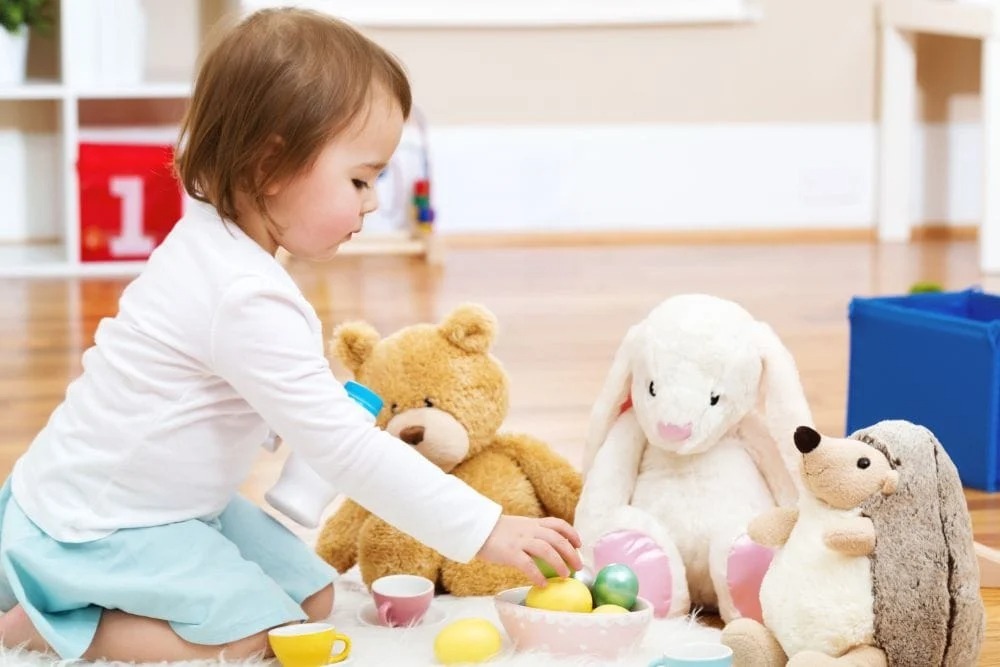
Sports plush mascots are often handled by children, fans, and staff. Safety is therefore essential, even if the plush is not classified as a children’s toy.
Hard parts should be avoided. Eyes, noses, and decorative elements must be embroidered or fabric-based. Plush surfaces should feel smooth and breathable to allow prolonged contact. Edges must be rounded to prevent discomfort.
Comfort is also a performance factor—mascots that feel good to hold are more likely to be waved, hugged, and shared on social media.
| Safety Aspect | Potential Risk | Best Practice |
|---|---|---|
| Hard components | Injury | All-soft construction |
| Edge design | Discomfort | Rounded contours |
| Fabric breathability | Heat buildup | Soft, breathable textiles |
| Weight | Fatigue | Lightweight balance |
| Compliance | Liability | Basic safety testing |
How Should Production Timelines and Quantities Be Planned for Tournament Launches?
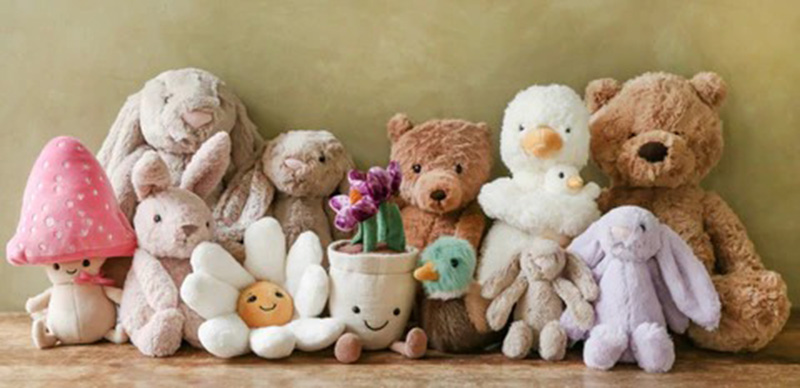
Tournament launches operate on fixed dates. Missing a delivery window can mean missing the entire event. Production planning must therefore be backward-timed from the event date.
Plush mascot projects usually require design finalization, sampling, approvals, bulk production, testing, and shipping. Quantities should consider venue size, promotional distribution, and retail sales. Buffer stock is often recommended to handle unexpected demand.
Early planning reduces rush costs and quality risks.
| Planning Stage | Time Consideration | Buyer Action |
|---|---|---|
| Design approval | Fixed deadline | Lock design early |
| Sampling | Iteration time | Allow revisions |
| Bulk production | Capacity planning | Confirm lead times |
| Testing & QC | Mandatory | Schedule in advance |
| Shipping | Event deadline | Add buffer time |
Conclusion
Well-designed plush mascots enhance sports events by strengthening brand identity, fan engagement, and on-site atmosphere. Careful planning ensures performance, durability, and visual impact during tournaments.
📧 Contact: [email protected]
🌐 Visit: https://kinwintoys.com