Skip to content
Many adult buyers today are no longer looking for simple plush toys. They are searching for products that can deliver real emotional comfort, stress relief, and better sleep. This is exactly why weighted stuffed animals are growing fast in markets like the US and Europe.
From my experience working with brands, retailers, and e-commerce sellers, the real value of a weighted plush is not just in its appearance, but in how it performs in real life. A well-designed product can become part of a user’s daily routine—on the sofa, at the desk, or before sleep.
The best weighted stuffed animal for adults combines three core elements: balanced weight, soft and safe materials, and ergonomic design. When these are done correctly, the product delivers both emotional comfort and physical relaxation, which is exactly what your customers are willing to pay for.
What Is the Best Weighted Stuffed Animal for Adults and How Does It Work for Stress Relief?
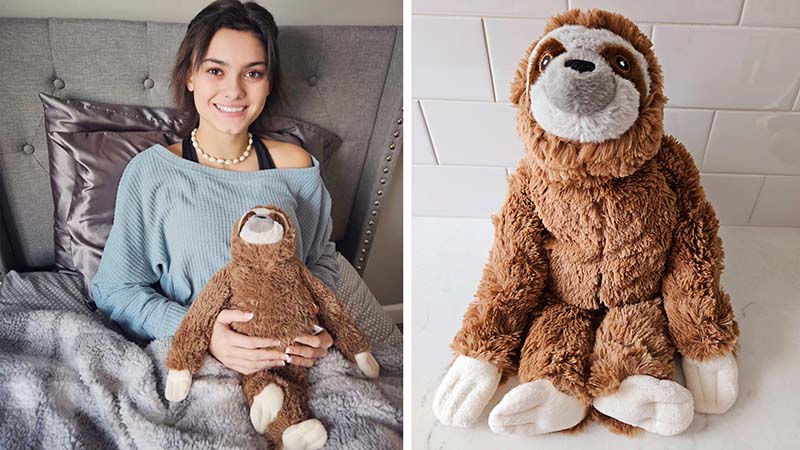
A weighted stuffed animal designed for adults is not just a toy. It is a functional product built around the principle of deep pressure stimulation. This is the same concept used in weighted blankets and therapy products.
When a user hugs or places the plush on their body, the gentle pressure signals the nervous system to relax. This reduces stress hormones and creates a calming effect. For adult users dealing with work pressure, anxiety, or sleep issues, this becomes a simple and effective daily solution.
The effectiveness of the product depends heavily on how well the internal structure, materials, and weight are engineered. Poorly designed products may look good but fail to deliver real benefits, which often leads to negative reviews and low repeat purchases.
From a B2B perspective, understanding how this mechanism works helps you develop products that are not only attractive but also highly marketable and functional.
A weighted stuffed animal works by applying consistent, evenly distributed pressure across the body. This pressure activates the parasympathetic nervous system, helping the body shift from a stressed state to a relaxed state. As a result, users feel calmer, more secure, and better prepared for rest or sleep.
To better understand how different design choices impact performance, here is a breakdown:
| Key Element | Function | Impact on User Experience | Buyer Consideration |
|---|---|---|---|
| Weight distribution | Ensures even pressure | Stable calming effect | Must use compartment design |
| Filling material | Provides weight | Determines safety and durability | Glass beads preferred over plastic |
| Outer fabric | Affects skin contact | Direct impact on comfort | Soft, hypoallergenic materials needed |
| Product shape | Supports body fit | Improves hugging experience | Ergonomic design for adults |
One of the most important factors is weight distribution. In high-quality products, the internal beads are divided into small compartments. This prevents the weight from shifting and ensures consistent pressure. In low-cost products, the filling often moves freely, which reduces effectiveness and comfort.
Another key factor is the type of filling used. Most premium products use glass beads because they are smooth, dense, and more stable. Plastic pellets are cheaper but can feel rough and less refined. For brands targeting mid-to-high-end markets, material selection directly affects product positioning and customer satisfaction.
Compared to weighted blankets, weighted plush toys offer more flexibility. They are easier to carry, more visually appealing, and better suited for impulse buying. This makes them especially attractive for online sellers on platforms like Amazon and Etsy.
From a product development perspective, I always advise clients to avoid four common mistakes:
First, incorrect weight ratio. If the product is too heavy, it becomes uncomfortable. If it is too light, it loses its function.
Second, poor internal structure. Without proper compartment design, the weight shifts and creates uneven pressure.
Third, wrong fabric choice. If the fabric is not soft enough, it reduces the calming effect.
Fourth, ignoring adult ergonomics. Many designs are still based on children’s proportions, which do not fit adult users properly.
At Kinwin, we usually help our clients define the product based on real usage scenarios. For example, a plush designed for office use will have a different size and weight compared to one designed for sleep.
We also test different weight ranges and internal structures during sampling to ensure the final product delivers the intended effect. This process helps our clients avoid costly mistakes during mass production.
For buyers, this means you are not just sourcing a product. You are building a product that can stand out in a competitive market and generate repeat sales.
A well-designed weighted stuffed animal is not just soft and cute. It must deliver real performance. That is what separates a best-selling product from an average one.
How Do Weighted Plush Toys Support Anxiety Reduction and Better Sleep Quality?

For many adult consumers, the decision to buy a weighted stuffed animal is not emotional alone—it is functional. They are looking for a simple, non-medical way to reduce anxiety and improve sleep quality.
From what I’ve seen in the US and European markets, this demand is growing fast. More people are dealing with stress, screen fatigue, and irregular sleep patterns. Weighted plush toys fit perfectly into this need because they are easy to use, safe, and do not require any learning curve.
Unlike complex wellness products, a weighted plush works immediately. The moment users hold or place it on their body, they begin to feel the calming effect.
A well-designed weighted plush toy supports anxiety reduction and sleep improvement by applying gentle, consistent pressure that signals the brain to relax. This process helps lower cortisol levels, increase serotonin, and create a sense of safety, which makes it easier for users to fall asleep and stay asleep longer.
To understand how this translates into real product value, here is a structured breakdown:
| Function Area | Mechanism | User Benefit | Product Design Focus |
|---|---|---|---|
| Anxiety relief | Deep pressure stimulation | Reduces stress and tension | Even weight distribution |
| Emotional comfort | Hug-like feeling | Increases sense of security | Soft fabric + ergonomic shape |
| Sleep support | Nervous system regulation | Faster sleep onset | Balanced weight ratio |
| Routine building | Daily usage habit | Improves long-term sleep quality | Portable and easy to use |
One key insight many buyers overlook is that weighted plush toys are often used in short sessions, not all night like blankets. This means the product must deliver results quickly.
For example, many users place the plush on their chest while lying down. Within minutes, the pressure helps slow the heart rate and relax the body. Others use it while sitting on a sofa or working at a desk to reduce tension during the day.
This creates multiple usage scenarios, which is very important for product positioning and marketing.
From a development perspective, there are several factors that directly affect how well the product supports anxiety and sleep:
Weight calibration and body response
The weight must match the user’s comfort range. In general, adult weighted plush toys fall between 1.5 kg to 3.5 kg.
If the weight is too high, it creates pressure instead of comfort. If it is too low, the calming effect is weak.
This is why we often recommend testing different weight versions during sampling, especially for brands targeting different markets.
Pressure placement and product shape
Where the weight sits on the body matters.
Flat designs work well for chest placement during sleep. Long or wrap-style plush toys are better for hugging. Animal-shaped plush toys with weighted limbs can create a more natural, emotional interaction.
This is where many products fail—they focus only on appearance, not how the user actually interacts with the product.
Material softness and sensory experience
The fabric plays a critical role in anxiety reduction.
Soft, smooth fabrics like minky or high-quality plush enhance the calming effect. Rough or low-density fabrics can reduce comfort and even cause irritation, especially for sensitive users.
For adult markets, the expectation for fabric quality is much higher than for children’s toys.
Noise control and internal stability
One detail that is often ignored is noise.
Low-quality fillings can create sound when the user moves the product. This disrupts relaxation and affects sleep quality.
Using fine glass beads with proper internal compartments helps eliminate this issue and improves overall user experience.
Here is a more technical comparison of design choices:
| Design Factor | Low-End Approach | High-Quality Approach | Impact on Sleep & Anxiety |
|---|---|---|---|
| Filling | Plastic pellets | Fine glass beads | Smoother pressure, quieter |
| Structure | Loose filling | Compartment stitching | Stable weight distribution |
| Fabric | Standard plush | Premium minky / ultra-soft | Better sensory comfort |
| Shape | Basic toy shape | Ergonomic hugging design | More effective relaxation |
From a market perspective, weighted plush toys are not just functional—they are also highly giftable products. Many buyers purchase them as gifts for stress relief, which increases their appeal in retail and e-commerce.
For brands, this creates an opportunity to position the product in multiple categories:
- Sleep support products
- Mental wellness products
- Comfort or therapy plush
- Gift and lifestyle products
At Kinwin, we often help clients define these positioning strategies early in development. This ensures the product is not only well-designed but also aligned with how it will be sold.
We also recommend creating clear usage scenarios in product listings. For example, showing how the plush can be used during work, relaxation, and sleep helps customers understand its value quickly.
For buyers like Jessica, who focus on quality and customer experience, these details directly affect product reviews, repeat purchases, and brand reputation.
A weighted plush toy that truly supports anxiety reduction and sleep is not just about adding weight. It is about designing a complete experience—from how it feels in the hand to how it performs during real use.
Which Types of Weighted Stuffed Animals Are Trending in the Adult Market?
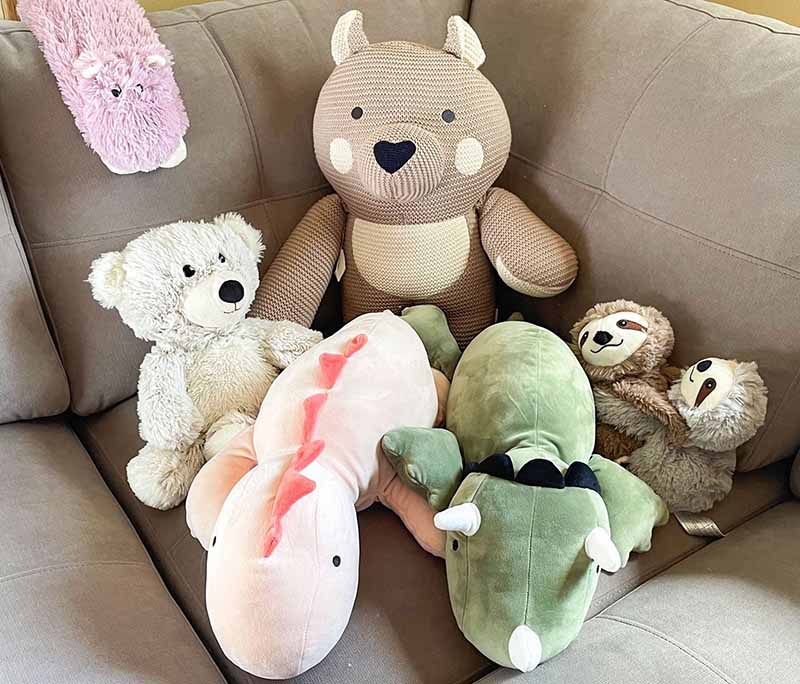
If you are planning to develop or source weighted plush toys today, understanding market trends is just as important as understanding product structure.
From what I see across the US and European markets, adult consumers are no longer interested in traditional, childlike plush designs. They are looking for products that combine emotional comfort, aesthetic appeal, and practical function.
This shift is driving a new generation of weighted stuffed animals that are more refined, more lifestyle-oriented, and easier to integrate into daily routines.
The most popular weighted stuffed animals in the adult market today focus on comfort, emotional connection, and modern design. Trending categories include minimalist animal designs, long hugging plush, therapeutic-style weighted plush, and lifestyle-oriented products that fit into home or office environments.
To help you quickly understand what is selling well, here is a clear overview:
| Product Type | Key Features | Target Users | Market Advantage |
|---|---|---|---|
| Minimalist animal plush | Simple design, neutral colors | Young adults, office users | Fits modern home decor |
| Long hugging plush | Extended body shape | Sleep and relaxation users | Better body contact |
| Weighted lap plush | Flat, compact design | Office and anxiety users | Easy daily use |
| Therapeutic plush | Focus on function over style | Wellness-focused buyers | Strong functional value |
| Character-based plush | IP or emotional design | Gift buyers | High emotional appeal |
One clear trend is the move toward “adult-friendly design.” Bright colors and overly cartoonish styles are becoming less popular. Instead, buyers prefer soft tones, clean shapes, and designs that feel calm and mature.
This is especially important for e-commerce brands. Products that match home aesthetics are more likely to be displayed in photos, shared on social media, and recommended by users.
Rise of long and ergonomic plush designs
One of the fastest-growing categories is long, hugging-style plush toys.
These designs are created to wrap around the body or be held during sleep. The extended shape allows for better weight distribution and more contact points, which improves the calming effect.
Compared to traditional plush toys, these products feel more like a tool than a decoration.
From a product development perspective, this means more attention must be given to internal structure and stitching, because longer products require more stable weight control.
Growth of “lap plush” for office use
Another strong trend is weighted plush designed for desk or office use.
These products are usually flatter and more compact. Users place them on their lap or hold them while working. The goal is to reduce stress during the day, not just before sleep.
This creates a new usage scenario, which is very valuable for brands. Instead of selling one product for one purpose, you can target multiple daily moments.
Emotional design is still critical
Even though function is important, emotional connection still drives purchasing decisions.
Animal shapes like cats, dogs, and bears remain popular because they feel familiar and comforting. However, the design style is evolving.
More brands are choosing:
- Softer facial expressions
- Neutral color palettes
- Cleaner silhouettes
This makes the product feel less like a toy and more like a lifestyle product.
Premium materials are becoming standard
As competition increases, material quality is becoming a key differentiator.
Consumers are more aware of fabric softness, durability, and safety. Products made with premium minky or ultra-soft plush fabrics are gaining more positive reviews and higher price acceptance.
Here is a deeper comparison of trending vs outdated approaches:
| Category | Outdated Approach | Trending Approach | Market Impact |
|---|---|---|---|
| Design style | Bright, cartoonish | Minimalist, neutral | Appeals to adult buyers |
| Shape | Standard toy form | Ergonomic, hugging shapes | Better functionality |
| Material | Basic plush | Premium soft-touch fabrics | Higher perceived value |
| Usage | Decorative | Functional + emotional | Expands use scenarios |
Customization is driving new opportunities
Another important trend is customization.
Brands are not just selling products—they are building identity. Custom logos, unique shapes, and exclusive designs help differentiate products in crowded marketplaces like Amazon.
For B2B buyers, this creates a clear opportunity. Instead of competing on price, you can compete on design, experience, and branding.
At Kinwin, we often work with clients to develop exclusive designs based on these trends. We help adjust proportions, materials, and weight structures to match the target market.
This approach allows brands to launch products that are not only aligned with trends but also difficult for competitors to copy.
What this means for your product strategy
If you want to succeed in this category, the key is not to follow trends blindly, but to understand why they work.
Ask yourself:
- Does this design fit adult usage scenarios?
- Does it offer both emotional and functional value?
- Does it stand out visually in online listings?
When these questions are answered correctly, the product has a much higher chance of success.
For buyers like Jessica, who are focused on quality, differentiation, and long-term growth, choosing the right product direction at the beginning can significantly reduce risk and improve ROI.
The adult weighted plush market is not just growing—it is evolving. The brands that succeed are the ones that combine design, function, and user experience into one clear product concept.
What Weight, Size, and Filling Materials Are Best for Adult Weighted Plush Toys?
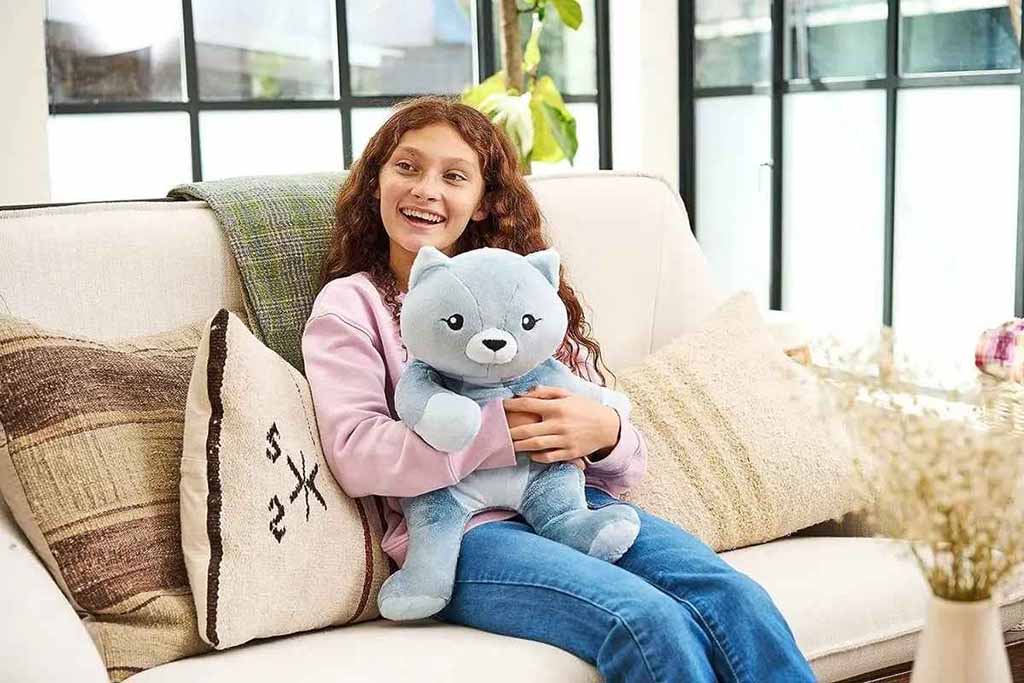
When developing a weighted stuffed animal for adults, one of the most critical decisions is how to balance weight, size, and internal filling. These three elements directly determine whether the product feels comfortable, effective, and safe in real use.
From my experience working with different brands, many products fail not because of design, but because these core specifications are not properly matched. A plush that looks good but feels wrong will not generate repeat orders.
The best weighted plush toys for adults typically use a balanced combination of 1.5 kg to 3.5 kg weight, ergonomic sizing based on usage scenarios, and high-quality fillings such as glass beads combined with PP cotton. This combination ensures both comfort and functional pressure.
To make this clearer, here is a practical breakdown:
| Factor | Recommended Range | Why It Matters | Buyer Tip |
|---|---|---|---|
| Weight | 1.5 kg – 3.5 kg | Provides effective pressure without discomfort | Offer multiple weight options |
| Size | 40 cm – 80 cm | Matches different usage (lap, hug, sleep) | Design based on use scenario |
| Filling | Glass beads + PP cotton | Combines weight and softness | Avoid low-cost plastic pellets |
| Weight ratio | 5%–10% of body weight (reference) | Ensures safe and effective use | Adjust for adult comfort |
How to choose the right weight for adult users
Weight is the most sensitive factor.
In general, the goal is to create gentle pressure, not heaviness. Most adult users prefer products between 2 kg and 3 kg, as this range provides a noticeable calming effect without feeling restrictive.
However, different usage scenarios require different weights:
- Desk or lap use: lighter weight (1.5–2.5 kg)
- Hugging or relaxation: medium weight (2–3 kg)
- Sleep support: slightly heavier (2.5–3.5 kg)
If the product is too heavy, users may feel discomfort after a short time. If it is too light, it will not deliver the intended effect.
That is why I always recommend testing at least two weight options during sampling. This gives brands flexibility when entering different markets.
How size affects user experience and functionality
Size is not just about appearance. It determines how the product interacts with the body.
Smaller plush toys are easier to carry but may not provide enough contact area. Larger plush toys offer better pressure distribution but increase shipping cost and storage space.
Here are common size strategies:
| Size Type | Typical Length | Usage Scenario | Advantage |
|---|---|---|---|
| Compact | 30–45 cm | Office / travel | Easy to carry |
| Medium | 45–65 cm | Daily relaxation | Balanced comfort |
| Large | 65–80 cm | Sleep / hugging | Maximum coverage |
For adult markets, medium to large sizes are more popular because they deliver a stronger sensory experience.
From a B2B perspective, this also affects logistics. Larger products increase shipping volume, so packaging design (such as vacuum compression) becomes important.
Filling materials: what actually works best
The internal filling is what creates both weight and comfort. This is where quality differences become very clear.
The most commonly used combination is:
- Glass beads (for weight)
- PP cotton (for softness and structure)
Glass beads are preferred because they are smooth, dense, and stable. They provide consistent pressure and do not create noise when properly contained.
PP cotton acts as a buffer layer, preventing the beads from being felt directly. It also helps maintain the shape of the plush.
Here is a comparison of common filling options:
| Filling Type | Advantages | Disadvantages | Recommended Use |
|---|---|---|---|
| Glass beads | Smooth, stable, quiet | Slightly higher cost | Premium products |
| Plastic pellets | Low cost | Rough feel, more noise | Low-end products |
| Steel beads | High density | Too heavy, safety concerns | Not recommended |
| Pure cotton | Soft | No weight effect | Not suitable alone |
Why internal structure matters as much as materials
Even with the best materials, poor structure can ruin the product.
In high-quality weighted plush toys, the beads are placed in small, evenly distributed compartments. This keeps the weight stable and prevents shifting.
In low-cost designs, the filling is often loose. Over time, the beads gather in one area, which creates uneven pressure and reduces comfort.
This is one of the biggest reasons for customer complaints in the market.
Balancing comfort, cost, and performance
For buyers, the challenge is always balancing cost and quality.
Higher-end materials and better structure increase production cost, but they also:
- Improve user experience
- Reduce return rates
- Increase positive reviews
- Support higher retail pricing
At Kinwin, we usually help clients find this balance by offering different material and structure options during sampling. This allows brands to choose the right level based on their target market.
What this means for your product development
If you want your weighted plush to succeed, you need to think beyond appearance.
Ask these key questions:
- Does the weight match the intended usage?
- Is the size practical for real-life scenarios?
- Are the materials safe, soft, and durable?
- Is the internal structure stable over time?
When these elements are aligned, the product delivers real value to the end user.
For buyers like Jessica, who prioritize quality and customer satisfaction, getting these details right is what turns a product into a long-term bestseller.
A well-balanced weighted plush toy is not just designed—it is engineered for comfort, performance, and market success.
How Do Fabric and Material Choices Impact Comfort, Safety, and Durability?
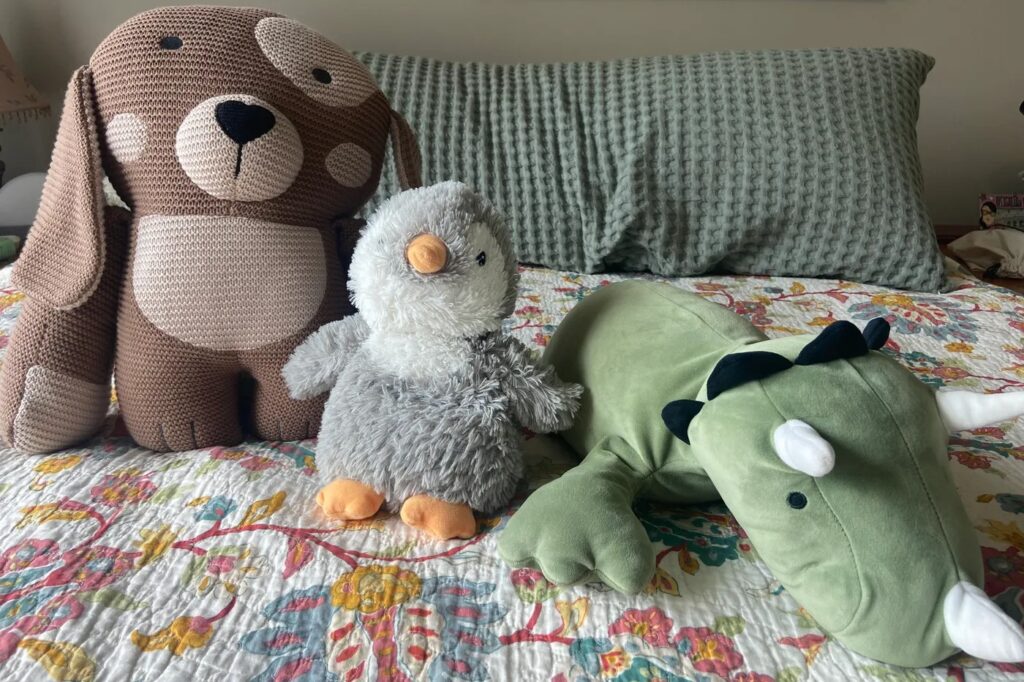
When buyers evaluate weighted stuffed animals, fabric and material choices are often underestimated. But in reality, this is one of the most important factors that directly affects user experience, safety compliance, and long-term durability.
From my experience working with brands in the US and Europe, many negative reviews come not from design issues, but from poor fabric feel, shedding problems, or materials that do not meet safety expectations.
A high-quality weighted plush must combine soft-touch fabrics, skin-safe materials, and durable construction. These elements not only improve comfort but also reduce complaints, returns, and compliance risks in different markets.
Fabric and material choices impact weighted plush toys by determining how the product feels against the skin, how safe it is for daily use, and how well it holds up over time. Premium fabrics improve comfort and perceived value, while certified materials ensure compliance and reduce liability risks.
Here is a structured comparison of key material factors:
| Material Aspect | Low-Quality Approach | High-Quality Approach | Impact on Product |
|---|---|---|---|
| Fabric type | Basic plush | Minky / ultra-soft plush | Better skin comfort |
| Dye quality | Standard dye | Azo-free, eco-friendly dye | Safer for users |
| Filling cover | Thin lining | Reinforced inner lining | Prevents leakage |
| Stitching | Loose seams | High-density stitching | Improves durability |
How fabric affects comfort and user perception
The first thing users notice is how the product feels.
Softness is not just a preference—it directly influences whether the product delivers a calming effect. Smooth fabrics like minky or high-density plush create a gentle, soothing touch, which enhances relaxation.
On the other hand, rough or low-density fabrics can cause discomfort, especially for adults with sensitive skin.
In many cases, customers will not understand the technical details, but they will immediately feel the difference. This is why fabric selection often determines whether a product feels “premium” or “cheap.”
Why safety materials matter for adult markets
Even though the product is designed for adults, safety standards still apply.
Buyers like Jessica, especially those selling on platforms like Amazon or in retail stores, must ensure that materials meet regulations such as:
- CE and EN71 (Europe)
- ASTM F963 and CPSIA (USA)
This includes requirements for:
- Non-toxic dyes
- Safe fillings
- No harmful chemicals
Using certified materials is not just about compliance—it also builds trust with customers and reduces the risk of product recalls.
Durability: a key factor for long-term value
Durability is often overlooked during product development, but it plays a major role in customer satisfaction.
Weighted plush toys experience more stress than regular plush toys because of the added weight. This means the materials and construction must be stronger.
Key durability factors include:
- Reinforced stitching at stress points
- Double-layer inner lining to hold beads
- High-quality fabric that resists pilling and shedding
If these are not handled properly, the product may lose shape, leak filling, or break after repeated use.
Here is a deeper look at durability considerations:
| Durability Factor | Risk if Ignored | Professional Solution | Result |
|---|---|---|---|
| Inner lining | Bead leakage | Double-layer fabric | Longer product life |
| Stitch strength | Seam breakage | High-density stitching | Better load handling |
| Fabric quality | Pilling / shedding | Premium plush fabric | Maintains appearance |
| Edge finishing | Wear and tear | Reinforced edges | Improved durability |
The balance between softness and structure
One challenge in weighted plush development is balancing softness with structural stability.
If the product is too soft, it may lose its shape and fail to distribute weight properly. If it is too rigid, it loses comfort.
This is why we usually combine:
- Soft outer fabric (for comfort)
- Structured inner compartments (for stability)
This layered approach allows the product to feel soft on the outside while maintaining performance inside.
Material choices and brand positioning
Material selection also directly affects how your product is positioned in the market.
- Basic materials → low-cost, price-driven products
- Premium materials → higher perceived value, better margins
For brands targeting mid-to-high-end markets, investing in better materials often leads to:
- Higher customer satisfaction
- Better product reviews
- Stronger brand reputation
At Kinwin, we usually provide multiple material options during sampling. This allows our clients to compare different fabric and filling combinations before making a final decision.
What this means for your sourcing strategy
If you are sourcing weighted plush toys, do not focus only on design and price.
Instead, ask your supplier:
- What fabric options are available?
- Are the materials certified for US and EU markets?
- How is durability tested?
- What inner structure is used to support the weight?
These questions help you avoid common risks and ensure the product meets both market expectations and compliance requirements.
For buyers like Jessica, who care about safety, quality, and long-term performance, material choice is not just a detail—it is a key decision that defines the success of the product.
A well-made weighted plush toy must feel soft, stay safe, and last over time. That is what turns a product into a trusted item in the customer’s daily life.
Are Weighted Stuffed Animals Safe and Compliant with US and EU Standards?
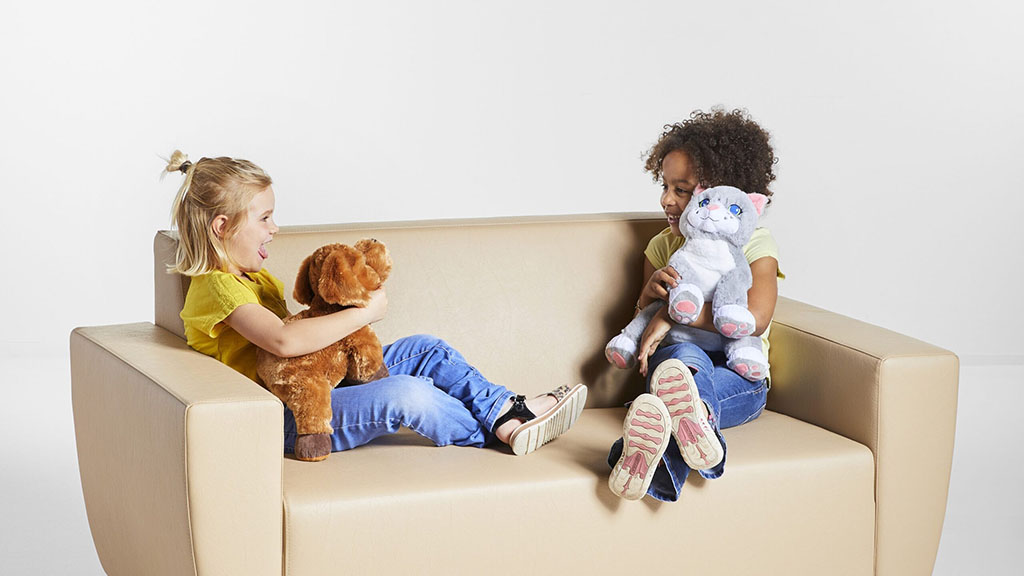
For buyers entering the weighted plush category, safety and compliance are not optional—they are essential. Especially in markets like the United States and Europe, regulations are strict, and any mistake can lead to product recalls, listing removals, or even legal risks.
From my experience working with brands selling on Amazon, retail chains, and independent stores, compliance is often one of the biggest concerns. Many buyers focus on design and cost at the beginning, but later realize that certification and testing are what determine whether the product can actually be sold.
A compliant weighted stuffed animal must meet both toy safety standards and additional requirements related to its weighted structure. This includes material safety, mechanical strength, chemical compliance, and labeling requirements.
Weighted stuffed animals are safe when they are designed with certified materials, secure internal structures, and tested according to regulations such as ASTM F963 (USA) and EN71 (Europe). Compliance ensures that the product is free from harmful substances, structurally stable, and safe for daily use.
Here is a clear overview of key compliance requirements:
| Compliance Area | US Standard | EU Standard | What It Covers | Buyer Risk if Ignored |
|---|---|---|---|---|
| General toy safety | ASTM F963 | EN71 | Mechanical and physical safety | Product recalls |
| Chemical safety | CPSIA | REACH | Toxic substances, heavy metals | Legal penalties |
| Labeling | CPSIA tracking label | CE marking | Product traceability | Customs issues |
| Flammability | 16 CFR standards | EN71-2 | Fire safety | Market rejection |
Why weighted plush toys require extra attention
Compared to regular plush toys, weighted products have additional safety considerations.
The internal filling—especially glass beads—must be securely enclosed. If the structure fails, the beads can leak, which creates both safety and quality issues.
This means manufacturers must implement:
- Double-layer inner bags for bead containment
- Reinforced stitching at stress points
- Secure compartment design to prevent shifting
These are not optional features. They are necessary to pass safety tests and ensure long-term durability.
Material safety and chemical compliance
One of the most important aspects of compliance is material safety.
All fabrics, fillings, and accessories must be tested to ensure they do not contain harmful substances such as:
- Lead
- Phthalates
- Azo dyes
For example, CPSIA regulations in the US require strict limits on lead content and chemical exposure, especially for products that may come into contact with skin.
Even though the target users are adults, many platforms still apply toy safety standards, which means compliance cannot be ignored.
Mechanical and durability testing
Weighted plush toys must also pass physical tests.
These include:
- Seam strength testing (to ensure no breakage under weight)
- Drop testing (to simulate real use)
- Tension testing (to check structural stability)
Because the product contains added weight, the stress on seams and fabric is higher than normal plush toys. This is why stronger construction methods are required.
Here is a comparison of compliant vs non-compliant design approaches:
| Design Aspect | Non-Compliant Approach | Compliant Approach | Result |
|---|---|---|---|
| Bead containment | Single-layer bag | Double-layer reinforced bag | Prevents leakage |
| Stitching | Standard stitching | High-density reinforced stitching | Passes stress tests |
| Material sourcing | Unverified suppliers | Certified materials with reports | Meets regulations |
| Testing | No third-party testing | SGS / Intertek testing | Market-ready product |
Labeling and documentation requirements
Many buyers underestimate the importance of labeling.
In the US, products must include a CPSIA tracking label, which provides information about production batch, manufacturer, and date. In Europe, CE marking is required to show compliance with EU regulations.
Without proper labeling, even a well-made product can be blocked at customs or removed from online platforms.
How we support compliance at Kinwin
At Kinwin, we understand that compliance is not just about passing tests—it is about making sure the product is ready for real market conditions.
We usually support our clients in three key areas:
- Material selection We recommend certified fabrics and fillings that meet US and EU requirements.
- Structural design We use reinforced internal structures to ensure the product passes mechanical tests.
- Testing and documentation We assist in preparing test reports from recognized labs such as SGS or Intertek.
This helps our clients reduce risk and move faster when launching products.
What buyers should check before placing an order
If you are sourcing weighted stuffed animals, always confirm the following with your supplier:
- Are all materials certified for your target market?
- Has the product been tested under ASTM F963 or EN71 standards?
- How is the internal weight secured?
- Can the supplier provide full test reports and documentation?
These checks help you avoid delays, unexpected costs, and compliance issues.
For buyers like Jessica, who are selling in competitive markets, compliance is not just a requirement—it is a competitive advantage. Products that meet safety standards build trust, improve reviews, and support long-term brand growth.
A safe and compliant weighted plush toy is not just about meeting regulations. It is about delivering a product that customers can trust and use with confidence every day.
How to Choose a Reliable Weighted Plush Toy Manufacturer for Custom or Bulk Orders?
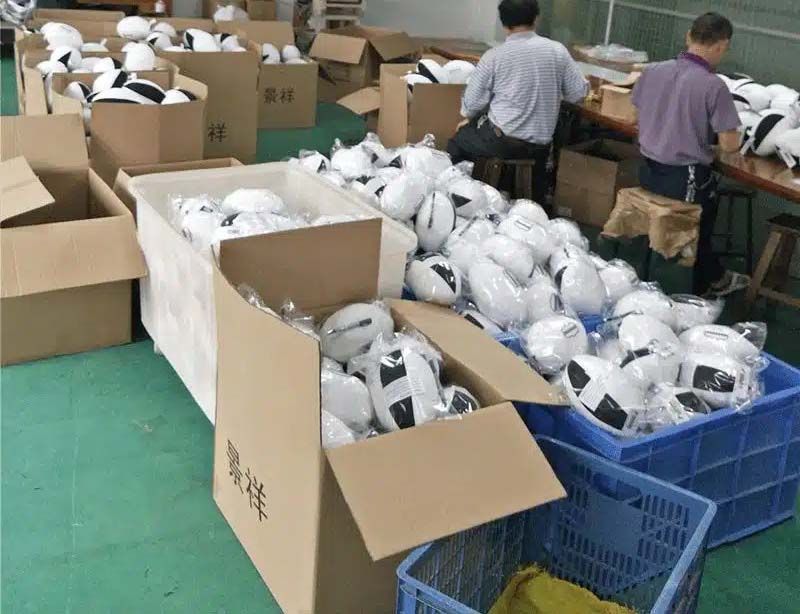
Choosing the right manufacturer is one of the most important decisions you will make when entering the weighted plush market. A good supplier does not just produce your product—they help you reduce risk, improve quality, and scale your business smoothly.
From my experience, many buyers face problems not because of the product idea, but because of the wrong manufacturing partner. Issues like inconsistent quality, delayed delivery, and poor communication often come from suppliers who do not fully understand weighted plush production.
A reliable weighted plush toy manufacturer should have strong experience in handling weighted structures, stable quality control systems, and the ability to support customization from sampling to mass production. This ensures your product is consistent, compliant, and ready for market.
Here is a clear framework to evaluate manufacturers:
| Evaluation Factor | What to Check | Why It Matters | Risk if Ignored |
|---|---|---|---|
| Experience | Weighted plush project history | Ensures technical understanding | Product failure |
| Sampling ability | Accuracy and speed (7–10 days) | Confirms development capability | Delays in launch |
| Quality control | IQC, IPQC, FQC systems | Maintains consistency | Batch quality issues |
| Communication | Clear, fast responses | Reduces misunderstanding | Costly mistakes |
| Compliance support | Test reports, certifications | Market entry readiness | Legal and platform risks |
Why weighted plush requires specialized manufacturing
Weighted plush toys are more complex than standard plush products.
They require precise control over:
- Internal weight distribution
- Compartment stitching
- Material layering
- Structural reinforcement
Factories without this experience often struggle to maintain consistency, especially in bulk production.
This is why I always recommend working with manufacturers who have proven experience in similar products, not just general plush toys.
Sampling capability: the first real test
Sampling is where you can clearly see a factory’s capability.
A professional manufacturer should be able to:
- Understand your design quickly
- Suggest improvements based on experience
- Deliver samples within a reasonable timeframe (usually 7–10 days)
- Achieve high similarity to your design
If the sample stage is slow or inaccurate, it usually indicates problems in production as well.
Quality consistency in bulk production
One of the biggest pain points for buyers like Jessica is inconsistency between samples and mass production.
To avoid this, manufacturers must have a structured quality control system.
At a minimum, this should include:
- Incoming material inspection (IQC)
- In-line production checks (IPQC)
- Final inspection before shipment (FQC)
Here is a comparison of different supplier levels:
| Supplier Type | Strengths | Weaknesses | Suitable For |
|---|---|---|---|
| Trading company | Easy communication | Limited control over factory | Small test orders |
| Small factory | Low cost | Unstable quality | Price-driven buyers |
| Professional manufacturer | Strong QC and experience | Slightly higher cost | Long-term business |
For serious buyers, working directly with a professional manufacturer provides better control and long-term stability.
Communication and problem-solving ability
Good communication is often underestimated, but it directly affects project success.
A reliable manufacturer should:
- Respond clearly and quickly
- Identify potential issues early
- Provide practical solutions, not just follow instructions
For example, if a design has structural risks, a good factory will point it out during sampling, not after production.
This proactive approach saves time, cost, and frustration.
Customization capability for brand differentiation
In today’s competitive market, customization is key.
A strong manufacturer should support:
- Custom shapes and sizes
- Logo and branding integration
- Material and color adjustments
- Functional features (weight, structure, etc.)
This allows you to create unique products instead of competing on price alone.
How we support our clients at Kinwin
At Kinwin, we focus on helping our clients build products that are both market-ready and scalable.
We support:
- Fast and accurate sampling (usually within 7–10 days)
- Stable production with strict quality control
- Certified materials and compliance support
- Clear communication throughout the process
We also help clients optimize their designs to improve both user experience and production efficiency.
What buyers should ask before choosing a manufacturer
Before placing an order, I always recommend asking these key questions:
- Have you produced weighted plush toys before?
- How do you control weight distribution and internal structure?
- What quality control steps do you use?
- Can you provide compliance test reports?
- How do you ensure sample and bulk consistency?
These questions help you quickly identify whether a supplier is reliable.
For buyers like Jessica, who care about quality, safety, and long-term cooperation, choosing the right manufacturer is not just about price. It is about building a stable supply chain that supports your business growth.
A reliable manufacturer is not just a supplier. They are a partner who helps you succeed in a competitive market.
Where to Source High-Quality Weighted Stuffed Animals for Wholesale and OEM Projects?
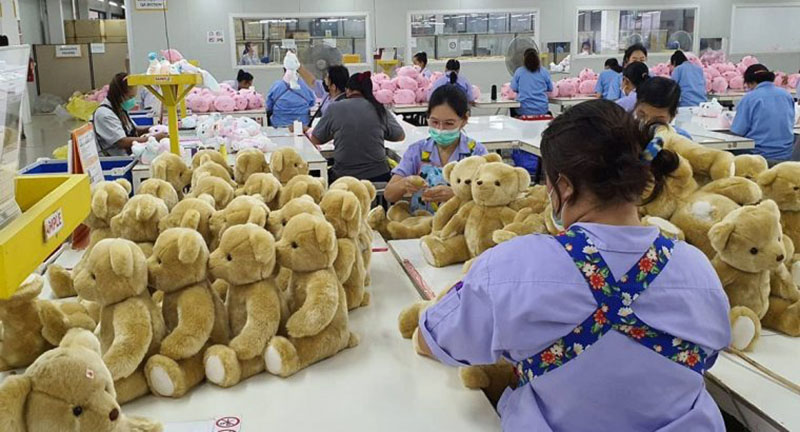
When you are ready to scale your business, sourcing becomes more than just finding a supplier. It becomes a strategic decision that directly affects your product quality, pricing, delivery time, and brand reputation.
From what I’ve seen across many B2B projects, buyers who succeed in the weighted plush category are not necessarily those who find the cheapest supplier. They are the ones who build a stable sourcing system with reliable partners.
High-quality weighted stuffed animals are best sourced from experienced manufacturers in China or Vietnam who specialize in plush production, offer OEM/ODM services, and can support compliance, customization, and consistent bulk production. The right sourcing channel depends on your order size, customization needs, and long-term business goals.
Here is a clear comparison of common sourcing options:
| Sourcing Channel | Advantages | Limitations | Best For |
|---|---|---|---|
| Alibaba platforms | Easy to compare suppliers | Quality varies widely | Initial research |
| Trading companies | Simple communication | Higher cost, less control | Small orders |
| Direct factories | Better pricing and control | Requires evaluation effort | Long-term scaling |
| Trade shows | Face-to-face verification | Time and travel cost | Serious buyers |
| Private sourcing agents | Save time | Additional service fees | Buyers with no experience |
Why direct factory sourcing is the best long-term strategy
For buyers like Jessica, who plan to build a brand and sell consistently, working directly with a factory is usually the best option.
Direct factories offer:
- Better control over materials and production
- More flexibility in customization
- Lower cost in bulk orders
- Faster problem-solving
Most importantly, you can build a long-term relationship, which helps stabilize quality and delivery over time.
Key regions for sourcing weighted plush toys
China remains the leading production hub for plush toys, especially in cities with mature supply chains.
The advantages include:
- Complete material supply chain
- Experienced labor and technical teams
- Strong OEM/ODM capability
- Competitive pricing
Vietnam is also growing as an alternative, mainly for buyers looking to diversify supply chains. However, in terms of experience with complex weighted plush structures, China still has a stronger advantage.
Here is a simple regional comparison:
| Region | Strengths | Weaknesses | Suitable Buyers |
|---|---|---|---|
| China | Mature supply chain, strong customization | Requires supplier screening | Brands and large orders |
| Vietnam | Competitive labor cost | Less experience in complex plush | Cost-focused buyers |
| Local sourcing (US/EU) | Fast delivery | Very high cost | Small volume or urgent needs |
What defines “high-quality” in sourcing
Many buyers think high quality only means better materials. In reality, it is a combination of several factors:
- Consistent weight distribution
- Stable internal structure
- Certified materials
- Reliable stitching and durability
- Compliance with target market standards
If any of these elements are missing, the product may fail in the market even if it looks good at first.
How to evaluate suppliers during sourcing
Before making a decision, I always recommend testing suppliers in three steps:
1. Sample evaluation
Check weight balance, fabric feel, stitching, and overall finish.
2. Communication test
See how quickly and clearly the supplier responds.
3. Capability verification
Ask for factory videos, certifications, and previous project experience.
Here is a practical checklist:
| Evaluation Step | What to Look For | Red Flag |
|---|---|---|
| Sample quality | Even weight, soft fabric | Uneven filling, rough feel |
| Response speed | Clear and professional replies | Slow or unclear answers |
| Documentation | Test reports, certifications | Missing or incomplete data |
| Production proof | Factory photos/videos | Only trading information |
OEM and customization opportunities
One of the biggest advantages of sourcing weighted plush toys is the ability to customize.
Instead of selling generic products, you can create:
- Unique shapes and characters
- Branded designs with logos
- Exclusive weight and size combinations
- Market-specific product variations
This helps you stand out in crowded marketplaces and avoid direct price competition.
At Kinwin, we support full OEM and ODM development. This means we can help you move from concept to final product with clear guidance at each step.
How we support wholesale and OEM buyers
We understand that buyers are not just looking for products—they are looking for stability and growth.
At Kinwin, we focus on:
- Consistent quality across bulk orders
- Flexible MOQ for new product launches
- Fast sampling to reduce development time
- Compliance support for US and EU markets
- Clear communication to avoid misunderstandings
We also help optimize designs to balance cost, performance, and market positioning.
What this means for your sourcing strategy
If you want to succeed in the weighted plush market, your sourcing strategy should focus on long-term value, not short-term cost.
Ask yourself:
- Can this supplier support my growth?
- Can they maintain consistent quality?
- Do they understand my target market requirements?
For buyers like Jessica, who aim to build a strong brand, choosing the right sourcing partner is one of the most important decisions.
A strong supplier does not just deliver products—they help you reduce risk, improve efficiency, and grow your business with confidence.
If you are planning to develop or source weighted stuffed animals, this is the right time to build a reliable supply chain that supports your long-term success.
Conclusion
Choosing the best weighted stuffed animal for adults is not just about design—it is about performance, safety, and long-term value. When weight, size, materials, and structure are properly engineered, the product becomes more than a plush toy. It becomes a daily comfort solution that supports stress relief and better sleep.
For buyers, this means focusing on what truly matters: stable weight distribution, certified materials, durable construction, and a manufacturer who understands both product function and market expectations. These factors directly affect customer satisfaction, reviews, and repeat purchases.
At the same time, the market is clearly moving toward more refined, adult-friendly designs and higher material standards. Brands that invest in quality and differentiation will find it easier to stand out, build trust, and scale.
If you are planning to develop or source weighted plush toys, the key is to partner with a manufacturer who can support you from concept to mass production, while ensuring consistency and compliance.
At Kinwin, we help brands turn ideas into reliable, market-ready products with strong customization support, stable quality control, and global compliance experience. Whether you are launching a new product or scaling an existing line, the right foundation will determine your long-term success.