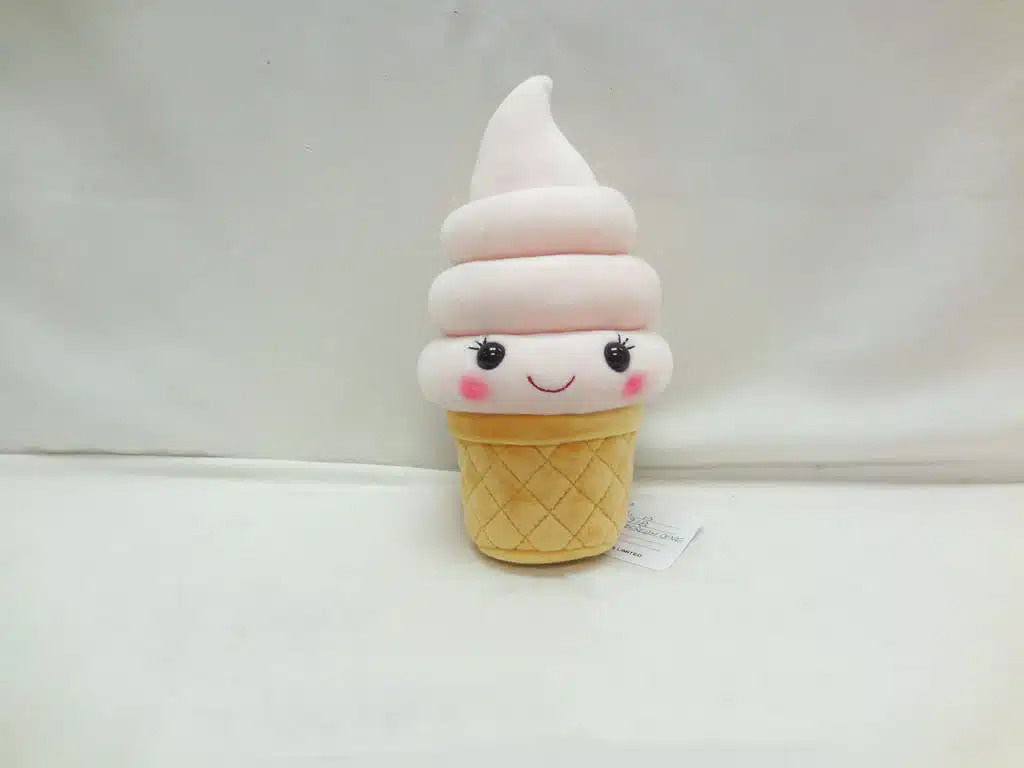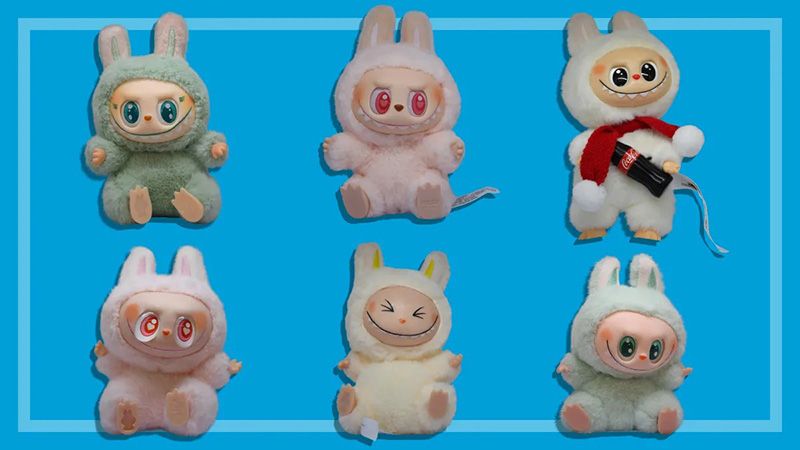
Weighted stuffed animals are no longer just “cute plush toys with extra filling.” When they are designed well, they can offer calming pressure, better body awareness, and a more grounded hugging experience—for both children and adults. When they are designed badly, they can feel lumpy, unsafe, or simply uncomfortable.
In this guide, I’ll share how we approach custom weighted plush projects at Kinwin: which materials we use, how we think about weight and distribution, how we manage safety and compliance, and what customization options are available for brand owners, retailers, and organizations.
What materials are used to create custom weighted stuffed animals?
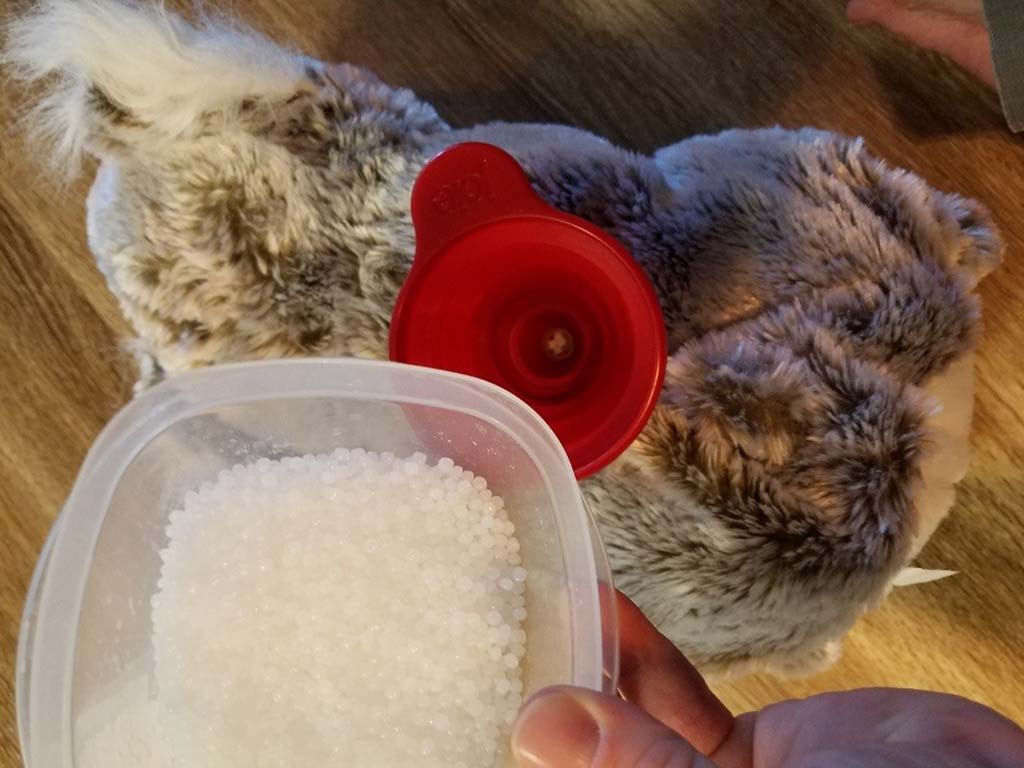
For a custom weighted stuffed animal, we work with two “layers” of materials:
- The soft plush toy itself – outer fabric, normal stuffing, stitching.
- The weighting system – beads, pellets, or other dense media, usually sealed inside inner pouches.
Choosing the right combination is important. You want the plush to feel soft on the outside, but stable and safe on the inside.
Common material groups:
- Outer fabrics – short plush, minky, velboa, or soft fleece for skin-friendly contact.
- Standard stuffing – polyester fiberfill to give basic volume and shape.
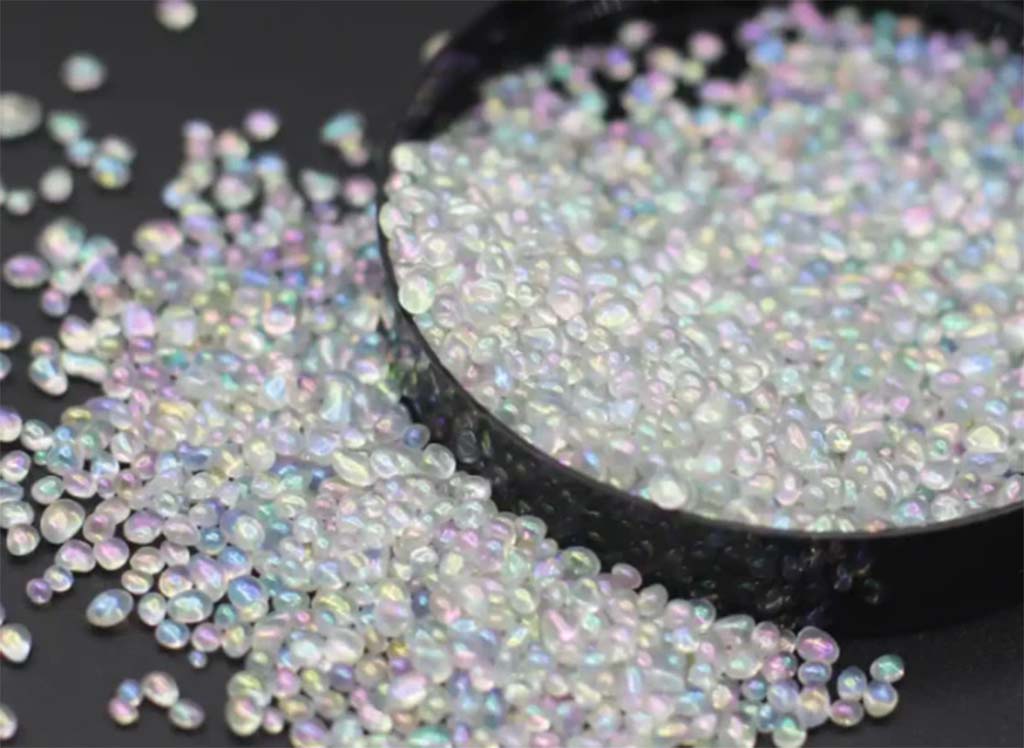
- Weighted media – usually glass beads or plastic pellets, sometimes steel shot for adult-only products.
- Inner pouches – woven or knit bags that hold the weighted media so it cannot move freely or leak.
- Closures and reinforcement – strong stitching, sometimes zippers plus internal flaps if the design allows removable weight packs.
Typical materials and their roles
Here is a simple overview of materials we commonly use in custom weighted plush projects:
Table 1 – Core materials for custom weighted stuffed animals
| Material Type | Examples | Main Role in the Product |
|---|---|---|
| Outer plush fabric | Short plush, minky, velboa, fleece | Soft touch, visual style, brand color / pattern |
| Inner lining fabric | Woven polyester, cotton blend | Adds strength, protects filling and weight bags |
| Standard stuffing | Polyester fiberfill | Shape, volume, basic softness |
| Weighted media | Glass beads, plastic pellets | Adds weight and deep pressure |
| Inner weight pouches | Polyester/cotton small bags | Keeps beads/pellets contained and well-distributed |
| Threads & reinforcements | High-tenacity polyester thread | Strong seams to handle extra load and handling |
For projects aimed at children, we normally recommend glass beads or high-quality plastic pellets inside secure stitched pouches. For adult or therapy-focused products, heavier media may be considered, but always with clear age and usage labeling.
How do you determine the ideal weight and distribution for customization?
Weight planning is one of the most important steps in a custom weighted plush project. Too light, and the user may not feel any difference. Too heavy, and the toy becomes hard to handle, uncomfortable, or even unsafe for certain age groups.
In real projects, we never decide weight randomly. We look at:
- Target user group (child, teen, adult)
- Product size and shape
- How the toy will be used (lap, chest, full-body hug, bedtime, desk companion, etc.)
- Market expectations and any guidelines from therapists or clinical partners on the client side
For many customers, we create weight options within a range, not one fixed number—so they can offer “light,” “medium,” and “heavy” versions for different users.
Weight and distribution by use scenario
Below is a simplified reference that we use when discussing concepts with clients (not medical advice, just practical product thinking):
Table 2 – Practical weight and distribution considerations
| Use Scenario | Typical Size & Style | Weight Focus |
|---|---|---|
| Small handheld plush (kids) | 20–30 cm, compact body | Light to medium weight, mainly in the torso |
| Lap companion (child/teen) | 30–45 cm, wider body or long shape | Medium weight, spread across torso + limbs |
| Lap/shoulder companion (adult) | 35–50 cm, ergonomic body | Medium to higher weight, focused on torso |
| Full-hug animal (adult) | 50+ cm, elongated body | Higher weight total, evenly distributed to avoid strain |
| Bedtime friend (mixed ages) | 25–40 cm, soft, rounded design | Balanced weight; soft enough for cuddling |
Distribution is just as important as the total weight. In most custom designs, we:
- Place more weight in the torso and belly for grounding.
- Place less weight in the head and extremities, especially for children’s products.
- Avoid any heavy concentration in a single small area that could create pressure points.
During sampling, we test and adjust. I always recommend that buyers physically hug, lift, and move the sample around. What feels good on paper sometimes feels too heavy or too light in real life.
Which safety and compliance standards apply to weighted custom plush?
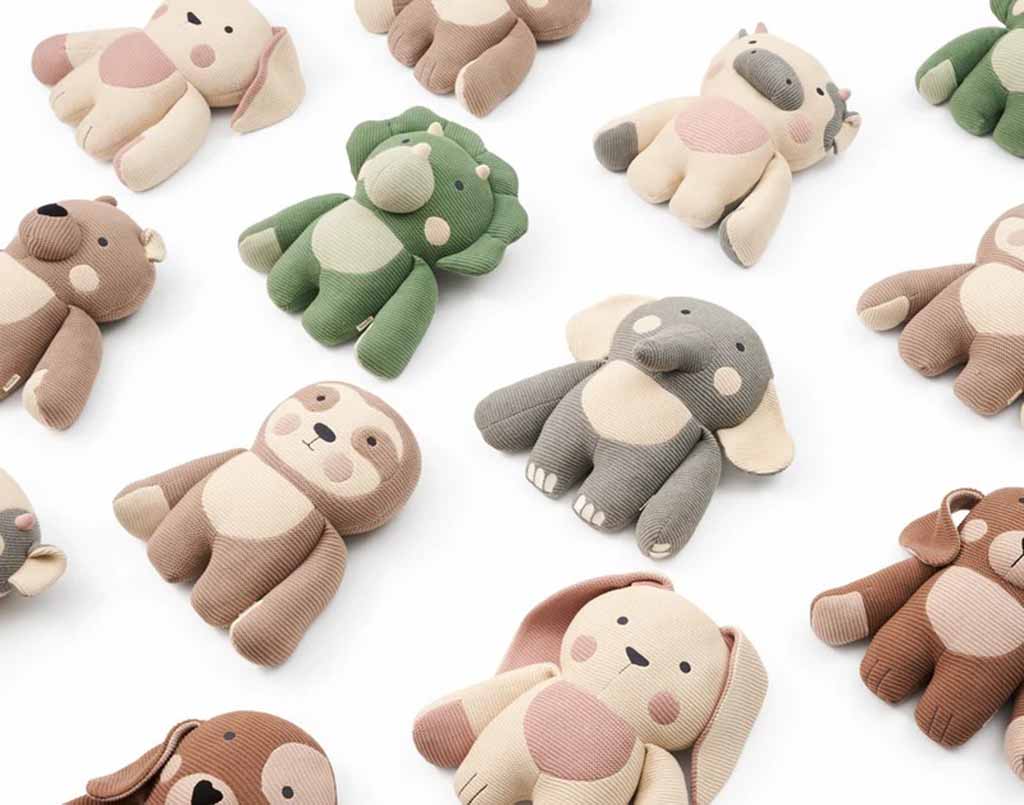
Weighted plush toys must follow the same basic safety rules as other plush toys—but with more focus on internal components, seam strength, and possible choking hazards from beads or pellets.
Depending on your target market, different standards will apply. For most of our international clients, we work with:
- EN71 series and CE marking for Europe
- ASTM F963 and CPSIA for the USA
- Local regulations that align closely with these standards in other regions
If the product is marketed as a “therapeutic” or “medical” device, additional rules may apply, and we always suggest that the client checks with local legal or regulatory experts. As a factory, we focus on making sure the toy side is fully compliant and that all components are testable and traceable.
Main standards to consider by market
Here is a general overview for planning:
Table 3 – Common safety and compliance frameworks for weighted plush
| Market / Region | Key Standards / Regulations | Focus Areas for Weighted Plush |
|---|---|---|
| Europe | EN71 (Parts 1–3), CE marking, REACH | Mechanical safety, chemical safety, flammability, labeling |
| USA | ASTM F963, CPSIA, state-level rules | Mechanical tests, heavy metals, phthalates, tracking labels |
| UK | UKCA + EN71-based requirements | Similar to EU but with UK marking |
| Other regions | Local toy and textile regulations | Often aligned with EN71/ASTM principles |
From a technical perspective, weighted plush must handle higher stress than ordinary plush, so we also perform:
- Seam tensile tests (to ensure seams do not burst under load)
- Drop tests with fully loaded toys
- Needle detection and sharp-point checks
- Inner pouch leak checks for beads or pellets
As a buyer, you should always ask for test reports that match your target market, not just general “toy test” mentions.
How do design features influence comfort and therapeutic function?
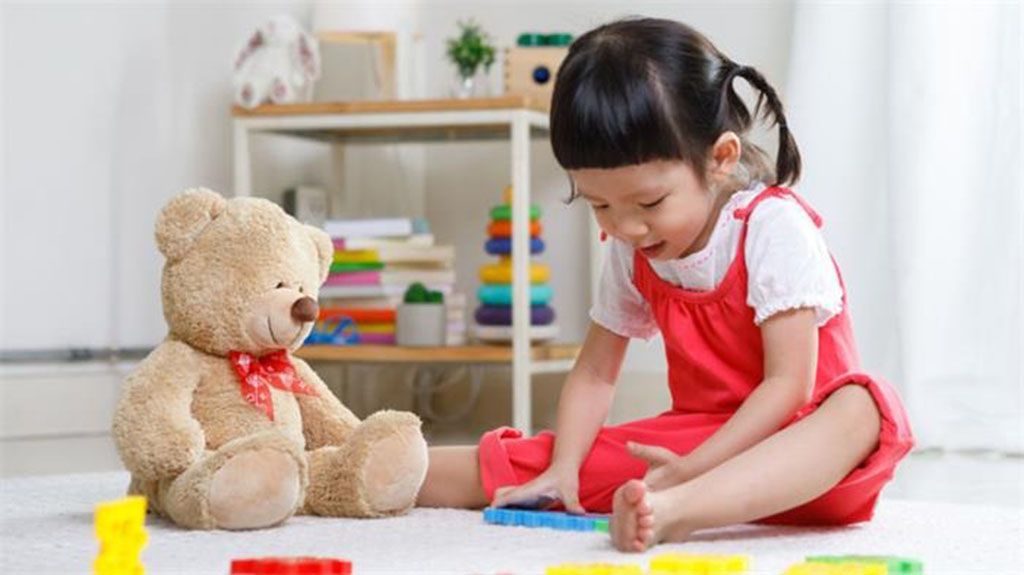
Design is not only visual. For weighted plush, it also controls how the pressure feels on the body, how easy the toy is to handle, and whether it supports the calming effect you want to offer.
When we design custom weighted animals, we look at:
- Body shape – flat, curved, long, round?
- Contact zones – which body parts of the user will the plush touch (lap, chest, shoulders, back)?
- Flexibility – stiff structure for stable pressure, or more flexible for wrapping and hugging?
- Textile choices – smooth vs textured, breathable vs more insulating.
- Details – facial expression, color palette, minimal vs more decorative.
Weighted plush often targets comfort, grounding, or sensory regulation. For that reason, we usually avoid excessive hardware, loud textures, or very bright, overstimulating patterns.
Design features and their impact
Here is a simple design-focused view:
Table 4 – How design features affect comfort and function
| Design Feature | Example Choice | Impact on User Experience |
|---|---|---|
| Overall shape | Flat animal vs 3D chubby animal | Flat: lies well on lap or chest; 3D: better for hugging |
| Weight compartments | Torso-only vs torso + limbs | Torso: central deep pressure; limbs: more “wrap-around” feel |
| Fabric texture | Smooth minky vs textured plush | Smooth: calming and cozy; textured: more sensory input |
| Facial style | Simple soft face vs high-detail face | Simple: calming, universal; detailed: stronger character identity |
| Structure stiffness | More flexible vs more structured | Flexible: conforms to body; structured: more stable weight surface |
| Removable covers / packs | Zippered inner lining, removable weight pouch | Easier washing and weight adjustment, but needs strong safety design |
If your main goal is therapeutic comfort, I usually suggest:
- Soft, breathable fabrics
- Gentle, neutral or pastel colors
- Simple, friendly facial expressions
- Balanced weight distribution across the main body
If your main goal is brand promotion or character IP, we keep the calming principles but pay more attention to character accuracy and visual storytelling.
What customization options do manufacturers offer for weighted plush toys?
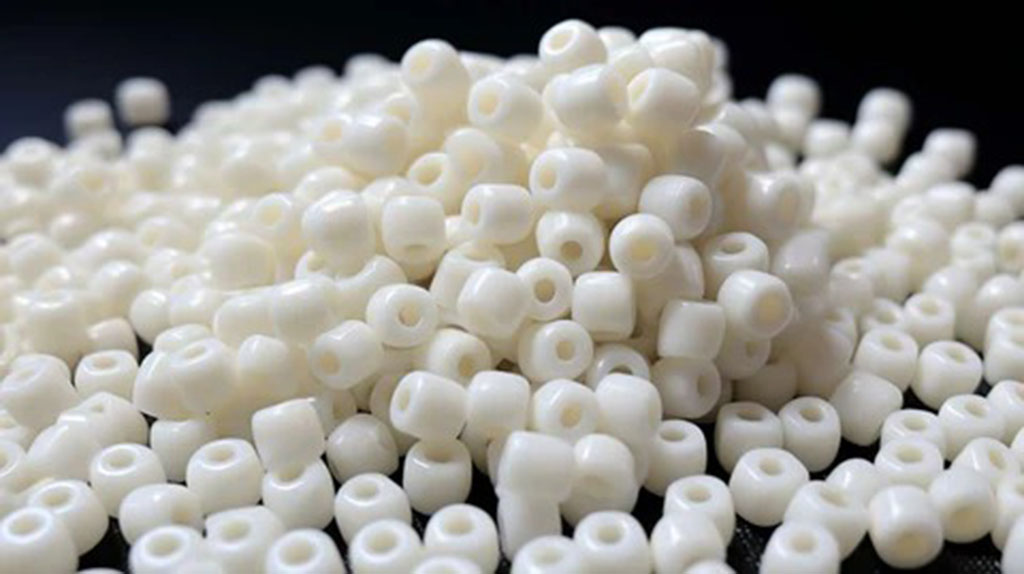
For B2B buyers and brand owners, the advantage of custom weighted plush is that you can tailor both function and branding. In our factory, customization usually happens across five main dimensions:
- Shape and size
- Weight and distribution
- Materials and textures
- Visual design and branding
- Packaging and documentation
The more clearly you define your target user and sales channel, the easier it is to make good decisions in each area.
Typical customization options and when to use them
Here’s how we normally map options to different buyer goals:
Table 5 – Customization paths for weighted plush projects
| Buyer Goal / Project Type | Key Customization Choices | Notes |
|---|---|---|
| Calming plush for kids | Medium-small size, soft minky, moderate weight, simple animal characters | Focus on safety, washability, gentle looks |
| Teen / adult comfort line | Medium to large size, higher weight, modern colors, minimalist face | Can use more sophisticated palettes and shapes |
| Brand / mascot weighted plush | Custom character shape, brand colors, logo labels, targeted weight range | Must balance brand identity with ergonomic design |
| Therapy-related product (with professional input) | Very specific weight and pattern, removable covers, clear labeling | Work closely with experts on requirements |
| Gift / lifestyle collection | Trend-driven shapes and colors, stylish packaging, moderate weight | Aim for wide appeal and “giftable” presentation |
We can also customize:
- Inner weight packs (fixed vs removable, sewn-in vs Velcro or zipper access)
- Care labels (full washing and handling instructions)
- Hangtags and story cards (explaining weight function, brand message, or character story)
During the sampling phase, we often prepare 2–3 variants with different weight levels or distributions so that you can test them with your audience or team and choose the best combination.
How do production processes ensure durability and consistent quality?
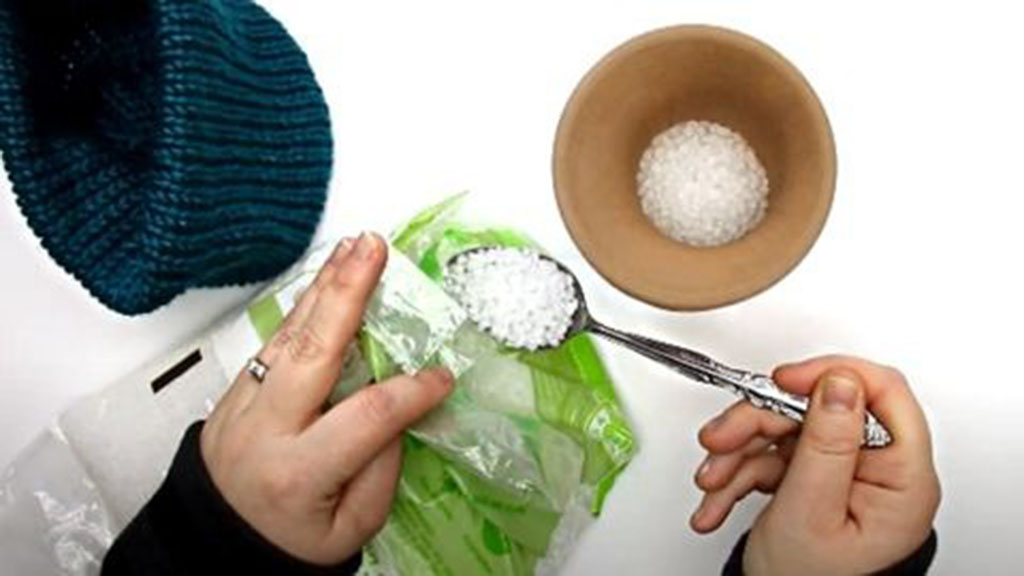
Weighted plush puts more stress on seams, fabrics, and internal components than normal plush. That’s why the production process must be more controlled. At Kinwin, we refine our normal plush workflow for weighted projects, with extra steps for weight handling and testing.
The typical process looks like this:
- Design and pattern development
- Material selection and approval (outer fabric, lining, stuffing, weighted media)
- Prototype / sample phase (often several rounds)
- Pre-production testing (safety, strength, washing behavior as needed)
- Mass production with strict in-line quality checks
- Final inspection, needle detection, and packing
Key process controls for weighted plush
To keep quality stable across many units, we focus on:
- Precise cutting – so seam allowances are consistent and there is enough fabric to handle weight stress.
- Strong stitching programs – using correct stitch length, tension, and reinforcement at stress points (neck, limbs, handle loops if any).
- Controlled filling stations – workers follow clear instructions and often use digital scales to weigh inner pouches and finished toys within a tolerance range.
- In-line and final quality checks – to catch issues early, not only at the end.
For example, we might set these kinds of controls:
- Weight tolerance on final products (for example, ±3–5% of target weight).
- Visual checks for shape consistency and symmetry.
- Random seam strength tests from each batch.
When you discuss a weighted plush project with a factory, it’s useful to ask:
- How do you weigh and verify the inner pouches?
- How do you ensure every toy in the batch is within the same weight range?
- What extra seam and safety checks do you perform for weighted designs?
Clear answers to these questions are a good sign that the factory understands the special demands of weighted products, not just regular plush.
Conclusion
Custom weighted stuffed animals sit at the crossroads of comfort, design, and safety. When you choose the right materials, plan weight and distribution carefully, follow strict compliance rules, and work with a factory that understands both softness and structure, your weighted plush line can deliver real value—calming hugs, better focus, and a strong brand story in one product. At Kinwin, my team and I help global buyers turn ideas and character sketches into safe, durable, and consistent weighted plush collections that match their markets and brand positioning. If you are planning a custom weighted plush project or want to upgrade an existing range, you are welcome to contact me at [email protected] or visit kinwintoys.com to explore how our factory can support your next step.