Skip to content
Custom plush toys have become one of the most powerful tools for brands, retailers, and promotional companies to connect with consumers. Whether designed as retail products, mascot merchandise, or marketing giveaways, a well-made plush toy reflects quality, creativity, and safety. Choosing the right supplier ensures your ideas transform into products that meet global standards and market expectations. This guide provides a detailed look at how to select a supplier, what to expect in the customization process, and the trends shaping the plush industry today.
What key factors define a reliable custom plush toy supplier?
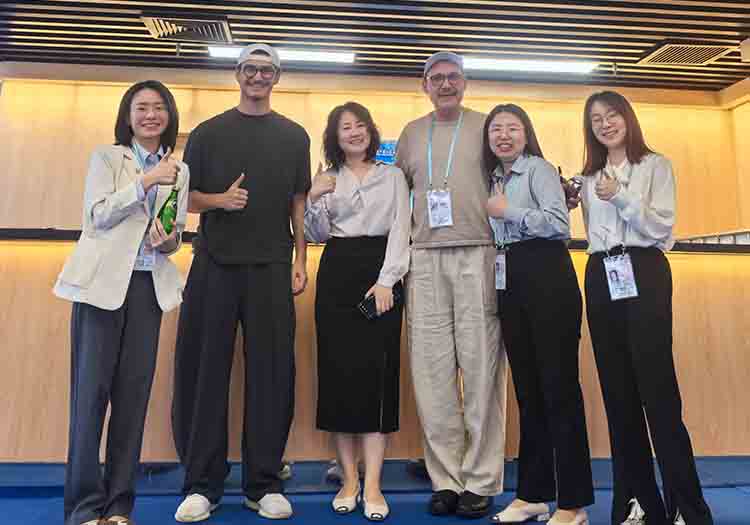
Not all suppliers are created equal. A reliable partner combines manufacturing expertise, quality assurance, communication efficiency, and compliance certifications.
Essential Qualities of a Trusted Supplier
- Experience in international markets: Years of exporting toys to the USA, Europe, and Asia prove the supplier’s knowledge of safety and logistics.
- Advanced production facilities: Equipped with embroidery, cutting, and stuffing machines for precision and speed.
- Transparency and communication: Clear responses on timelines, costs, and revisions reduce misunderstandings.
- Client references or case studies: Successful collaborations with known brands inspire confidence.
| Factor | Why It Matters | What to Look For |
|---|---|---|
| Export experience | Ensures smooth customs clearance | Suppliers with USA/EU certifications |
| Production capability | Guarantees scalability | Advanced lines & skilled teams |
| Communication | Prevents costly errors | English-speaking staff, fast replies |
| Reputation | Reflects reliability | Verified trade references |
How do OEM & ODM services enhance brand-specific plush toy production?
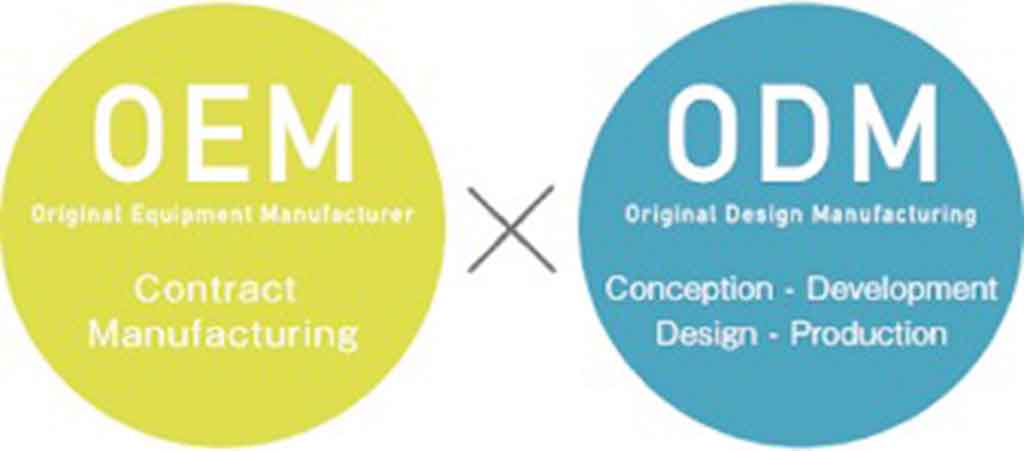
OEM (Original Equipment Manufacturing)
Suppliers produce toys based on your existing design files. This ensures brand consistency, ideal for companies that already have characters or mascots.
ODM (Original Design Manufacturing)
Suppliers design from scratch or adapt concepts for you. ODM is crucial if you lack in-house design teams but want unique, market-ready plush toys.
Value to Brands
- OEM ensures exclusivity: Protects intellectual property and brand assets.
- ODM adds creativity: Suppliers bring fresh ideas aligned with current toy trends.
- Combined approach: Some projects start as ODM sketches and evolve into OEM production for ongoing series.
| Service Type | Benefit | Suitable For |
|---|---|---|
| OEM | Consistent brand identity | Established brands |
| ODM | Creative input & flexibility | New brands, startups |
| OEM+ODM | Balanced approach | Retailers expanding assortments |
What material and safety standards must suppliers meet for global markets?

Safety and compliance are non-negotiable. Plush toys must adhere to international regulations to be sold legally and trusted by consumers.
Common Materials Used
- Minky, velboa, fleece for softness.
- Polyester fiberfill for huggability.
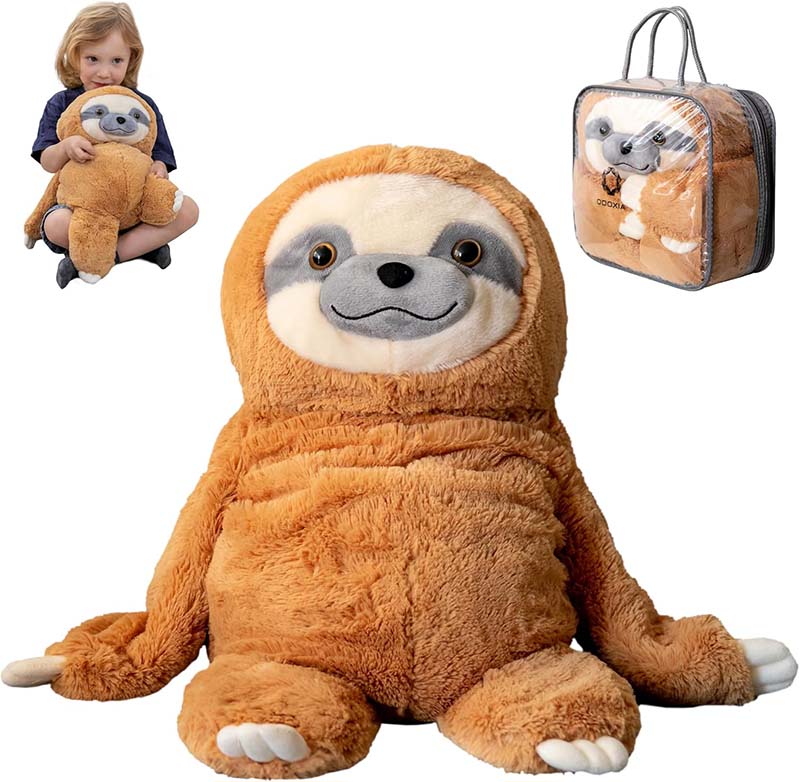
- Plastic pellets or beads for weighted plush.
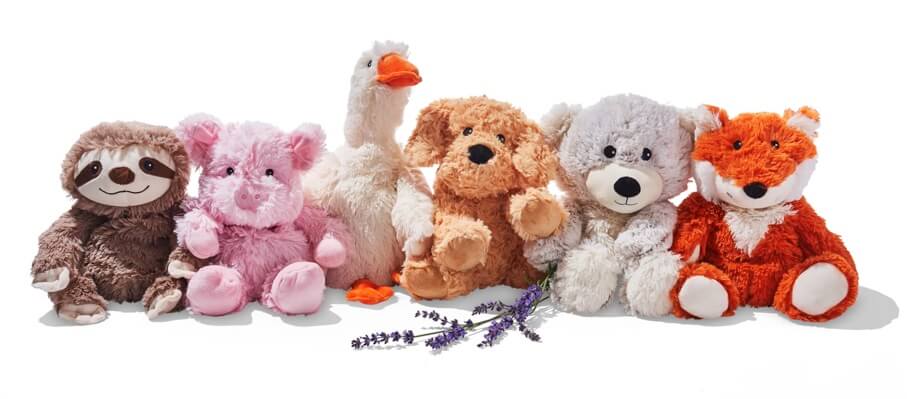
- Eco-friendly options such as recycled polyester (rPET) or organic cotton.
Safety Certifications Required
- EN71 (Europe) – Tests for flammability, mechanical risks, and chemicals.
- ASTM F963 (USA) – Covers safety requirements for children’s products.
- CPSIA (USA) – Ensures no lead or harmful substances.
- ISO standards – Confirm consistent quality management systems.
| Standard | Region | Purpose |
|---|---|---|
| EN71 | Europe | Mechanical & chemical safety |
| ASTM F963 | USA | Physical & flammability tests |
| CPSIA | USA | Substance restrictions |
| ISO9001 | Global | Quality management |
How does the customization process work from design to mass production?
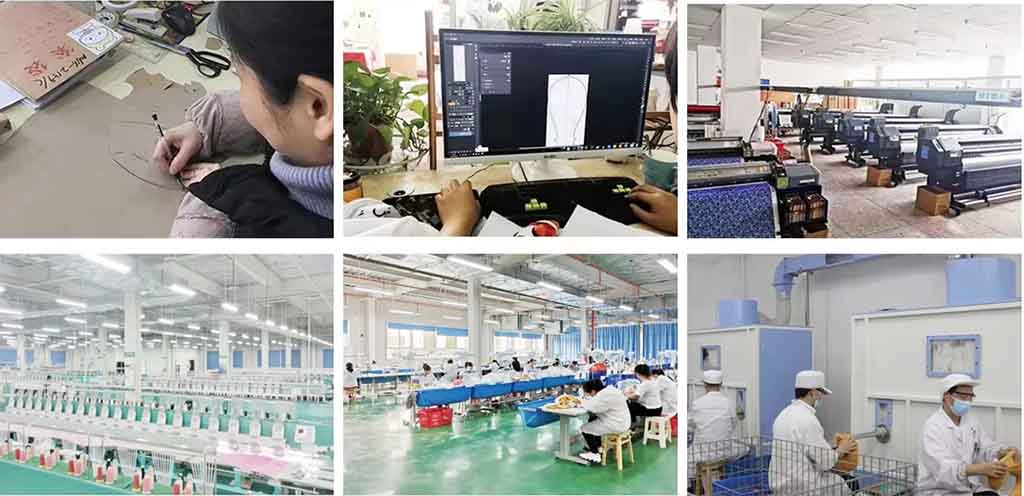
The journey from concept to finished plush involves multiple steps requiring precision and communication.
Step-by-Step Process
- Concept submission – Buyers provide sketches, logos, or reference images.
- Prototype design – Supplier creates a sample with chosen fabrics and stuffing.
- Revision stage – Buyers review and request adjustments on color, stitching, or shape.
- Approval for mass production – Once satisfied, bulk production begins.
- Quality checks – Each batch undergoes inspection for stitching, safety, and compliance.
- Packaging & shipping – Products are packed according to buyer specifications and exported.
Why This Matters
A structured process ensures your plush toys match brand identity, meet compliance, and arrive on time for market launches.
| Stage | Buyer’s Role | Supplier’s Role |
|---|---|---|
| Concept | Provide references | Analyze feasibility |
| Prototype | Feedback & approval | Develop sample |
| Revisions | Request changes | Adjust prototype |
| Production | Confirm details | Manufacture bulk |
| QC & Shipping | Approve shipment | Inspect & dispatch |
What role do pricing, MOQ, and lead times play in supplier selection?
Commercial terms often define whether a supplier is a viable partner.
Key Factors
- Pricing: Must balance quality and budget. Extremely low prices often compromise materials or safety.
- MOQ (Minimum Order Quantity): Determines the smallest batch a supplier is willing to produce. Lower MOQs help startups test the market.
- Lead Times: Typical plush toy production takes 30–60 days after sample approval. Faster turnaround is essential for seasonal campaigns.
| Factor | Typical Range | Buyer Tip |
|---|---|---|
| MOQ | 500–1000 pcs | Negotiate for pilot runs |
| Lead Time | 30–60 days | Plan for holidays & launches |
| Pricing | Varies by size/material | Avoid unrealistically low quotes |
Are there emerging trends in custom plush toy manufacturing for brands and retailers?
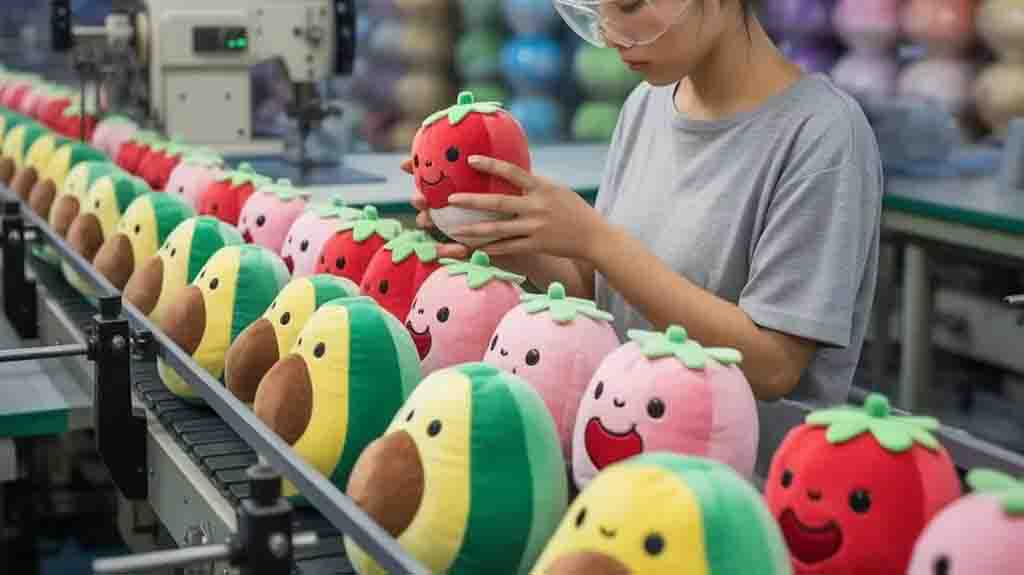
The plush industry is evolving to meet new consumer expectations. Suppliers that adopt these trends give brands a competitive edge.
Emerging Trends
- Sustainability: rPET fiberfill, organic cotton, bamboo fabrics.
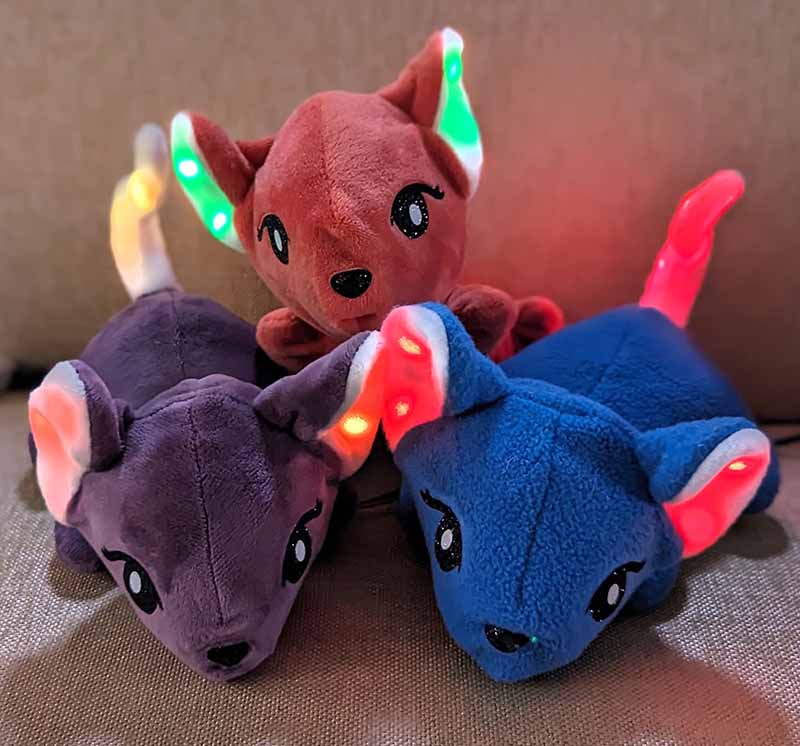
- Tech integration: Plush with sound chips, LED lights, or app connectivity.
- Therapeutic plush: Weighted designs for stress relief and sensory needs.
- Customization platforms: Online 3D configurators allowing buyers to preview designs.
- Limited edition drops: Aligning plush releases with fandom culture and collector markets.
| Trend | Market Impact | Best For |
|---|---|---|
| Eco-friendly plush | Appeals to green buyers | Europe & North America |
| Tech plush | Expands toy functionality | Kids’ educational markets |
| Weighted plush | Attracts adults & therapy use | Global lifestyle markets |
| 3D configurators | Enhances B2B buying | Online retailers |
| Limited editions | Drives urgency | Collector communities |
Conclusion
A reliable plush toy supplier must offer expertise, compliance, and flexibility. With strong OEM & ODM services, certified materials, structured processes, and competitive commercial terms, brands can confidently bring unique plush products to market. Emerging trends like eco-materials, smart plush, and therapeutic designs are reshaping buyer expectations, creating opportunities for differentiation.
At Kinwin, we specialize in OEM & ODM plush production, helping brands create toys that are safe, soft, and globally certified under EN71, ASTM, CPSIA, and ISO standards. From prototype to mass production, we ensure your plush toys meet the highest expectations of quality, customization, and timely delivery.
📧 Contact us at [email protected]
🌐 Visit kinwintoys.com
Let’s build plush collections that win consumer trust and strengthen your brand.