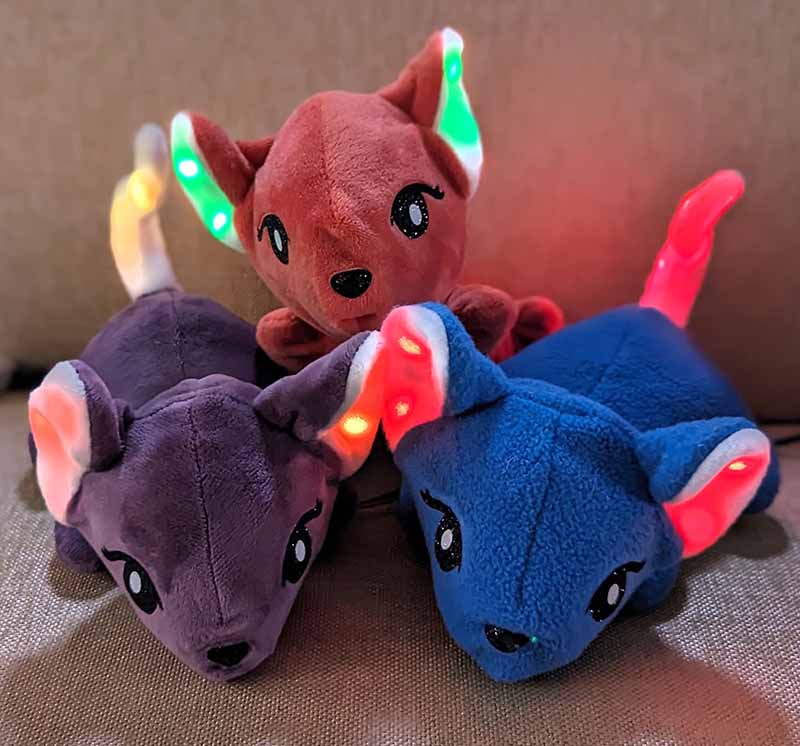
I’m Amanda from Kinwin in China. I help global brands turn sketches into safe, beautiful plush toys that pass audits and ship on time. If you are shortlisting a custom plush toy manufacturer in China, this guide shows exactly what to look for: specialization, compliance, cluster advantages, OEM/ODM depth, sampling speed, documentation, pricing models, and how to lock quality with inspections and long-term partnerships. I’ll write in simple, clear English so your sourcing and QA teams can act immediately.
What defines a high-quality custom plush toy manufacturer in China in terms of specialization, compliance, and export experience?
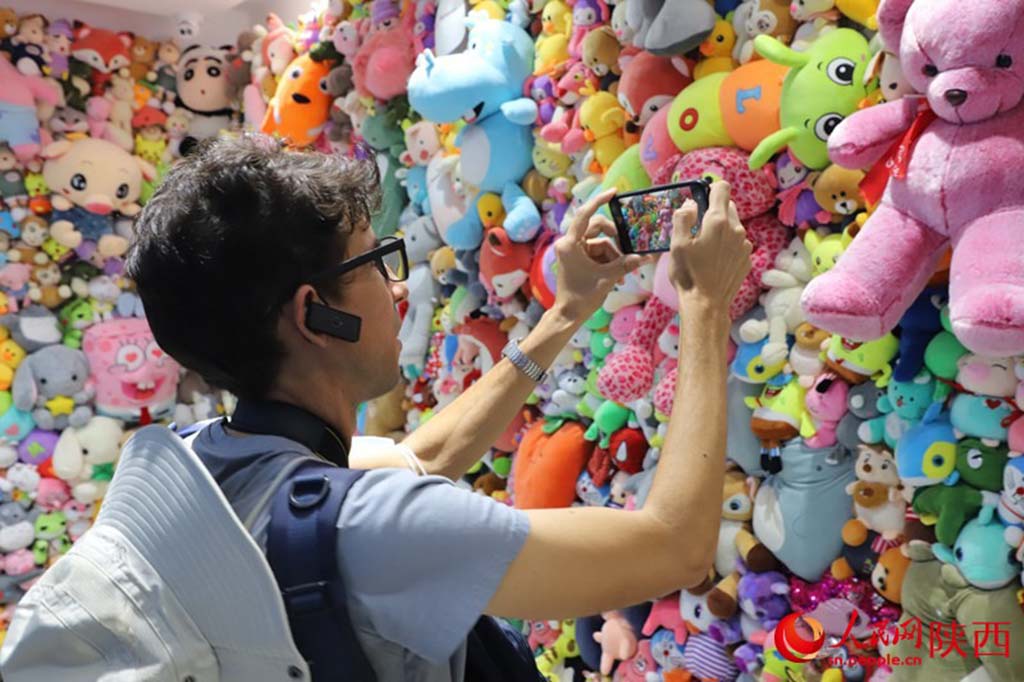
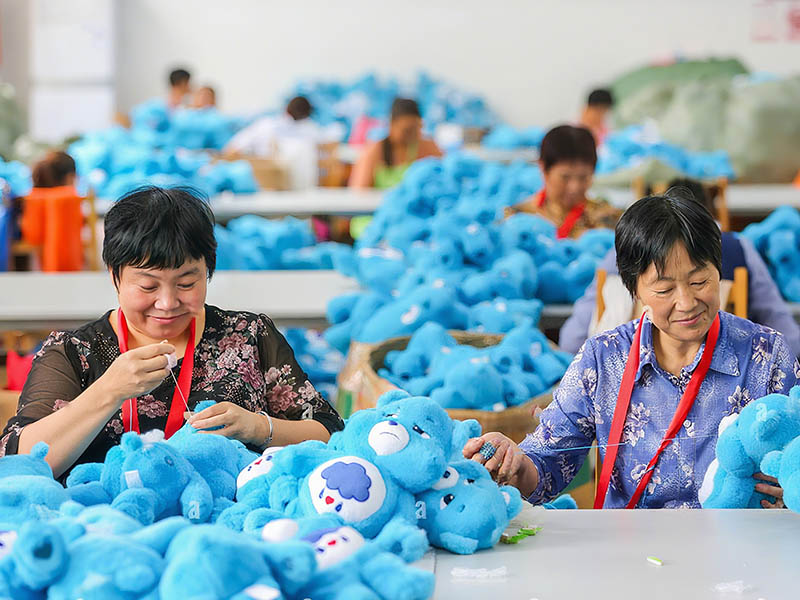
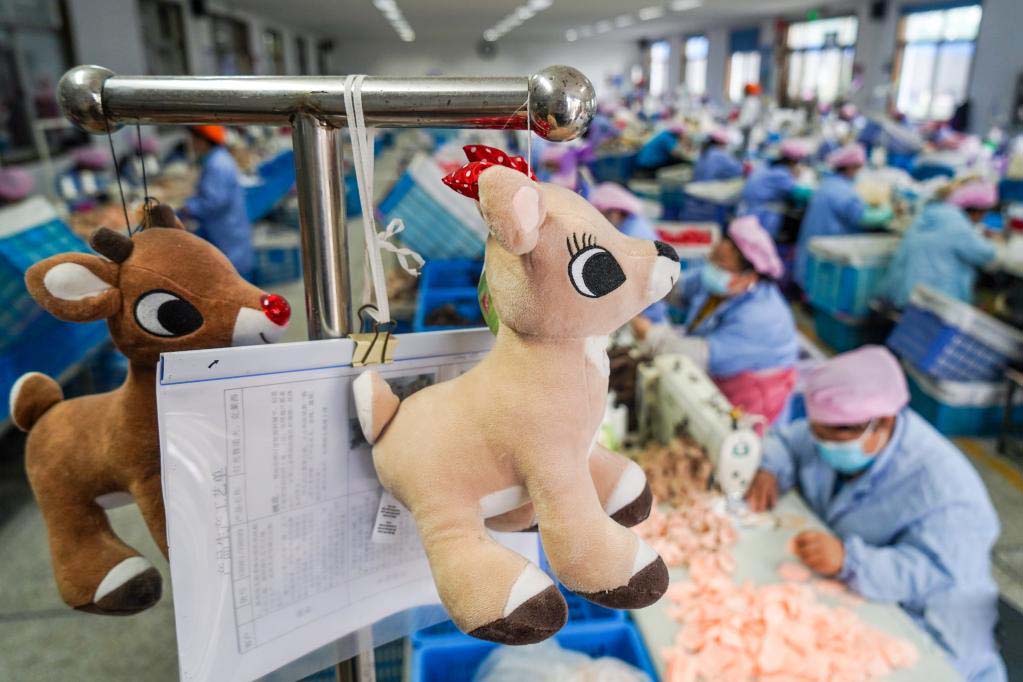
A good factory does more than sew cute toys. It runs a disciplined system: clean product specs, repeatable sampling, lot-tied compliance, and predictable delivery. Specialization matters—facilities that focus on pile fabrics (minky, velboa, faux fur) and soft sculpture will control face clarity, seam strength, and fill mapping better than general cut-and-sew plants. Look for in-house embroidery, metered stuffing, and pattern teams who understand baffles, tolerance charts, and pile direction.
Export experience shows in documents: EN71/ASTM test reports tied to the actual lot, CPC/DoC, tracking labels, packaging specs, and a tidy pre-shipment file. Mature exporters also speak the language of AQL, pilot runs, and change control (re-testing when dye lots or trim vendors change). The best plants will guide you away from risk—e.g., using embroidery-only faces for 0+ SKUs and double-pouched pellets for any weighted base.
Table 1 — Hallmarks of a High-Quality Plush Manufacturer
| Area | What to see | Why it matters |
|---|---|---|
| Specialization | Pile-fabric know-how; plush patterning; face masks | Crisp expressions; smooth curves; stable sits |
| In-house ops | Embroidery, sample room, metered stuffing | Speed + repeatability |
| Compliance literacy | EN71/ASTM/CPSIA matrix; lot-tied reports | Fewer retests; cleaner retailer onboarding |
| Process control | AQL plan; tolerance charts; baffles/fill maps | Even squeeze; lower defect rate |
| Change control | Re-test on dye/trim changes; document updates | Avoids “paper compliance” |
| Export admin | CPC/DoC; tracking labels; cartonization | Fast customs; lower detention risk |
Which regions and manufacturing clusters (Guangdong, Jiangsu, Zhejiang, Shandong) dominate China’s plush production landscape?
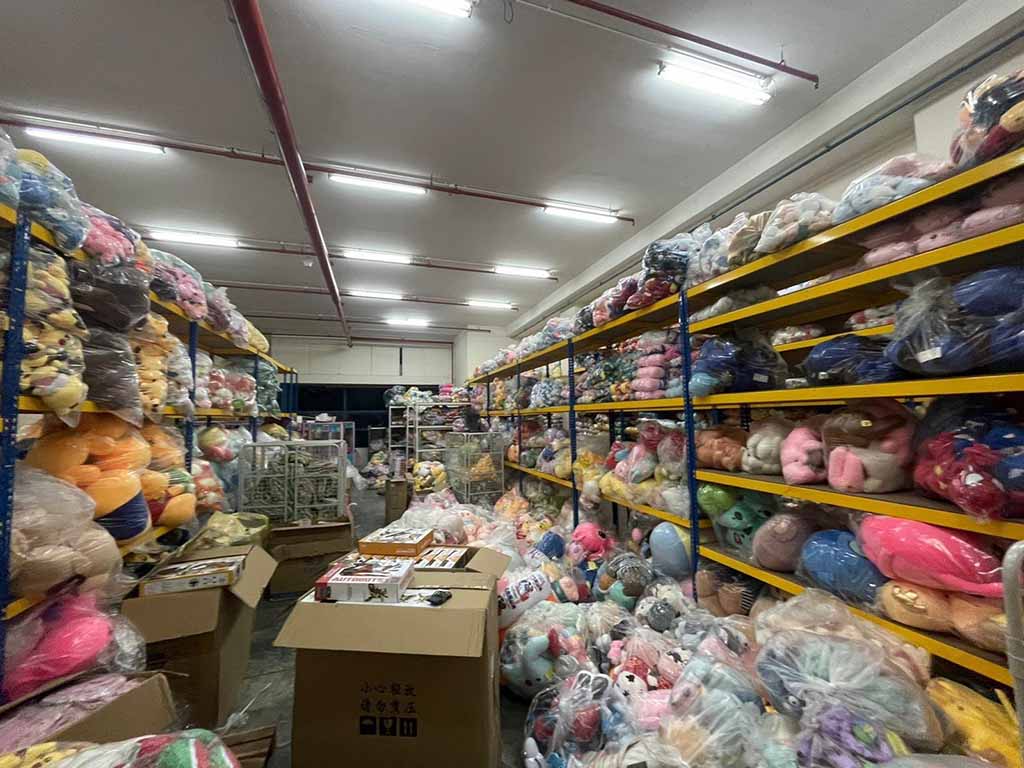
China’s plush ecosystem is clustered. Each region has strengths based on supporting mills, trim vendors, logistics, and skilled labor.
- Guangdong (Dongguan, Shenzhen, Huizhou): Deep plush networks, fast sampling, strong export ops. Ideal for ODM development, IP accuracy, premium faux-fur builds, and fast photo content.
- Jiangsu (Nantong, Suzhou): Textile base, stable workforce, balanced cost/quality, reliable schedule management.
- Zhejiang (Yiwu, Ningbo): Access to wide trim markets, small accessories, packaging suppliers; competitive for minis, keychains, bundle packs.
- Shandong (Qingdao, Weifang): Scale capacity, strong sewing teams, competitive pricing for volume programs.
Table 2 — Cluster Advantages (Directional)
| Cluster | Strength | Best for | Watch-outs |
|---|---|---|---|
| Guangdong | Speed, ODM, premium faux fur, IP accuracy | Collector/décor, licensed lines | Slightly higher cost per minute |
| Jiangsu | Balanced cost/quality, planning | Core animals, multi-size ladders | Book slots early for peak seasons |
| Zhejiang | Trim/packaging access, minis | Clip-ons, blind boxes, gift bundles | Manage lint and small-part testing |
| Shandong | Volume sewing, competitive pricing | Mass retail, basic animals | Confirm pile direction and face clarity |
How do OEM/ODM capabilities, sampling workflows, and material sourcing affect customization precision and lead times?
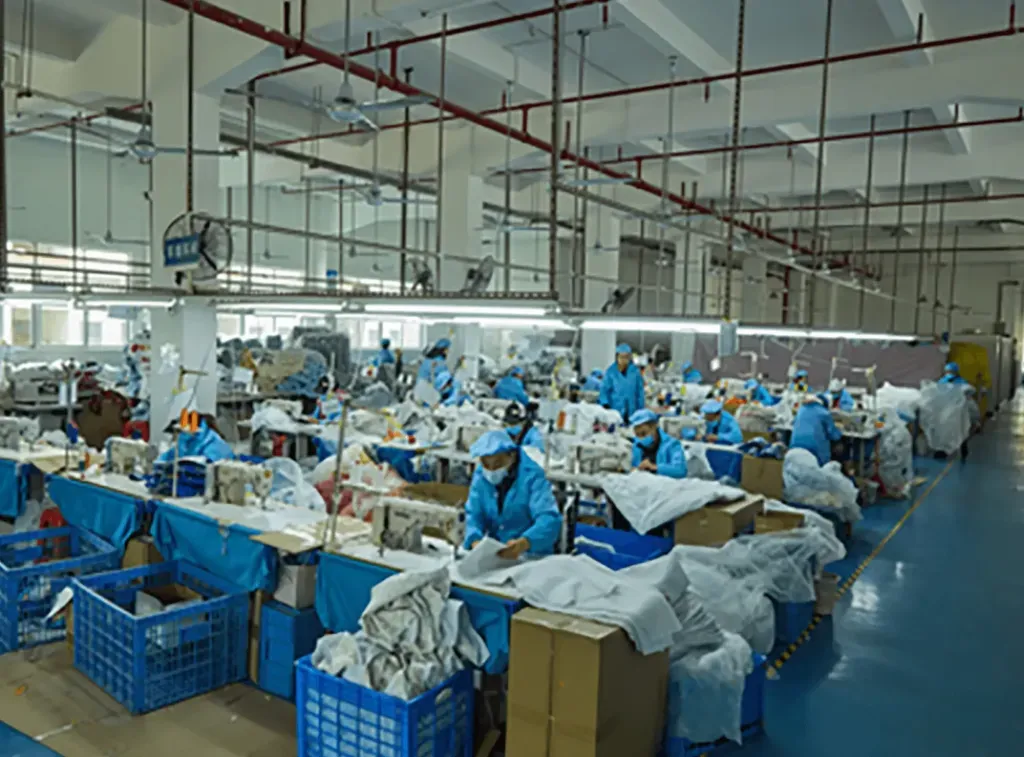
OEM means you bring the design; ODM means the factory co-creates the design. Strong ODM saves weeks by correcting silhouettes, panel joins, and embroidery density before you ask. A professional sampling workflow uses two soft rounds:
- Soft Sample #1 (S1): Locks silhouette and sit-stability. No color chasing.
- Soft Sample #2 (S2): Locks fabrics, embroidery, fill grams per panel, and weighted base (if any). Adds trim masks around muzzles on faux fur.
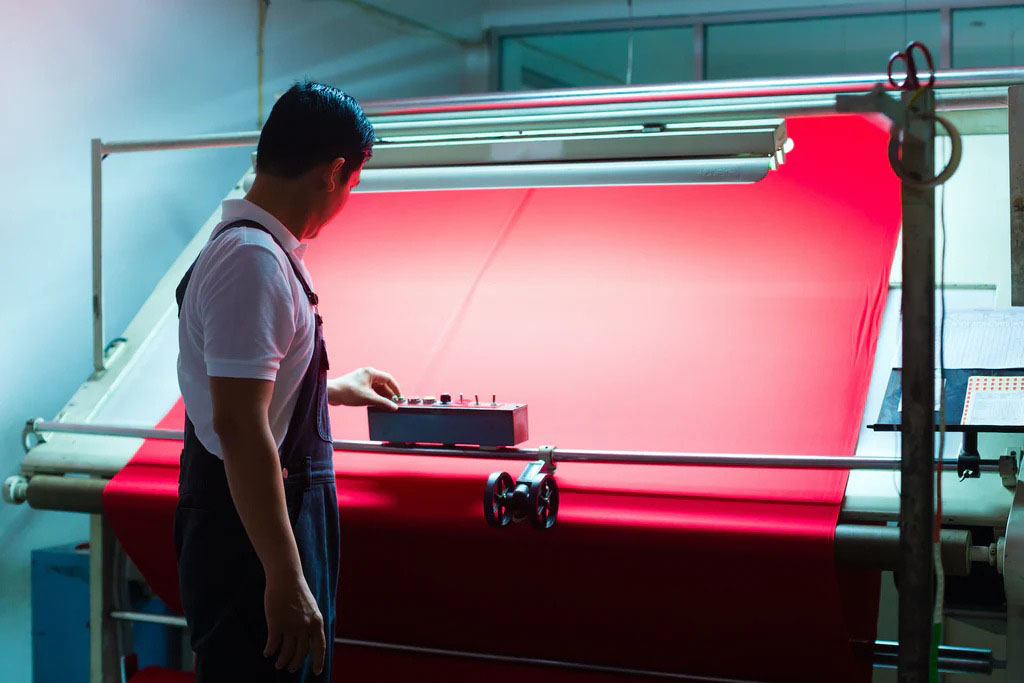
Material sourcing directly affects both feel and testing. Short-pile minky/velboa for faces delivers clean expressions and easy washing. Faux fur adds “wow” but needs brush-after-wash guidance and clear trim zones. For fill, hollow polyfiber is the cloud-soft default; blends with solid fiber help sculpt cheeks and edges. Any weighted feature should use PP/TPE pellets in double inner pouches with leakage validation.
Table 3 — OEM/ODM Capability Map
| Capability | Factory action | Impact on your project |
|---|---|---|
| Patterning | Paneling with grain direction; face mask map | Fewer resamples; accurate expressions |
| Sampling cadence | S1 → S2 with numeric specs (SPI, fill grams) | Predictable approvals; cleaner PPS |
| Material library | Verified minky/velboa/faux fur swatches | Faster fabric lock; consistent reorders |
| Embroidery know-how | Density tuning; jig placement | No “fuzzy mouth/eyes” issues |
| Weighted expertise | Double-pouched system; leakage tests | Safe comfort; fewer QC holds |
| Photo readiness | Texture macro + scale-in-hand samples | Lower PDP returns; faster listings |
Which certifications and audits (EN71, ASTM F963, CPSIA, CE, BSCI, SEDEX) verify factory reliability and global market readiness?
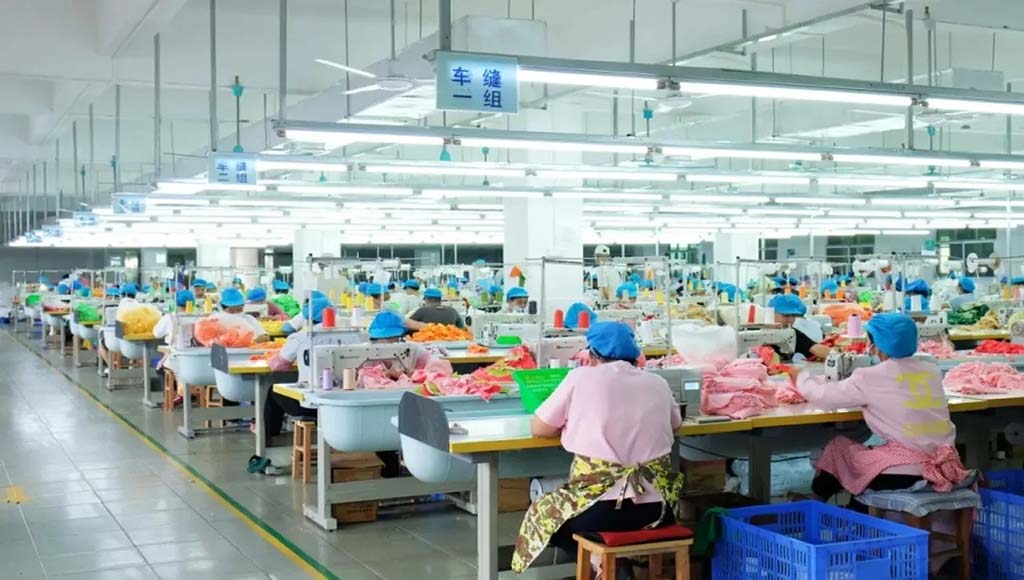
Plush makers for global retail manage two layers: product tests and social/ethical audits.
- Product safety:
- EN71-1/2/3 (EU/UK) for mechanical/physical, flammability, and chemical migration.
- ASTM F963 and CPSIA (U.S.), plus CPC and tracking labels.
- If scented sachets exist, follow IFRA and list ingredients.
- Weighted items require leakage and stuffing integrity checks.
- Social/ethical audits:
- BSCI or SEDEX/SMETA support retailer onboarding and ESG claims.
- Some buyers accept WRAP or amfori standards.
- These do not replace product tests; they complement them.
A serious factory ties test reports to lots and re-tests after dye-lot or trim supplier changes. They keep a live compliance folder: BOM, test matrices, DoC/CPC, tracking label map, and packaging proofs.
Table 4 — Compliance & Audit Snapshot
| Scope | What to ask for | Why it matters |
|---|---|---|
| EN71-1/2/3 | Lot-tied lab reports | EU/UK market access |
| ASTM F963 + CPSIA | CPC + tracking label samples | U.S. market access |
| IFRA (if scented) | Ingredient disclosure | Allergen transparency |
| Weighted validation | Double-pouch leakage tests | Safety, reduced claims |
| BSCI / SEDEX | Recent audit report | Retailer acceptance; ESG |
| DoC / Tech file | For CE/UKCA items | Customs and retailer onboarding |
How can buyers evaluate communication efficiency, MOQs, and pricing models (EXW, FOB, CIF, DDP) before finalizing suppliers?
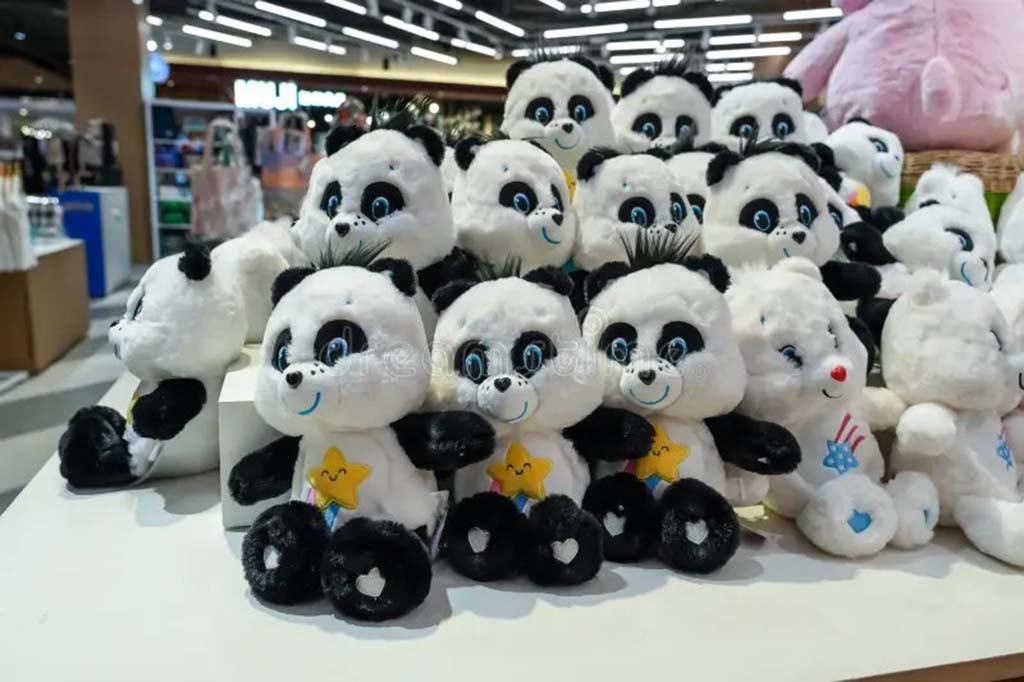
Communication is a cost. Delays and misunderstandings create resamples and missed bookings. During vetting, notice whether the factory replies with numbers (GSM, pile height, SPI, fill grams, AQL levels) instead of only adjectives. Ask for a timeline Gantt with S1/S2/PPS/pilot/mass/FRI milestones. For MOQs, learn where the thresholds sit: shell fabric dyeing, embroidery thread colors, pellet procurement, packaging print runs.
Pricing models change landed cost:
- EXW: you collect; most control, most admin.
- FOB: factory clears export; you manage freight. Common for mid/large buyers.
- CIF: ocean freight included; you handle destination charges.
- DDP: door delivery with duties/taxes included; convenient for smaller teams, but check assumptions.
Table 5 — Commercial Evaluation Checklist
| Topic | What good looks like | Red flags |
|---|---|---|
| Response quality | Numeric specs; photos/diagrams | Vague “soft and cute” only |
| Timeline | Dated milestones S1→S2→PPS→pilot→mass→FRI | “We’ll see as we go” |
| MOQ logic | Clear by fabric/print/trim | One flat MOQ for all items |
| Pricing term | EXW/FOB/CIF/DDP explained | Incomplete cost elements |
| Samples | Two-pass sampling plan with change log | Endless “final samples” |
| AQL plan | Agreed G-II, Maj 2.5 / Min 4.0 | “We check everything 100%” without plan |
What strategies—factory visits, third-party inspections, and long-term partnerships—ensure quality, safety, and on-time delivery?
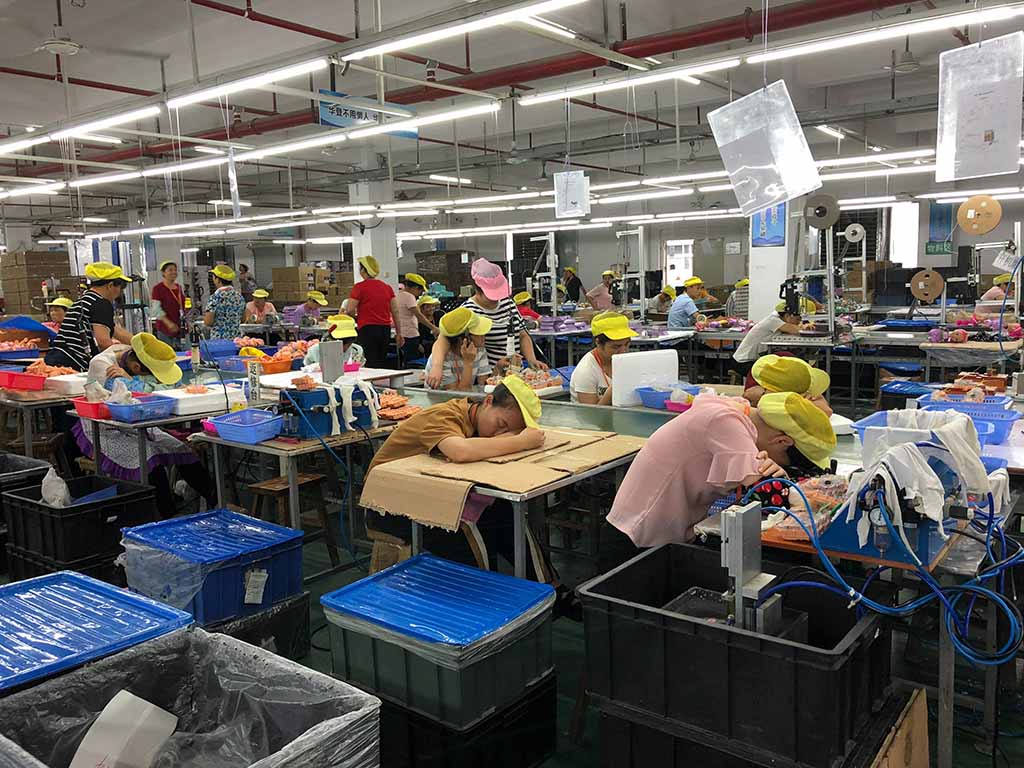
Great results come from visibility and rhythm. If you can, visit the factory to see marker making, embroidery placement, SPI, baffles, and metered stuffing. If travel is not possible, use a structured video audit and third-party inspections:
- Pilot run inspection: Verify cycle times, in-line checks, pellet leakage tests, and early AQL.
- During mass: Random in-line pulls for seam strength and face symmetry; keep drift small.
- FRI (pre-ship): Your AQL plan; verify labeling and cartonization; photograph stack tests.
Partnerships improve performance. Share demand plans each quarter, lock seasonal palettes, and build a size ladder that repeats. The factory invests in jigs and training when it sees stable programs. Agree on change control: any material/trim/vendor switch triggers documentation and, if needed, re-tests. Keep issue logs professional and precise: show photos, lot numbers, and corrective actions—blameless, fast, factual.
Table 6 — Control Plan for Ongoing Programs
| Moment | What to do | Outcome |
|---|---|---|
| Factory visit/video audit | Check process, documents, training | Confident launch |
| Pilot run QC | Time study, leakage, early AQL | Stable production recipe |
| In-line checks | Hourly pulls, face/cheek symmetry | Low drift; fewer surprises |
| FRI | AQL per plan; doc pack verified | Ship-ready cartons |
| Post-launch review | Returns & defect analysis | Spec tweaks, future savings |
| Quarterly planning | Forecast, palettes, size ladder | Capacity reserved; faster approvals |
Conclusion
A reliable custom plush toy manufacturer in China combines plush specialization, lot-tied compliance, and export discipline with fast, numeric communication. Choose clusters that fit your program, insist on two-stage sampling with measurable specs, and secure AQL + lab tests tied to real lots. Package honestly, plan logistics early, and build quarterly rhythms. That’s how you get plush that looks premium, feels soft, passes audits, and arrives on time. If you want a factory partner to run this system end-to-end, email [email protected] or visit kinwintoys.com—my team at Kinwin can take you from brief to PPS to mass production cleanly.