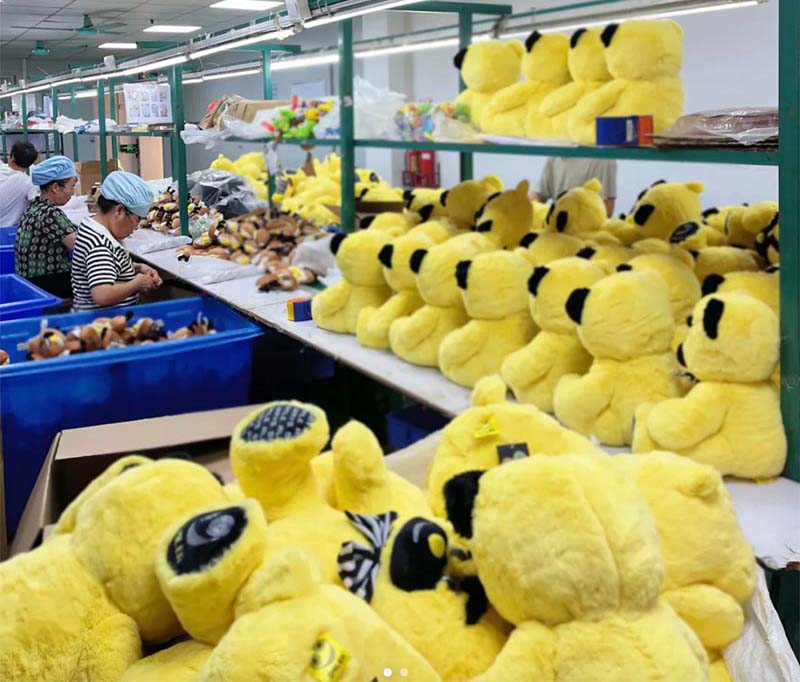
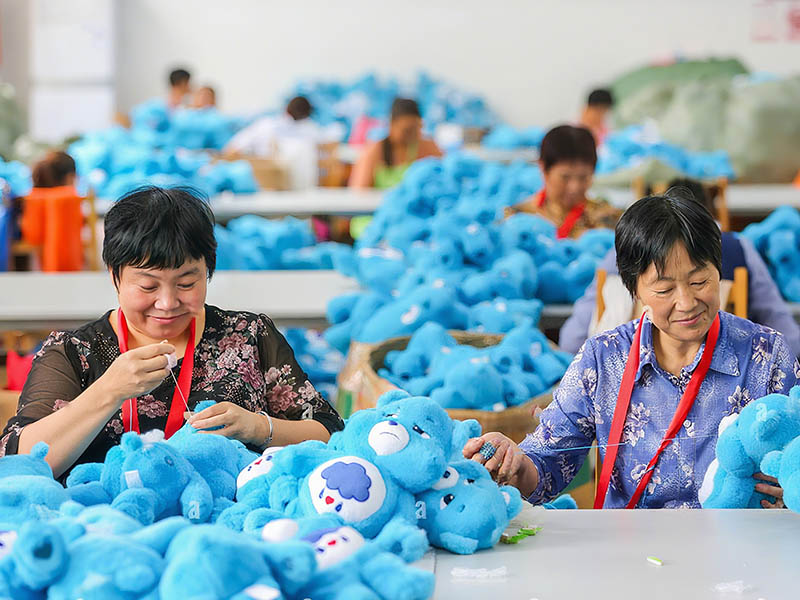
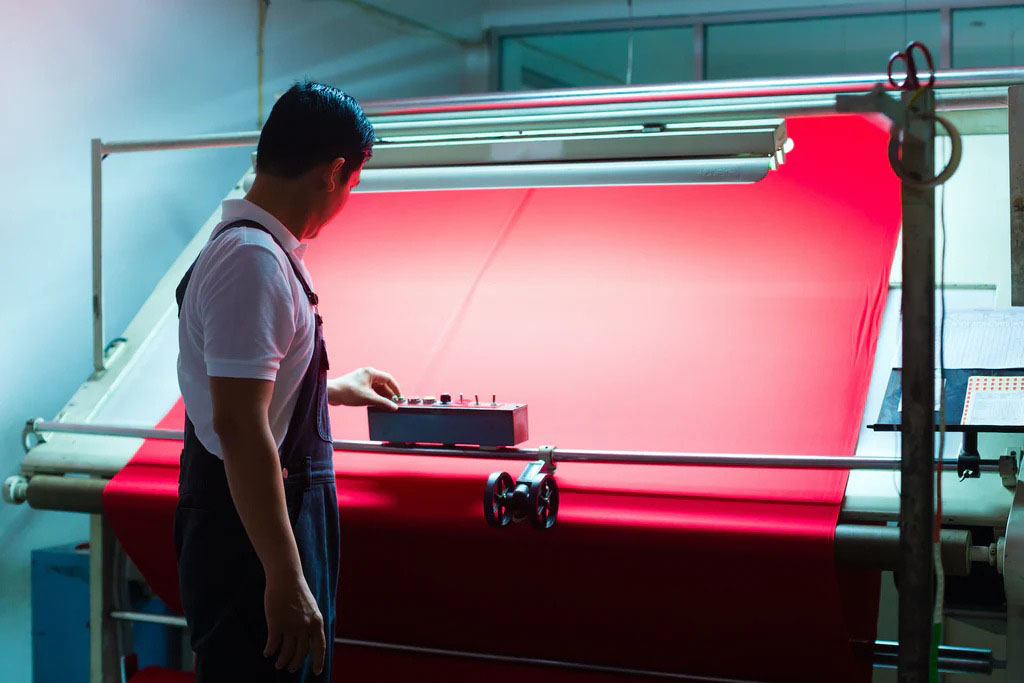
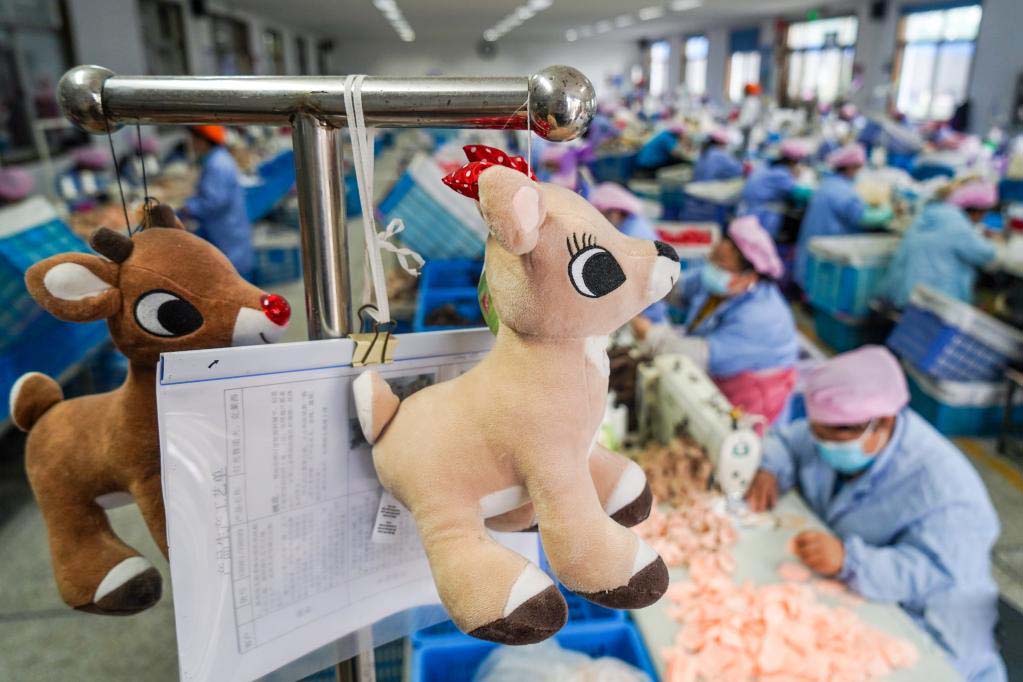
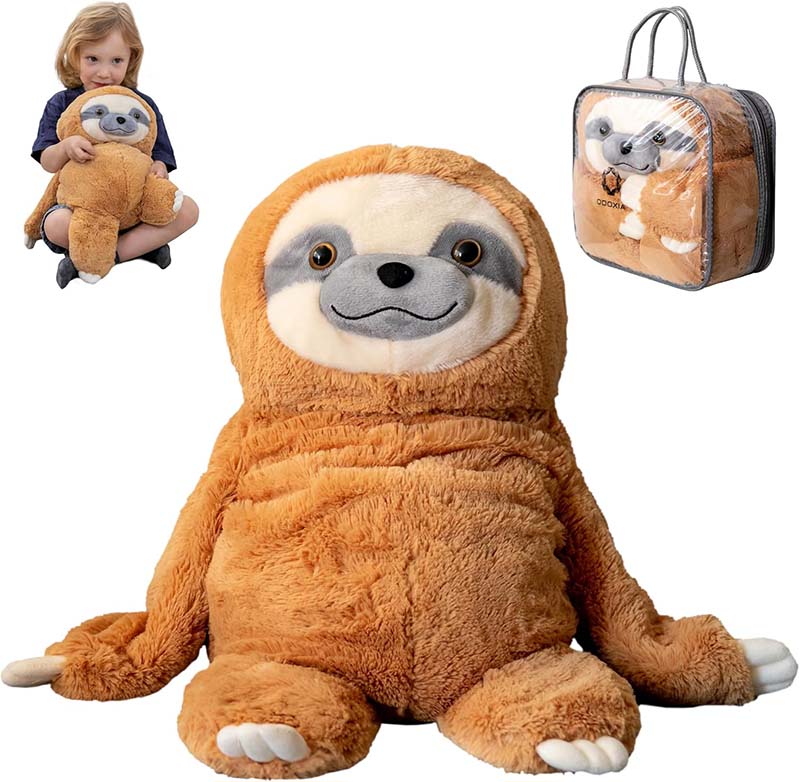
Developing a custom plush toy involves far more than choosing a cute design and sending it to a factory. Every decision—from fabrics and structural engineering to compliance testing and packaging—plays a direct role in the final cost. Understanding these cost drivers helps brands plan budgets accurately, avoid surprises during sampling or production, and make informed trade-offs that protect both quality and profitability.
This guide explains the key factors that influence the development cost of custom plush toys, giving buyers, brand owners, and procurement teams a clear roadmap to build efficient, cost-effective projects with reliable manufacturers.
What Design Complexity Elements Drive Up Development Costs?
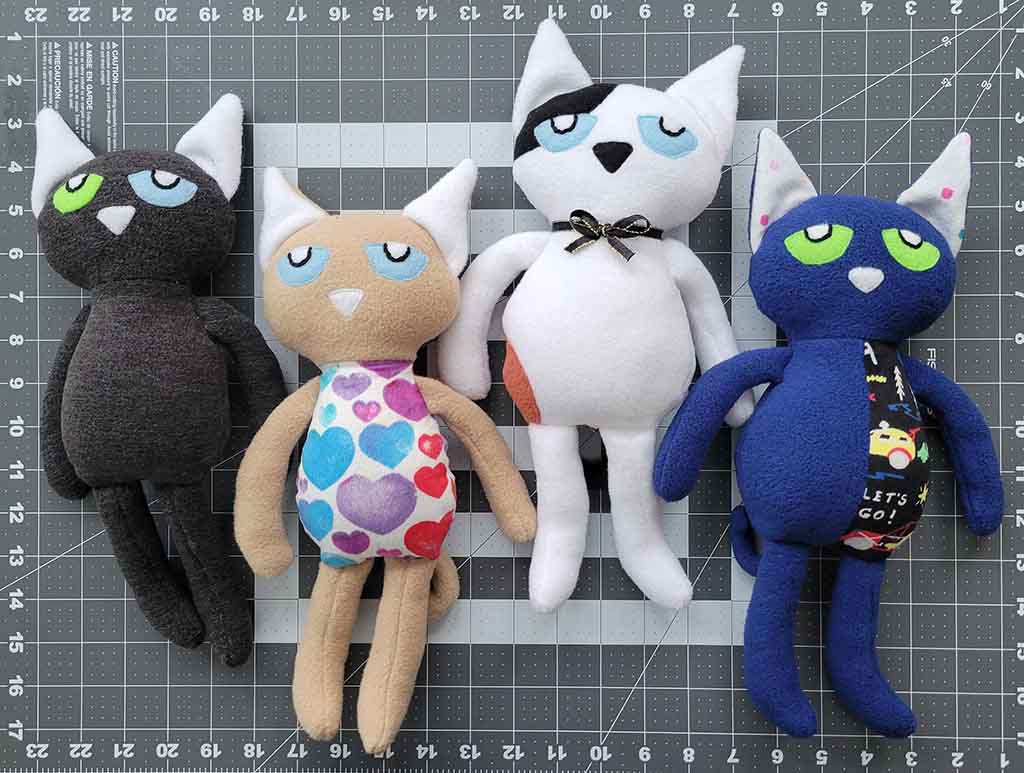
Design complexity is often the first and most influential cost driver in plush toy development. When a plush design contains multiple colors, detailed embroidery, layered fabrics, unique silhouette shapes, or small accessories, more labor and time are required. Factories must invest additional hours in pattern making, testing proportions, reinforcing seams, and adjusting shapes to capture the character’s identity accurately.
More complex shapes—such as winged characters, plush toys with long limbs, structured costumes, or oversized heads—require extra pattern pieces. Each additional piece means more cutting, sewing, stuffing calibration, and finishing work. Embellishments like 3D horns, unique hair textures, appliqué layering, or gradient printing also add cost due to specialized techniques.
In licensing projects, the need for extremely accurate replication increases the number of prototype rounds needed to pass brand approval. Every iteration adds sampling labor, material usage, and engineering time. While complexity brings visual impact, brands must plan for the corresponding cost implications.
| Design Element | Cost Reason | Impact on Budget |
|---|---|---|
| Multi-color designs | More fabric changes & stitching time | Medium–High |
| Detailed embroidery | Machine setup + thread density | High |
| Unique silhouettes | Additional pattern pieces | High |
| Accessories | Small items require handwork | Medium |
| Costume elements | Layered sewing & assembly | High |
How Do Fabric Selection and Material Specifications Influence Pricing?
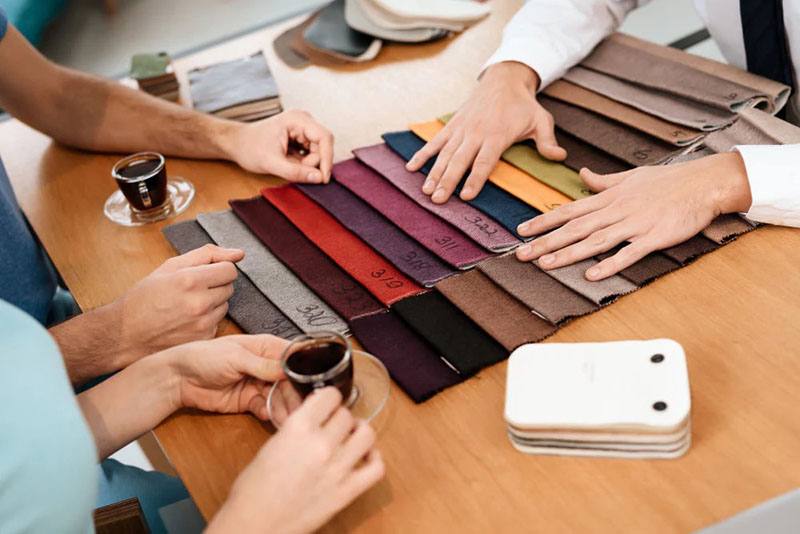
Material choice significantly affects cost because fabric type, pile length, quality grade, and eco-certification requirements directly determine sourcing price and sewing labor. Premium fabrics such as long-pile faux fur, ultra-soft minky, Sherpa fleece, or unique textured fabrics come at higher price points. In contrast, standard velboa is more economical but offers less plushness.
Eco-friendly materials like GRS-certified RPET fabrics or organic cotton cost more due to stricter manufacturing processes and higher raw material prices. If a design requires multiple fabrics across different zones (face, body, accessories), cutting efficiency decreases, increasing cost due to higher wastage and longer handling time.
Accessories such as safety eyes, noses, zippers, magnets, and sound modules also contribute to material costs. Even small changes—like switching from printed features to embroidery—can significantly change pricing due to machine time and stitch density.
| Material Type | Relative Cost Level | Reason |
|---|---|---|
| Velboa | Low | Standard plush fabric |
| Minky (2–3mm) | Medium | Softness + higher grade |
| Long-pile faux fur | High | Difficult to sew + premium |
| RPET eco fabric | High | Certified sustainable |
| Specialty textiles | Very High | Custom runs + limited supply |
What Impact Do Size, Shape, and Structural Engineering Have on Cost?
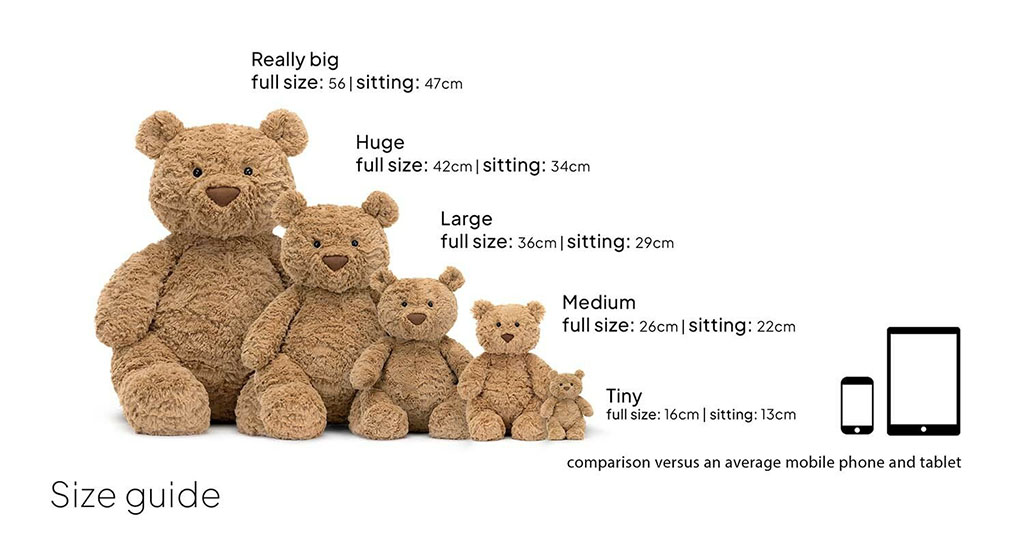
Size is one of the simplest yet most overlooked cost drivers. Larger toys require more fabric, stuffing, time, and carton volume for shipping. Every additional inch increases material consumption and labor hours. However, size also changes structural needs. Oversized plush toys often require internal supports—such as foam panels, reinforced joints, wire frames, or weighted bases—to prevent collapse or distortion.
Shape complexity influences both pattern work and sewing difficulty. A round shape is easier and cheaper to produce than a complex shape with multiple angles or appendages. Plush toys that must stand upright or maintain a pose require advanced engineering, which adds material cost and skilled labor.
In addition, proportions affect stuffing density. Toys with large heads and small bodies require strategic internal balancing to prevent top-heavy collapse. This may involve weighted beads or foam stabilizers, increasing both material and compliance testing costs.
| Structural Factor | Engineering Need | Cost Effect |
|---|---|---|
| Large size | More stuffing + fabric | High |
| Standing pose | Internal supports | Medium–High |
| Complex limbs | Extra pattern pieces | Medium |
| Weighted components | Beads or pellets | Higher material cost |
| Precision shaping | Foam or panels | High |
How Do Sampling, Prototyping, and Revision Cycles Affect Overall Budget?
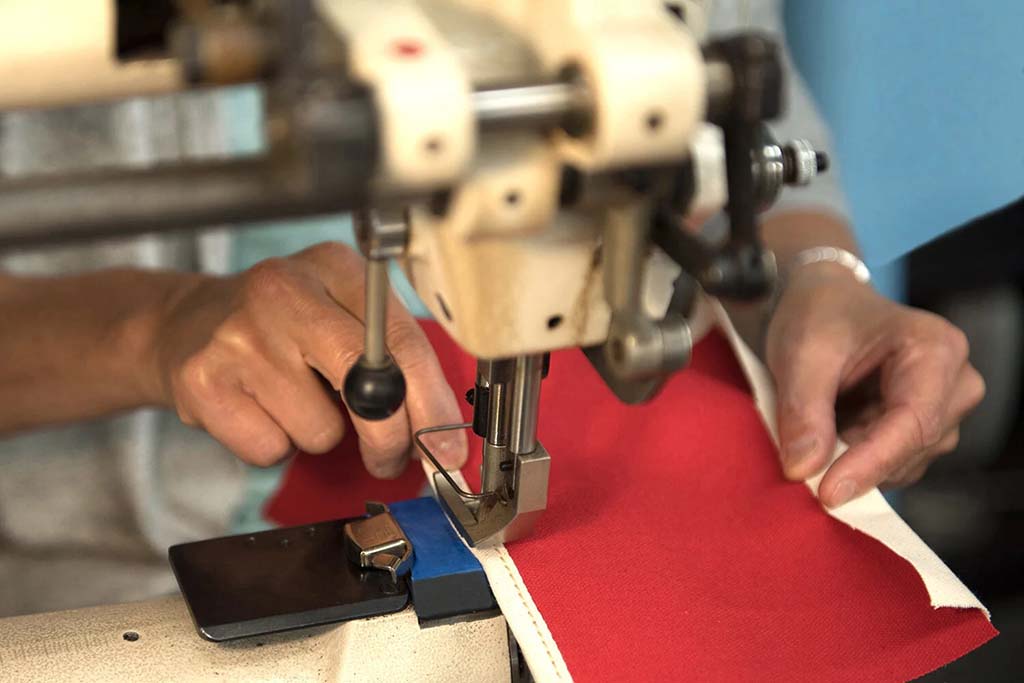
Sampling is a necessary investment in custom plush development, but the number of revisions directly impacts cost. Each prototype requires materials, sewing hours, embroidery tests, pattern adjustments, and engineering corrections. When feedback loops are lengthy or unclear, costs increase rapidly.
Complex characters often require 2–3 sample rounds to achieve the correct look and feel. Licensed characters may require even more cycles due to strict accuracy standards. Every additional revision adds shipping fees (for sending samples internationally), time delays, and labor costs at the factory.
Providing a complete tech pack and detailed design brief minimizes these cycles. Incomplete briefs are one of the biggest causes of inflated sampling budgets. Brands that supply clear reference images, Pantone colors, fabric mapping, and embroidery specifications help factories produce accurate samples on the first attempt—saving cost and time.
| Sampling Cost Driver | Description | Impact |
|---|---|---|
| Number of revisions | More rounds = higher labor | High |
| Complexity | Difficult shapes need adjustments | High |
| Communication quality | Poor clarity = mistakes | High |
| Shipping samples | International freight costs | Medium |
| Tech pack completeness | Clear info reduces iterations | Major cost saver |
What Production Volume, Lead Times, and Labor Requirements Shape Final Costing?
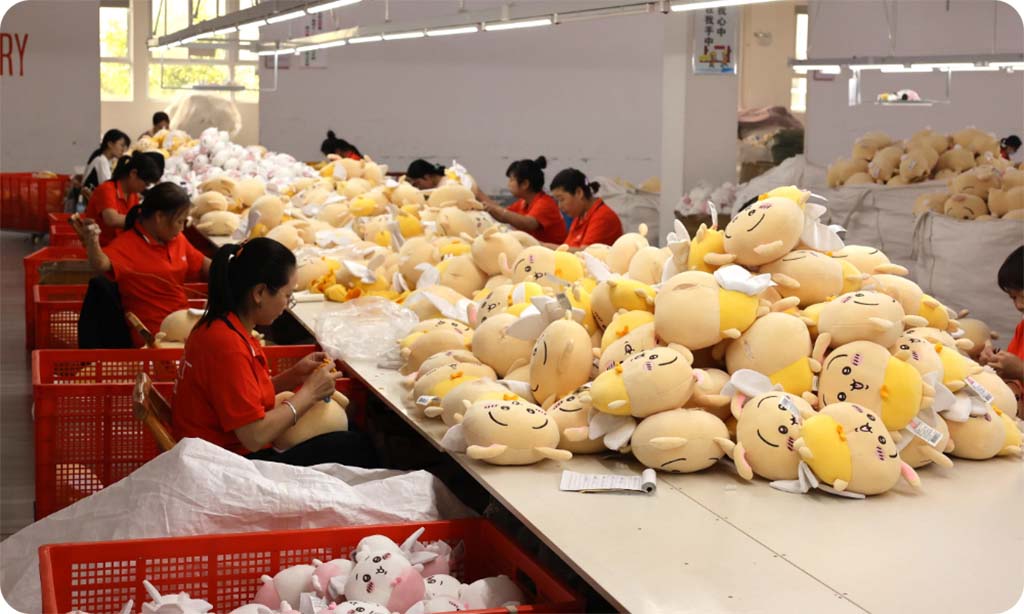
Production economics in plush toys follow the classic manufacturing principle: higher volumes reduce per-unit cost. Factories optimize labor allocation, machine setup, fabric cutting, and material purchasing when orders are large enough to justify bulk efficiencies. Smaller orders carry higher per-unit costs because overhead must be spread across fewer units.
Lead times also influence cost. Rush orders require overtime labor, priority scheduling, faster material procurement, and extended QC hours—all of which come at a premium price. Peak seasons (Christmas, Halloween, Lunar New Year) intensify labor shortages across Asia, raising labor cost and reducing availability.
Labor requirements vary depending on sewing difficulty, handwork (such as attaching accessories), embroidery density, and finishing complexity. Detailed plush toys with intricate details can take significantly longer to produce, increasing labor cost per unit.
| Production Factor | Cost Impact | Notes |
|---|---|---|
| Volume (MOQ) | Lower volumes = higher cost | Economies of scale |
| Lead time | Rush = premium ; longer = economical | Scheduling flexibility |
| Labor difficulty | More handwork = more cost | Embroidery & accessories |
| Factory capacity | High capacity = lower cost | Better efficiency |
| Seasonal timing | Peak season premiums | Plan early |
How Do Packaging, Accessories, and Compliance Testing Add to Total Project Expense?
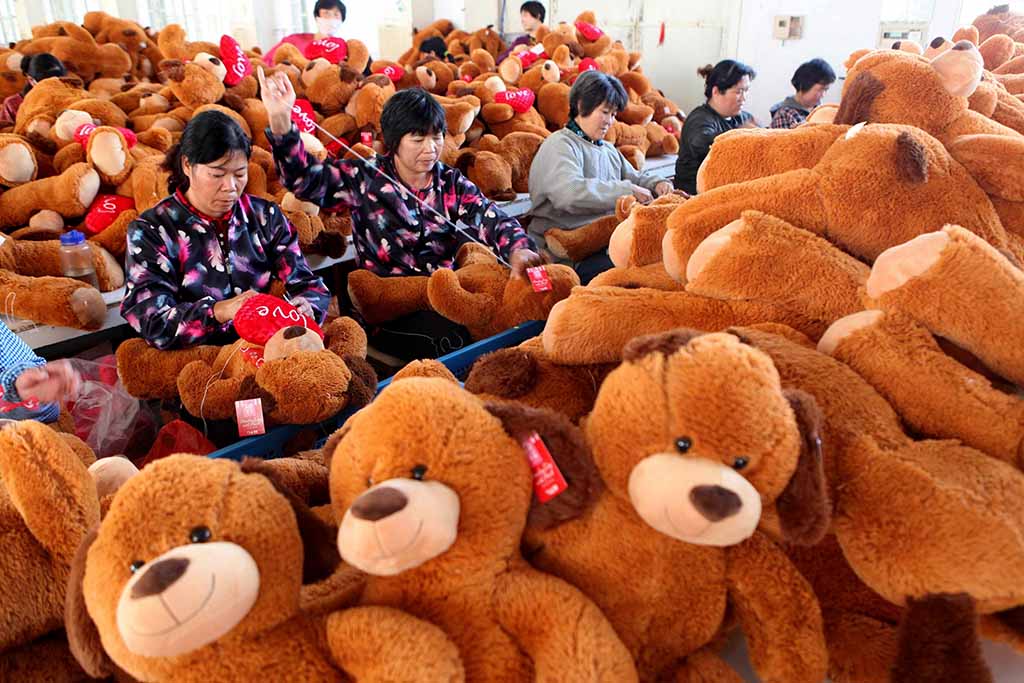
Packaging is often an underestimated cost driver. Depending on the brand’s needs, packaging may include simple polybags, custom-printed boxes, window packaging, sustainable packaging options, hangtags, barcodes, and multilingual instructions. Custom packaging involves printing, dieline development, assembly labor, and increased shipping volume—which can significantly raise freight cost.
Accessories such as removable outfits, hats, props, bows, LED modules, sound chips, and embroidered patches all add to unit cost. Each accessory requires pattern work, sourcing, sewing time, and separate QC checks. Even a small ribbon bow requires manual tying, increasing labor.
Compliance testing is a major expense for brands selling in the U.S., EU, and UK. Tests such as EN71, ASTM F963, CPSIA, REACH, flammability testing, and chemical analysis can cost thousands of dollars per product SKU. These tests are mandatory and should be budgeted early in the development cycle.
| Cost Component | Description | Added Cost Impact |
|---|---|---|
| Packaging | Boxes, polybags, printing | Medium–High |
| Accessories | Clothes, props, sound modules | High |
| Safety Testing | EN71, ASTM, REACH | Very High |
| Labeling | Tags, barcodes, legal info | Low–Medium |
| Freight Volume | Packaging affects cubic size | Major impact on logistics cost |
Conclusion
Every decision in plush toy development—from design choices and materials to sampling cycles and compliance—directly shapes cost. Understanding these cost drivers helps brands plan effectively, avoid unnecessary expenses, and collaborate smoothly with OEM factories. Full transparency with your supplier and a well-prepared design brief can significantly reduce development time and production costs.
Factories like Kinwin help global buyers navigate these factors with clarity, offering cost-efficient engineering, reliable sampling, strong material sourcing, and consistent manufacturing that supports long-term brand growth.
📧 Contact: [email protected]
🌐 Visit: https://kinwintoys.com