For U.S. buyers, CPSIA compliance is not a paperwork exercise—it is a legal obligation with direct financial and reputational consequences. From recalls and customs holds to platform delisting and civil penalties, CPSIA failures often occur not because buyers ignore the law, but because they misunderstand how CPSIA applies specifically to plush toys.
In my experience working with U.S. brands, Amazon sellers, retailers, and licensors, most CPSIA issues appear after production has started, when materials change, components are substituted, or documentation is incomplete. This guide breaks CPSIA down into clear checkpoints that U.S. buyers must actively verify, not assume.
What CPSIA Requirements Apply Specifically to Plush Toys Sold in the U.S.?
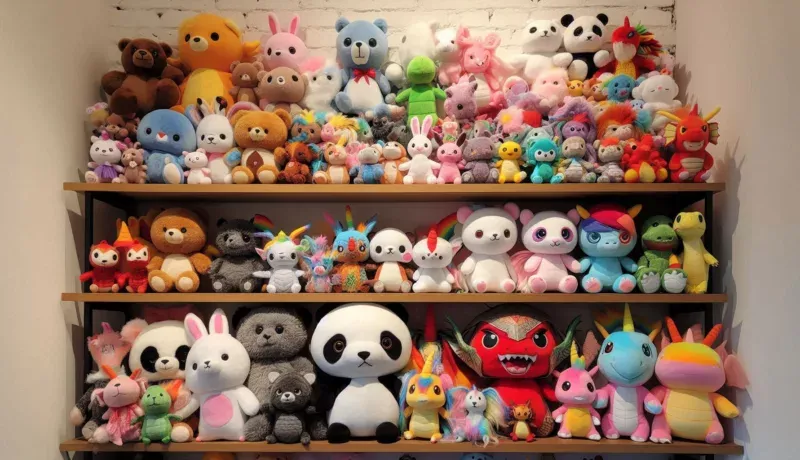
CPSIA (Consumer Product Safety Improvement Act) applies to all children’s products sold in the United States, including plush toys intended for children 12 years old and under. Plush toys are not exempt simply because they are soft. In fact, their mixed-material nature makes them more complex from a compliance perspective.
For plush toys, CPSIA primarily covers chemical limits, mechanical safety, labeling, tracking, and third-party testing. Buyers must confirm whether the product is considered a “children’s product” based on age grading, not marketing language. If a plush toy is reasonably intended for children under 12, CPSIA applies fully.
A common buyer mistake is assuming that EN71 or CE compliance automatically covers CPSIA. While standards overlap, CPSIA is a U.S.-specific legal framework enforced by the CPSC and requires separate testing and documentation.
| CPSIA Area | Applies to Plush Toys? | Buyer Must Confirm |
|---|---|---|
| Lead content | Yes | All accessible materials |
| Phthalates | Yes | Plastics, prints, accessories |
| Third-party testing | Yes | CPSC-accepted lab |
| CPC documentation | Yes | Product-specific certificate |
| Tracking labels | Yes | Permanent & legible |
How Do Lead Content and Phthalate Limits Affect Plush Toy Materials and Components?
Lead and phthalates are the two most frequently failed CPSIA requirements for plush toys. Even though plush toys are fabric-based, risk often comes from non-obvious components, such as inks, dyes, plastic accessories, sound modules, or packaging elements.
Lead content is limited to 100 ppm in accessible parts. This applies to fabrics, embroidery threads, zippers, eyes, labels, and internal components if they can become accessible through normal use or abuse. Phthalates are restricted to 0.1% (1000 ppm) in certain plasticized components.
Buyers must understand that CPSIA testing is component-driven, not just product-driven. If one accessory fails, the entire product is non-compliant. Factories should provide material declarations, but buyers must ensure these are verified through testing, not trust alone.
| Component Type | CPSIA Risk | Buyer Action |
|---|---|---|
| Fabric & dyes | Lead residue | Material testing |
| Printed areas | Phthalates | Ink formulation check |
| Plastic eyes | High risk | Mandatory phthalate test |
| Sound modules | Internal lead | Component declaration |
| Packaging | Often overlooked | Separate evaluation |
What Role Does Third-Party Testing and CPSC-Accepted Labs Play in CPSIA Compliance?
CPSIA requires that children’s products be tested by CPSC-accepted third-party laboratories. Testing done by non-accepted labs is legally invalid, regardless of results. This is one of the most common compliance gaps seen during audits and platform reviews.
Testing must be conducted on production-equivalent samples, not prototypes using different materials. Buyers should confirm that the lab name appears on the CPSC accepted list at the time of testing and that test scopes match the product’s materials and age grading.
Another key point is test validity. CPSIA testing is not “forever valid.” Material changes, supplier changes, or production process changes may trigger re-testing obligations. Buyers should confirm a testing plan, not just request a single report.
| Testing Aspect | Buyer Risk | What to Verify |
|---|---|---|
| Lab status | Invalid reports | CPSC-accepted list |
| Sample source | False compliance | Production samples |
| Test scope | Incomplete coverage | All components tested |
| Test timing | Outdated results | Re-test triggers defined |
How Should Children’s Product Certificates (CPC) Be Prepared and Verified?

The Children’s Product Certificate (CPC) is a legal document, not a marketing attachment. It must be prepared by the U.S. importer, brand owner, or domestic manufacturer and must accurately reflect the tested product.
A valid CPC includes product identification, applicable CPSIA regulations, test report references, lab information, and responsible party contact details. Many buyers receive CPCs that are incomplete, mismatched to test reports, or copied across different SKUs—these are high-risk practices.
Buyers should verify that CPC information exactly matches the product, test report, and production batch. Any discrepancy can invalidate the certificate during inspections or platform audits.
| CPC Element | Common Error | Buyer Check |
|---|---|---|
| Product description | Too generic | SKU-level accuracy |
| Regulation list | Missing CPSIA sections | Correct citations |
| Test report reference | Wrong report | Match report number |
| Lab details | Non-accepted lab | CPSC verification |
| Responsible party | Missing importer | U.S. entity listed |
What Labeling, Tracking Labels, and Age Grading Rules Must Buyers Confirm?

CPSIA requires children’s products to carry permanent tracking labels that allow traceability back to the production batch. For plush toys, this usually appears as a sewn-in label or durable tag.
Tracking labels must include manufacturer or importer information, production date or batch, and location identifiers. Labels must be legible, permanent, and appropriate for the product’s use. Removable stickers are not acceptable.
Age grading is another critical compliance point. Incorrect age labeling can expose buyers to enforcement action. Age determination should align with design intent, marketing, and testing scope. Labeling a plush toy “for all ages” does not automatically remove CPSIA obligations.
| Label Type | CPSIA Requirement | Buyer Must Confirm |
|---|---|---|
| Tracking label | Mandatory | Sewn-in & durable |
| Manufacturer info | Required | Matches CPC |
| Production batch | Required | Traceable |
| Age grading | Accurate | Consistent across channels |
How Can Buyers Work with Factories to Maintain Ongoing CPSIA Compliance in Production?
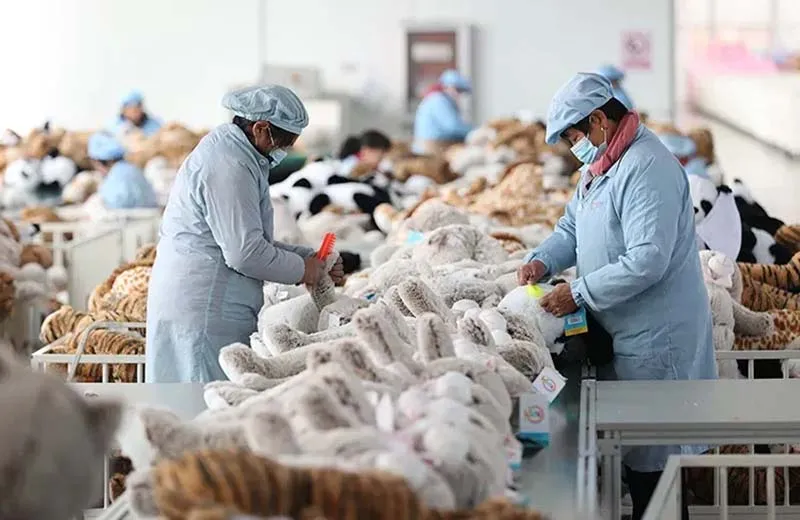
CPSIA compliance is not a one-time event. It must be maintained throughout production, especially for repeat orders, design updates, or material substitutions. Buyers should work with factories to establish compliance control points, not rely on last-minute testing.
Effective collaboration includes locked BOMs, approved supplier lists, change notification procedures, and periodic re-testing plans. Factories should be required to notify buyers before changing any material, component, or process that could affect CPSIA status.
Long-term compliance is strongest when buyers treat CPSIA as part of production management, not an external burden.
| Control Area | Compliance Risk | Best Practice |
|---|---|---|
| Material changes | Invalid testing | Change approval system |
| Supplier swaps | Hidden risk | Approved supplier list |
| Repeat orders | Assumed compliance | Periodic re-testing |
| Documentation | Inconsistency | Central compliance files |
Conclusion
CPSIA compliance protects U.S. buyers from legal risk, recalls, and platform penalties. By actively verifying testing, documentation, labeling, and factory controls, buyers can ensure plush toys remain compliant throughout production and sales.
📧 Contact: [email protected]
🌐 Visit: https://kinwintoys.com