Converting a 2D illustration into a 3D plush toy is a critical step in the development process, but it’s also one of the most challenging. While the concept may look perfect on paper, translating it into a soft, squeezable form requires careful planning, skilled craftsmanship, and technical precision.
Before diving into production, it’s essential to understand the challenges of converting illustrations into plush toys and how to ensure the design is replicated accurately.
In this guide, we’ll break down the process, from clarifying design details to making key adjustments and using the right techniques to achieve the best result.
What key details need to be clarified before converting illustrations into plush toys?
Before turning your illustrations into a plush toy, certain key details must be clarified to avoid misunderstandings and ensure the final product closely matches the original design. This phase is critical to the success of the project, as small oversights can lead to significant discrepancies in the finished product.
Confirm Design Details and Proportions
First, it’s important to double-check that the design details—such as proportions, features, and key visual elements—are clearly defined. In illustrations, some aspects may appear as flat shapes, while in 3D, these need to be shaped and proportioned correctly.
For example:
- Are the head-to-body proportions appropriate for a plush toy?
- Does the illustration show accurate limb positioning?
- Are there details (like facial features or accessories) that need to be adjusted to fit the plush structure?
Once these aspects are clear, you can move forward with translating them into 3D form.
Materials and Fabric Considerations
You also need to specify which materials will be used to create the plush toy. Different fabrics have unique properties, so you need to decide which will best bring your illustration to life.
Considerations include:
- Fabric texture: Should it be soft, like minky fabric, or more durable, like velboa?
- Color matching: Ensure that the fabric matches the colors shown in the illustration.
- Pattern suitability: Does the fabric work well with the design, especially when converted into a 3D shape?
By defining these materials upfront, you can avoid issues later on in the production process.
Key Design Clarifications Checklist
| Element | What to Define | Result |
|---|---|---|
| Proportions | Head, body, limbs ratios | Consistent size and shape |
| Design Features | Specific details (eyes, nose, etc.) | Accurate expression |
| Materials | Fabric types and texture | Uniform feel and appearance |
| Color Matching | Exact color codes | No color mismatches |
| Fabric Compatibility | How the fabric behaves | No surprises in texture |
How do you translate 2D artwork into a 3D plush structure effectively?
Converting a flat, 2D illustration into a three-dimensional plush toy involves considering volume, depth, and texture. Simply translating flat lines and colors into 3D shape is not as simple as “stretching” the design—each element must be reinterpreted for softness, flexibility, and stability.
Translating Flat Features to 3D Depth
In 2D illustrations, many features are flat. For example, a cartoon character’s face may be drawn as a flat expression with no depth. But when converting to 3D, the face will need to have volume, and the features like eyes, mouth, and nose will need to pop out from the surface.
To achieve this:
- Adjust the shape of the head and facial features to provide depth and roundness.
- Increase or reduce the size of elements like ears, arms, and legs to keep proportions balanced when they are made into plush form.
By understanding how each feature works in 3D, you ensure that the plush version remains true to the 2D illustration’s essence.
Adding Structure and Shape
Plush toys are not stiff; they need to be structured but also flexible. The illustration should be adjusted to ensure that the toy will hold its shape when stuffed and sewn.
For example:
- Adding volume: The head may need to be made slightly larger to accommodate the plush filling.
- Shape retention: Certain areas, like arms or ears, may require additional seam allowances or internal support to hold their structure.
These adjustments help ensure that the final plush toy maintains its intended shape.
2D to 3D Translation Techniques
| Step | What to Adjust | Result |
|---|---|---|
| Volume | Add depth to flat features | Maintain facial features |
| Shape Adjustment | Round edges, modify proportions | Balanced 3D structure |
| Stuffing Allowances | Plan for plush material expansion | Accurate and durable shape |
| Feature Placement | Position eyes, nose, etc., for 3D look | Consistent design |
| Size Proportions | Adjust dimensions for 3D balance | Accurate final size |
Why is it important to consider size, proportions, and seam allowances?
In plush toy manufacturing, size, proportions, and seam allowances are key factors that determine how well a 2D design translates into a 3D product.
Without properly defined measurements, your plush toy might end up looking out of proportion, or it might not hold its shape correctly once sewn and stuffed.
Size: Getting It Just Right
Size is the most basic element that needs to be addressed when converting a 2D design into 3D form. The design may look one way on paper, but the plush version will require accurate size measurements.
Buyers should:
- Define the overall size of the plush toy (height, width, depth).
- Measure specific areas, such as head size, limb length, and body width.
- Be mindful of any changes in scale due to fabric thickness or stuffing.
Proportions: Maintaining Character Integrity
Proportions are just as critical as size. When creating a plush toy, key proportions like the head-to-body ratio must be consistent to ensure the character’s personality is captured.
For example:
- A character with a large head and small body in 2D might require a larger head and smaller body in 3D to keep the balance intact.
- Limbs might need to be slightly thicker or shortened to maintain the overall aesthetic of the design.
Seam Allowances: Shaping the Toy
Seam allowances are essential for the construction process. They ensure that the pieces of fabric are stitched together without distorting the toy’s shape.
Buyers should:
- Specify seam allowances based on the fabric’s stretch and weight.
- Ensure the seam allowance is large enough to accommodate stuffing and ensure shape consistency.
Correct seam allowances help the plush toy hold its intended form during production and throughout its life.
Size, Proportion, and Seam Allowance Checklist
| Factor | What to Define | Result |
|---|---|---|
| Size | Total dimensions | Accurate scale |
| Proportions | Head, body, limbs ratio | Character consistency |
| Seam Allowance | Correct margins for stitching | Stable shape |
| Adjustments | Proportion shifts for 3D structure | Balanced look |
| Fit and Volume | Room for stuffing | Shape retention |
How do fabric choices impact the translation of illustrations into plush designs?

The fabric you choose for your plush toy has a significant impact on how closely it matches your 2D illustration. While your design may look perfect on paper, fabric properties—such as texture, weight, and stretch—can drastically alter how the design translates into a soft, three-dimensional form.
Choosing the right fabric ensures that the plush toy holds its intended proportions, maintains the correct shape, and matches the look and feel of the design.
Fabric Texture Affects Design Feel and Look
The texture of the fabric will affect how the toy looks and feels. Fabrics like minky are soft and plush, which creates a different visual appeal compared to velboa, which is smoother and has a more structured feel.
For instance:
- Soft fabrics like minky or velvet can make features like facial expressions appear more subtle and less defined due to their fluffy texture.
- Smoother fabrics, like velboa, allow for more precise embroidery or printed details, but might make the toy look less soft.
Choosing the right texture is crucial for making sure the plush toy feels like the design, not just in terms of touch, but also in terms of look.
Fabric Weight Influences Shape and Proportion
The weight of the fabric determines how well the plush toy holds its shape after being stuffed. For example:
- Thicker fabrics may require more stuffing to achieve the desired fullness and maintain the correct proportions.
- Lightweight fabrics might not hold their shape as well, resulting in a softer, more floppy toy that may not look like the original design.
To ensure that the toy holds its shape accurately, fabric weight should be considered in conjunction with the design’s structure.
Fabric Stretch Impacts Shape Consistency
Some fabrics have stretch, which can affect how the toy’s shape holds up over time. Fabrics like stretch velvet or jersey may stretch under pressure, leading to:
- Deformation of shape over time
- Uneven stuffing distribution
- Distorted proportions if not accounted for during design or manufacturing
It’s essential to define the amount of stretch in the chosen fabric and plan the design to ensure that it doesn’t interfere with the toy’s final look.
Fabric Selection Checklist
| Factor | What to Define | Result |
|---|---|---|
| Fabric Type | Choose between plush, velboa, minky, etc. | Consistent texture |
| Fabric Weight | Define heavy or light fabric options | Proper structure and feel |
| Fabric Stretch | Determine how much stretch is acceptable | Shape retention |
| Fabric Texture | Set expectations for tactile experience | Visual and touch consistency |
| Material Durability | Ensure fabrics hold up in use | Long-term quality |
How can you adjust the illustration to accommodate plush toy construction techniques?
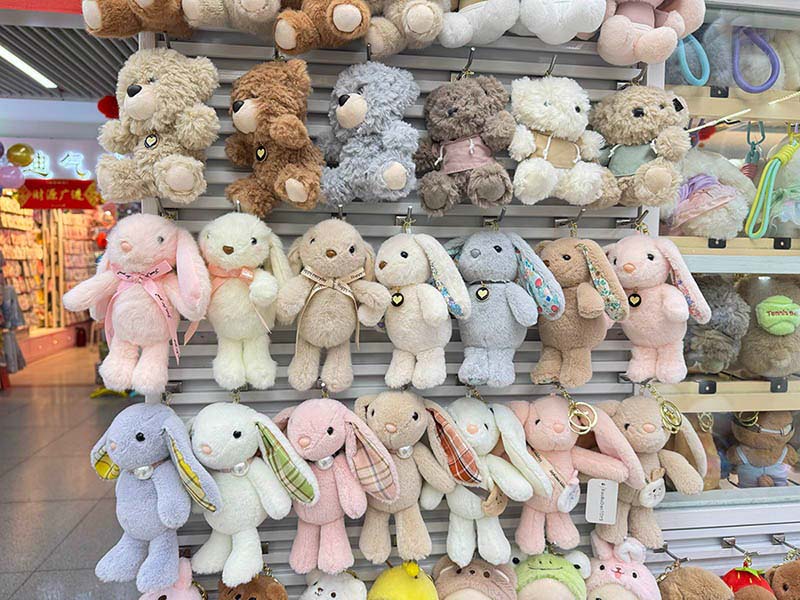
While your design may look perfect in 2D, it’s crucial to adjust the illustration for plush toy construction techniques. This includes considering how the design will be physically constructed and how certain features, proportions, and shapes may need to be adapted for the plush toy to be manufacturable.
Design adjustments at this stage can prevent issues later on in production, such as poor shape retention, weak seams, or distorted features.
Adjust for Fabric Behavior
Different fabrics behave differently when they are stitched, stuffed, and manipulated during the construction process. To accommodate these characteristics, some adjustments must be made in the initial design:
- Reduce intricate details: Fine details like thin lines or delicate patterns may get blurred during sewing or stuffing. Simplifying these details can help maintain clarity and precision in the plush version.
- Increase seam allowances: To account for fabric thickness or stretch, you might need to slightly adjust the design to ensure that the final toy holds its intended proportions.
These modifications allow the design to remain practical and consistent when transformed into a 3D product.
Simplify Complex Design Features
Certain design features in a 2D illustration may need to be simplified for plush toy production. For example:
- Sharp lines or edges: Plush toys with sharp edges may be difficult to achieve accurately in fabric. These may need to be softened or rounded to ensure easy assembly.
- Delicate details: Small features like tiny buttons or stitching may need to be resized or adjusted to ensure they are durable and can be replicated in mass production.
The goal is to keep the overall design recognizable while making it practical for production.
Illustration Adjustment Checklist
| Adjustment Area | What to Modify | Result |
|---|---|---|
| Intricate Details | Simplify small, delicate features | Clearer, more consistent design |
| Proportions | Adjust for plush structure | Accurate appearance |
| Shape Edges | Soften sharp angles | Feasible construction |
| Feature Sizes | Resize small elements | Maintain durability |
| Fabric Adaptation | Consider fabric behavior | Practical, manufacturable design |
What pattern-making techniques are required to replicate features from illustrations?
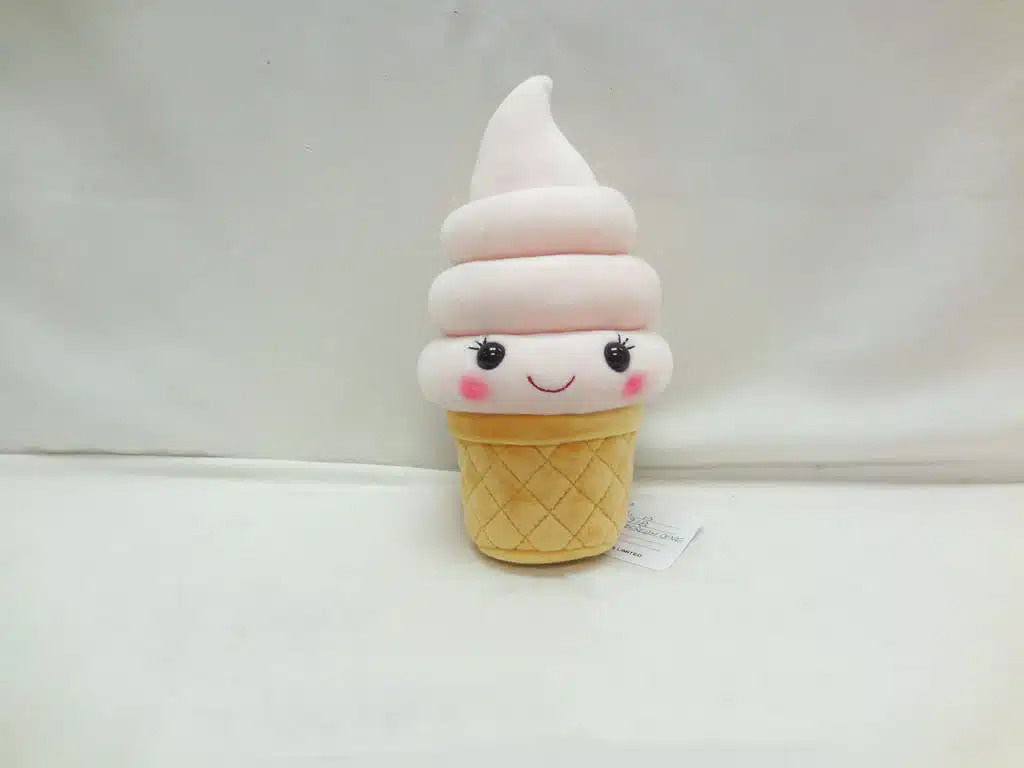
Once the design is clarified and adjusted for construction, the next crucial step is pattern-making. Pattern-making is the art of translating a 2D design into a set of cut pieces that will be sewn together to create the plush toy. It is a highly skilled process that requires understanding how fabric behaves and how to ensure the final product mirrors the design as closely as possible.
Create Accurate Panels for Every Section
Each body part of the plush toy—head, body, arms, legs, etc.—must be cut from fabric panels that match the proportions and shape defined in the illustration.
To achieve this:
- Create mirrored panels for symmetry (e.g., arms, legs, ears).
- Consider seam allowances to ensure the toy maintains the right size after stitching.
- Adjust the shape of each panel to fit the overall design, while allowing room for stuffing.
Modify Patterns for Fabric Behavior
Patterns need to be adjusted for how the fabric will behave once it’s cut and sewn. For instance:
- Stretch fabrics may require additional space in seams to prevent distortion.
- Thick fabrics may need wider seams to accommodate the additional bulk.
- Delicate fabrics may require reinforced edges to prevent fraying.
These adjustments help ensure that the plush toy retains its shape and proportions once it’s assembled.
Pattern-Making Techniques Checklist
| Technique | What to Adjust | Result |
|---|---|---|
| Panel Creation | Accurate panel sizes and shapes | Proper toy structure |
| Seam Allowances | Adjust for fabric thickness and stretch | Accurate final size |
| Symmetry | Use mirrored panels for even sides | Balanced design |
| Reinforcement | Add strength to edges or weak points | Durable construction |
| Fabric Adjustment | Modify pattern for fabric behavior | Seamless 3D transition |
Conclusion
Converting illustrations into plush toys is a complex process that requires clear, detailed designs, strategic adjustments, and careful pattern-making. By understanding how different aspects—such as fabric choice, proportions, and seam allowances—affect the final product, you can ensure that the plush toy stays true to your original vision.
At KINWIN, we guide our clients through every step of the process, from design adjustments to pattern-making and production. We ensure that your plush toys are manufactured with precision, accuracy, and quality from start to finish.
If you’re ready to bring your plush toy concept to life with professional design and manufacturing support, our team is here to help.