Clear communication is one of the most important factors in successful plush toy development. During the sampling stage, designers, buyers, and manufacturers work together to transform an idea into a physical product. If information is unclear or incomplete, misunderstandings can easily occur, leading to inaccurate samples and additional revision rounds.
Effective communication helps both sides stay aligned on design expectations, materials, technical requirements, and production feasibility. When the right information is shared at the right time, plush toy sampling becomes faster, more accurate, and more efficient.
For brands developing custom plush toys, learning how to communicate clearly with manufacturers during sampling can significantly reduce development time and improve the final product quality. In this guide, we will explore practical strategies that help buyers and factories collaborate more effectively throughout the plush toy sampling process.
What information should be shared before plush sampling begins?
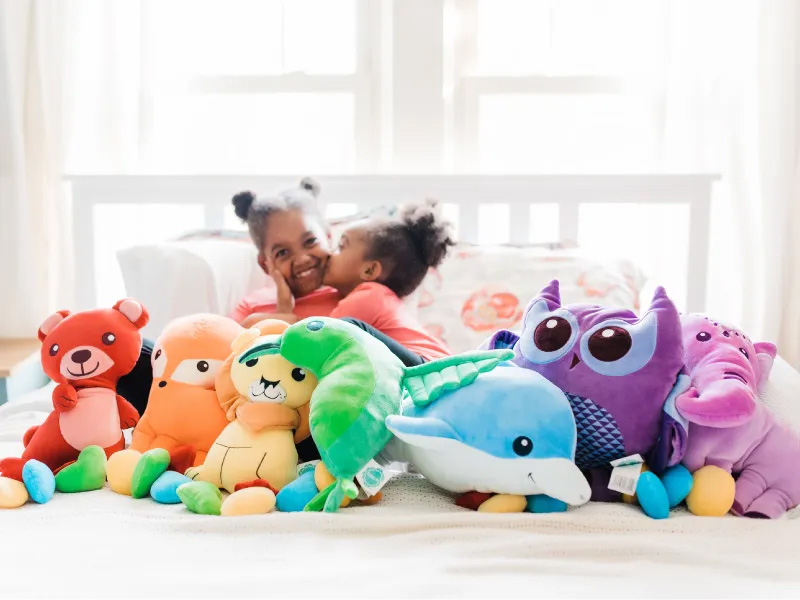
Before the sampling process begins, it is essential for buyers to provide complete and well-organized project information. The clearer the initial communication is, the easier it will be for the manufacturer to understand the design concept and begin development.
Many sampling issues occur because key details were not communicated early enough. When important information such as size, materials, or design priorities is missing, engineers may need to make assumptions that do not fully match the buyer’s expectations.
Providing clear project details before sampling starts helps reduce misunderstandings and allows the development team to move forward efficiently.
Share Clear Product Specifications
The first step in effective communication is sharing the core specifications of the plush toy. These specifications help engineers understand how the product should be developed and what technical requirements must be considered.
Important specifications may include:
- Target size of the plush toy
- Preferred fabric types and colors
- Embroidery or printing requirements
- Desired softness or stuffing firmness
- Safety standards for the target market
When these specifications are defined early, the development team can prepare the correct materials and construction methods before creating the first sample.
Provide Multiple Design References
In addition to specifications, visual references play an important role in communication. Plush toys are three-dimensional products, so a single illustration may not provide enough information for engineers to fully understand the design.
Providing multiple reference images—such as front, side, and back views—helps engineers visualize the full structure of the toy. Reference photos of similar plush toys or material textures can also clarify the intended style.
These visual references help reduce interpretation errors and improve sampling accuracy.
Essential Information to Share Before Sampling
| Information Type | Purpose | Benefit |
|---|---|---|
| Product Size | Defines overall dimensions | Accurate proportions |
| Fabric Preferences | Determines texture and appearance | Correct material selection |
| Design Artwork | Shows character details | Guides pattern development |
| Multi-Angle Views | Illustrates full structure | Improves accuracy |
| Safety Requirements | Defines compliance needs | Suitable construction methods |
How should design files and reference materials be organized?
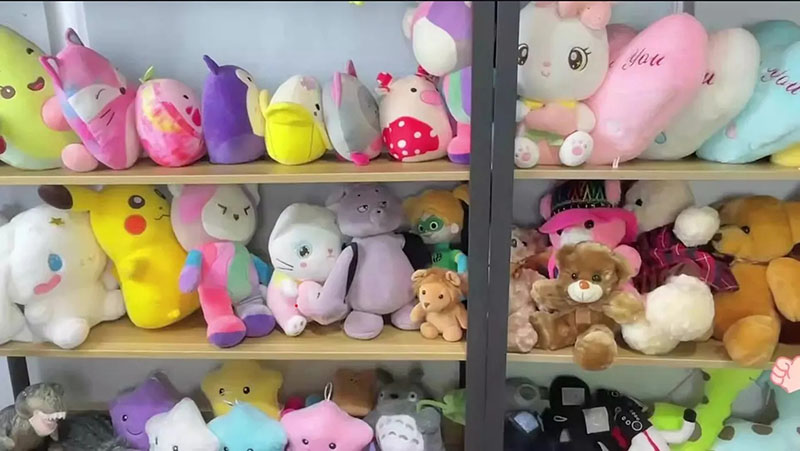
Well-organized design files and reference materials can greatly improve communication efficiency during plush toy sampling. When files are scattered across multiple messages or formats, engineers may spend additional time searching for important details.
Organizing design materials in a clear and structured way helps the development team understand the project quickly and begin work without delays.
Proper file organization also ensures that all team members are working from the same reference information.
Use Clear File Naming and Version Control
When sharing design files, it is helpful to use clear file names and version numbers. This prevents confusion when multiple revisions of the artwork exist.
For example, file names might include:
- Character_Name_Front_View_v1
- Character_Name_Side_View_v1
- Character_Face_Embroidery_Detail_v2
Version control ensures that both the buyer and the manufacturer are referencing the most recent design files.
Group Reference Materials by Category
Another useful method is organizing reference materials into categories. This makes it easier for engineers to locate specific information during development.
Common categories may include:
- Artwork and design drawings
- Fabric and material references
- Facial expression details
- Accessory and clothing designs
This structured approach helps streamline communication and reduces the risk of missing important design elements.
Best Practices for Organizing Design Files
| Organization Method | Purpose | Benefit |
|---|---|---|
| Clear File Naming | Identify each design file easily | Prevent confusion |
| Version Numbers | Track artwork revisions | Maintain consistency |
| Categorized Folders | Separate different design elements | Easier navigation |
| High-Resolution Files | Show clear details | Improve design accuracy |
| Shared Reference Package | Provide complete design overview | Faster development start |
How can buyers explain key priorities and non-negotiable details?
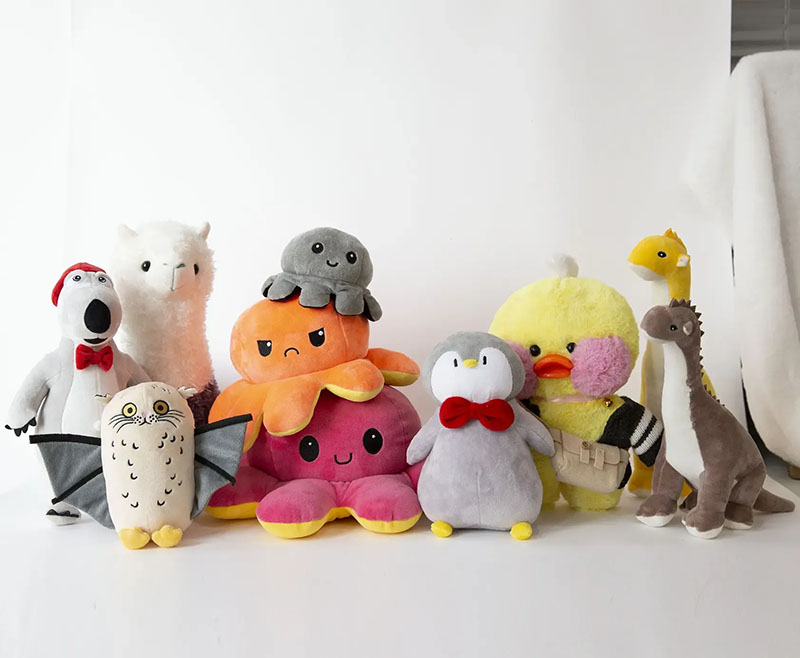
During plush toy development, not all design elements have the same level of importance. Some features are essential to the character’s identity, while others may be flexible and adjusted for manufacturing feasibility.
Clearly communicating these priorities helps manufacturers understand which details must remain unchanged and which aspects can be modified if necessary.
This clarity allows engineers to focus on preserving the most important elements of the design while still optimizing the plush toy for production.
Identify the Most Important Visual Features
Many plush toy characters have distinctive features that define their personality or brand identity. These elements should be clearly communicated as top priorities during development.
Examples may include:
- Eye shape and facial expression
- Unique head shape or body proportions
- Signature colors or patterns
- Key accessories or decorative elements
When manufacturers understand which details are critical, they can ensure these features remain consistent throughout the sampling process.
Distinguish Between Flexible and Fixed Elements
Not every design element needs to remain exactly the same during production. Some details may need minor adjustments to accommodate plush toy construction methods.
For example, extremely thin lines in artwork may need to be slightly thickened for embroidery, or very small details may need to be simplified.
By identifying which elements are flexible and which are fixed, buyers allow engineers to make practical adjustments without affecting the overall design.
Communicating Design Priorities Effectively
| Priority Type | Description | Impact on Development |
|---|---|---|
| Critical Design Features | Must remain unchanged | Preserves brand identity |
| Important Details | Preferably maintained | Guides refinement |
| Flexible Elements | Can be adjusted if needed | Improves manufacturability |
| Structural Requirements | Ensures durability | Stable product design |
| Material Preferences | Influences texture and appearance | Consistent product feel |
What communication methods work best during sampling stages?
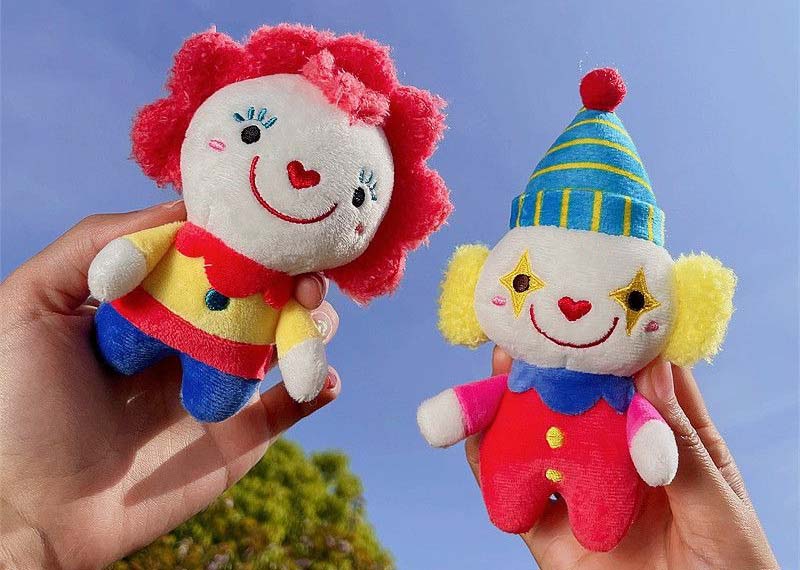
Choosing the right communication methods during plush toy sampling can make the development process much smoother. Since sampling usually involves multiple revisions and technical discussions, using clear and consistent communication channels helps both buyers and manufacturers stay aligned.
Different stages of sampling may require different communication approaches. For example, early project discussions may benefit from detailed written explanations, while revision feedback may require visual references and annotated images.
By combining structured written communication with visual materials, buyers and factories can minimize misunderstandings and speed up development.
Combine Written Communication With Visual Materials
Written communication is essential for explaining technical requirements and documenting decisions. Emails, shared documents, and written revision notes provide a permanent record of instructions that engineers can refer to during development.
However, written descriptions alone may not fully explain visual design adjustments. This is why combining written feedback with visual materials is often the most effective communication method.
For example, buyers can provide written notes describing changes while also including photos or design sketches to illustrate the requested adjustments.
Maintain Consistent Communication Channels
Using too many different communication platforms can create confusion. Important details may be scattered across emails, chat messages, and design files, making it difficult for engineers to track all instructions.
It is helpful to keep communication organized within a small number of consistent channels, such as:
- Email for official instructions and documents
- Messaging platforms for quick updates and questions
- Shared folders for design files and reference materials
This organized structure helps ensure that important information is easy to locate throughout the sampling process.
Effective Communication Tools During Sampling
| Communication Method | Purpose | Benefit |
|---|---|---|
| Share detailed instructions | Permanent record of decisions | |
| Messaging Platforms | Quick updates and questions | Faster responses |
| Shared Cloud Folders | Store design files and references | Easy file access |
| Video Calls | Discuss complex adjustments | Real-time clarification |
| Progress Updates | Share development status | Transparent communication |
How should feedback be documented for each revision round?
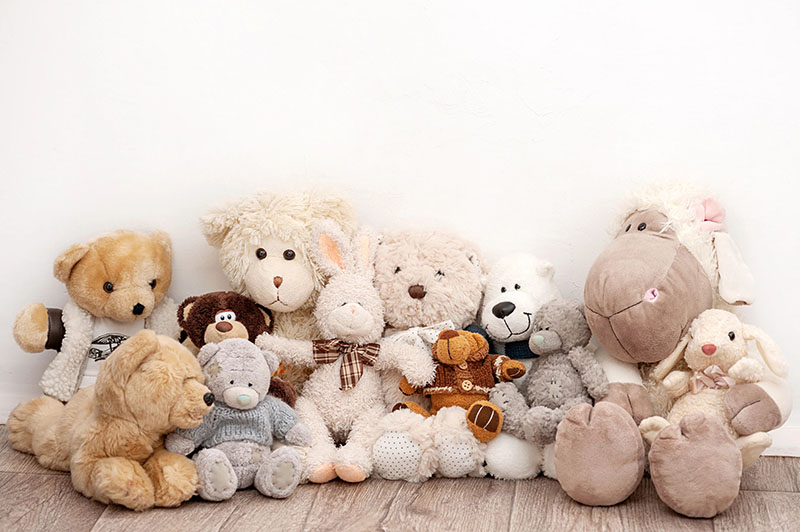
Documenting feedback clearly is one of the most important practices for managing plush toy sample revisions. When feedback is organized and easy to understand, manufacturers can implement changes accurately during the next revision.
Without proper documentation, feedback may become unclear or incomplete. Engineers might misinterpret instructions or miss certain details, which can result in additional revision rounds.
Structured feedback helps ensure that each sample revision moves the project closer to final approval.
Use Structured Revision Lists
One effective method is creating a structured revision list for each sample round. This list should clearly describe every requested adjustment and the part of the toy it applies to.
For example, the revision list might include:
- Move eye embroidery 2 mm upward
- Reduce ear length slightly
- Increase stuffing firmness in the body
Organizing revision requests in a list allows engineers to review and implement each change systematically.
Track Changes Between Samples
Another helpful approach is documenting the differences between each revision round. By comparing the current sample with previous versions, both the buyer and the manufacturer can track which adjustments have already been implemented.
This record helps prevent repeated feedback and ensures that development continues progressing toward the final design.
Tracking revisions also makes it easier to evaluate how each change improves the plush toy’s appearance and structure.
Best Practices for Revision Feedback Documentation
| Documentation Method | Purpose | Benefit |
|---|---|---|
| Revision Lists | Record requested changes | Clear instructions |
| Sample Comparison Notes | Track differences between versions | Prevent repeated feedback |
| Organized Feedback Sections | Group comments by product area | Easier implementation |
| Detailed Descriptions | Explain specific adjustments | Accurate revisions |
| Revision History | Document development progress | Transparent collaboration |
Do annotated images and visual references improve clarity?
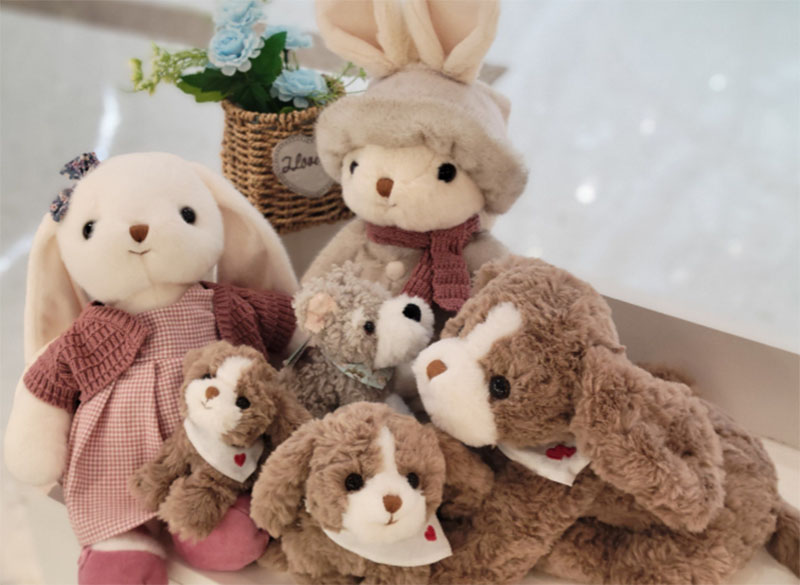
Yes, annotated images and visual references can greatly improve communication clarity during plush toy sampling. While written instructions describe the requested changes, visual references show exactly where and how those changes should be made.
Because plush toys contain many small visual details, annotations help engineers understand the precise adjustments needed during revisions.
Using visual communication tools can significantly reduce misunderstandings and speed up the sampling process.
Annotated Images Highlight Specific Revision Points
Annotated photos are especially helpful when multiple changes are requested in a single revision round. Buyers can mark the exact areas that need adjustment using arrows, circles, or notes directly on the image.
For example, annotations might indicate:
- Eye position adjustments
- Mouth embroidery changes
- Head shape refinements
- Accessory placement corrections
These visual markers help engineers identify the revision points quickly.
Reference Images Clarify Design Intent
Sometimes a buyer may want the plush toy to resemble a particular style or design element. In these situations, reference images can help clarify the intended look.
Reference images may show:
- Desired facial expression
- Preferred plush fabric texture
- Correct body proportions
These examples provide additional visual guidance that supports the written feedback.
Visual Tools That Improve Communication
| Visual Tool | Purpose | Benefit |
|---|---|---|
| Annotated Sample Photos | Mark revision areas | Clear instructions |
| Reference Product Images | Demonstrate desired features | Clarify design intent |
| Close-Up Detail Photos | Show small design elements | Improve accuracy |
| Multi-Angle Images | Display toy structure | Better understanding |
| Comparison Images | Show before-and-after changes | Easier evaluation |
Conclusion
Effective communication is essential for successful plush toy sampling. When buyers share clear design specifications, organize reference materials properly, and communicate priorities early, manufacturers can develop prototypes more accurately and efficiently.
Using structured communication methods—such as organized design files, detailed revision documentation, and annotated visual references—helps prevent misunderstandings and ensures that each revision round moves the project closer to the final design.
Clear communication also strengthens collaboration between buyers and manufacturers, making the entire development process more transparent and predictable.
At KINWIN, our development team works closely with clients throughout the sampling stage to ensure smooth communication and accurate prototype development. From reviewing design files to documenting revision feedback and refining each sample, we aim to make the plush toy sampling process efficient, collaborative, and reliable.
If you are planning to develop a custom plush toy and want guidance on communicating effectively during the sampling process, our team would be happy to review your design and help you move from concept to production-ready samples.