Choosing the correct size and filling is one of the most important early decisions in plush toy development. These factors shape not only the look and feel of the toy but also its safety, durability, pricing, and user experience. For brands, designers, and buyers, selecting the right combination is essential for achieving your project’s functional goals while staying within budget and meeting market expectations. This guide explains everything factories need to know—and everything brands need to consider—before finalizing plush toy size and filling specifications.
What Functional and Aesthetic Goals Should Guide Plush Toy Sizing Decisions?
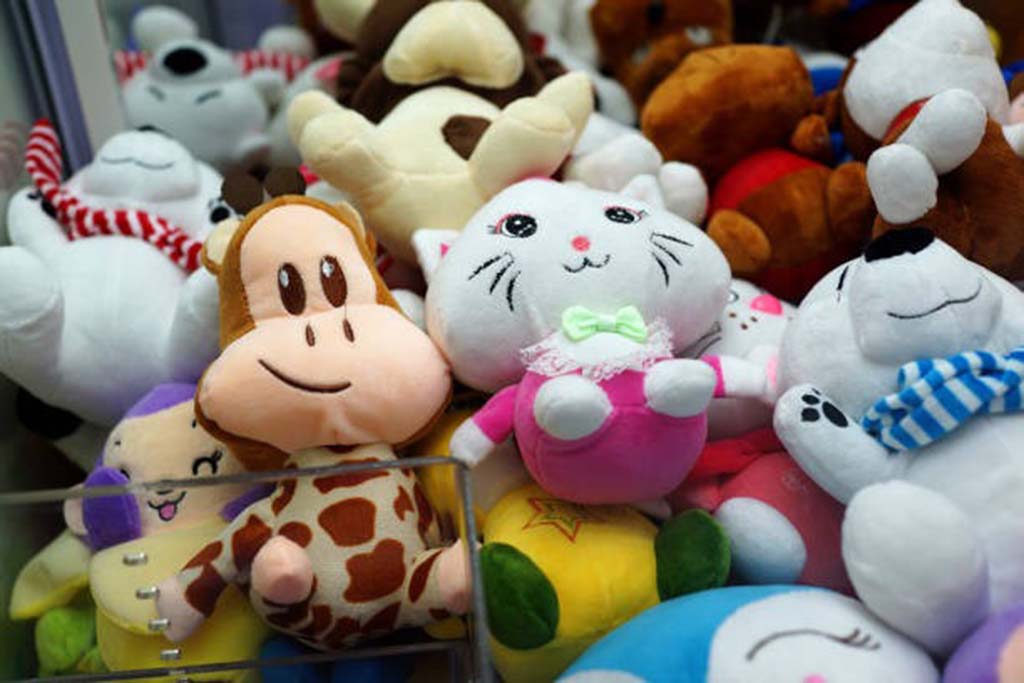
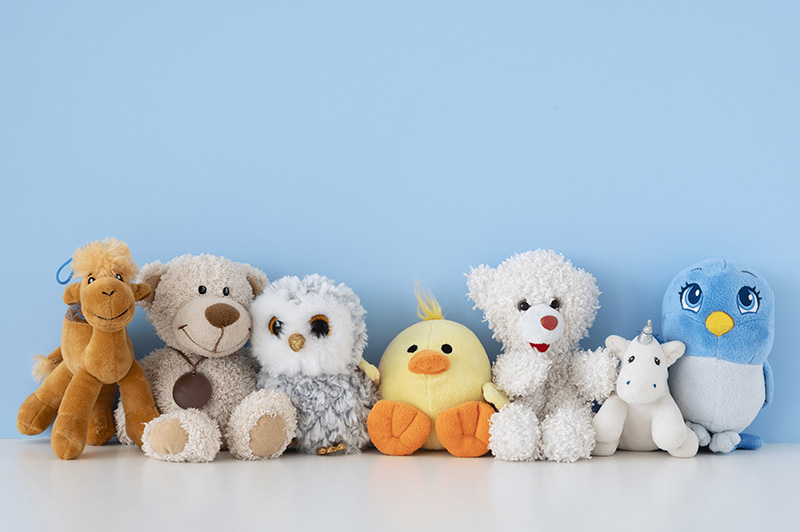
The size of a plush toy should serve both its purpose and the emotional effect you want it to create. A plush designed for gifting may need a strong visual presence, while a promotional keychain plush must remain compact and lightweight. Large nursery plush toys should appear comforting and huggable, whereas collectible plush figures often need precise, compact dimensions that match the proportions of existing characters or brand lines.
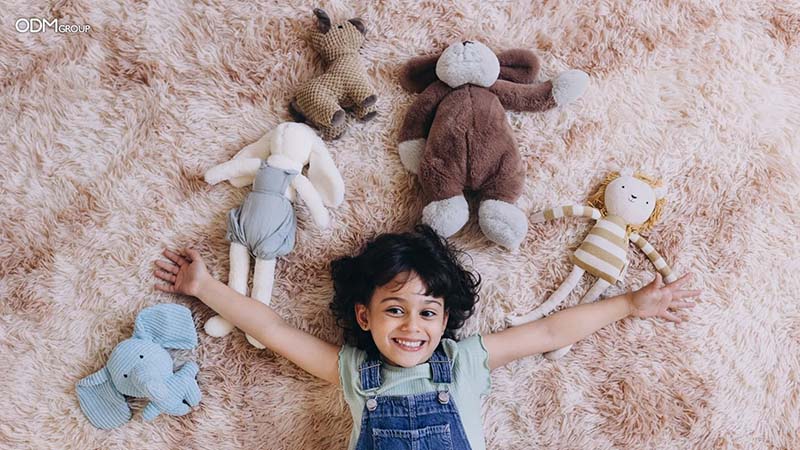
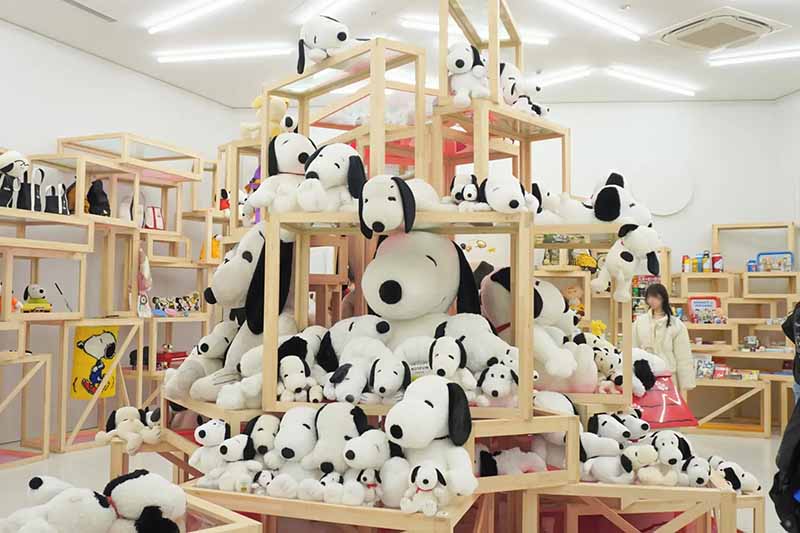
Sizing should also consider target age groups, safety requirements, and the environments where the product will be used—bedrooms, schools, retail displays, or events. Younger children may benefit from smaller, lighter plush toys that are easier to handle. Meanwhile, adult collectors often prefer medium-sized pieces with strong shelf appeal. Retail shelves also influence size choices; certain widths or heights may reduce facings or increase display cost.
Different markets have different expectations as well. For example, the U.S. and EU markets often favor medium and large plush toys, while Japan leans toward smaller, palm-sized designs. Your chosen size must align with your brand identity, target customers, and the emotional story behind the character.
| Goal Type | Example Considerations | Impact on Size Choice |
|---|---|---|
| Functional | Age, usage, portability | Smaller = safe & handheld; larger = comforting |
| Aesthetic | Character style, visual impact | Determines silhouette & presence |
| Retail | Shelf space, packaging size | Affects dimensions & cost |
| Emotional | Hug comfort, cuteness | Influences head-body ratio |
| Market | Regional preferences | Tailors size to audience |
How Do Proportions, Balance, and Structural Requirements Affect Final Dimensions?
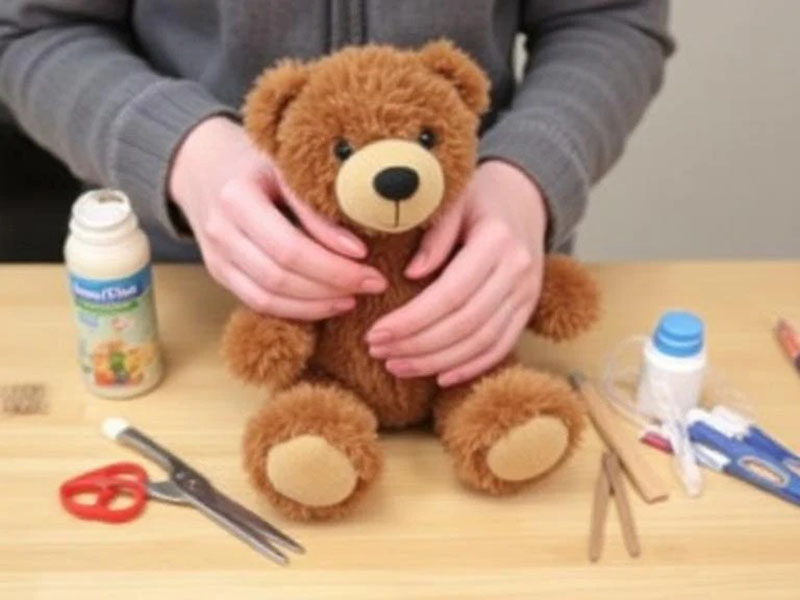
Size is only the beginning—proportion and balance determine how well a plush toy stands, sits, and maintains its shape over time. A plush toy with an oversized head may require wider legs or additional internal support to prevent tipping. Characters with long limbs must have reinforced seams to avoid stretching or tearing. Smaller plush toys may require simplified shapes because tiny details can distort during stuffing or stitching.
Factories carefully consider the relationship between height, width, and depth. A plush with a tall, narrow structure could collapse or lean after filling unless its pattern includes strategic seam placement or internal stabilizers. Certain plush styles—like chubby animals or rounded mascots—need increased surface area to maintain a consistent silhouette.
Plush toys intended to sit upright may require flat bases or weighted fillings. Plush meant for toddlers may avoid small, thin limbs that can pose safety concerns. Collectible plush figures must match exact brand proportions to avoid misrepresentation of licensed IP.
| Structural Factor | Challenge | Solution |
|---|---|---|
| Oversized head | Plush tips forward | Add ballast or widen legs |
| Thin limbs | Weak seams | Reinforce stitching |
| Tall narrow bodies | Collapsing shape | Internal foam panel |
| Sitting toys | Stability issues | Flat base + weighted pellets |
| Small plush | Detail distortion | Simplify pattern |
Balancing form and structure during early sizing discussions helps prevent costly redesigns later.
What Filling Materials Offer the Best Performance for Different Plush Categories?
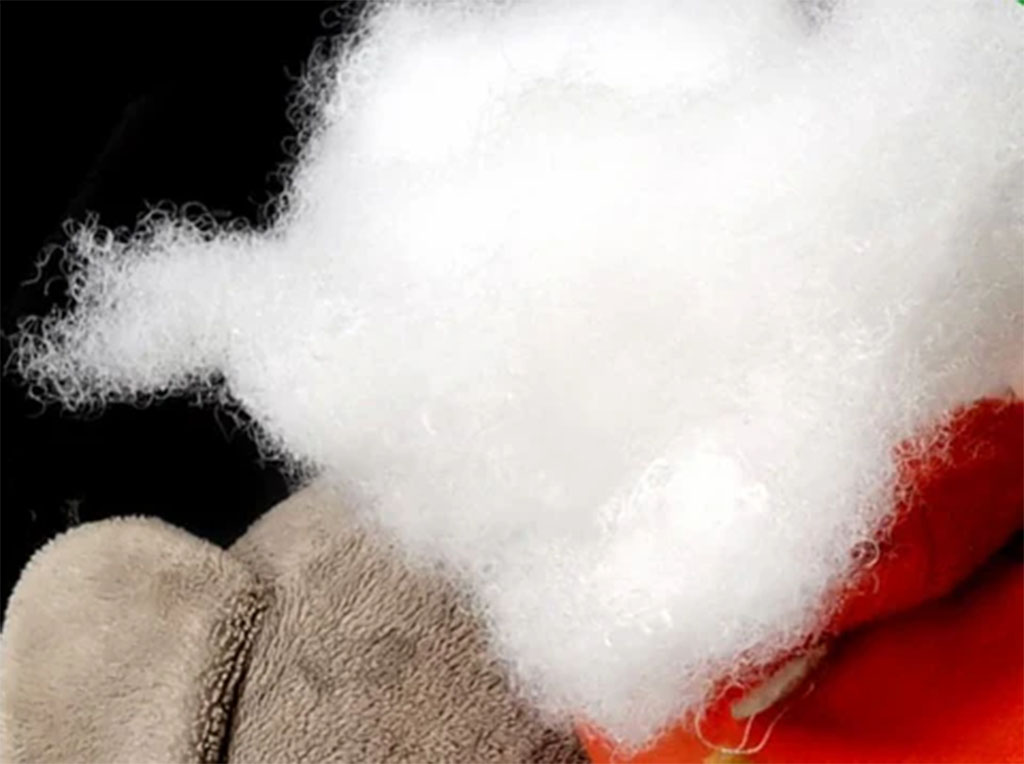
Filling material determines the plush toy’s softness, firmness, weight, and even emotional feel. Factories use different fill types depending on the intended use, target age group, regulatory requirements, and desired sensory experience. The most widely used filling material is polyester fiberfill (PP cotton), which offers a soft, lightweight, and versatile feel. However, many other options exist depending on the project’s functional goals.
For example, recycled polyester fiber is increasingly used in sustainable collections, while memory foam offers structure for ergonomic plush or cushions. Weighted pellets help produce sensory comfort toys, collectible plush with premium weight, or products requiring upright balance. Foam sheets or block inserts help hold complex shapes such as wings, horns, or geometric characters.
| Filling Material | Key Characteristics | Best Use Case |
|---|---|---|
| Polyester fiberfill | Soft, fluffy, child-safe | Standard plush toys |
| Recycled polyester | Eco-friendly, compliant | Sustainable collections |
| Memory foam | Dense, shape-holding | Pillows, ergonomic plush |
| Microbeads | Smooth, moldable | Sensory plush, bean bags |
| Weighted pellets | Adds weight & stability | Therapy plush, collectors |
| Foam panels | Maintains structure | Complex character shapes |
Choosing the right filling builds the plush toy’s personality, tactile appeal, and longevity.
How Do Stuffing Density and Distribution Influence Shape, Softness, and Durability?
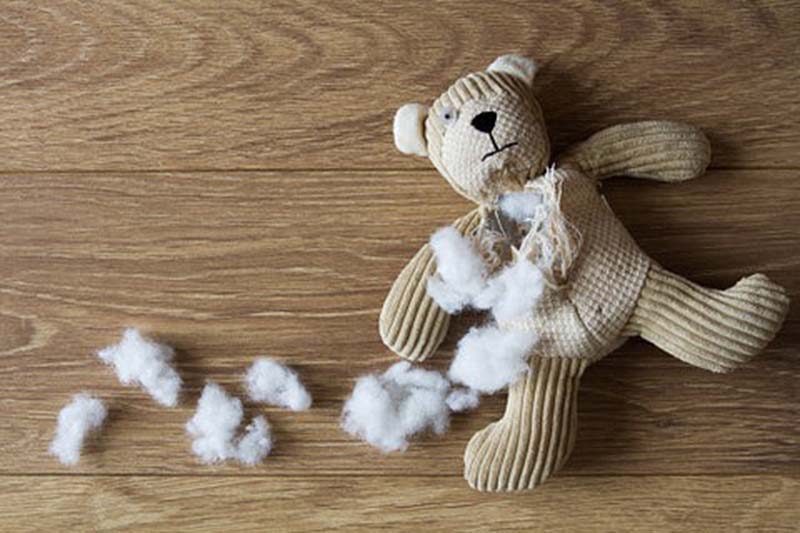
Stuffing density determines how firm or soft the plush toy feels. Light stuffing creates a soft, “squishy” texture suitable for cuddly plush toys and baby products. Heavy stuffing creates firmness ideal for display plush, collectibles, or characters that must hold complex shapes. Uneven stuffing can distort the character’s proportions, causing bulges, wrinkles, or asymmetrical features.
Factories control stuffing density by using weight markers and layering techniques to ensure stuffing distributes evenly through all compartments—head, body, limbs, and tail. Certain plush toys may include internal mesh sections to maintain even distribution. Others require dual fillings, such as firm heads with soft bodies.
Stuffing density also affects durability. Overstuffed toys may burst seams under pressure, while under-stuffed toys may look deflated after a short period. Safety standards also require stuffing density to pass seam-strength tests, especially for toys marketed for children under three.
| Density Level | Touch | Pros | Cons |
|---|---|---|---|
| Low | Soft, squishy | Gentle feel, flexible | Loses shape faster |
| Medium | Balanced softness | Good durability | Standard plush feel |
| High | Firm, structured | Holds form well | Risk of seam stress |
Factories seek the ideal balance based on your brand requirements.
What Safety and Compliance Factors Need Consideration When Selecting Fillings?
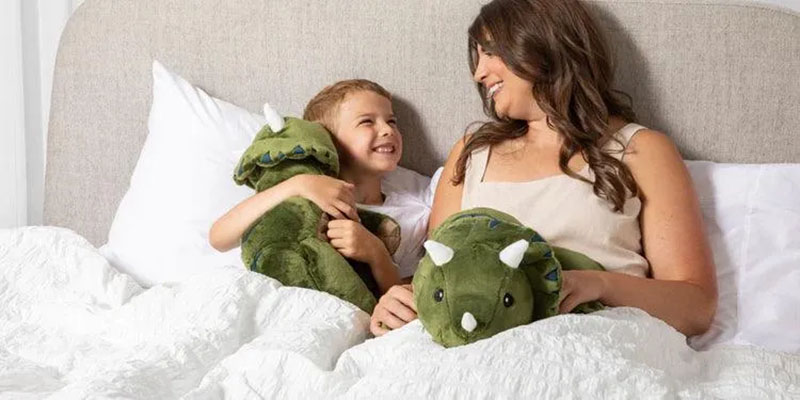
Filling materials must comply with international safety standards, especially for children’s products. Polyester fiberfill must be clean, hypoallergenic, and toxin-free, and must pass flammability, chemical, and mechanical safety tests under standards such as ASTM F963, EN71, CPSIA, and ISO 8124. Recycled polyester must include certification demonstrating it is derived from safe and traceable sources.
Small beads or pellets are only permitted if securely enclosed in an inner pouch or compartment to prevent leakage, especially for toys intended for ages 0–3. Foam inserts must adhere to chemical restrictions on heavy metals and VOCs. Natural fibers like cotton or wool must not introduce allergens, mold risks, or flammability concerns.
Filling materials also affect compliance documentation. Factories must supply material safety data sheets (MSDS), test reports, and traceability records for all stuffing used. Failure to pre-approve these materials can result in failed lab tests, costly rework, shipment delays, or product recalls.
| Safety Requirement | Risk Prevented | Required Standard |
|---|---|---|
| Chemical testing | Toxins, heavy metals | CPSIA, EN71-3 |
| Seam strength | Choking hazards | ASTM, ISO 8124 |
| Pellet containment | Leakage risk | Under-3 regulations |
| Flammability | Fire risk | EN71-2 |
| Traceability | Unknown material sources | Global compliance |
Safety must be integrated at the design stage—not discovered later.
How Do Cost, Production Efficiency, and Logistics Impact Size and Filling Choices?
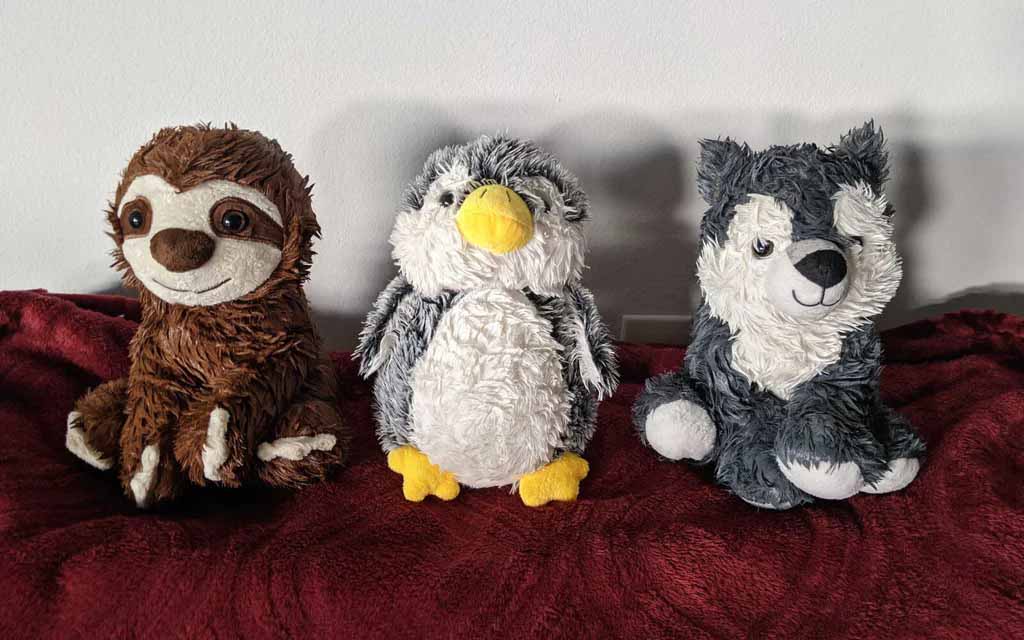
Size and filling selection greatly influence final product cost. Larger plush toys require more fabric, stuffing, packaging materials, and shipping volume, increasing both production and logistics expenses. Filling material choice can also change cost structure: recycled polyester carries a premium, weighted pellets increase shipping weight, and foam inserts require specialized handling.
Factories also evaluate production efficiency. Very small plush toys may require delicate hand-sewing, raising labor time. Extra-large plush toys need larger cutting tables and slower stuffing processes. Plush toys with mixed fillings or internal weight bags require additional assembly steps, affecting labor cost and throughput.
Logistics is another key factor. Shipping costs are determined by volume (carton size) as much as by weight. A plush toy only a few centimeters larger may significantly increase freight cost. For ecommerce brands, plush toys must fit within specific packaging constraints for warehouse and fulfillment efficiency.
| Cost Factor | Effect of Size/Filling Choice |
|---|---|
| Fabric consumption | Larger toys = more cost |
| Labor time | Complex stuffing = slower production |
| Freight cost | Bigger cartons = higher shipping |
| Material cost | Specialty fills = higher price |
| Storage & warehousing | Larger volume = more space |
Balancing aesthetic goals with cost efficiency ensures long-term profitability.
Conclusion
Choosing the right size and filling is a foundational step in plush toy development. These decisions influence the product’s emotional appeal, durability, safety, structural integrity, cost, and market success. When brands define their goals clearly and align them with factory capabilities, the result is a plush toy that looks beautiful, feels perfect, and performs reliably in both retail and long-term use.
Kinwin supports global brands by offering expert guidance on sizing, proportioning, material sourcing, and filling optimization—ensuring every plush design is both manufacturable and market-ready.
📧 Contact: [email protected]
🌐 Visit: https://kinwintoys.com