Choosing a plush toy manufacturer isn’t just about getting a “nice sample.” It’s about finding a partner who can repeat that quality in bulk, protect your brand’s safety and reputation, and communicate clearly when details get complicated (because they always do).
In this guide, I’ll walk through the exact checkpoints buyers use to screen factories—step by step. We’ll start with the foundation: what “reliable” actually means for your brand, not just in general.
What defines a reliable plush toy manufacturer for your brand?
A “reliable” factory is not simply the one that replies fast or quotes low. A reliable factory is the one that can deliver consistent product quality, stable lead time, and documented control—so you don’t feel nervous every time you reorder.
The key is: reliability looks a little different depending on your business model. A promotional plush order for an event has different priorities than a retail plush sold to kids in the US/EU. So before you compare suppliers, you need a clear definition of “reliable” for your situation.
What should reliability look like for your product type?
Start by matching the factory’s strengths to your plush category. Some factories are great at simple shapes and fast turnaround, while others are better at complex character plush with tight embroidery placement.
Here’s how to think about it in a practical way:
- If you sell in retail (especially kids market):
Reliability means stronger safety awareness, stable stitching, secure attachments, and better documentation habits (because you may need test reports, labels, and traceability). - If you do branded promotions or giveaways:
Reliability means hitting deadlines, controlling costs, and keeping the mascot look consistent across reorders (same face, same color, same “feel”). - If your plush is complex (clothes, layered fabrics, accessories):
Reliability means the factory can manage more moving parts—pattern accuracy, accessory placement, clean finishing, and change control when you revise details.
One simple trick: ask yourself what would hurt your brand most—late delivery, safety risk, inconsistent appearance, or hidden costs. Then choose a factory whose process prevents that specific pain.
Which “green flags” prove a factory is truly reliable?
A reliable factory usually shows the same habits early—before you place any order:
- They confirm your requirements back to you in writing
Size, fabric, embroidery/print method, accessories, packaging, target market. This reduces misunderstandings later. - They talk about process, not promises
Instead of “no problem,” they explain how they handle sampling, QC checks, and rework standards. - They are honest about risk and tradeoffs
For example: “This tiny logo will look cleaner as print than embroidery,” or “Long fur will hide stitching, but it may shed more.” - They can support repeatability
They keep a “golden sample” standard, track pattern versions, and control fabric batches—so reorder quality doesn’t drift. - They communicate like a partner
Clear timelines, clear responsibilities, and updates that don’t require you to chase them.
If you want a quick reality check: a factory that can’t stay organized during inquiry and sampling usually won’t become organized during mass production.
Quick Evaluation Table: What “Reliable” Means in Real Buying Terms
| Buyer need | What “reliable” means | What to ask the factory | What to watch out for |
|---|---|---|---|
| Brand consistency | Same face/shape across bulk and reorders | “How do you control repeatability after sample approval?” | “Handmade varies, accept it” |
| Safety confidence | Secure parts + safer materials + clear standards | “How do you prevent detaching parts and sharp risks?” | Only checks at final stage |
| Deadline protection | Real schedule + capacity planning | “What’s the timeline for sampling, materials, production, QC?” | Vague lead time only |
| Cost control | Transparent quote + fewer rework surprises | “What’s included in your quote breakdown?” | One-line low price |
| Communication clarity | Written confirmations + change control | “How do you track revisions and final specs?” | Confusing versions and “old file” mistakes |
If you want, you can send Kinwin your plush reference (image/artwork), target size, target market, and estimated quantity. We’ll tell you what reliability risks we see before sampling—then recommend the best material and construction choices to make bulk production stable.
Which documents confirm the factory is legitimate and export-ready?
When you’re buying plush overseas, “nice photos” and “fast replies” aren’t enough. A reliable manufacturer should be able to prove they’re a real, operating factory—and that they’re used to export workflows (packaging, shipping terms, paperwork, and traceability).
Think of this step like checking a restaurant’s kitchen license before you book a big event. You’re not being difficult—you’re protecting your brand.
What core company and factory documents should you ask for?
Here are the most common, reasonable documents buyers request at the supplier-screening stage:
- Business License / Company Registration
Confirms the company exists legally and matches the name on your contract and bank details. - Factory Address + basic facility proof
Not just a mailing address—ask for:- a factory location
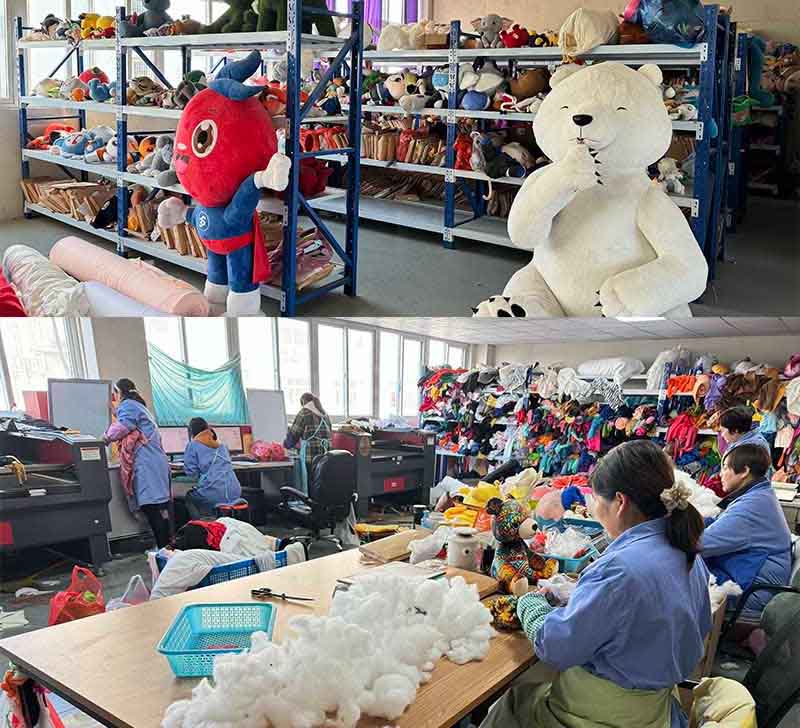
- short factory walkthrough video (cutting, sewing, stuffing, packing)
- clear photos of production areas (not showroom-only)
- Export experience proof
You can ask for (with sensitive info blurred):- sample shipping documents or packing list format
- examples of carton markings
- photos of finished cartons and loading
- Bank account name matching
This is a big one. The beneficiary name should match the legal company name on the contract. If they ask you to pay to a totally different name, pause and verify.
A legit factory won’t act offended. They’ll usually say, “Sure,” because serious buyers ask this all the time.
How can you spot red flags in paperwork and contracts?
Even when documents exist, you still want to look for “mismatch signals.” These are the common ones buyers regret ignoring:
- Company name inconsistencies
The company name on the license, contract, invoice, and bank details should match (or have a clear, documented relationship). If it’s “Factory A” on one doc and “Trading B” on another, ask for the link in writing. - No clear physical production proof
Some suppliers are trading companies (which can be fine), but you should know what you’re dealing with. If they avoid showing production areas, or only show glam photos, you may be talking to a middle layer with less control. - Vague contracts
A reliable factory contract should clearly state:- product specs reference (sample/spec sheet)
- MOQ, price, lead time
- payment terms
- QC standard and defect rules (at least a simple version)
- what happens if delays or quality issues occur
- Overpromising with no documentation
If they say “We can do any certification, any timeline, any MOQ” but can’t show documents or a workflow, that’s usually a warning sign.
Quick Evaluation Table: Legitimacy & Export Readiness
| What to verify | Why it matters | What to request | Red flags |
|---|---|---|---|
| Business license | Confirms legal entity | License/registration | Won’t provide it |
| Factory proof | Confirms real production | Walkthrough video + photos | Only showroom photos |
| Export workflow | Reduces shipping mistakes | Packing list/carton photos | No export experience |
| Bank name match | Prevents payment risk | Beneficiary confirmation | Different company name |
| Contract clarity | Protects your order | Written terms + references | “Trust us” contract |
If you want a simple, buyer-friendly approach: collect these documents from 2–3 shortlisted factories and compare them side-by-side. The most organized supplier often becomes the most reliable long-term.What safety standards and test reports should you require?
If you sell plush toys under your brand name, safety compliance isn’t “optional paperwork”—it’s what protects you from customs delays, marketplace takedowns, recalls, and angry customer reviews. A reliable plush manufacturer should be able to help you choose the right testing path based on your target market + age grading, and support you with the right documents—not just say “yes, we can do EN71/ASTM.”
Which safety standards matter most in the US, EU, and UK?
Here’s the simplest way to think about it:
- United States (children’s toys):
The key toy safety standard is ASTM F963 (CPSC references it as a major requirement and outlines what sections apply).
On top of that, CPSIA drives requirements like lead/phthalates limits, and the compliance package often includes a Children’s Product Certificate (CPC) and tracking label for children’s products. - European Union:
Toys sold in the EU must meet the Toy Safety Directive, and testing commonly aligns with EN 71 parts covering mechanical/physical safety, flammability, and chemical limits (EN71-1/2/3 are the parts buyers most often talk about). - Great Britain (UK):
The UK has its own toy safety regulations (Toys (Safety) Regulations 2011) and guidance on marking routes (including UKCA-related compliance context).
Important buyer mindset: don’t ask a factory “Do you have EN71?”
Ask: “Can you support testing for my SKU, my age grade, and my market—and provide the documents I need to sell legally?”
What test reports and compliance documents should you ask for?
You don’t need to become a lawyer. You just need a clean, practical checklist of what a serious factory should be able to support.
For the US (common buyer package):
- ASTM F963 test report from a qualified lab (the standard covers toy safety requirements and test methods).
- CPSIA-related chemical testing (commonly lead and phthalates for children’s products).
- Children’s Product Certificate (CPC) + tracking label plan for children’s products (often part of import/sales readiness).
For the EU/UK (common buyer package):
- EN71 testing scope that matches your product (EN71-1 mechanical/physical, EN71-2 flammability, EN71-3 migration of certain elements are frequently referenced as core pieces).
- Supporting technical documentation/traceability that helps with regulatory readiness (especially when selling at scale).
Here’s the practical part: the factory doesn’t need to “own” the report—you, as the brand/importer, typically need the documentation package that matches your SKU and selling market. A reliable factory helps you avoid failures by guiding material choices and construction details before formal testing.
Quick Table: What to Require (by Market)
| Market | Core standards buyers reference | Documents you should request | Why it protects you |
|---|---|---|---|
| USA | ASTM F963 + CPSIA | ASTM F963 report, CPSIA chemical testing (lead/phthalates), CPC + tracking label readiness | Legal sale readiness + fewer platform/customs issues |
| EU | Toy Safety Directive + EN71 | EN71 scope (often 1/2/3), supporting tech docs | Smooth compliance path for EU sales |
| UK (GB) | Toys (Safety) Regulations 2011 | UK regulatory compliance documentation path | Avoids GB market compliance mistakes |
If you tell Kinwin where you will sell (US/EU/UK) and the age grade (like 0+, 3+, or 8+), we can recommend a safer material and construction plan and help you prepare the right test/report roadmap—so you don’t discover compliance problems after mass production.
How do you judge materials, stitching, and overall craftsmanship?
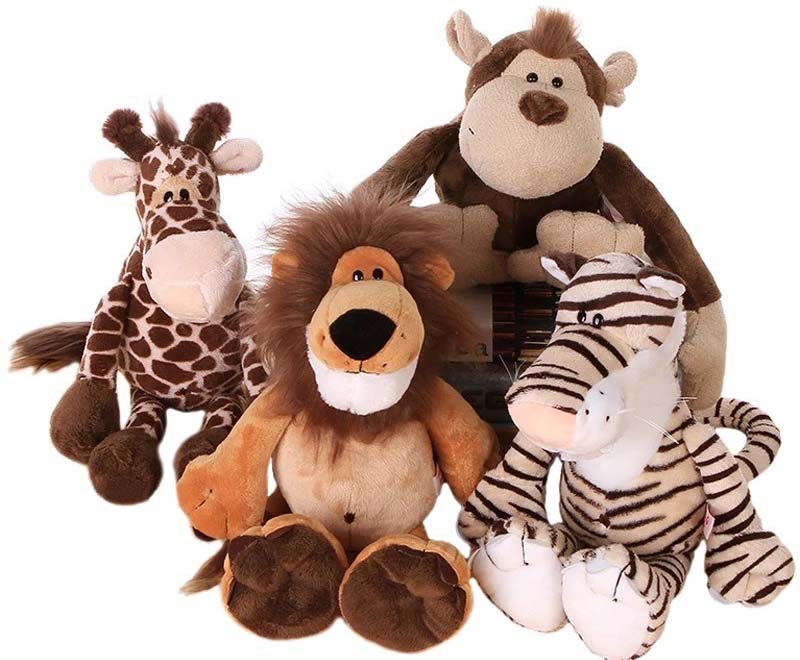
This is the “touch and feel” part—but you can still evaluate it like a pro, even if you’re not a plush expert. The goal isn’t perfection. The goal is repeatable workmanship that matches your brand level and won’t fall apart in real use.
A reliable manufacturer should be able to explain why they recommend certain fabrics, how they prevent common defects, and what they do to keep stitching and stuffing consistent across a full production run.
Which material details tell you if quality is truly controlled?
When buyers get disappointed, it’s often because the sample felt nice—but bulk production used a cheaper or different material “equivalent.” So you want material control in writing.
Here’s what to check:
- Fabric type and pile direction (especially for faux fur and long plush)
- Long-pile fabric can hide seams but may shed more.
- Pile direction affects how the plush “reads” in photos (it can look messy if mixed).
- A good factory will standardize pile direction across all pieces.
- Color matching and shade consistency
- Ask how they control dye-lot differences.
- If your brand color matters, request a color reference method (Pantone/physical swatch approval).
- Filling quality and “hand feel”
- Not all PP cotton is equal. Low-grade filling can clump, feel crunchy, or lose shape quickly.
- Ask how they keep stuffing weight and firmness consistent (especially for character faces).
- Accessory safety and durability
- Safety eyes vs embroidery vs printed eyes: each has tradeoffs by age grading and style.
- Velcro, zippers, keychains, hang loops should have clear specs and attachment methods.
Practical tip: ask for the factory’s material list for the sample and confirm it will be the same for bulk—or that any substitution requires written approval.
How can you evaluate stitching and construction like a buyer—not a factory?
You don’t need special tools. You just need to look at the “stress points” and the “finishing.”
Check these areas first:
- Seams at high-stress points
- arms/legs, ears, tail base, hanging loops, backpack straps, clothing connections
- Tug gently (like a kid would). A reliable build won’t show seam gaps or popping threads.
- Face accuracy and symmetry
- eyes level, embroidery centered, cheeks even, mouth placement consistent
- Small misalignment is a warning sign for bulk consistency.
- Stitch density and neatness
- Loose stitches = higher risk of seam opening.
- Messy thread ends = poor finishing discipline.
- Stuffing consistency
- Lumps = uneven stuffing
- Flat spots = weak filling volume control
- Hard spots = overstuffing or clumped filling
- Inside cleanliness (yes, it matters)
- Clean finishing and fewer loose fibers often correlate with better production control.
Quick Evaluation Table: Materials & Craftsmanship Checklist
| What to check | What “good” looks like | What to ask the factory | Red flags |
|---|---|---|---|
| Fabric consistency | Same fabric type + pile direction standardized | “Will bulk use the same fabric spec as the sample?” | “Similar fabric is fine” without approval |
| Color control | Shade matching plan + clear reference | “How do you prevent dye-lot shade differences?” | Noticeable shade changes between parts |
| Filling quality | Soft, resilient, no clumping | “What filling grade do you use? How do you control firmness?” | Lumpy or crunchy feel |
| Stress-point stitching | Reinforced seams, no gaps when pulled | “Which areas do you reinforce and how?” | Thread popping, seam gaps |
| Face alignment | Symmetry and stable placement | “How do you control face placement in bulk?” | Crooked eyes/mouth on sample |
| Finishing | Clean edges, trimmed threads, neat closing | “Do you have a finishing checklist?” | Loose threads, messy closure seams |
How can you evaluate sampling, QC process, and consistency?
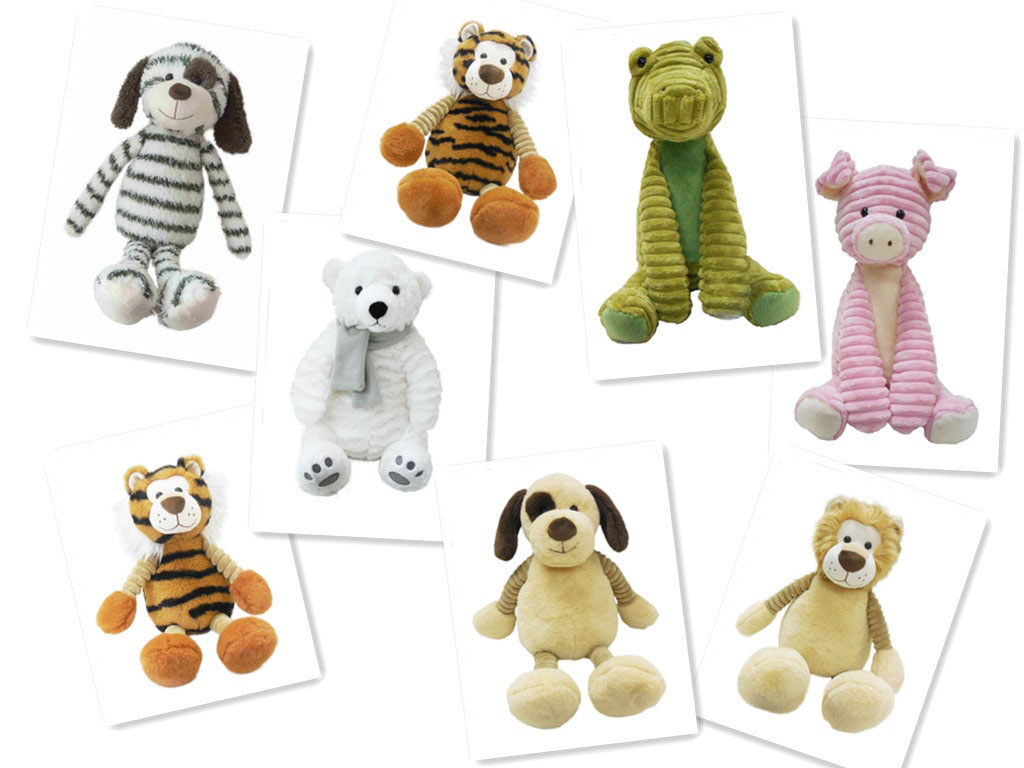
This is where “good factories” and “risky factories” separate fast.
A factory can make one beautiful sample with a skilled sample master. Reliability means they can make 500 / 5,000 pieces that look like that sample, and keep the same look again on your next reorder.
So when you evaluate sampling and QC, you’re really asking:
Do they have a repeatable system, or are they relying on individual skill and luck?
What sampling steps prove the factory can mass-produce your plush?
A professional sampling process is structured and documented. The factory should be able to show a clear path like this:
- Pre-sample confirmation
- size, materials, target market, logo method, packaging needs
- Prototype sample
- checks shape, pattern, basic construction
- Revision samples
- changes tracked with notes and photos
- Pre-production sample (PPS)
- made as close to real production as possible and becomes the “golden standard”
What you should ask for (simple but powerful):
- “Do you provide a PPS (pre-production sample) before bulk?”
- “Can you list changes from Sample 1 → Sample 2 in writing?”
- “Will you keep a golden sample and use it during QC?”
If a factory can’t manage versions clearly at sampling stage, it often leads to the classic bulk problem: “We used the old file” or “The production team didn’t follow the sample.”
How do you confirm QC standards and consistency across the whole order?
A reliable factory doesn’t just say “we do QC.” They can explain:
- Where QC happens
- incoming material inspection (IQC)
- in-line inspection during sewing (IPQC)
- final inspection before packing (FQC/OQC)
- How they define defects
You want a simple, agreed system like:- Critical defects: safety-related (sharp, loose parts, needle risk)
- Major defects: unsellable (wrong face, big stains, big deformation)
- Minor defects: still sellable (tiny thread end, small mark)
- How they handle rework and replacement
- what happens if defects exceed the agreed standard
- whether they rework, replace, or credit
Practical consistency checks you can request:
- QC photo set from production (not only finished cartons)
- Measurement checks on key points (height/head width/limb length)
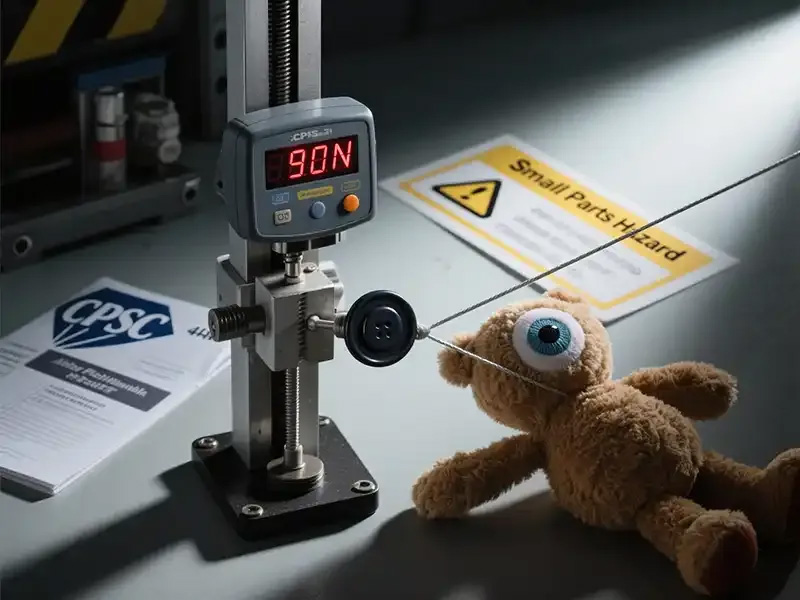
- Pull testing on attachments if relevant (keychain loop, accessories, eyes)
- Needle detection record if your product is for kids
If your brand needs higher consistency (retail shelves, online reviews, strict customer expectations), you should ask for tighter appearance control and clearer defect rules in writing.
Quick Evaluation Table: Sampling + QC + Consistency
| What to verify | What “good” looks like | What to ask | Red flags |
|---|---|---|---|
| Sample stages | Prototype → revisions → PPS | “Do you provide a pre-production sample (PPS)?” | Only one sample, no PPS |
| Change control | Written revision list + dated files | “How do you track versions and changes?” | Confusing file versions |
| Golden sample | Kept as production standard | “Do you keep a golden sample for QC reference?” | No reference sample |
| QC checkpoints | IQC + in-line + final QC | “Do you check during sewing or only at the end?” | Only final inspection |
| Defect standard | Clear critical/major/minor rules | “How do you define major vs minor defects?” | “It depends” |
| Consistency proof | QC photos + measurement checks | “Can you share QC photos and key measurements during production?” | No proof process |
What terms protect you on MOQ, lead time, and payment?
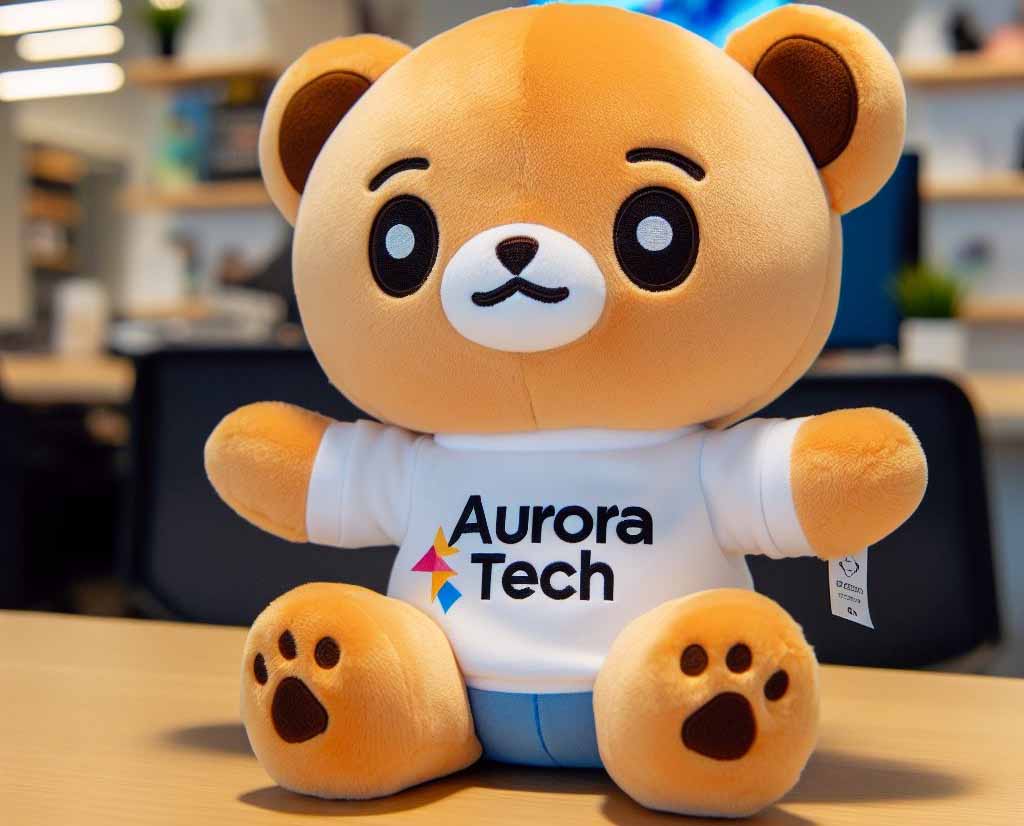
This is the part many buyers rush—then regret later.
A reliable factory relationship is built on clear terms that protect both sides. You don’t need an aggressive contract, but you do need written agreements on the things that most often cause conflict: MOQ changes, delivery delays, quality disputes, and payment risk.
Below are the most practical terms that protect you without turning the partnership into a fight.
Which MOQ and lead-time terms reduce risk for buyers?
1) Lock the “scope” that the MOQ is based on
MOQ is not just a number—it’s tied to fabric, color count, accessories, and complexity.
Make sure the factory’s MOQ applies to:
- the specific fabric type
- the specific colors
- the same accessory set
- the same packaging style
Otherwise, you may approve a sample and then hear: “MOQ changed because the fabric is special.”
2) Break lead time into milestones (not one vague number)
Ask for a schedule that separates:
- sampling time
- material purchasing time
- production time
- QC + packing time
- ship date (and shipping terms like EXW/FOB)
This is important because delays usually start with materials. If you only have one total “25 days,” you won’t know what slipped until it’s too late.
3) Include a “change = timeline change” rule
If you change the design after approval, timelines can shift. That’s normal.
But the rule should be written: no changes without confirming new costs + new lead time in writing.
4) Define what happens if lead time is missed
You can keep it simple:
- priority production
- partial shipment plan
- agreed credit/discount (optional, depends on relationship)
- clear communication deadline (for example, factory must inform you within X days when risk appears)
Even one sentence in the contract can reduce “surprise delays.”
What payment terms and quality clauses protect you most?
Payment terms should match your risk level and order stage.
Common protective practices buyers use:
- Sample payment separate from bulk
Keep sampling as a smaller, controlled commitment. - Deposit + balance after inspection
Many buyers prefer a structure like:- deposit to start bulk
- balance after QC approval (or after pre-shipment inspection)
This helps ensure the factory stays motivated to meet quality standards.
- Payment tied to the approved sample/spec
The contract should clearly state:
“Bulk production must match the approved PPS/golden sample and spec sheet.” - Quality standard clause
Add a simple defect rule:- critical defects = not acceptable
- major defects = limited allowance
- minor defects = allowed within a reasonable range
(Even a basic agreement prevents arguments.)
- Rework/replace/credit rule
If defects exceed the agreed standard:- factory reworks or replaces
- or issues a credit for defective units
The exact method can vary, but you want the mechanism written.
- Bank account verification
Always confirm the beneficiary matches the legal company name on the contract and invoice. If they request payment to an unrelated name, pause and verify.
Quick Evaluation Table: Buyer-Protective Terms
| Area | Term that protects you | Why it matters | Common red flag |
|---|---|---|---|
| MOQ | MOQ tied to fabric/colors/accessories | Prevents surprise MOQ changes | MOQ changes after sample approval |
| Lead time | Milestone schedule | Makes delays visible early | Only gives one vague timeline |
| Changes | Written change control | Stops “silent” extra costs | Changes applied without confirmation |
| Quality | PPS/spec as binding standard | Prevents “close enough” production | Bulk differs from sample |
| Inspection | Balance after QC/inspection | Reduces payment risk | Full payment upfront required |
| Defects | Rework/replace/credit rule | Avoids disputes | “We’ll see later” |
If you want to reduce risk and move faster, Kinwin can provide a buyer-friendly workflow: clear MOQ logic, milestone lead times, documented sample approval (PPS), and QC checkpoints—so your custom plush project stays predictable from the first sample to the final shipment.
Conclusion
Choosing a reliable plush toy manufacturer is really about one thing: repeatability. Anyone can promise a good sample, but a true long-term partner can keep your plush consistent through bulk production, reorders, and busy seasons—while supporting safety compliance, clear communication, and documented control.
If you evaluate factories using the six checkpoints in this guide—reliability fit, legitimacy documents, safety standards, craftsmanship, sampling + QC consistency, and protective terms—you’ll avoid the most common supplier mistakes and confidently choose a manufacturer that protects your brand.
If you’re planning a custom plush project and want a factory that’s experienced with global buyers and quality-first production, you can contact Kinwin. Share your artwork/reference images, target size, target market, and expected quantity—we’ll reply with practical feasibility feedback, material suggestions, a transparent quote, and a clear timeline you can trust.