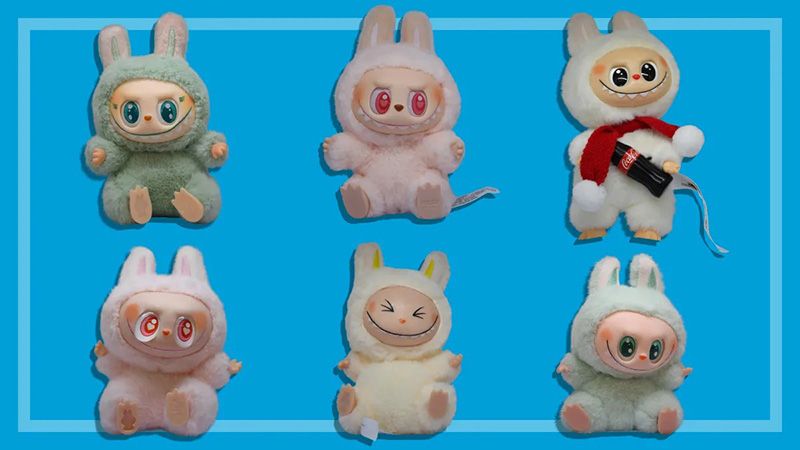
China remains the world’s most mature hub for plush toy manufacturing, but not all factories are suitable partners for global brands. Choosing the right plush toy manufacturer is not only about price—it affects product quality, compliance, development speed, brand reputation, and long-term scalability. For brands sourcing from China, a reliable manufacturing partner functions as an extension of the internal product and operations team, not just a supplier.
What Manufacturing Experience and Product Focus Indicate a Reliable Plush Toy Factory?
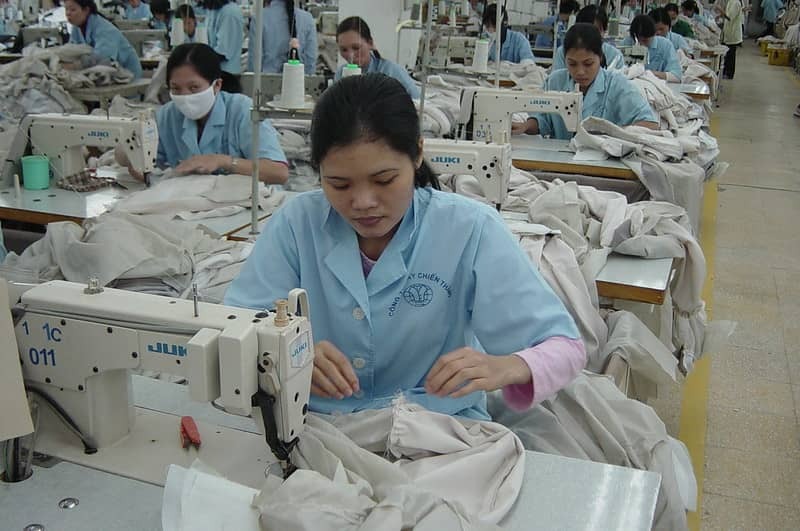
A reliable plush toy manufacturer is defined first by relevant experience, not by how many years they claim to operate. The key question for buyers is whether the factory has long-term experience producing the same type of plush products your brand plans to develop—such as licensed characters, baby plush, promotional plush, or large-volume retail SKUs.
Factories with a clear product focus typically show stronger pattern accuracy, more stable material sourcing, and fewer production surprises. Their teams understand common risk points—facial alignment, stitching tension, stuffing consistency—and know how to prevent them before mass production.
Another important signal is project continuity. Factories that serve repeat international clients usually have better internal systems and a deeper understanding of overseas quality expectations. In contrast, factories that frequently change product categories often struggle with consistency.
| Evaluation Area | What to Look For | Why It Matters |
|---|---|---|
| Product specialization | Clear plush categories | Fewer quality risks |
| Client history | Repeat overseas buyers | Proven reliability |
| Project continuity | Long-term programs | Stable output |
| Internal teams | Dedicated plush staff | Better execution |
How Do Customization Capabilities and OEM/ODM Services Support Brand Development?
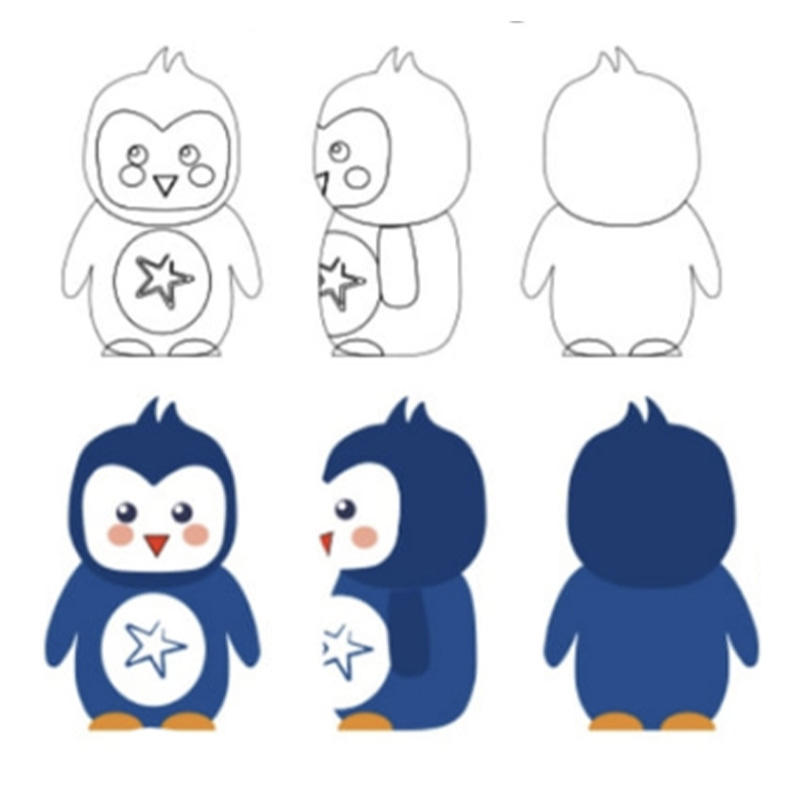
Customization is central to plush branding. A strong manufacturer must support both OEM (brand-led design) and ODM (factory-assisted design) services with equal competence. This includes pattern making, material suggestions, proportion adjustments, embroidery development, and packaging customization.
Effective customization is structured, not chaotic. Reliable factories maintain material libraries, embroidery standards, and base construction templates that allow customization without reinventing the product each time. This approach reduces cost, speeds up development, and improves consistency across collections.
For brands building long-term product lines, ODM capability is especially valuable. It allows the factory to contribute design optimization and cost-saving ideas while respecting brand identity. Weak factories often say “yes” to all requests but lack the technical depth to execute them.
| Customization Area | Strong Factory Capability | Brand Benefit |
|---|---|---|
| Pattern making | In-house pattern team | Accurate character replication |
| Material selection | Certified fabric options | Brand positioning control |
| Embroidery & trims | Custom execution | Visual differentiation |
| OEM / ODM balance | Flexible service model | Faster product expansion |
What Quality Control Systems and Production Standards Ensure Consistent Output?
Quality consistency is not achieved through final inspection alone. Reliable plush manufacturers operate multi-stage quality control systems that monitor quality from raw material intake to final packing.
This usually includes incoming material inspection (IQC), in-process quality checks (IPQC), final quality control (FQC), and outgoing inspections (OQC). Each stage reduces defect accumulation and prevents large-scale issues.
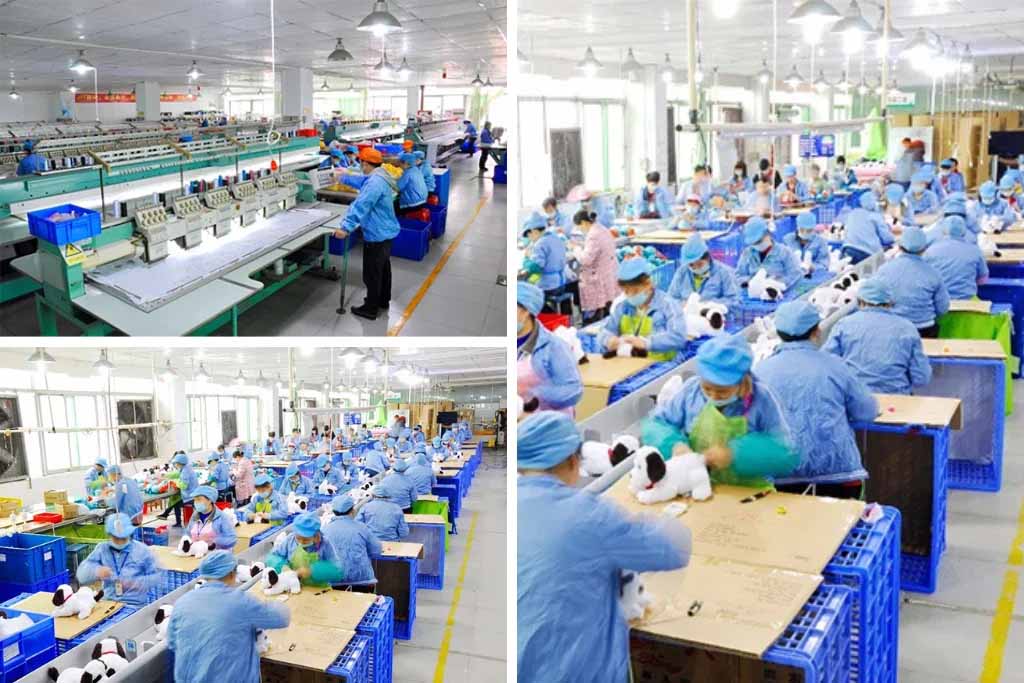
Production standards matter just as much. Factories with standardized sewing lines, defined stitching parameters, and documented work instructions produce more predictable results. Informal production setups rely heavily on individual worker skill, which increases variance and risk.
| QC Element | What to Confirm | Risk if Missing |
|---|---|---|
| Incoming inspection | Fabric & accessory checks | Hidden defects |
| In-line QC | Sewing & stuffing checks | Batch inconsistency |
| Final inspection | Appearance & function | Returns & complaints |
| Standard processes | Documented SOPs | Unstable quality |
How Important Are Safety Certifications and Compliance for Global Market Access?
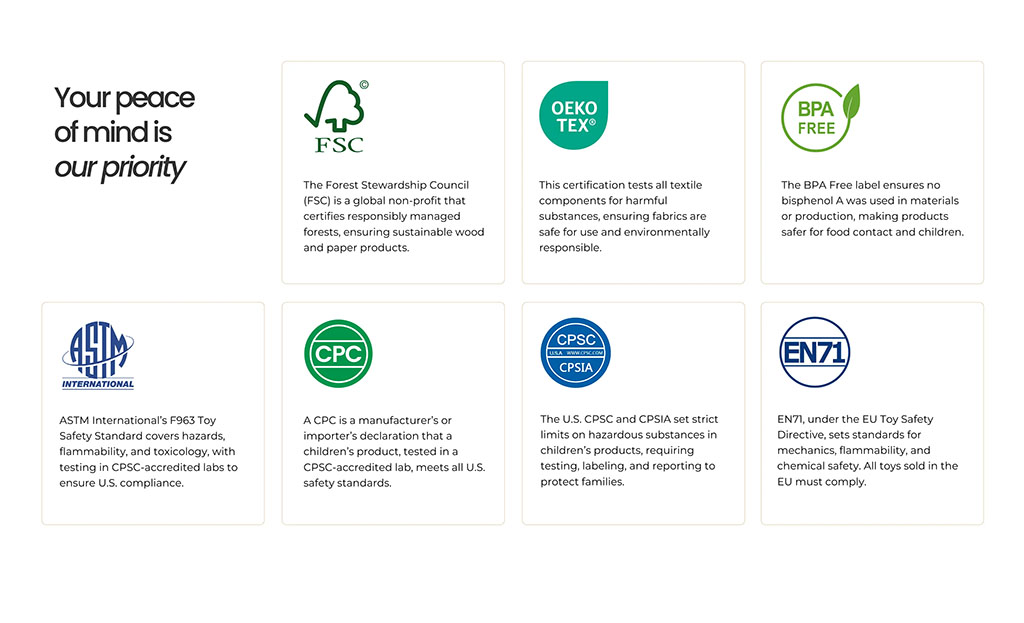
Safety compliance is mandatory for plush toys entering global markets. A qualified Chinese manufacturer should be familiar with ASTM F963, CPSIA, EN71, REACH, and other applicable standards, depending on target regions.
Beyond knowledge, the factory must have operational experience coordinating third-party testing, preparing technical documentation, and implementing corrective actions if issues arise. Compliance is not a one-time task—it must be integrated into material selection, design decisions, and production control.
Factories without compliance experience often rely on buyers to manage testing externally, which increases risk. Strong partners proactively flag potential compliance issues during sampling, not after production.
| Compliance Area | Factory Responsibility | Buyer Protection |
|---|---|---|
| Safety standards | Regulation familiarity | Market access |
| Testing coordination | Lab experience | Faster approvals |
| Material compliance | Certified sourcing | Reduced risk |
| Documentation | Complete records | Audit readiness |
What Communication, Project Management, and Sampling Speed Affect Collaboration Success?
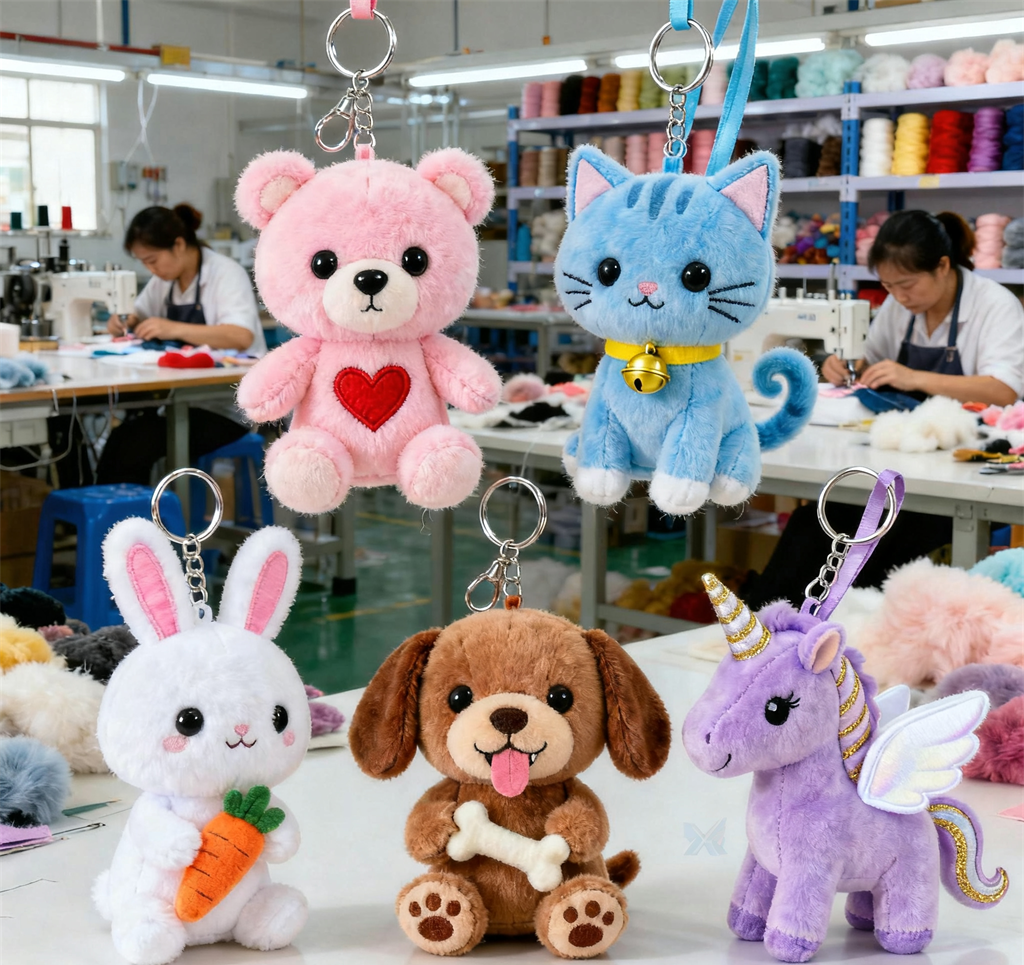
Communication quality determines how smoothly a partnership operates. Reliable manufacturers assign dedicated project managers who understand both technical and commercial requirements. Clear communication reduces misunderstandings, rework, and delays.
Sampling speed is a practical indicator of internal efficiency. Factories with structured sampling workflows typically deliver samples in 10–15 days for standard plush projects. More importantly, they provide clear feedback, timelines, and revision logic rather than vague promises.
Time zone responsiveness, written confirmation of changes, and version control of samples are all signs of professional project management.
| Collaboration Factor | Strong Factory Trait | Operational Impact |
|---|---|---|
| Project ownership | Dedicated coordinator | Clear accountability |
| Sampling timeline | Predictable lead time | Faster launches |
| Feedback handling | Structured revisions | Fewer errors |
| Communication style | Clear, documented | Reduced friction |
How Do Pricing Transparency, Capacity Planning, and Long-Term Support Shape the Partnership?
Price alone does not define a good partnership. Transparent pricing—where material cost, labor, packaging, and testing are clearly explained—builds trust and enables smarter decisions. Factories that hide cost structure often introduce surprises later.
Capacity planning is equally important. Brands need assurance that the factory can support both initial orders and future scale-up without sacrificing quality or lead time. Reliable factories communicate capacity limits honestly and plan production accordingly.
Long-term support includes after-sales issue handling, repeat order consistency, and continuous improvement. Factories that view buyers as partners—not transactions—invest more in relationship stability.
| Partnership Factor | What to Evaluate | Long-Term Benefit |
|---|---|---|
| Pricing clarity | Cost breakdown | Budget control |
| Production capacity | Scalable lines | Growth readiness |
| Order planning | Realistic timelines | Delivery reliability |
| Ongoing support | Issue resolution | Stable collaboration |
Conclusion
Partnering with the right plush toy manufacturer in China requires looking beyond price and focusing on experience, customization capability, quality systems, compliance expertise, communication strength, and long-term alignment. When these elements are in place, the manufacturer becomes a strategic partner that supports brand growth, product consistency, and global market success.
📧 Contact: [email protected]
🌐 Visit: https://kinwintoys.com