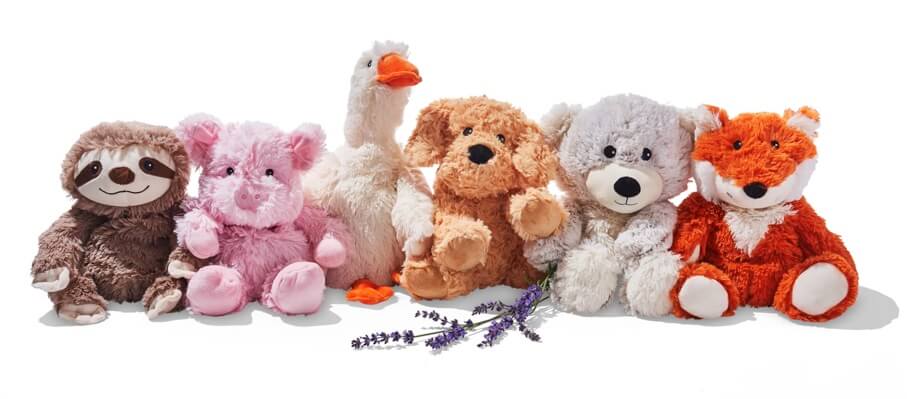
Choosing the right plush toy factory is not just about pricing or production capacity—it is about finding a partner who truly understands Western brand expectations, compliance protocols, communication norms, and quality standards. Western brands operate with specific requirements shaped by their retail environments, consumer safety expectations, and brand positioning strategies. A factory that understands these nuances can deliver smoother project execution, fewer revisions, stronger compliance, and long-term brand alignment.
This guide explains how to evaluate whether a plush toy manufacturer understands Western brand standards and how this capability influences quality, trust, and long-term collaboration.
What Western Brand Expectations Influence Plush Toy Quality and Market Positioning?
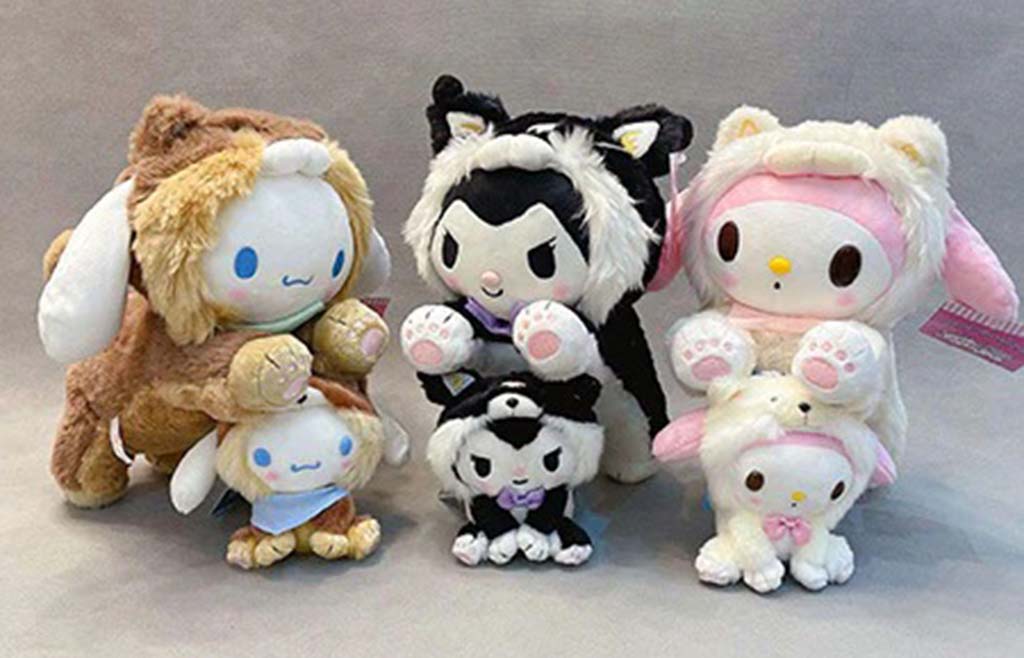
Western brands—especially those focused on retail, e-commerce, licensing, and children’s products—expect plush toys to meet high aesthetic, functional, and safety standards. These expectations go far beyond simply producing a cute toy; they embody elements such as durability, storytelling appeal, emotional design, shelf presence, and long-term brand value. Western consumers value consistency in proportions, stitching accuracy, color harmony, tactile softness, and perceived “premium feel.” As a result, factories must understand the subtle differences between mass-market plush toys, collectible plush lines, baby-safe plush categories, and limited-edition licensed characters.
Factories unfamiliar with Western markets often underestimate the importance of brand identity and emotional resonance. Western buyers expect plush toys to reflect a cohesive personality—whether playful, comforting, adventurous, or aesthetic—so details like eye spacing, embroidery quality, material texture, and pattern symmetry are critical. Western brands also care deeply about longevity. A plush toy should withstand repeated washing, sustained squeezing, and rough handling without seams opening or fabric pilling. A factory that truly understands Western brand standards recognizes that plush toys are not commodities—they are long-term emotional products that represent the brand’s values and promise.
| Western Expectation | What It Means in Production | Impact on Brand |
|---|---|---|
| Character Accuracy | Proportion precision & symmetry | Stronger identity |
| Emotional Appeal | Softness, expression, tactile feel | Higher consumer satisfaction |
| Long-Term Durability | Reinforced seams, quality fabrics | Fewer defects & returns |
| Brand Positioning | Premium finishes & consistent style | Better retail acceptance |
| Visual Consistency | Uniformity across batches | Trust in brand reliability |
A manufacturer aligned with Western expectations designs every detail—from fabric selection to stuffing balance—to resonate with Western consumer psychology and retail expectations.
How Do Factories Demonstrate Familiarity with U.S. and EU Safety and Compliance Standards?
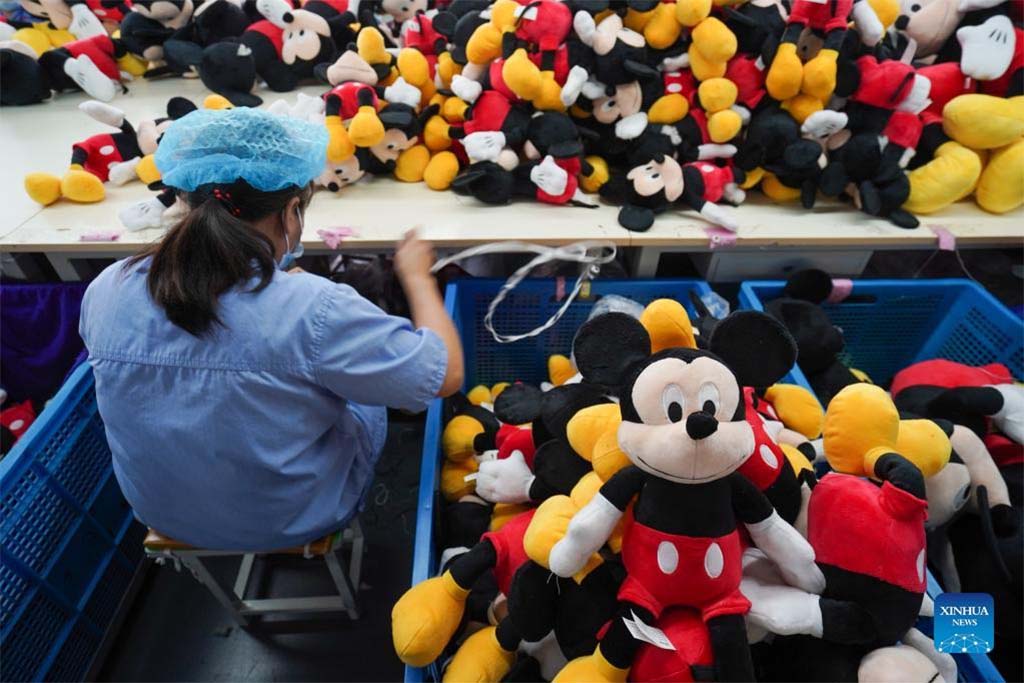
Understanding Western safety compliance is mandatory for any factory producing plush toys for export. Plush toys intended for U.S. and EU markets must pass strict chemical, mechanical, and labeling standards—ASTM F963, CPSIA, EN71, REACH, and ISO 8124 are just a few. Many factories claim compliance, but only experienced ones can provide updated test reports, lab partnerships, and a history of passing retailer-specific audits.
A compliant factory will be able to explain the difference between ASTM and EN71 requirements, understand phthalate limits, know how to avoid restricted dyes, and ensure proper tracking labels for CPSIA. They should also be familiar with metal detection, needle control logs, tension tests for eyes and noses, stuffing documentation, and packaging requirements for choking hazard warnings. Factories that frequently work with Western brands also maintain tightly controlled material sourcing, updated MSDS documents for each component, and internal QC processes aligned with compliance norms.
Experienced factories treat compliance as a built-in part of production—not an afterthought. They proactively advise buyers on what materials are suitable for baby toys, how to choose safer fabrics, or how to adapt packaging to meet U.S. and EU labeling regulations. This level of guidance is what distinguishes a competent factory from one that merely “passes tests.”
| Safety Requirement | Relevant Standard | Factory Responsibility |
|---|---|---|
| Mechanical & Physical Tests | ASTM F963 / EN71-1 | Secure components, seam strength |
| Chemical Limits | CPSIA / REACH | Avoid restricted substances |
| Small Parts Risk | CPSIA | Ensure no detachable elements |
| Flammability | EN71-2 | Use compliant materials |
| Labeling & Tracking | CPSIA | Proper permanent labels |
Factories that deeply understand these standards reduce compliance risk and ensure smooth customs clearance.
What Communication Practices Reflect a Strong Understanding of Western Project Requirements?

Western buyers expect clarity, transparency, and responsiveness. Effective communication is one of the strongest indicators that a factory truly understands how Western brands operate. Smooth collaboration depends on timely updates, accurate documentation, proactive problem-solving, and clear phase-by-phase reporting.
Factories that understand Western expectations typically assign English-speaking project managers who provide structured communication, such as:
- Weekly progress reports
- Annotated sample revision summaries
- Real photos and videos at key milestones
- Transparent timelines for sampling, testing, and production
- Clear explanations when something cannot be executed as requested
These factories also respond promptly, avoid ambiguous language, and maintain professionalism in tone and documentation. They understand that Western brands rely on predictable planning cycles, seasonal launches, marketing schedules, and retail deadlines—so communication failures create real financial loss.
| Communication Behavior | Factory Understanding Level | Result for Buyer |
|---|---|---|
| Structured progress reports | High | Predictable planning |
| Transparent problem-solving | High | Fewer surprises |
| Quick response times | Medium–High | Faster decision-making |
| Vague updates or silence | Low | High risk & delays |
Factories who communicate well demonstrate not just professionalism but also empathy toward Western project expectations.
How Can You Evaluate a Supplier’s Experience with Western Retailers and Licensed Brands?
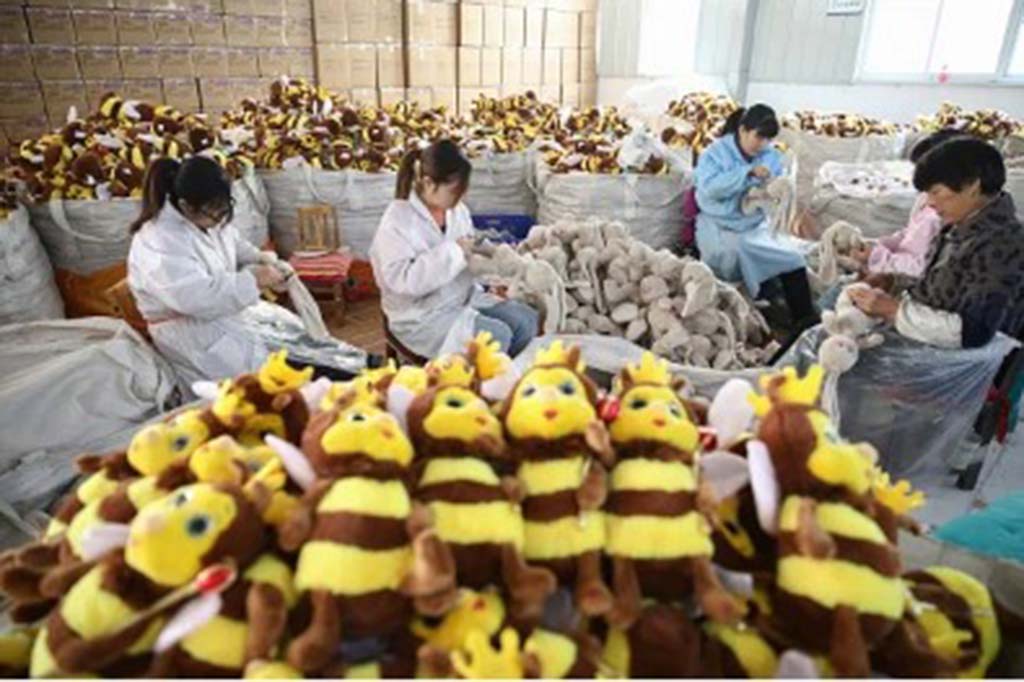
A factory’s client history is one of the strongest predictors of their ability to understand Western brand expectations. Suppliers who have produced for Disney, Universal, Walmart, Target, Hot Topic, Amazon brands, or European retailers are accustomed to strict compliance, character accuracy, packaging rules, and seasonal deadlines. Their systems are designed to meet demanding expectations consistently.
Buyers should ask suppliers about past Western clients, even if names cannot be disclosed due to NDAs. Factories can still describe the types of brands or industries they serve, the audit standards they have passed, and the types of packaging formats they have executed. Experience with licensed brands—animated characters, gaming IPs, or collectibles—is especially valuable because it requires precision, confidentiality, and multi-layered approvals.
Factories with this background will show sample portfolios, explain how they handle brand manuals, demonstrate pattern accuracy, talk confidently about approval stages, and show packaging expertise such as belly bands, window boxes, backer cards, and e-commerce ready polybags.
| Experience Indicator | What It Shows | Buyer Confidence |
|---|---|---|
| Work with Western retailers | Retail readiness | Strong |
| Licensed IP experience | Character accuracy & confidentiality | Very strong |
| Past compliance audits | Proven reliability | Strong |
| E-commerce program experience | Packaging & fulfillment knowledge | Strong |
| No Western references | Limited global readiness | Low |
A supplier’s track record is the clearest sign of their ability to meet Western brand standards.
What Production and QC Systems Align with Western Aesthetic and Consistency Standards?
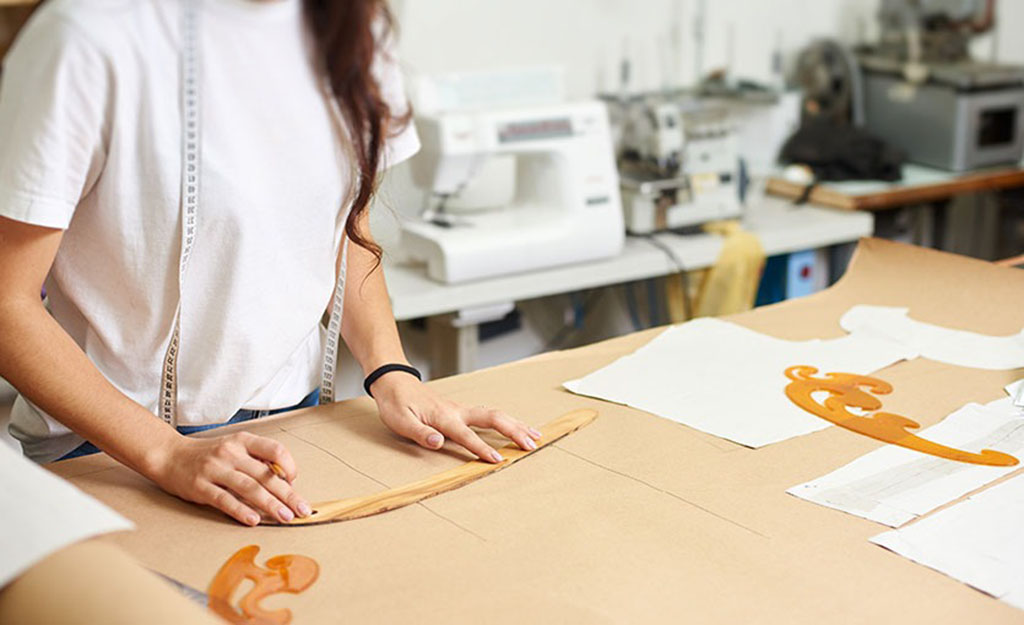
Western brands expect plush toys to look identical across thousands of units. Achieving this level of consistency requires advanced production systems, highly trained QC teams, and strict adherence to Golden Sample standards. Factories that understand Western quality expectations implement multi-layer QC systems, such as incoming material checks, inline inspections, pre-packing inspections, and AQL sampling before shipment.
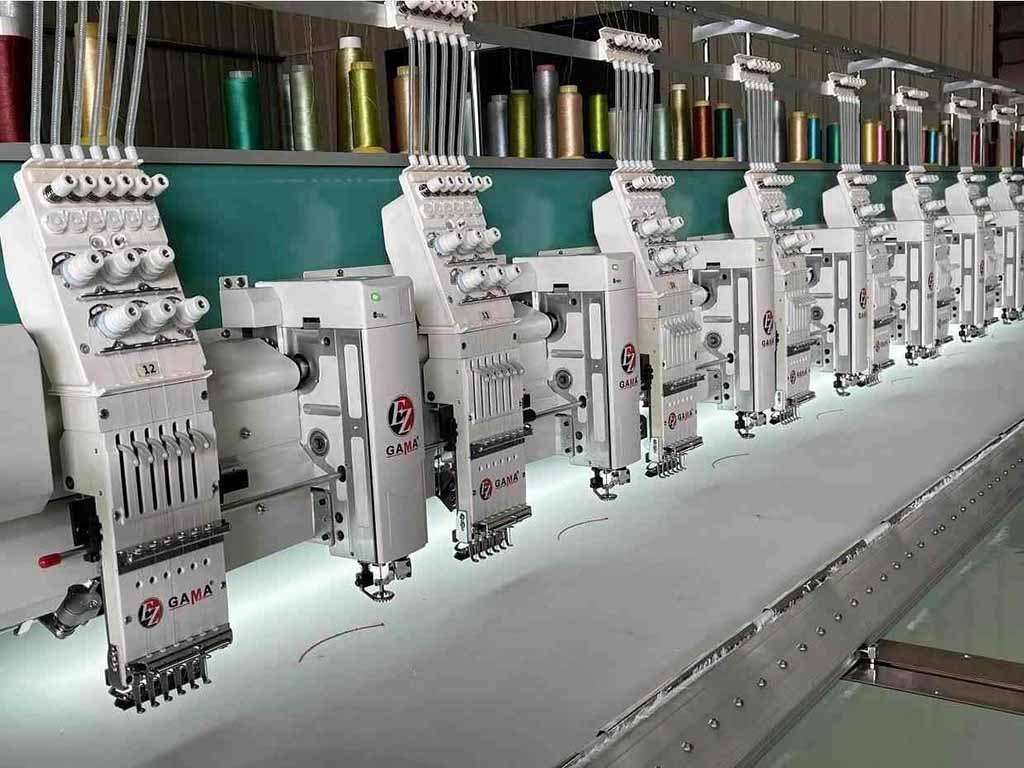
These factories also use accurate pattern templates, laser-cutting equipment for symmetrical parts, digital embroidery machines for uniform facial details, and stuffing machines calibrated to maintain consistent firmness. They maintain QC documentation for each batch, conduct metal detection scans, and ensure every product aligns with the approved Golden Sample for color, shape, softness, and stitching.
Factories aligned with Western standards understand that “close-enough quality” is unacceptable. Even small differences in facial expression or shape can lead to customer dissatisfaction or failed retail audits.
| QC System | Core Function | Importance for Western Brands |
|---|---|---|
| Golden Sample Control | Reference for every batch | Absolute consistency |
| Inline QC | Catch issues early | Fewer defects |
| AQL Final Inspection | Random batch testing | Retail acceptance |
| Metal Detection | Safety requirement | Mandatory for kids’ products |
| Pattern & Color Control | Shape & shade uniformity | Brand integrity |
A factory with strict QC systems ensures stable quality and fewer production risks.
How Do Cultural Awareness and Service Mindset Impact Long-Term Collaboration with Western Brands?
Cultural alignment is often underestimated, yet it is one of the most influential factors in long-term partnership success. Western brands value transparency, predictability, planning discipline, and service-driven thinking. Factories who understand these expectations behave proactively: they notify buyers of potential risks early, offer alternative solutions, and take responsibility for quality issues instead of deflecting blame.
Service mindset shows up in small details—preparing clear quotations, offering optional cost-saving solutions, understanding seasonal deadlines, maintaining respectful communication tone, and supporting urgent requests with flexibility. Culturally aligned factories also understand Western expectations around intellectual property, confidentiality, and ethical manufacturing—demonstrating sincerity and professionalism throughout the relationship.
| Cultural & Service Factor | Factory Behavior | Buyer Benefit |
|---|---|---|
| Proactive Problem-Solving | Offers options, not excuses | Faster resolutions |
| Respectful Communication | Clear, polite tone | Better teamwork |
| Deadline Awareness | Prioritizes seasonal projects | Higher reliability |
| Ownership Attitude | Fixes issues responsibly | Trust & stability |
| IP Respect | No unauthorized sharing | Safe brand growth |
When factories understand Western cultural expectations, collaboration becomes smoother, more efficient, and far more sustainable.
Conclusion
Choosing a factory that understands Western brand standards is essential for producing safe, consistent, and emotionally appealing plush toys. From compliance knowledge and communication ability to QC precision, material sourcing, and cultural alignment, the right factory becomes a long-term strategic partner—not just a supplier.
Factories like Kinwin specialize in working with Western brands, ensuring smooth communication, strict compliance, and high-quality execution for every project.
📧 Contact: [email protected]
🌐 Visit: https://kinwintoys.com