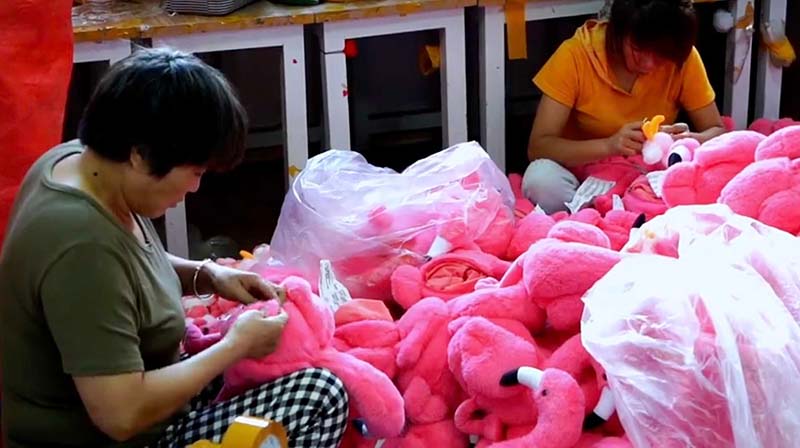
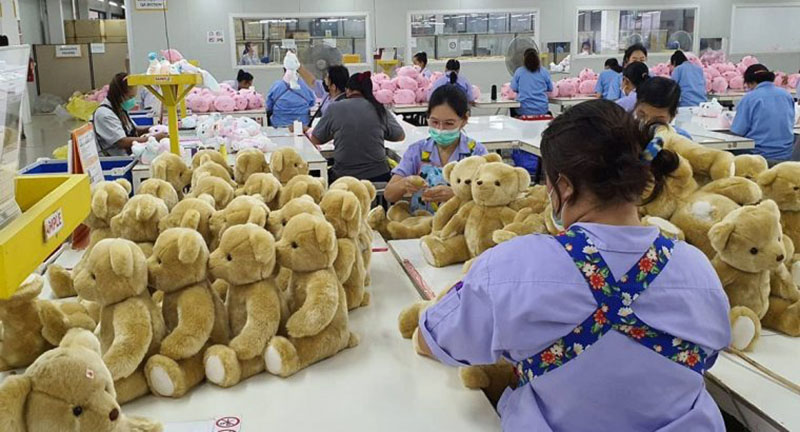
Not all plush projects require extreme precision. But when they do—there is no room for “almost right.”
High-accuracy plush projects often involve licensed characters, detailed artwork, tight proportion control, or complex embroidery and printing. In these cases, small deviations in size, symmetry, or stitching can completely change how the product looks—and how customers perceive it.
This guide will help you evaluate whether a plush supplier truly has the technical precision and control systems needed for high-accuracy projects.
What Defines a High-Accuracy Plush Project?
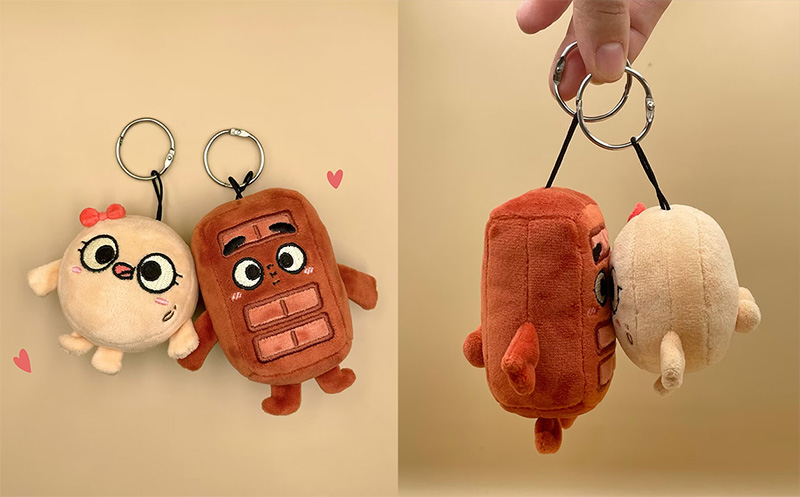
Before choosing the right supplier, you need to clearly understand what makes a project “high-accuracy.”
High-accuracy doesn’t simply mean “high quality.” It means tight tolerance, exact replication, and visual precision at scale.
Does the Project Require Exact Artwork Replication?
A plush project becomes high-accuracy when it demands:
- Strict proportion matching to original artwork
- Precise facial expression alignment
- Exact color blocking and pattern placement
- Controlled embroidery spacing and density
If a 2–3 mm deviation can change the character’s expression or balance, the project is high-accuracy.
In these cases, the supplier must translate 2D artwork into 3D plush form without distortion.
Are Visual Details More Important Than Cost Flexibility?
High-accuracy projects usually prioritize:
- Detail retention over cost reduction
- Structural precision over simplified construction
- Color matching over fabric substitution
If your project cannot accept visible simplifications or loose interpretations, you are not looking for a general supplier—you need a precision-focused partner.
Suppliers experienced in detailed plush execution—such as Kinwin—typically discuss tolerances, alignment, and stitch density early instead of focusing only on price.
High-Accuracy Project Characteristics Table
| Evaluation Area | Standard Plush Project | High-Accuracy Plush Project |
|---|---|---|
| Proportion tolerance | Moderate | Very tight |
| Embroidery precision | Acceptable variation | Exact spacing required |
| Color matching | Close enough | Exact tone control |
| Structural simplification | Often allowed | Limited |
| Visual sensitivity | General | Highly scrutinized |
Can the Supplier Replicate Complex Artwork With Precision?
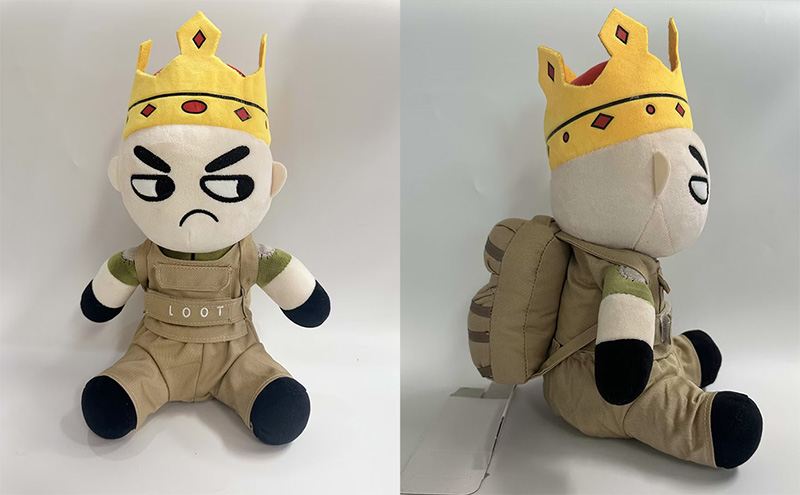
In high-accuracy plush projects, the real test begins with artwork translation.
Simple characters are forgiving. Complex artwork is not.
Fine lines, layered colors, asymmetrical facial features, gradients, and intricate accessories all increase precision difficulty. The supplier must prove they can convert visual complexity into structured plush construction.
Do They Break Down Complex Artwork Technically?
Strong precision suppliers don’t just “copy” artwork. They analyze it.
They typically:
- Deconstruct the artwork into panels, layers, and stitch zones
- Identify high-risk areas (eyes, mouth, logo placement)
- Plan seam direction to preserve expression
- Choose embroidery vs. printing strategically
This structured breakdown prevents distortion when the design becomes three-dimensional.
If a supplier jumps directly from artwork to sample without explaining structural planning, precision risks increase significantly.
Can They Preserve Expression and Character Identity?
With complex characters, a slight shift in:
- Eye spacing
- Mouth curve angle
- Eyebrow height
- Head-to-body ratio
…can change the personality completely.
High-accuracy suppliers control these elements carefully, often referencing measurement points rather than relying only on visual judgment.
Manufacturers experienced in precision artwork replication—such as Kinwin—usually provide structured feedback during the design stage instead of waiting for corrections after sampling.
Complex Artwork Replication Evaluation Table
| What to Evaluate | Strong Precision Capability | Risk Signal |
|---|---|---|
| Artwork breakdown | Technical & structured | Visual guesswork |
| Expression control | Measured & aligned | Slight distortion |
| Detail preservation | Layered & clear | Simplified |
| Risk identification | Flagged early | Discovered late |
| First sample accuracy | Minor refinements | Major correction needed |
How Strong Is Their Pattern-Making and Structural Engineering Ability?
In high-accuracy plush projects, pattern-making is not just technical—it’s mathematical.
Precision depends on whether the internal structure supports the external appearance.
A beautifully designed artwork means nothing if the internal pattern causes distortion, imbalance, or asymmetry.
Do They Build Patterns Based on Structure, Not Just Shape?
Strong suppliers design patterns with:
- Controlled seam angles
- Balanced stuffing distribution
- Structural reinforcement where needed
- Accurate panel scaling for proportion control
They consider how fabric stretch, seam allowance, and filling pressure will affect the final silhouette.
If patterns are adjusted repeatedly during sampling without clear structural reasoning, it often signals weak engineering foundations.
Can They Engineer Stability Across Sizes?
High-accuracy projects often require:
- Multiple sizes of the same character
- Tight proportion consistency across SKUs
- Large plush versions that must not collapse
Structural engineering must adapt intelligently. A design that works at 20 cm may distort at 40 cm without internal adjustments.
Suppliers with strong structural development experience—such as Kinwin—typically evaluate scale-related deformation risks before confirming production.
Pattern-Making & Structural Evaluation Table
| What to Evaluate | Strong Structural Ability | Risk Signal |
|---|---|---|
| Pattern logic | Calculated & controlled | Trial-and-error |
| Seam design | Supports shape | Causes distortion |
| Stuffing control | Even & stable | Uneven or soft spots |
| Multi-size stability | Engineered adjustments | Same pattern scaled blindly |
| Proportion retention | Maintained | Drift across batches |
Do They Control Embroidery Density, Printing Alignment, and Color Matching Accurately?
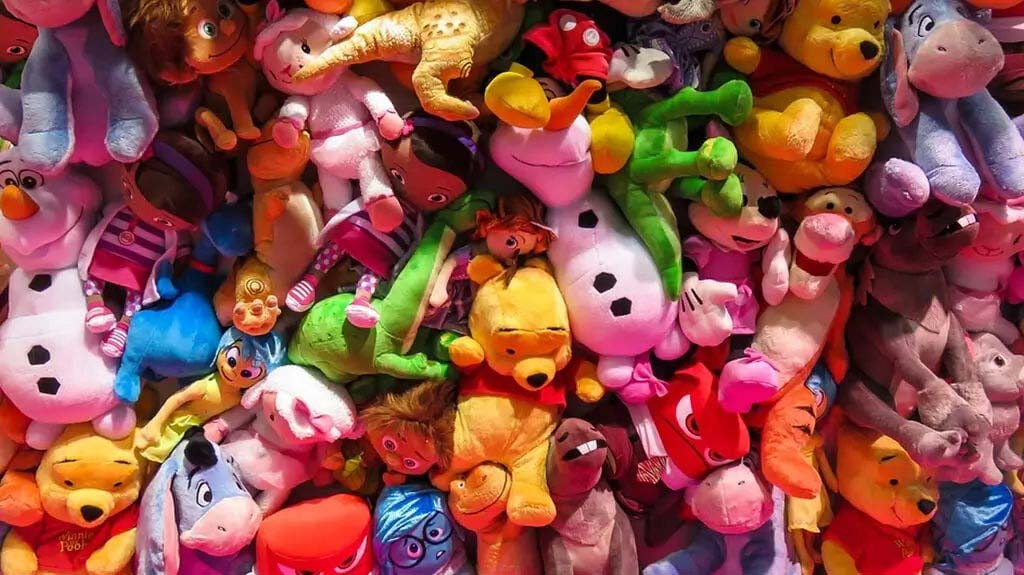
In high-accuracy plush projects, surface details often determine whether the product feels premium—or slightly off.
Embroidery spacing, printing alignment, and color matching are not decorative details. They are precision indicators.
Is Embroidery Density and Stitch Path Carefully Calibrated?
Embroidery precision depends on:
- Stitch density (too dense causes stiffness; too loose causes distortion)
- Thread tension consistency
- Clean edge finishing
- Alignment with underlying panels
High-accuracy suppliers calibrate embroidery files digitally and test stitch balance before final sampling.
If embroidery looks slightly raised, uneven, or misaligned with facial structure, it signals insufficient technical control.
Can They Maintain Accurate Printing and Color Matching?
Printing precision requires:
- Exact alignment with panel shapes
- Stable fabric positioning during printing
- Controlled color calibration across batches
Color matching is especially critical in licensed or brand-sensitive projects. “Close enough” is not acceptable when exact brand tones are required.
Precision-focused manufacturers—such as Kinwin—typically lock color references and maintain embroidery and printing controls consistently from sampling through production.
Surface Detail Precision Evaluation Table
| What to Evaluate | Strong Precision Control | Risk Signal |
|---|---|---|
| Embroidery density | Balanced & uniform | Stiff or uneven |
| Stitch alignment | Accurate & centered | Slight misplacement |
| Printing alignment | Clean & sharp | Blurry or offset |
| Color consistency | Matched & repeatable | Tone variation |
| Batch stability | Same across runs | Drift over time |
Do They Control Embroidery Density, Printing Alignment, and Color Matching Accurately?
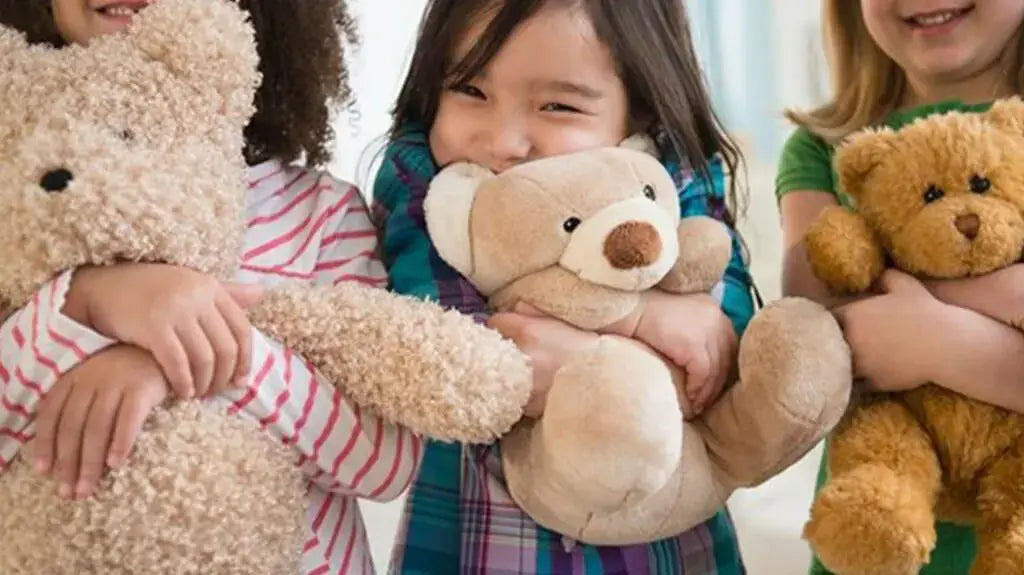
In high-accuracy plush projects, surface details often determine whether the product feels premium—or slightly off.
Embroidery spacing, printing alignment, and color matching are not decorative details. They are precision indicators.
Is Embroidery Density and Stitch Path Carefully Calibrated?
Embroidery precision depends on:
- Stitch density (too dense causes stiffness; too loose causes distortion)
- Thread tension consistency
- Clean edge finishing
- Alignment with underlying panels
High-accuracy suppliers calibrate embroidery files digitally and test stitch balance before final sampling.
If embroidery looks slightly raised, uneven, or misaligned with facial structure, it signals insufficient technical control.
Can They Maintain Accurate Printing and Color Matching?
Printing precision requires:
- Exact alignment with panel shapes
- Stable fabric positioning during printing
- Controlled color calibration across batches
Color matching is especially critical in licensed or brand-sensitive projects. “Close enough” is not acceptable when exact brand tones are required.
Precision-focused manufacturers—such as Kinwin—typically lock color references and maintain embroidery and printing controls consistently from sampling through production.
Surface Detail Precision Evaluation Table
| What to Evaluate | Strong Precision Control | Risk Signal |
|---|---|---|
| Embroidery density | Balanced & uniform | Stiff or uneven |
| Stitch alignment | Accurate & centered | Slight misplacement |
| Printing alignment | Clean & sharp | Blurry or offset |
| Color consistency | Matched & repeatable | Tone variation |
| Batch stability | Same across runs | Drift over time |
Can They Maintain Symmetry and Fine-Detail Stitching?

In high-accuracy plush projects, symmetry is not optional—it’s foundational.
Human eyes are extremely sensitive to imbalance. Even slight asymmetry in eyes, ears, or limbs can make a plush toy look “off,” even if buyers can’t immediately explain why.
Fine-detail stitching, meanwhile, determines whether the product feels refined—or rushed.
Do They Control Bilateral Symmetry Precisely?
Symmetry control involves:
- Mirror-accurate panel cutting
- Balanced seam alignment
- Even stuffing distribution on both sides
- Precise positioning of facial elements
Strong suppliers often check symmetry at multiple production stages, not just during final inspection.
If one ear sits slightly higher or one eye is 2–3 mm off center, high-accuracy projects immediately lose premium perception.
Is Fine-Detail Stitching Clean and Consistent?
Fine-detail stitching includes:
- Tight corner stitching
- Smooth curve transitions
- Hidden seam finishing
- Clean edge binding
High-accuracy projects require controlled stitch length and steady machine calibration. Uneven stitches, loose threads, or slightly misaligned seams are warning signs.
Manufacturers focused on precision and refinement—such as Kinwin—typically treat symmetry and fine stitching as core quality metrics, not cosmetic details.
Symmetry & Fine-Detail Control Evaluation Table
| What to Evaluate | Strong Precision Control | Risk Signal |
|---|---|---|
| Panel symmetry | Mirror-accurate | Slight mismatch |
| Facial alignment | Centered & balanced | Subtle shift |
| Stuffing balance | Even both sides | Uneven feel |
| Stitch consistency | Clean & uniform | Loose or irregular |
| Detail finishing | Refined | Rough edges |
Conclusion
High-accuracy plush projects demand more than good craftsmanship—they require engineering precision, structured control systems, and disciplined execution.
From artwork replication and structural pattern-making to embroidery calibration, size tolerance management, and symmetry control, every millimeter matters. Small deviations may seem minor in production—but in high-accuracy projects, they directly affect brand perception, licensing approval, and market acceptance.
If your project involves licensed characters, complex artwork, strict proportion requirements, or premium retail positioning, you need a supplier that understands precision at both the technical and production levels.
Choosing a partner with proven high-accuracy manufacturing capabilities—such as Kinwin—can help ensure your design intent is preserved from concept to mass production.
When precision matters, the right supplier isn’t just a manufacturer—they’re a technical execution partner.