Skip to content
The Middle East is a fast-growing market for plush toys, gift products, promotional items, and character merchandise.
However, exporting plush toys to Middle Eastern countries requires understanding regional safety regulations, climate challenges, and cultural preferences.
Unlike the EU or U.S., regulations may vary by country—especially within GCC member states—so choosing the right manufacturer is essential to avoid customs delays or compliance issues.
This guide will help you evaluate whether a plush factory is truly prepared for Middle East markets.
What Safety Standards Apply in Middle East Target Markets?
Before discussing sampling or pricing, you need to confirm which regulations apply in your specific target country.
The Middle East is not a single regulatory system. Requirements differ across:
- Saudi Arabia
- United Arab Emirates
- Qatar
- Kuwait
- Oman
- Bahrain
A reliable manufacturer should understand that compliance depends on the destination country—not just general export experience.
Do They Understand Country-Specific Regulatory Differences?
Some Middle East markets may accept:
- EN71-based compliance
- ASTM-based standards
Others may require:
- Local certification
- Product registration
- Conformity documentation
If a factory assumes “EU compliance is enough everywhere,” that may indicate limited regional knowledge.
Are They Familiar With GCC Toy Safety Frameworks?
The Gulf Cooperation Council has conformity frameworks that influence product safety requirements across GCC member countries.
Factories experienced in exporting to the Middle East—such as Kinwin—typically understand how GCC conformity impacts documentation and labeling.
Middle East Safety Standards Evaluation Table
| What to Evaluate | Strong Regional Awareness | Risk Signal |
|---|---|---|
| Country-specific knowledge | Detailed | Generalized |
| GCC awareness | Recognized | Unfamiliar |
| Regulatory differentiation | Clear | Assumed |
| Documentation planning | Structured | After shipment |
| Market research discussion | Proactive | Minimal |
Do They Understand GCC Conformity Requirements and Regional Regulations?
For many Middle East countries—especially within the Gulf region—product compliance is influenced by GCC conformity frameworks.
Understanding this system is critical for smooth customs clearance and market entry.
Do They Know How GCC Conformity Impacts Toy Imports?
The Gulf Cooperation Council has established conformity assessment principles that may affect:
- Product safety documentation
- Labeling requirements
- Certificate of conformity processes
- Product registration systems
Some GCC countries require pre-shipment documentation or certification before customs clearance.
A knowledgeable factory should understand that exporting to Saudi Arabia is not the same as exporting to the UAE or Qatar.
Are They Prepared for Country-Level Regulatory Processes?
For example:
- Saudi Arabia may require compliance under Saudi Standards, Metrology and Quality Organization regulations.
- Other countries may require local distributor registration.
Factories with Middle East export experience—such as Kinwin—usually understand how to prepare documentation for different GCC destinations.
GCC Conformity Evaluation Table
| What to Evaluate | Strong GCC Compliance Knowledge | Risk Signal |
|---|---|---|
| GCC awareness | Clear | Limited |
| Country-level differentiation | Recognized | Assumed identical |
| Conformity documentation | Prepared | Unclear |
| Pre-shipment planning | Structured | Reactive |
| Regulatory explanation ability | Confident | Vague |
Can They Support SASO or Other Country-Specific Compliance Needs?
Among Middle East markets, Saudi Arabia has one of the most structured regulatory systems.
If your plush toys are entering Saudi Arabia, compliance with local standards is not optional.
Do They Understand SASO Requirements?
The Saudi Standards, Metrology and Quality Organization (SASO) oversees product standards in Saudi Arabia.
For toys, this may involve:
- Conformity assessment procedures
- Product registration requirements
- Certification documentation
- Labeling standards
A factory supplying Saudi-bound products should understand how SASO-related processes affect testing and documentation.
Can They Coordinate Certification and Registration Support?
Depending on the destination country, compliance may require:
- Approved laboratory testing
- Product certification coordination
- Documentation preparation
- Shipment-related conformity paperwork
Manufacturers experienced in Middle East exports—such as Kinwin—typically coordinate with clients and logistics partners to ensure documentation is prepared before shipment.
Country-Specific Compliance Evaluation Table
| What to Evaluate | Strong Country-Level Compliance Support | Risk Signal |
|---|---|---|
| SASO awareness | Detailed | Minimal |
| Certification coordination | Experienced | No process |
| Registration support | Organized | Unclear |
| Labeling compliance | Verified | Assumed |
| Pre-shipment documentation | Structured | Last-minute |
Are Materials Suitable for Hot Climate Storage and Transportation?
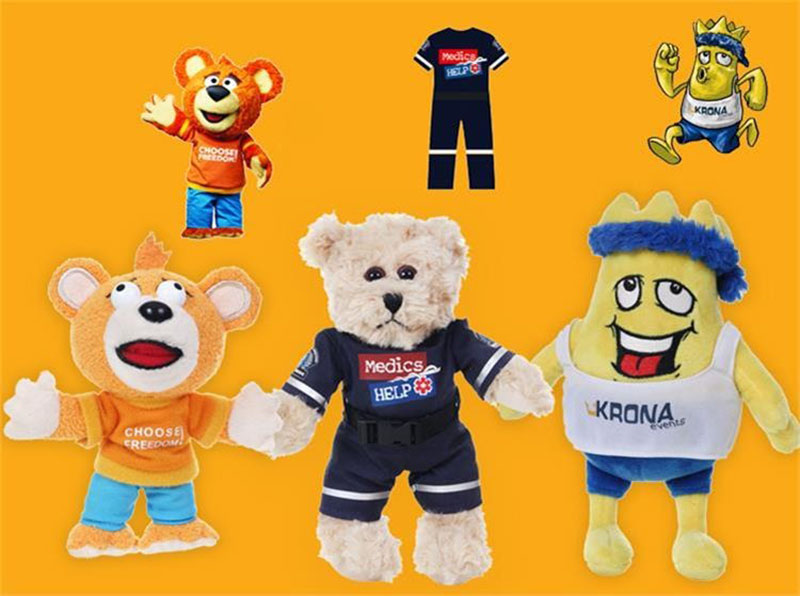
One factor often overlooked when exporting plush toys to the Middle East is climate.
Temperatures in many Middle East countries can exceed 40°C (104°F), especially during summer. Products may remain in containers, warehouses, or retail storage areas under extreme heat.
If materials are not selected carefully, issues such as color fading, fabric odor, deformation, or adhesive failure may occur.
Do They Evaluate Fabric and Accessory Heat Resistance?
Under high temperatures, certain materials may:
- Release odor
- Fade or discolor
- Warp or deform
- Lose structural stability
Reliable manufacturers should evaluate:
- Dye stability under heat
- Plastic component resistance
- Glue or bonding performance
- Stuffing resilience
Factories experienced in Middle East exports—such as Kinwin—typically review material suitability before confirming production.
Do They Consider Shipping and Container Conditions?
High heat inside shipping containers can amplify risks.
A knowledgeable factory should understand:
- Long sea transit exposure
- Moisture and heat combination risks
- Proper packaging ventilation
- Carton strength under extreme temperature
Climate adaptation is part of export planning—not an afterthought.
Hot Climate Suitability Evaluation Table
| What to Evaluate | Strong Climate Adaptation | Risk Signal |
|---|---|---|
| Heat resistance awareness | Discussed | Ignored |
| Dye stability review | Conducted | Not evaluated |
| Plastic component assessment | Checked | Overlooked |
| Shipping condition planning | Structured | Basic |
| Packaging durability | Reinforced | Standard only |
How Do They Manage Colorfastness and Fabric Durability in High Temperatures?
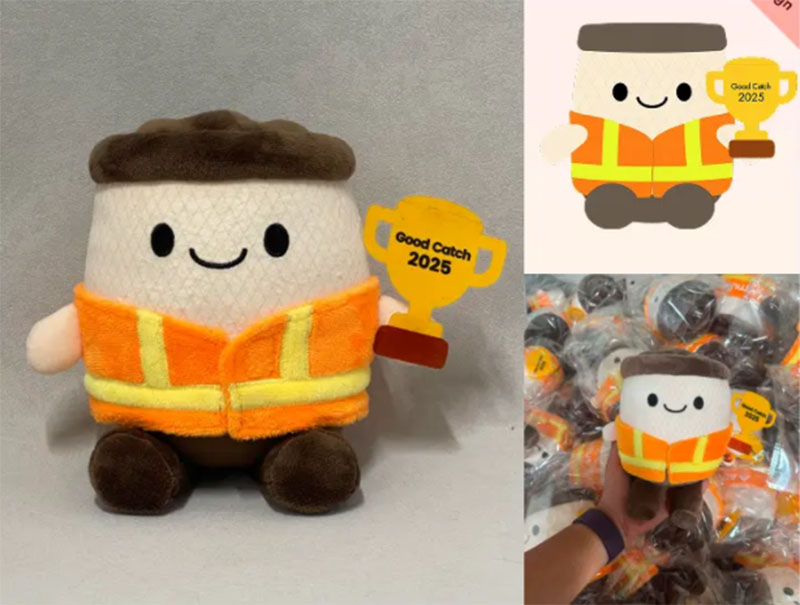
In the Middle East, strong sunlight and prolonged exposure to heat can affect plush toy appearance and performance.
Color fading, dye bleeding, and fabric texture changes are common risks when materials are not properly selected or tested.
For gift products and branded plush items, even minor color inconsistency can damage customer perception.
Do They Conduct Colorfastness Testing for Heat and Light?
Colorfastness testing may include:
- Heat resistance evaluation
- Light exposure simulation
- Rubbing and migration checks
- Washing durability tests (if applicable)
A knowledgeable factory should understand that dyes reacting to heat can cause long-term discoloration, especially during storage or retail display.
Do They Select Fabrics With Durability in Mind?
Fabric durability considerations for hot climates include:
- Stable dye processes
- Low-odor materials
- Resistant fiber blends
- Reduced shrinkage or warping risk
Manufacturers experienced in Middle East-bound projects—such as Kinwin—typically evaluate fabric performance before final approval.
Colorfastness & Durability Evaluation Table
| What to Evaluate | Strong Durability Control | Risk Signal |
|---|---|---|
| Heat colorfastness testing | Conducted | Not tested |
| Light exposure awareness | Discussed | Ignored |
| Fabric stability review | Structured | Basic |
| Dye migration check | Evaluated | Overlooked |
| Pre-production verification | Required | Skipped |
Can They Adapt Designs to Local Cultural Preferences and Sensitivities?
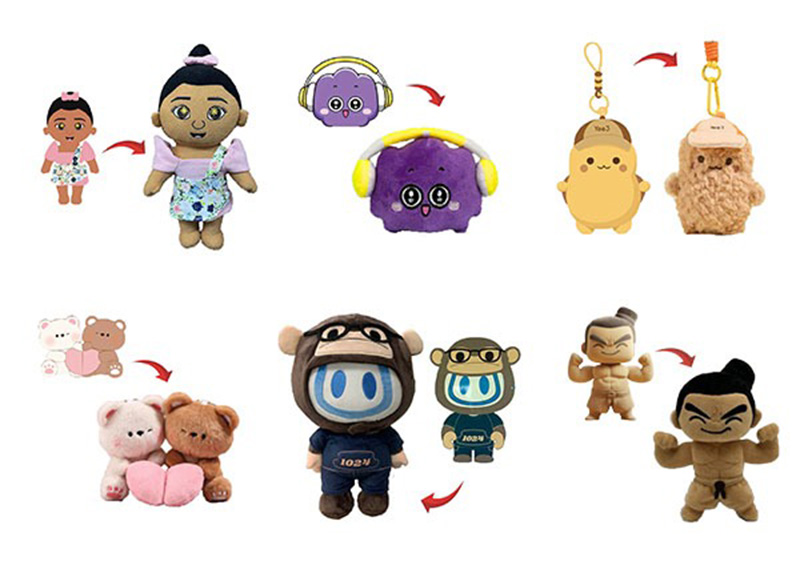
Beyond safety and climate, cultural awareness plays a critical role in Middle East markets.
Design elements, color choices, symbols, and character styles may need adjustment depending on the target country.
A manufacturer experienced in this region should understand that product adaptation is not only about compliance—it’s also about market acceptance.
Do They Understand Regional Design Preferences?
In many Middle East markets:
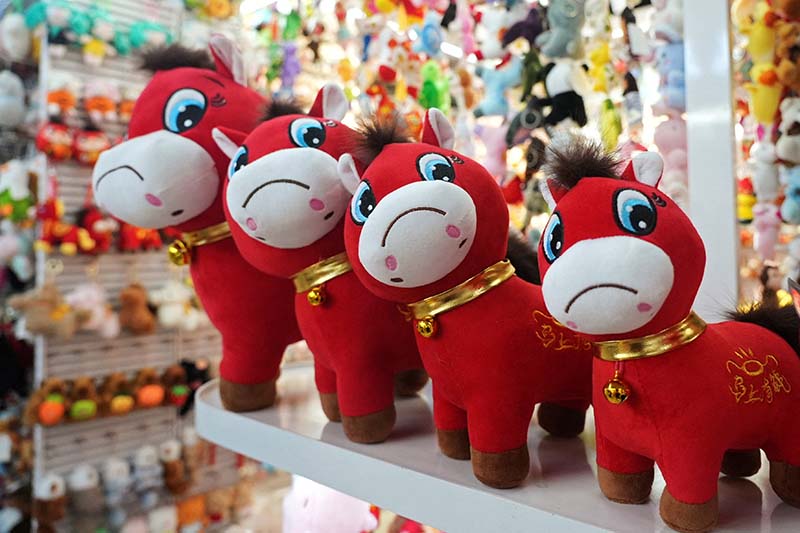
- Bright, luxury-inspired colors are popular
- Premium-looking materials are favored
- Custom embroidery and gold-tone details may be preferred
- Certain animal characters or symbols may require sensitivity review
A knowledgeable factory should be open to discussing cultural positioning and not simply replicate Western-market designs without adaptation.
Are They Comfortable With Customization for Local Campaigns?
Middle East projects often involve:
- Corporate gifting
- Promotional events
- Religious holiday campaigns
- Limited-edition designs
Manufacturers with export experience—such as Kinwin—typically support flexible customization and detailed finishing adjustments.
Cultural Adaptation Evaluation Table
| What to Evaluate | Strong Cultural Adaptation | Risk Signal |
|---|---|---|
| Regional design awareness | Discussed | Ignored |
| Sensitivity review | Proactive | Assumed |
| Customization flexibility | High | Limited |
| Premium finishing capability | Structured | Basic |
| Market positioning understanding | Clear | Generic |
Conclusion
Exporting plush toys to the Middle East requires more than basic safety compliance.
It requires:
- Understanding GCC and country-specific regulations
- Supporting SASO and local certification needs
- Selecting materials suitable for extreme heat
- Managing colorfastness and durability
- Adapting designs to regional cultural expectations
The Middle East is a dynamic and opportunity-rich market—but preparation matters.
If you are planning to export plush toys into Middle East countries and want a manufacturer familiar with regional compliance and climate challenges, consider partnering with Kinwin.
In hot climates and competitive markets, reliability and adaptability are essential.