Skip to content
Japan is known for having one of the most detail-oriented and quality-sensitive consumer markets in the world.
If you plan to sell plush toys in Japan—whether through retail stores, specialty character shops, or e-commerce platforms—you need a manufacturer that understands Japanese safety standards, chemical regulations, and quality expectations.
Japanese buyers care deeply about safety, precision, craftsmanship, and compliance documentation. Choosing the wrong factory can result in testing failure, customs delays, or rejection by Japanese distributors.
This guide will help you evaluate whether a plush manufacturer is truly prepared for the Japanese market.
What Japanese Safety Standards Must the Plush Manufacturer Understand?
Japan has its own toy safety framework. While some elements overlap with EU or U.S. standards, Japanese requirements have unique specifications and documentation expectations.
A factory supplying the Japanese market should clearly understand these distinctions.
Do They Understand Japan’s Toy Safety Regulatory Structure?
In Japan, toy safety is influenced by:
- Consumer Product Safety Act
- Industry safety standards
- Retailer-specific compliance requirements
Japanese distributors often request stricter internal standards than the minimum legal requirement.
A reliable factory should understand that entering Japan often involves meeting both regulatory and buyer-driven safety expectations.
Are They Familiar With Japan’s ST (Safety Toy) Certification System?
Japan’s Japan Toy Association operates the ST (Safety Toy) mark certification system.
The ST mark indicates that toys meet:
- Mechanical safety requirements
- Flammability standards
- Chemical substance limits
Factories experienced with Japan exports—such as Kinwin—usually understand how ST certification differs from CE or ASTM systems.
Japan Safety Standards Evaluation Table
| What to Evaluate | Strong Japan Market Knowledge | Risk Signal |
|---|---|---|
| Japanese regulatory awareness | Clear | Generic |
| ST mark understanding | Specific | Unfamiliar |
| Market-specific distinction | Recognized | Assumed same as EU/US |
| Buyer expectation awareness | Discussed | Ignored |
| Compliance integration | Early planning | After production |
Can They Comply With Japan’s ST (Safety Toy) Standards?
Understanding the ST mark is one thing.
Being able to meet its requirements in real production is another.
Japan’s ST certification is not just a logo—it represents a structured safety evaluation process covering mechanical, chemical, and flammability risks.
Do They Understand ST Testing Categories for Plush Toys?
ST standards typically evaluate:
- Mechanical safety (small parts, seam strength, durability)
- Flammability resistance
- Chemical substance limits
- Labeling compliance
For plush toys, seam durability and small part safety are especially important.
A factory experienced with Japanese buyers should be able to explain how their plush construction meets ST-related mechanical safety expectations.
Can They Coordinate With Japanese Testing or Certification Bodies?
ST certification usually involves:
- Testing through authorized institutions
- Submission of required product documentation
- Compliance with labeling and safety marking rules
Manufacturers with Japan export experience—such as Kinwin—typically understand the documentation and preparation required before submitting products for ST-related evaluation.
ST Compliance Capability Evaluation Table
| What to Evaluate | Strong ST Execution Ability | Risk Signal |
|---|---|---|
| ST testing knowledge | Detailed | Limited |
| Mechanical safety preparation | Structured | Basic |
| Flammability awareness | Integrated | Ignored |
| Certification coordination | Experienced | No history |
| Documentation readiness | Organized | Unclear |
Do They Understand Japan’s Chemical Safety and Formaldehyde Limits?
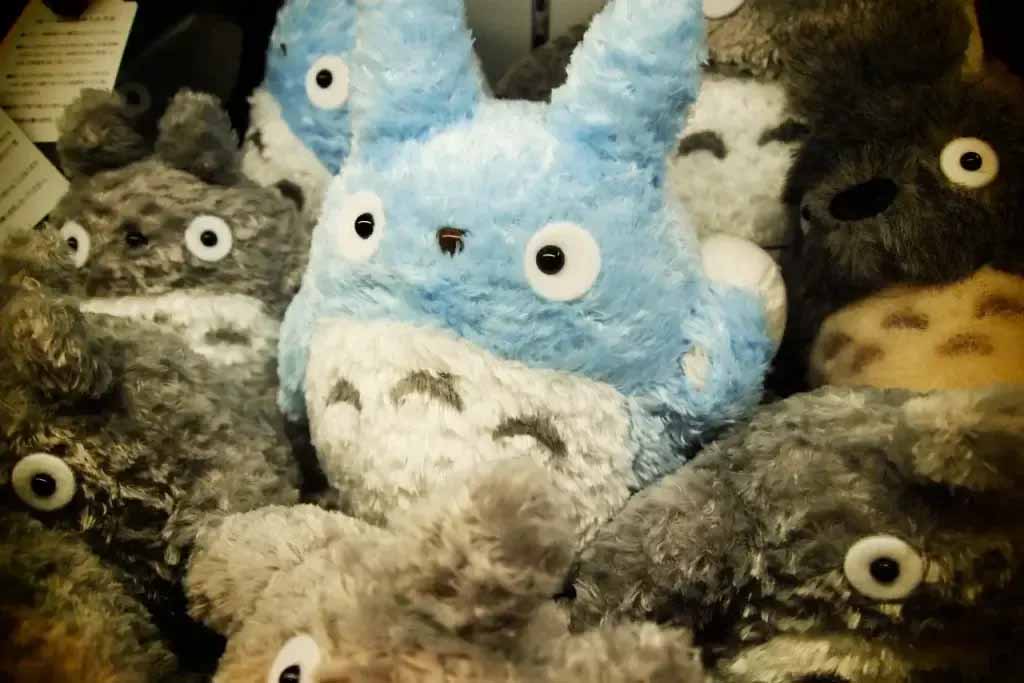
Japan has strict chemical control standards for children’s products, and formaldehyde limits are especially important for textiles and plush toys.
Japanese buyers are extremely sensitive to chemical safety. Even if a product passes EU or U.S. tests, it does not automatically guarantee acceptance in Japan.
Are They Aware of Japan’s Formaldehyde Restrictions for Textiles?
Formaldehyde limits in Japan apply particularly to:
- Fabric materials
- Printed textiles
- Stuffing materials
- Surface treatments
For products intended for infants or young children, the allowable limits can be stricter.
A factory supplying Japan should understand:
- When formaldehyde testing is required
- Which materials carry higher risk
- How to source compliant fabrics
If formaldehyde compliance is not discussed during sampling, it may indicate limited Japan experience.
Do They Evaluate Chemical Risks During Material Sourcing?
Chemical risk control in Japan often involves:
- Screening dyes and pigments
- Avoiding high-risk coatings
- Checking supplier declarations
- Coordinating testing before shipment
Export-experienced manufacturers—such as Kinwin—typically integrate chemical screening into early material selection for Japan-bound orders.
Japan Chemical Compliance Evaluation Table
| What to Evaluate | Strong Japan Chemical Awareness | Risk Signal |
|---|---|---|
| Formaldehyde knowledge | Specific | Vague |
| Textile risk awareness | Discussed | Ignored |
| Supplier screening | Conducted | Not documented |
| Dye and ink review | Evaluated | Overlooked |
| Pre-test preparation | Planned | After production |
How Do They Control Small Parts and Choking Hazards for the Japanese Market?
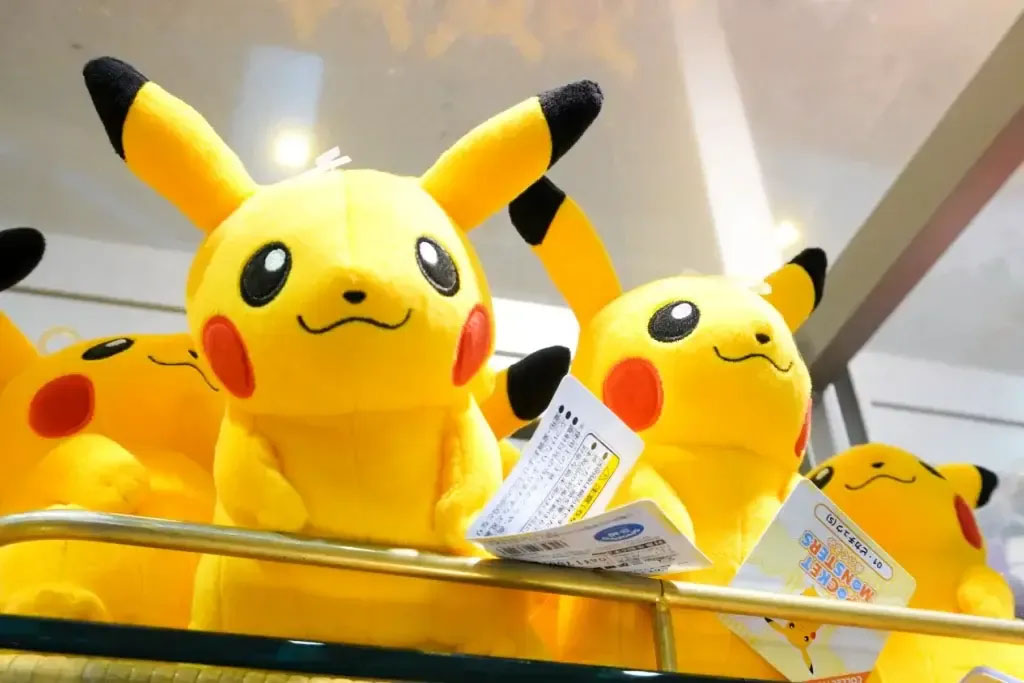
Japanese safety expectations are extremely detail-oriented.
Even small decorative elements on plush toys may raise concerns if they pose a choking hazard. Japanese distributors and retailers often conduct additional quality checks beyond standard testing.
A factory supplying Japan should treat mechanical safety as a design-stage priority—not a final inspection issue.
Do They Evaluate Detachable Components During the Design Phase?
Common risk areas include:
- Plastic eyes and noses
- Buttons or metal trims
- Zippers or pull tabs
- Keychain attachments
- Decorative accessories
For products targeting young children, detachable components may require:
- Stronger attachment methods
- Reinforced stitching
- Alternative embroidery options instead of hard parts
A knowledgeable factory should proactively recommend safer alternatives if a design presents risk.
Do They Perform Internal Strength and Durability Checks?
To reduce choking hazard risk, factories may conduct:
- Pull strength testing
- Seam stress checks
- Durability simulation
- Age grading review
Manufacturers experienced in Japan-bound production—such as Kinwin—typically review structural risks during sampling rather than waiting for certification testing.
Small Parts & Choking Risk Evaluation Table
| What to Evaluate | Strong Mechanical Risk Control | Risk Signal |
|---|---|---|
| Small-part review | Proactive | Overlooked |
| Reinforcement methods | Structured | Basic |
| Alternative design suggestions | Offered | Not discussed |
| Internal pull testing | Conducted | Absent |
| Age grading planning | Defined early | Late decision |
Are Materials and Fabrics Tested According to Japan-Specific Requirements?
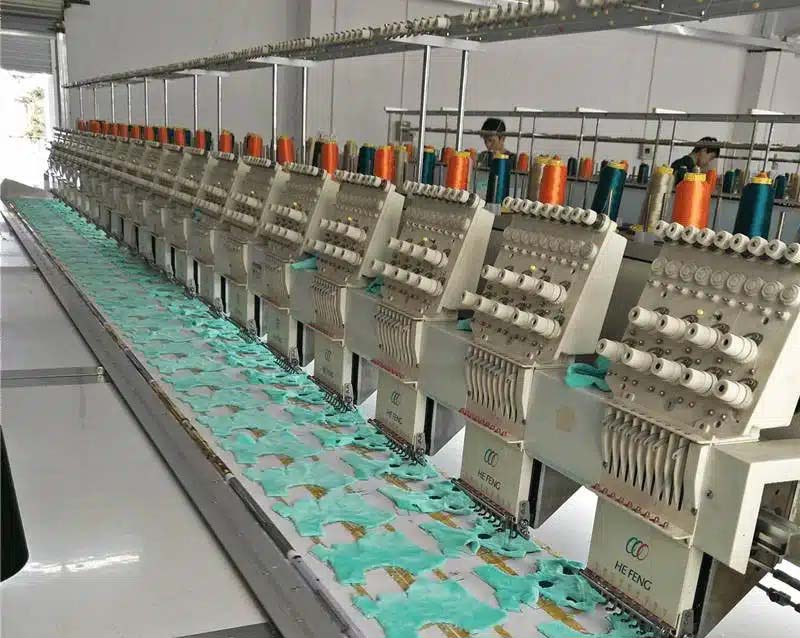
In Japan, fabric quality is not only about softness and appearance.
It is about safety, durability, and long-term stability.
Japanese retailers and brand owners often require stricter textile quality verification compared to other markets.
Do They Conduct Textile-Specific Safety Testing?
For plush toys entering Japan, textile evaluation may include:
- Formaldehyde content testing
- Dye migration or colorfastness checks
- Flammability considerations
- Fiber composition verification
Japan places strong emphasis on textile safety, especially for infant-targeted products.
A knowledgeable factory should understand that fabric compliance must be verified before bulk production—not after shipment.
Do They Control Fabric Lot Consistency and Quality Stability?
Japan’s market is extremely sensitive to:
- Color variation between batches
- Fabric texture inconsistency
- Surface defects
- Printing clarity
Factories experienced with Japan-bound projects—such as Kinwin—typically maintain tighter fabric inspection standards and lot control procedures.
Japan Fabric & Material Evaluation Table
| What to Evaluate | Strong Textile Compliance Control | Risk Signal |
|---|---|---|
| Formaldehyde testing awareness | Clear | Limited |
| Colorfastness review | Conducted | Ignored |
| Batch consistency control | Structured | Inconsistent |
| Fabric inspection system | Documented | Informal |
| Pre-production approval | Required | Skipped |
Can They Provide Valid Japanese Lab Test Reports and Documentation?
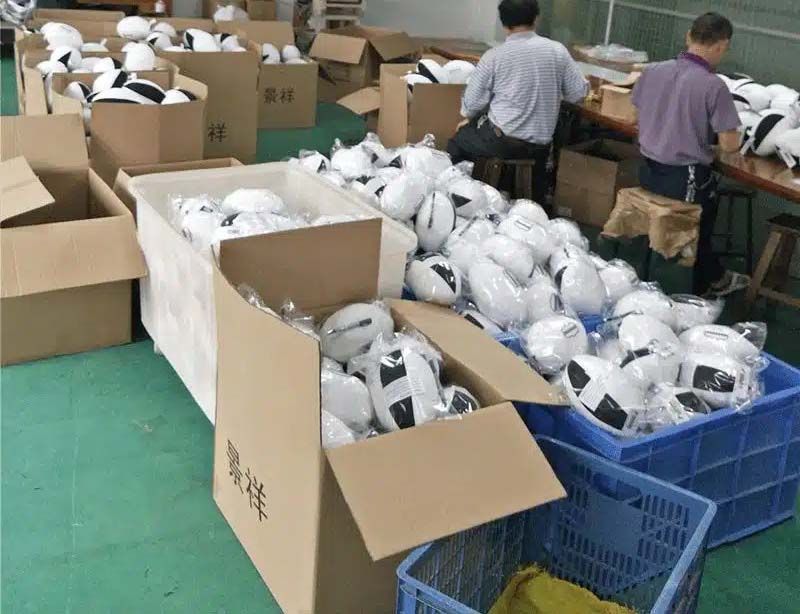
In Japan, documentation credibility matters just as much as product safety itself.
Distributors, retailers, and licensing partners often require official testing reports before accepting plush products into the supply chain.
Verbal confirmation is never enough.
Are the Test Reports Issued by Recognized Japanese or Accredited Labs?
For Japan-bound plush toys, valid documentation may include:
- ST-related testing reports
- Chemical safety verification (including formaldehyde)
- Mechanical and flammability evaluation results
Reports should:
- Be product-specific
- Be issued by recognized testing institutions
- Reflect current product configuration
- Be recent and traceable
Generic or outdated reports do not protect your shipment.
Do They Understand That Testing Must Match Final Production Configuration?
Japanese compliance expectations are detail-sensitive.
Any of the following changes may require updated testing:
- Fabric substitution
- Dye or print modification
- Addition of accessories
- Structural adjustments
Export-experienced manufacturers—such as Kinwin—typically explain that compliance is tied to the final approved production sample.
Japan Compliance Documentation Evaluation Table
| What to Evaluate | Strong Japan Documentation Capability | Risk Signal |
|---|---|---|
| Accredited lab reports | Confirmed | Unknown source |
| Product-specific reports | Provided | Generic |
| Report date validity | Recent | Outdated |
| Configuration awareness | Detailed | Assumed |
| Documentation storage | Organized | Informal |
Conclusion
Entering the Japanese market with plush toys requires more than good design and soft fabric.
It requires:
- Understanding ST safety standards
- Managing chemical and formaldehyde limits
- Controlling small-part and choking hazards
- Maintaining fabric quality consistency
- Providing valid and recognized lab documentation
Japan’s market rewards precision and reliability.
It does not tolerate shortcuts.
If you are planning to export plush toys into Japan and want a manufacturer that understands both safety standards and Japanese quality expectations, consider working with an experienced Japan-focused supplier such as Kinwin.
In Japan, compliance and craftsmanship go hand in hand.