Producing a plush toy is one thing.
Exporting it successfully is another.
When your target market is overseas—whether the US, EU, UK, Japan, or other regions—manufacturing quality alone is not enough. You also need compliance awareness, documentation accuracy, and smooth export coordination.
Choosing a plush manufacturer with real export experience can significantly reduce delays, customs issues, and compliance risks.
This guide will help you evaluate whether a plush factory is truly ready for international export markets.
What Export Experience Does the Manufacturer Already Have?
Export experience is not about saying “we ship worldwide.”
It’s about proven, repeatable international shipments.
A factory that regularly exports understands market expectations, compliance timing, and logistics coordination.
Have They Managed International Clients Before?
Reliable export-oriented manufacturers usually:
- Work with overseas brand owners or distributors
- Understand communication differences across regions
- Manage time zone coordination smoothly
- Provide English documentation and contracts clearly
Factories without export experience may struggle with communication clarity or paperwork requirements.
Can They Explain Past Export Projects Clearly?
Experienced exporters can discuss:
- Typical shipment volumes
- Lead time planning for overseas clients
- Peak season coordination
- Testing and compliance timing
Process-driven manufacturers—such as Kinwin—often have structured workflows designed specifically for export projects.
Export Experience Evaluation Table
| What to Evaluate | Strong Export Experience | Risk Signal |
|---|---|---|
| International clients | Regular | Rare |
| Export communication | Structured | Informal |
| Overseas documentation | Clear | Unfamiliar |
| Compliance awareness | Integrated | Reactive |
| Lead time planning | Market-based | Generic |
Which Countries and Regions Do They Regularly Ship To?
Export experience becomes meaningful when it is specific.
A factory that regularly ships to certain countries understands the regulatory environment, logistics expectations, and documentation requirements of those markets.
Can They Name Specific Markets, Not Just “Worldwide”?
Reliable export manufacturers should be able to clearly state whether they regularly ship to:
- United States
- European Union countries
- United Kingdom
- Canada
- Australia
- Japan
- Middle East markets
Specific answers indicate real export history. Generic phrases like “we ship everywhere” without detail may signal limited experience.
Do They Understand Regional Differences?
Different markets have different expectations:
- The US emphasizes CPSIA and ASTM standards
- The EU requires EN71 and CE compliance
- The UK follows UKCA regulations
- Japan may require additional product safety testing
- Some Middle East markets require specific documentation for customs clearance
Experienced exporters are aware of these distinctions and plan production accordingly.
Export-focused manufacturers—such as Kinwin—typically adapt compliance planning based on the target destination.
Export Market Familiarity Table
| What to Evaluate | Strong Export Familiarity | Risk Signal |
|---|---|---|
| Named markets | Specific | Vague |
| Regulatory knowledge | Region-specific | Generic |
| Documentation awareness | Country-based | Limited |
| Shipping experience | Repeated | Occasional |
| Customs preparation | Structured | Reactive |
Do They Understand Market-Specific Safety and Compliance Standards?
In export markets, compliance is not optional—it determines whether your product can legally enter and remain in the market.
A reliable plush manufacturer doesn’t just say “we can pass testing.” They understand which standards apply to which country and how those standards affect design and materials.
Do They Know Which Standards Apply to Your Target Market?
For example:
- United States → ASTM F963, CPSIA
- European Union → EN71, CE marking
- United Kingdom → UKCA
- Canada → CCPSA
- Japan → ST Standard
A professional export-oriented factory should immediately ask which market your plush toy is entering before finalizing materials or structure.
If compliance is discussed only after production, risk increases dramatically.
Do They Integrate Compliance Into Design, Not Just Testing?
Strong manufacturers:
- Consider small-part regulations during design
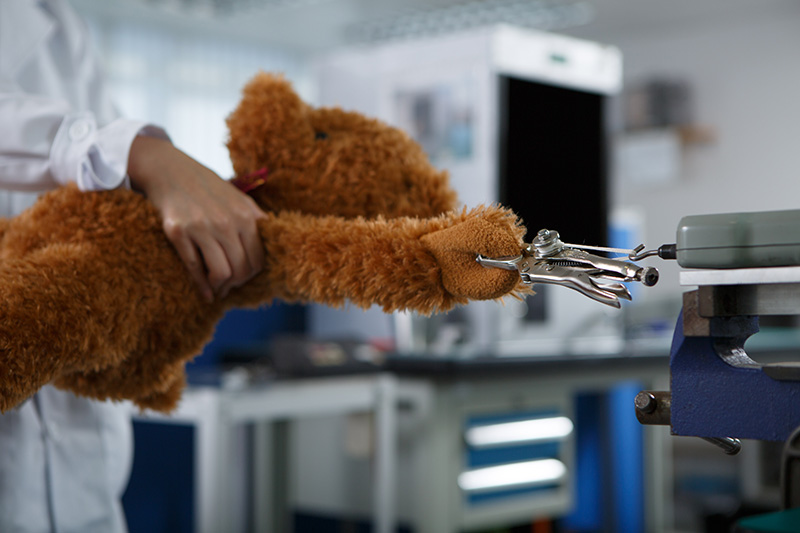
- Reinforce attachment points to meet pull-test standards
- Select compliant fabrics and stuffing early
- Plan third-party testing at the correct stage
Compliance-aware factories—such as Kinwin—typically integrate safety planning into the sampling process instead of treating it as a final checkbox.
Market-Specific Compliance Evaluation Table
| What to Evaluate | Strong Compliance Awareness | Risk Signal |
|---|---|---|
| Standard knowledge | Country-specific | Generic |
| Design integration | Early-stage planning | After production |
| Testing timing | Planned | Last-minute |
| Small part awareness | Discussed | Ignored |
| Safety documentation | Prepared | Unclear |
Can They Provide Valid Test Reports for Target Export Markets?
Saying “we can pass testing” is very different from showing valid documentation.
For export markets, test reports must be:
- Issued by recognized third-party labs
- Relevant to the specific product type
- Valid within the correct timeframe
- Aligned with the destination country’s regulations
Are Sample Test Reports Available for Review?
Reliable manufacturers typically can:
- Provide sample EN71 or ASTM reports (with sensitive details masked)
- Show recent test dates
- Identify the testing laboratory used
- Explain what the test covers
This demonstrates that they are familiar with the testing process—not encountering it for the first time.
If a supplier cannot provide any sample documentation, it may indicate limited export testing experience.
Do They Clarify Product-Specific Testing Requirements?
Testing is not “one-size-fits-all.”
For example:
- Plush with magnets requires additional magnetic safety testing
- Plush with small accessories requires small parts testing
- Plush intended for infants may require stricter standards
Experienced exporters—such as Kinwin—typically discuss product-specific testing before finalizing production.
Test Report Evaluation Table
| What to Evaluate | Strong Documentation | Risk Signal |
|---|---|---|
| Sample reports | Provided | Not available |
| Lab recognition | Accredited | Unknown lab |
| Report validity | Recent & relevant | Outdated |
| Product alignment | Specific | Generic |
| Testing planning | Discussed early | After production |
How Familiar Are They With Export Documentation and Customs Procedures?
Exporting plush toys isn’t only about production and testing.
It also requires correct documentation to pass customs smoothly.
Factories without export documentation experience may cause shipment delays, additional inspections, or unexpected fees.
Can They Prepare Standard Export Documents Accurately?
Reliable export manufacturers should be familiar with documents such as:
- Commercial invoice
- Packing list
- Bill of lading or airway bill
- Certificate of origin (if required)
- HS code classification
They should understand how to:
- Describe goods correctly
- Match invoice details with shipment
- Provide consistent weight and carton data
Errors in documentation can delay customs clearance or trigger inspections.
Do They Understand Customs Requirements in Different Markets?
Export experience includes awareness of:
- Import tax implications
- Labeling compliance requirements
- Pre-clearance documentation in certain countries
- Shipping method differences (sea, air, rail)
Export-experienced manufacturers—such as Kinwin—typically coordinate closely with freight forwarders to reduce documentation errors.
Export Documentation Evaluation Table
| What to Evaluate | Strong Documentation Experience | Risk Signal |
|---|---|---|
| Invoice accuracy | Detailed & consistent | Generic |
| HS code knowledge | Correctly classified | Unsure |
| Packing list clarity | Accurate | Incomplete |
| Customs awareness | Market-specific | Limited |
| Freight coordination | Structured | Reactive |
Do They Understand Labeling, Packaging, and Language Requirements?
For export markets, compliance doesn’t end with product safety testing.
Incorrect labeling or packaging details can cause customs delays, retail rejection, or even fines—especially in regulated markets.
Do They Know Market-Specific Labeling Requirements?
Reliable export-oriented factories should understand:
- Country-of-origin marking requirements
- Age grading labels (e.g., 0–3 warning)
- CE or UKCA markings when applicable
- Fiber content labels (if required)
- Safety warnings in the correct language
Different regions may require:
- Multilingual instructions
- Specific font sizes for warnings
- Permanently attached labels
If labeling is treated as a last-minute task, compliance risk increases.
Can They Adapt Packaging for Export Standards?
Export-ready manufacturers usually consider:
- Carton strength for long-distance shipping
- Moisture protection during sea freight
- Retail packaging regulations
- Barcode and SKU labeling requirements
Experienced exporters—such as Kinwin—typically integrate packaging planning into early production discussions.
Labeling & Packaging Compliance Table
| What to Evaluate | Strong Export Readiness | Risk Signal |
|---|---|---|
| Label accuracy | Market-specific | Generic |
| Language compliance | Verified | Overlooked |
| Warning labels | Properly formatted | Missing |
| Packaging strength | Export-grade | Basic |
| Barcode/SKU support | Coordinated | Unclear |
Conclusion
Choosing a plush manufacturer for export markets requires more than production capability.
You need a partner who understands:
- International compliance standards
- Market-specific regulations
- Valid testing procedures
- Accurate export documentation
- Labeling and packaging requirements
Export experience reduces risk.
Compliance awareness protects your brand.
Structured communication prevents delays.
If you are planning to ship custom plush toys to overseas markets and want smoother export coordination, working with an export-experienced manufacturer like Kinwin can help you navigate regulatory and documentation requirements confidently.
Producing plush toys is important.
Exporting them successfully is essential.