Brand plush projects are not just about producing a soft toy—they are about representing a brand’s identity, values, and reputation in physical form.
Unlike standard plush orders, brand projects demand higher consistency, stronger design control, tighter confidentiality, and zero tolerance for misinterpretation. Choosing the wrong manufacturer can lead to off-brand products, IP risks, or long-term brand damage.
This guide helps brand owners, licensors, and marketing teams choose a plush manufacturer that understands brand responsibility, not just production.
What Makes Brand Projects Different From Standard Plush Orders?
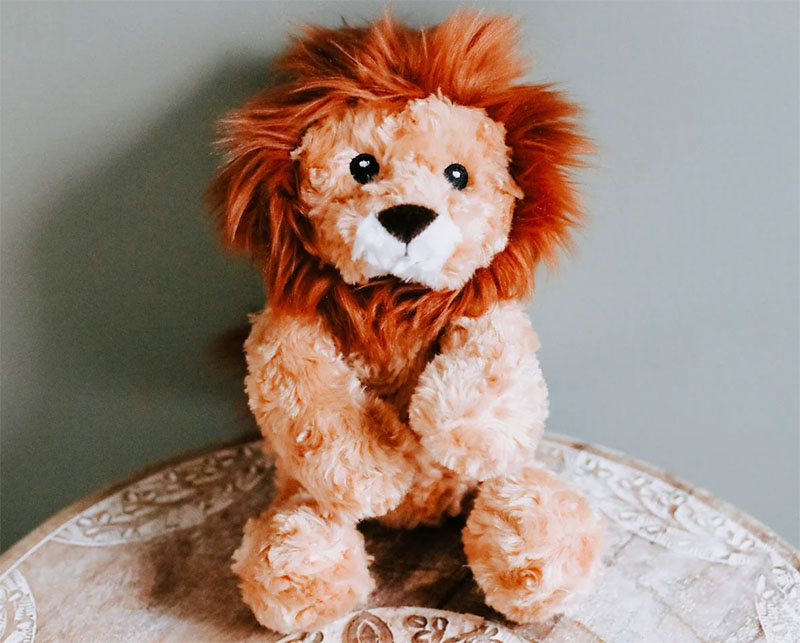
Brand projects operate under a very different set of expectations.
They are less forgiving, more visible, and often tied directly to marketing, licensing, or public perception.
Are Brand Projects About Image, Not Just Product Delivery?
In standard plush orders, the main concerns are usually:
- Cost
- Lead time
- Basic quality
In brand projects, priorities shift to:
- Visual accuracy to brand guidelines
- Emotional consistency with brand tone
- Repeatability across campaigns or SKUs
- Long-term brand recognition
A small deviation in shape, color, or expression can feel insignificant to a factory—but highly noticeable to a brand audience.
Do Brand Projects Carry Higher Risk and Accountability?
Brand plush products are often:
- Licensed or IP-based
- Used in promotions, retail launches, or campaigns
- Distributed at scale under brand scrutiny
This means:
- Mistakes are public
- Corrections are expensive
- Brand trust is at stake
Manufacturers experienced with brand-driven projects—such as Kinwin—tend to approach these projects with more caution, documentation, and internal checks than standard orders.
Brand vs. Standard Plush Project Comparison Table
| Aspect | Standard Plush Order | Brand Plush Project |
|---|---|---|
| Main priority | Cost & delivery | Brand accuracy |
| Design tolerance | Flexible | Very limited |
| Visual consistency | Acceptable variance | Strict control |
| Risk exposure | Low | High |
| Manufacturer role | Producer | Brand execution partner |
Does the Manufacturer Understand Brand Positioning and Consistency?
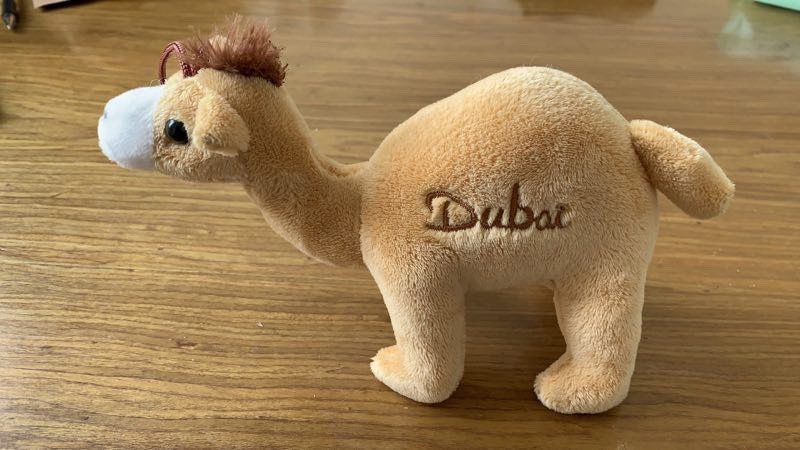
For brand projects, understanding what the brand stands for is just as important as knowing how to sew a plush toy.
A capable manufacturer should think beyond “cute” or “nice quality” and focus on brand alignment and repeatability.
Can They Interpret Brand Guidelines, Not Just Follow Instructions?
Strong brand-ready manufacturers don’t wait to be told every detail. They:
- Ask about brand tone (playful, premium, minimal, emotional, etc.)
- Clarify target audience and usage scenarios
- Identify which elements are non-negotiable vs. flexible
If a factory only asks about size and quantity, it may be treating the project like a generic order—missing the bigger picture.
Do They Value Consistency Across Batches, SKUs, and Campaigns?
Brand consistency means:
- Colors look the same across different runs
- Facial expressions and proportions stay stable
- Materials and finishes don’t drift over time
Manufacturers experienced with brand work usually propose controls such as:
- Color standards and reference samples
- Approved “golden samples”
- Change-control procedures before any adjustment
Manufacturers with structured brand-facing workflows—such as Kinwin—often treat consistency as a system requirement, not a best-effort promise.
Brand Understanding Evaluation Table
| What to Evaluate | Brand-Ready Manufacturer | Risk Signal |
|---|---|---|
| Brand questions | Asks proactively | Waits for instructions |
| Guideline awareness | Reads & confirms | Skims or ignores |
| Consistency mindset | Process-driven | Case-by-case |
| Change control | Formal approval | Informal changes |
| Long-term view | Multi-run thinking | Single-order focus |
How Well Can They Translate Brand Identity Into Plush Design?
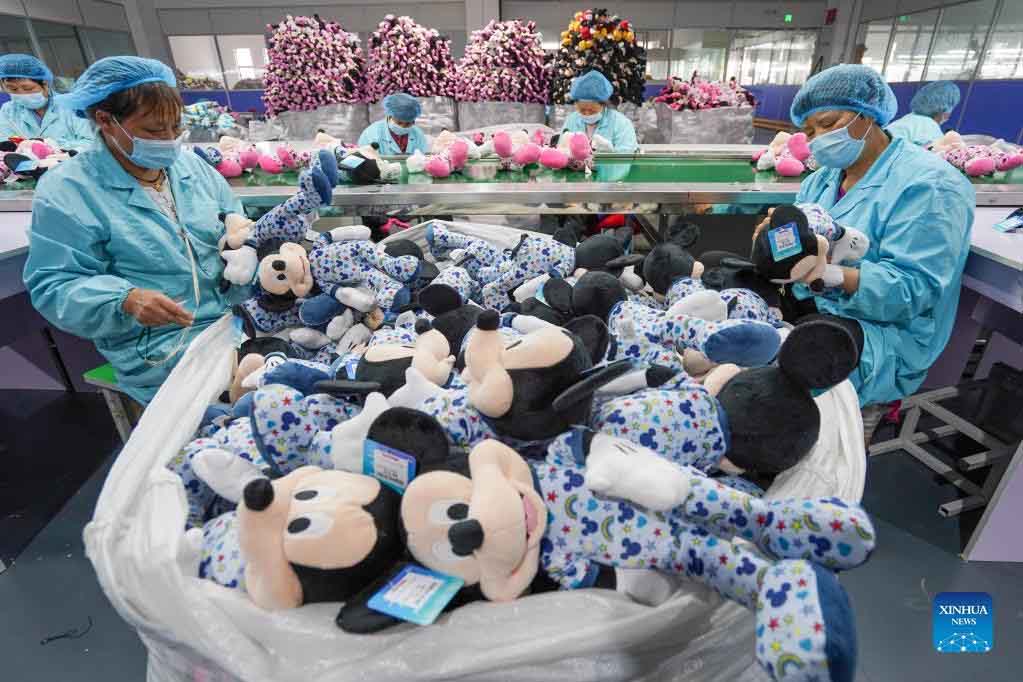
For brand projects, design translation is where most failures happen.
A manufacturer may understand your brand conceptually—but if they can’t turn it into a clear, consistent, and producible plush form, the result will feel off-brand.
Can They Convert Brand Visuals Into a Clear 3D Plush Structure?
Brand assets are often created for screens or print—not for soft toys.
A capable manufacturer should be able to:
- Interpret 2D artwork, mascots, or characters into 3D plush proportions
- Adjust shapes so expressions read correctly in soft materials
- Preserve key brand identifiers (silhouette, eyes, posture, details)
If the first design proposal already captures the “feel” of the brand, it’s a strong signal of design understanding—not luck.
Do They Know How to Simplify Without Losing Brand Character?
Brand plush designs often require controlled simplification for mass production.
Strong manufacturers:
- Explain which details can be simplified safely
- Suggest alternatives that keep brand recognition intact
- Balance cost, durability, and visual accuracy
Weak manufacturers either:
- Copy artwork literally (leading to impractical designs), or
- Over-simplify (losing character and brand identity)
Factories experienced in brand translation—such as Kinwin—usually explain why certain design choices are made, not just what they changed.
Brand-to-Plush Design Translation Evaluation Table
| What to Evaluate | Strong Brand Translation | Risk Signal |
|---|---|---|
| 2D to 3D conversion | Proportionally accurate | Awkward shapes |
| Key brand elements | Clearly preserved | Diluted or missing |
| Simplification logic | Explained & controlled | Arbitrary changes |
| First design alignment | “Feels right” | Needs major rework |
| Production awareness | Design is manufacturable | Design-only thinking |
Do They Support Custom Materials, Colors, and Signature Details?
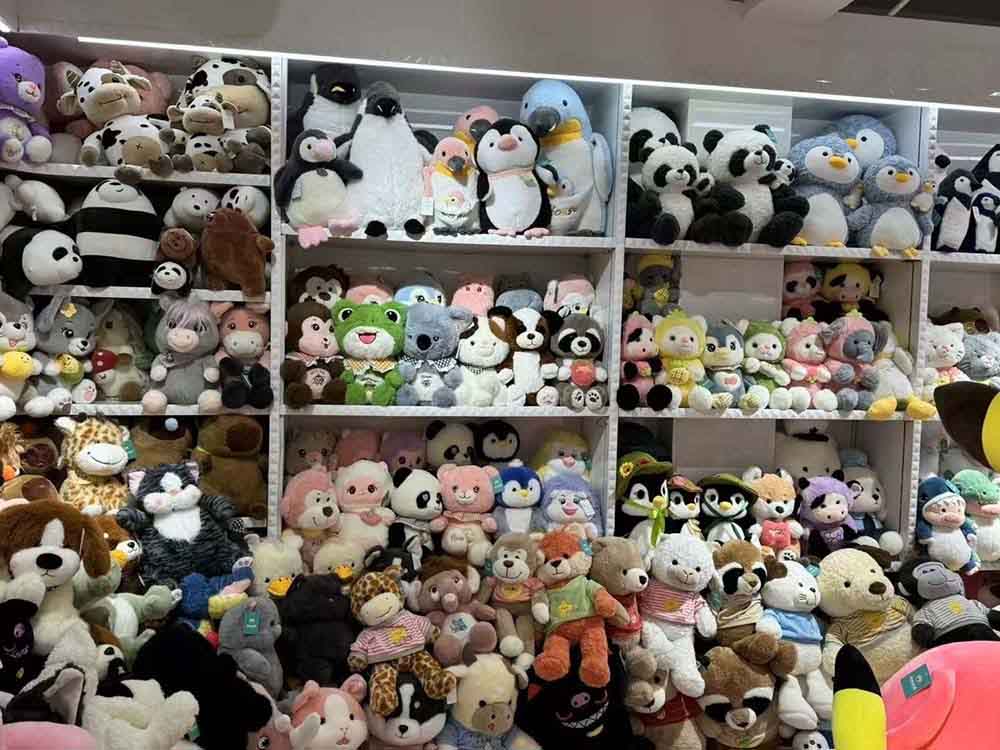
For brand plush projects, materials and details are not decorative choices—they are brand signals.
The wrong fabric texture or color tone can instantly make a product feel off-brand.
Can They Source and Control Custom Materials and Colors Accurately?
Brand projects often require:
- Custom-dyed fabrics
- Specific pile length or texture
- Precise color matching to brand standards (Pantone or physical references)
A brand-ready manufacturer should be able to:
- Explain sourcing options and limitations clearly
- Propose realistic color-matching methods
- Control batch consistency over time
If a factory pushes only “stock colors” without discussion, it may lack the flexibility needed for brand work.
Are Signature Details Treated as Non-Negotiable Elements?
Signature details might include:
- Embroidered eyes or expressions
- Unique trims, labels, or accessories
- Distinctive stitching or surface finishes
Strong manufacturers treat these details as locked elements, building QC checks around them.
Weak ones treat them as optional or “close enough,” which quickly erodes brand value.
Manufacturers experienced with brand-level customization—such as Kinwin—usually document these elements clearly to prevent drift across production runs.
Brand Customization Capability Evaluation Table
| What to Evaluate | Brand-Ready Capability | Risk Signal |
|---|---|---|
| Custom fabric sourcing | Multiple options explained | Stock-only approach |
| Color accuracy | Matched to standard | “Similar color” |
| Detail priority | Non-negotiable | Easily changed |
| Consistency control | Documented & checked | Visual judgment |
| Long-term repeatability | Planned | Uncertain |
How Strong Is Their Sampling Accuracy for Brand-Critical Products?
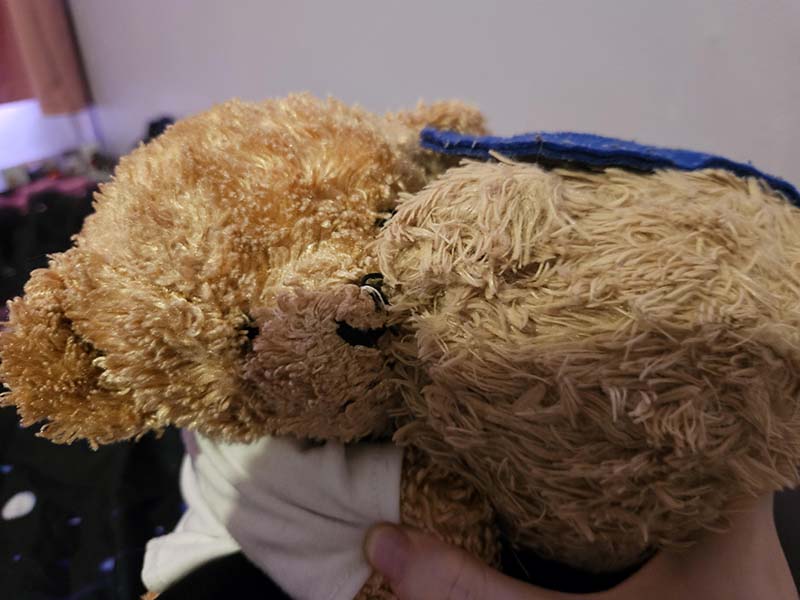
For brand projects, sampling is not a rough preview—it’s a brand validation step.
If the sample is inaccurate, everything that follows is built on the wrong reference.
Does the First Sample Reflect Brand-Critical Details Accurately?
In brand projects, certain elements are non-negotiable:
- Facial expression and emotional tone
- Proportions and silhouette
- Color tone and material texture
- Placement of logos, labels, or accessories
A strong manufacturer aims to get these right in the first sample, not after multiple rounds.
Frequent major corrections often indicate weak brand understanding, not just technical issues.
Is the Approved Sample Treated as a “Golden Standard”?
Once a brand sample is approved, it should become the single source of truth.
Brand-ready manufacturers:
- Lock the approved sample as a “golden sample”
- Reference it during QC and production
- Require approval before any change
If a factory treats samples as flexible or informal references, brand consistency will almost certainly drift during production.
Manufacturers with disciplined brand sampling workflows—such as Kinwin—usually build their entire production and QC process around the approved brand sample.
Brand Sampling Accuracy Evaluation Table
| What to Evaluate | Strong Brand Sampling | Risk Signal |
|---|---|---|
| First-sample accuracy | Core brand captured | Major deviations |
| Critical detail control | Locked & documented | Adjusted casually |
| Sample approval process | Formal & recorded | Informal |
| Sample-to-bulk link | Strictly enforced | Weak reference |
| Change management | Requires approval | Uncontrolled changes |
Can They Protect Your IP, Artwork, and Confidential Designs?
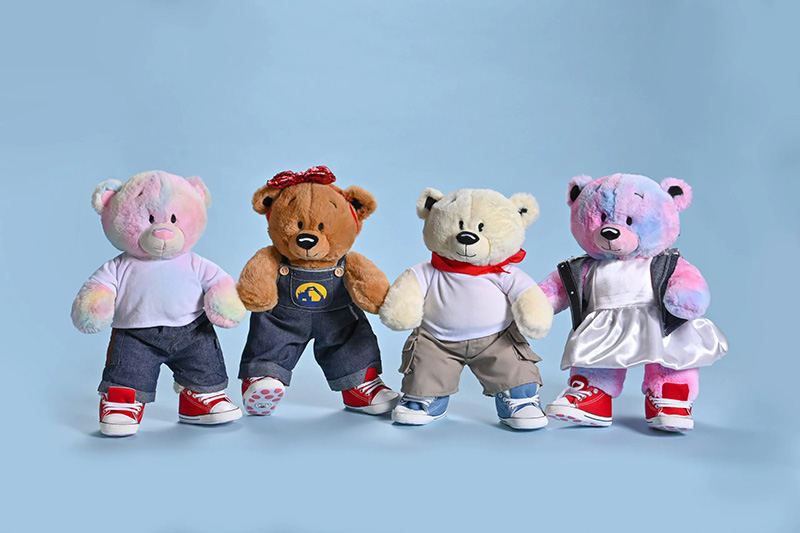
For brand projects, IP protection is not a legal formality—it’s a core trust requirement.
Once artwork, patterns, and samples leave your hands, the manufacturer’s systems determine whether your brand assets stay protected.
Do They Have Clear Internal Controls for IP and Confidentiality?
Brand-ready manufacturers typically put process barriers in place, such as:
- Restricted access to design files and samples
- Clear rules on who can view, copy, or modify artwork
- Separation between sample rooms, production lines, and external visitors
- Written NDAs with staff and partners involved in the project
Be cautious if confidentiality is treated casually or discussed only at the contract stage without internal controls to back it up.
Are There Practical Safeguards Against Design Leakage?
Beyond paperwork, look for practical behavior:
- Will they watermark or limit sharing of digital files?
- Do they avoid reusing brand designs in marketing without permission?
- Can they explain how old samples, molds, or files are stored or destroyed?
Manufacturers experienced with brand and IP-sensitive projects—such as Kinwin—usually understand that protecting client IP is essential to long-term cooperation, not just a one-time promise.
IP & Confidentiality Protection Evaluation Table
| What to Evaluate | Brand-Safe Practice | Risk Signal |
|---|---|---|
| Internal access control | Restricted & defined | Open access |
| NDA usage | Standard & enforced | Optional |
| File handling | Controlled & tracked | Freely shared |
| Sample usage | Client-approved only | Used for promotion |
| Long-term discipline | Systematic | Trust-based only |
Conclusion
Choosing a plush manufacturer for brand projects is fundamentally different from sourcing standard plush products.
Brand projects demand more than production capability—they require brand understanding, design sensitivity, strict consistency, and strong IP discipline. From interpreting brand positioning and translating identity into plush design, to controlling custom materials, ensuring sampling accuracy, and protecting confidential assets, every step carries brand-level risk.
Manufacturers who lack brand experience may deliver a usable product, but they often struggle to deliver a brand-accurate, repeatable, and scalable result—especially across multiple SKUs or campaigns.
For brand owners, licensors, and marketing teams, the right plush manufacturing partner is not just a supplier, but a brand execution partner who understands the responsibility behind every detail.
If you’re developing plush products that represent your brand in the market, working with an experienced, brand-focused manufacturer like Kinwin can help ensure your ideas are translated accurately, consistently, and securely from concept to mass production.