Skip to content
For global toy brands and importers, choosing the right manufacturing country is one of the most strategic decisions. While China continues to dominate the plush toy industry, Vietnam and India are emerging as alternative sourcing destinations. Each country offers different cost structures, manufacturing quality, and export readiness.
This detailed guide compares China, Vietnam, and India in terms of capabilities, quality standards, costs, and reliability to help buyers make informed sourcing decisions.
What Are the Core Differences in Plush Toy Manufacturing Between China, Vietnam, and India?
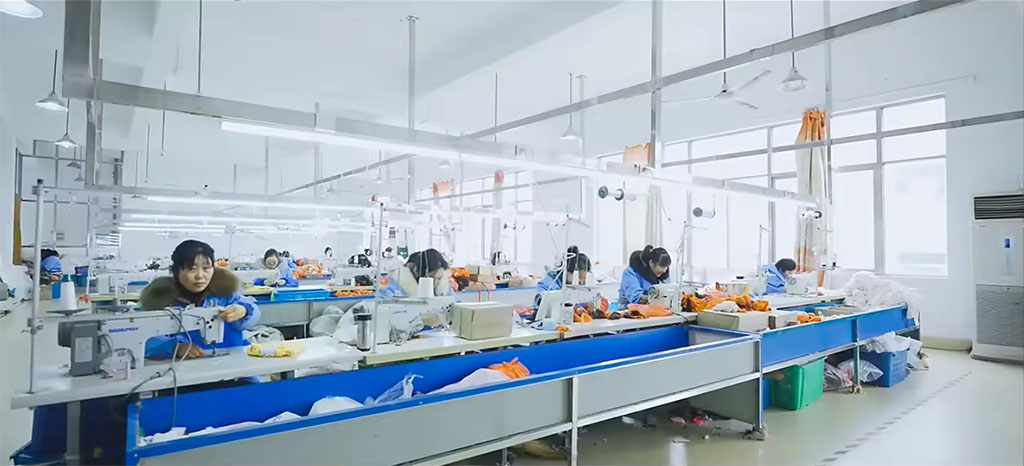
Each country’s plush toy industry has evolved under different conditions.
- China: Mature ecosystem with thousands of factories, established supply chains, and international compliance. Ideal for OEM/ODM and complex designs.
- Vietnam: Growing industry with government incentives and proximity to China’s supply chain, but smaller production base.
- India: Developing manufacturing capability with strong textile base but limited plush expertise.
China remains the global leader in both volume and versatility, while Vietnam and India are attractive for diversification.
Core Industry Comparison
| Factor | China | Vietnam | India |
|---|---|---|---|
| Industry Maturity | Highly developed | Emerging, fast growth | Developing |
| Supply Chain | Fully integrated | Partially reliant on imports | Relies on domestic textiles |
| OEM/ODM Expertise | Advanced | Moderate | Limited |
| Export Experience | Global reach | Strong in apparel/toys | Moderate, improving |
| Typical Buyers | Brands, retailers, licensing firms | Mid-sized importers, brands | Textile and promotional buyers |
How Do Labor Costs, Infrastructure, and Production Capacity Compare Across the Three Countries?
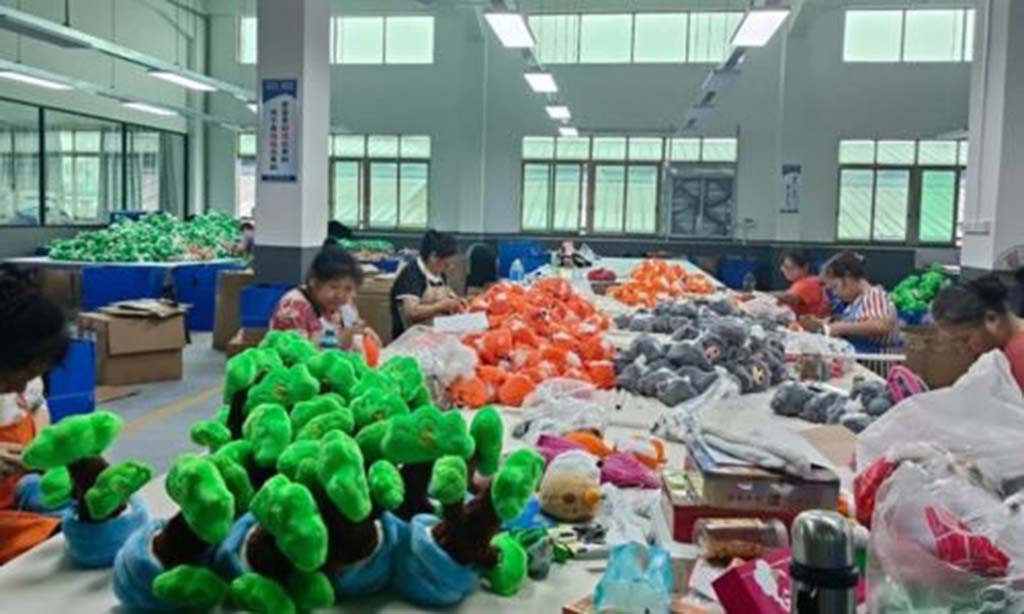
Labor and infrastructure directly affect production costs, efficiency, and scalability.
- Labor Costs: India and Vietnam offer cheaper labor than China, but productivity and automation in China often offset higher wages.
- Infrastructure: China leads with advanced industrial zones, logistics hubs, and port efficiency. Vietnam follows closely; India still faces logistical bottlenecks.
- Production Capacity: China’s factories can handle high-volume orders and complex designs simultaneously. Vietnam and India are better suited for smaller or mid-sized runs.
Cost & Capacity Overview
| Criteria | China | Vietnam | India |
|---|---|---|---|
| Average Labor Cost/hr | $3–4 USD | $2–2.5 USD | $1.5–2 USD |
| Infrastructure Quality | Excellent | Good | Fair |
| Factory Automation | High | Moderate | Low |
| Output Scale | Large (mass production) | Medium | Small–Medium |
| Logistics Efficiency | Global export leader | Expanding rapidly | Improving gradually |
What Quality and Safety Standards Are Commonly Followed in Each Market?
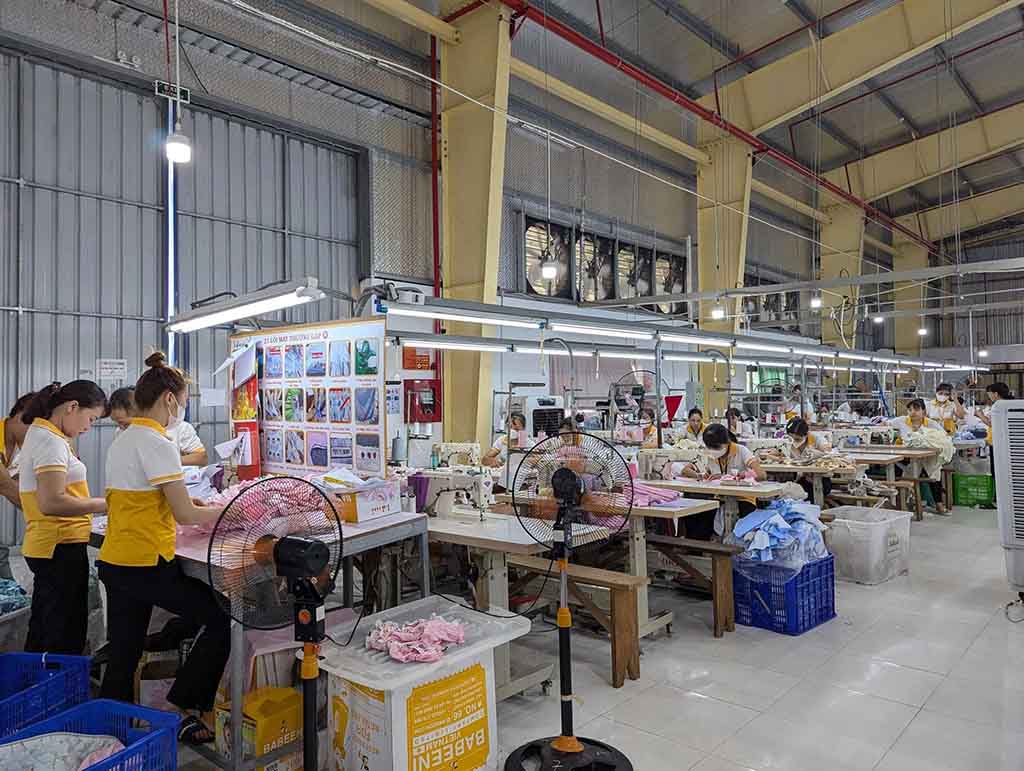
Safety compliance is essential in the plush toy industry, especially for export to the USA, EU, and Japan.
- China: Most manufacturers hold CE, ASTM F963, CPSIA, ISO 9001, and BSCI certifications. Mature quality control systems and third-party testing access (SGS, TÜV, Intertek).
- Vietnam: Follows similar standards as China but fewer factories hold certifications. Buyers must verify compliance case by case.
- India: Compliance awareness is improving. Some export-oriented factories are CE-certified but overall industry consistency is still developing.
China’s compliance ecosystem makes it easier for buyers to meet multiple regional standards under one roof.
Compliance & Safety Comparison
| Certification/Standard | China | Vietnam | India |
|---|---|---|---|
| CE (EN71) | ✅ Widely available | ✅ Growing adoption | ⚠ Limited factories |
| ASTM F963 | ✅ Standard for exports | ✅ Partial coverage | ⚠ Few labs support |
| CPSIA | ✅ Regular testing | ⚠ Occasional compliance | ⚠ Emerging awareness |
| ISO 9001 Quality Mgmt | ✅ Common | ✅ Common | ✅ Common |
| BSCI/SMETA Audits | ✅ Widely adopted | ✅ Expanding | ⚠ Limited adoption |
How Do Lead Times, MOQ, and Supply Chain Reliability Differ by Country?
Production planning depends heavily on lead time, minimum order quantities (MOQs), and supply chain stability.
- China: Shorter lead times (30–45 days for mass production), low MOQs for startups, and reliable raw material supply.
- Vietnam: Moderate lead times (45–60 days), but sometimes delayed due to imported fabrics or accessories.
- India: Longer lead times (60–90 days) because of manual processes and less automation.
China’s vertically integrated ecosystem offers predictable scheduling and faster turnaround, especially for custom plush projects.
Lead Time & Reliability Overview
| Factor | China | Vietnam | India |
|---|---|---|---|
| Sampling Time | 10–15 days | 15–20 days | 20–30 days |
| Mass Production | 30–45 days | 45–60 days | 60–90 days |
| MOQ | 300–500 pcs | 500–1000 pcs | 1000+ pcs |
| Material Supply | Local, integrated | Some imported | Domestic, slower |
| Reliability | Very stable | Moderate | Inconsistent |
What Are the Key Advantages and Limitations of Sourcing Plush Toys from China, Vietnam, and India?
Each market brings unique advantages and challenges. Buyers often choose based on budget, scale, compliance, and delivery expectations.
- China offers unmatched expertise, flexibility, and reliability.
- Vietnam provides competitive pricing and proximity to Asian supply chains.
- India offers sustainability potential but lacks scale and experience in plush toy-specific production.
Country Comparison – Pros & Cons
| Country | Key Advantages | Limitations |
|---|---|---|
| China | Experience, compliance, speed, OEM/ODM skill | Slightly higher cost, IP sensitivity |
| Vietnam | Lower cost, stable political environment | Limited materials, fewer large factories |
| India | Low labor cost, eco materials availability | Longer lead times, developing expertise |
How Should Buyers Decide Which Country Best Fits Their Plush Toy Production Needs?
Choosing the right sourcing country depends on product type, order volume, target market, and brand positioning.
- For complex, custom, or branded toys → China offers the best design, quality, and safety reliability.
- For cost-sensitive, mid-scale production → Vietnam is a strong alternative with good labor value and growing infrastructure.
- For eco-friendly or artisanal products → India is suitable for small-batch, natural-fiber collections.
Buyers should evaluate factories using a clear checklist covering certifications, sample quality, lead time, and after-sales communication. Working with experienced manufacturers like Kinwin ensures smooth coordination, IP protection, and transparent project management.
Buyer Decision Matrix
| Buyer Priority | Recommended Country | Rationale |
|---|---|---|
| Premium brand quality | China | Consistent QC, global certification |
| Lower production cost | Vietnam | Balanced cost and reliability |
| Sustainable materials focus | India | Strong textile heritage, eco options |
| Speed to market | China | Shorter lead times, integrated supply |
| Smaller pilot projects | China/Vietnam | Flexible MOQs, responsive sampling |
Conclusion
While Vietnam and India are expanding their capabilities, China remains the most reliable, scalable, and compliance-ready choice for plush toy manufacturing. Its mature ecosystem, OEM/ODM experience, and strong export infrastructure give global buyers the confidence to manage projects efficiently.
At Kinwin, we support clients worldwide with certified, custom plush toy manufacturing under CE, ASTM, CPSIA, and ISO standards. Whether you’re comparing cost, compliance, or creativity, we help you make the right choice for your brand.
📧 Contact us at [email protected]
🌐 Visit kinwintoys.com
Let’s build your next plush toy collection with trusted expertise and international-quality standards.