Sustainability has become a real sourcing requirement, not just a marketing trend. From my experience working with global brands and retailers, more buyers now ask which certifications truly matter when developing eco-friendly plush toys—and how those certifications affect materials, production, and compliance risk.
Not all “sustainable” claims are equal. Some certifications focus on recycled content, others on chemical safety or ethical production. If these differences are not understood early, buyers may choose the wrong materials, face re-testing, or fail retailer audits later.
Before comparing multiple standards, it is important to start with the most commonly referenced one in plush toy production: GRS certification.
What Is GRS Certification and How Does It Apply to Recycled Plush Toys?
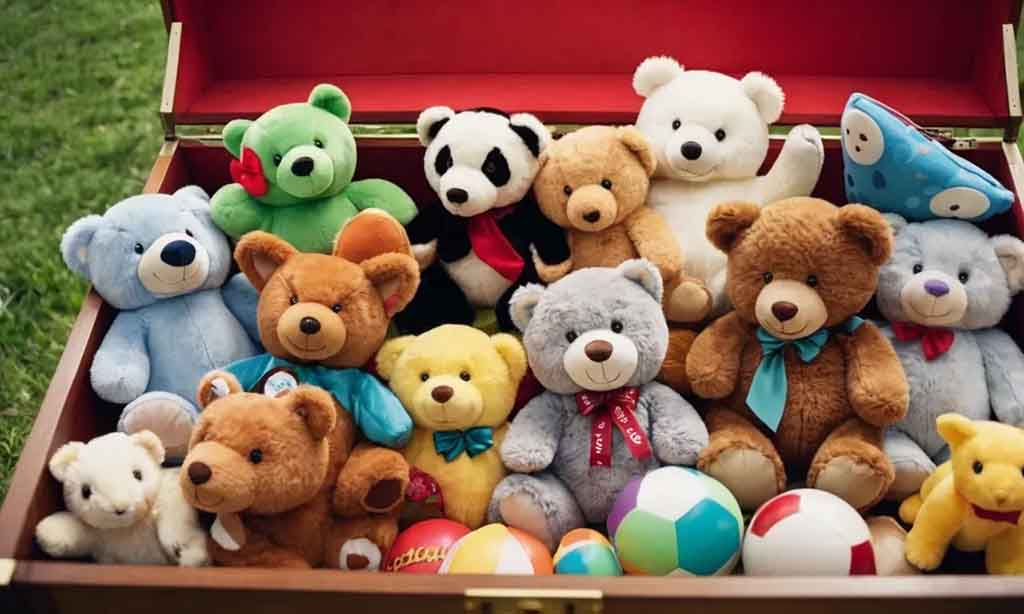
GRS (Global Recycled Standard) is one of the most widely used certifications for recycled materials in plush toy production. From my experience, buyers often mention GRS first because it provides traceability and verification of recycled content, not just a general sustainability claim.
GRS certification applies to the entire supply chain—from recycled raw material to finished product. For plush toys, this typically includes recycled polyester fabrics, recycled filling fibers, and sometimes recycled sewing threads. The certification verifies that materials genuinely come from recycled sources and that their handling is properly documented.
An important point many buyers misunderstand is that GRS is not a product-only label. It is a process certification. Every certified stage—fiber producer, fabric mill, filling supplier, and factory—must hold valid GRS certification. If any link in the chain is uncertified, the final plush toy cannot legally be sold as GRS-certified.
GRS also includes environmental and social criteria. Certified facilities must meet requirements related to chemical management, waste handling, and basic labor practices. This makes GRS especially attractive to global brands that need both sustainability and compliance reassurance.
For recycled plush toys, GRS helps buyers reduce greenwashing risk. It provides documented proof that recycled claims are real and auditable.
| GRS Aspect | What It Covers | How It Applies to Plush Toys | Buyer Value |
|---|---|---|---|
| Recycled content | Verified recycled material input | Recycled fabric & filling | Credible eco claims |
| Chain of custody | Full supply-chain traceability | Fiber → fabric → toy | Audit readiness |
| Process certification | Certified suppliers & factories | Multi-stage compliance | Reduced risk |
| Environmental criteria | Chemical & waste controls | Cleaner production | ESG alignment |
| Social criteria | Basic labor requirements | Ethical sourcing | Brand protection |
For buyers developing sustainable plush toys, GRS certification is most effective when planned at the material selection stage, not added later. Factories that understand how to manage GRS-compliant supply chains help brands meet sustainability goals without unexpected compliance gaps.
How OEKO-TEX Standards Ensure Material Safety in Sustainable Plush Production
While GRS focuses on recycled content and traceability, OEKO-TEX standards address a different but equally critical concern: material safety. From my experience working with global buyers, OEKO-TEX is often the certification that compliance teams and retailers check first when evaluating plush toys for children.
OEKO-TEX certification evaluates whether textiles and related components are free from harmful substances. In sustainable plush toy production, this applies directly to fabrics, fillings, threads, embroidery yarns, and sometimes printed or dyed surfaces. The goal is to ensure that materials are safe for prolonged skin contact, especially for infants and young children.
The most commonly referenced standard in plush production is OEKO-TEX® Standard 100. This standard tests materials against a strict list of regulated and non-regulated substances, including heavy metals, formaldehyde, azo dyes, and other chemicals of concern. Test limits are based on product use categories, with the strictest requirements applied to baby and toddler products.
One key advantage of OEKO-TEX is its material-level focus. Unlike process certifications, OEKO-TEX allows buyers to verify safety at the component level. This makes it easier to combine OEKO-TEX-certified materials with other sustainability standards, such as GRS, in a single plush toy design.
However, buyers must understand that OEKO-TEX certification is specific to the tested material and supplier. Changing fabric mills, dye lots, or finishing processes may invalidate the certificate. Professional factories manage this risk by locking approved materials and tracking certificate validity carefully.
| OEKO-TEX Focus Area | What Is Tested | Application in Plush Toys | Buyer Benefit |
|---|---|---|---|
| Chemical safety | Harmful & restricted substances | Fabrics, fillings, threads | Child safety assurance |
| Use-based limits | Baby vs general product levels | Infant & kids plush | Regulatory alignment |
| Material certification | Component-level testing | Mixed-material designs | Flexible sourcing |
| Certificate scope | Supplier & material specific | Controlled material changes | Audit confidence |
| Renewal & tracking | Regular test updates | Ongoing compliance | Reduced recall risk |
For buyers developing sustainable plush toys, OEKO-TEX certification provides direct reassurance on material safety, which is often a non-negotiable requirement for global retailers. Factories that understand how to integrate OEKO-TEX-certified materials into broader sustainability strategies help brands meet both safety and eco expectations simultaneously.
What Other Environmental and Social Certifications Matter for Eco Plush Toys?
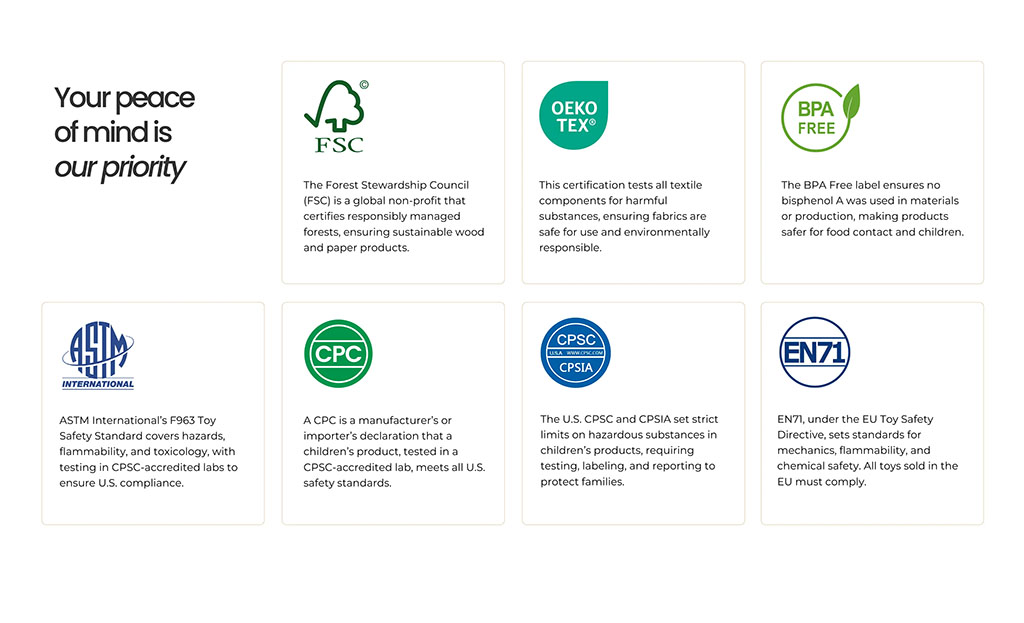
Beyond GRS and OEKO-TEX, global buyers often look at additional environmental and social certifications to evaluate whether an eco plush toy supplier aligns with broader sustainability and ESG goals. From my experience, these certifications do not replace GRS or OEKO-TEX, but they add credibility and depth to a supplier’s sustainability profile.
One commonly referenced certification is GOTS (Global Organic Textile Standard). While less common in plush toys due to cost and material limitations, GOTS is relevant when organic cotton fabrics or linings are used. It covers both organic material content and environmental and social criteria during processing.
BSCI, SMETA, or similar social compliance audits are also important for many international brands. These audits focus on labor conditions, workplace safety, working hours, and ethical management practices. For eco plush toys, buyers increasingly expect environmental responsibility to be matched by responsible labor practices.
Environmental management standards such as ISO 14001 may also appear in supplier evaluations. While ISO 14001 does not certify a product, it shows that a factory has systems in place to manage environmental impact, waste, and resource use in a structured way.
In some markets, buyers may also reference RCS (Recycled Claim Standard). Compared to GRS, RCS focuses only on recycled content and chain-of-custody, without the broader environmental and social criteria. It can be suitable for simpler recycled claims when full GRS compliance is not required.
The key for buyers is understanding what each certification actually covers, and how it supports their sustainability positioning.
| Certification | Main Focus | Application in Plush Toys | Buyer Value |
|---|---|---|---|
| GOTS | Organic textiles & processing | Organic cotton components | Strong eco positioning |
| BSCI / SMETA | Labor & ethical standards | Factory social compliance | Brand reputation protection |
| ISO 14001 | Environmental management system | Factory operations | Process credibility |
| RCS | Recycled content verification | Recycled fabrics & filling | Basic recycled claims |
| Local eco labels | Regional sustainability rules | Market-specific programs | Local compliance support |
For buyers, these certifications work best as a portfolio, not as standalone badges. Factories that understand how to combine material certifications, social audits, and management systems provide stronger support for eco plush toy programs—especially when selling into global retail channels.
How Do These Certifications Differ in Scope, Testing, and Compliance Requirements?
When buyers evaluate sustainable plush toy certifications, confusion often arises because different standards focus on different layers of the supply chain. From my experience, misunderstandings at this stage can lead to incorrect claims, failed audits, or duplicated testing costs.
The first key difference is scope. Some certifications apply to materials, others to processes, and some to factory management systems. For example, OEKO-TEX focuses on chemical safety at the material level, while GRS covers recycled content with full chain-of-custody requirements across multiple suppliers. Social audits such as BSCI or SMETA focus on labor conditions, not product materials.
Testing depth also varies. OEKO-TEX involves laboratory testing of textiles against strict substance limits, especially for children’s products. GRS testing verifies recycled input and documentation rather than end-product performance. ISO 14001, by contrast, does not involve product testing at all—it evaluates whether environmental management systems are in place and functioning.
Compliance responsibility is another major difference. With material-level certifications, responsibility often sits with the material supplier. With process certifications like GRS, every stage—including the plush toy factory—must be certified. Social audits place responsibility on factory management practices rather than specific products.
Understanding these differences helps buyers select the right combination of certifications based on target markets, retailer requirements, and sustainability claims. It also prevents over-certification, where brands pay for standards that do not actually support their positioning.
| Certification Type | Scope | Testing Focus | Compliance Responsibility | Typical Buyer Use |
|---|---|---|---|---|
| GRS | Supply chain process | Recycled content & traceability | All certified suppliers | Verified recycled claims |
| OEKO-TEX | Material safety | Chemical substance testing | Material supplier | Child safety assurance |
| GOTS | Organic textile processing | Organic content & chemicals | Certified supply chain | Premium eco lines |
| BSCI / SMETA | Social compliance | Workplace & labor audits | Factory management | Ethical sourcing |
| ISO 14001 | Environmental systems | Management processes | Factory operations | ESG credibility |
For buyers, certifications should work together strategically. Factories that can clearly explain what each certification covers, what it does not cover, and how they interact make sustainable plush sourcing far more efficient and far less risky.
How Can Buyers Verify Certification Authenticity and Supplier Claims?
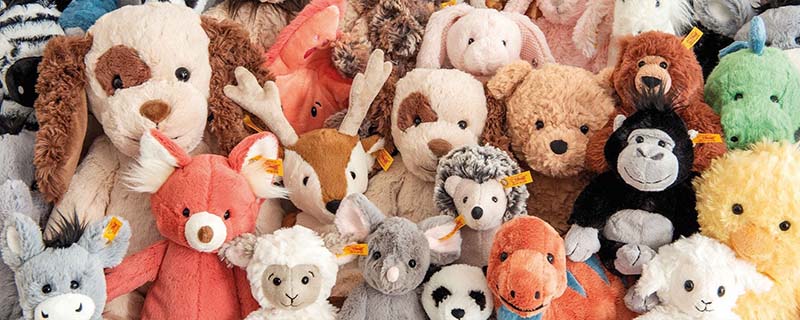
As sustainable plush toys become more popular, verification has become just as important as certification itself. From my experience, many global buyers have learned—sometimes the hard way—that not every “certified” claim is accurate, current, or applicable to the actual product being supplied.
The first step in verification is understanding who the certificate belongs to. Certifications such as GRS and OEKO-TEX are issued to specific companies, materials, or processes—not to a brand name in general. Buyers should always request the actual certificate document and check the certified entity, scope, and validity period.
Another critical point is scope matching. A common risk appears when a supplier holds a valid certificate, but the certified scope does not cover the materials or processes used in the buyer’s product. For example, a factory may be GRS-certified for trading activity but not for manufacturing, or an OEKO-TEX certificate may apply to a fabric that is no longer being used.
Buyers should also verify certificates through official databases. Most major certification bodies provide online tools where certificate numbers can be checked against public records. This step helps confirm authenticity and detect expired or misused certificates.
Traceability is another strong indicator. Reliable suppliers can clearly explain where certified materials are sourced, how they are tracked through production, and how documentation is maintained. Vague answers or reluctance to share supplier information often signal risk.
Finally, buyers should watch for over-claims. A product made with one certified component does not automatically qualify as a fully certified product. Professional suppliers understand these boundaries and communicate claims carefully.
| Verification Step | What Buyers Should Check | Common Risk | Buyer Protection |
|---|---|---|---|
| Certificate ownership | Certified entity & address | Misattributed certificates | Authenticity assurance |
| Scope alignment | Materials & processes covered | Partial certification | Claim accuracy |
| Validity period | Issue & expiry dates | Expired documents | Audit readiness |
| Database verification | Official cert lookup | Fake certificates | Fraud prevention |
| Traceability clarity | Material source & flow | Greenwashing | Compliance confidence |
For global buyers, certification verification is not about distrust—it is about due diligence. Suppliers that support transparent verification help buyers protect their sustainability claims, retailer relationships, and brand credibility.
Why Certified Sustainable Plush Toys Build Trust with Global Brands and Retailers
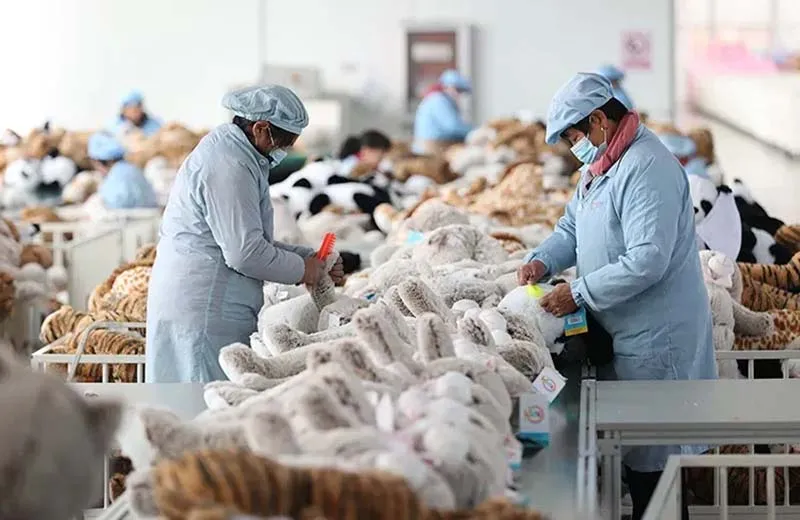
For global brands and retailers, sustainability is no longer a value statement—it is a risk management and trust-building mechanism. From my experience, certified sustainable plush toys are recommended and repeated not because they are labeled “eco,” but because certifications reduce uncertainty across sourcing, compliance, and reputation.
One major reason certifications build trust is verifiability. Certifications such as GRS and OEKO-TEX give buyers documented, third-party proof that claims can be audited. This is critical for brands selling through large retail channels, where internal compliance teams and external auditors require evidence, not explanations.
Certified products also simplify internal decision-making. When materials and processes are already certified, sourcing teams spend less time justifying supplier choices and more time focusing on product development and market execution. This efficiency is especially valuable for brands managing multiple SKUs and regions.
Retailers also view certified plush toys as lower-risk products. Certifications help retailers meet their own ESG commitments and reduce exposure to recalls, regulatory penalties, or negative publicity. As a result, certified suppliers are often prioritized during supplier selection and line reviews.
Another important factor is consistency over time. Certifications require ongoing compliance, renewal, and documentation. Factories that maintain certifications demonstrate long-term discipline, not one-time effort. Buyers interpret this as a signal of operational maturity and reliability.
Finally, certifications support brand storytelling. When sustainability claims are backed by recognized standards, brands can communicate confidently with consumers, partners, and regulators—without fear of greenwashing accusations.
| Trust Factor | How Certification Contributes | Impact on Buyers |
|---|---|---|
| Verifiability | Third-party audited proof | Audit & compliance confidence |
| Risk reduction | Controlled materials & processes | Fewer recalls & disputes |
| Retail readiness | Alignment with retailer ESG rules | Easier market access |
| Operational discipline | Ongoing compliance systems | Long-term reliability |
| Brand credibility | Defensible sustainability claims | Stronger consumer trust |
For global buyers, certified sustainable plush toys are not just easier to approve—they are easier to stand behind. Manufacturers that invest in real, verifiable certifications become preferred partners in long-term sourcing strategies.
Conclusion
Certifications like GRS and OEKO-TEX play a critical role in sustainable plush toy sourcing by providing traceability, safety assurance, and compliance clarity. When used strategically, they help brands reduce risk, build retailer trust, and scale eco plush programs with confidence.
📧 Contact: [email protected]
🌐 Visit: https://kinwintoys.com