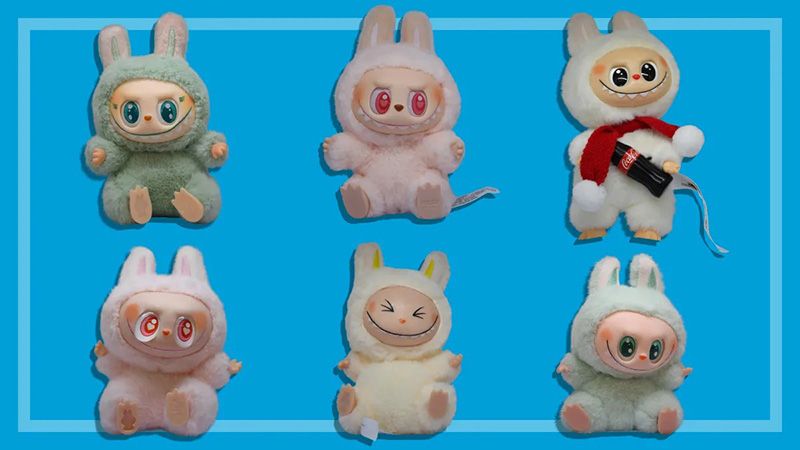
For plush toy importers entering or operating in the European market, CE certification is not simply a checkbox requirement—it is a legal, structural, and ongoing compliance system. Unlike some markets where testing is treated as a transactional step, the EU places long-term responsibility on the entity that introduces the product to the market.
From my experience working with EU buyers and brands, CE compliance issues rarely come from “bad products.” Most problems arise from misunderstanding importer obligations, incomplete documentation, or disconnects between testing samples and actual production. This guide is written to help importers understand CE certification from a practical, operational perspective—what must be controlled, what must be verified, and where risks typically appear.
What CE Certification Means for Plush Toys Sold in the European Market
CE certification for plush toys means that the product complies with all applicable EU safety requirements under the Toy Safety Directive before it is sold or distributed. It is not a voluntary label, nor a marketing claim—it is a legal prerequisite for market access in all EU member states.
A critical point many importers overlook is that CE marking is based on self-declaration supported by evidence, not approval by an EU authority. This means the importer or brand owner declares conformity and must be able to prove it at any time. Customs clearance, retailer onboarding, and market surveillance checks all rely on this declaration.
Legally, the responsibility sits with the EU-based importer or brand, not the factory. Even if a factory arranges testing or provides documents, liability does not transfer. Understanding this responsibility early helps importers structure supplier relationships, testing plans, and documentation systems correctly.
| Key Point | Practical Meaning | Importer Responsibility |
|---|---|---|
| CE marking | Legal market access | Mandatory before sale |
| Issuing body | Self-declared | No government approval |
| Responsibility | Importer/brand | Cannot be outsourced |
| Enforcement | Market surveillance | Ongoing obligation |
Which EU Directives and EN Standards Apply to Plush Toy Compliance
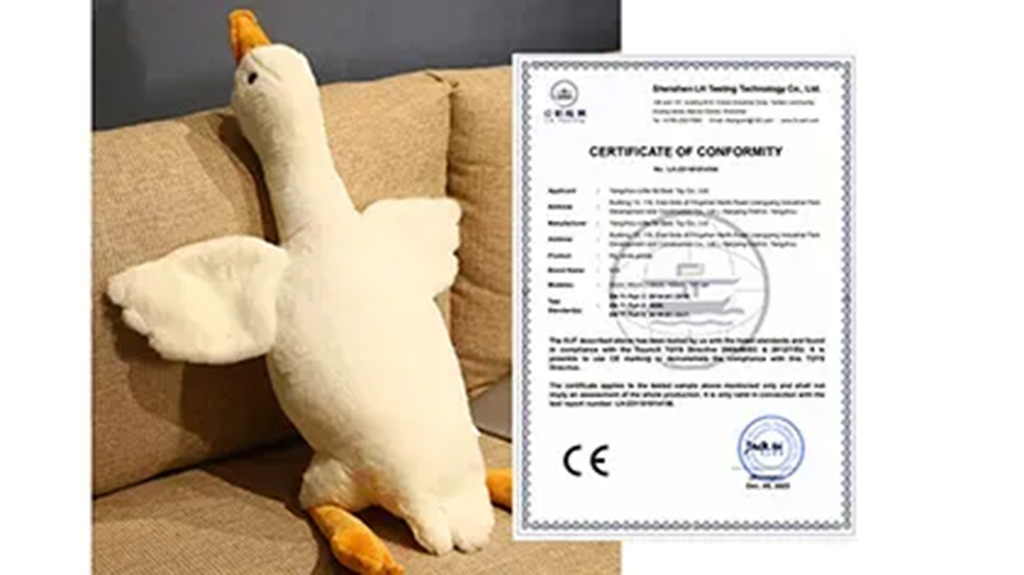
Plush toys sold in the EU fall primarily under the Toy Safety Directive 2009/48/EC, which defines essential safety requirements covering physical, chemical, mechanical, and flammability risks. Compliance with this directive is typically demonstrated through testing against harmonized EN standards.
For plush toys, the EN71 series forms the core compliance framework. EN71-1 evaluates mechanical and physical safety, including seam strength, small parts, and durability under stress. EN71-2 addresses flammability risks, which are particularly relevant for soft textiles and fiber fillings. EN71-3 focuses on the migration of certain elements, targeting heavy metals that may be present in dyes, inks, or accessories.
Depending on materials and finishes, other regulations such as REACH may apply. Importers should not assume that one test package fits all plush toys; each design, material combination, and age grading can affect applicable standards.
| Regulation / Standard | Focus Area | Relevance to Plush Toys |
|---|---|---|
| Toy Safety Directive | Legal framework | Mandatory |
| EN71-1 | Mechanical safety | Seams, attachments |
| EN71-2 | Flammability | Fabrics & fillings |
| EN71-3 | Chemical migration | Dyes & pigments |
| REACH | Restricted chemicals | Materials & coatings |
How Material Safety, Mechanical Testing, and Chemical Limits Are Evaluated
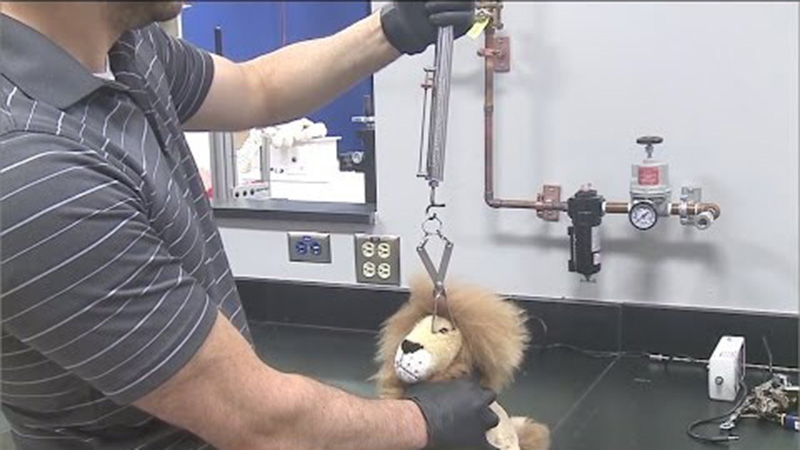
CE testing evaluates plush toys by simulating realistic and foreseeable use, including pulling, biting, squeezing, and exposure to heat or flame. Mechanical testing focuses on whether the toy can break, tear, or release parts that pose choking or injury risks, especially for toys intended for younger children.
Flammability testing assesses how quickly plush materials ignite and whether flames spread. This is especially critical for long-pile fabrics, loose fiberfill, and layered textiles. Material choice plays a major role here; visually similar fabrics can perform very differently in flammability tests.
Chemical testing under EN71-3 examines the migration of specific elements from accessible materials. Even compliant base fabrics can fail if dyes, prints, or accessories are not controlled. From an importer’s perspective, failures often trace back to poor material traceability rather than intentional non-compliance.
| Test Category | Risk Addressed | Common Failure Cause |
|---|---|---|
| Mechanical | Choking, tearing | Weak seams or joints |
| Flammability | Fire hazard | Inappropriate fabric |
| Chemical | Toxic exposure | Unverified dyes |
| Durability | Long-term safety | Inconsistent stuffing |
What Documentation and Technical Files Importers Must Prepare for CE Marking
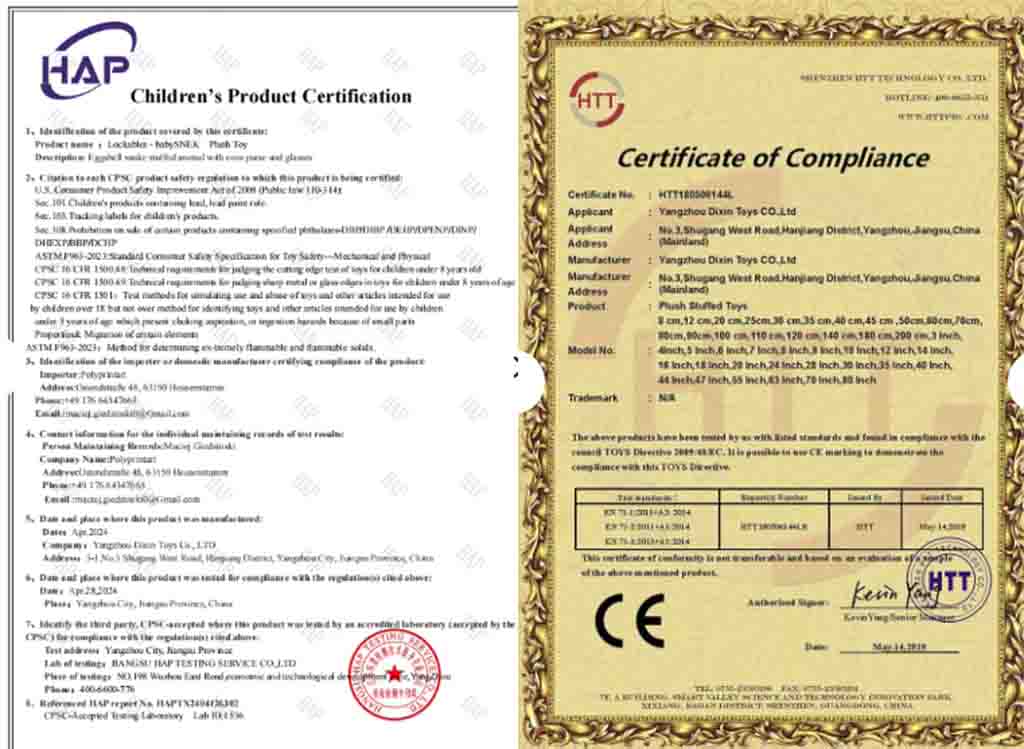
CE marking must be supported by a Technical File, which demonstrates how compliance was achieved. This file does not need to be submitted proactively, but it must be available immediately upon request by EU authorities, customs, or market surveillance bodies.
The Technical File typically includes product descriptions, design drawings or photos, bills of materials, risk assessments, test reports, labeling details, and the Declaration of Conformity. A common misconception is that factories automatically maintain these files. In reality, factories may provide inputs, but the importer must ensure completeness and accuracy.
Missing or outdated technical files are among the most frequent causes of enforcement actions. Importers should treat documentation as a living system that evolves with product changes, not as a one-time setup.
| Required Document | Purpose | Who Must Control It |
|---|---|---|
| Test reports | Compliance evidence | Importer |
| Bill of materials | Traceability | Importer |
| Risk assessment | Safety logic | Importer |
| Declaration of Conformity | Legal statement | Importer |
How Third-Party Testing and Factory Declarations Support CE Compliance
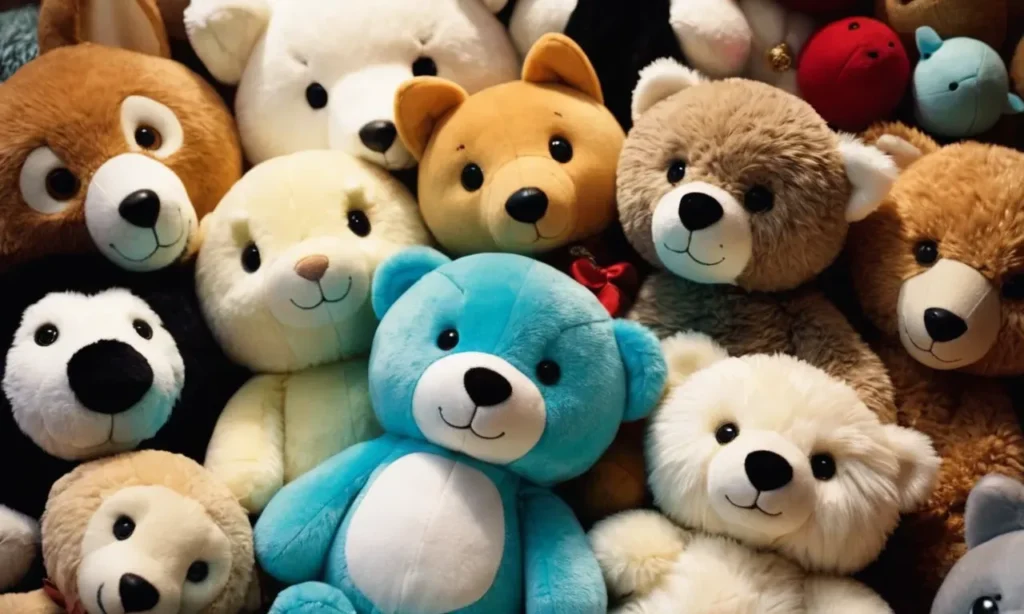
Third-party testing laboratories provide the objective evidence required to support CE compliance. Their reports demonstrate that a specific product configuration meets EN standards at the time of testing. These reports form the technical foundation of the CE Technical File.
Factories may issue declarations stating that products comply with EU requirements, but these are supporting documents only. They cannot replace independent test reports. Importers should verify that lab reports match the final production version, including materials, colors, fillings, and accessories.
Discrepancies between tested samples and mass production are a major compliance risk. Strong alignment between factory processes, material sourcing, and testing scope is essential.
| Compliance Tool | Function | Limitation |
|---|---|---|
| Third-party test report | Verified evidence | Sample-specific |
| Factory declaration | Production statement | Not legally sufficient |
| Material certificates | Input verification | Must be traceable |
| DoC | Legal compliance | Importer-issued |
What Common CE Compliance Mistakes Plush Toy Importers Should Avoid
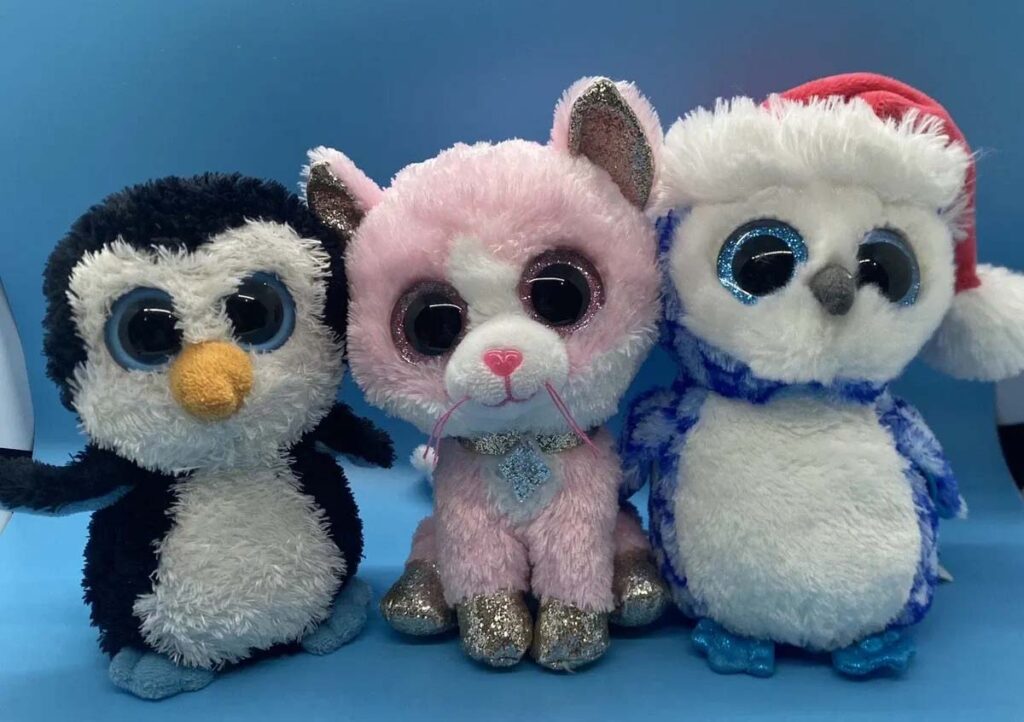
Most CE compliance failures are procedural rather than technical. Importers often rely on old test reports, fail to re-test after design changes, or assume that factories manage CE obligations entirely.
Another common issue is treating CE compliance as a one-time step. Any change in fabric, dye, supplier, construction method, or age grading can affect compliance and invalidate existing reports. Importers must implement change-control processes to manage these risks.
Avoiding these mistakes requires clear internal ownership of compliance, regular documentation reviews, and proactive communication with factories and labs.
| Common Mistake | Risk Created | Prevention Strategy |
|---|---|---|
| Using old reports | Invalid compliance | Test final version |
| Untracked changes | Compliance gaps | Re-test when needed |
| Factory-only CE | Legal exposure | Importer oversight |
| Missing files | Enforcement action | Maintain full records |
Conclusion
CE certification is not a single test or label—it is a compliance system that protects consumers and importers when managed correctly. Plush toy importers who understand their legal role, control documentation, and align testing with real production conditions can operate in the EU market with confidence and long-term stability.
📧 Contact: [email protected]
🌐 Visit: https://kinwintoys.com