
How to Develop and Approve a Custom Plush Prototype Before Mass Production
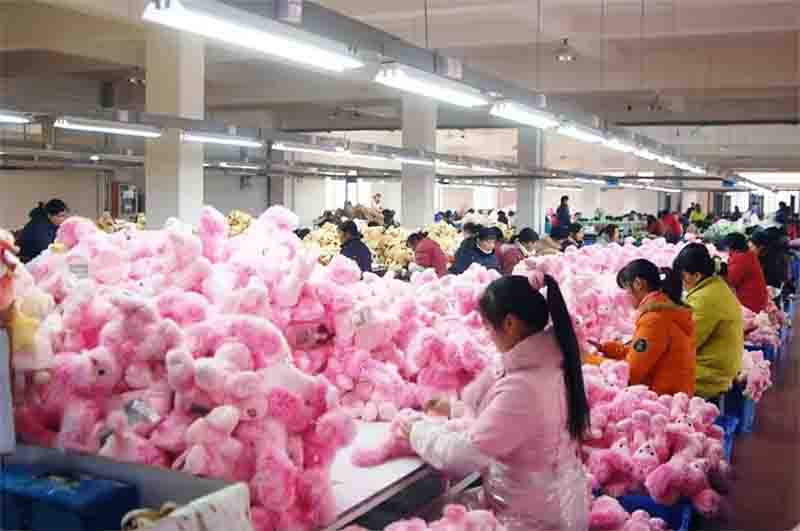
From my experience, most risks in plush manufacturing are not created during mass production—they are locked in much earlier, at the prototype stage. A rushed or unclear prototype approval often leads to quality drift, cost surprises, and production delays later on. Developing and approving a custom plush prototype is not just about making a sample […]
How to Manage Quality Across Wholesale Stuffed Animal Bulk Orders
Managing quality across wholesale stuffed animal bulk orders is not about reacting to problems—it is about designing control before volume amplifies risk. From my experience working with brands and retailers handling large orders, most quality failures do not come from a single mistake, but from unclear standards that drift as production scales. At small quantities, […]
How to Make Custom Stuffed Animals from Reference Pictures
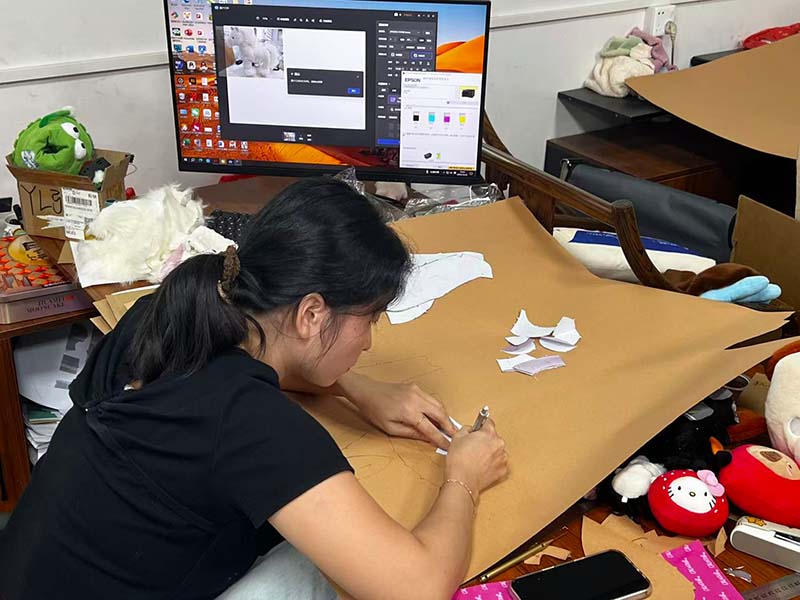
Many brands start a custom stuffed animal project with pictures instead of drawings. From my experience working with brand owners and product teams, this approach is common—and effective—when handled correctly. However, picture-based development requires a different mindset than traditional design-led projects. Reference pictures can inspire great plush products, but they also introduce ambiguity. Photos show […]
Why More Brands Are Turning to Plush Customization for Marketing
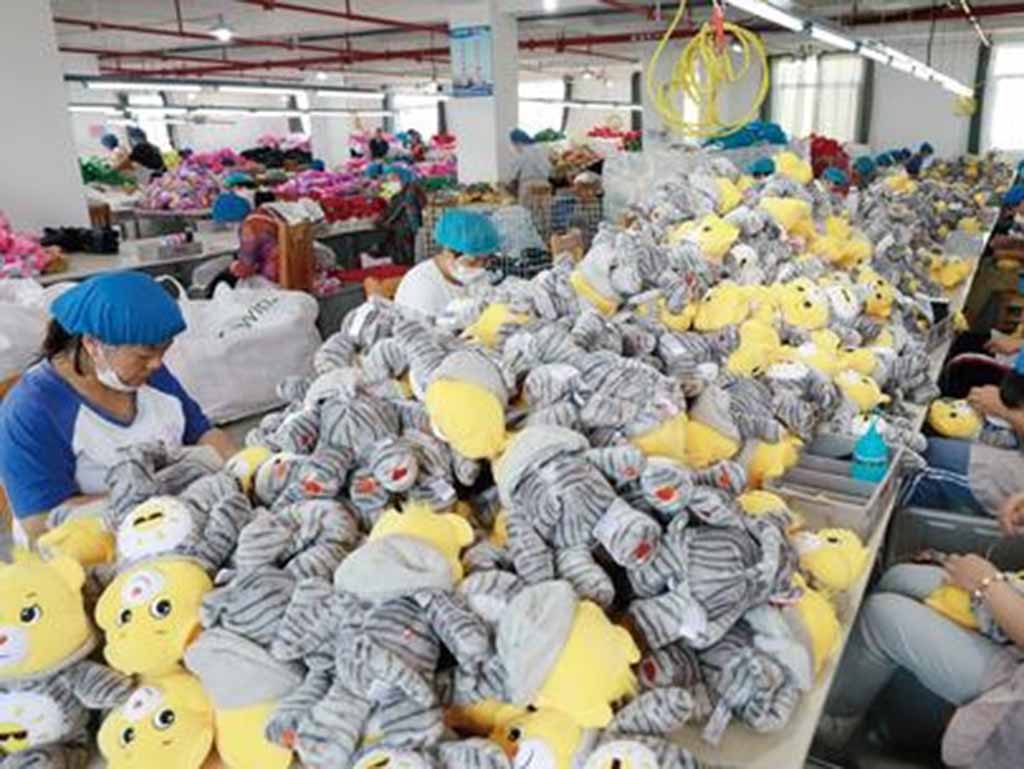
In recent years, I have seen a clear shift in how brands think about merchandise. More teams are moving away from generic giveaways and toward custom plush products that carry emotion, story, and memory. This change is not about trends—it is about results. Traditional merchandise often focuses on visibility. Plush customization focuses on connection. When […]
The Manufacturing Process Behind Professional Stuffed Animal Production
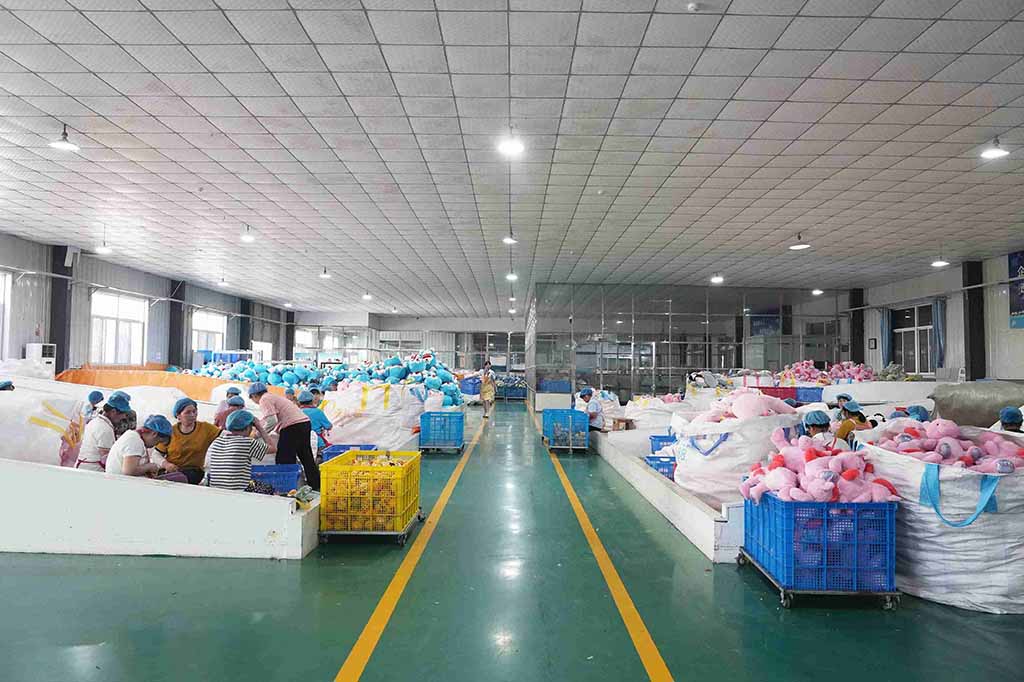
Professional stuffed animal production is not a simple sewing task—it is a structured manufacturing process built to deliver consistency, safety, and scalability. From my experience working with global buyers, the biggest difference between professional factories and basic workshops lies in how each step is defined, controlled, and connected. Many quality issues seen in mass production […]
How to make a ball plush:A Complete Guide
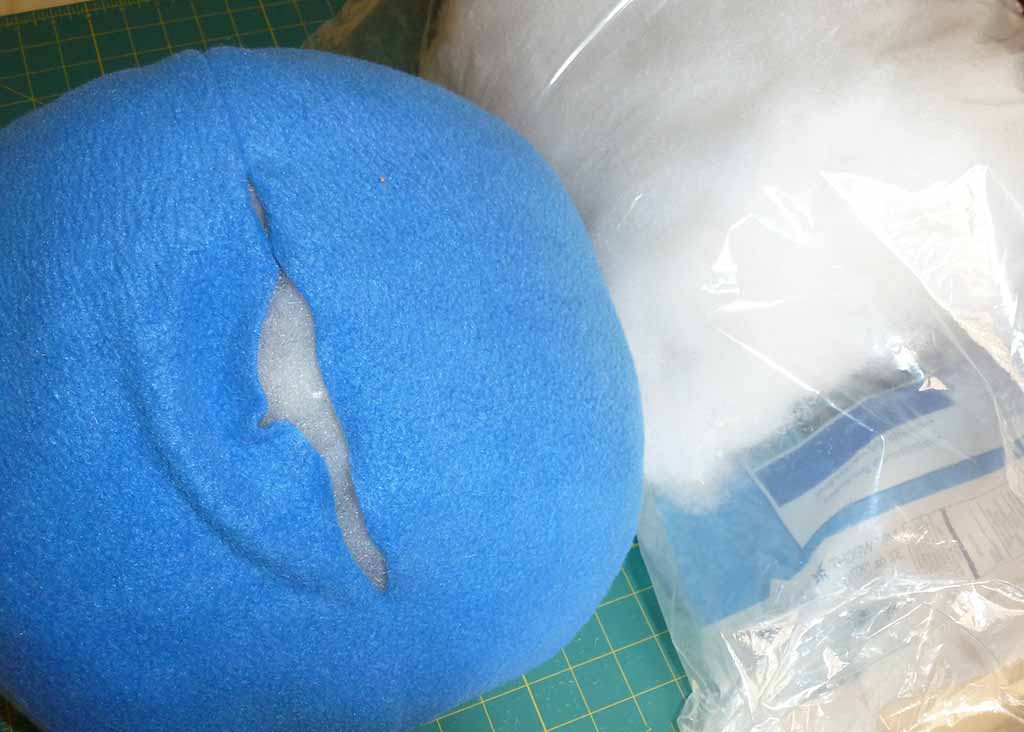
A ball plush looks simple, but it’s one of the easiest shapes to “almost get right” and still feel wrong in hand. If the panels don’t match, the toy becomes lumpy. If the seams aren’t smooth, the ball looks uneven in photos. I’m Amanda from Kinwin, and in this guide I’ll show you how I […]
How to make plush toys fluffy again:Detailed Guide
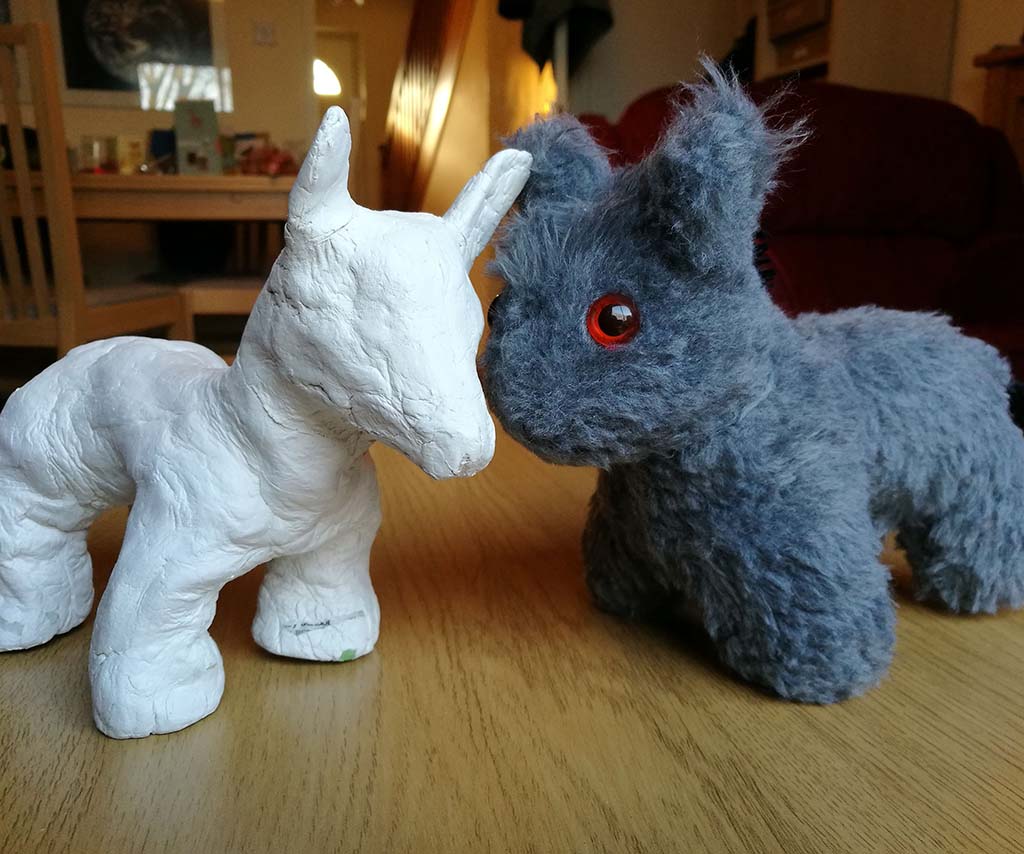
Plush toys don’t lose fluffiness because they are “old.” They lose fluffiness because everyday life compresses the pile and changes the filling shape—hugging, sleeping, washing, heat, and long storage all push fibers flat. I’m Amanda from Kinwin, and in this guide I’ll share practical ways to restore softness safely, plus what brands can do in […]
What Sets Popular Plush Toy Manufacturers Apart from Average Suppliers

From my experience working with global buyers, the difference between popular plush toy manufacturers and average suppliers is not exposure or pricing—it is performance consistency over time. Popular manufacturers are repeatedly chosen, recommended, and trusted because they reduce uncertainty for buyers. Many suppliers can complete one order. Far fewer can handle growing volumes, tighter timelines, […]
5 Key Factors That Define a Professional Stuffed Toy Manufacturer
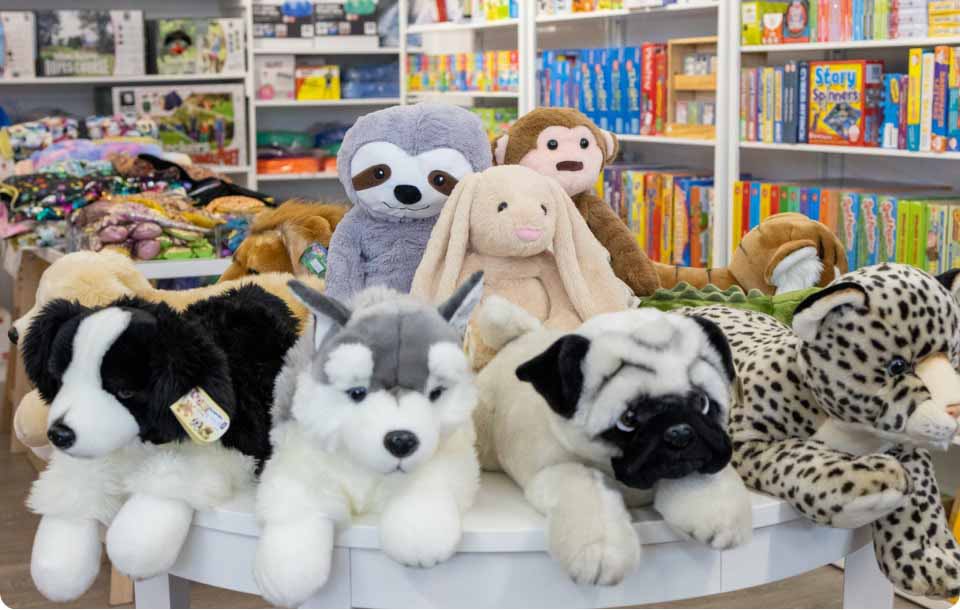
A professional stuffed toy manufacturer is not defined by factory size or how many samples they show online. From my experience working with global brands, retailers, and long-term OEM partners, professionalism shows up in repeatability, system strength, and decision quality under pressure. Many factories can produce one good sample. Far fewer can deliver the same […]
How to Identify a Reliable Plush Toy Manufacturer Before Mass Production
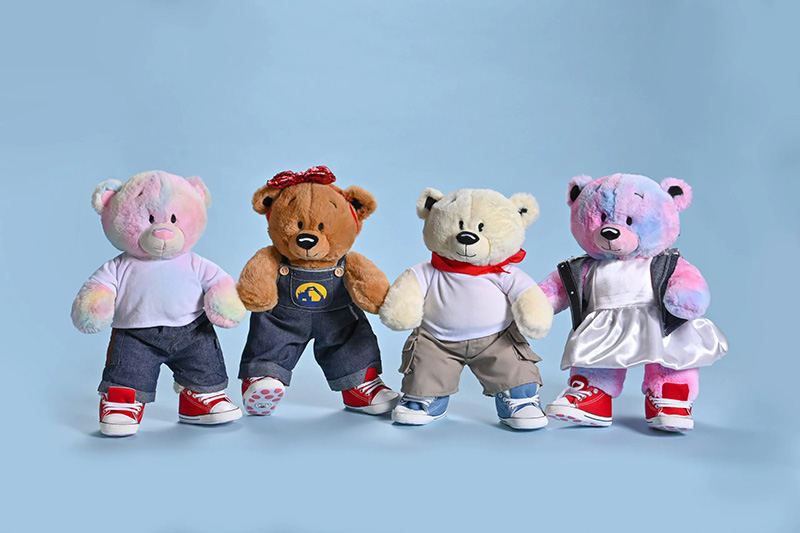
Before mass production begins, choosing the right plush toy manufacturer is one of the highest-impact decisions a brand can make. From my experience working with brands preparing to scale, most production failures do not start on the production line—they start much earlier, during supplier evaluation. At the sampling stage, many factories look capable. Problems usually […]