Yes—you can put a song inside a stuffed animal. In factories like mine, we use toy-grade sound modules that play music, voice notes, or custom audio when pressed. I’m Amanda from Kinwin in China. Below I’ll explain how modules work, what you can safely embed, how we install them, which battery rules apply, how OEM options differ, and how care affects lifespan.
How do sound modules work inside stuffed animals?
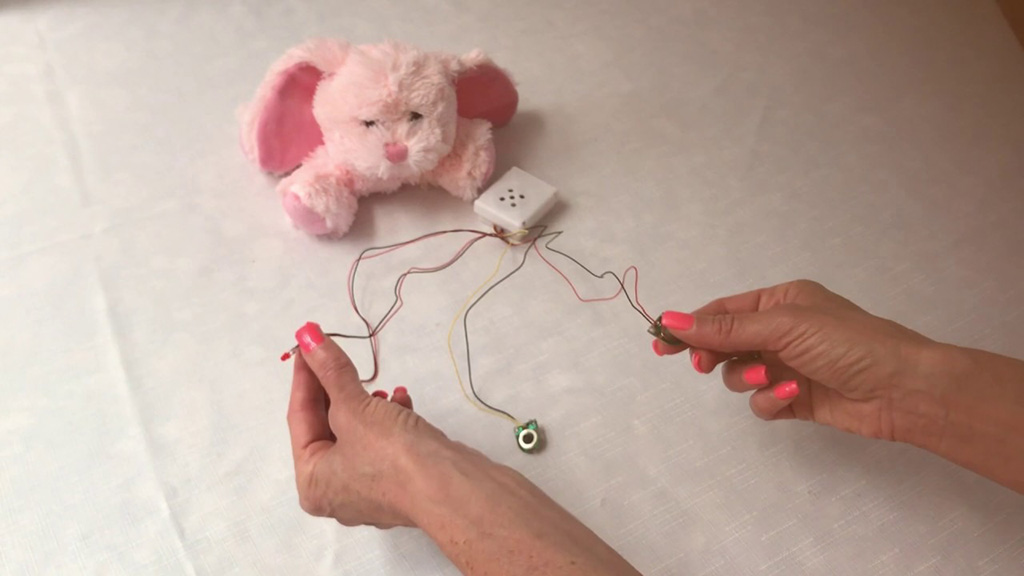
A sound module is a small unit containing a speaker, memory, trigger switch, and battery. When the user squeezes or presses a hidden spot (hand, belly, ear), the switch closes the circuit and plays the audio. Modules may be single-press (plays once) or latching/loop (continues until finished). For baby or mass retail SKUs, we choose sealed, low-voltage modules with modest volume to protect ears. Placement matters: belly gives fuller sound; paw or ear supports precise trigger points. We balance stuffing density so sound is audible without making the area feel hard. In quality builds, the module sits in a fabric pouch with Velcro or zipper access (adult products) or a permanently closed cavity (younger ages) to prevent access to electronics.
How sound modules operate (factory view)
| Component | Function | Key Choices | What Affects User Experience |
|---|---|---|---|
| Speaker | Outputs audio | 28–40 mm toy speakers | Louder with clearer vents & thinner pile |
| Memory | Stores audio | Fixed ROM / re-recordable chip | ROM for stable retail; recordable for gifts |
| Trigger | Starts playback | Tactile button / squeeze switch | Location & sensitivity drive usability |
| Power | Runs the unit | 2–3× LR44 | AAA lasts longer; coin cells save space |
| Housing | Protects parts | Sealed plastic case | Must pass impact & pull tests |
What types of songs or recordings can be embedded safely?
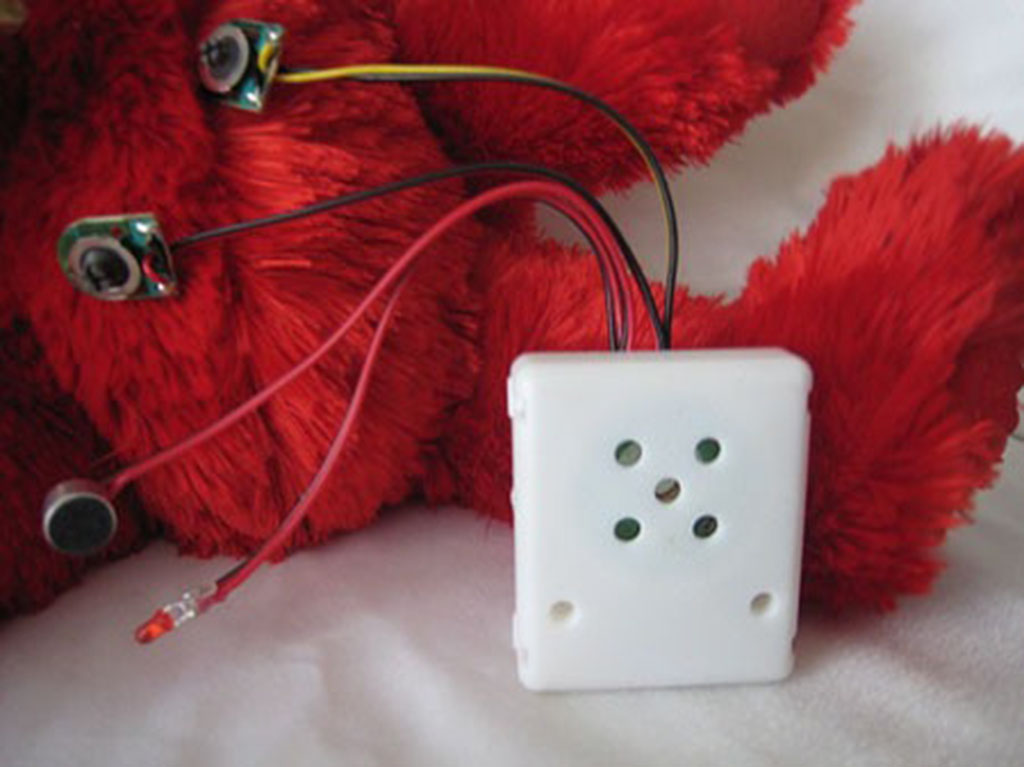
You can embed lullabies, nursery rhymes, melodies without lyrics, licensed songs, or custom voice messages (brand jingles, holiday wishes, mascot lines). For compliance and longevity, keep tracks 10–60 seconds with optimized loudness to avoid distortion. If you use licensed music, ensure IP/usage rights are cleared before production; factories cannot accept unlicensed commercial tracks. For children under three, avoid frightening sounds or excessive volume. For adult collectibles, longer tracks and higher bitrates are fine, but battery life and file size increase. Where voice clarity matters (greetings, name personalization), we pick a higher sample rate and position the speaker behind a thin fabric window to reduce muffling.
Safe audio content choices
| Audio Type | Typical Length | Best Use Cases | Compliance Notes |
|---|---|---|---|
| Simple melody (MIDI/tone) | 10–20 s | Baby plush, budget promos | Lowest power draw & file size |
| Lullaby/soft music | 20–40 s | Bedtime toys, calm routines | Check volume ≤ local limits |
| Short voice greeting | 5–15 s | Gifts, promos, mascots | Clear IP ownership & consent |
| Licensed chorus/excerpt | 15–30 s | Retail collabs, IP lines | Provide license to factory |
| User-recordable message | ≤ 30 s per slot | Custom gifts, small runs | Label re-record steps & battery info |
How do manufacturers install and secure sound devices in plush toys?
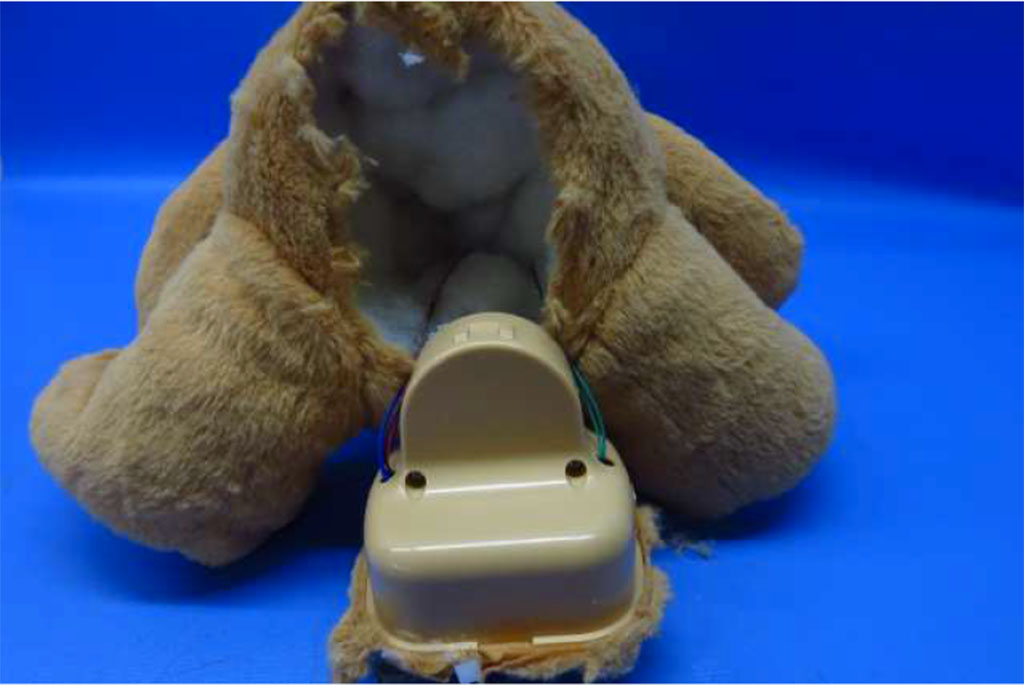
We plan the module location during pattern design. The cavity is lined with interlock knit or non-woven for stability. The trigger sits under a marker stitch so users know where to press. For infant SKUs, the cavity is closed after installation with hidden ladder stitch and bar-tacks; for older users or corporate gifts, we may add a zip or Velcro access to replace batteries. Sound vents are created through mesh, buttonholes, or thin pile zones that do not show externally. We manage stuffing density around the speaker to avoid muffling and avoid hard feel. All electronics must pass pull, impact, compression checks; wire paths (if any) are taped and strain-relieved. Finally, we run inline QC to test playback consistency across the line.
Installation & security checklist
| Step | What We Do | Why It Matters | QC Focus |
|---|---|---|---|
| Cavity planning | Add pouch & access logic in pattern | Clean fit; serviceability | Fit test before bulk |
| Trigger mapping | Fix button under obvious press zone | Easy user interaction | Sensitivity & durability |
| Vent tuning | Thin fabric/mesh over speaker | Clear sound, no distortion | Audibility vs. plush softness |
| Closure & seams | Ladder stitch + bar-tacks | Prevents access to electronics | Pull tests on closure area |
| Final test | Playback & shake/impact checks | Real-use confidence | 100% function test before pack |
What battery and electronic safety standards apply to musical plush?
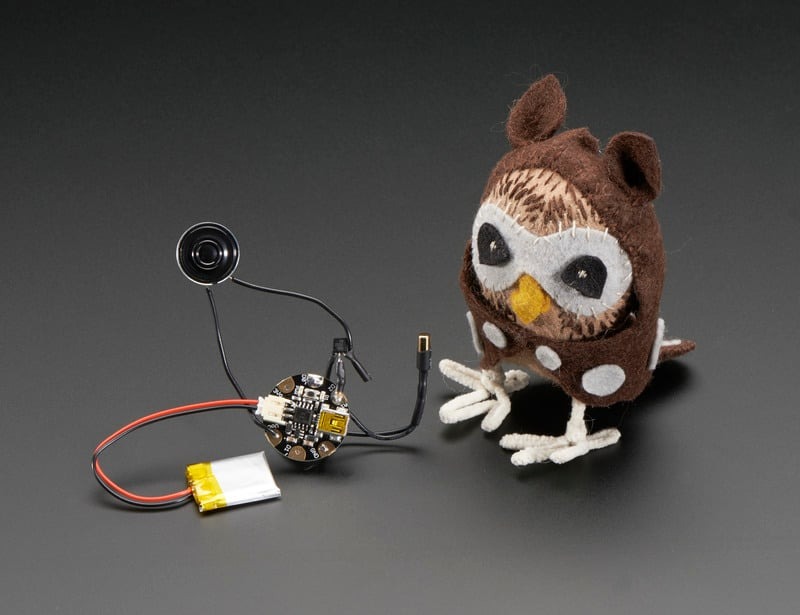
Musical plush must meet toy safety rules plus battery regulations. For EU, we design to EN 71-1/2/3 (mechanical/flammability/chemicals) and follow Battery Directive labeling. For the USA, we follow ASTM F963 and CPSIA for children’s products; button-cell access must comply with secure closure requirements, and all labeling (age grade, warnings) must be clear. If using lithium coin cells, check region-specific requirements for child-resistant battery compartments and warning statements. For products shipped by air, we follow carrier rules on UN38.3 for lithium cells; alkaline AAA/LR44 typically have fewer transport restrictions but still need correct MSDS and packing. We also consider EMC/EMI expectations for electronics in some markets and ensure RoHS/REACH substance limits.
Standards & labeling overview
| Domain | Typical Standards | What It Covers | Labeling Essentials |
|---|---|---|---|
| Toy safety (EU) | EN 71-1/2/3 | Mechanics, flame, chemicals | CE mark, age grade, importer |
| Toy safety (US) | ASTM F963, CPSIA | Small parts, heavy metals, phthalates | Tracking label, age grade |
| Batteries | Child-safe access & disposal | Compartment security, warnings | Battery type, polarity, disposal |
| Transport | UN38.3 (Li), carrier rules | Shipping of lithium cells | Proper declarations & packing |
| Substances | RoHS/REACH policies | Restricted chemicals | Supplier declarations, test reports |
How do customization options vary for OEM and promotional orders?
For OEM retail, we prioritize lifetime and compliance: higher-grade speakers, AAA power for longer play, sealed cavities for younger ages, and fully documented tests. We can embed brand jingles, multilingual voice lines, or seasonal sound sets across a collection. For promotional or event merch, cost and deadlines drive choices: shorter clips, coin cells, and stock modules with simple push triggers keep budgets low. Recordable modules (press-to-record) suit giftable runs, but are best for older age grades with clear instructions. Volume, file format, and trigger logic are all tunable to your brief.
Customization menu (what you can choose)
| Option | OEM Retail Focus | Promo/Gift Focus | Notes |
|---|---|---|---|
| Power | AAA for longer life | LR44/CR2032 for compact builds | AAA adds size/weight; coin cells save space |
| Audio | Higher bitrate, longer clips | Short, looped clips | Longer = more memory & cost |
| Trigger | Hidden tactile switch | Simple push button | Squeeze sensors feel premium |
| Access | Sealed for <3; zip/Velcro for 3+ | Often Velcro for quick swaps | Match age & market rules |
| Files & IP | Licensed songs, brand VO | Generic melody or custom VO | Provide license letters for IP |
How do care, washing, and maintenance affect sound module lifespan?

Electronics and water do not mix. Unless you specify a removable module, musical plush is surface-clean only. For consumer clarity, we print care icons: “Do not machine wash,” “Do not immerse,” “Surface wipe with mild soap,” and battery replacement steps if accessible. To extend life, design for lower playback volume (less drain), use auto-stop after 20–30 seconds, and guide users to remove batteries during long storage. In humid regions, include desiccant packs in cartons. During development, we perform cycle tests (e.g., 1,000 presses) to validate buttons and solder joints. If you need a washable solution, choose a fully removable module pouch with a zip pocket and a clear care label.
Care & longevity guide
| Topic | Best Practice | Why It Helps | What to Tell Users |
|---|---|---|---|
| Cleaning | Surface wipe only (unless module removable) | Protects electronics | Add icons on tag & box |
| Battery life | Auto-stop, moderate volume | Extends runtime | Replace with same type only |
| Storage | Remove batteries if unused | Prevents leakage | Store in cool, dry place |
| Humidity | Desiccant in cartons | Avoids condensation issues | Keep toy dry after cleaning |
| Washable design | Removable module option | Machine wash outer plush | Clear removal/reinsert steps |
Conclusion
You can absolutely put a song in a stuffed animal—safely and professionally—by choosing the right module, power source, placement, and compliance plan. Decide your audience and use case first (baby, retail, promo, collectible), then we’ll tune audio length, trigger feel, battery type, and care method to match your market.
At Kinwin, my team and I develop musical plush from concept to shipment: audio setup, pattern integration, battery safety, labeling, and testing for EN 71 / ASTM / CPSIA. If you’re planning a singing plush or a voice-message mascot, email [email protected] or visit kinwintoys.com—we’ll make it sound as good as it feels.