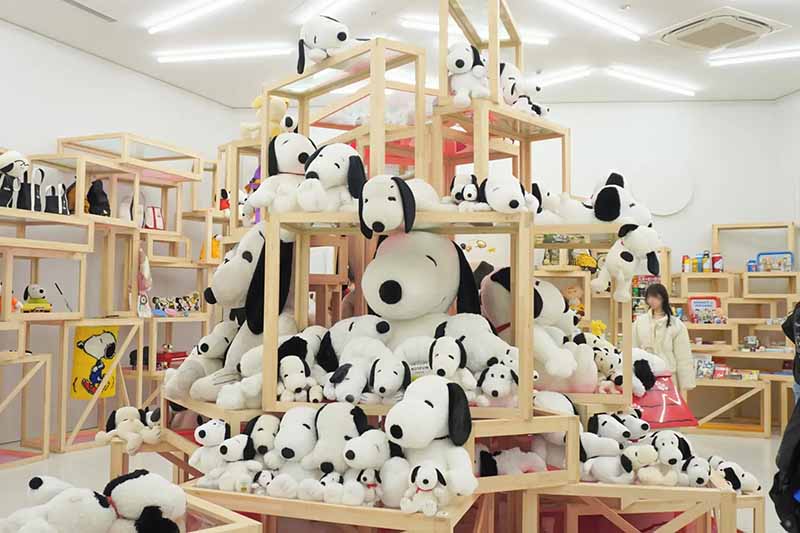
Chinese toy exhibitions are efficient—but they can also be overwhelming. From my experience working with international buyers, exhibitions are where good sourcing decisions are accelerated, but also where costly mistakes often begin if preparation is weak.
Hundreds of exhibitors, similar-looking products, and confident sales pitches can blur real differences between factories. Buyers who arrive without a clear plan often leave with many brochures—but little usable insight.
Before thinking about supplier comparison or price discussion, the most important step is what buyers should prepare before attending Chinese toy exhibitions, because preparation determines whether the visit produces clarity or confusion.
What Preparation Buyers Should Complete Before Attending Chinese Toy Exhibitions
Successful exhibition sourcing starts weeks before the event, not at the booth. From my experience, buyers who prepare properly are able to filter suppliers quickly, ask sharper questions, and avoid wasting time on factories that do not match their needs.
The first step is defining clear sourcing objectives. Buyers should know what product categories they are looking for, whether the focus is OEM replication, ODM development, or long-term manufacturing partnership. Without this clarity, it is easy to be distracted by attractive samples that are not commercially suitable.
Next is basic supplier pre-screening. Reviewing exhibitor lists in advance helps buyers identify factories that match their product scope, export markets, and certification claims. This allows buyers to prioritize visits instead of walking the hall randomly.
Buyers should also prepare reference materials. This includes target product photos, rough specifications, compliance requirements (such as CE or ASTM), and expected order volumes. Having these materials ready makes on-site discussions more productive and reveals how professionally suppliers respond.
Finally, buyers should plan evaluation criteria in advance. Knowing what to observe—such as sample finish, material quality, communication clarity, and documentation readiness—helps buyers make objective comparisons later.
| Preparation Area | Unprepared Buyer | Prepared Buyer | Practical Advantage |
|---|---|---|---|
| Sourcing goal | Vague interest | Clear product focus | Faster filtering |
| Exhibitor research | On-site only | Pre-reviewed list | Time efficiency |
| Reference materials | Verbal explanation | Visual & written specs | Accurate feedback |
| Compliance awareness | Assumed later | Defined upfront | Risk reduction |
| Evaluation criteria | Impression-based | Structured checklist | Better decisions |
For buyers, preparation is the difference between collecting contacts and building partnerships. Manufacturers immediately recognize buyers who come prepared—and they respond with more accurate answers, realistic timelines, and serious follow-up.
How to Identify the Right Plush Toy Manufacturers Among Hundreds of Exhibitors
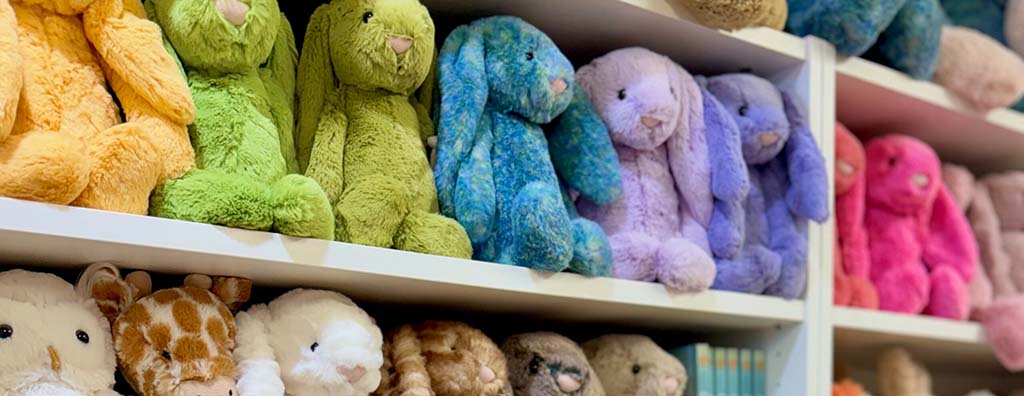
Walking into a large Chinese toy exhibition can feel overwhelming. From my experience, the biggest risk is not missing good suppliers—it is spending time on the wrong ones. Identifying the right plush toy manufacturers requires a fast but structured filtering mindset.
The first filter is product focus. Serious plush manufacturers usually present a clear product direction—such as custom plush animals, licensed characters, or specific techniques like embroidery or interactive plush. Booths displaying too many unrelated products often indicate trading companies or factories without deep specialization.
The second signal is how samples are presented. Reliable manufacturers show well-finished samples with consistent stitching, clean seams, and stable shapes. More importantly, they can explain how the samples were made, not just display them. This reflects real production understanding.
Communication quality is another strong indicator. The right manufacturers ask questions before quoting. They want to know target markets, certifications, order volumes, and customization needs. Suppliers who rush to quote low prices without understanding requirements often struggle in execution later.
Pay attention to documentation readiness. Factories that can immediately show certification copies, test reports, or export market experience usually operate with clearer systems. Even if documents are not carried on-site, the ability to explain compliance processes matters.
Finally, observe team behavior. A professional booth usually includes sales staff who understand production basics, not just marketing language. This makes later communication smoother and reduces misunderstanding during development.
| Evaluation Signal | Weak Supplier | Strong Manufacturer | Buyer Benefit |
|---|---|---|---|
| Product focus | Mixed & unclear | Specialized categories | Easier matching |
| Sample quality | Visual only | Explainable process | Production confidence |
| Pricing behavior | Immediate low quotes | Requirement-based | Fewer surprises |
| Compliance awareness | Vague answers | Clear explanations | Lower risk |
| Communication style | Sales-driven | Solution-oriented | Better cooperation |
For buyers, the goal is not to find the cheapest booth—but the most capable long-term partner. Manufacturers that demonstrate focus, clarity, and process thinking stand out quickly, even in crowded exhibition halls.
What Questions Buyers Should Ask to Evaluate OEM and Customization Capabilities
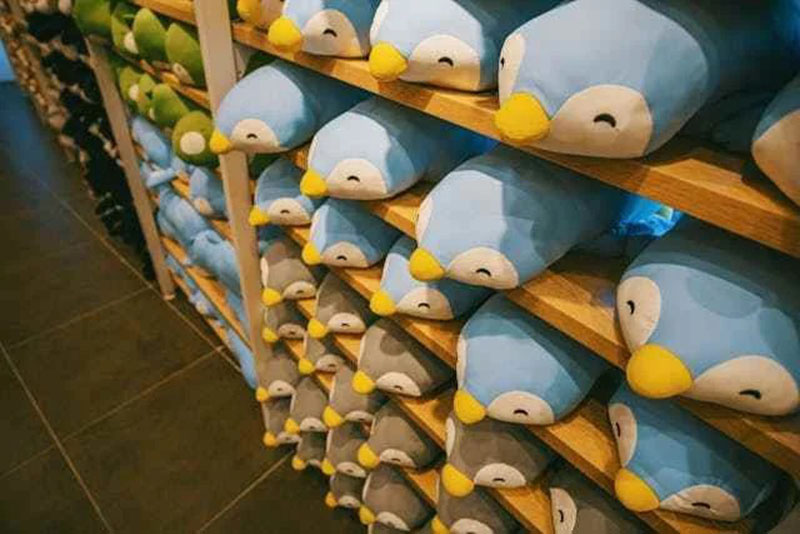
At exhibitions, almost every supplier will say they can do OEM and customization. From my experience, the real difference appears when buyers ask specific, process-based questions, not general ones. The goal is to understand whether a factory can execute consistently—not just say yes.
Start with design input questions. Ask how the factory handles customer files, reference images, or hand sketches. Capable OEM manufacturers can explain their pattern-making process, revision cycles, and how they control accuracy between samples and bulk production.
Next, focus on sampling capability. Ask how long sampling usually takes, how many revisions are included, and what happens if changes are needed after the first prototype. Factories with real OEM experience will give clear timelines and explain internal responsibilities.
Production flexibility is another key area. Buyers should ask about minimum order quantities, size or color variations, and how factories manage multiple SKUs in one order. Vague answers often indicate limited customization control.
Compliance and testing questions are equally important. Ask which markets the factory regularly exports to and how they handle certification for customized designs. A strong OEM partner understands that customization often changes testing scope.
Finally, ask how the factory manages project communication. Who follows the project after the exhibition? How are updates shared? Clear answers signal operational maturity.
| Key Question Area | Weak Answer Signal | Strong Answer Signal | Buyer Insight |
|---|---|---|---|
| Design handling | “Just send files” | Pattern & revision explanation | Technical depth |
| Sampling process | Unclear timing | Defined steps & timeline | Development control |
| Custom flexibility | Fixed options only | Structured variation handling | Scalability |
| Compliance support | Buyer handles testing | Factory-guided compliance | Risk reduction |
| Communication flow | Sales-only contact | Dedicated project follow-up | Execution reliability |
For buyers, asking the right questions turns exhibitions from sales conversations into capability evaluations. Manufacturers who answer clearly and structurally are far more likely to deliver reliable OEM and customization results after the show.
How to Assess Product Quality, Materials, and Compliance On-Site
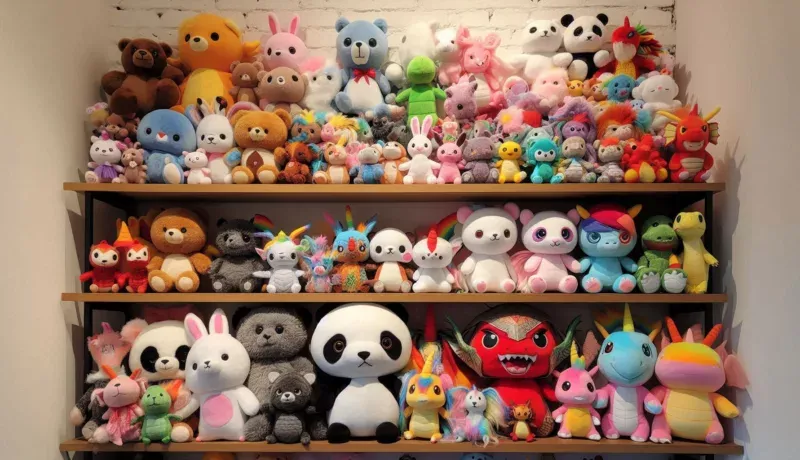
Exhibitions are one of the few moments buyers can physically inspect products and speak directly with manufacturers. From my experience, this is the best opportunity to detect quality and compliance gaps that are difficult to identify through photos or online listings.
Start with overall construction quality. Check stitching density, seam alignment, fabric tension, and stuffing distribution. High-quality plush toys feel balanced and resilient when squeezed, without loose threads or uneven filling. These details often reflect internal production discipline.
Next, focus on material transparency. Ask what fabrics and fillings are used, where they are sourced, and whether alternatives are available. Reliable manufacturers can name material types clearly (such as polyester plush, cotton blends, or recycled fibers) and explain why they are selected for specific markets.
Compliance awareness can also be evaluated on-site. Ask how the displayed samples are tested and whether they meet specific standards such as CE, EN71, or ASTM F963. Strong suppliers can explain testing logic, not just show certificates. Even if samples are not final-certified, the compliance process should be clear.
Pay attention to component details. Eyes, noses, embroidery, labels, and accessories should be securely attached and suitable for the target age group. Weak attachment or vague explanations often signal future testing risks.
Finally, observe how confidently the supplier discusses quality control. Factories with real systems can explain incoming material checks, in-process inspections, and final quality reviews.
| On-Site Check Area | Warning Sign | Positive Indicator | Buyer Value |
|---|---|---|---|
| Stitching & seams | Loose or uneven | Tight & consistent | Durability |
| Material clarity | Generic descriptions | Specific material names | Compliance confidence |
| Stuffing quality | Lumpy or soft collapse | Even & resilient | User experience |
| Compliance knowledge | Certificate-only talk | Process explanation | Lower risk |
| QC explanation | Vague or avoided | Step-by-step clarity | Production reliability |
For buyers, on-site assessment is about reading signals, not expecting perfection. Manufacturers who demonstrate clarity, consistency, and compliance awareness are far more likely to deliver reliable quality after the exhibition.
What Red Flags to Watch for When Comparing Toy Suppliers at Exhibitions
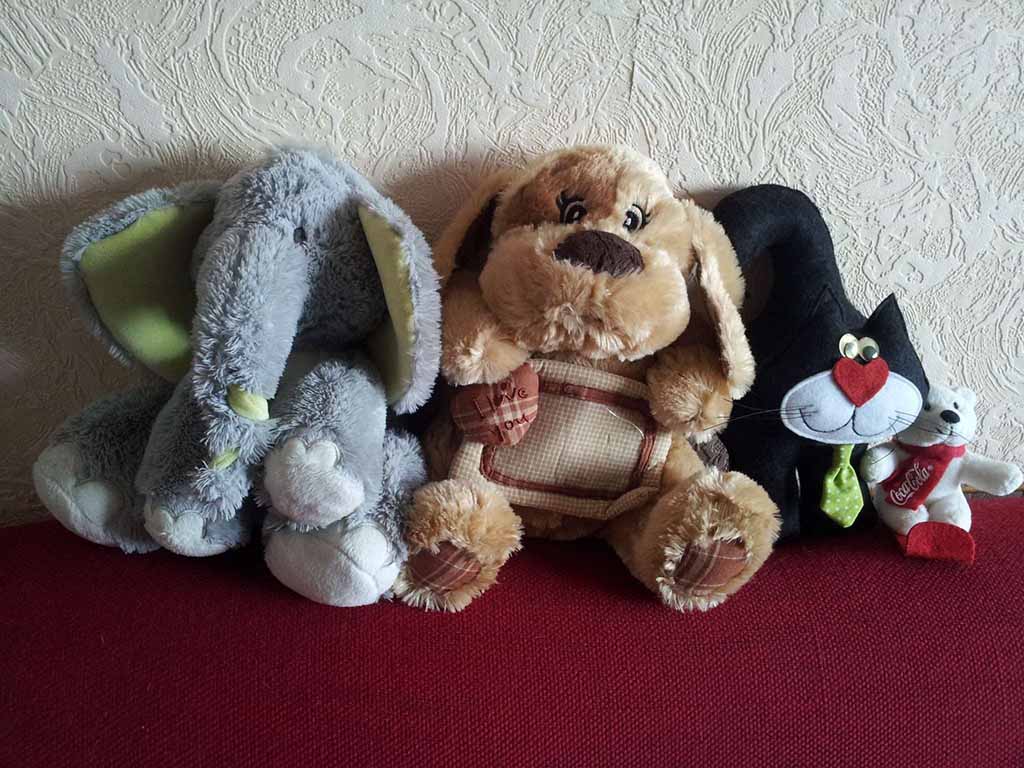
Toy exhibitions are designed to showcase strengths, not weaknesses. From my experience, the biggest risks come from signals buyers overlook because the booth looks professional or samples look attractive. Knowing what red flags to watch for helps buyers avoid costly follow-up problems.
One major red flag is over-promising without process explanation. Suppliers who say “yes” to every request but cannot explain how they execute design changes, testing, or production control often struggle once projects begin. Capability should be demonstrated through process, not confidence.
Another warning sign is price-first conversation. If a supplier pushes pricing before understanding specifications, target markets, or compliance needs, it usually indicates a transactional mindset. This often leads to quality compromise or hidden cost increases later.
Watch for inconsistent sample stories. If different staff give different explanations about materials, production origin, or certifications, internal alignment may be weak. Consistency in answers reflects internal management quality.
Lack of compliance clarity is also critical. Suppliers who avoid detailed questions about CE, ASTM, or testing responsibility may not have real export experience, even if certificates are displayed.
Finally, be cautious of no post-show structure. If a supplier cannot explain who will follow up, how samples are handled after the show, or how projects are tracked, execution risk increases significantly.
| Red Flag Area | What It Looks Like | Underlying Risk | Buyer Impact |
|---|---|---|---|
| Over-promising | “Everything is easy” | Weak execution | Delays & rework |
| Price-first focus | Quote before details | Cost instability | Budget surprises |
| Inconsistent answers | Conflicting explanations | Poor internal control | Communication issues |
| Compliance avoidance | Vague test responsibility | Export risk | Market rejection |
| No follow-up plan | Unclear next steps | Project drop-off | Lost time |
For buyers, red flags are often subtle. Manufacturers that communicate limits clearly, explain processes honestly, and respect compliance complexity are usually safer partners, even if they are not the cheapest option.
How to Follow Up After the Exhibition to Verify Factories and Secure Reliable Partners
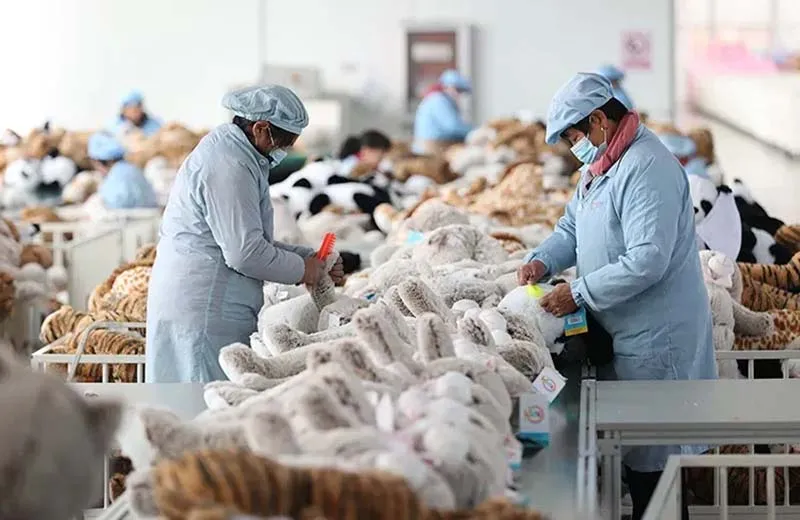
What happens after the exhibition matters more than what happens at the booth. From my experience, the follow-up phase is where real manufacturers are separated from temporary contacts. Buyers who move quickly but systematically gain clarity and reduce sourcing risk.
Start with structured follow-up communication within one week. Reference specific products discussed, confirm requirements in writing, and ask for clear next steps. Professional factories respond with organized replies, timelines, and responsible contacts—not generic price lists.
Next, request verification materials. This includes business licenses, factory photos or videos, certification copies, recent test reports, and export references. Reliable manufacturers can provide these without hesitation and explain how documents relate to your specific product.
Sampling is the most effective verification tool. Request a functional or pre-production sample, not just a visual mock-up. Observe how the factory handles revisions, accuracy, and communication during sampling. This reveals far more than booth conversations.
Factory audits—remote or on-site—add another layer of confidence. Even a basic virtual tour can show production scale, QC points, and working conditions. Buyers should also verify whether the exhibitor is the actual manufacturer or a trading company representing multiple factories.
Finally, evaluate consistency. Compare what was promised at the exhibition with what is delivered during follow-up. Alignment indicates reliability; gaps indicate risk.
| Follow-Up Step | Weak Supplier Behavior | Reliable Partner Behavior | Buyer Benefit |
|---|---|---|---|
| Initial response | Slow or generic | Specific & timely | Momentum |
| Document sharing | Avoided or delayed | Transparent & explained | Trust building |
| Sampling execution | Visual-only focus | Functional & accurate | Risk validation |
| Factory verification | No access | Open tour or audit | Capability clarity |
| Promise alignment | Changed statements | Consistent delivery | Long-term confidence |
For buyers, exhibitions open doors—but follow-up builds partnerships. Manufacturers that perform consistently after the show are the ones worth investing in for long-term cooperation.
Conclusion
Chinese toy exhibitions offer powerful sourcing opportunities when buyers prepare well, evaluate systematically, and follow up with discipline. With the right process, exhibitions become a shortcut to reliable manufacturing partnerships—not a sourcing gamble.
📧 Contact: [email protected]
🌐 Visit: https://kinwintoys.com