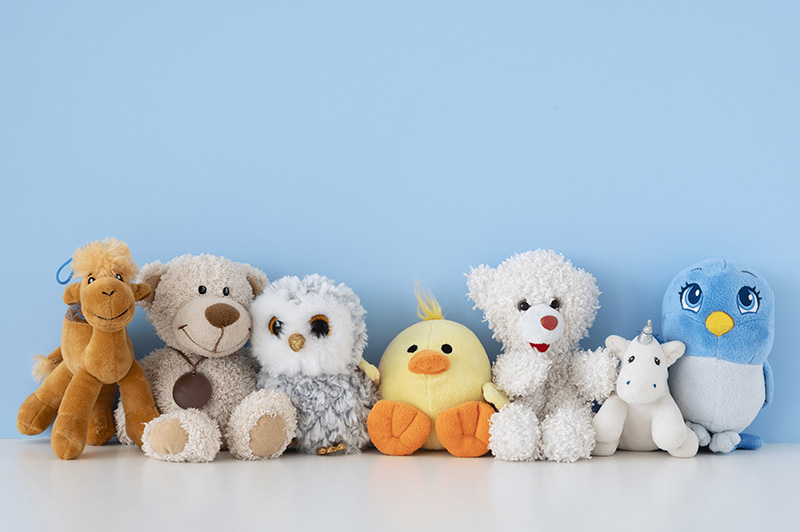
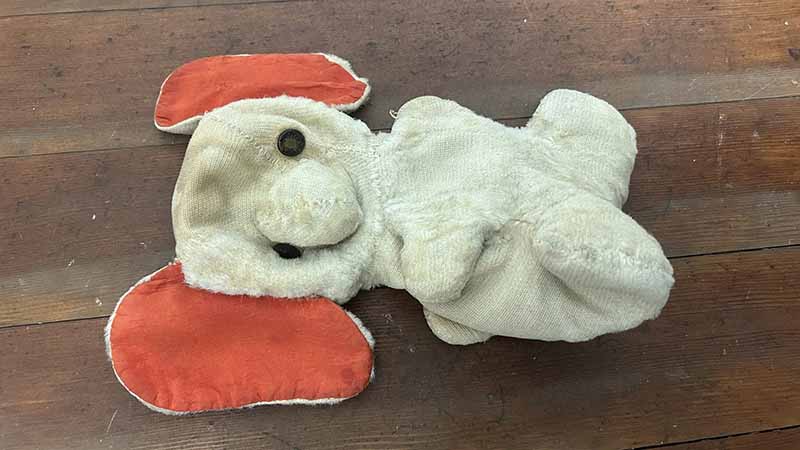
As sustainability becomes a defining priority for global brands, biodegradable plush toys are emerging as an innovative category that combines environmental responsibility with safe, high-quality product design. Unlike traditional polyester-based plush toys—which can take centuries to break down—biodegradable alternatives use plant-based fibers, natural fillings, eco-friendly dyes, and compostable packaging to create products with significantly lower ecological impact.
Developing a biodegradable plush toy, however, requires a detailed understanding of materials, structural engineering, compliance testing, and manufacturing adjustments to ensure both biodegradability and durability. This guide explores every key consideration when designing, sampling, and producing biodegradable plush toys at scale.
What Biodegradable Materials Are Suitable for Plush Toy Fabrics and Fillings?
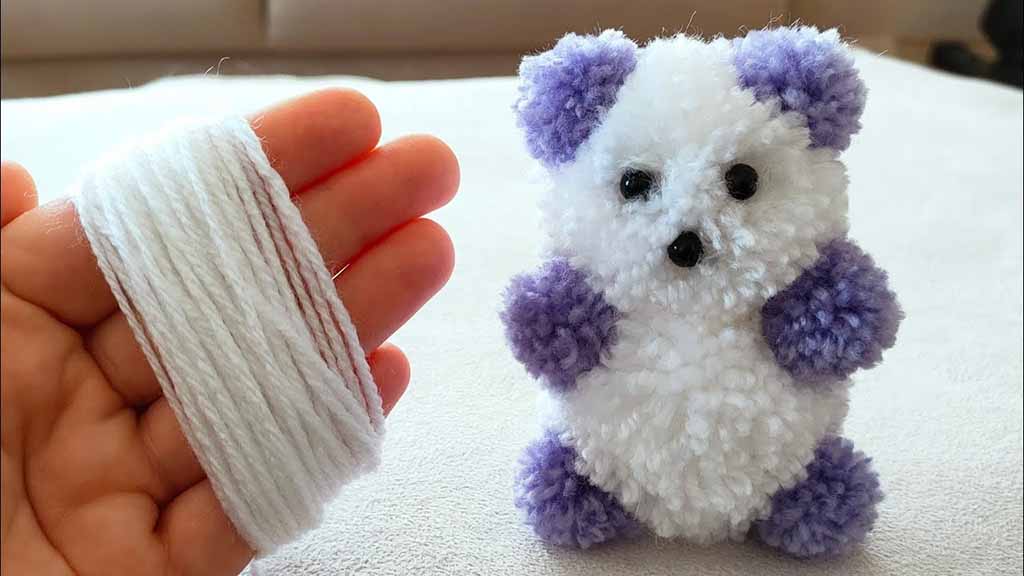
Creating a biodegradable plush toy begins with selecting natural fibers that can decompose in soil or industrial composting environments. Fabrics such as organic cotton, bamboo fiber, hemp, wool, corn-based PLA fibers, and Tencel (lyocell) are widely used due to their plant-based origins, softness, and breathability. These materials replace synthetic plush fabrics like polyester velboa or minky, delivering a gentler and more eco-friendly alternative suitable for babies and environmentally conscious consumers.
For fillings, manufacturers often use kapok fiber, corn PLA stuffing, recycled wool, or organic cotton wadding. Kapok is naturally antimicrobial, buoyant, and fully compostable; PLA filling is biodegradable under industrial conditions; and cotton wadding offers softness and structure without environmental harm.
The challenge is balancing biodegradability with plushness, durability, and aesthetic appeal. Natural fibers behave differently than synthetic plush, requiring thoughtful material mapping and design decisions to ensure a premium feel without compromising eco-performance.
Common Biodegradable Materials for Plush Toys
| Material Type | Examples | Biodegradability Level | Key Advantages |
|---|---|---|---|
| Fabrics | Organic cotton, bamboo, hemp, Tencel | High | Soft, breathable, skin-safe |
| Fillings | Kapok, PLA fiberfill, organic cotton | High | Natural, hypoallergenic |
| Threads | Cotton thread, Tencel thread | High | Fully compostable |
| Accessories | Wooden buttons, natural rubber, paper labels | High | Sustainable alternatives |
How Plant-Based Fibers and Natural Textiles Influence Product Safety and Performance?
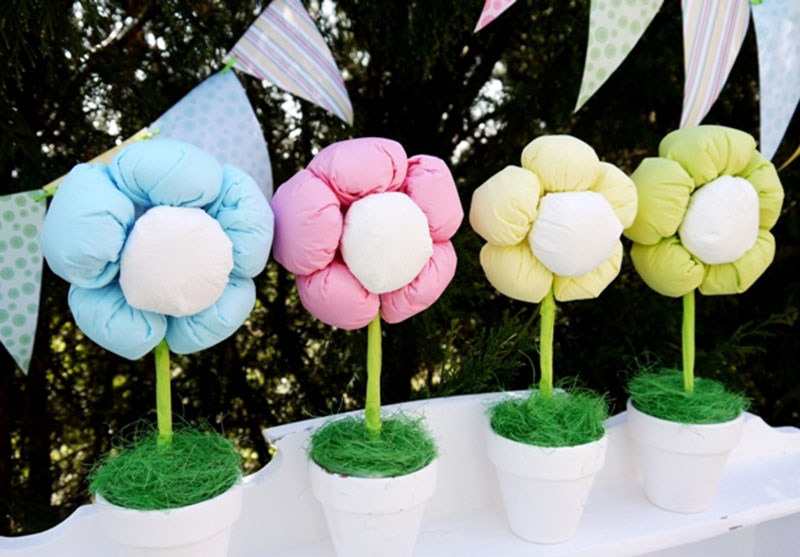
Natural textiles offer excellent safety benefits, especially for baby plush toys, because they are hypoallergenic, free from microplastics, and generally require fewer chemical treatments. However, they require careful engineering to maintain performance levels comparable to synthetic plush materials.
Plant-based fibers absorb moisture more easily, may stretch differently, and can shrink slightly during production if not pre-treated. Their softness and fiber direction affect tactile feel, while natural variations in color and texture must be anticipated in quality control guidelines.
Designers must evaluate how each biodegradable textile behaves during cutting, sewing, washing tests, and stuffing. For example, organic cotton fleece achieves a soft, comforting texture, but hemp offers greater durability for toys intended for outdoor or educational use. Bamboo-derived fabrics provide silky smoothness and antibacterial properties, making them ideal for infant plush toys.
Performance Characteristics of Natural Fibers
| Fiber | Softness | Durability | Safety Benefits | Notes |
|---|---|---|---|---|
| Organic Cotton | High | Medium | Hypoallergenic | Best all-round choice |
| Bamboo Fiber | Very High | Medium | Antibacterial | Premium feel |
| Hemp | Medium | High | Natural antimicrobial | Strong, long-lasting |
| Tencel | High | Medium | Eco-friendly processing | Smooth drape |
How Biodegradable Components Affect Pattern Making, Sewing, and Structural Design?
Developing biodegradable plush toys requires adjustments to the traditional pattern-making process. Natural fabrics tend to stretch less than synthetic plush materials, meaning pattern makers must refine seam allowances, curvature mapping, and joint structure to maintain consistent shapes.
During sewing, cotton or lyocell threads may require tension calibration to prevent breakage. Natural fabrics also have different edge behaviors—some fray more easily—requiring reinforced seam techniques or internal linings made from biodegradable mesh.
The structural engineering of a toy must account for fiber behavior during long-term use. Natural stuffing materials like kapok compress differently from polyester fill, affecting plumpness and silhouette; designers adjust internal gussets or add structural stitching to maintain shape over time.
Design & Construction Considerations for Biodegradable Plush
| Design Factor | Impact on Construction | Needed Adjustment |
|---|---|---|
| Stretch & Flexibility | Less stretch in natural textiles | Revised pattern curves |
| Stitch Reinforcement | Natural fabrics may fray | Stronger seam types |
| Filling Compression | Kapok compresses over time | Extra internal shaping |
| Thread Performance | Natural threads break easier | Lower machine tension |
What Eco-Friendly Dyes, Trims, and Accessories Support Full Biodegradability?
A truly biodegradable plush toy requires supporting materials that can also break down naturally. This includes low-impact dyes, trims made from natural sources, and accessories free of plastic.
Biodegradable dyes include plant-based dyes, low-impact reactive dyes, and water-based pigments that comply with OEKO-TEX and GOTS standards. These dyes reduce chemical runoff and ensure toy safety, especially for infants and toddlers who may mouth the product.
Trims such as wooden buttons, coconut shell accents, natural rubber components, organic cotton labels, and paper hang tags ensure full biodegradability while enhancing the handmade, eco-friendly aesthetic.
Avoiding plastic eyes is critical. Alternatives include embroidered eyes, laser-cut wooden eyes, or felted wool features, which eliminate microplastic shedding and increase the toy’s natural integrity.
Eco-Friendly Dye & Trim Options
| Component | Biodegradable Option | Benefit |
|---|---|---|
| Dye | Plant-based or GOTS-approved | Safe for children |
| Eyes/Features | Embroidery, wooden features | No plastic waste |
| Labels | Organic cotton, paper | Compostable |
| Trims | Natural rubber, wood | Durable & eco-friendly |
How Compliance, Testing, and Certifications Validate Biodegradable Plush Claims?
Even biodegradable plush toys must meet international toy safety standards such as EN71, ASTM F963, CPSIA, and chemical safety limits. Natural materials do not automatically guarantee compliance; testing is required to ensure colorfastness, tensile strength, tear resistance, and chemical safety.
Certifications that validate biodegradability and eco-friendliness include:
- GOTS (Global Organic Textile Standard) for organic cotton
- OEKO-TEX® Standard 100 for chemical safety
- TÜV biodegradation testing for material decomposition
- FSC for biodegradable paper packaging
- ISO environmental management certifications for factory processes
Brands must also avoid misleading claims—regulators closely monitor products advertised as “biodegradable,” requiring proof of decomposition rates under realistic conditions.
Relevant Certifications for Biodegradable Plush Toys
| Certification | Verifies | Importance |
|---|---|---|
| GOTS | Organic fiber authenticity | Ensures natural integrity |
| OEKO-TEX® | Chemical safety | Required for baby toys |
| ASTM/EN71 | Mechanical & safety compliance | Mandatory for export |
| Biodegradation Tests | Decomposition performance | Supports eco claims |
How Manufacturing Processes Must Adapt to Preserve Biodegradable Integrity from Sample to Mass Production?
Biodegradable plush toy manufacturing requires modifications at nearly every production stage to ensure materials maintain their natural integrity. Natural fabrics must be stored in humidity-controlled areas to prevent shrinkage or moisture absorption. Cutting processes must account for fraying edges, often requiring sharper blades or laser cutting with biodegradable-safe settings.
Sewing technicians require training to handle biodegradable threads and fabrics, adjusting machine speeds, tension, and stitch types. Stuffing processes must avoid over-compression of natural fibers, maintaining softness while preserving long-term durability.
During quality control, inspectors evaluate not only structural accuracy but also fiber uniformity, dye consistency, and natural variation, ensuring all products meet the brand’s aesthetic and ecological standards.
Packaging must also align with biodegradability goals, replacing polybags with compostable cellulose bags or FSC-certified paper packaging.
Manufacturing Adjustments for Biodegradable Plush Toys
| Production Stage | Adjustment Needed | Reason |
|---|---|---|
| Fabric Storage | Controlled humidity | Prevent shrinkage |
| Cutting | Sharper blades, anti-fray techniques | Natural fiber edge behavior |
| Sewing | Lower tension, reinforced seams | Prevent thread breakage |
| Stuffing | Gentle filling, shape mapping | Maintain softness |
| QC | Additional natural variation checks | Ensure consistency |
Conclusion
Developing a biodegradable plush toy requires far more than simply swapping polyester for natural fibers—it demands a fully integrated, thoughtfully engineered approach to design, sampling, safety testing, and manufacturing. By selecting plant-based fabrics, eco-friendly dyes, biodegradable trims, and responsible packaging, brands can create products that minimize environmental impact without compromising quality or play value.
With increasing consumer awareness and retailer sustainability expectations, biodegradable plush toys position brands at the forefront of eco-innovation—both ethically and commercially.
📧 Contact: [email protected]
🌐 Visit: https://kinwintoys.com