Choosing yarn for stuffed animals is not only about softness. Yarn decides how clean the stitches look, how well the plush keeps shape, and how it survives washing and daily play. I’m Amanda from Kinwin, and I’ll share how I select toy-grade yarn specs that help brands reduce returns, improve reviews, and scale production with stable quality.
If you want the “best yarn,” start with five checks: fiber type, yarn structure, wash performance, color stability, and toy-grade compliance. A yarn that feels great in your hand can still pill, shed, fade, or stretch after stuffing. The best results come from yarn that stays consistent from batch to batch and supports clear QC rules.
This guide breaks yarn choice into practical decisions you can use for sampling, production, and reorders.
What yarn fibers deliver the best durability and stitch definition for plush toys?
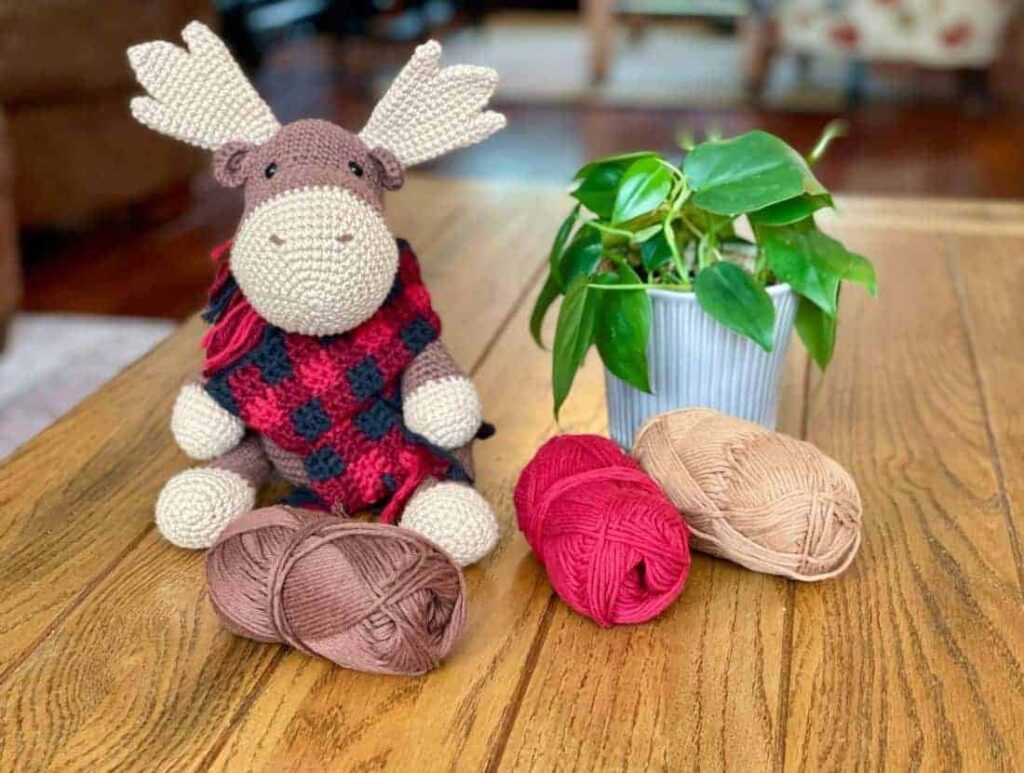
When buyers ask me for the “best yarn,” I first ask what matters more: a sharp, clean stitch look or a very plush surface. Different fibers behave differently under tension, stuffing pressure, and friction. Your fiber choice controls durability, fuzzing, and how visible the stitch pattern will be.
For most scalable plush toy projects, acrylic and polyester blends are common because they offer stable supply, good durability, and easier care. Cotton can give crisp stitch definition, but it can be heavier and may lose softness faster if not chosen carefully. Premium lines sometimes use specialty poly/nylon blends to improve strength and reduce pilling, especially for high-touch toys.
What helps brands most is not the “best fiber in theory,” but the fiber that performs well in your real selling scenario: toddler handling, collector display, or washable plush programs.
| Fiber type | Stitch definition | Durability in play | Care and drying | Typical best use | Buyer benefit |
|---|---|---|---|---|---|
| Acrylic | Good | Good | Easy care, dries fast | Most crocheted plush toys | Reliable cost and stable supply |
| Polyester | Medium–Good | Very good | Very easy care | High-touch plush, wash-friendly lines | Strong durability and fewer complaints |
| Cotton | Excellent | Medium | Absorbs water, slower dry | Clean stitch look, learning toys | Clear detail and “natural” story |
| Cotton blend (cotton + acrylic/poly) | Very good | Good | Better than pure cotton | Balanced softness + detail | Better shape control with softer touch |
| Nylon blend | Good | Very good | Easy care | Stress areas, thin parts | Higher strength for long-term use |
Which yarn weights and ply structures create stable stuffed animal shapes?
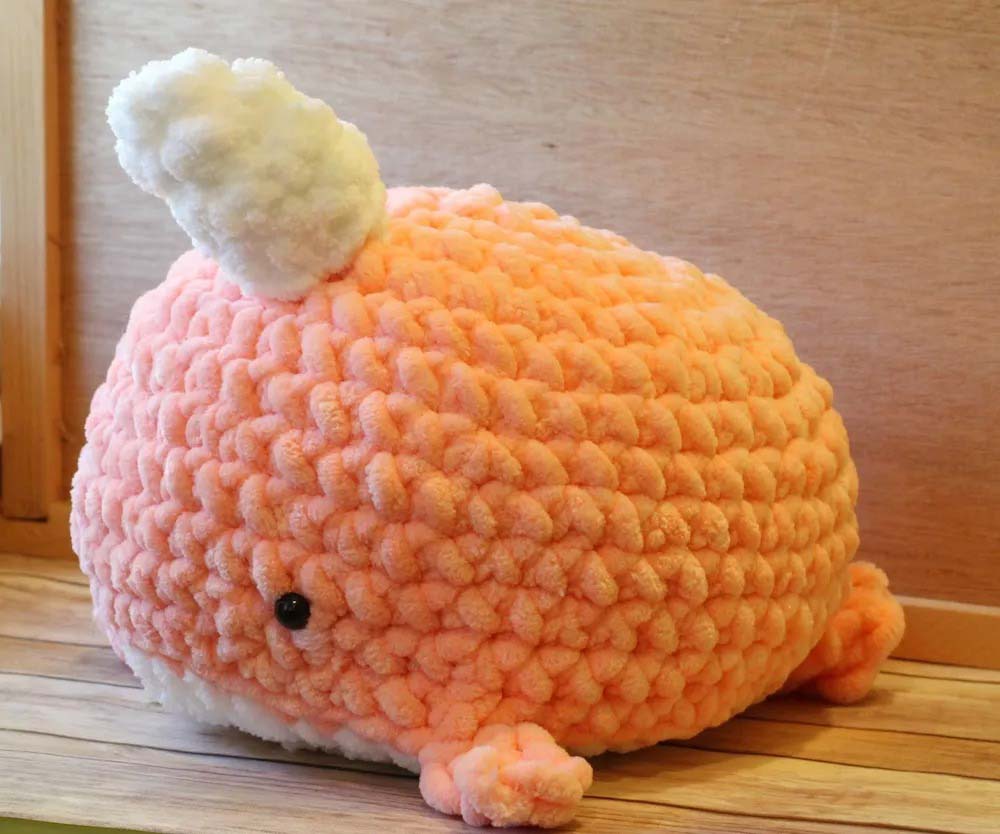
Shape stability is where many plush projects fail. The toy looks perfect when finished, then the body stretches, the neck sags, or the limbs twist after a week. Most of the time, the problem is not the pattern. It is yarn weight, ply, and tension behavior.
To create stable stuffed animal shapes, you want yarn that holds structure under stuffing pressure. As a simple rule, more structure comes from slightly thicker yarn and a stable multi-ply construction, combined with tight, consistent stitch tension. Very fluffy yarns can hide stitches, but they can also hide weak structure until the toy is handled.
For B2B buyers, stable shapes matter because they reduce customer dissatisfaction and keep product photos consistent across reorders.
Here is how I guide buyers:
- If you need clean shapes and defined facial features, choose a weight and ply that supports tight stitches.
- If you need a premium soft surface, plan extra structure through tighter gauge, inner lining, or pattern reinforcement.
| Spec factor | What to choose for stability | Why it holds shape | Risk if too weak | Best-fit toy styles |
|---|---|---|---|---|
| Yarn weight | Medium to bulky (project dependent) | More body, less stretch | Sagging and deformation | Bears, bunnies, simple animals |
| Ply structure | Multi-ply, well-twisted | Resists splitting and stretching | Fuzzy edges, loose form | Detailed faces, limbs, ears |
| Twist consistency | Even twist across batches | Predictable tension and gauge | Size variation | Scalable collections |
| Elasticity | Low–medium elasticity | Keeps proportions | Over-stretching | Standing plush, long limbs |
| Gauge control | Tight stitches | Reduces stuffing show-through | Loose holes and weak seams | Toddler lines, wash-friendly plush |
How do washability, pilling resistance, and colorfastness affect yarn selection?
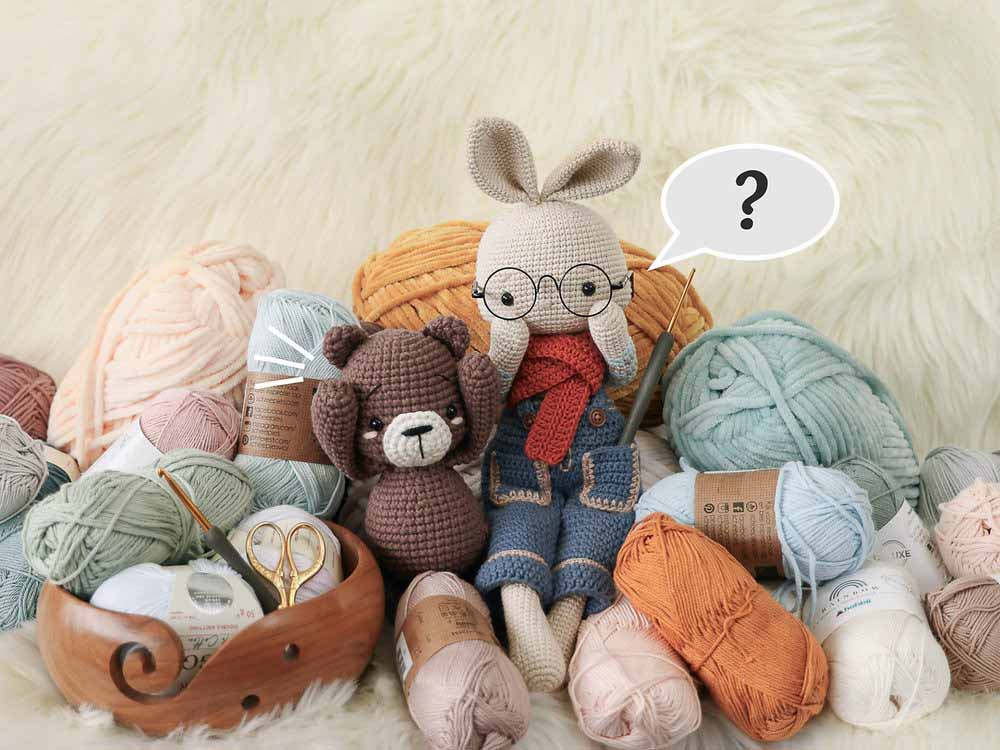
For kids’ plush toys, wash performance is a business decision. Parents wash. Toys get dragged, rubbed, and squeezed. If yarn pills or fades quickly, your reviews suffer even if your design is great. I always tell buyers: “softness sells once, wash durability sells forever.”
Washability is influenced by fiber type, yarn finish, and dye quality. Pilling often increases with friction and short staple fibers. Colorfastness problems show up as fading, bleeding, or dullness after washing and sunlight exposure.
If you sell on Amazon, Etsy, or to retail chains, these issues directly affect your return rate and brand trust. So I recommend building a simple wash test into sampling, even before you place a larger order.
Practical selection advice:
- Choose yarn with proven anti-pilling performance for high-touch plush.
- Confirm colorfastness on your key colors, not only “standard shades.”
- Decide the care claim early: “surface clean” or “machine washable,” then match yarn to that promise.
| Performance need | What to look for in yarn | Why it matters | How to test simply | What customers notice |
|---|---|---|---|---|
| Washability | Polyester or tested blends | Maintains feel after wash | 3–5 wash cycles sample test | “Still soft” feeling |
| Pilling resistance | Anti-pilling yarn finish | Reduces fuzz balls | Rub test + wash test | Looks new longer |
| Colorfastness | Stable dyes, tested lots | Prevents fading/bleeding | Wash + light exposure check | Bright, clean color |
| Shape retention | Low stretch + tight gauge | Keeps toy proportions | Measure before/after wash | Same size, same look |
| Surface cleanliness | Smooth or low-shed yarn | Less lint and dust hold | Visual inspection after play | Cleaner appearance |
What safety considerations and chemical compliance matter for toy-grade yarn?
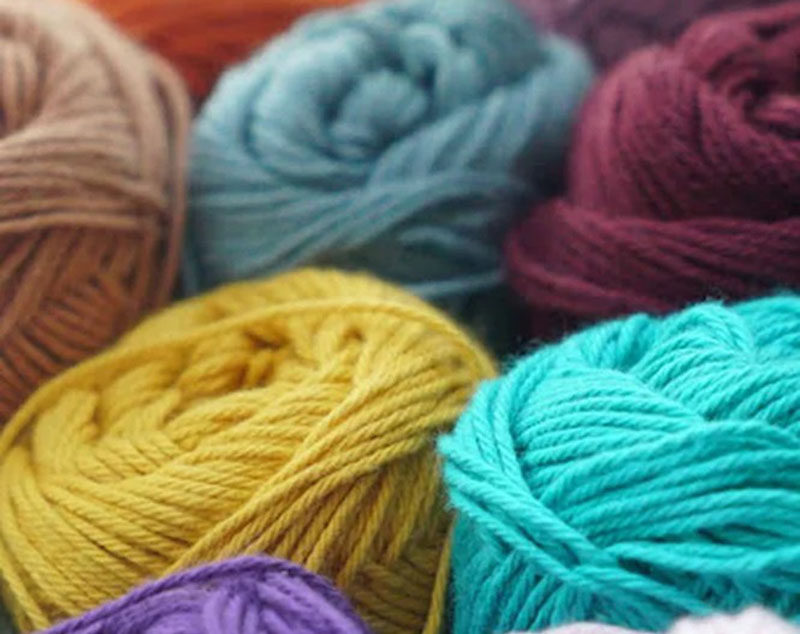
Parents do not buy “yarn.” They buy trust. For toys, yarn must be safe for skin contact and safe under normal use. That means you should care about both physical risk and chemical compliance.
From a manufacturer view, toy-grade yarn should support your target market’s safety expectations. The key topics are: restricted substances, dye safety, odor control, fiber shedding, and traceability. Even when the yarn itself is safe, poor finishing chemicals or unstable dyes can create problems.
If your plush toy is for toddlers, safety expectations are higher. Loose shedding fibers, strong chemical smells, or uncontrolled color transfer can trigger complaints and platform risk.
What I recommend B2B buyers request from suppliers:
- Clear material specification sheets (fiber content, dye method, batch info)
- Compliance-related documentation aligned to the market
- Change control: no unapproved yarn substitutions during reorders
| Safety topic | Why it matters for toys | Common risk | What to specify | QC check that helps |
|---|---|---|---|---|
| Chemical restrictions | Skin contact and mouth contact | Non-compliant dyes/finishes | Toy-grade dyes and compliant finishing | Supplier documentation + batch records |
| Odor control | Parents judge fast | Strong smell complaints | Low-odor processing | Smell check after unpacking |
| Fiber shedding | Inhalation and mess risk | Fuzz shedding during play | Low-shed yarn and stable twist | Shake and rub test |
| Color transfer | Staining skin or fabric | Bleeding in wash | Colorfastness requirement | Wet rub + wash test |
| Traceability | Stable reorders | Material changes | Approved yarn list | Incoming material inspection |
Which surface textures (chenille, velvet, boucle) work best for premium plush feel?
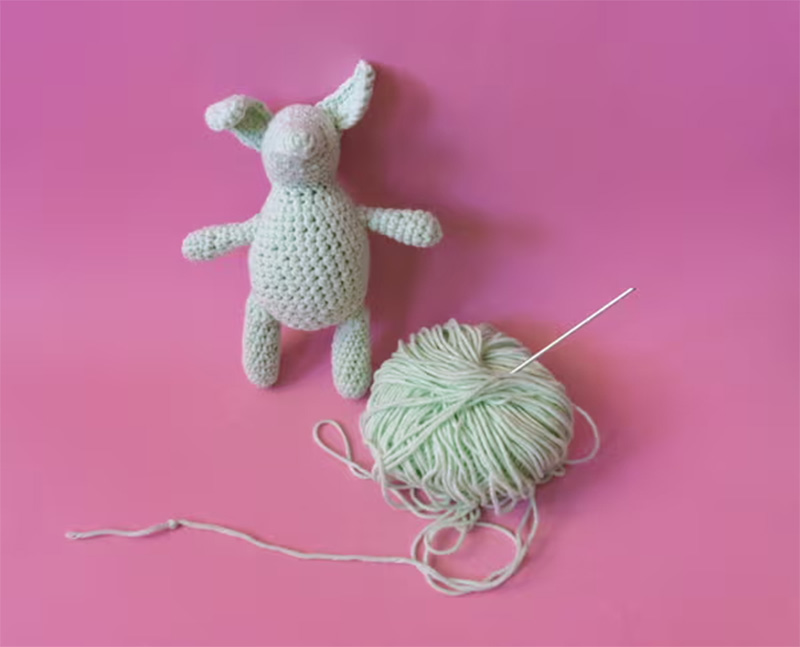
Texture is where plush becomes “premium.” But texture choices also change sewing behavior, stitch visibility, and durability. Many buyers love the look of chenille or velvet yarn, then get surprised by shedding, worming, or inconsistent gauge.
Premium plush feel usually comes from yarns with a soft pile or looped surface. Chenille can give a very cuddly surface with a plush look. Velvet-style yarn can feel smooth and rich. Boucle gives a cute, teddy-like texture, but it can reduce stitch clarity and sometimes trap dust.
I recommend choosing texture based on your customer promise:
- If your product story is “luxury softness,” choose chenille or velvet, then build structure with tighter stitching and stronger seams.
- If your product story is “classic teddy look,” boucle can be great, but you must control pilling and shedding.
| Texture type | Feel and look | Stitch visibility | Durability risk | Best-fit products | How brands win |
|---|---|---|---|---|---|
| Chenille | Very soft, plush surface | Low | Worming/shedding if low grade | Cuddle plush, toddler comfort toys | “Premium softness” positioning |
| Velvet yarn | Smooth, rich touch | Low–Medium | Flattening/pilling | Premium gift plush | Higher perceived value |
| Boucle | Teddy-like, cozy | Low | Pilling, lint hold | Bear styles, winter themes | Strong character texture |
| Smooth acrylic/poly | Clean and neat | High | Less “plush” feel | Detailed faces, educational toys | Clear stitch detail and consistency |
| Blended textured yarn | Balanced | Medium | Depends on blend quality | Collections with mixed SKUs | One spec system across styles |
How can brands standardize yarn specs for scalable production and QC?
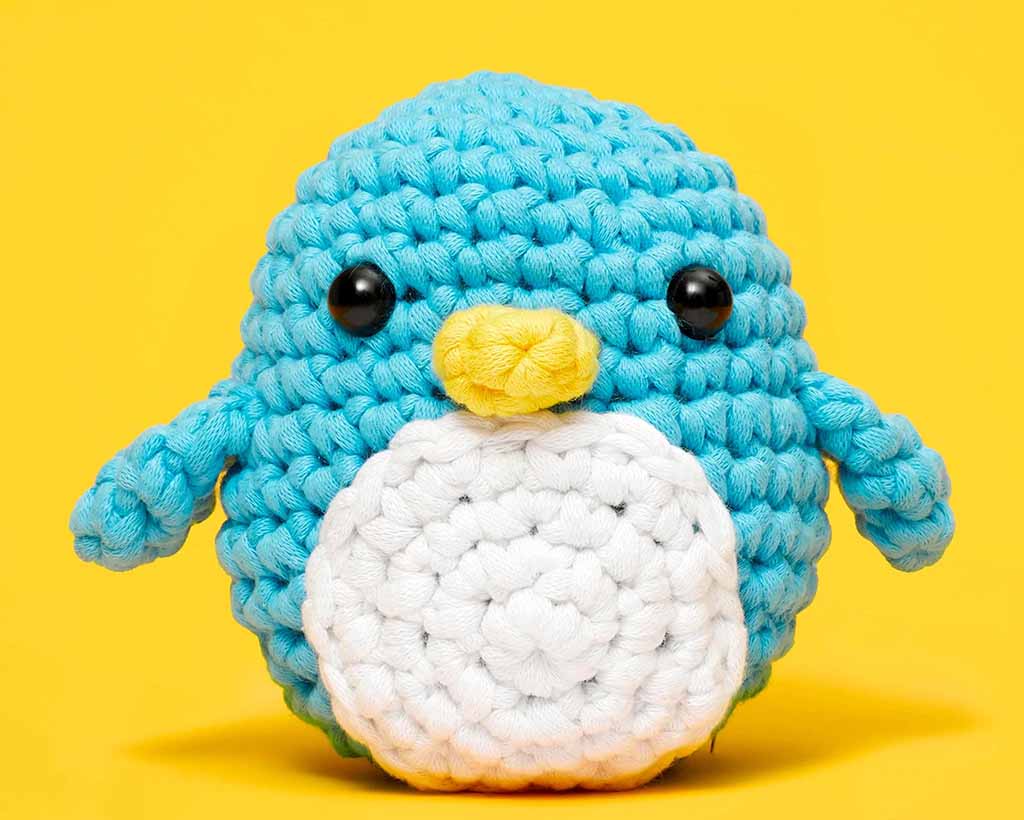
Scaling plush toys is not only about ordering more. It is about getting the same feel, the same size, the same color, and the same finish every time. Yarn is a major source of variation, so standardization is one of the biggest benefits a manufacturer can bring to your brand.
To standardize yarn specs, I suggest building a simple “yarn control system”:
- A fixed yarn spec sheet (fiber content, weight range, ply, twist, supplier)
- Approved color standards with lab dips or controlled color references
- A sampling rule: no production without a signed “golden sample”
- Basic incoming QC checks that catch issues early
This approach gives you better consistency, fewer delays, and more predictable costs. It also protects you from hidden changes that damage product reviews.
At Kinwin, this is how we support B2B buyers: we help you choose yarn that can scale, then we lock specs for stable reorders and QC. You get a plush line that looks and feels consistent across seasons and sales channels.
| Standardization step | What to lock | Why it reduces risk | What to record | Buyer benefit |
|---|---|---|---|---|
| Yarn spec sheet | Fiber %, weight, ply, twist | Prevents stretch and size drift | Supplier + batch info | Stable reorders |
| Approved supplier list | Primary + backup | Reduces stock-outs | Change approval rules | More reliable lead time |
| Color control | Lab dips or reference standards | Prevents shade mismatch | Color code + tolerance | Consistent branding |
| Golden sample system | One approved reference toy | Controls hand-feel and shape | Photos + measurements | Fewer disputes |
| Incoming QC | Weight, feel, shedding, smell | Catches problems early | QC checklist | Fewer defects and returns |
Conclusion
The best yarn for stuffed animals should deliver safe comfort, stable shape, and consistent quality while helping your brand scale without surprises. At Kinwin, we help global buyers standardize yarn specs, control production quality, and build plush collections that meet safety expectations and stand out in competitive markets. Contact me at [email protected] or visit kinwintoys.com to discuss your next project and explore how our factory can support your success.