Choosing the best wholesale stuffed animals is not only about cute designs—it is about safety, durability, material quality, factory capacity, compliance, and long-term value for your business. As someone who works daily with global wholesalers, retailers, and brand owners, I’ve seen how the right sourcing decisions can protect a brand, increase customer trust, and reduce future risks.
In this guide, I’ll walk you through exactly what bulk buyers should look for when selecting wholesale stuffed animals, using clear and simple English so every reader can understand and apply the ideas easily. A table appears under every H2 section, just as you require.
What qualities define the best wholesale stuffed animals for bulk buyers?
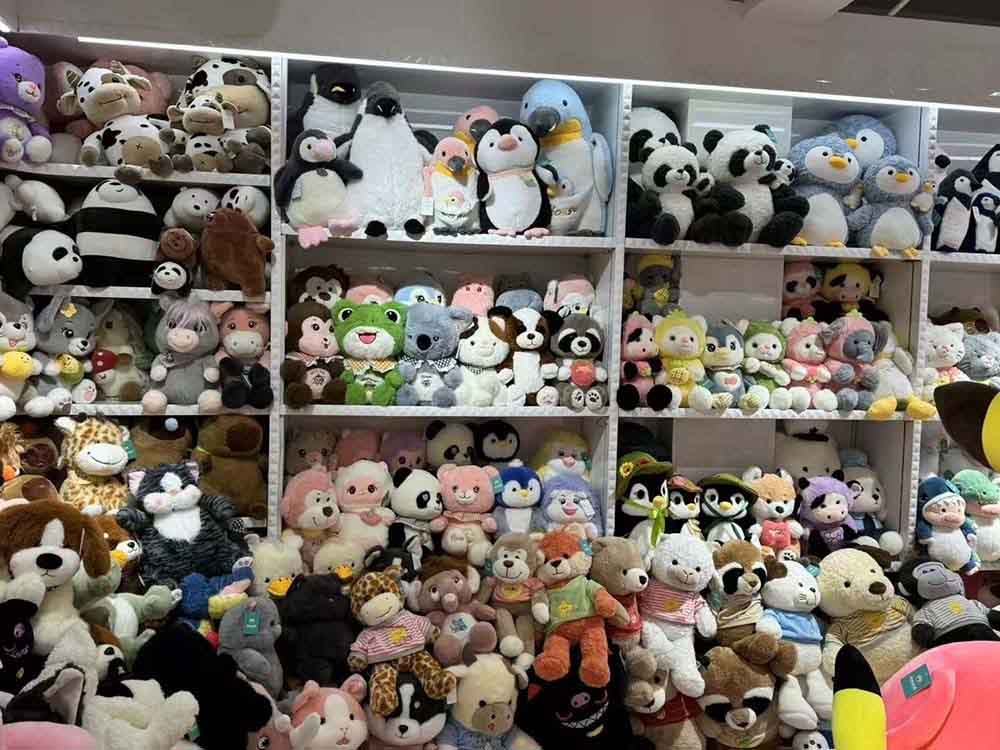
Wholesale buyers need products that look great on shelves, pass safety checks, maintain consistent quality, and stay within target cost. In bulk sourcing, consistency and reliability matter just as much as appearance. The best wholesale stuffed animals balance softness, safety, durability, and scalable production.
From my experience at Kinwin, wholesalers care most about:
- Material quality: soft plush, strong stitching, colorfast dye.
- Comfort & appearance: cute shapes, balanced stuffing, neat embroidery.
- Durability: seams that hold during daily use.
- Consistency: every unit should match the approved sample.
- Shelf appeal: clear characters, modern style, attractive colors.
Table 1 – Qualities wholesalers look for in stuffed animals
| Quality Category | Key Attributes | Why It Matters for Wholesale Buyers |
|---|---|---|
| Softness & feel | Plush texture, gentle touch | Increases customer satisfaction and gift value |
| Structural quality | Tight seams, balanced shape | Reduces product returns and complaints |
| Appearance | Cute face, proportional design | Boosts retail appeal and sales |
| Consistency | Matches approved sample | Ensures brand reputation across large volumes |
| Safety | No sharp parts, safe materials | Mandatory for global markets |
How do materials and construction standards impact large-volume sourcing?
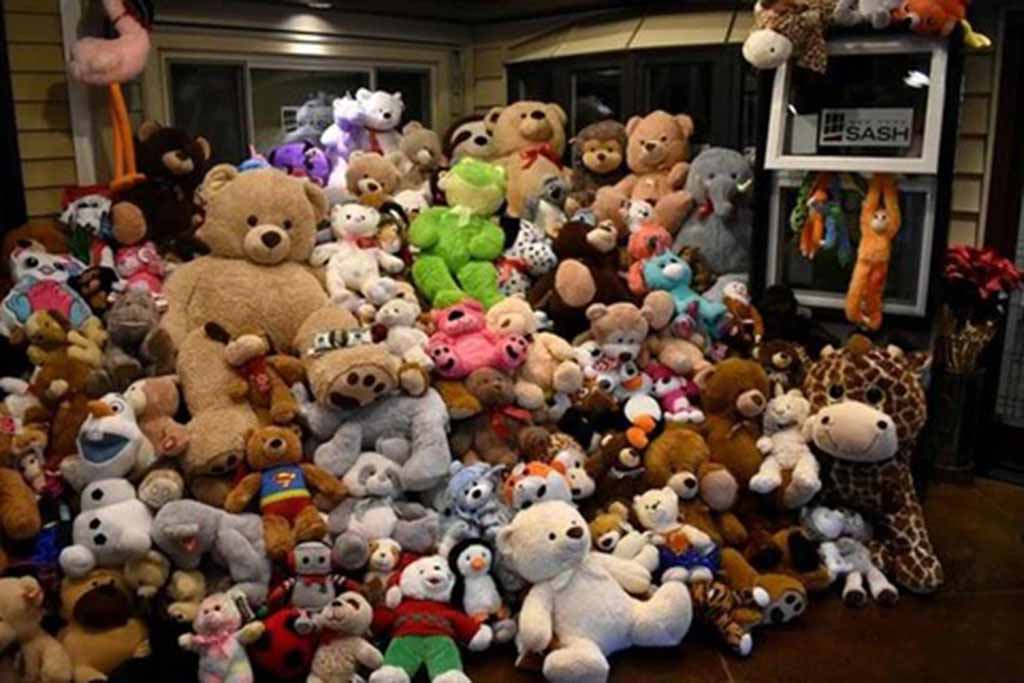
When buying thousands of units, material choices and construction standards determine long-term success. Poor materials lead to defects, color fade, uneven stuffing, or safety failures. At scale, even small issues can become big costs.
High-quality wholesale stuffed animals normally use:
- Polyester plush fabrics with stable pile height.
- Polyester fiberfill for softness and shape recovery.
- Reinforced stitching, especially at joints.
- Embroidery instead of plastic parts for infant-safe items.
Table 2 – Material and construction standards that matter in bulk orders
| Component | Best Practice | Wholesale Benefit |
|---|---|---|
| Plush fabric | Short plush, minky, velboa | Soft touch, durable surface |
| Fiberfill | Clean, high-resilience polyester | Maintains shape across shipments |
| Stitching | Double stitching, lockstitch | Reduces breakage in large batches |
| Facial details | Embroidery or secure plastic parts | Higher safety level, lower defect risk |
| Internal structure | Even stuffing, reinforced internal seams | Better consistency across all units |
Well-built materials reduce replacement costs, warehouse losses, and customer complaints—critical for any brand or retailer buying in bulk.
Which certifications and safety requirements matter most for wholesalers?
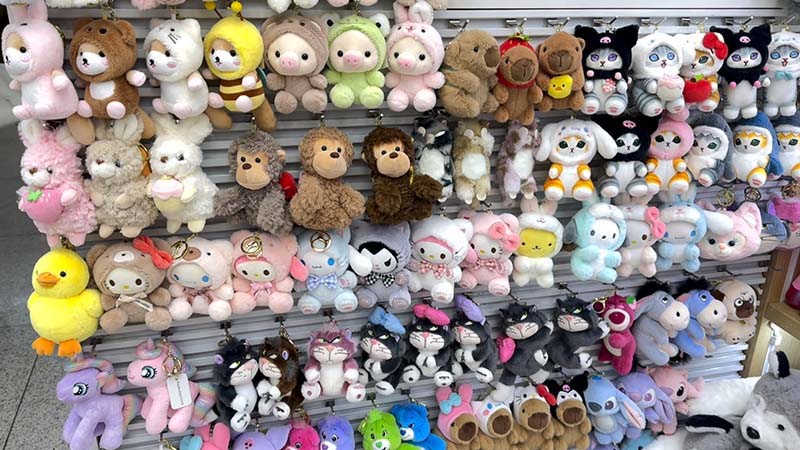
In wholesale, compliance isn’t optional—it’s a fundamental requirement. Different regions enforce strict safety standards for children’s products, and stuffed animals fall directly under those rules.
For global wholesalers, the most important certifications include:
- ASTM F963 (USA)
- CPSIA (USA, includes tracking labels and lead limits)
- EN71 Parts 1–3 (EU)
- CE marking (EU compliance symbol)
- ISO 8124 (International standard)
- REACH (EU chemical safety regulation)
If your supplier cannot meet these, you risk shipment delays, customs issues, fines, or forced product recalls.
Table 3 – Key safety standards for wholesale stuffed animals
| Region | Required Standard | What It Covers | Why It Matters |
|---|---|---|---|
| USA | ASTM F963, CPSIA | Mechanical safety, flammability, lead | Mandatory for children’s products |
| EU | EN71, CE mark | Mechanical, chemical, heavy metals | Required for EU retail & e-commerce |
| Global | ISO 8124 | International safety baseline | Accepted by many importers |
| EU | REACH | Chemical limitations | Avoids harmful substances in fabrics |
| Japan/Korea | Regional testing items | Regional compliance | Needed for Asian retail markets |
Certified plush toys protect wholesalers from legal risks and help brands build consumer trust.
How do OEM/ODM capabilities influence wholesale product selection?
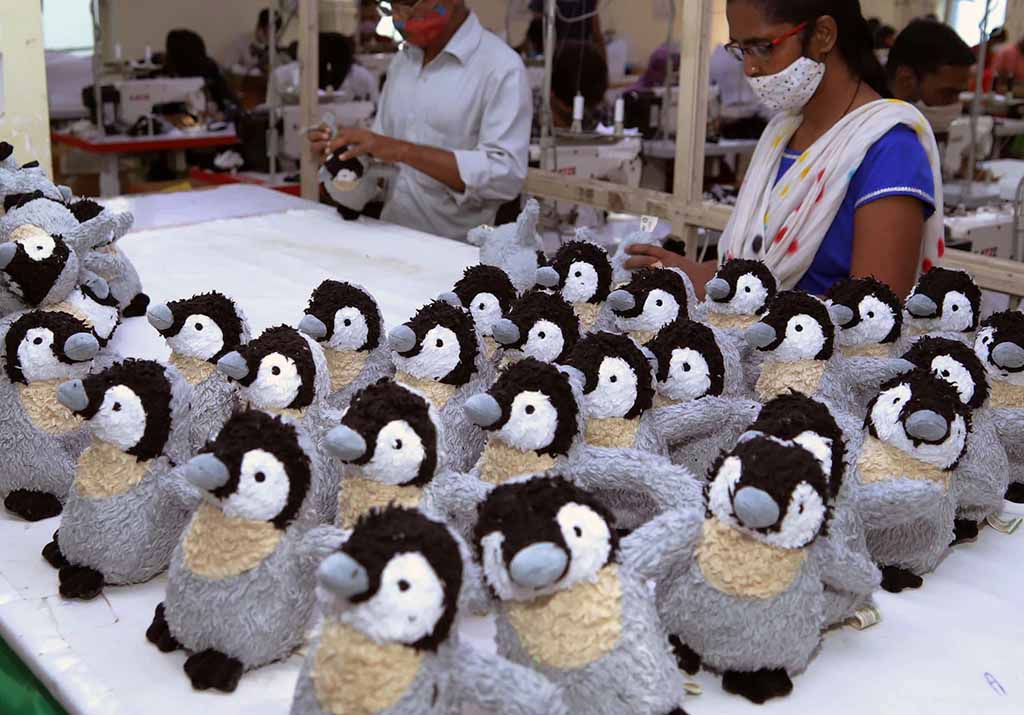
For many wholesalers, the most profitable items are not standard catalog toys—they are custom OEM or ODM plush toys that strengthen a brand identity or customer experience. The best factories help you develop new designs quickly and efficiently.
Key capabilities include:
- Pattern making & prototyping
- 3D modeling and artwork conversion
- Multiple stuffing options
- Color matching and fabric sourcing
- Custom labels, packaging, barcodes
- Low-defect, high-speed production lines
A strong OEM/ODM partner lets wholesale buyers adapt to trends, launch exclusive designs, or build licensed lines with confidence.
Table 4 – OEM/ODM features that help wholesale buyers
| Capability | What It Means | Wholesale Advantage |
|---|---|---|
| Design-to-sample support | Sketch → 3D → prototype | Faster product development |
| Material sourcing | Access to plush, embroidery, accessories | More customization choices |
| Flexible production | Small test batches + scalable output | Easy to grow product lines |
| Branding services | Tags, embroidery, custom packaging | Stronger retail presence |
| Quality control systems | Multi-stage checks, needle detection | Stable quality across large orders |
With these features, wholesalers gain more control over product style, pricing, and differentiation.
What pricing, MOQ, and logistics factors guide wholesale purchasing decisions?
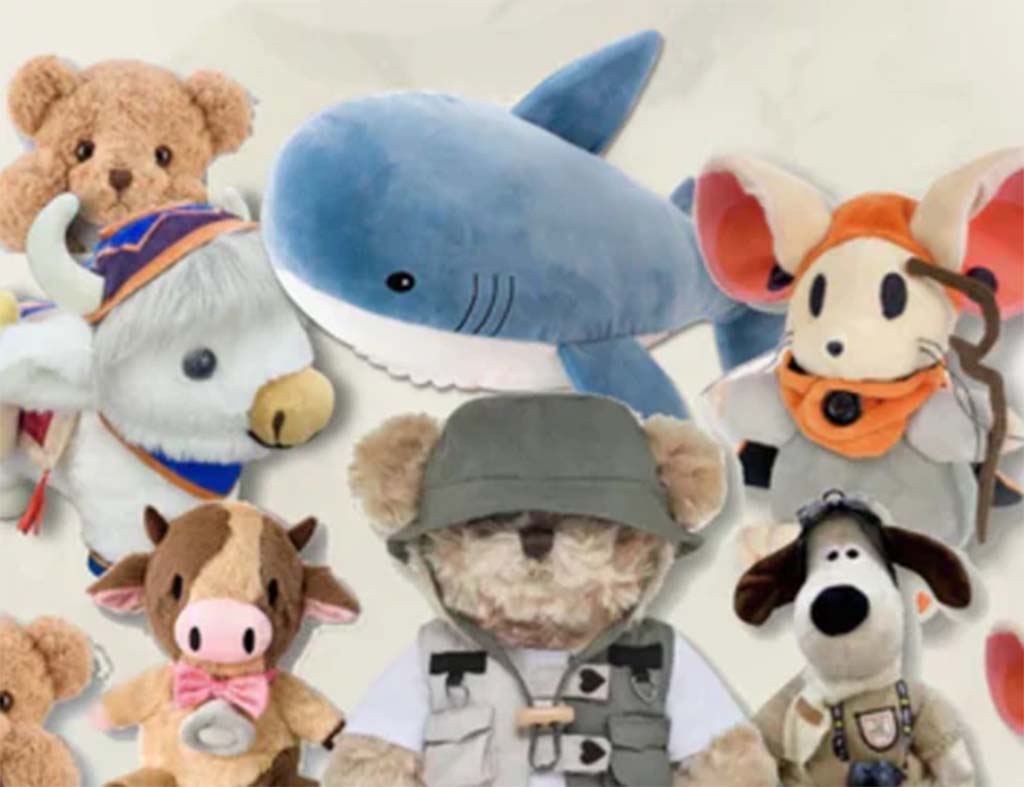
Wholesale success depends on balancing cost, quantity, timing, and shipping. A plush toy may look perfect, but if shipping fees or MOQ requirements are too high, it may not fit your business model.
Wholesalers typically analyze:
- Unit price vs. design complexity
- Minimum order quantity (MOQ)
- Lead time for sampling and mass production
- Carton size and packing method
- Shipping method (sea, air, or train)
- Import tax and customs documents
Table 5 – Key pricing and logistics elements for wholesale sourcing
| Factor | What Buyers Consider | Impact on Wholesale Orders |
|---|---|---|
| Unit price | Fabric, size, details, labor | Determines retail margin |
| MOQ | Factory capacity and workload | Lower MOQ offers flexibility |
| Lead time | Sample: 5–10 days; Bulk: 25–45 days | Affects launch schedules |
| Shipping | Sea/air/express costs | Influences final landed cost |
| Packaging | Vacuum vs. standard | Controls freight volume |
| Documents | Invoice, packing list, certificates | Required for smooth customs clearance |
Reliable logistics reduce hidden costs and ensure products reach warehouses or retail stores on time.
How do leading manufacturers differentiate in the global wholesale market?
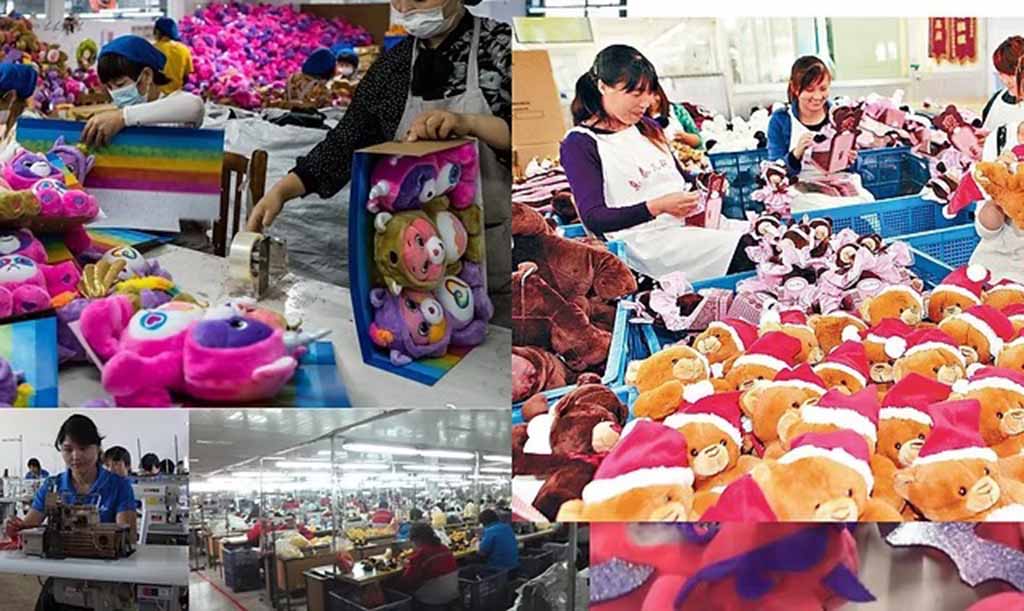
Top manufacturers stand out by offering more than just plush toys—they offer quality systems, service, speed, customization, and transparency. This is especially important for wholesale buyers managing large SKUs or seasonal collections.
At Kinwin, and in other top factories, differentiation usually comes from:
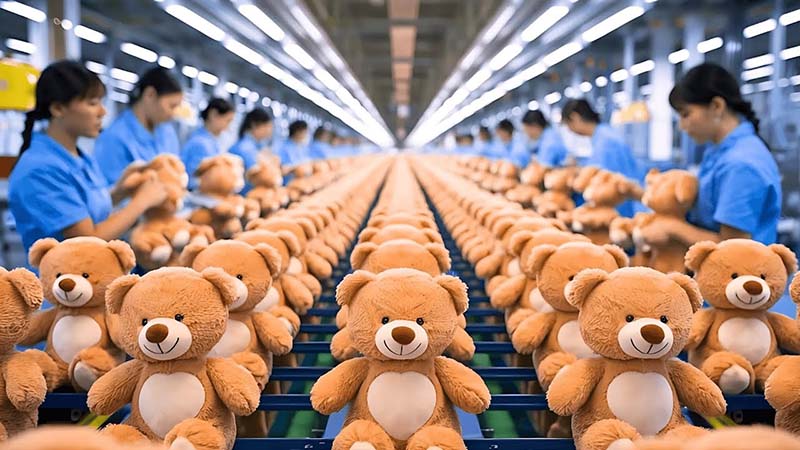
- Advanced production lines with automated cutting and digital embroidery.
- Strong pattern makers who create stable, cute shapes.
- Strict multi-step QC, including needle detection and seam tests.
- Compliance with CE, EN71, ASTM, REACH, and global standards.
- Fast sampling, sometimes within 5–7 days.
- Flexible MOQs and scalable production capacity.
- Stable raw-material suppliers to keep colors and textures consistent.
Table 6 – How high-end plush manufacturers stand out
| Differentiation Factor | What It Looks Like | Why It Matters to Wholesalers |
|---|---|---|
| Quality control system | 5–7 QC checkpoints | Lower defect rates, stable batches |
| Advanced equipment | Computerized embroidery, digital cutting | High detail & consistency |
| Safety compliance | CE, EN71, ASTM, REACH | Faster customs clearance |
| Fast sampling | 5–10 days average | Shorter product launch cycles |
| Scalable capacity | 10–15 production lines | Ability to meet large orders |
| OEM/ODM support | Custom patterns & packaging | Stronger brand identity |
Choosing the right manufacturer gives wholesale buyers stability, long-term partnership, and access to competitive pricing without sacrificing quality.
Conclusion
The best wholesale stuffed animals combine material quality, construction strength, certified safety, competitive pricing, and strong OEM/ODM options. When sourcing in large quantities, choosing a reliable manufacturer is the key to consistent quality and long-term retail success. At Kinwin, my team and I help wholesalers create safe, soft, durable plush products with stable production and strict quality checks.
If you want to develop custom plush lines or source high-volume, certified stuffed animals, you’re welcome to contact me at [email protected] or visit kinwintoys.com. We’re ready to support your growth with professional wholesale solutions.