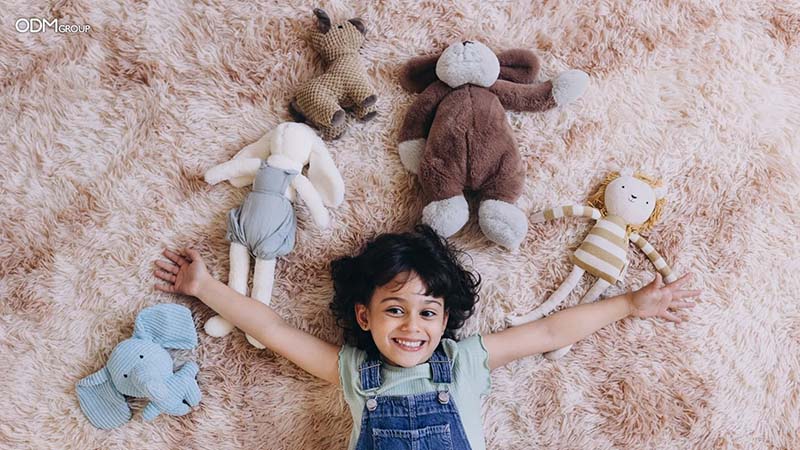
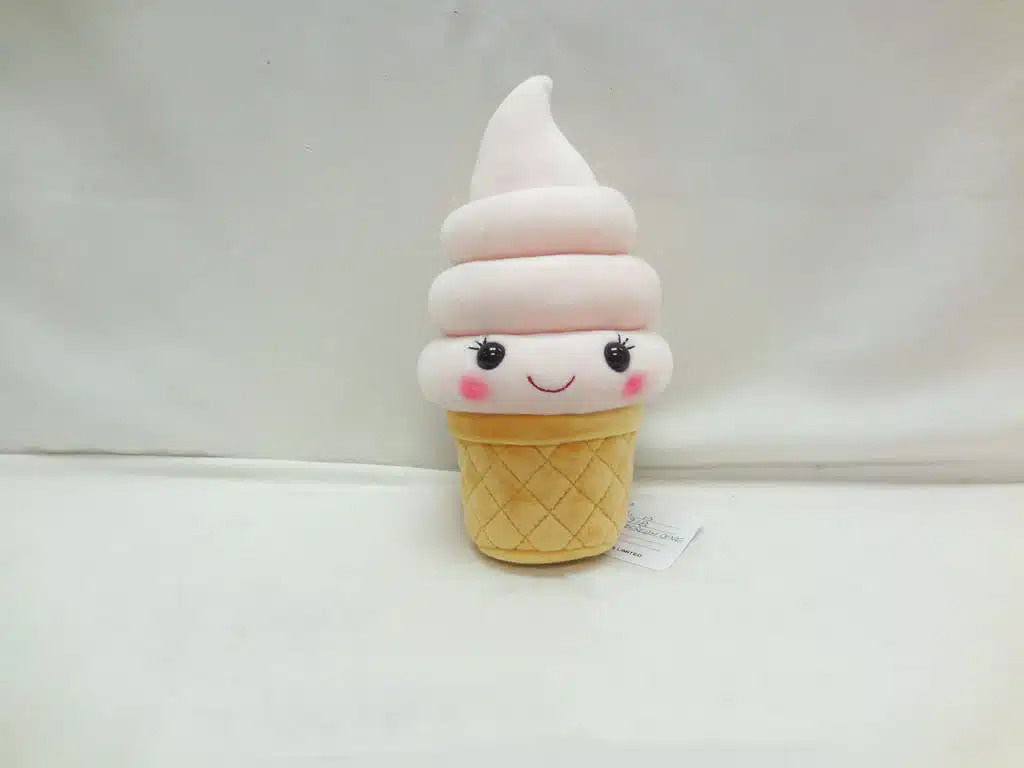
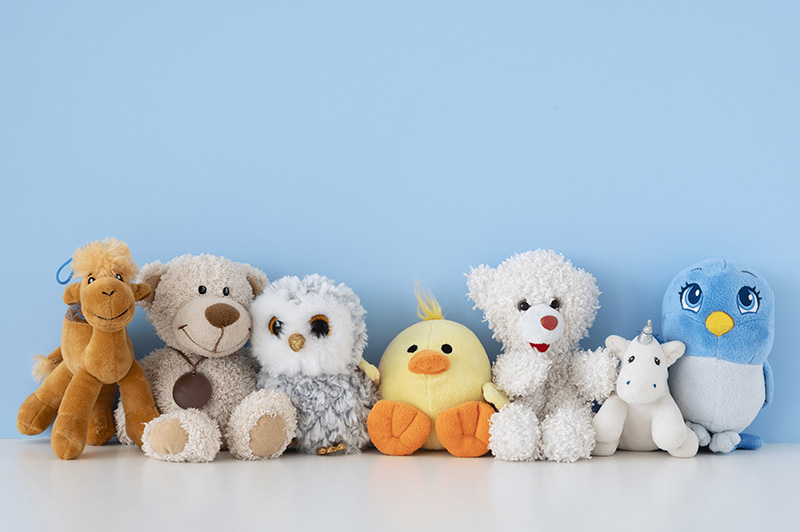
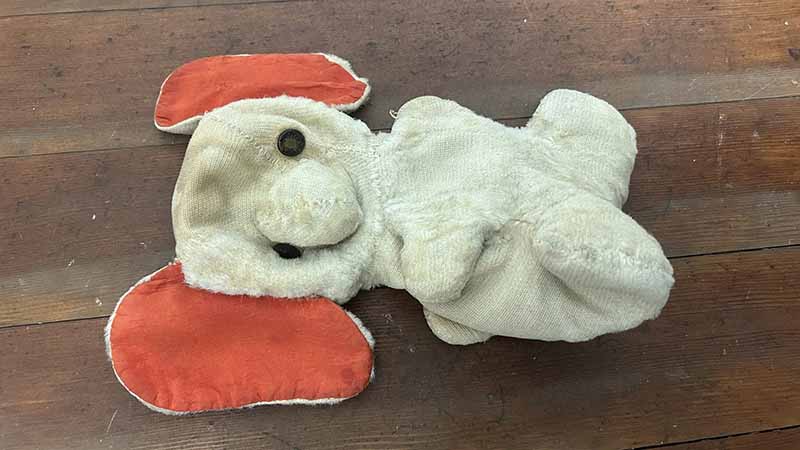
A small-to-medium plush with embroidered eyes, smooth fabric, and no loose accessories, placed beside a toddler bed.
When parents search for the “best stuffed animals for toddlers to sleep with,” they usually want two things at once: comfort and peace of mind. As Amanda at Kinwin, I always start with the same principle: a toddler sleep plush should be simple, soft, durable, and easy to keep clean—and it should never copy unsafe infant-sleep habits.
Safe-sleep guidance for babies strongly emphasizes keeping soft objects (including toys) out of the sleep space. The AAP, CPSC, and UK sources repeatedly advise a clear sleep space for infants. The Lullaby Trust+3HealthyChildren.org+3U.S. Consumer Product Safety Commission+3 For toddlers, families often introduce a comfort plush later, but the product still needs the right materials, size, construction, and compliance plan to reduce risk and improve real-life durability.
What sleep-safety guidelines determine toddler-appropriate stuffed animals?
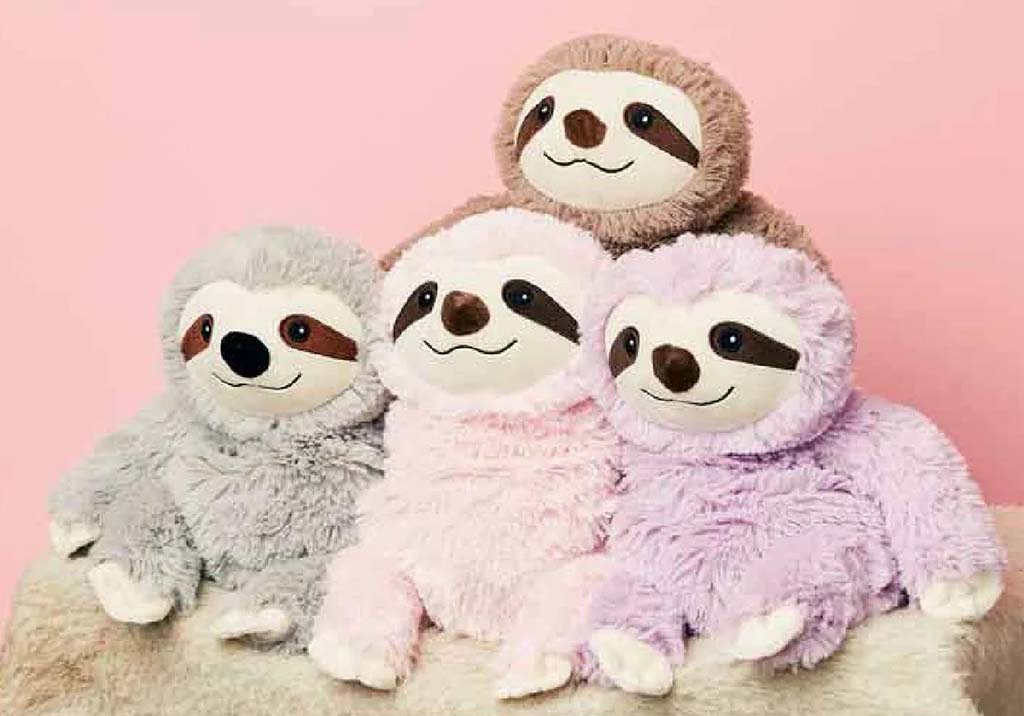
A toddler-appropriate sleep plush starts with age and environment. Most strict “no soft items in the sleep space” rules are aimed at infants, especially in the first year. The AAP and CPSC guidance for infant sleep warns against soft objects and pillow-like toys in the crib because they can increase risks like entrapment and suffocation. HealthyChildren.org+2U.S. Consumer Product Safety Commission+2 UK guidance also tells parents to keep the cot clear and avoid soft toys for babies. nhs.uk+2The Lullaby Trust+2
For toddler sleep, many families allow a small comfort item, but I recommend keeping the same “risk-reduction mindset”:
- Choose one small plush, not multiple items
- Avoid pillow-like oversized plush that behaves like a pillow
- Keep the sleep area uncluttered, especially if the child is a restless sleeper
- If a child is sick, congested, or has special needs, follow medical advice first
In product terms, I treat “toddler sleep plush” as a close-contact item. That means it must be safe for face contact, durable under nightly use, and easy to clean.
| Guideline Focus | What It Means for Toddlers | What to Avoid | What Works Better |
|---|---|---|---|
| “Clear sleep space” mindset | Keep bedding simple; reduce loose items | Big piles of plush, pillow-like toys U.S. Consumer Product Safety Commission | One small comfort plush |
| Breathability and face safety | Plush may touch face while sleeping | Thick fur around nose/mouth | Smooth short-pile fabrics |
| Injury and choking prevention | Toddler mouths and pulls items | Buttons, beads, loose ribbons | Embroidery + no accessories |
| Heat management | Toddlers can overheat | Heavy plush + heavy blankets | Light plush + normal bedding |
| Practical hygiene | Nightly use needs cleaning | “Spot clean only” plush | Wash-tested materials and seams |
Which materials and fillings are safest for overnight toddler use?
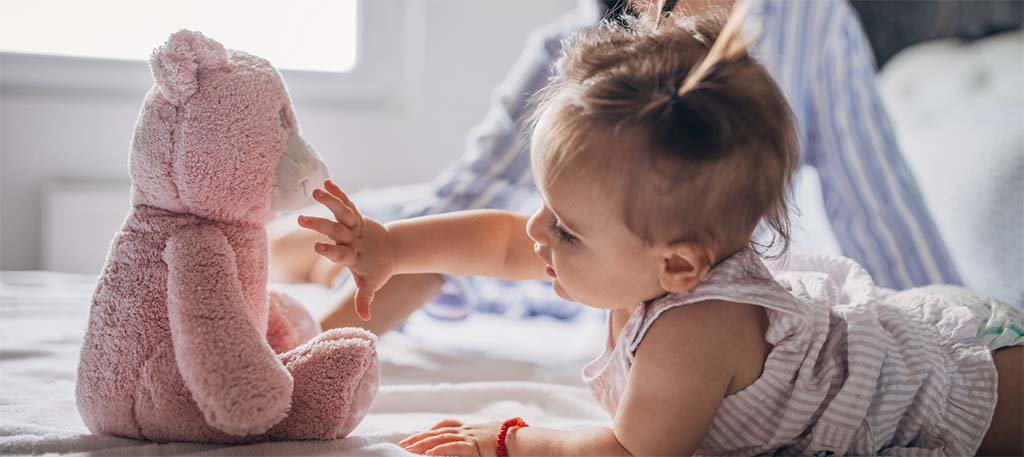
For overnight use, I focus on low irritation, low shedding, and stable stuffing. The safest-feeling materials are usually smooth and simple:
- Short-pile plush or minky-style fabric (soft, less shedding)
- Brushed fleece (cozy, but must be wash-stable)
- Avoid very long shaggy fur for sleep products because it can tangle, shed more, and hold dust
For filling, the most common safe choice is high-quality polyester fiberfill because it is soft, resilient, and consistent. The key is not only “which filling,” but how it is controlled:
- Even distribution (no hard lumps)
- No loose beads or pellets inside a toddler sleep plush (keep “weighted” designs separate and clearly age-graded)
- Inner structures that prevent migration and clumping after washing
| Material / Filling | Why It Works for Sleep | What to Watch | My Manufacturing Tip |
|---|---|---|---|
| Short-pile plush | Soft and stable | Cheap pile can feel scratchy | Use higher-density pile for premium feel |
| Minky-style fabric | Very smooth for face contact | Shows stains easily | Offer darker shades or washable finishes |
| Brushed fleece | Warm and cozy | Can pill after washing | Pre-wash test and choose anti-pilling grade |
| Premium polyester fiberfill | Soft, bouncy, consistent | Can clump if poorly stuffed | Stuff in layers + weight-control per unit |
| PP cotton (firmer fiber) | Holds shape well | Can feel less “cuddle-soft” | Blend with softer fiber for comfort |
| Long-pile faux fur | Looks fluffy | Can shed, tangle, collect dust | Better for display than sleep use |
If a brand wants “best for sleep,” I usually choose smooth fabric + medium-soft fiberfill and avoid anything that behaves like a pillow.
How do size, weight, and softness affect sleep comfort for toddlers?
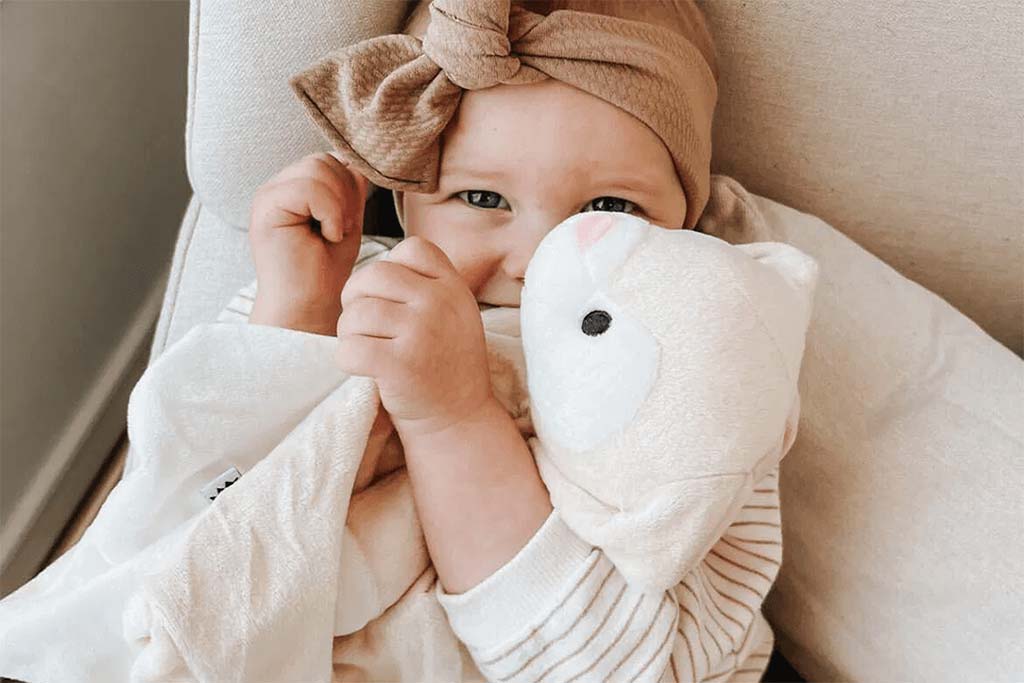
The best sleep plush for toddlers is usually small to medium, easy to hold, and not heavy. If it is too large, it can act like a pillow substitute. If it is too heavy, it can be uncomfortable and may increase risk during sleep.
I recommend thinking in three comfort goals:
- Easy to hug (fits under one arm)
- Easy to reposition (the child can move it away)
- Stable softness (stays plush after compression and washing)
In real retail feedback, the “sweet spot” is often a plush that is:
- about the length of the toddler’s torso or slightly smaller
- light enough to lift with one hand
- soft but not floppy (so the face details don’t collapse)
| Design Factor | Best Direction for Toddler Sleep | Why It Helps | What Causes Problems |
|---|---|---|---|
| Size | Small–medium, easy to hold | Less clutter, easier reposition | Oversized plush acting like bedding |
| Weight | Light | Comfortable all night | Heavy plush that restricts movement |
| Softness | Soft surface + resilient core | Cozy but shape-stable | Too floppy, becomes a “rag” |
| Shape | Rounded body, no sharp limbs | Comfortable against skin | Pointy horns, stiff wings, hard edges |
| Face details | Flat/embroidered | Safer close contact | Hard plastic parts near face |
| “Pillow feel” | Avoid | Reduces unsafe sleep behavior | Pillow-like thick, flat plush U.S. Consumer Product Safety Commission |
If you’re building a toddler sleep line, I suggest developing two sizes: a small “carry friend” and a medium “bed friend,” both light and simple.
What construction details reduce choking and suffocation risks?
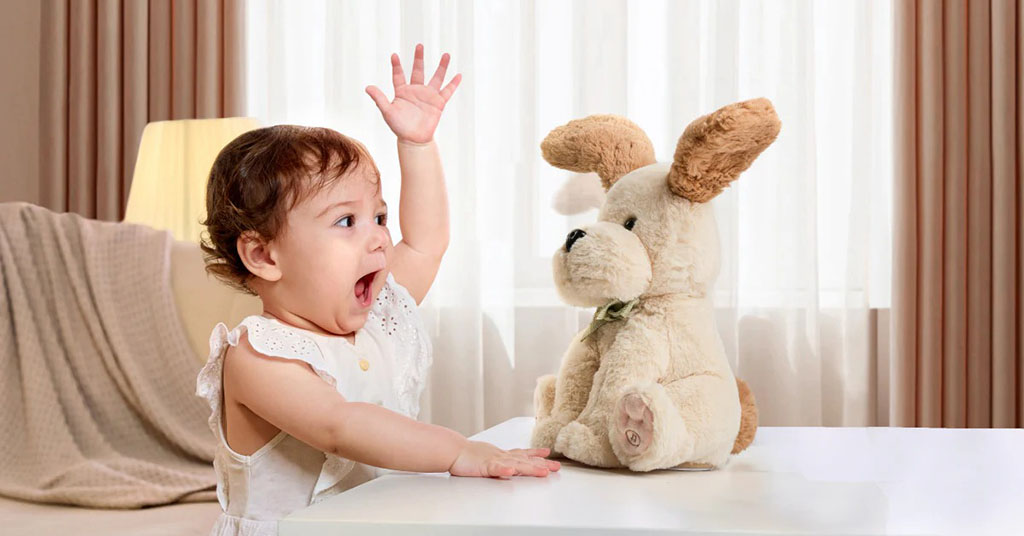
Construction is where “cute” becomes “trusted.” For toddler sleep plush, I focus on removing anything that can detach and controlling anything that can tear.
Key build details that reduce risk:
- Embroidered eyes and nose (instead of plastic eyes)
- No buttons, beads, or glued decorations
- No long ribbons, cords, or looped accessories
- Reinforced seams at stress points (arms, ears, neck)
- Secure stitching and consistent seam allowance
- Clean internal finishing so stuffing cannot leak
For children under 3, the U.S. small parts regulation (16 CFR Part 1501) restricts items that present choking hazards. That is why I design toddler products as “no small parts by design,” not “we hope it passes.” eCFR+1
| Construction Detail | Safer Choice | Why It Reduces Risk | QC Check I Use |
|---|---|---|---|
| Eyes and face | Embroidery | No detachable hard parts | Pull/torque checks on any attachments |
| Decorations | Sewn-in, minimal | Less detachment risk | Seam inspection + tension checks |
| Seams | Reinforced at stress points | Prevents splitting and stuffing leaks | Seam strength sampling |
| Stuffing containment | Clean inner finishing | Reduces loose fiber exposure | Shake + squeeze abuse simulation |
| Labels | Soft, short, secure | Avoid irritation and chewing | Label pull test |
| Accessories | None for sleep plush | Avoid cords/loops | “No accessory” design rule |
For sleep use, the best construction strategy is simply: remove hazards first, then add comfort—not the other way around.
How do certifications and compliance standards apply to sleep-time plush toys?
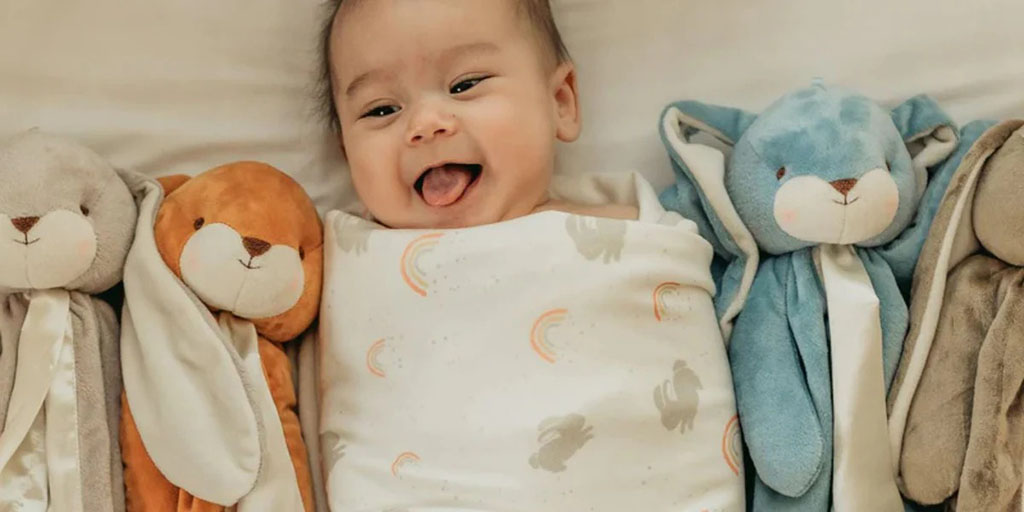
A “sleep-time plush” is still a toy product in most markets, so it should follow toy safety frameworks for your target region.
In the USA, toy safety commonly links to ASTM F963, and the CPSC provides guidance on which sections may apply and where third-party testing is required. U.S. Consumer Product Safety Commission+1 The U.S. small parts rules under 16 CFR Part 1501 are also important for items intended for children under 3. eCFR+1
In Europe, the Toy Safety Directive is supported by standards like EN 71 (mechanical/physical properties, flammability, chemical aspects, and more). intertek.com+2法律資源+2 For global brands, ISO 8124 is also used in various countries as a toy safety framework. ISO+1
One important point I tell buyers: passing toy testing does not mean a product should be marketed with unsafe infant sleep scenes. Infant safe-sleep guidance still warns against soft objects in infant sleep spaces. HealthyChildren.org+2U.S. Consumer Product Safety Commission+2 For toddlers, you can position plush as a comfort item, but marketing and instructions should remain responsible.
| Market | Common Safety Framework | What It Covers (Simple) | Why It Matters for Toddler Sleep Plush |
|---|---|---|---|
| USA | ASTM F963 + CPSC guidance U.S. Consumer Product Safety Commission+1 | Toy hazards, durability, labeling | Retail acceptance + fewer recalls |
| USA (under 3) | 16 CFR Part 1501 eCFR+1 | Small parts/choking hazard control | “No small parts” design decisions |
| EU | Toy Safety Directive + EN 71 intertek.com+2法律資源+2 | Mechanical, flammability, chemical | Market access in Europe |
| Global (some regions) | ISO 8124 ISO+1 | Mechanical/physical requirements by age | Wider compliance alignment |
| All markets | Responsible labeling/visuals | How consumers use products | Prevent misuse and complaints |
If you sell into the USA and Europe, I recommend building one unified “strict” spec, then adapting labeling by market. That reduces complexity and speeds scale.
How can manufacturers design sleep-friendly plush toys for toddler markets?
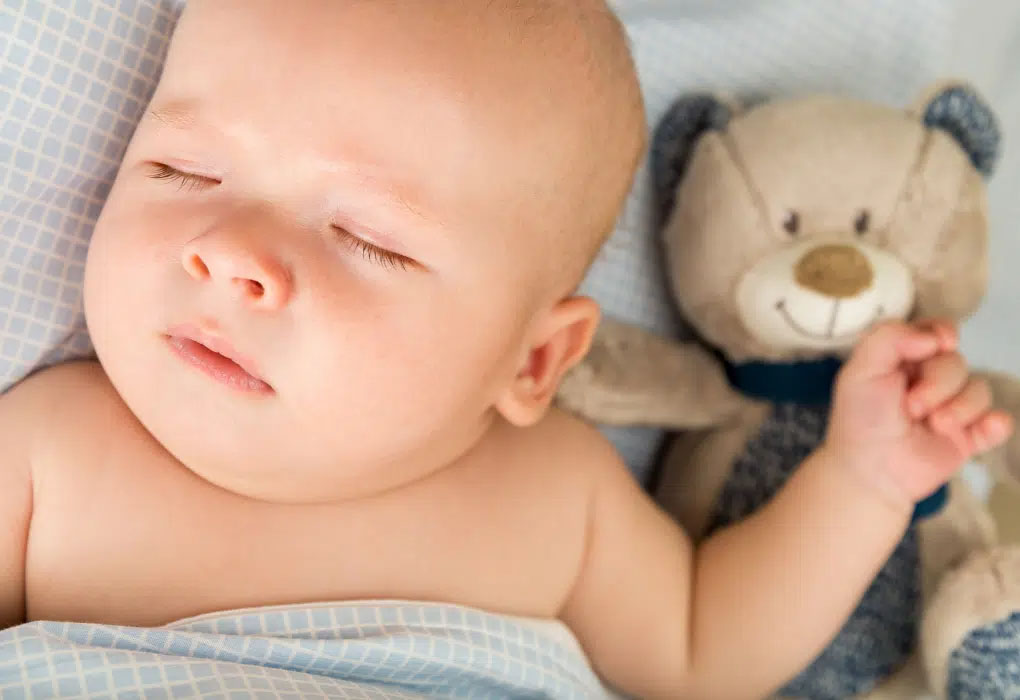
To design a sleep-friendly toddler plush line that scales, I use a clear product formula:
- Comfort-first surface: smooth, soft fabric that stays nice after washing
- Stable inner feel: resilient stuffing that doesn’t clump
- No-risk styling: no small parts, no cords, no hard edges
- Repeatable pattern: shapes that sew consistently across large orders
- Hygiene plan: wash testing, colorfastness, and clear care labels
- Responsible messaging: “toddler comfort,” not “infant crib sleep”
From a business view, the best toddler sleep plush is not the one with the most features. It is the one with the fewest problems: fewer returns, fewer complaints, and fewer safety worries for parents.
| Design Goal | What I Build Into the Product | How It Helps Your Brand | How It Helps Your Customer |
|---|---|---|---|
| Soft, calm feel | Smooth fabric + gentle shape | Better reviews and gifting appeal | Comfort at bedtime |
| Safer close-contact | Embroidery face, no accessories | Lower safety concerns | Less choking/irritation risk |
| Long-term durability | Reinforced seams + stuffing control | Fewer returns | Plush stays “huggable” longer |
| Easy hygiene | Wash-tested materials | Fits retail requirements | Parents can clean easily |
| Scalable production | Simple panels + stable sewing | Stable lead times | Consistent quality across batches |
| Clear communication | Age guidance + safe visuals | Brand trust | Less confusion about safe use |
At Kinwin, we help global buyers build toddler-friendly plush collections with stable softness, strong construction, and compliance-ready planning for the USA, Europe, Japan, and more. If you want a “sleep-friendly” plush line that can scale smoothly, email me at [email protected] or visit kinwintoys.com.
Conclusion
A great toddler sleep plush is simple, soft, washable, and built with “no small parts” safety in mind. At Kinwin, we help brands develop sleep-friendly plush lines that meet market expectations and scale with consistent quality. Contact me at [email protected] or visit kinwintoys.com to discuss your next project.