A “best” stuffed animal for toddlers is not just soft and cute—it must be designed for rough daily handling, frequent cleaning, and higher safety expectations. I’m Amanda from Kinwin, and in this guide I explain how I evaluate toddler plush toys from a B2B and parent-trust perspective, so you can choose or source products with lower risk and stronger long-term value.
For toddler plush toys, I recommend starting with three priorities: age-appropriate construction, tested materials, and secure seams and components. The safest toddler plush designs reduce small detachable parts, use stable plush fabric and clean filling, and follow a compliance plan for your target market. After that, focus on the details that decide real satisfaction: easy holding size, balanced weight, wash durability, and consistent stitching quality.
If you sell to parents, retailers, or e-commerce audiences, “toddler-ready” quality is what protects your reviews, reduces returns, and builds repeat orders.
What safety standards and material specifications are critical for toddler plush toys?
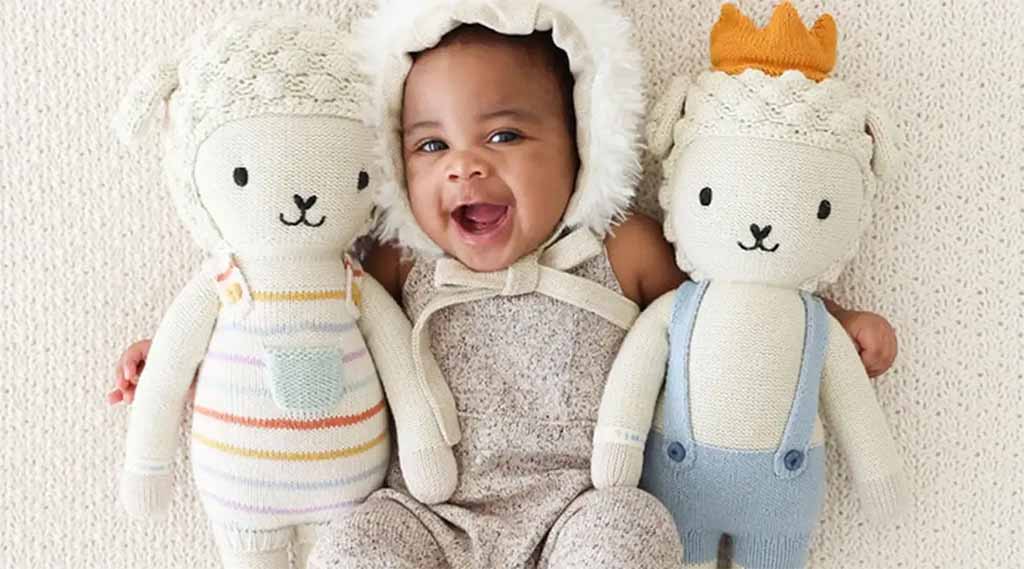
For toddlers, safety is the product. A plush toy can have a lovely design, but if material specs are unclear, the risk becomes unacceptable for parents and for B2B buyers. In toddler projects, I treat material specifications as a controlled system: outer fabric, dyes, filling, and any decorations must work together, and the design must reduce failure points.
The most critical material specifications for toddler plush toys are: tested outer plush fabric with stable dyes, high-grade polyester fiberfill, child-safe decoration methods, and strong seam construction. For toddler age ranges, avoiding loose parts is often the safest route, and choosing wash-friendly materials helps parents keep the toy hygienic.
I also suggest buyers standardize a “toddler material set” for the whole collection. When the material base is consistent, quality becomes more stable, reorders become easier, and product reviews improve.
| Critical area | Recommended specification | Why it matters for toddlers | What can go wrong | What I suggest to buyers |
|---|---|---|---|---|
| Outer fabric | Soft plush fabric with tested stability | Skin contact and comfort | Dye bleeding, rough feel | Request stable fabric sourcing and batch control |
| Filling | High-grade polyester fiberfill | Soft, washable, consistent | Lumps, flatness after wash | Use higher rebound grade for key SKUs |
| Decoration | Embroidery or safe printing | Reduces choking risks | Loose eyes/nose parts | Keep details stitched-in for toddler lines |
| Seams | Strong thread + consistent seam allowance | Prevents seam opening | Filling leakage | Define seam strength checkpoints |
| Care needs | Wash-friendly fabric and fill | Parents expect easy cleaning | Odor, slow drying | Validate wash claim early with simple tests |
Which size, weight, and structure features best suit toddler handling and play?
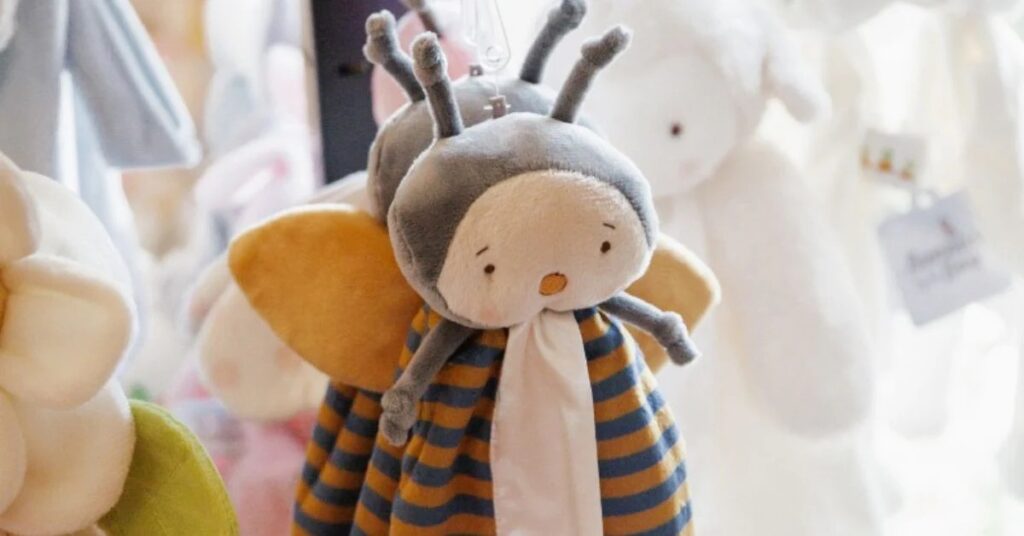
Toddlers play differently than older kids. They hug, drag, throw, chew, and carry toys everywhere. So the “best” plush for toddlers is usually the one that fits their hands, does not feel heavy, and keeps a stable shape without sharp edges or stiff internal parts.
A toddler-friendly stuffed animal is typically easy to grab, light enough to carry, and shaped so it can be hugged and held without slipping. Stable structure matters, but it should come from smart stuffing distribution and good pattern design—not from hard internal inserts that reduce comfort.
From a B2B viewpoint, size and weight also affect shipping cost and retail display. A product that is “too big” can raise freight cost and reduce shelf efficiency, even if parents like the look. I often recommend building a collection with a consistent core size and adding one “hero size” item for marketing.
| Feature | What works best for toddlers | Why it improves play | What to avoid | Better option |
|---|---|---|---|---|
| Size | Easy-to-hold body and limbs | Better grip and comfort | Oversized plush that toddlers can’t carry | Keep core size consistent across collection |
| Weight | Light and balanced | Safe carrying and hugging | Heavy weight that tires arms | Use soft fill distribution for stability |
| Structure | Soft, rounded shape | Comfort and safety | Hard inserts near edges | Use pattern shaping + fill zoning |
| Handling | Simple shapes and easy squeeze zones | Encourages repeated play | Thin limbs that collapse fast | Reinforce limbs and keep proportions stable |
| Portability | Good for travel and daily carry | Parents appreciate it | Too bulky | Offer a smaller “carry” version |
How do stitching strength and component attachment impact durability for toddlers?
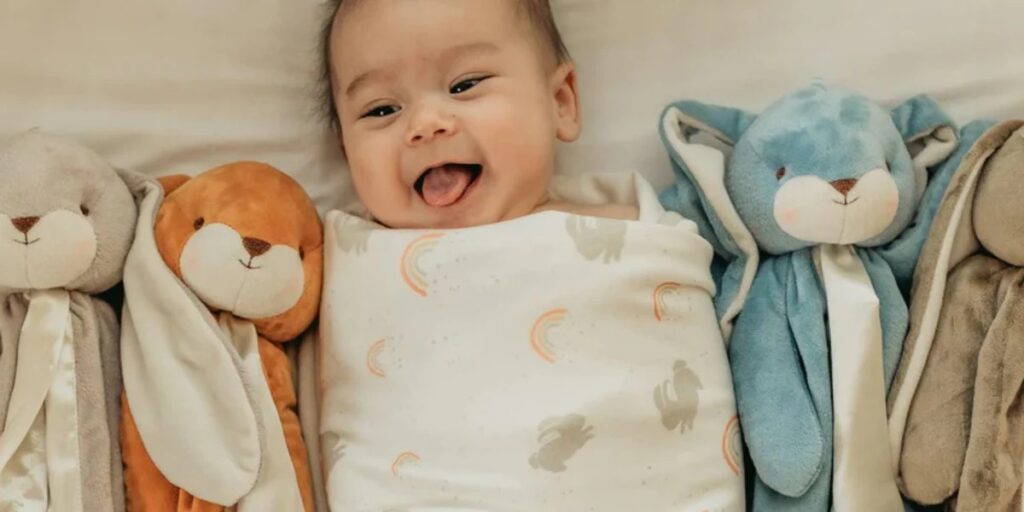
For toddlers, durability is safety. If a seam opens, filling can leak. If a component loosens, parents will immediately lose trust. That is why stitching strength and attachment methods are among the most important technical decisions in toddler plush development.
The best toddler plush toys use consistent stitching, stronger thread, reinforced stress points, and safer decoration methods that reduce detachable parts. If you use any attachments—labels, ribbons, patches—each must be secured in a way that tolerates pulling and rough handling.
In production, I suggest buyers treat toddler plush durability as a repeatable standard, not a “nice extra.” Clear seam specifications and attachment rules make your quality predictable, which protects your brand across reorders.
| Durability area | What “good” looks like | Why toddlers stress it | Failure result | How to control it |
|---|---|---|---|---|
| Seam strength | Tight, even seams with reinforcement | Pulling and dragging | Seam opening, fill leakage | Reinforce high-stress points |
| Thread quality | Strong, consistent thread | Repeated squeezing | Stitch break | Standardize thread specs |
| Component attachment | Secure stitching, no loose parts | Chewing and pulling | Safety complaints | Prefer embroidered details |
| Stress points | Arms, legs, ears, tail | High leverage areas | Quick damage | Add reinforcement rules |
| Finish trimming | Clean edges, no loose threads | Toddlers pick at threads | Unraveling | Add strict final trimming QC |
What design elements support emotional comfort and early learning development?
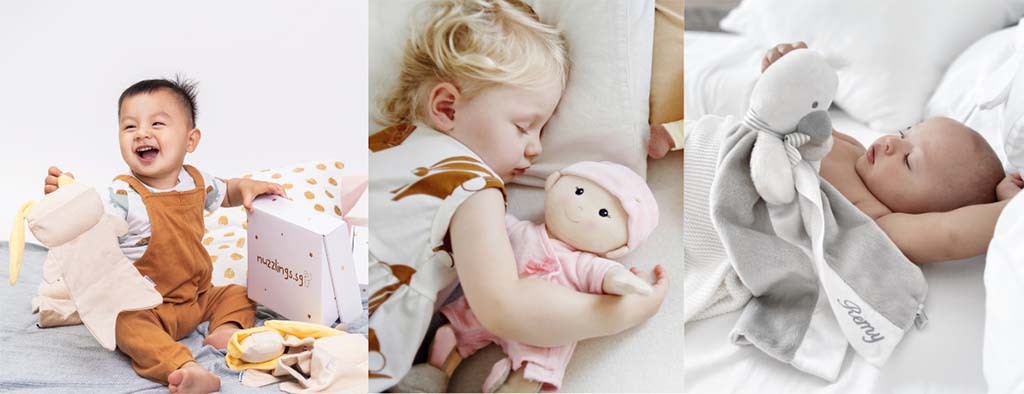
Toddlers often attach emotionally to a plush toy. They use it for comfort during sleep, travel, and new environments. That emotional role is why parents become very sensitive to safety, washability, and “friendly look.” A good toddler plush should feel safe, look gentle, and remain consistent over time.
Comfort comes from a soft surface, balanced filling, and a face that looks friendly from multiple angles. Early learning value can come from simple themes—animals, colors, routines, or basic storytelling—without adding risky features.
From my experience, the best toddler plush designs do not over-design. They focus on a simple character, a calm expression, and a body shape that feels good in a hug.
| Value goal | Design choice | How it helps toddlers | Why parents like it | B2B benefit |
|---|---|---|---|---|
| Emotional comfort | Gentle face and soft texture | Calms and reassures | Better bedtime support | Higher loyalty and repeat sales |
| Sensory ease | Smooth, non-scratch fabric | Comfortable touch | Less irritation | Fewer complaints |
| Routine support | Wash-friendly design | Sleep/travel buddy | Easy hygiene | Better reviews |
| Early learning | Simple animal themes and colors | Recognition and storytelling | Educational positioning | Easier marketing |
| Safety-first play | Minimal accessories | Less hazard risk | Higher trust | Lower compliance risk |
Which certifications and testing requirements should B2B buyers prioritize for toddlers?
For toddler products, buyers should prioritize certifications and testing that cover mechanical safety (seams and components), chemical safety (materials and dyes), and labeling rules. The right path depends on your selling region, but the principle stays the same: the testing scope must match the product’s real design and age grading.
In the US, many buyers focus on ASTM-related compliance pathways. In Europe, EN71 is widely used. The key for B2B sourcing is to ensure your supplier can support documentation stability across reorders, because inconsistent material changes create compliance risk and brand damage.
I recommend asking suppliers for a clear compliance plan early: what will be tested, what materials are controlled, and how changes are managed.
| Buyer channel | Priority requirement | Why it matters | What to request from suppliers | Typical risk |
|---|---|---|---|---|
| Retailers | Strong documentation | Store reputation | Test scope alignment + reports | Mixed batches |
| E-commerce brands | Proof + durability | Reviews and returns | QC checklist + traceability | Flat plush complaints |
| Promotional buyers | Safety + speed | Liability control | Simplified toddler-safe design | Risky accessories |
| Brand owners | Compliance system | Scale and reorders | Change control and records | Material swaps without notice |
| Importers/wholesalers | Consistency and labeling | Border checks and audits | Label and packaging compliance | Missing or unclear labeling |
How do customization and branding options align with toddler-focused plush collections?
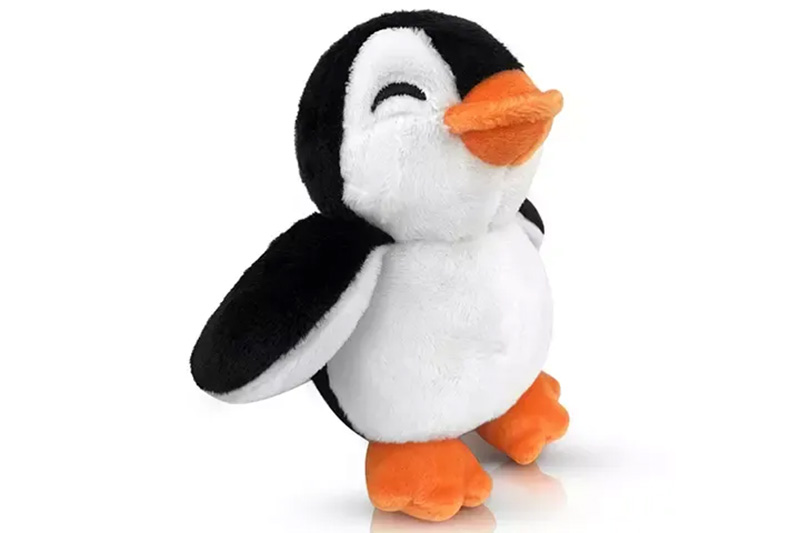
Customization is important for B2B buyers, but toddler lines need a safer approach. The best toddler customization adds brand identity without adding detachable parts or complex accessories that increase risk and cost. In my work, I guide buyers toward branding methods that are visible to parents but still toddler-safe.
Safe customization options include embroidered logos, custom colors, custom patterns with tested fabrics, branded woven labels (securely sewn), and premium packaging designed for retail impact. These options can make your product line unique while keeping construction stable and cost predictable.
A good strategy is to keep the core plush body consistent across the collection, then build brand identity through embroidery, color variations, and packaging. This improves reorder speed, reduces defects, and supports a strong “collection look” on shelves or online.
| Branding option | Brand impact | Toddler safety risk | Cost impact | Best practice |
|---|---|---|---|---|
| Embroidered logo | High | Low | Low–Medium | Best balance for toddler collections |
| Custom color palette | High | Low | Low–Medium | Standardize colors for collection consistency |
| Woven label (sewn-in) | Medium | Low | Low | Use strong stitching and safe placement |
| Printed fabric panels | Medium–High | Low (tested) | Low–Medium | Control inks and test stability |
| Added accessories | Medium | Higher | Medium–High | Avoid for toddler SKUs |
| Premium packaging | High | Low | Medium | Boosts perceived value without toy risk |
Conclusion
A great toddler stuffed animal should be safe, soft, durable, and easy for small hands to hold while giving parents confidence in quality and care. At Kinwin, we help global buyers develop toddler-focused plush collections with controlled materials, strong construction, and brand-friendly customization. Contact me at [email protected] or visit kinwintoys.com to discuss your next project and explore how our factory can support your success.