When someone hugs a stuffed animal, they are not just touching fabric and filling. They are looking for comfort, warmth, and a sense of safety. If the plush is too hard, too small, or badly shaped, the cuddle feeling disappears very fast.
As a plush toy manufacturer in China, I work with many brands who want “the best stuffed animals for cuddling” for their customers. In this guide, I’ll share how I evaluate plush toys for snuggling: what really matters in materials, stuffing, size, shape, and safety—so you can choose, design, or source cuddle-friendly plush with more confidence.
What qualities make stuffed animals ideal for cuddling?
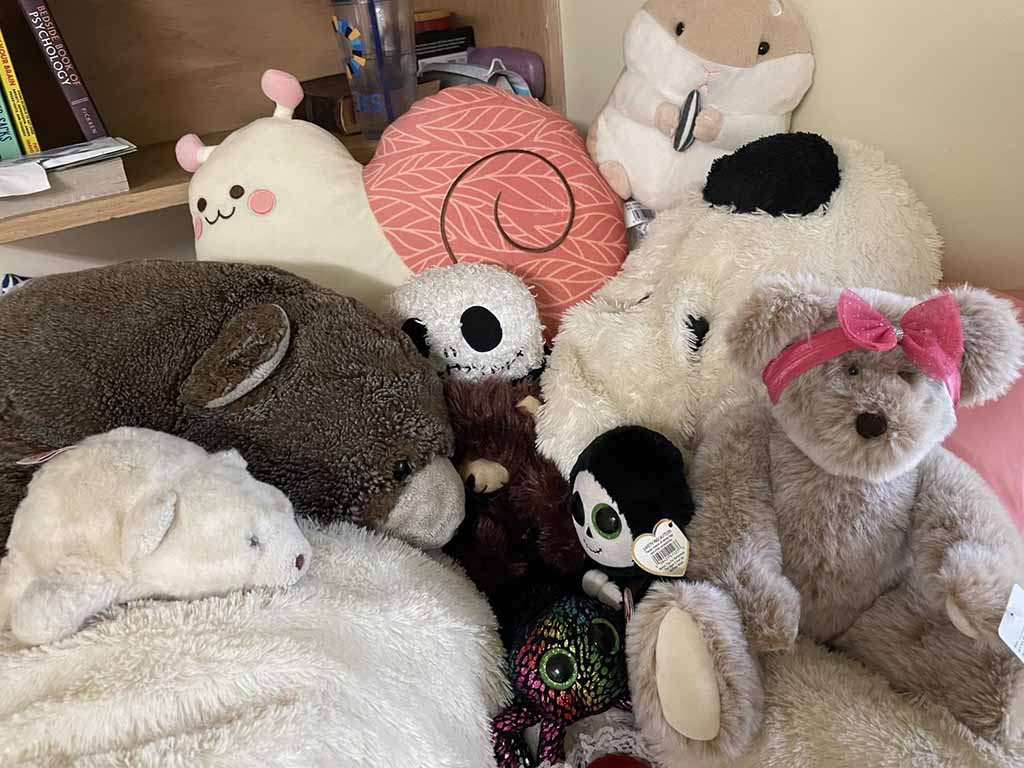
Not every stuffed animal is good for cuddling. Some are made mainly for display. Others are designed for collectors, not for sleep. A cuddle-friendly plush needs to work in real life: on a bed, sofa, or during travel, often in direct contact with skin for a long time.
From my daily work at Kinwin, I see a few core qualities that make a huge difference:
- Soft, friendly surface that feels good against the face and arms.
- Balanced stuffing that is not too hard or too flat.
- A stable, comfortable shape that fits the body when you hug it.
- Safe construction with no scratchy seams or loose details.
- A calm, pleasant expression that helps users feel relaxed.
When all these are in place, people naturally reach for the same plush again and again.
Key cuddle-friendly qualities at a glance
You can use this simple checklist when you review samples or shop for plush:
Table 1 – Core qualities of cuddle-optimized stuffed animals
| Quality Area | What You Should Look For | Why It Helps for Cuddling |
|---|---|---|
| Surface softness | Smooth plush or minky, low scratchy seams | Feels gentle on face and skin |
| Stuffing balance | Even filling, medium softness, no hard lumps | Supports the body without feeling stiff |
| Shape & ergonomics | Rounded body, no sharp corners or overly stiff parts | Fits naturally in arms or against chest |
| Temperature comfort | Fabric that does not feel cold or sticky | Comfortable for longer hugs and sleep |
| Visual calm | Friendly, relaxed expression, soft colors | Supports a sense of calm and emotional comfort |
| Safety and finish | No loose threads, secure details, clean seams | Safer to hug closely, especially for children |
If a stuffed animal looks cute in photos but fails one or two of these points in real life, it will not become a true “cuddle favorite.”
How do materials and stuffing affect softness and comfort?
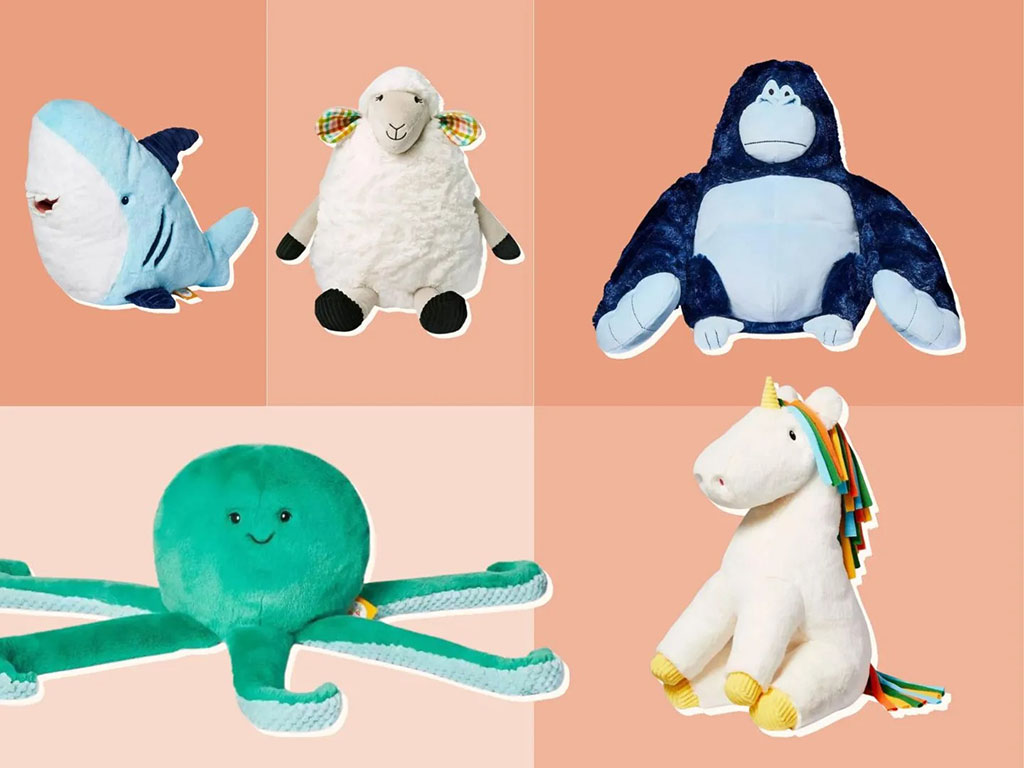
The “first hug” feeling comes from the outer fabric and the inner filling. If the fabric is rough or the stuffing is uneven, comfort drops immediately. That is why, in our factory, we always test both surface and inner feel when we make samples.
Fabric choices for cuddling
For cuddle-focused plush, we usually recommend:
- Short plush or velboa for smooth, neat surfaces.
- Minky / coral fleece for extra softness and a warm, cozy image.
- Very controlled faux fur when you want a fluffy look, but still want a stable feel.
Stuffing choices for cuddling
Inside, most cuddle plush toys use polyester fiberfill. The difference is in the fiber quality and how we fill each zone. For some special products, we also mix fiber with small amounts of pellets to add gentle weight in the body, but we keep the outer layer soft.
Table 2 – Materials and stuffing combinations for cuddling comfort
| Component | Common Options | Cuddle Effect |
|---|---|---|
| Outer fabric | Short plush / velboa | Smooth against the cheek, easy to keep clean |
| Outer fabric | Minky / coral fleece | Very soft, “blanket-like” comfort |
| Outer fabric | Controlled faux fur (medium pile) | Fluffy, enveloping feel, more “luxury” cuddle |
| Stuffing | Standard polyester fiberfill | Light, bouncy, easy to shape |
| Stuffing (premium) | High-resilience fiberfill | Keeps softness longer, less flattening over time |
| Optional inner weight | Small amount of pellets in the body | Slightly heavier, more grounding cuddling sensation |
The right combination depends on your target users. For babies and young children, I usually suggest short plush or minky plus soft, even fiberfill. For teens and adults, medium firmness with a bit more weight can feel more satisfying for bedtime cuddling.
Which designs provide the best ergonomic cuddling experience?
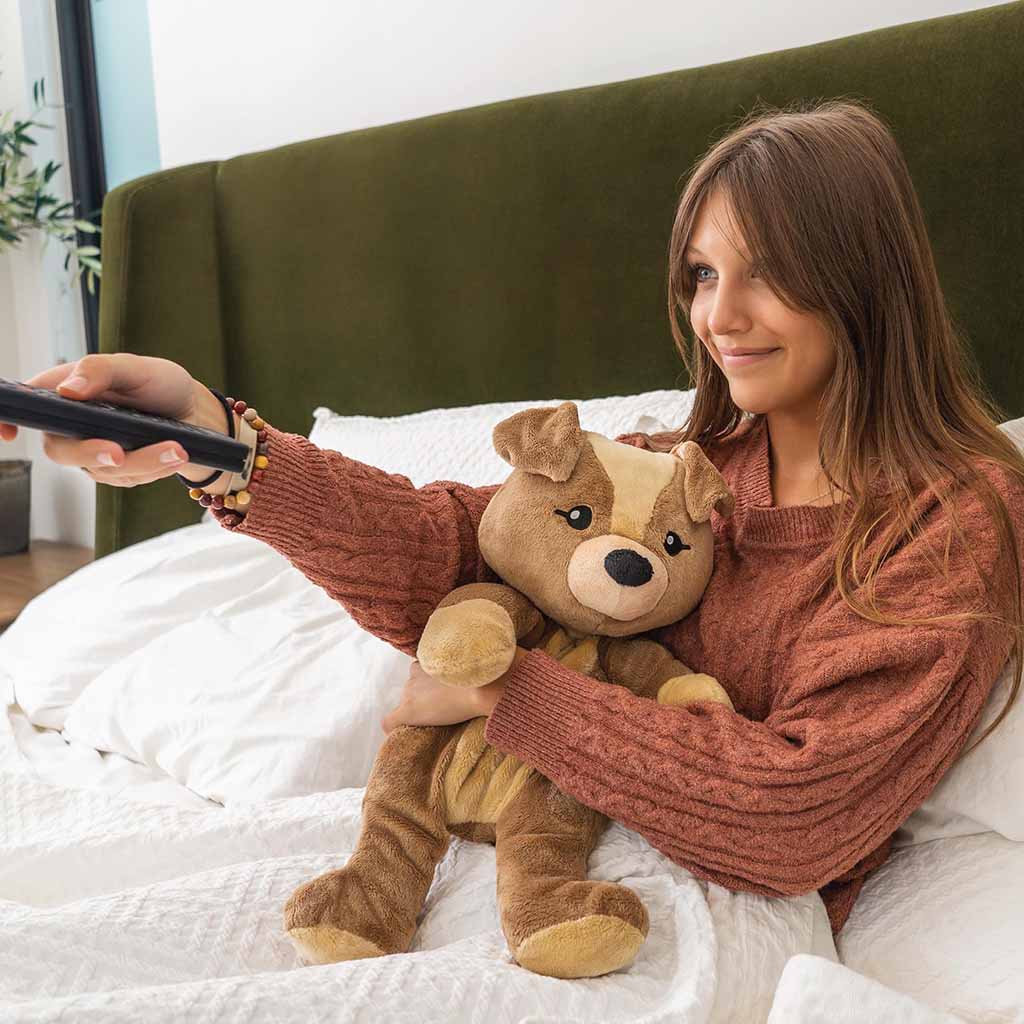
“Ergonomic” may sound like a technical word, but it simply means: does the plush fit the body when you hug it? Some shapes are perfect for cuddling; others are cute but awkward to hold.
When we design cuddle-focused stuffed animals, we pay attention to:
- Overall body length and width.
- Where hands naturally land when hugging.
- How the plush lies across the chest or under the chin.
- Whether the head or limbs get in the way during sleep.
Ergonomic shapes for different cuddle styles
Different people cuddle in different ways. Some hug from the side, some hold plushies against the chest, and some use plush as a pillow or arm support.
Table 3 – Plush shapes and their ergonomic cuddle benefits
| Plush Shape / Style | Description | Best For |
|---|---|---|
| Classic teddy / animal | Rounded body, defined head and limbs | General hugging, kids’ sleep companions |
| Long body pillow plush | Elongated body, simple head, minimal limbs | Side sleepers, adults who like full-body hugging |
| Flat “comforter” plush | Soft, thin body with plush head | Babies and toddlers, light cover over chest |
| Chubby “marshmallow” plush | Very round, squishy body with small features | Lap cuddling, stress relief during sitting |
| Neck-support plush | U-shaped or curved shape | Travel cuddles, reading or watching TV in bed |
The best ergonomic plush for your brand or family depends on how the toy will be used. For example:
- For bedtime cuddling, long body or classic teddy designs work very well.
- For desk or sofa comfort, round chubby plush gives a nice “squeeze” effect without needing a bed.
When we prototype at Kinwin, we always ask our team to hug the sample in different positions. If people naturally move it around and say “this is nice,” we know we are close to the right ergonomic design.
How do top brands create plush toys optimized for snuggling?
Leading plush brands do not rely on chance. They invest time in testing, refining, and aligning materials, design, and storytelling for snuggling. From the outside, you see only a soft toy. Inside, there is a lot of planning.
As a factory partner, I often see these patterns in cuddle-focused projects:
- A clear target user profile (for example, “teen girl who loves cozy rooms” or “adult who needs a hugging pillow for sleep”).
- Very strict material selection for surface softness.
- Careful stuffing plans by zone (head, body, limbs).
- Simple but expressive faces that feel kind and safe.
Strategies top brands use for cuddle-optimized plush
Table 4 – Common approaches used by cuddle-focused plush brands
| Strategy Area | What Brands Do | Result for End Users |
|---|---|---|
| Material selection | Choose ultra-soft minky or high-quality short plush | Immediate “wow, this is soft” feeling |
| Stuffing planning | Design different densities for head, torso, limbs | Head not too heavy; body soft but supportive |
| Shape and pattern | Test multiple pattern versions for hugging comfort | Plush that fits under chin, along chest, or around arms |
| Emotional design | Use relaxed eyes, gentle smiles, calm color palettes | Plush feels soothing, not overstimulating |
| User testing | Collect feedback from sample users before mass production | Higher chance the plush becomes a “favorite” |
Behind many popular cuddle plushies, there is a process very similar to what we use for OEM/ODM clients: brief → concept → sample → hug test → adjustments → final version. The brands that take this seriously are usually the ones whose plush toys become “must-have” sleep companions.
What safety standards ensure cuddle-friendly plush toys?
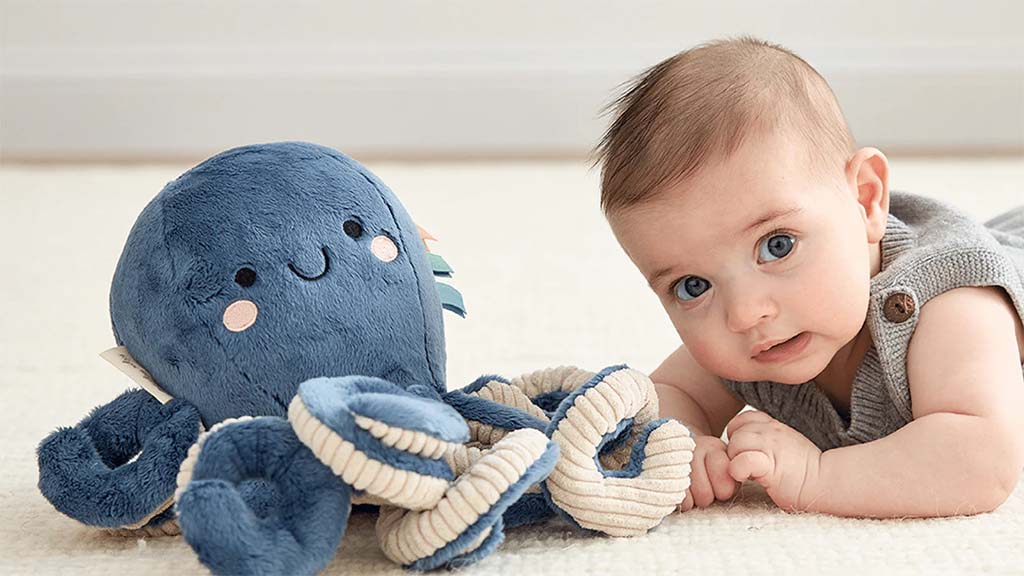
If a plush toy will be used for cuddling—especially at night or by children—safety and comfort must go together. A very soft toy is not “best” if it has weak seams or unsafe parts.
For export markets like the USA and Europe, we help our clients follow major toy-safety frameworks, such as:
- EN71 and CE marking (Europe).
- ASTM F963 and CPSIA (USA).
- Similar national standards in other regions.
Even if users are teens or adults, we still treat cuddle plush as if they were children’s products in terms of safety.
Safety and comfort points we check in factory
Here’s how we connect safety standards with practical cuddle use:
Table 5 – Safety aspects that support cuddle-friendly design
| Safety Aspect | What We Do in Production | Why It Matters for Cuddling |
|---|---|---|
| Seam strength | Perform tension tests on seams and joints | Prevents bursting when squeezed or rolled |
| Small parts | Prefer embroidered eyes/nose for younger users | Lowers choking risk and scratch points |
| Chemical safety | Use tested fabrics, fillings, and dyes | Safer for skin contact and accidental mouthing |
| Sharp points / needles | Needle detection and sharp-point checks | Reduces risk of hidden metal in stuffing |
| Labeling & care info | Clear instructions for washing and age guidance | Helps users keep plush clean and suitable |
For cuddle-focused plush, I also pay special attention to seam feel. Even if a seam is strong, a very hard or thick seam can feel uncomfortable against the face. So we work on seam positioning and finishing to keep contact areas smooth.
Conclusion
The best stuffed animals for cuddling are not only cute—they are soft on the surface, balanced in stuffing, safe in construction, and shaped to fit the way people actually sleep and relax. When brands and buyers pay attention to fabric, filling, ergonomics, safety, and size, their plush toys move from “just another toy” to “favorite cuddle partner.” At Kinwin, my team and I help global buyers design and produce cuddle-ready plush that feel good in every hug and build real emotional connection with end users. If you are planning a snuggle-focused plush line or want to improve your current products, you are welcome to contact me at [email protected] or visit kinwintoys.com to explore how our factory can support your next project.